
A faint change in vibration can show up long before a factory pump stops. Someone who understands the reading can arrange a repair while the equipment is still working. Everyone else may only notice when production shuts down.
The same gap exists in other workplaces. An unusual test result, a design detail, or a pattern in financial records can look unimportant until somebody knows what to ask next. Finding the problem early can prevent an injury, an expensive failure, or a decision based on incomplete information.
Being observant becomes more valuable when you know how to check what you noticed. That knowledge might come from technical training, an engineering degree, clinical work, or years spent examining business operations. The work often involves explaining a concern to people who have already decided everything looks fine.
1. Certified industrial hygienist

A workplace can look clean and still expose people to harmful dust, vapors, or noise. Industrial hygienists identify and evaluate those less obvious hazards. You observe how work is performed, choose suitable monitoring methods, interpret exposure measurements, and recommend ways to reduce the risk to employees.
Average pay for certified industrial hygienists is about $45 per hour. An exposure problem may depend on where someone stands, how long a task takes, or whether ventilation works during a particular operation. You need to understand those conditions before deciding what to measure. The work can involve manufacturing plants, laboratories, construction projects, and other workplaces where a quick visual inspection would leave important questions unanswered.
A relevant science or engineering degree is a common foundation. Earning the CIH credential requires qualifying education, professional experience, and an examination. It generally follows several years of industrial hygiene practice. You need strong science skills and the ability to explain findings to workers and managers. Site visits, protective equipment, and careful documentation are regular parts of many jobs.
2. Diagnostic medical sonographer
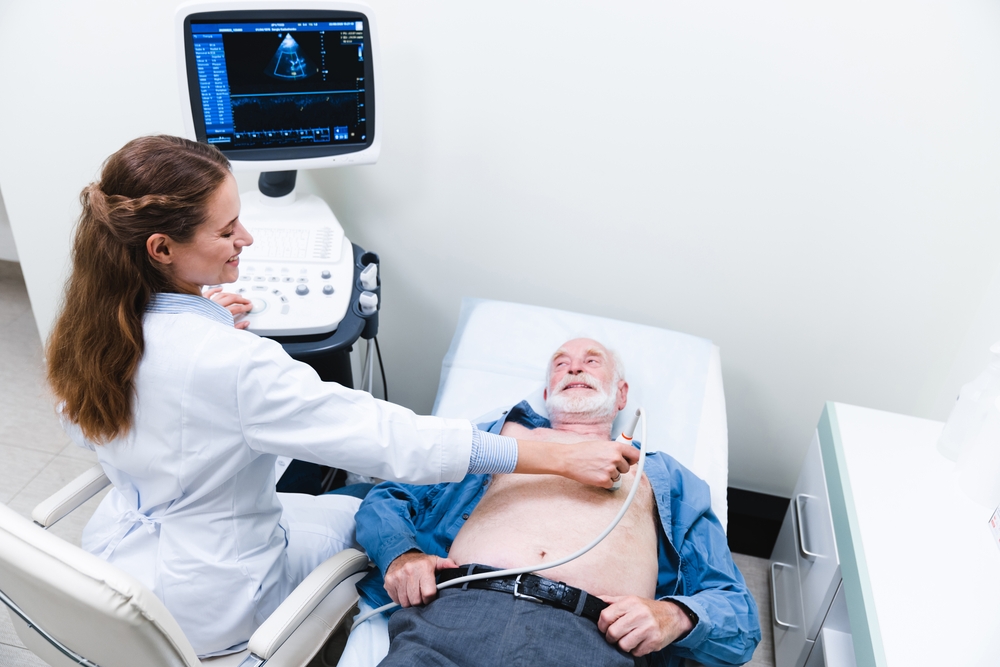
Getting a useful ultrasound image takes judgment about where to look, how to position the patient, and which views will show the relevant anatomy. Diagnostic medical sonographers operate ultrasound equipment and recognize findings that need a closer look. You capture images and measurements that physicians use to assess a patient’s condition.
Median pay is about $46.44 per hour. The work extends well beyond pregnancy scans. Depending on your specialty, you might examine abdominal organs, blood vessels, or other structures. You adjust the examination as needed, check image quality, and document relevant observations. The physician makes the diagnosis, but the examination depends on the sonographer obtaining the views needed to support it.
An associate’s degree is a common route, although bachelor’s and qualifying certificate programs also exist. Employers commonly expect professional certification, and requirements vary by specialty and location. Clinical training is essential. You need comfort with anatomy, hands-on equipment work, and close contact with patients. The job can also involve lifting or positioning patients, repetitive arm movements, and shifts outside ordinary office hours.
3. Nondestructive testing Level III specialist

A component can have a crack or internal defect without showing obvious damage on the surface. Nondestructive testing uses methods such as ultrasound, radiography, or magnetic particle inspection to examine material without destroying it. Level III specialists provide advanced technical oversight, helping choose methods, develop procedures, and interpret difficult findings.
Average pay at Level III is about $41 per hour. The work may involve aircraft parts, pressure equipment, pipelines, or other components where a missed defect matters. A suspicious indication needs to be distinguished from harmless geometry or a testing problem. You may support technicians, review results, and establish whether an inspection procedure can reliably detect the type of defect being sought.
Level III is an advanced qualification requiring documented experience and examinations. Education affects the experience route, and employers may have additional qualification requirements. Many people begin as trainees or technicians and progress through supervised practical work. You need to understand materials, testing limitations, and applicable standards. The pay belongs to an experienced specialist rather than someone completing a short introductory course.
4. Food scientist

A packaged food can taste fine when it leaves the factory and develop problems before its stated shelf life ends. Food scientists investigate how ingredients, processing, storage, and packaging affect a product. You design studies, examine results, and help establish whether a proposed change will affect safety, quality, or consistency.
Median pay across food scientists and technologists is about $42.65 per hour. The detail worth noticing might be a change in acidity, moisture, texture, or how a package performs. You work with laboratory and production teams to find out whether it matters and why it happened. Some roles focus on developing products; others concentrate on processing, safety, or solving recurring quality problems.
A bachelor’s degree in food science, chemistry, microbiology, or a related field is a common starting point. Some research positions require an advanced degree. Laboratory or production experience helps connect test results with what happens on the line. You need to plan useful experiments, interpret evidence carefully, and explain why an apparently small change needs more testing before the product is approved.
5. Fire protection engineer

A building can have alarms, sprinklers, and emergency exits yet still contain a weakness in how those protections work together. Fire protection engineers evaluate fire risks and design or assess measures to protect people and property. You examine building layouts, materials, occupancy, suppression systems, and the routes people would use to escape.
Average base pay is about $42.37 per hour. A change in storage arrangements or how a space is used can alter the risk. You review those details, perform calculations, interpret requirements, and work with designers, owners, and authorities. Some positions include inspecting existing buildings or investigating fire-related failures. The work calls for understanding the whole situation rather than counting the equipment installed.
A fire protection engineering degree or a related engineering background is common. Practical experience develops through supervised projects, and professional engineering licensure may be needed for particular responsibilities. You need to learn the relevant codes and understand the assumptions behind a design. Clear writing and communication matter because other people must be able to build, operate, and maintain the protections you specify.
6. Human factors engineer

A device can work exactly as designed and still be easy for a person to use incorrectly. Human factors engineers investigate that problem. You study how people interact with equipment, controls, displays, and procedures, then help designers reduce confusion and foreseeable errors. Medical devices, vehicles, aviation systems, and industrial equipment are possible settings.
Average base pay is about $44.81 per hour. You might observe users struggling to distinguish two controls or overlooking information during a demanding task. The next step is to test whether a different layout, warning, or procedure improves performance. The work involves research design, observation, analysis, and collaboration with people who may be very familiar with the product and overlook a newcomer’s difficulties.
Employers commonly seek education in human factors, engineering, psychology, ergonomics, or a related field. Advanced degrees are preferred for some positions. Research experience and knowledge of the relevant industry are valuable. You need to ask useful questions, interpret behavior carefully, and distinguish a design problem from an assumption about what users should already know. Testing with real people is an important part of the work.
7. Pathologists’ assistant

When tissue is removed during surgery, someone must examine and describe it carefully and select appropriate areas for further analysis. Pathologists’ assistants perform that detailed work under a pathologist’s supervision. You handle surgical specimens, take measurements, document visible features, and prepare tissue samples that support the pathologist’s examination and final diagnosis.
In private pathology laboratories, average pay was $52.70 per hour in 2023. Finding and documenting the relevant area of a specimen can be crucial to the information available later. The work may involve complex dissections, photographs, and close attention to how a specimen is oriented. Some positions also include assisting with autopsies. This requires comfort with human tissue and the realities of a pathology laboratory.
The usual professional route involves a relevant bachelor’s degree followed by an accredited master’s program in pathologists’ assistant studies. Employers commonly expect professional certification, and some states require licensure. You need strong anatomy knowledge, careful practical technique, and accurate documentation. The role supports diagnosis, while the pathologist retains responsibility for the final diagnostic interpretation and sign-out.
8. Genetic counselor

A family history can contain a pattern that nobody has put together: related conditions, unusually early diagnoses, or several affected relatives. Genetic counselors assess that information and help people understand inherited risks and testing options. You review medical and family histories, explain possible results, and support patients as they make decisions.
Median pay is about $48.09 per hour. The work can involve cancer risk, pregnancy, childhood conditions, or other specialties. A test result may be uncertain or have implications for relatives, so interpretation needs context. You work with medical teams and explain what the evidence does and does not establish. Supporting an informed choice is a substantial part of the role.
A master’s degree in genetic counseling is typically required, along with certification and any applicable state license. Programs combine genetics, counseling, and supervised clinical experience. You need to enjoy science and be able to discuss difficult information with sensitivity. Spotting a pattern matters, but so does helping someone understand it without overstating the certainty or steering them toward a decision that is yours rather than theirs.
9. Commissioning engineer
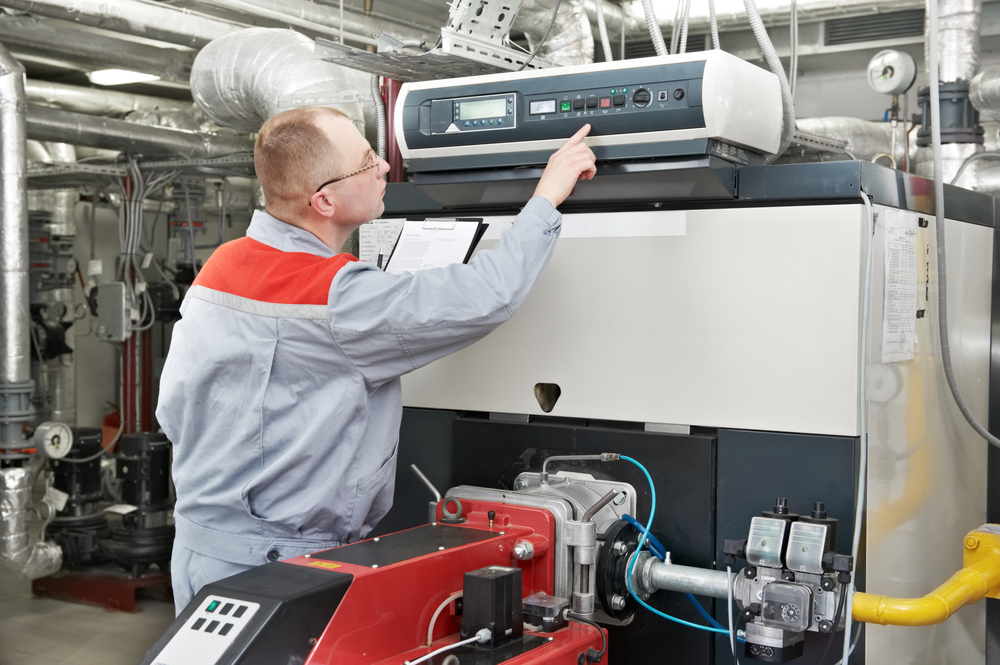
A building’s heating system may work in a basic check and fail when several systems operate together. Commissioning engineers test whether installed equipment and controls perform as the project requires. You review documents, help plan tests, observe operation, and investigate differences between the intended performance and what actually happens.
Average pay is about $54 per hour. Work can involve heating and ventilation, electrical systems, controls, or other equipment in commercial and technical facilities. The missed detail might be a sensor in the wrong place, an incorrect control setting, or an interaction nobody checked. You document issues, coordinate with contractors and designers, and verify that corrective work resolves the problem.
An engineering degree and relevant building systems experience are common requirements. Some employers consider substantial technical experience for particular roles. Knowledge of controls, testing, and the systems being commissioned is important. Professional commissioning credentials may help as you progress. You need to read specifications, ask practical questions, and stay systematic when a test exposes several possible causes. Site work and travel are common.
10. Actuary

A business can underestimate risk by relying on an average that hides important differences. Actuaries examine financial uncertainty using mathematics, statistics, and business knowledge. You study experience data, build and assess models, and help organizations decide how much risk to accept, what to charge, or how much money to set aside.
Median pay is about $62.50 per hour. Insurance is a major setting, although actuaries also work in consulting and other organizations. The overlooked detail might be a shift in claims patterns, an assumption that no longer holds, or a group whose experience differs from the rest. You investigate those differences and explain their financial consequences to decision-makers.
A bachelor’s degree with strong mathematics, statistics, and business preparation is typical. Professional qualification requires a series of exams, usually completed while working. Internships and early exam progress can help with entry-level applications. This is a long-term commitment to technical study. You need to enjoy analytical work and be able to explain why a model’s answer depends on the quality of its data and assumptions.
11. Geotechnical engineer

The ground beneath a building may contain weak soil, groundwater, or buried conditions that are not apparent at the surface. Geotechnical engineers investigate how those conditions could affect foundations, slopes, retaining structures, and other projects. You review site investigations and laboratory results, perform analyses, and recommend suitable approaches to design and construction.
Average pay at the engineer II level is about $41 per hour. A thin layer of unsuitable material or an unexpected water level may change the engineering decision. You need to assess how representative the available evidence is and where more investigation may be needed. The work combines office analysis with field observations and communication with construction and design teams.
A civil engineering degree is a common starting point, and some employers prefer graduate study in geotechnical engineering. This pay level generally involves experience beyond a new graduate’s first role. Professional engineering licensure is important for positions that carry independent responsibility. You need to understand soil and rock behavior, work carefully with incomplete information, and explain the limitations as well as the conclusions of a site investigation.
12. Clinical pharmacist

A medicine can be appropriate for a condition and still be unsuitable for a particular patient. Clinical pharmacists review medication plans in the context of diagnoses, laboratory results, allergies, and other treatments. You work with the care team to identify problems involving doses, interactions, duplicate therapy, or how a patient is responding.
Median pay across pharmacists is about $67.75 per hour. In a hospital or clinic, the important detail may be a change in kidney function, a medicine missing from the history, or a treatment that needs closer monitoring. You assess its significance and discuss appropriate changes with the team. Patient education and follow-up are also important parts of clinical work.
A Doctor of Pharmacy degree and pharmacist licensure are required. Clinical positions often seek postgraduate residency training or substantial relevant experience, and some specialties favor board certification. You need detailed drug knowledge, sound clinical judgment, and the ability to communicate recommendations clearly. This is patient care work with significant responsibility. Hospital positions can also involve nights, weekends, and decisions made under time pressure.
13. Reliability engineer

A machine that repeatedly needs the same repair may be revealing a problem with its design, installation, or operating conditions. Reliability engineers look for those patterns and work out how to reduce failures. You examine maintenance history, test data, equipment condition, and the consequences of different failure modes.
Average pay at the engineer II level is about $45 per hour. In manufacturing or other equipment-intensive operations, you might find that a replacement schedule ignores actual wear, or that several failures share a cause nobody has investigated. You develop recommendations, help test changes, and track whether reliability improves. The role involves analysis and practical cooperation with maintenance, operations, and design staff.
An engineering degree and relevant technical experience are common requirements. Employers may look for knowledge of failure analysis, statistics, maintenance, and the equipment used in their industry. Professional reliability certification can support advancement. This is an experienced engineering role. You need to question recurring explanations and distinguish a genuine improvement from a period when the equipment simply has not failed again yet.
14. Information security analyst

An unusual login or a small change in network activity can be an early clue that someone has gained access they should not have. Information security analysts investigate threats and help protect an organization’s systems and data. You review evidence, assess vulnerabilities, improve defenses, and help respond when an incident occurs.
Median pay is about $62 per hour. Alerts are only a starting point. You need to understand the systems involved and connect clues that may initially look unrelated. Some roles concentrate on incident investigation, while others focus on security controls, risk, or testing. The most relevant positions involve substantive analysis and response decisions, with responsibility beyond processing a queue of routine alerts.
A computing-related bachelor’s degree and relevant IT experience are common, although alternative routes exist. Network administration, systems work, or technical support can provide useful preparation. Employers often value security certifications alongside practical ability. You need to keep learning and explain findings to people outside the security team. Some positions require on-call coverage or urgent work when an incident disrupts normal operations.
15. Geoscientist

A rock sample, a survey result, or an unexpected layer underground can change the understanding of an entire site. Geoscientists investigate the Earth’s materials and processes. You collect and interpret evidence from field observations, samples, instruments, and existing records to answer questions about resources, ground conditions, or environmental problems.
Median pay is about $49 per hour. The work varies considerably by specialty. You might help identify a mineral deposit, investigate contamination, or assess geological conditions relevant to a project. A useful finding often comes from connecting information gathered at different locations or depths. You also need to consider whether an apparent pattern is supported by enough evidence.
A bachelor’s degree in geoscience or a related field is typically required, and some employers prefer a master’s degree. Many professional positions require state licensure. Fieldwork experience, laboratory skills, and data analysis are valuable. You need comfort with outdoor work, travel, and sometimes remote locations. The job combines observation with scientific interpretation, and its schedules and working conditions depend heavily on the specialty and employer.
16. Internal auditor

A purchase has all the required approvals, but the same person may have controlled several steps that were supposed to provide independent checks. Internal auditors investigate whether an organization’s processes and controls actually work. You examine records, interview staff, test transactions, and identify weaknesses that could allow errors, waste, or misconduct.
Median pay across accountants and auditors is about $40.23 per hour. Assignments can cover finance, purchasing, inventory, or other operations. The overlooked issue may be a pattern across several transactions rather than one obviously incorrect entry. You explain the finding, recommend improvements, and follow up on the response. Understanding the operation helps you recognize when a documented control exists mainly on paper.
A bachelor’s degree in accounting or a related subject is typical. Accounting, audit, or relevant operational experience can provide a route into the field. Internal audit certification can support career progression. You need to be comfortable asking how a process really works and checking the answer against evidence. Clear reports matter because managers must understand the problem and what a practical correction would involve.
17. Health and safety engineer

A machine guard may protect someone during normal production but leave them exposed while clearing a blockage. Health and safety engineers look for hazards in equipment, products, and industrial processes, including situations the original design may not have addressed adequately. You evaluate risks and develop engineering measures to reduce them.
Median pay is about $55.36 per hour. The work can involve reviewing designs, inspecting equipment, analyzing incidents, and checking how people actually perform a task. You may identify a dangerous sequence of events that seems unlikely until several ordinary actions happen together. Recommendations can involve changing the equipment, controls, layout, or process, alongside any necessary procedures and training.
A bachelor’s degree in engineering or a related field is typically required. Internships and practical industry experience are useful, and professional credentials may help as you develop. You need to understand both the technical system and the work around it. The role involves collaboration with engineers, operators, and managers, including explaining why a proposed change matters before an injury provides the evidence everyone would rather avoid.
18. Medical physicist
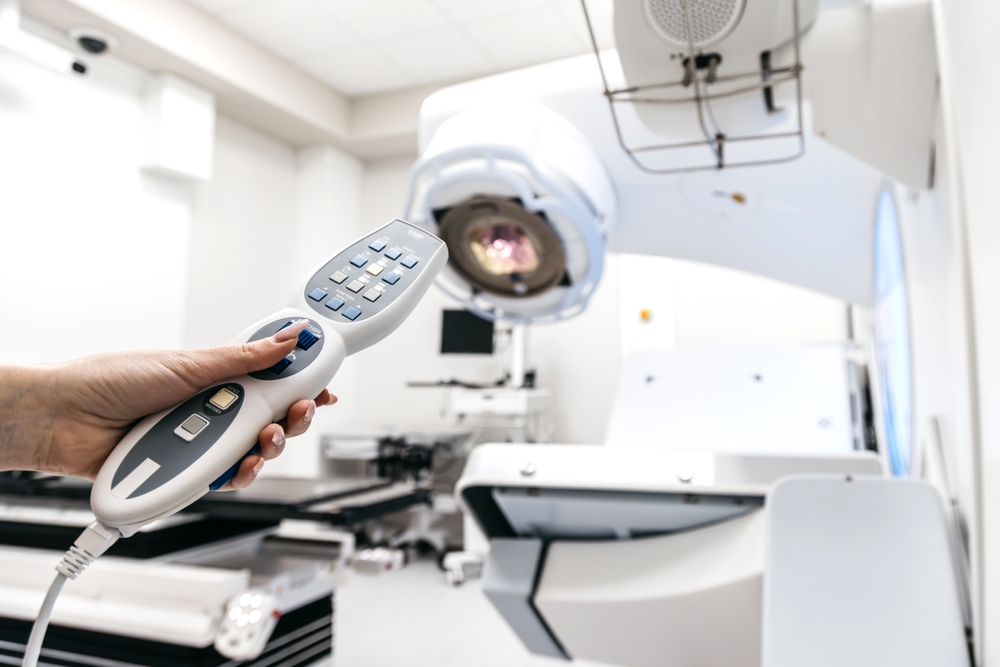
Radiation treatment depends on equipment and calculations delivering the intended dose accurately. Medical physicists help establish and maintain that accuracy. In radiation oncology, you test treatment equipment, evaluate performance, review technical aspects of treatment delivery, and investigate results that fall outside expectations. A small discrepancy can require careful attention before treatment proceeds.
Average primary pay for working U.S. medical physicists was about $119 per hour in 2024. The work combines physics, measurement, computing, and clinical responsibility. You may notice a change in equipment output, an inconsistency in a plan, or a problem revealed by quality assurance testing. You work with physicians, dosimetrists, and radiation therapists to investigate and address it.
The usual clinical qualification route involves graduate study in medical physics or an appropriate accredited pathway, a supervised residency, and board certification. Residency places are competitive, and training takes several years beyond a bachelor’s degree. You need strong mathematics and physics skills, careful practical measurement, and the judgment to raise a concern promptly. This is a demanding specialist career with substantial responsibility for patient safety.











