
You’re counting out change at a yard sale, or digging through a junk drawer for exact bus fare, and a ten slides past with a run of identical digits staring back at you. Most people fold it into their wallet without a second look. A small, serious niche of currency collectors would tell you to check first.
Every US bill carries an eight-digit serial number, and the patterns those digits form are their own collecting category, separate from rare dates or printing errors. A string of matching numbers, a sequence that climbs in perfect order, a number that reads the same forward and backward: collectors call these fancy serial numbers, and they pay real money for the right ones, sometimes for a bill as ordinary as a one straight from an ATM.
Condition still matters, and so does the exact pattern you’re holding. A worn repeater and a crisp one in gem condition aren’t close to the same bill. Here are 18 specific patterns worth checking your cash for.
1. $1 bill with a repeater serial number
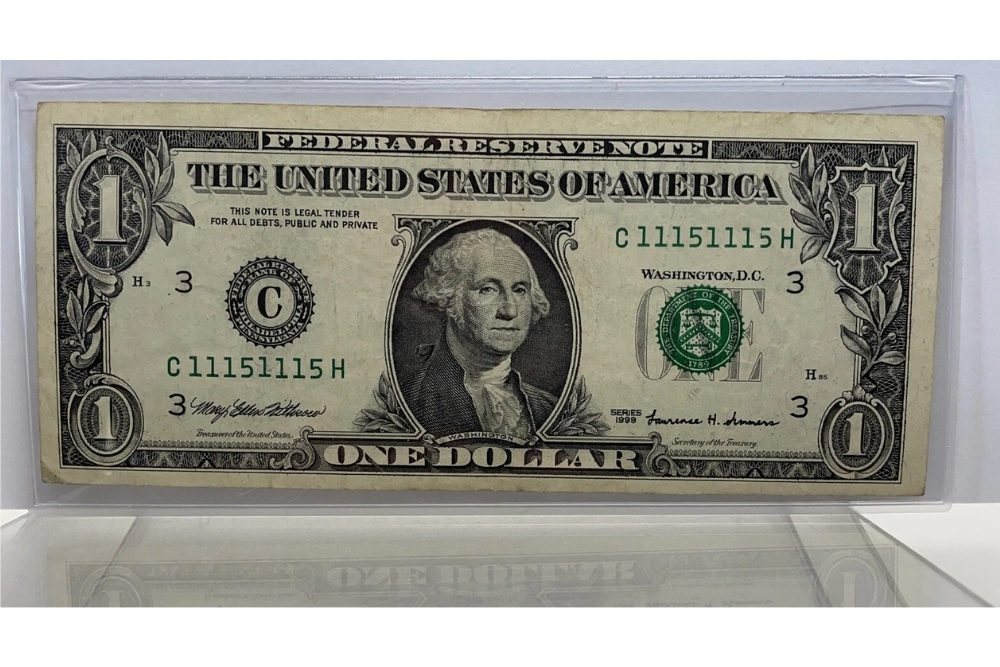
A repeater is the easiest fancy pattern to spot once you know what you’re looking for. The last four digits of the serial number are an exact copy of the first four, like 53825382 or 61946194. Pull any bill from your wallet and check the eight digits printed twice on the front. If the second half matches the first, you’ve got one.
Repeaters are the most common type of fancy serial number, which keeps the price modest but still real. Clean examples typically bring $20 to $100 depending on how crisp the note is and which digits repeat. A circulated bill with folds and handling marks sits at the bottom of that range or below it, while an uncirculated repeater can push past $100 if the pattern is visually striking, like 90919091, versus something duller like 10021002.
Because repeaters turn up far more often than most other fancy serial number patterns, this is the one worth checking for as a habit rather than hoping for once. It costs nothing but a glance.
2. $2 bill with a super repeater serial number
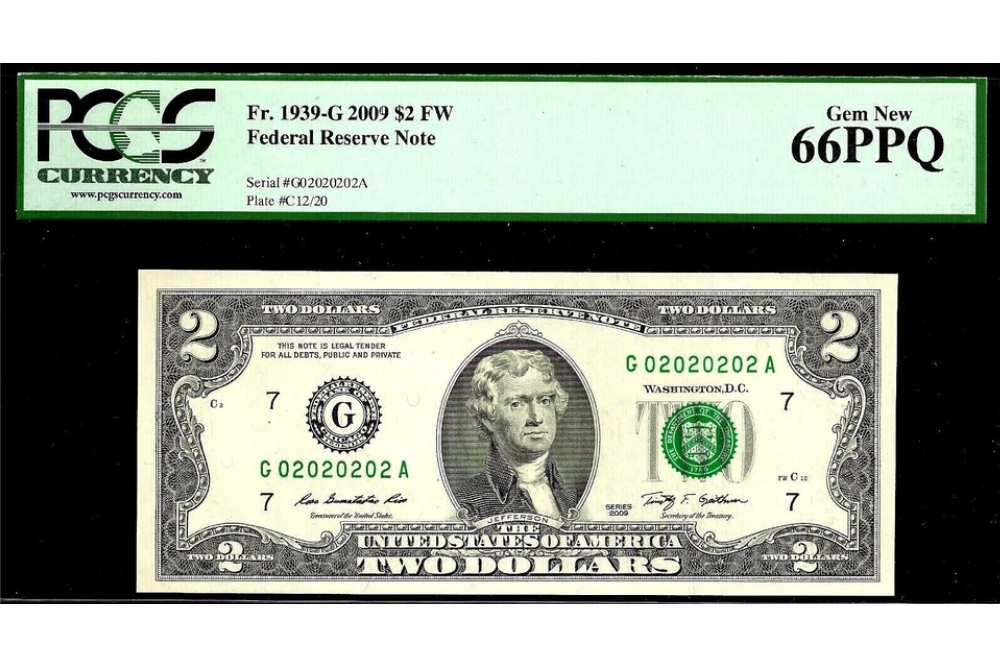
A super repeater takes the repeater idea one step further. Instead of a four-digit block repeating once, a two-digit block repeats four times straight through the serial number, like 81818181 or 32323232. It reads almost like a heartbeat monitor once you notice it, which is part of why collectors rank it above a standard repeater.
Clean $2 bills with a super repeater typically bring $100 to $400, with the higher end reserved for genuinely crisp notes and patterns built from bolder digits like 90909090 rather than something like 01010101. Because $2 bills already get pulled out of circulation and tucked into drawers more than other denominations, a surprising number of them never get examined for their serial number at all before someone sets them aside.
That’s good news if you’re the one doing the checking. A stack of $2 bills from a relative’s collection is worth running through for super repeaters before anything else, since the pattern is easy to miss on a quick flip-through and genuinely pays off when you catch it.
3. $5 bill with a double quad serial number
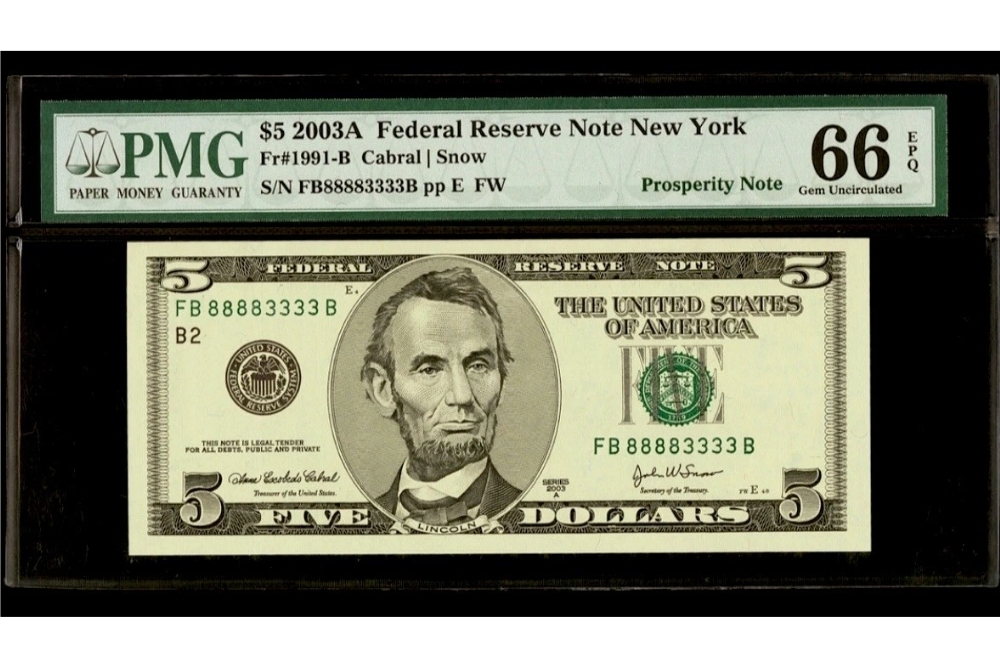
A double quad splits the serial number cleanly in half by digit rather than by sequence. The first four digits are all one number, and the last four are all another, like 77776666 or 22229999. It’s a different animal from a repeater, where the two halves are identical rather than two separate blocks of matching digits.
The pattern is distinctive enough that collectors actively look for it, and clean $5 notes with a true double quad typically add $80 to $180 on top of face value. On a $5 bill that puts a realistic total somewhere around $85 to $185 for a crisp, well-centered example. Worn or heavily creased notes drop toward the bottom of that premium or lose it almost entirely, since a double quad is a visual pattern first, and a worn note makes it harder to appreciate at a glance.
Double quads get confused constantly, even by sellers, with a related but different pattern called a quad double, where the serial number instead contains four separate pairs of matching digits. Read the actual eight digits carefully before assuming you know which one you have.
4. $1 bill with a solid serial number
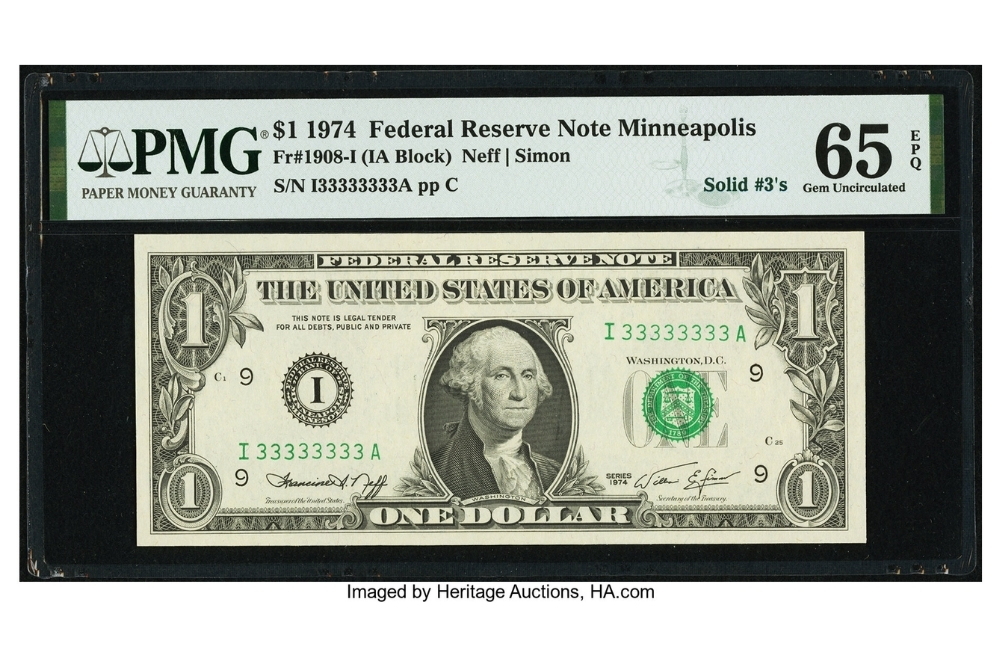
A solid is exactly what it sounds like. All eight digits are the same number, like 33333333 or 88888888. There are only nine possible solid combinations in any print run, which makes this one of the rarest patterns a casual bill-checker is ever going to find.
Clean solid serial numbers typically bring $1,000 to $4,000, and solids built from a 7, 8, or 9 tend to sell for more than lower digits, since those numbers are considered luckier in some cultures and get chased harder by a wider pool of buyers. Even without professional grading, a solid 3 in ordinary circulated condition is the kind of note that can still bring around $1,600, which shows grading isn’t a prerequisite for finding a buyer at this level.
Condition still moves the number considerably from there. A solid serial on a bill with folds, stains, or tears sells for a fraction of what the same digits would bring crisp and flat, so resist the urge to smooth out a found solid yourself. Let a buyer or a grading service assess it as it is.
5. $20 bill with a solid serial number
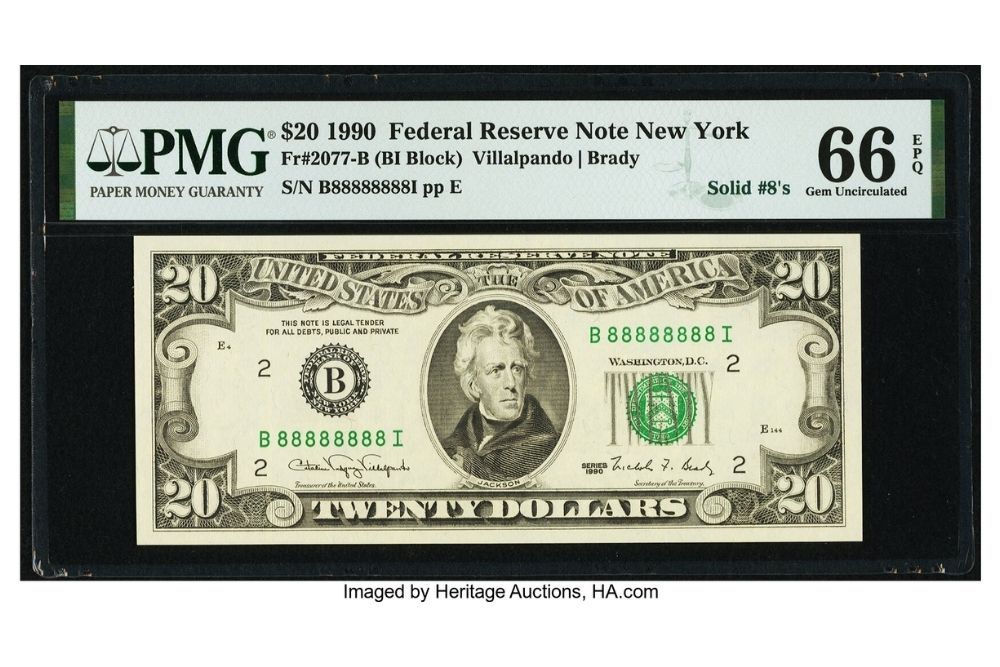
The math behind a solid serial number doesn’t change with denomination, but the odds of actually finding one get longer as the bill gets bigger. Twenties circulate heavily and get folded, stuffed into wallets, and run through ATMs far more than they get examined closely, so a solid twenty that survives in collectible condition is a genuinely uncommon find.
Currency specialists who study print runs point out that higher denominations are produced in smaller total numbers than ones and fives, which means fewer chances for a solid combination to exist in the first place. A collector who found a solid $20 drew genuine excitement from other currency collectors online, several of whom said they had never come across one themselves despite years of looking.
Expect a solid twenty in clean condition to land in the same $1,000 to $4,000 range as a solid on a smaller bill, with real potential to run higher given how seldom they surface. A circulated example with folds or stains is still worth setting aside, just at a steep discount from that range.
6. $1 bill with a seven-in-a-row serial number
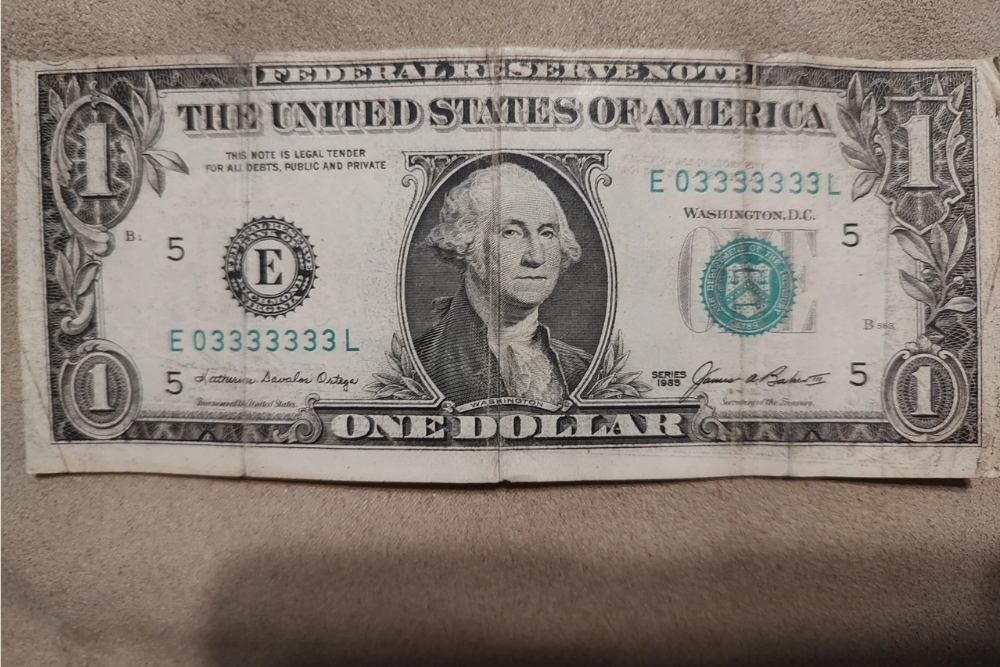
Seven-in-a-row notes sit one digit short of a true solid. Seven identical numbers appear with a single different digit breaking the pattern, either at one end or tucked into the middle, like 07777777 or 77177777. Collectors sometimes call this a near solid, and the two terms get used interchangeably.
It misses the top tier of value that a true solid commands, but it’s still a legitimate rarity. Clean examples typically bring $50 to $150, with the price depending on where the odd digit sits and which number repeats seven times. A note where the stray digit interrupts the middle of the run tends to catch a collector’s eye faster than one where it’s tucked at either end, and that visibility can nudge the price toward the top of the range.
A seven-in-a-row is a realistic find for anyone digging through pocket change rather than an inherited collection, since the pattern shows up more often than a true solid by simple math. Check the full eight digits slowly. It’s easy to glance at a run of sevens and miss that the eighth digit doesn’t match.
7. $2 bill with a true ladder serial number
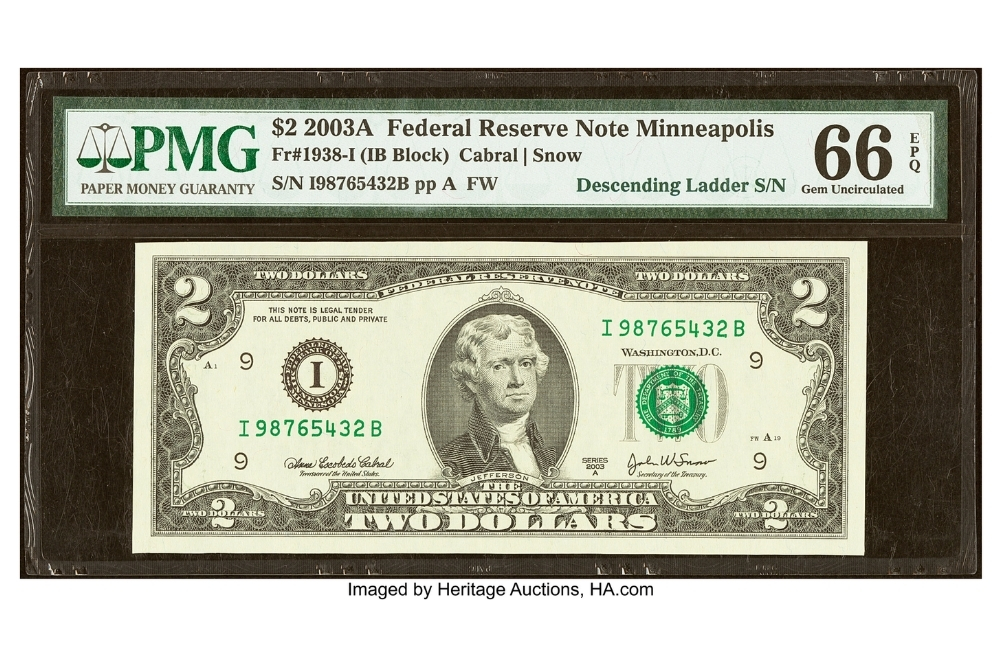
A true ladder runs in perfect sequence, either climbing from low to high, like 12345678, or counting down, like 87654321. Every digit has to be exactly one higher or lower than the digit before it, with no gaps and no repeats, which makes this one of the hardest patterns to stumble into by chance.
Clean true ladders typically bring $600 to $2,100, and descending ladders tend to sell for more than ascending ones. Currency print runs don’t always reach their full capacity, so a descending sequence that depends on a run having printed all the way up to a high number is scarcer than an ascending one, which only needs the run to have started low, and it always does.
$2 bills are worth checking for this one specifically because so many people already set them aside as a novelty without ever looking past the denomination. A true ladder tucked inside a stack of twos someone saved decades ago is a realistic find in a way that one on a bill that gets spent and recirculated constantly isn’t. Confirm every digit in order before getting excited. A near-miss where one digit breaks the sequence is a different, much less valuable pattern.
8. $10 bill with a broken ladder serial number
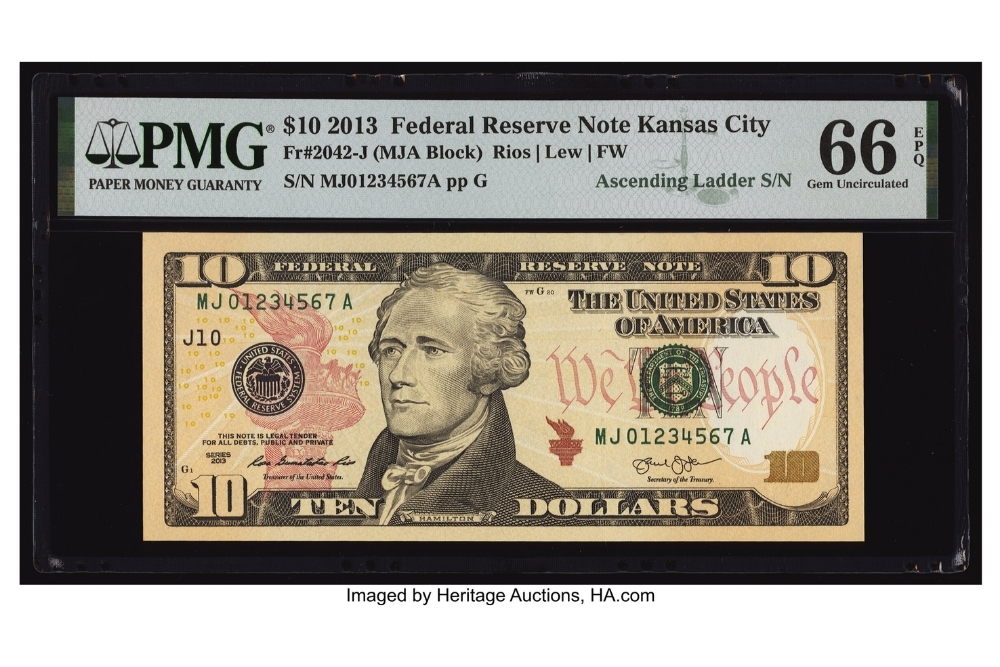
A broken ladder keeps the climbing or falling sequence of a true ladder but lets a single zero interrupt it, appearing before, after, or in the middle of the run, like 10234567 or 12345607. It’s a recognized, specific pattern with its own name, not just any serial number that happens to look vaguely sequential.
That specificity matters, because the term gets stretched loosely by casual sellers. A genuine broken ladder, with the zero breaking an otherwise perfect ascending or descending run, typically brings $50 to $200 in clean condition, a real but modest step down from the $1,000 and up that a true, unbroken ladder commands. A serial number that’s merely scattered or jumbled, with no actual sequence underneath it, is not a broken ladder no matter what a listing calls it, and it’s worth face value only.
Ten-dollar bills are a reasonable place to check for this one, since they get handled less than ones and fives but still circulate enough that a genuine find is plausible. Read the full eight digits slowly and confirm the sequence really does run in order apart from that one zero. If it doesn’t, you’re holding an ordinary ten.
9. $1 bill with a radar serial number
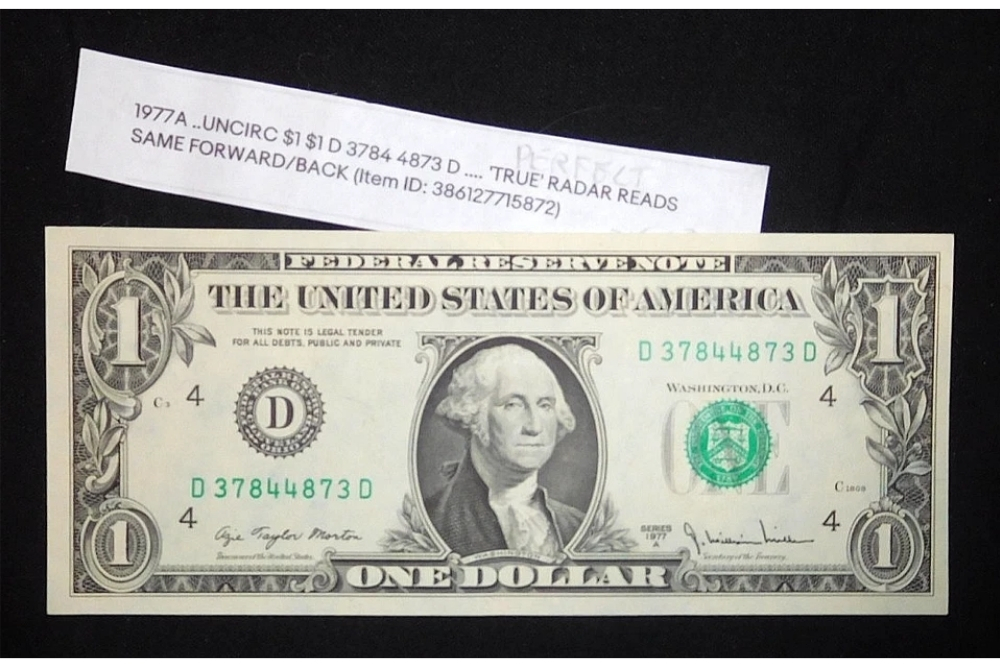
A radar reads the same forward and backward, a true palindrome, like 12344321 or 77700777. The name comes from the word itself, which does the same trick. Because the two middle digits always have to match for the whole thing to work, radars have a built-in symmetry that’s easy to spot once you know to look for it.
Real sales back up modest but genuine demand here. A plain radar without any repeating or super pattern typically brings around $70 in circulated condition, honest money for a bill that cost a dollar to begin with. A rarer variation called a repeating radar, where the serial number is effectively two matching four-digit palindromes stacked together, like 12211221 or 54455445, draws more interest from collectors who specialize in the category, since it combines two recognized patterns in one note.
Basic radars are common enough that finding one is a realistic weekend project, not a once-in-a-lifetime find. Check any bill’s serial number both directions before spending it. It takes about three seconds, and the payoff, while modest, is real and well documented.
10. $1 bill with a super radar serial number
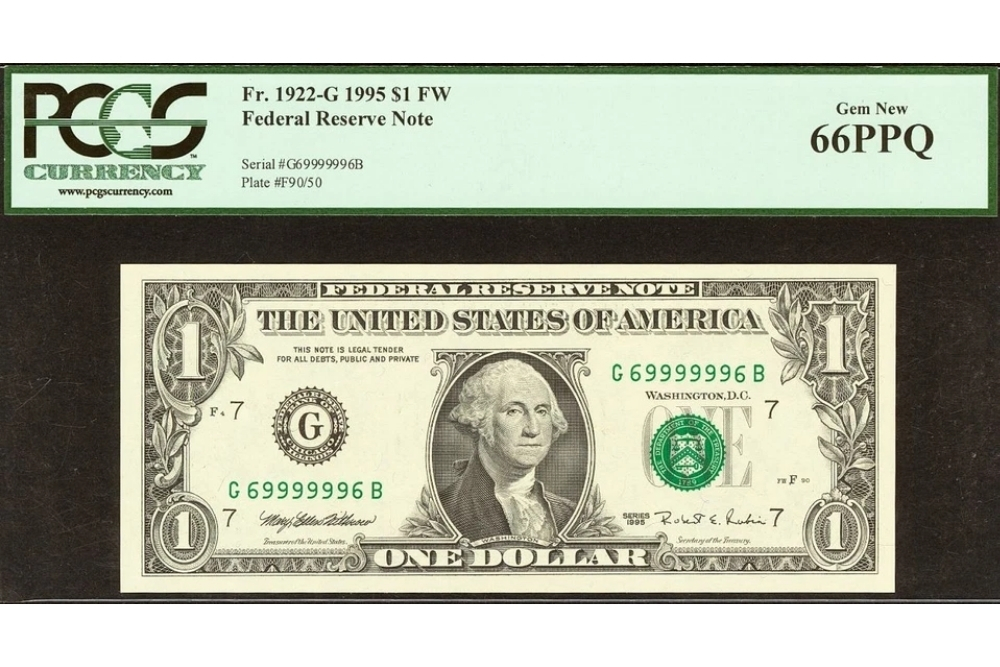
A super radar tightens the radar pattern considerably. Only the first and last digits differ, with every digit in between identical, like 27777772 or 50000005. It’s technically still a palindrome, but the long run of matching interior digits makes it read as its own distinct, more striking category to collectors.
The jump in rarity shows up in the price. A super radar typically brings close to $170, more than double what an ordinary radar commands, which reflects how much tighter the pattern has to land. Higher denominations carry even more weight here, since fewer fifties and hundreds get produced overall compared to ones, which means a super radar on a bigger bill is a real find rather than a theoretical one.
Super radars are also, by definition, a kind of binary serial number, since the whole thing is built from just two digits. Collectors who specialize in binaries and collectors who specialize in radars both have reason to want one, which keeps demand a little steadier than it is for patterns with a narrower audience. Check the first and last digits against the middle run before assuming an ordinary radar is the more valuable super version.
11. $10 bill with a binary serial number
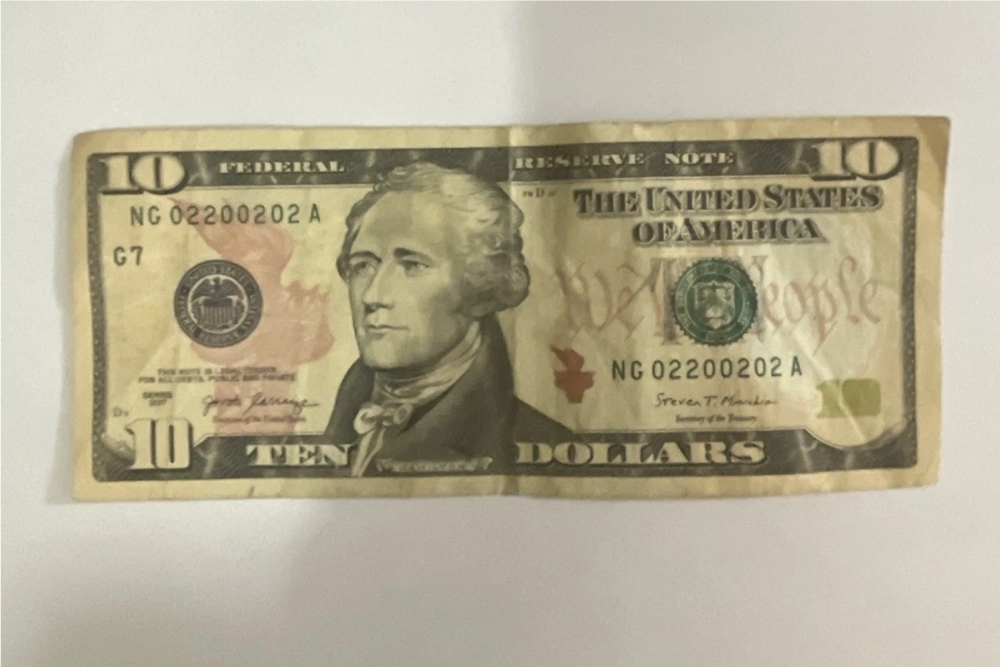
A binary serial number uses only two different digits for the entire eight-digit run, in any order, like 37377337 or 10110100. The digits don’t need to alternate in any particular pattern, which makes binaries more common than radars or ladders but still genuinely uncommon compared to an ordinary serial number built from a random mix of digits.
Clean binaries typically bring $20 to $75, with notes built from only zeros and ones, known as true binaries, pulling a stronger premium of roughly $40 to $150 because that specific combination echoes computer code and draws interest from a slightly different, overlapping group of collectors. A near-solid serial number technically qualifies as a binary too, since it also uses only two digits, which is worth knowing before you assume your bill belongs to a rarer category than it actually does.
Ten-dollar bills are a practical place to check for this pattern since they see regular use without getting folded into oblivion the way ones do. Count the unique digits across all eight positions. If only two numbers show up no matter how many times each repeats, you’ve got a binary worth a second look.
12. $20 bill with a low, repeating serial number
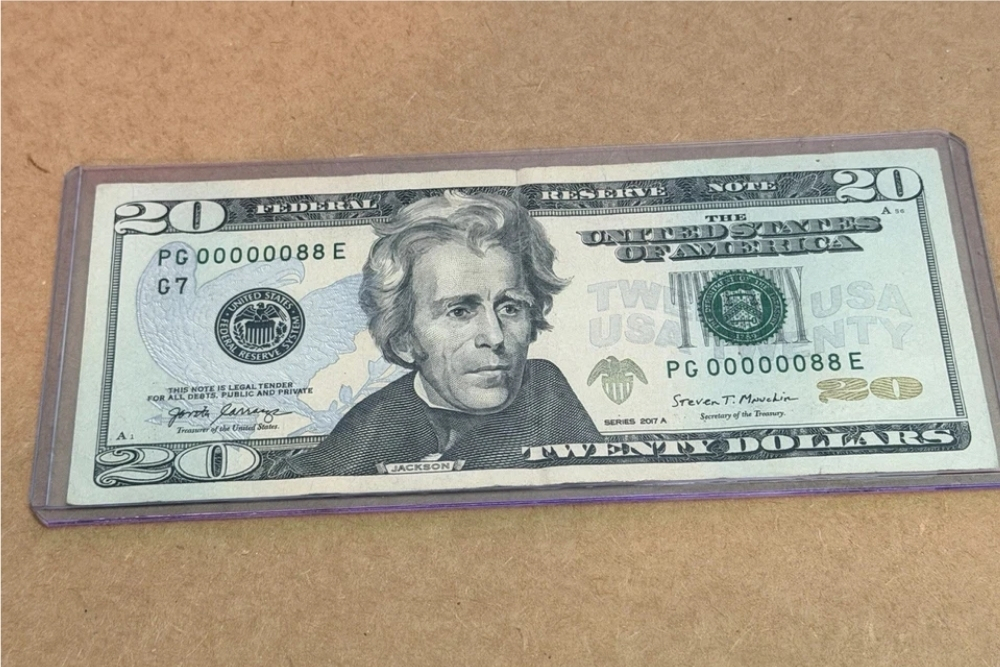
Low serial numbers are their own well-known category, and the lowest ones get steep premiums on their own merit. But a low serial that also happens to repeat a digit, like 00000022 or 00000055, draws interest from two different groups of collectors at once instead of just one, which tends to push the price past what either pattern would bring by itself.
Numbers from 00000010 through 00000099 typically bring $300 to $400 for the lowest of that range and roughly $80 apiece for the rest, with numbers under ten worth considerably more. A doubled digit inside that low range, something a collector can point to and describe in one sentence rather than just “a low number,” tends to sell at or above the top of that baseline, though there’s no fixed extra premium the way there is for a standalone repeater.
Twenty-dollar bills are worth checking here specifically because low serial numbers on larger denominations are scarcer to begin with, and most people only think to check serial numbers on ones. Look at the first few digits before the rest. If you’re staring at several zeros followed by a repeated pair, you’re holding something worth a closer look.
13. $1 bill with a birthday serial number
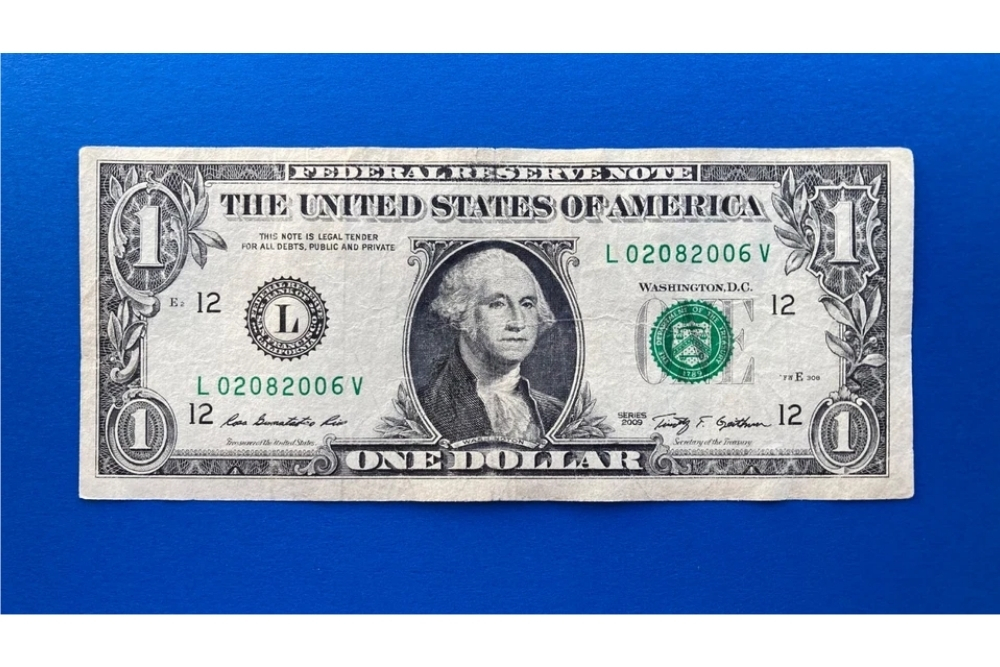
A birthday note is a serial number that reads as an actual calendar date, in month-day-year order, like 07041976 for the Fourth of July, 1976. Collectors and regular buyers alike search for these specifically to match their own birthday, a child’s, or a historically meaningful date, which makes demand highly personal rather than driven by rarity math the way most fancy serial number patterns are.
That personal nature means prices swing widely. An ordinary birthday note with no special cultural weight typically brings around $30, modest money that reflects ordinary personal demand rather than broad collector interest. Dates with wider cultural weight, like a historically significant day or a widely recognized holiday, can bring considerably more when the right buyer is looking. A random date with no personal or cultural pull to anyone browsing is genuinely just a dollar, no matter how neatly it reads as a calendar date.
This is a fun one to check rather than a reliable one. Rearrange the eight digits into month, day, and year order and see if anything clicks. Most of the time, nothing will. Occasionally, it’s worth holding onto.
14. Series 2017 or 2021 $1 bill with a fancy serial number
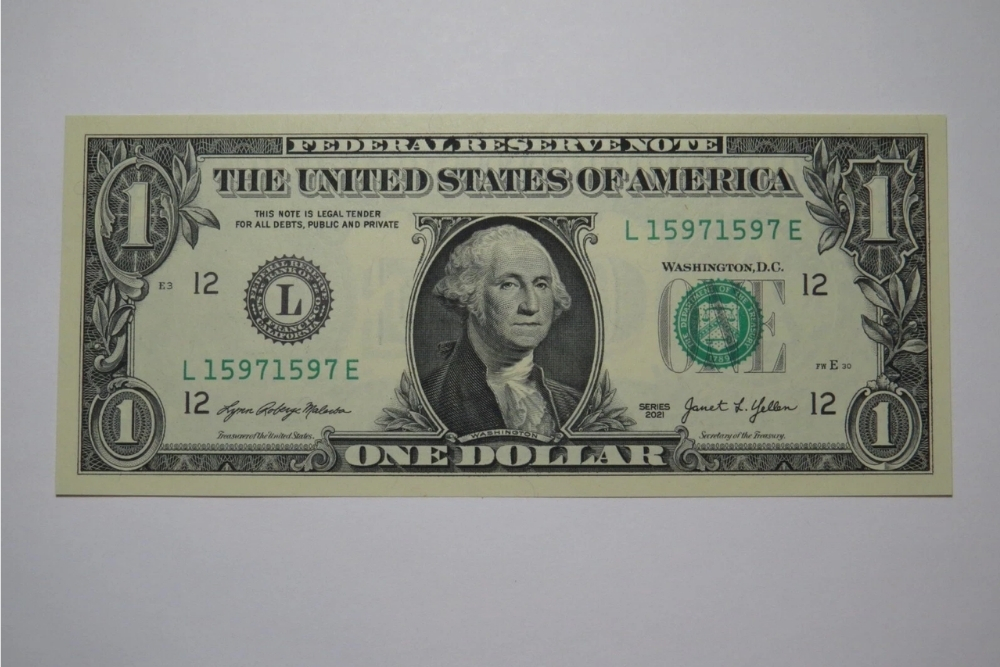
It’s easy to assume fancy serial numbers only turn up on old currency that’s been sitting in a drawer for decades, but the patterns show up just as often on bills printed in the last few years. A series 2017 one dollar note with a textbook repeater serial number, 77227722, is exactly the kind of fancy serial number that turns up on current bills just as it does on older ones.
The math behind every fancy serial number pattern applies the same way to a brand-new series as it does to one printed decades ago, since the Bureau of Engraving and Printing assigns serial numbers the same way regardless of year. A repeater on a current series bill brings the same $20 to $100 that an older repeater does, condition for condition, pattern for pattern.
That makes a current-series repeater one of the most realistic fancy serial numbers to actually find. You don’t need an inherited collection or a lucky estate sale find. The next stack of ones that comes back as change from a coffee run is exactly as likely to carry a fancy serial number as any bill you’ll ever come across. Check it before it goes back out the door.
15. $2 bill with a binary serial number
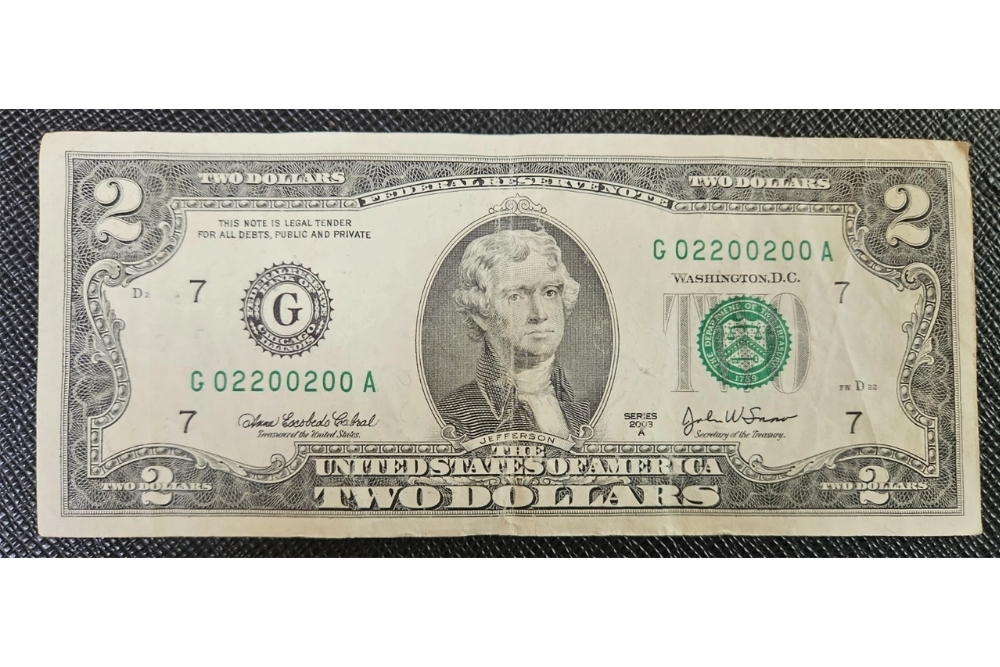
Binary $2 bills combine two things that work in a collector’s favor at once: the pattern itself, built from only two unique digits across all eight positions, and the simple fact that $2 bills already carry a small built-in premium of collector interest regardless of their serial number.
Clean binary $2 notes typically add $10 to $35 on top of face value, a modest but real bump for a bill that a lot of people already treat as a keepsake rather than cash to spend. Because $2 bills get pulled aside so often before anyone thinks to check the serial number, there’s a reasonable chance that binaries sitting in old wallets and junk drawers have simply never been looked at closely.
Don’t assume a $2 bill is only worth checking for its denomination. Pull the eight digits and count how many unique numbers show up. If it’s only two, no matter the order, you’ve got a binary on your hands, and it’s worth more set aside than spent, even if the premium here is on the modest end of what a fancy serial number can add.
16. $5 bill that’s a star note with a repeater or radar serial number
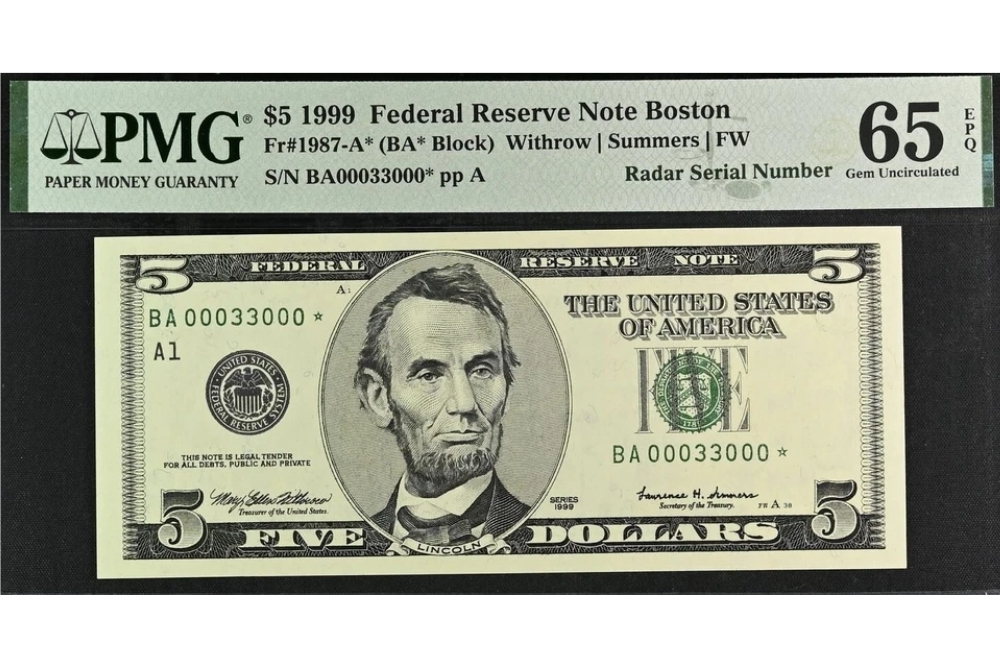
A star note is a replacement bill, printed when the Bureau of Engraving and Printing catches a defective note during production and needs to reissue that spot in the run. You can spot one by the small star symbol printed in place of the final letter in the serial number. On their own, most modern star notes are worth little more than face value, since large print runs mean they’re not especially scarce.
The math changes when a star note also carries a fancy pattern like a repeater or a radar. The two traits stack, and a modern star note with a fancy serial number is explicitly worth more than either trait alone would bring. Layer a repeater’s typical $20 to $100 premium onto a modest star-note bump, and a clean $5 star-and-pattern combination realistically lands somewhere in the $50 to $150 range, more for a genuinely small print run.
Check the end of the serial number for the star first, then check the eight digits for a pattern. Finding both on the same $5 bill is a real, if uncommon, double find, worth setting aside rather than spending on the assumption that one trait alone made it ordinary.
17. $50 bill with a super repeater or super radar serial number
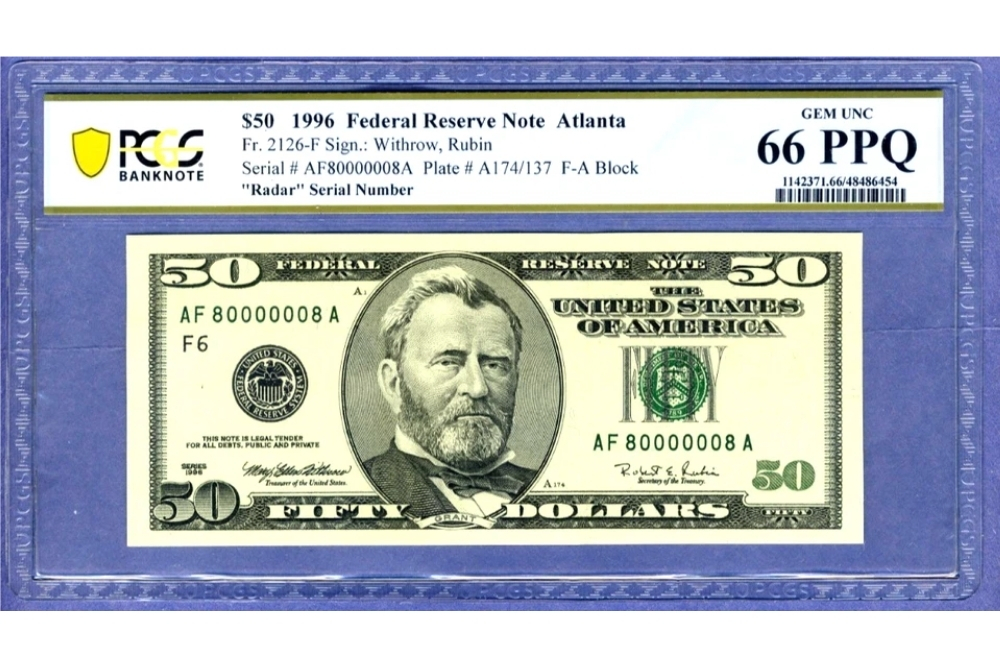
Fifty-dollar bills don’t circulate the way ones and fives do, which cuts two ways. Fewer people handle them closely enough to notice a fancy serial number, but that also means fewer have been pulled out of circulation and examined already, so a genuine find on a fifty is less picked-over territory than the same pattern on smaller bills.
Super repeaters, where a two-digit block runs through the entire serial number, and super radars, where only the first and last digits break an otherwise identical run, both typically add $80 to $150 on top of face value. On a fifty, that premium stacks onto real money to begin with, putting a clean example comfortably over $100 in total value before accounting for how rarely collectors see these patterns on higher denominations at all.
This is a bill worth examining before you spend it rather than one to go hunting for specifically, since fifties don’t pass through most people’s hands often enough to make searching for one worthwhile. But if one turns up in change from a larger purchase, check the full serial number before it goes back into circulation. The pattern, if it’s there, won’t announce itself.
18. $100 bill with a repeater or super repeater serial number
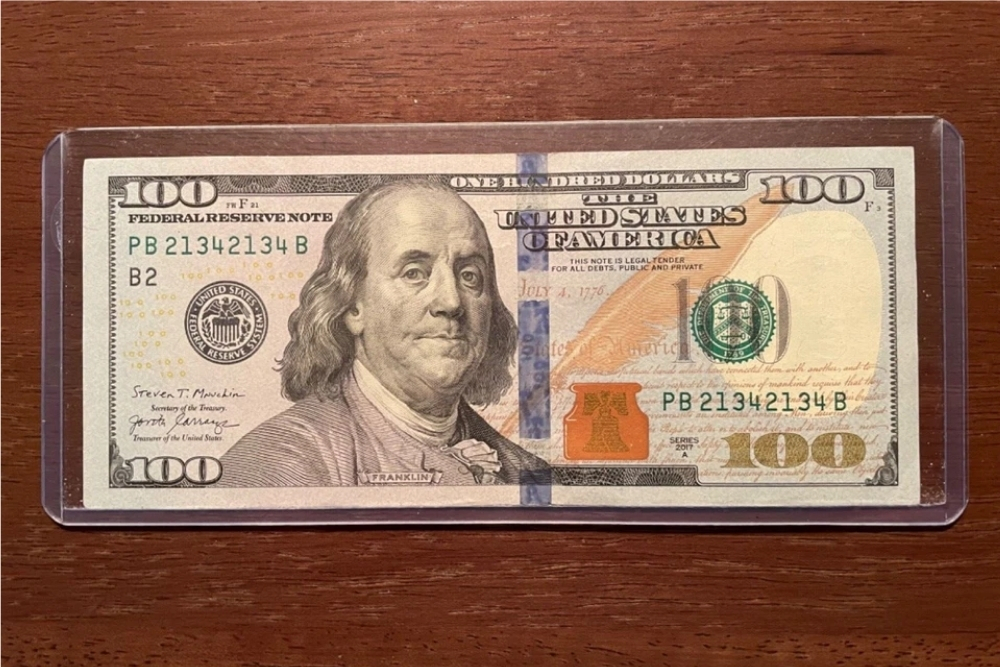
The same math that applies to a one-dollar repeater applies just as directly to a hundred. Collectors value the pattern itself more than the bill it happens to be printed on, and identifying a repeater or super repeater costs the same attention whether it’s on a single or a hundred.
Clean repeaters typically bring $20 to $100 and super repeaters $100 to $400, the identical ranges that apply to smaller bills, though real-world prices on hundreds tend to sit toward the higher end of those ranges since fewer people examine hundred-dollar serial numbers closely enough for the fancy ones to surface in the first place. A hundred with a strong pattern and crisp, unfolded condition is a legitimately uncommon combination.
Hundreds don’t pass through daily transactions often, which means most people never get the chance to check one at all. If a hundred does cross your hands, whether as change from a large cash purchase or from a drawer somewhere, it’s worth the ten seconds to read the full serial number before it moves on. The payoff, when it’s there, is proportional to the bill it’s printed on.
Whatever’s in your wallet right now is worth thirty seconds with these patterns in mind. Most of it is ordinary. Some of it, statistically, isn’t.











