
That coffee can of old dollar coins in the closet, the ones your grandfather kept “just in case,” is worth actually checking before it gets dumped into a bank counting machine for face value. Dollar coins are one of the easiest places to lose real money without realizing it, because so many of them look alike at a glance: same size, same silvery or golden color, same general shape as the pocket change everyone ignores.
The US Mint has struck dollar coins in silver, gold, copper-nickel clad, and manganese brass since 1794, and most of what you’ll find is worth exactly one dollar. But a long list of dates, mint marks, and outright mint mistakes are worth a lot more, sometimes because of the metal, sometimes because almost none survived, and sometimes because a machine at the Mint made a mistake that got past inspectors. Silver is trading close to $66 an ounce right now, which puts a real floor under anything struck in 90 percent silver before 1965.
1. Any common-date Morgan silver dollar
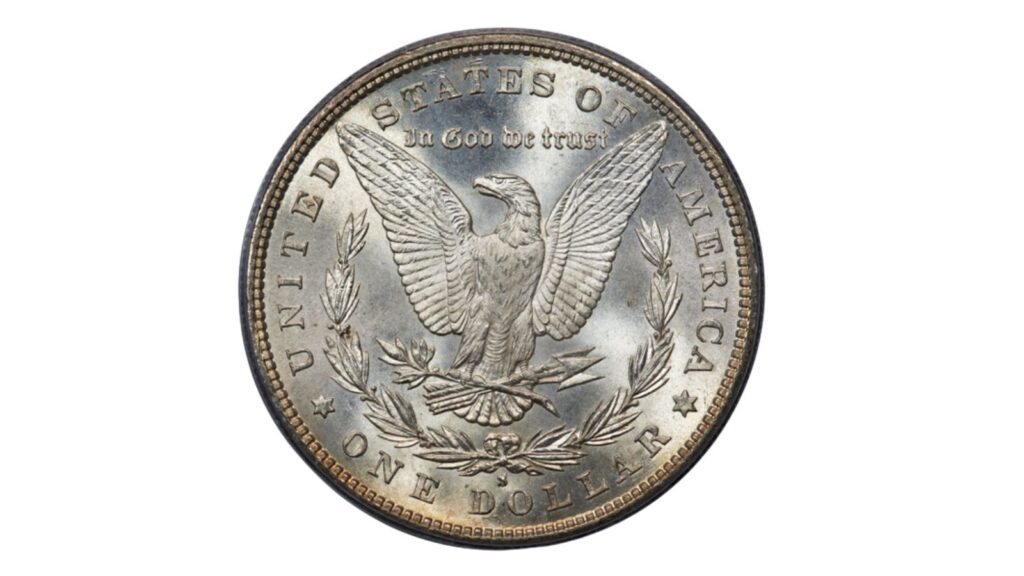
Morgan dollars were struck from 1878 to 1904 and again in 1921, and the vast majority of the roughly 650 million minted are common dates that show up constantly at estate sales, in bank deposit boxes, and in old coin albums. What makes every single one worth checking is the metal. Each Morgan contains 0.7734 troy ounces of 90 percent silver, which at today’s prices puts the melt value at roughly $50 before you even factor in collector demand.
A well-worn, common-date Morgan in circulated condition typically brings somewhere in the $50 to $85 range, simply because dealers and collectors pay a modest premium over melt for a coin this recognizable. Uncirculated examples with good luster and minimal marks push higher, often $90 to $200. The only ways to lose value here are cleaning the coin, which leaves telltale hairline scratches, or having a fake on your hands, since Morgan dollars are among the most reproduced coins in America. Weigh it: a genuine Morgan is 26.73 grams. Anything noticeably lighter is a red flag.
2. Any common-date Peace silver dollar
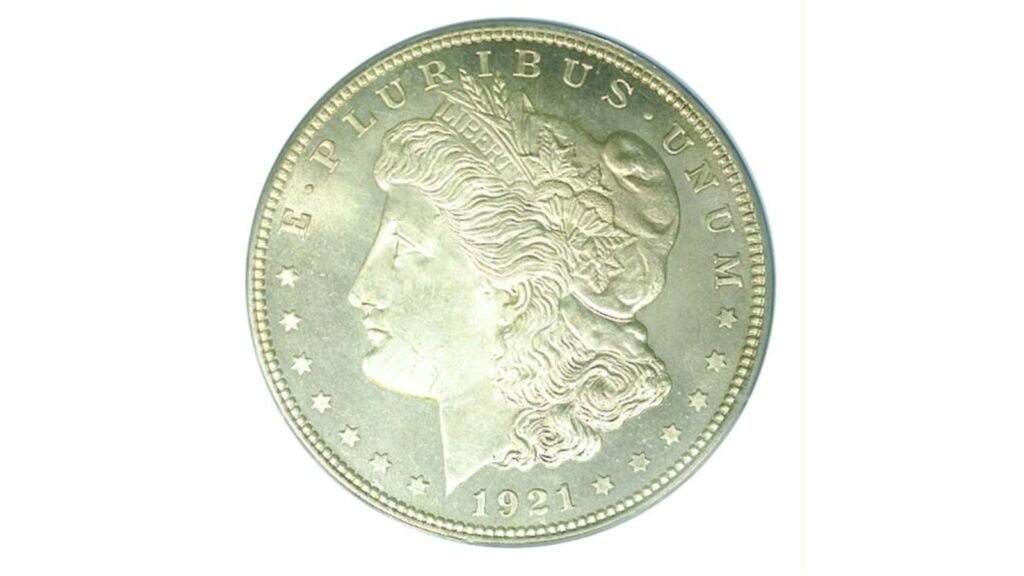
The Peace dollar replaced the Morgan in 1921 and ran through 1935, sharing the exact same size, weight, and 90 percent silver composition. Common dates like the 1922, 1923, and 1925 turn up constantly in the same places Morgans do, and they carry the same silver floor. At current silver prices, that melt value sits around $50 per coin.
Circulated common dates typically sell for $30 to $55, a modest step above melt, while choice uncirculated examples with full luster can bring $60 to $200. Peace dollars are notoriously softly struck, especially in Liberty’s hair and the eagle’s feathers on the reverse, so don’t mistake weak strike detail for wear when you’re judging condition. Cleaning is the biggest value killer here too. A coin that looks unnaturally bright and shiny for its age has almost certainly been polished, and that knocks a real chunk off what a dealer will pay.
3. American Silver Eagle bullion dollar
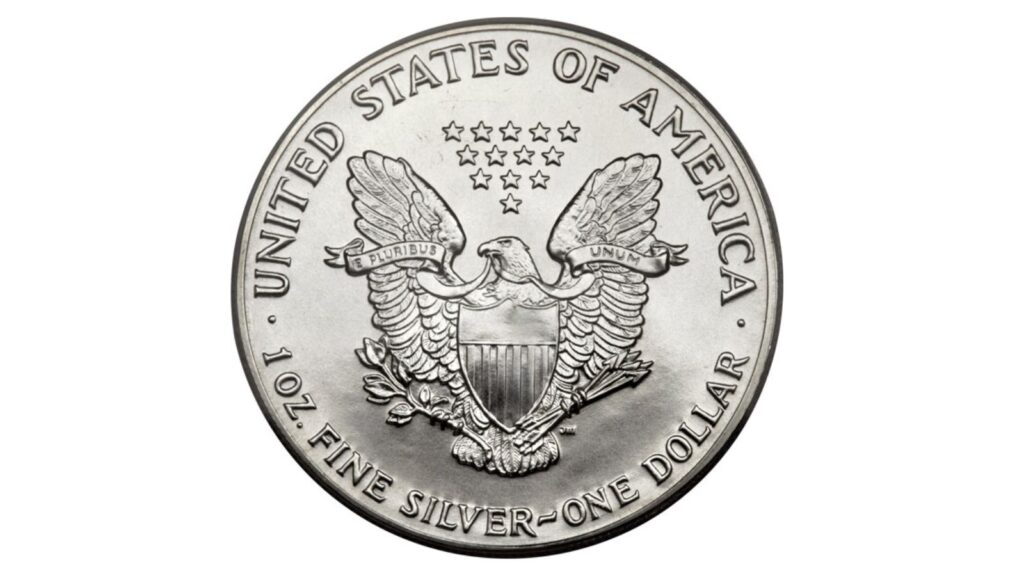
Every American Silver Eagle carries a legal tender face value of exactly one dollar, stamped right on the coin, even though it’s actually one full troy ounce of 99.9 percent pure silver. It’s the most obvious example on this list of a “$1 coin” worth dramatically more than a dollar, and millions of ordinary people own them without necessarily connecting the two facts.
At today’s silver price, a standard Brilliant Uncirculated Silver Eagle from any year typically sells for $70 to $80, reflecting the silver content plus a modest dealer premium. Proof and special-finish versions from the US Mint’s annual releases sell for considerably more. The only real risk with this one is counterfeiting, since its bullion value makes it a target for fakes, particularly from overseas. A coin that feels too light, has a mushy strike, or doesn’t have a crisp reeded edge should go to a dealer for a magnet and weight check before you sell it as the real thing.
4. 1979-P Susan B. Anthony dollar, Wide Rim variety
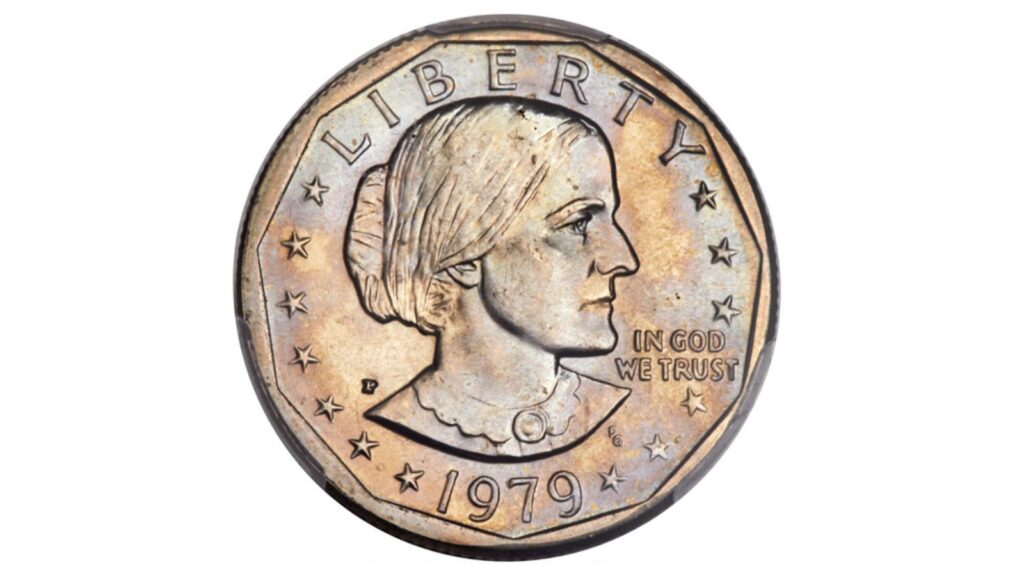
The Susan B. Anthony dollar had a rough first year in 1979, partly because it was easily confused with a quarter. Partway through that year, the Philadelphia Mint widened the coin’s rim and pulled the date in closer to it, creating what collectors call the Wide Rim or Near Date variety, distinct from the far more common Narrow Rim version made the rest of the year.
The tell is simple: on the Wide Rim, the “9” in “1979” almost touches the coin’s edge, with barely any gap. On the standard version, there’s a clear, visible space. Uncirculated examples of the Wide Rim typically bring $25 to $75 depending on how sharp the strike is, and certified examples in top condition sell for dramatically more. These dollars often sat untouched in rolls people set aside decades ago, so it’s worth checking any leftover SBA dollars from that first year rather than assuming they’re all identical.
5. 1999-P Susan B. Anthony dollar, proof
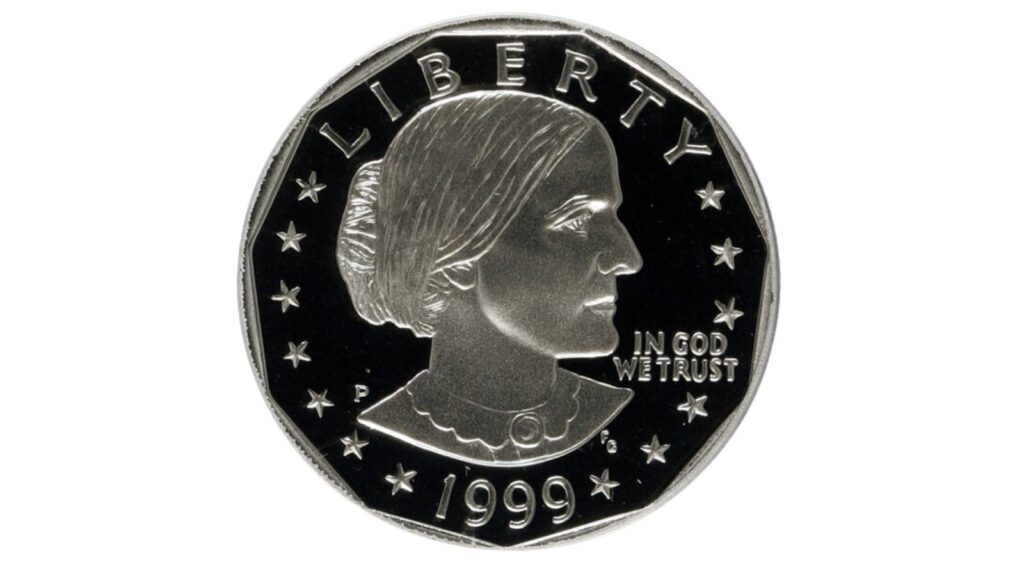
The Susan B. Anthony dollar was discontinued after 1981, then unexpectedly revived in 1999 to fill a nationwide shortage of dollar coins while the Sacagawea design was still being finalized. The Philadelphia Mint struck a limited proof version that year exclusively for collector sets, and it turned out to be the lowest-mintage proof in the entire Anthony dollar series.
A 1999-P proof in its original Mint packaging typically sells for $20 to $40, and coins that grade out at the very top of the scale can bring $100 or more. This is a coin a lot of people already own without realizing it has any premium at all, tucked inside an unopened proof set bought directly from the Mint at the time and never touched since. The business-strike 1999-P dollars that circulated are common and worth little beyond face value, so the packaging and proof finish are what separate a real find from ordinary pocket change.
6. 1976-S Eisenhower Bicentennial dollar, 40% silver
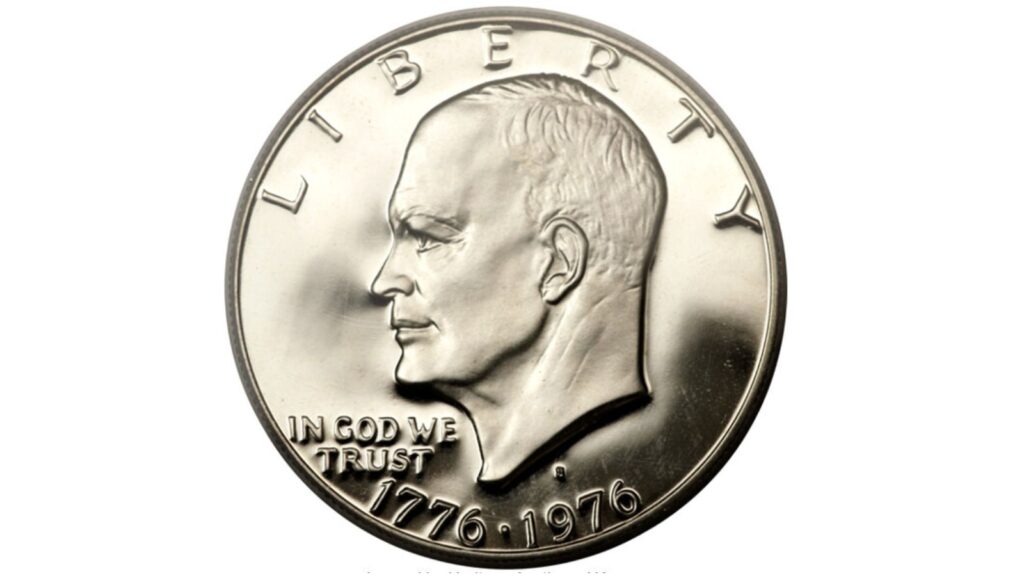
The Eisenhower dollar, the first US dollar coin since the Peace dollar ended in 1935, was struck in plain copper-nickel clad for circulation. But for the nation’s Bicentennial in 1976, the San Francisco Mint also struck a special run in 40 percent silver, sold directly to collectors rather than released into circulation.
You can tell the two apart by weight and edge color. A standard clad Eisenhower dollar weighs about 22.68 grams and shows a copper stripe on the edge. The silver version weighs more, at 24.59 grams, with a mostly grayish edge and no copper band visible. A clean Brilliant Uncirculated example typically sells for $20 to $40, with proof versions in the same range. These coins were sold in Mint packaging that a lot of people kept as souvenirs, so check attics and old gift drawers as much as coin jars. Don’t confuse this with the far more common 1976 clad dollar, which is worth only a small amount over face value.
7. 2007-P George Washington Presidential dollar, missing edge lettering
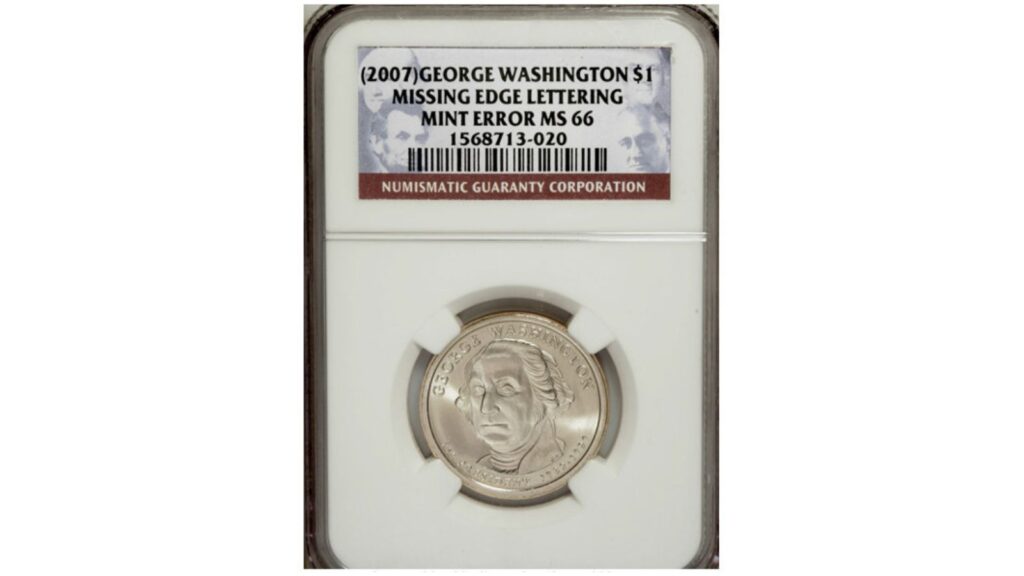
When the Presidential Dollar series launched in 2007, the Mint moved the date, mint mark, and mottos to the edge of the coin instead of the face, a first for modern US coinage. A batch of George Washington dollars slipped through the edge-lettering machine entirely untouched, leaving a completely smooth, blank edge with no inscriptions at all. The error earned the nickname “the Godless Dollar” because it also meant the coin was missing “In God We Trust,” which was on the edge that year.
An estimated quarter million of these error coins reached circulation through banks, mostly in the southeastern US, before the story broke nationally. Raw, uncertified examples in typical uncirculated condition generally sell for $15 to $50, while certified coins in the very highest grades bring thousands. Check the edge with a loupe: a genuine error shows a completely featureless edge, not just faint or weak lettering, which is a different, far less valuable error.
8. 2007-P John Adams Presidential dollar, doubled edge lettering
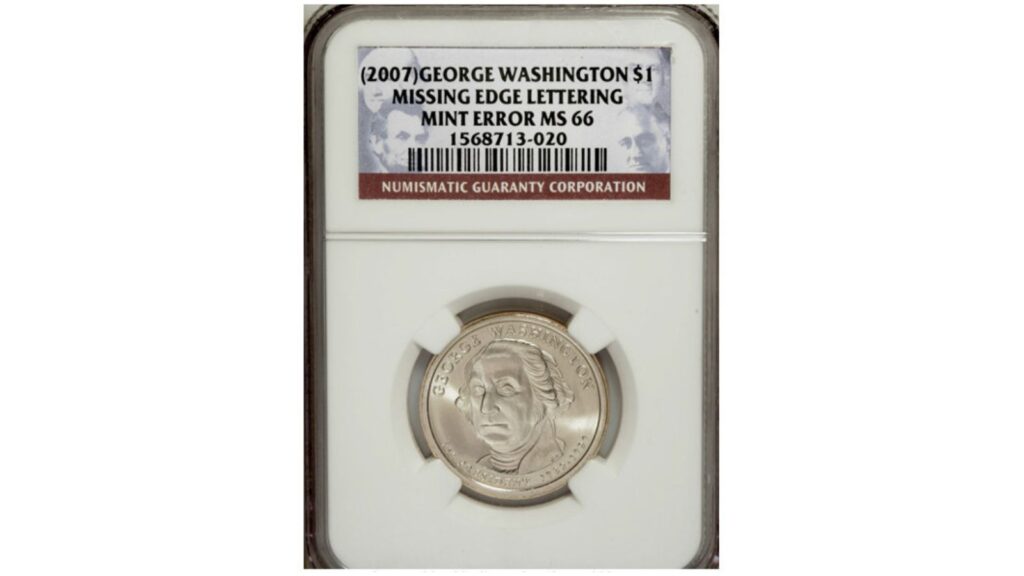
The same edge-lettering process that produced the missing-lettering Washington dollars also produced the opposite problem on some 2007 John Adams dollars: coins that passed through the lettering machine twice, stamping the date, mint mark, and mottos on top of themselves. Depending on how the second pass lined up, collectors call these “overlapped” or “inverted,” the latter happening when the second stamp ran in the opposite direction from the first.
These are scarcer than the missing-lettering Washington error but still turn up with some regularity among collectors who specialize in edge varieties. Typical certified examples in mint state sell in the $20 to $150 range, with exceptional pieces bringing considerably more. A ten-power loupe run around the entire edge is the only reliable way to spot this one, since the doubling can be subtle depending on how far apart the two strikes landed. Uncertified coins showing an obvious double stamp still carry some premium over face value, so don’t assume a raw example is worthless just because it hasn’t been graded.
9. Common-date Trade dollar
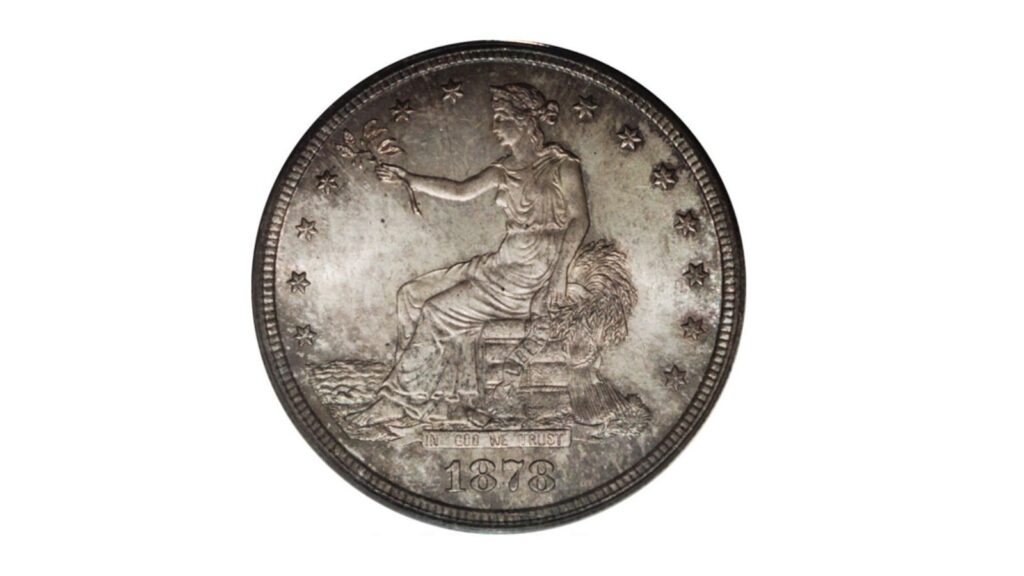
The Trade dollar was struck from 1873 to 1878 specifically for commerce with Asia, which is why it’s slightly heavier and larger than a standard American silver dollar of the same era. Production for circulation ended in 1878, with a small number of proof-only pieces struck through 1885 for collectors, so anything you’re likely to encounter dates from that first six-year run.
A common date like an 1877 or 1878-S in worn, circulated condition typically brings $200 to $300, reflecting both its 0.7874 troy ounces of silver and genuine scarcity compared to Morgan or Peace dollars. Watch for chopmarks, small punched symbols that Chinese merchants stamped into the coin to verify its silver content during the era it actually circulated. They’re historically interesting but generally reduce value to most American collectors, so a chopmarked Trade dollar sells for less than a clean one of the same date and grade. Carson City and San Francisco branch mint dates carry their own separate premiums on top of the common Philadelphia issues, so check the mint mark before assuming you’ve got the ordinary version.
10. Carson City Morgan dollar, common date
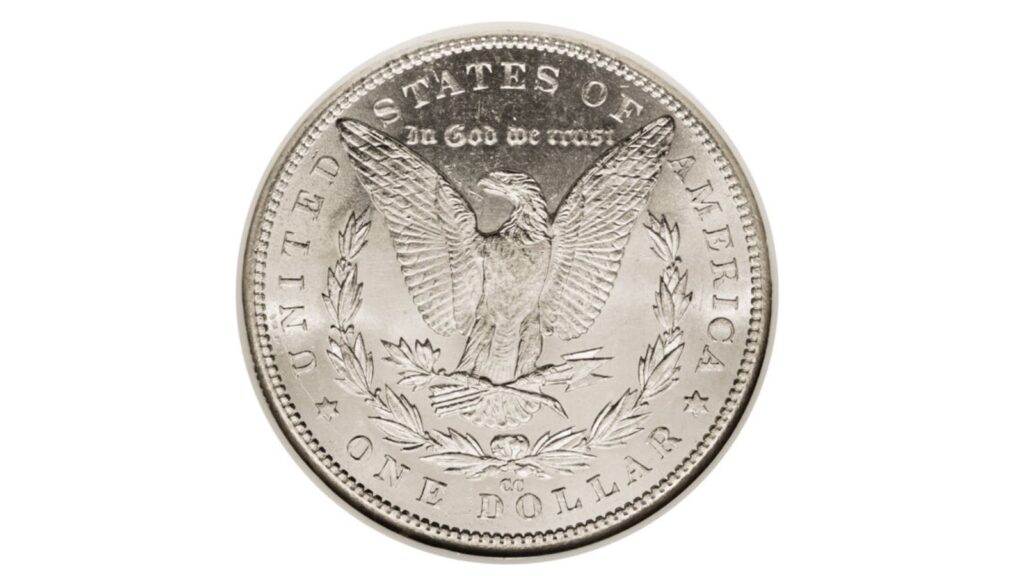
Carson City struck Morgan dollars intermittently between 1878 and 1893, and the “CC” mint mark alone gets people excited, but not every CC date is rare. Millions of Carson City dollars sat forgotten in Treasury vaults for nearly a century before the government sold them off in a series of sales during the 1970s, and three dates in particular, 1882-CC, 1883-CC, and 1884-CC, made up the bulk of that release.
Because of that hoard, those three common CC dates are genuinely available in uncirculated condition, often still in their original government holders with the blue wraparound label. A common CC date in nice mint state condition typically brings around $300, while circulated examples run lower but still carry a real premium over a Philadelphia dollar of the same date. The mint mark still matters, just not as dramatically as it does for the true Carson City rarities further down this list.
11. 1972 Eisenhower dollar, Type 2 reverse
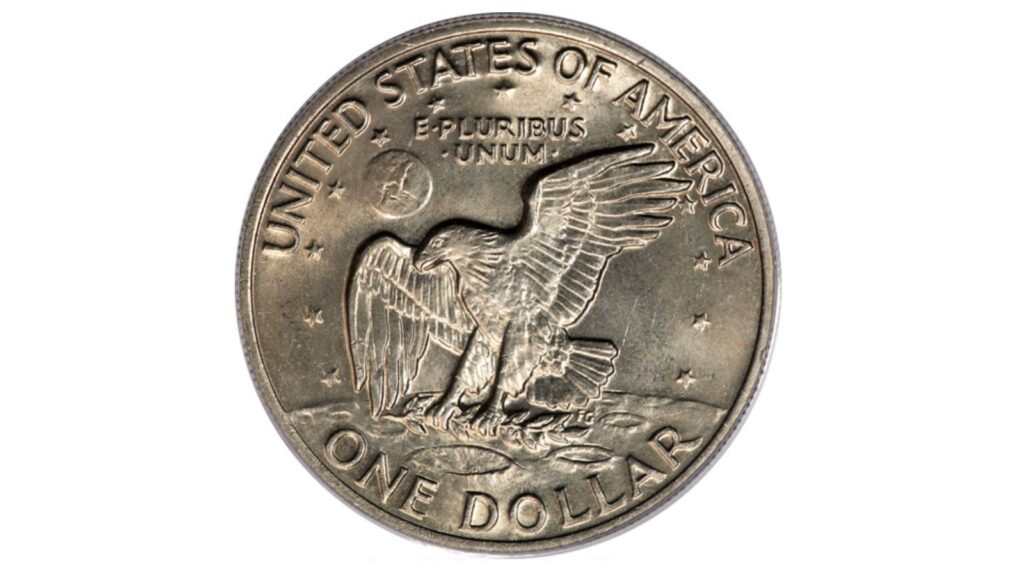
Three subtle reverse die varieties exist among 1972 Philadelphia Eisenhower dollars, distinguished by how the Earth and the Caribbean islands are rendered below Florida on the reverse. Type 2 is the scarce one, struck with a higher-relief die intended for proof coins that accidentally got used on a small batch of regular circulation strikes.
To spot it, look at the area just south of Florida: on the Type 2, the islands are barely visible, almost smoothed into the ocean, with a rounder, more three-dimensional Earth overall. Circulated examples start around $100, while choice mint state coins climb into the hundreds and top-tier certified examples reach well into four figures. Because the difference between Type 1, 2, and 3 comes down to fine die details rather than an obvious design change, side-by-side comparison photos are worth pulling up before you decide what you’re holding. This is strictly a Philadelphia variety, so a 1972 dollar with a “D” or “S” mint mark doesn’t apply here, regardless of how the reverse looks.
12. 2000-P Sacagawea dollar, Wounded Eagle variety
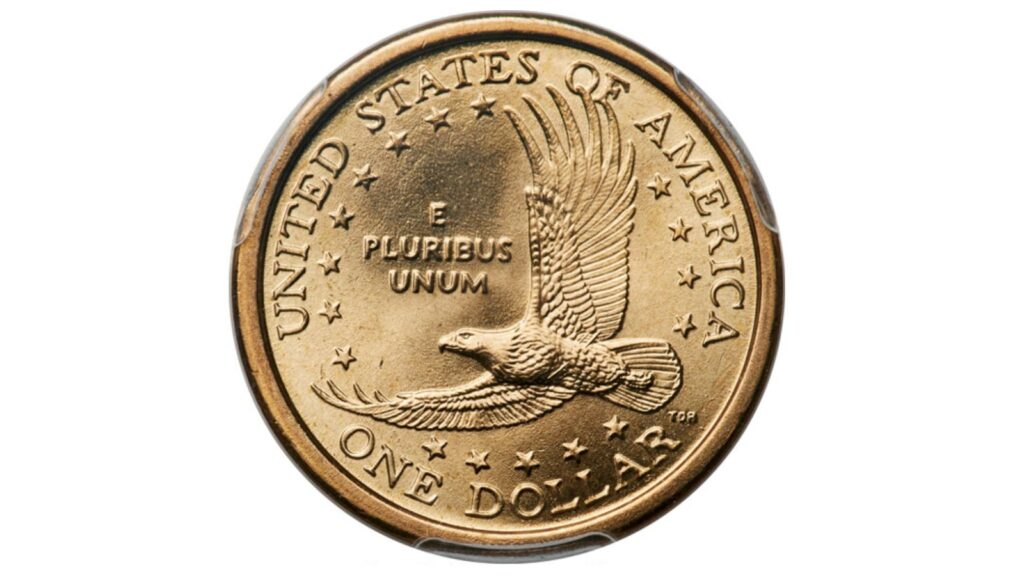
The Sacagawea dollar launched in 2000 with a golden color and smooth edge meant to distinguish it clearly from a quarter, something the Anthony dollar had never managed. A die used at the Philadelphia Mint that year developed a raised gouge running across the eagle’s breast on the reverse, nicknamed the “Wounded Eagle” for the wound-like mark it left on every coin struck from that die.
This is a genuinely scarce variety with a documented population in the low hundreds across all grades. Mint state examples typically bring $150 to $600 depending on grade, with the finest known examples worth thousands. Check the eagle’s lower chest and belly under magnification for a raised, not incused, line or gouge. Because the flaw is raised rather than cut into the coin, it photographs clearly and is one of the easier varieties on this list to self-identify before paying for certification, though a proper grading opinion still matters once you’ve narrowed it down.
13. 1981-S Susan B. Anthony dollar, Type 2 proof, Clear S
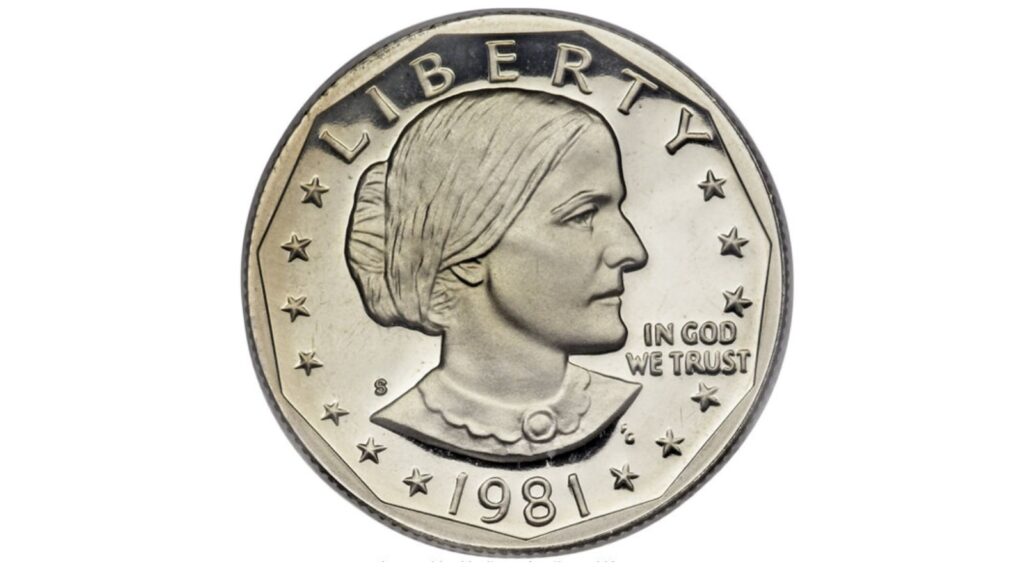
Every 1981 Susan B. Anthony dollar was struck exclusively for proof sets, since the coin wasn’t issued for circulation that year at all. Partway through 1981 production, a worn mint mark punch at the San Francisco Mint was replaced, and the new punch produced a noticeably clearer, sharper “S” than the earlier, more blurred version used on the bulk of that year’s proofs.
Only a small fraction of 1981-S proofs carry this Clear S variety, since the punch change happened late in the production run. A certified example in typical gem proof condition sells for $100 to $175, a real premium over the more common Type 1 proof from the same year, which is worth closer to its original issue price. Comparing the mint mark under magnification against reference photos of both types is the only reliable way to tell them apart, since the difference is genuinely subtle to the naked eye.
14. 1921 Peace dollar, High Relief
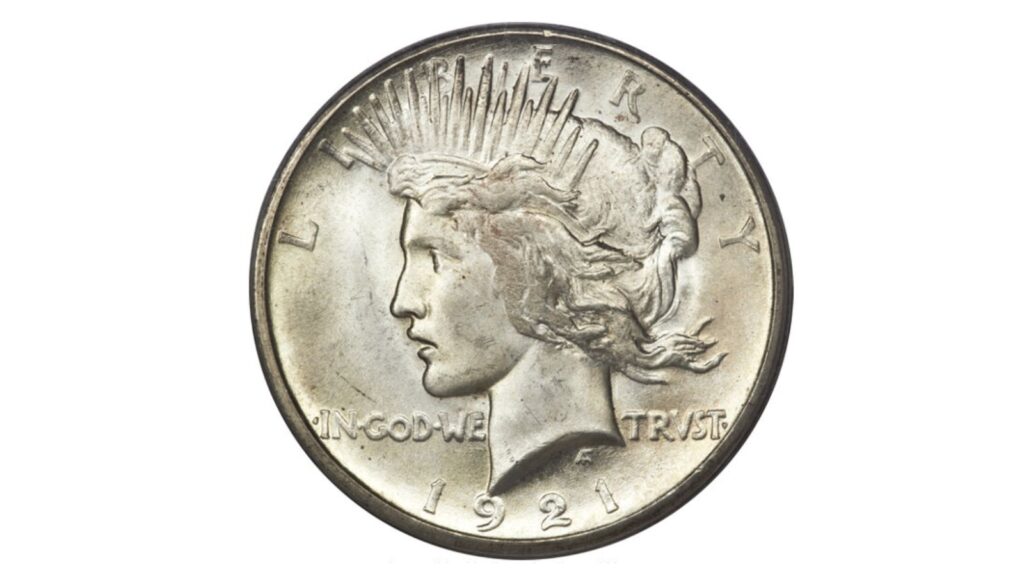
The very first Peace dollars, struck in the final weeks of 1921, used a dramatically higher relief than every year that followed, giving Liberty’s portrait a sculptural depth the Mint quickly decided was impractical for mass production. Every year after 1921 used a flattened, lower-relief version of the same design to make the dies last longer.
Because the 1921 issue is genuinely distinctive rather than just a low mintage, it holds value even in heavily worn grades, unlike some key dates that only command a premium in top condition. Circulated 1921 Peace dollars typically bring $100 to $200, depending on wear. Cleaning is especially common on this date because early owners tried to brighten what they already suspected was something special, so a coin with a bright, artificial shine and no natural toning should be priced accordingly lower than one with original surfaces. Look closely at Liberty’s hair and the eagle’s wing feathers, since the high relief wears in a distinctive pattern that experienced collectors can spot at a glance.
15. 1934-S Peace dollar
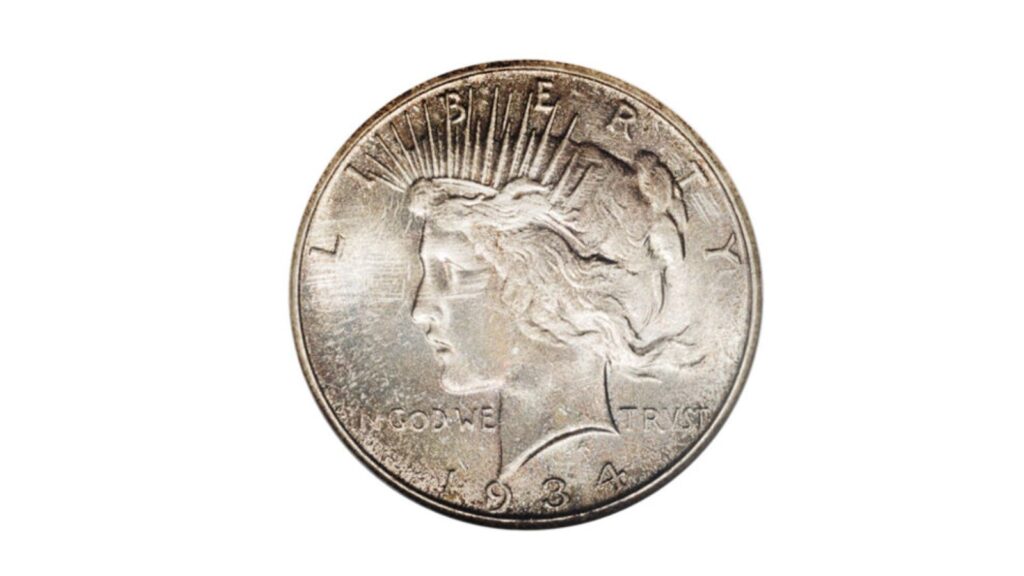
Despite a mintage of just over a million coins, more than any other issue commonly called a Peace dollar key date, the 1934-S is considered the toughest business-strike date in the series to find in nice condition, because nearly the entire mintage went straight into circulation and heavy use during the Depression.
A circulated example in typical worn condition runs $40 to $70, close to double a common date of the same grade. The real jump happens once a coin crosses into uncirculated territory. Even the lowest mint state grade can bring several hundred dollars, and the value climbs sharply from there, since surviving examples with original mint luster are genuinely rare. If you’ve got a Peace dollar dated 1934 with a small “S” above the wreath on the reverse, it’s worth a proper grading opinion before you assume it’s just another common date, especially if the surfaces still show any original shine.
16. 1928 Peace dollar
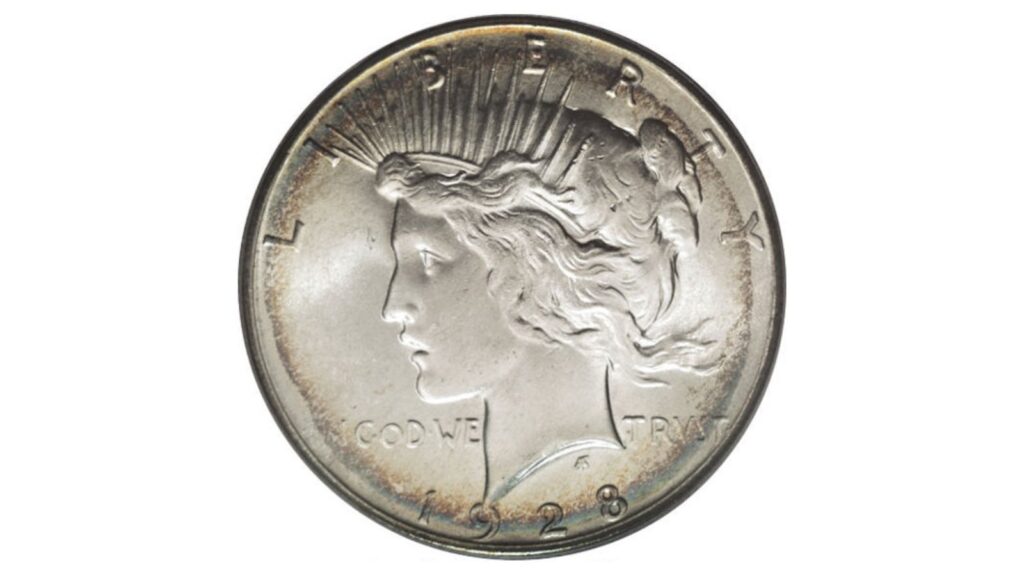
Only 360,649 Peace dollars were struck at the Philadelphia Mint in 1928, the lowest mintage of any regular-issue year in the series, and the Mint publicly announced in advance that the run would be small. That announcement prompted some hoarding at the time, but not nearly enough to make the coin common today.
A circulated 1928 typically brings $225 to $400, and well-preserved, lightly worn examples push toward the higher end of that range. Because people who saved these at face value in 1928 generally didn’t understand proper coin storage, a lot of surviving examples show scuffing and bag marks from decades in ordinary drawers and jars rather than protective holders, which keeps truly choice examples scarce and expensive. Watch for cleaning here too, since a coin known to be valuable attracts more attempts to “improve” its appearance than an ordinary date does. Uncirculated 1928 dollars are genuinely rare and worth well over a thousand dollars, so any example with real remaining luster deserves professional grading rather than a guess.
17. 1889-CC Morgan dollar
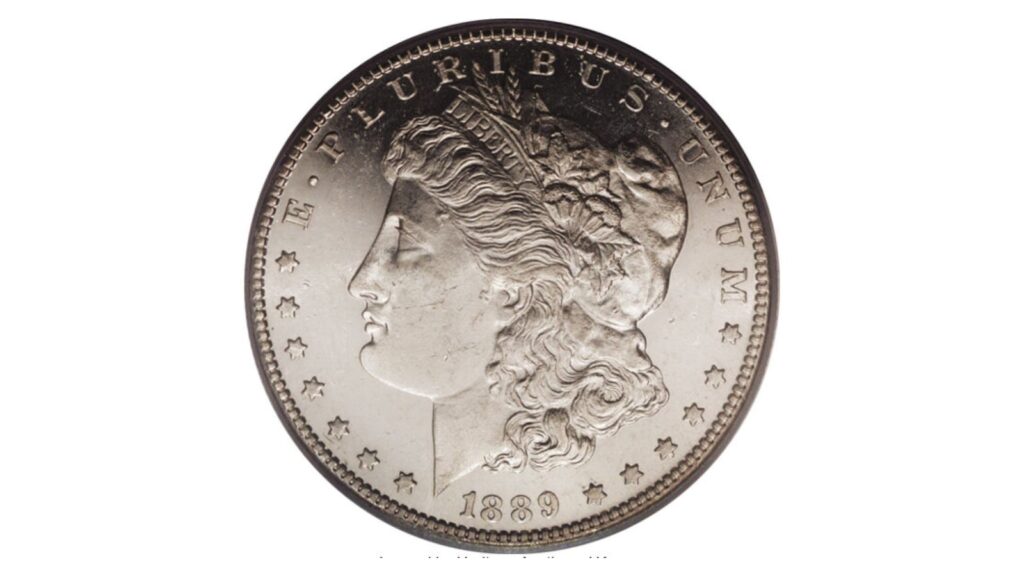
The Carson City Mint sat idle for four years after closing in 1885, and when it reopened in October 1889, it struck just 350,000 Morgan dollars before the year was out. Most of that small mintage went straight into circulation in the Nevada silver country rather than sitting in Treasury vaults, which means the 1889-CC largely missed the government hoard that made other Carson City dates so available decades later.
That combination makes the 1889-CC the scarcest Carson City Morgan dollar in every grade, including heavily worn ones. Even a coin in average, well-circulated condition typically brings $800 to $1,400, and problem-free examples in the higher circulated grades climb into the thousands. This is a coin that genuinely does turn up misidentified in old family collections, usually because whoever put it away decades ago had no idea the mint mark made this particular date worth so much more than an ordinary Morgan. Authentication matters enormously here, since the mint mark is a common target for alteration.
18. 1893-CC Morgan dollar
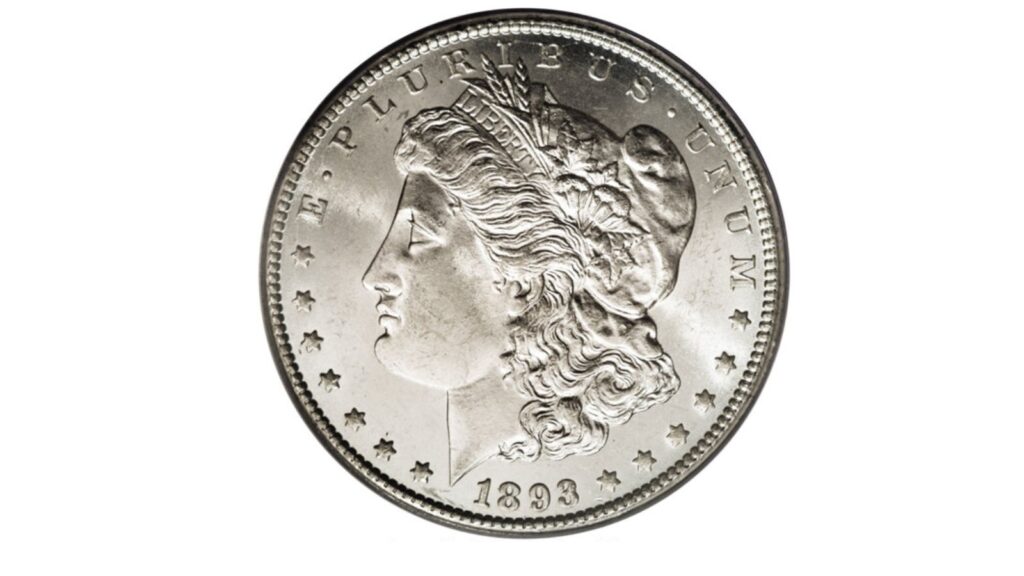
The last year Carson City struck Morgan dollars, 1893, produced just 677,000 coins, and most of those spent decades in Treasury vaults before a large share were melted down in 1918 under federal silver legislation. What survives today skews heavily toward well-worn, low circulated grades, since most examples that avoided the melt still ended up spent rather than saved.
A heavily circulated 1893-CC typically brings $300 to $500, while pieces retaining more original detail in the Extra Fine range sell for meaningfully more. Mint state examples are a different animal entirely and command four and five figures. As with any scarce Carson City date, weight, diameter, and the exact placement of the mint mark above the “DO” in “DOLLAR” are worth checking closely, since this is one of the more frequently altered dates in the entire Morgan series. A small number were even certified in original GSA government holders decades after the main hoard sales ended, which adds a further collector premium on top of the coin itself.
19. 1893-S Morgan dollar
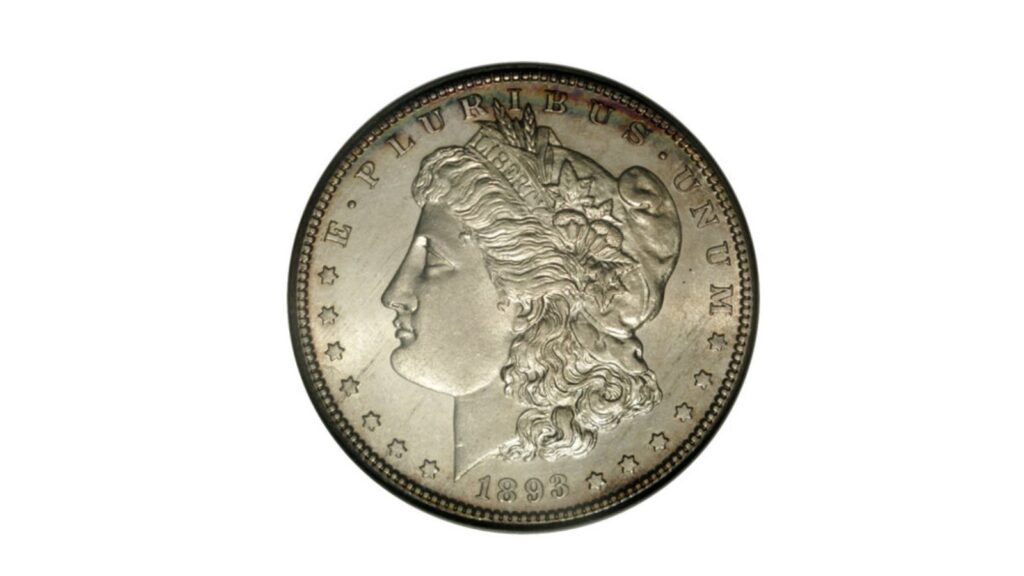
With a mintage of just 100,000, the lowest of any Morgan dollar struck for regular circulation, the 1893-S is the coin every serious Morgan collector eventually needs to complete a date set, and the price reflects it at every grade level, not just the top ones.
Even a heavily worn example in Good condition, with the date barely legible and most design detail gone, typically brings $3,500 to $5,000, and prices climb steeply from there through the circulated grades. This is squarely a long shot rather than something to expect, but it’s exactly the kind of coin that turns up misidentified in an inherited box of “old silver dollars” nobody in the family ever sorted through properly. It’s also one of the most heavily counterfeited Morgan dollars in existence, commonly faked by adding a fraudulent “S” to an ordinary Philadelphia dollar, which has no mint mark at all. Never buy or sell one without third-party certification.
20. 2000-P Sacagawea “Cheerios” dollar
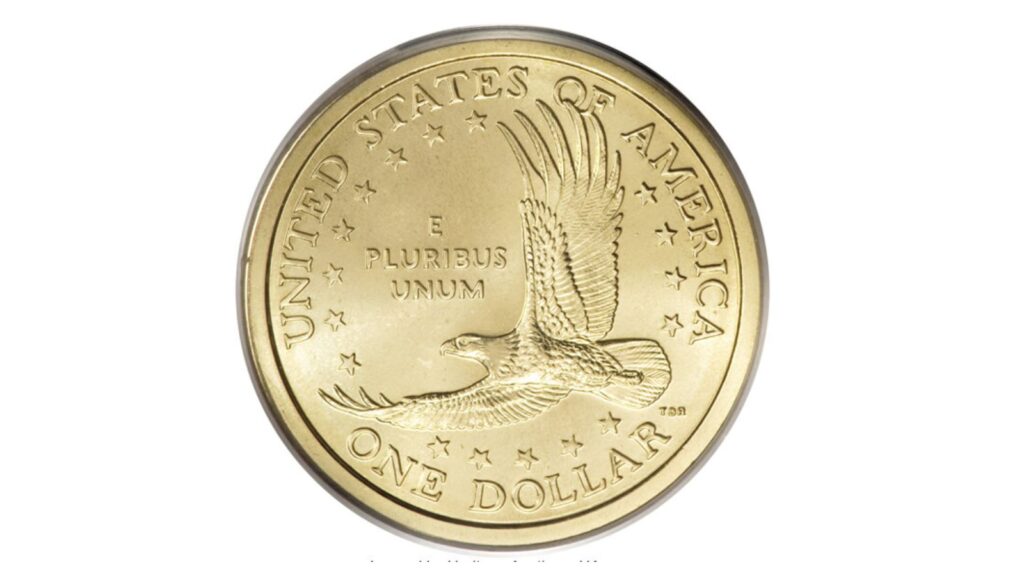
In late 1999, General Mills partnered with the US Mint to promote the new golden dollar by inserting one into roughly one of every 2,000 boxes of Cheerios cereal nationwide. The coins used were struck from an earlier pattern die with more sharply detailed tail feathers on the reverse eagle than the design that went into full production shortly after, a difference numismatists later confirmed by comparing the feather detail under magnification.
Only about 5,500 of these coins were distributed this way, and most were spent, lost, or handled carelessly by people who had no idea what they’d received. Surviving examples in typical uncirculated condition now sell for $4,000 to $6,500, with top-graded pieces reaching well into five figures. This is a genuine long shot, but an unusually plausible one: anyone who kept a golden dollar coin from a box of cereal around the turn of the millennium is worth checking the tail feathers on, ideally against side-by-side reference photos before assuming the best.
21. 1895 Morgan dollar, proof only
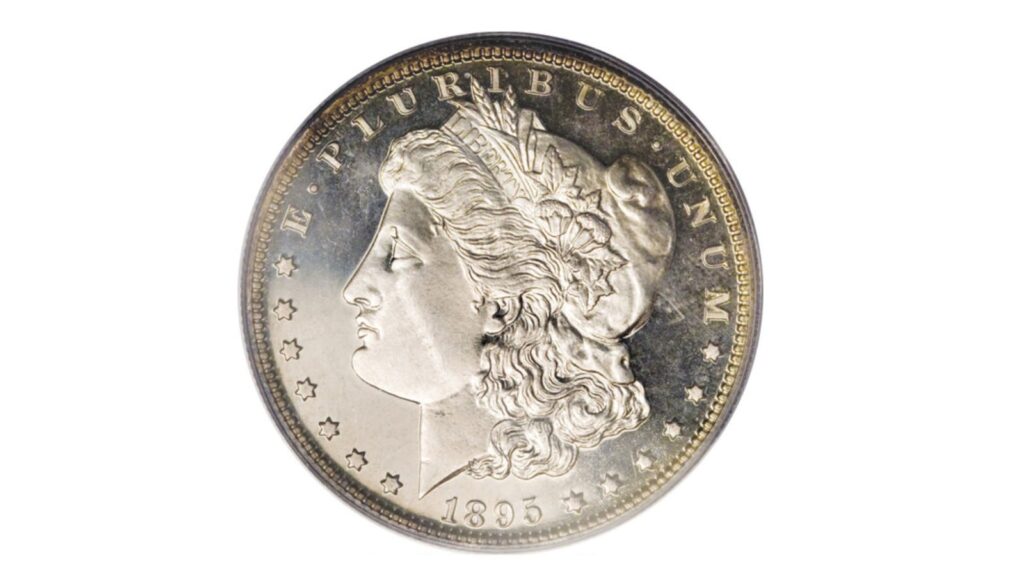
No business-strike Morgan dollars were ever released for circulation dated 1895 from the Philadelphia Mint, despite Mint records once listing a circulation mintage. Modern research has confirmed that only 880 proof coins were struck that year for collectors, making the 1895 “the King of Morgan Dollars” and the single coin that stops most Morgan date-set collectors cold.
Even well-worn, low-grade proof examples, some of which were apparently spent by owners unaware of what they had, start at roughly $37,000, and pristine gem proofs reach well into six figures. This is the most aspirational entry on this list by a wide margin, not something to expect to find, but worth knowing about if you ever come across a Morgan dollar dated 1895 in a family collection with no visible mint mark. Certification is absolutely essential before you assume anything, since a common 1895-O or 1895-S with a removed mint mark is a far more likely explanation than the real thing.











