
A four-year degree can be a hard sell when rent, groceries, insurance, and everything else are already chewing through your paycheck. Spending several years in school without a full-time income may not be realistic either.
Some of the better-paying short-training careers are hiding in places most people never think to look. Hospitals need people who can run specialized equipment. Airports need technicians who can troubleshoot aircraft systems. Utilities, factories, transit systems, and industrial plants need workers who can fix complicated machinery when something goes wrong.
The catch is that short training does not always mean easy training. Several of these programs are full-time, selective, or heavy on clinical and hands-on work. Some jobs also come with licensing, physical, medical, or background requirements. But you can get into each career without spending four years earning a bachelor’s degree.
Table of contents
- 1. Cardiac cath lab technologist
- 2. Diagnostic medical sonographer
- 3. Respiratory therapist
- 4. Radiologic technologist
- 5. MRI technologist
- 6. EEG and neurodiagnostic technologist
- 7. Biomedical equipment technician
- 8. Avionics technician
- 9. Aircraft mechanic
- 10. Aerospace engineering and operations technician
- 11. Commercial diver
- 12. Subway and streetcar operator
- 13. Transit and railroad police officer
- 14. Transportation electronics technician
- 15. Powerhouse, substation, and relay electrical repairer
- 16. Pipeline machinery mechanic
- 17. Control and valve technician
- 18. Mechatronics technician
1. Cardiac cath lab technologist
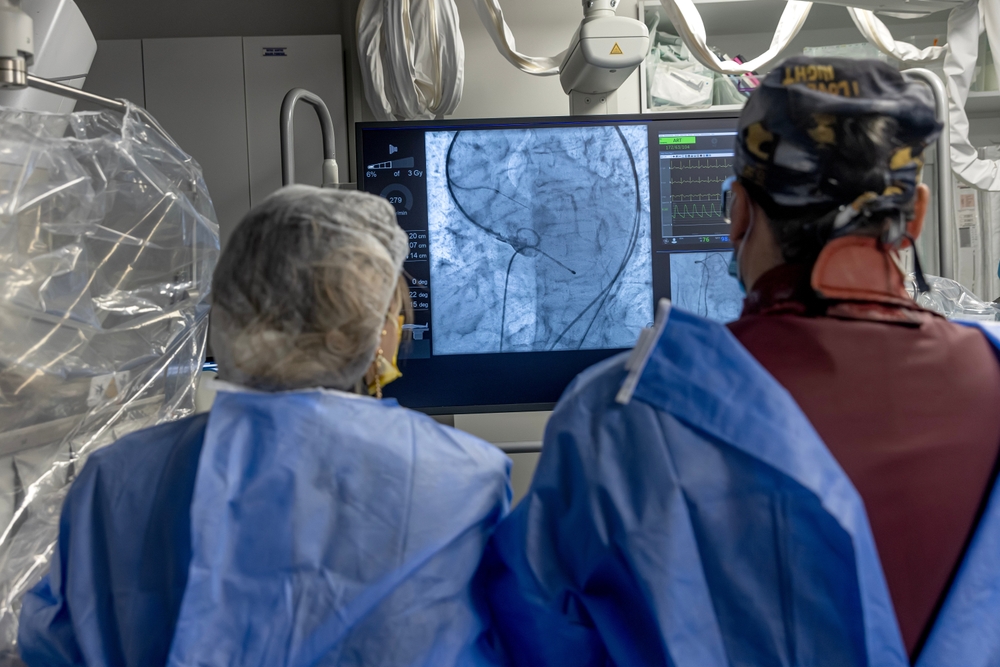
Cardiac cath lab technologists work alongside cardiologists during procedures such as cardiac catheterizations, angiograms, and stent placements. They prepare patients, monitor heart rhythms and blood pressure, operate imaging and monitoring equipment, and keep an eye out for sudden changes that require an immediate response. Average pay for this specialty is about $39 per hour. The broader cardiovascular technologist field is expected to keep adding jobs as more people need testing and treatment for heart and vascular disease.
This is one of those healthcare jobs most patients encounter without ever knowing the job title. Direct-entry cardiovascular invasive technology programs can be surprisingly short. An 18-month associate program can prepare students for entry-level cath lab work and professional credentialing without requiring a previous college degree. Coursework typically covers anatomy, ECG interpretation, invasive procedures, radiation safety, patient care, and plenty of clinical training.
Hospitals and heart centers are the main employers. The work can be stressful when a procedure turns into an emergency, but that is also why the job depends so heavily on trained people rather than unattended technology.
2. Diagnostic medical sonographer

Sonographers do much more than pregnancy ultrasounds. Depending on the specialty, you might scan the abdomen, blood vessels, reproductive system, breast tissue, or other parts of the body. Getting a useful image requires you to position the patient correctly, choose the right settings, recognize anatomy, and adjust constantly as you scan. Median pay is about $46.44 per hour, and employment is projected to grow 14% through 2035, which is much faster than average.
You do not necessarily have to spend two full academic years getting there. Accredited ultrasound programs that combine general education, lab work, and clinical rotations can be completed in as little as 20 months. Other 20-month hospital-based programs prepare graduates directly for entry-level sonography work and registry exams. Admissions rules vary, so it is worth checking whether prerequisites are included in the advertised program length before you enroll.
Sonographers work in hospitals, imaging centers, clinics, and medical offices. The job is hands-on and surprisingly physical, since you spend a lot of time positioning patients and holding a transducer at precise angles.
3. Respiratory therapist

Respiratory therapists take care of people who are having trouble breathing. That can mean giving breathing treatments to someone with asthma, managing a ventilator in intensive care, checking blood gases, helping with airway emergencies, or treating premature babies whose lungs are not fully developed. Median pay is about $39.56 per hour. Employment is projected to grow 9% through 2035 as an aging population creates more demand for treatment of lung and heart conditions.
Several schools offer respiratory therapy associate programs that take about 20 months, including classroom instruction, simulation labs, and clinical rotations. You learn mechanical ventilation, airway management, medications, diagnostic testing, and emergency care. Graduates then qualify for the professional exams needed to become registered respiratory therapists.
This is not a quiet back-office healthcare role. Respiratory therapists spend much of their day at the bedside, often with seriously ill patients. Hospitals employ most of them, although respiratory therapists also work in outpatient care, rehabilitation, home health, and sleep medicine. The combination of equipment knowledge and real-time patient decisions gives experienced therapists a skill set that is difficult to replace.
4. Radiologic technologist
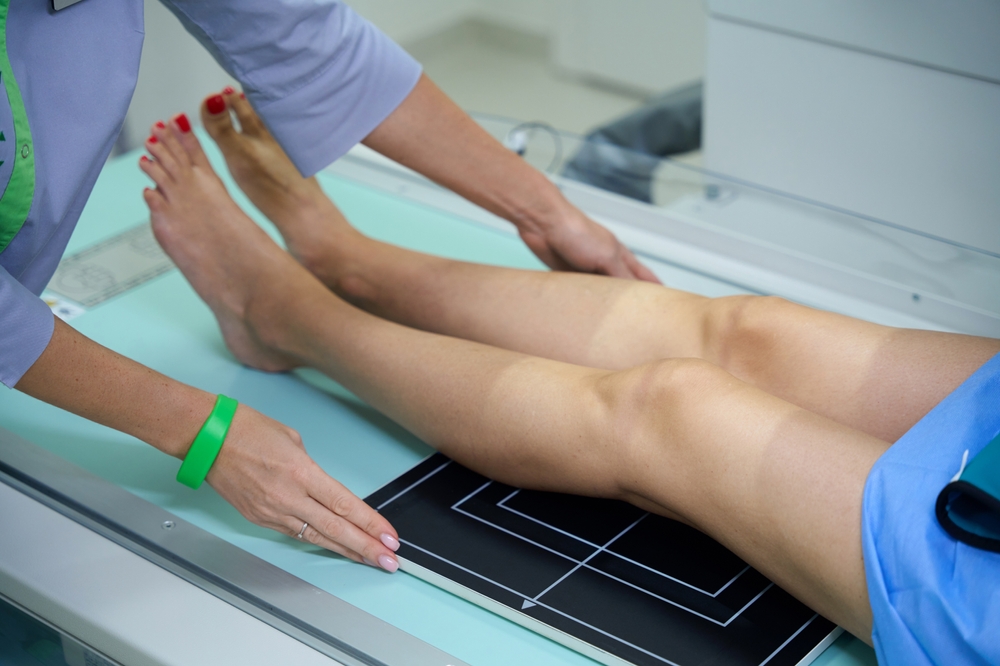
Radiologic technologists take the X-rays doctors use to diagnose broken bones, lung problems, injuries, and many other conditions. You may work in a regular imaging department one minute and wheel a portable X-ray machine into an emergency room or operating room the next. Positioning matters because a slightly wrong angle can make an image less useful and expose a patient to radiation unnecessarily. Median pay works out to about $38.51 per hour, with employment projected to grow about 5% through 2035.
Traditional associate programs often take two academic years, but accelerated year-round programs can finish the required classroom, lab, and clinical training in about 18 months. Graduates are prepared for the national radiography credentialing exam, while licensing requirements vary depending on where you work.
Hospitals remain major employers, but outpatient imaging centers and medical offices also hire radiologic technologists. This can also be a useful starting point for moving into more specialized imaging later. The job involves constant patient contact, physical positioning, radiation safety, and troubleshooting equipment in busy clinical settings rather than simply pressing a button and walking away.
5. MRI technologist

MRI technologists operate the giant scanners that produce detailed images of organs, joints, nerves, and other soft tissue. Before a patient even enters the scanner, you have to screen carefully for implants, metal, and other safety issues. During the exam, you position the patient and coils, select imaging protocols, watch image quality, and help anxious or claustrophobic patients get through a procedure that can take a while. Median pay is about $45.90 per hour, and MRI technologist employment is projected to grow roughly 8% through 2035.
A lot of MRI certificate programs are designed for people who are already radiologic technologists, but that is not the only route. Direct-entry MRI associate programs exist that take about 18 months and prepare students for the primary MRI credentialing pathway without requiring a previous imaging degree.
You will find MRI technologists in hospitals, specialty imaging centers, and outpatient clinics. The equipment is sophisticated, but safe scanning still depends on someone who understands the patient, the anatomy, the magnetic environment, and what to do when an exam does not go according to plan.
6. EEG and neurodiagnostic technologist

EEG technologists record electrical activity in the brain. They place electrodes on a patient’s scalp, run neurological tests, identify equipment or movement artifacts, and monitor for unusual activity that may signal seizures or other disorders. Some work in epilepsy monitoring units where patients are recorded continuously for several days. Average pay for EEG technologists is about $37 per hour. The larger group that includes specialized health technologists is expected to continue growing as demand for diagnostic care rises.
This is an unusually short doorway into a technical hospital career. Some hospital-based neurodiagnostic programs take 12 months and train beginners in EEG equipment, electrode placement, anatomy, seizure recognition, patient safety, and clinical procedures. Certain programs even employ trainees while they learn. An 18-month associate route is another option.
Hospitals, epilepsy centers, sleep centers, and neurological practices hire these technicians. Machines can record the signal, but getting a clean, clinically useful study from a moving, confused, frightened, or critically ill patient still takes a trained person who can recognize when something is wrong.
7. Biomedical equipment technician

When an infusion pump, patient monitor, defibrillator, ventilator, or other medical device stops working, someone has to figure out why. Biomedical equipment technicians inspect, test, calibrate, maintain, and repair the equipment hospitals depend on every day. Average pay for a biomedical equipment technician is about $36 per hour. The broader medical equipment repair field is projected to grow 13% through 2035, far faster than average.
You can start without a medical background. Certificate programs teach electronics, computer hardware, networking basics, medical equipment safety, troubleshooting, and hands-on repair. Some schools offer a one-year certificate, while more extensive technician certificates take about a year and a half. Programs specifically designed for newcomers do not necessarily require previous technical or healthcare experience.
Hospitals employ many biomedical technicians directly, while others work for equipment manufacturers and independent service companies. You may spend one hour testing a routine device and the next troubleshooting equipment needed for patient care. It is a useful fit for someone who likes fixing things but would rather work around electronics than engines.
8. Avionics technician

Avionics technicians take care of the electronic systems inside aircraft, including navigation, communication, radar, flight instruments, wiring, and electronic controls. When pilots report an intermittent problem, the answer may be buried in a wiring harness or electronic component that only fails under certain conditions. Median pay is about $39.56 per hour, and avionics technician employment is projected to grow 9% through 2035.
Training does not have to mean a four-year aviation degree. Aviation electronics programs can prepare students for entry-level avionics work in 18 months, while some certificate tracks are even shorter. One aviation electronics sequence, for example, offers a six-month wire-assembly certificate followed by a one-year electronics technician certificate.
Airlines, aircraft repair stations, manufacturers, business aviation operations, and aerospace companies all need this skill set. Much of the job is hands-on fault finding with meters, test equipment, wiring diagrams, and the aircraft itself. Aviation safety rules also mean repairs have to be inspected, documented, and performed correctly rather than simply patched until the warning light disappears.
9. Aircraft mechanic

Aircraft mechanics inspect and repair engines, brakes, hydraulic systems, landing gear, flight controls, structural components, and countless smaller parts that keep an airplane safe. They also perform scheduled inspections designed to catch trouble before it becomes a serious problem. Median pay for aircraft mechanics is about $38.40 per hour, with employment projected to grow about 5% through 2035.
One of the cleanest training routes is an approved aviation maintenance technology school. Full-time programs can take about 18 months and prepare graduates for the tests required to earn airframe and powerplant mechanic credentials. That lets you qualify through school rather than first spending several years accumulating qualifying work experience.
Mechanics work for airlines, repair facilities, manufacturers, cargo operators, government contractors, and private aviation companies. Expect noise, ladders, awkward spaces, and sometimes night or weekend shifts. In return, you are learning a regulated technical trade where every completed repair carries real safety consequences and where someone still has to physically inspect, disassemble, repair, and test the aircraft.
10. Aerospace engineering and operations technician

Aerospace engineering and operations technicians help engineers build, test, operate, and maintain equipment used for aircraft, spacecraft, missiles, and other aerospace systems. Depending on the workplace, you could install sensors on test equipment, calibrate instruments, help run propulsion tests, collect data, troubleshoot prototypes, or maintain the equipment used on a production line. Median pay is about $39.85 per hour. Employment is projected to grow 12% through 2035, which is unusually strong for a technician-level engineering occupation.
An associate degree is common, but it is not the only preparation employers use. Postsecondary certificate training can also qualify candidates for some technician positions. A one-year electronics certificate can build skills in circuits, test equipment, electronic devices, troubleshooting, and manufacturing, with graduates going into aerospace as well as other technical industries.
The exact job can look very different from one employer to another, so hands-on electronics, instrumentation, and mechanical skills matter. This is less about designing an aircraft on a computer and more about making sure the real hardware behaves the way the engineering team expects it to.
11. Commercial diver

Commercial diving is a working trade performed underwater, not scuba diving with a paycheck attached. Divers inspect bridges and underwater structures, perform repairs, recover equipment, cut and weld metal, rig heavy objects, and support marine construction. Median pay is about $35.09 per hour, and employment is projected to grow about 5% through 2035. Pay can vary considerably because projects, travel, overtime, and the type of diving all affect earnings.
Commercial diving school can be much shorter than most people expect. Intensive programs can take about seven months and cover surface-supplied diving, underwater tools, welding and cutting, rigging, inspection, hydraulics, salvage, and emergency procedures.
The downside is obvious: this is demanding work in an unforgiving environment. Divers have to meet medical and physical standards, work comfortably in cold or murky water, and sometimes spend long stretches away from home. But if you want a highly unusual hands-on career, underwater infrastructure still needs people who can see the problem, use tools, and make judgment calls in conditions where mistakes can get serious very quickly.
12. Subway and streetcar operator

Subway and streetcar operators move passengers through urban transit systems while watching signals, controlling speed, operating doors, communicating with dispatchers, and responding when something goes wrong on the line. You may also have to handle a sick passenger, equipment problem, blocked track, or evacuation. Median pay is about $41.53 per hour, and employment is projected to grow around 4% through 2035.
This is one of the rare jobs here where the employer normally provides most of the career training. A high school diploma is generally the starting education, followed by several months of structured instruction and supervised work. Trainees learn operating rules, signals, equipment, routes, emergency procedures, and the safety standards used by the transit system.
The schedule is not built around bankers’ hours. Public transportation runs early, late, on weekends, and on holidays, so newer employees may get less desirable shifts. Still, large transit systems need trained operators every day. Even as transportation equipment becomes more computerized, emergencies, service disruptions, passenger safety, and older infrastructure keep humans heavily involved in day-to-day operations.
13. Transit and railroad police officer

Transit and railroad police work specifically around rail systems, stations, trains, yards, and transportation property. Their calls can involve theft, trespassing, fights, missing people, medical emergencies, crowd problems, vandalism, and incidents around moving trains. Median pay is about $43.38 per hour. Employment for transit and railroad police is projected to grow around 3% through 2035, roughly keeping pace with the continuing need to protect large transportation systems.
A bachelor’s degree is not the standard entry requirement for the occupation. A high school diploma is typically enough educationally, followed by an academy and supervised field training that takes months rather than years. Hiring can still be selective. Applicants generally face background checks, physical requirements, and other screening, and individual agencies may set tougher standards than the occupational minimum.
This is a very different environment from ordinary patrol work. Officers have to understand rail hazards, crowded stations, restricted infrastructure, and how an incident can affect thousands of passengers. Conflict, emergencies, and split-second safety decisions are also the parts of public safety work that still depend heavily on people being physically present.
14. Transportation electronics technician
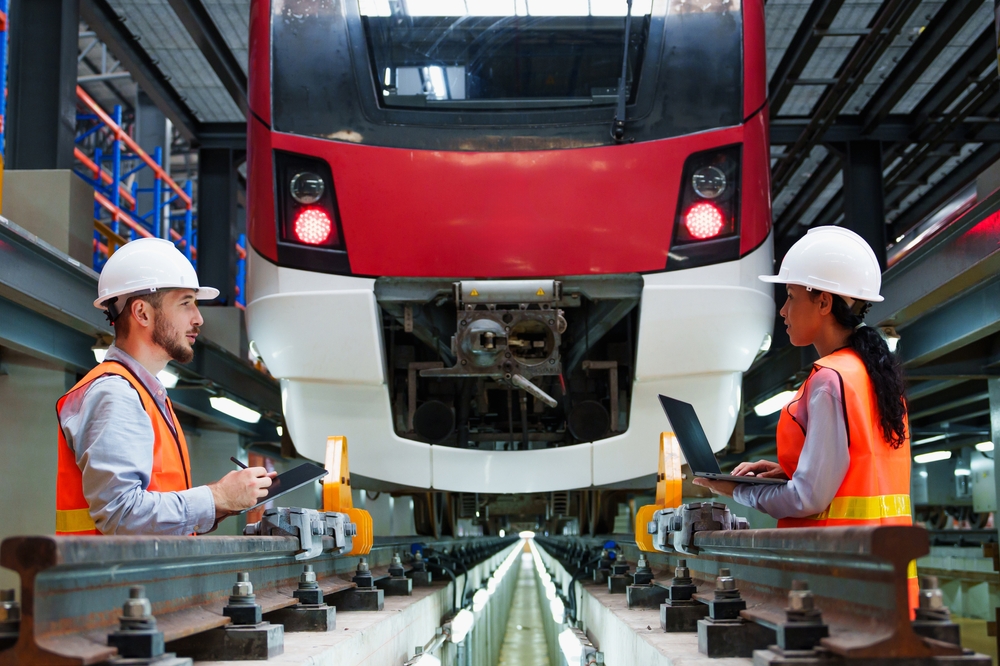
Transportation electronics technicians repair electronic systems installed in trains, ships, and other transportation equipment. The work can involve communication systems, navigation equipment, security systems, surveillance equipment, sonar, displays, and electronic controls. Median pay is about $40.81 per hour. Employment is projected to grow about 5% through 2035 as transportation systems continue adding and upgrading electronic equipment.
You can build the required foundation without spending years in engineering school. One-year electronics certificates teach circuit analysis, test equipment, digital electronics, components, troubleshooting, and hands-on repair. Those programs can lead to electronics technician work in transportation as well as power, communications, aerospace, and manufacturing. Training programs tied directly to transportation electronics also include certificates lasting less than two years.
This job suits someone who likes electrical troubleshooting but wants something more specialized than residential wiring. A failure may involve tracing an intermittent signal through wiring, connectors, modules, and sensors until you find the actual fault. The equipment may change, but transportation operators still need technicians who can crawl into the system and make the hardware work again.
15. Powerhouse, substation, and relay electrical repairer

These electrical specialists maintain equipment that protects and controls the power grid. They test relays, inspect substation controls, trace electrical faults, repair equipment, and make sure protective systems disconnect power correctly when something fails. Median pay is about $49.53 per hour. Employment is projected to grow about 10% through 2035 as utilities maintain older equipment and add new electrical infrastructure.
A technical electronics or electrical program is one way in. Training options connected with this occupation include certificates that take less than a year as well as programs lasting one to two years, followed by employer training on the specific protection and control equipment being used. Some employers favor people with previous electrical experience, so trainee and junior technician routes can be particularly useful for newcomers.
This is a niche worth knowing about because most people never see the equipment unless they work around electric utilities. Relay systems can detect a dangerous electrical fault in milliseconds, but technicians still have to install, test, calibrate, maintain, and troubleshoot the physical network that those systems depend on.
16. Pipeline machinery mechanic
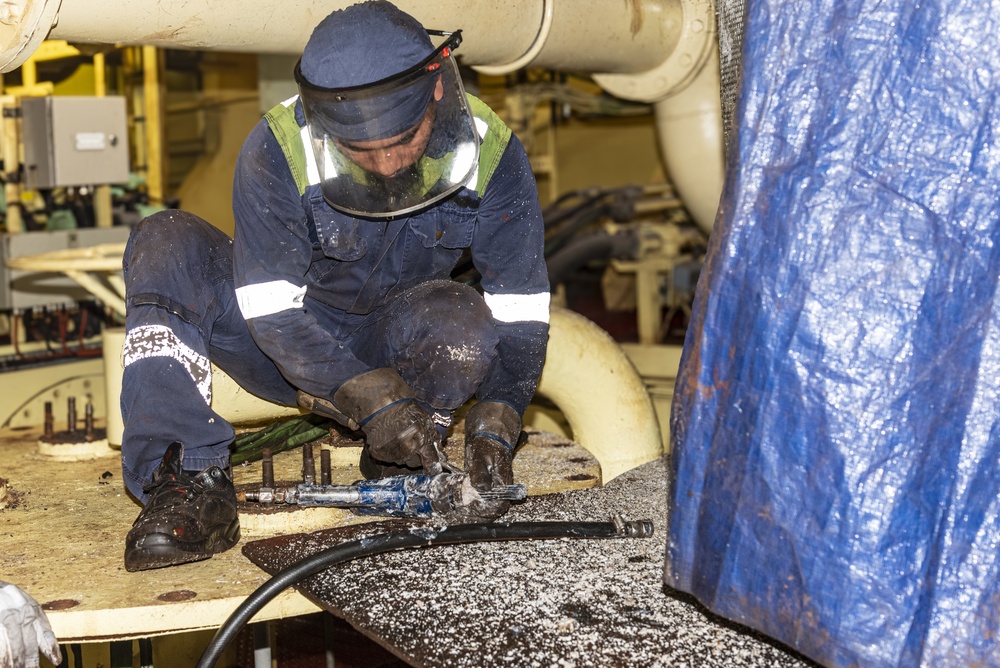
Pipeline operations rely on pumps, compressors, motors, valves, bearings, seals, and other heavy equipment to keep oil, gas, and other materials moving. Industrial machinery mechanics in pipeline transportation earn median pay of about $43.19 per hour. The industrial machinery mechanic occupation overall is projected to grow rapidly as employers install more complicated equipment that still needs preventive maintenance and repair.
A nine-month industrial maintenance certificate can teach the basics employers look for, including mechanical power systems, motor controls, hydraulics, pneumatics, AC and DC electricity, and troubleshooting. From there, employers provide additional training on the machinery and safety procedures used at their facilities.
You might work around pump stations, compressor facilities, terminals, or other industrial sites rather than on the pipeline itself. The job is built around diagnosing physical problems such as excessive vibration, worn bearings, leaking seals, alignment trouble, or a motor that will not run correctly. Sensors can warn that a machine is failing, but someone still has to determine why, shut it down safely, tear into it, and put it back into service.
17. Control and valve technician
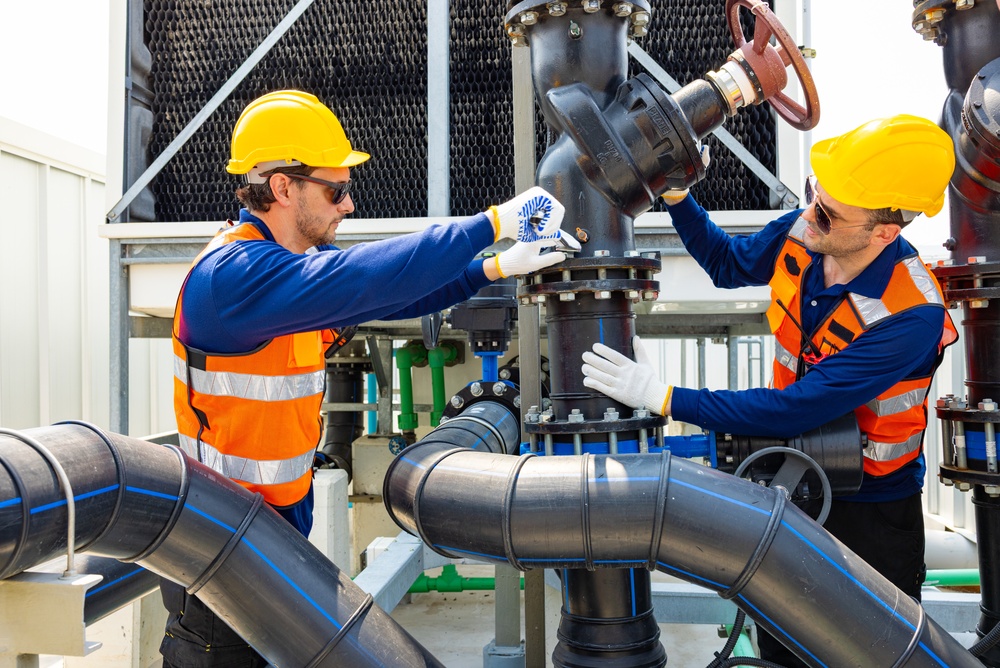
Control and valve technicians keep pressure, flow, temperature, and other industrial processes under control. They install, inspect, adjust, and repair equipment such as valves, regulators, meters, governors, and related control devices. Median pay is about $35.74 per hour, with employment projected to grow around 4% through 2035. The occupation is found anywhere accurate control of liquids, gases, pressure, or industrial processes matters.
A high school diploma is the typical formal education requirement, followed by moderate-term employer training. You can make yourself much more useful with a short industrial maintenance, instrumentation, or electronics program covering electricity, controls, pneumatics, hydraulics, measurement, and troubleshooting. A nine-month industrial maintenance certificate can cover many of those fundamentals.
This work turns up in utilities, energy operations, factories, processing plants, and other industrial facilities. It is more precise than simply replacing a broken part. A technician may have to determine whether a strange reading comes from the valve, sensor, actuator, control signal, or the process itself, then calibrate the system so it operates safely again.
18. Mechatronics technician
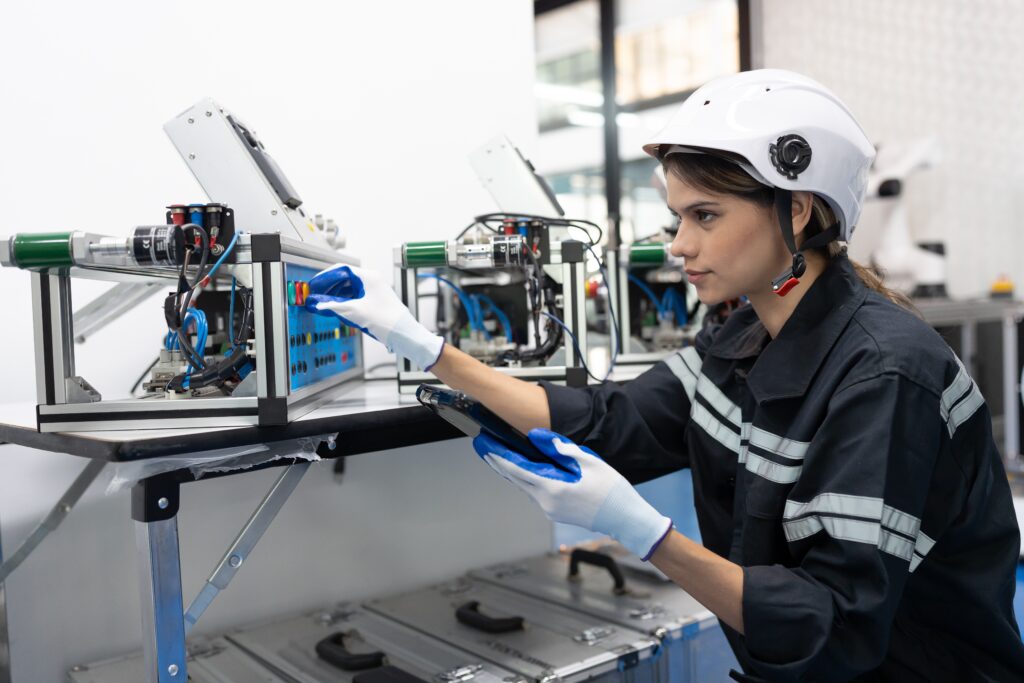
Mechatronics technicians work where mechanics, electronics, sensors, motors, pneumatics, and automated equipment all meet. You might troubleshoot a conveyor that keeps stopping, replace a failed sensor on a production machine, repair an electric motor, adjust a pneumatic system, or figure out why part of an automated assembly line suddenly stopped communicating. Median pay is about $35.53 per hour, and employment is projected to grow around 3% through 2035.
You do not need to become an engineer first. Entry-level mechatronics certificate programs can take about nine months and cover electrical systems, mechanical systems, industrial automation, controls, troubleshooting, and equipment integration. They are designed to prepare new students for technician jobs in advanced manufacturing rather than requiring years of previous trade experience.
Factories, warehouses, equipment manufacturers, and other automated facilities employ these technicians. More automation can change the work, but it also creates more complicated physical equipment that has to be installed, adjusted, maintained, and repaired. The strongest technicians are the ones who can follow an electrical problem and a mechanical problem instead of being limited to just one side of the machine.











