
A bachelor’s degree can be expensive, slow, and hard to fit around a job or family responsibilities. Healthcare has another problem: plenty of career lists act like your only choices are nursing, medical assisting, or years of school.
There are more doors than that. Hospitals, clinics, specialty practices, labs, rehab centers, and medical equipment companies need people who can work with patients, handle specialized equipment, keep procedures safe, and solve problems in real time.
Some of these jobs require a certificate. Others require an associate degree, licensing exam, or paid training after you’re hired. None requires a four-year degree as the standard starting point, and many are growing faster than the overall job market.
Table of contents
- 1. Ophthalmic medical technician
- 2. Hearing aid specialist
- 3. EEG technician
- 4. Sleep technician
- 5. Dialysis patient care technician
- 6. Sterile processing technician
- 7. Endoscopy technician
- 8. Medical equipment repairer
- 9. Community health worker
- 10. Surgical technologist
- 11. Dental hygienist
- 12. Physical therapist assistant
- 13. Occupational therapy assistant
- 14. Respiratory therapist
- 15. Diagnostic medical sonographer
- 16. Pharmacy technician
- 17. Licensed practical nurse
- 18. Medical assistant
1. Ophthalmic medical technician

Ophthalmic medical technicians do much more than schedule eye appointments. You might measure eye pressure, test visual fields, take images of the retina, put drops in a patient’s eyes, and prepare people for an ophthalmologist’s exam. The work is a mix of patient care and specialized testing, which makes it a good fit if you want healthcare without working on a hospital floor. Median pay was about $44,080 a year in 2024.
This is also one of the stronger sleeper careers in healthcare. Employment is projected to grow about 20 percent over the decade ending in 2034. A postsecondary certificate is the typical entry path, rather than a bachelor’s degree, and previous work experience is not normally required. Jobs are concentrated in ophthalmology offices, eye clinics, and medical centers. Because you’re positioning patients, operating diagnostic equipment, noticing problems, and working directly with physicians, there is still a large hands-on part of the job that software cannot simply take over.
2. Hearing aid specialist

Hearing aid specialists test hearing, take ear impressions, fit hearing devices, program them, and show clients how to use and care for the equipment. It is a surprisingly accessible healthcare career because a high school diploma is the typical entry-level education. You learn much of the job through several months of training, although licensing and exam requirements apply before you can work independently. Median annual pay was about $61,560 in 2024.
The demand picture is unusually strong for a career with this education level. Employment is projected to rise about 18 percent through 2034 as the population ages and more people need help with hearing loss. You may work in a hearing clinic, an audiology practice, or a business that sells and services hearing devices. There is a sales element in some positions, so look closely at compensation plans before accepting a job. The core work, though, is very personal. You have to listen to what a client is experiencing, adjust tiny devices, test results, and help someone who may be frustrated or embarrassed about losing their hearing.
3. EEG technician

An EEG technician records the electrical activity of the brain. You attach electrodes to a patient’s scalp, check the equipment, watch the recording for problems, and document what happens during the test. Patients may be children, older adults, people with epilepsy, or seriously ill hospital patients. Average U.S. pay for an EEG technician was about $67,963 a year as of August 2026.
You do not need a bachelor’s degree to enter neurodiagnostics. One clean route is completing an accredited neurodiagnostic program and then working toward the EEG credential. There are also recognized certificate programs, although other credentialing paths require more clinical experience. Neurodiagnostic technologists are considered a faster-growing occupation, with the broader category projected to expand about 5 percent through 2034. Hospitals, neurology practices, epilepsy centers, and sleep centers hire these workers. This is detail-heavy work where you need to place electrodes correctly, spot a bad signal, keep a nervous patient still, and know when something in the recording deserves attention.
4. Sleep technician

Sleep technicians spend the night watching other people sleep, but the job is a lot more technical than that sounds. You connect sensors that track breathing, brain activity, heart rhythm, oxygen, and movement. During a study you watch the signals, correct loose sensors, document events, and sometimes help with equipment used to treat sleep apnea. Average pay for a sleep technologist was about $64,908 a year as of August 2026.
There is an entry-level sleep credential specifically intended for people who are new to the field. One path combines approved sleep education with early clinical experience and a high school diploma or GED. Accredited sleep technology programs are another option. Most jobs are in sleep labs connected to hospitals or specialty clinics, and overnight shifts are common. Sleep testing remains hands-on because someone has to prepare the patient, attach the sensors correctly, recognize faulty signals, and respond when a patient has trouble during the night. Sleep work also sits within the broader neurodiagnostic field, which is expected to keep growing faster than the overall job market.
5. Dialysis patient care technician
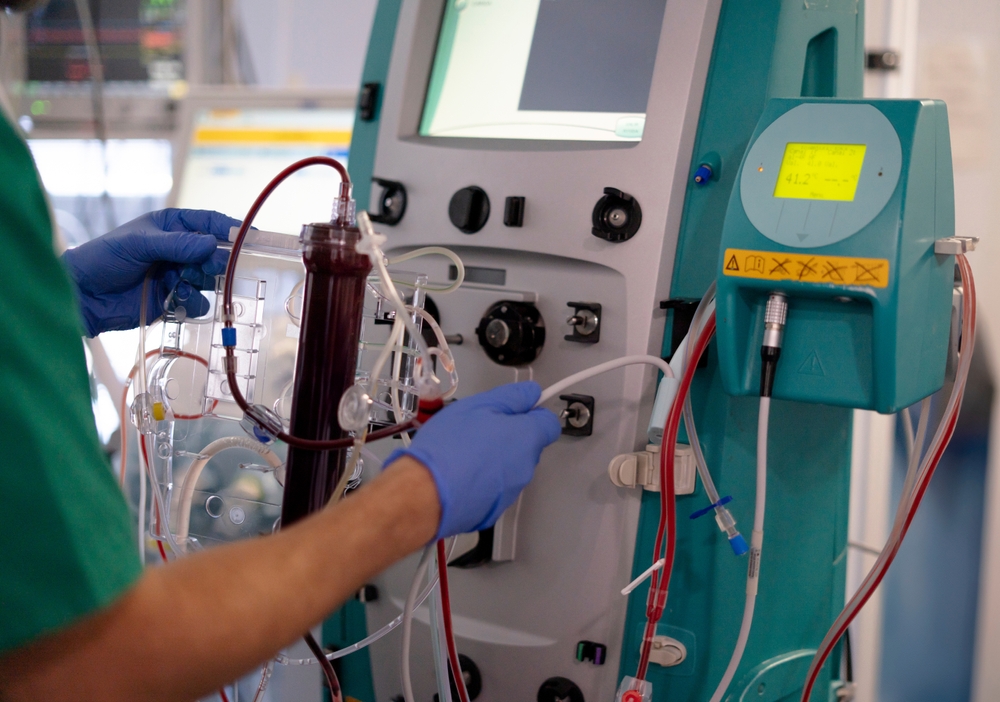
Dialysis patient care technicians help people whose kidneys can no longer clean their blood well enough on their own. You prepare dialysis machines, check vital signs, monitor patients during treatment, document what happens, and watch closely for complications such as falling blood pressure. Because patients may spend hours in the chair several times a week, you often get to know the same people well. Average pay for a dialysis technician was about $47,375 a year as of August 2026.
This is one of the more practical ways into direct patient care without college. A high school diploma is generally required for technicians entering chronic outpatient dialysis, and employers may provide substantial training after hire. Technicians working in covered dialysis facilities must also earn an approved certification within the required federal timeframe. The broader health technician category tied to dialysis credentials is projected to grow faster than average. Kidney disease is also a long-term condition, so dialysis clinics need staff who can safely run equipment and watch patients throughout treatment. Machines can automate parts of the process, but they cannot replace the person checking the access site, noticing a patient suddenly looks unwell, or responding to a medical problem.
6. Sterile processing technician

Every surgical instrument has to be cleaned, inspected, assembled, packaged, sterilized, and tracked before someone can safely use it again. Sterile processing technicians handle that work behind the scenes. You may take apart instrument sets, inspect tiny hinges and cutting surfaces, operate sterilizers, and make sure an operating room receives the correct trays. National average pay for the broader medical equipment preparer occupation was about $50,510 a year in May 2025.
A four-year degree is not part of the normal path. A high school diploma plus employer training can be enough, and certificate programs are available if you want formal preparation before applying. There are even registered apprenticeship routes for central sterile processing. Employment for medical equipment preparers is projected to grow well above average, helped by the continuing volume of surgeries and other procedures. This is not glamorous work, but the consequences of doing it badly are serious. A missed bit of debris, damaged instrument, or failed sterilization process can put a patient at risk. Hospitals, surgery centers, and other facilities need people who understand those standards and can physically inspect the equipment.
7. Endoscopy technician
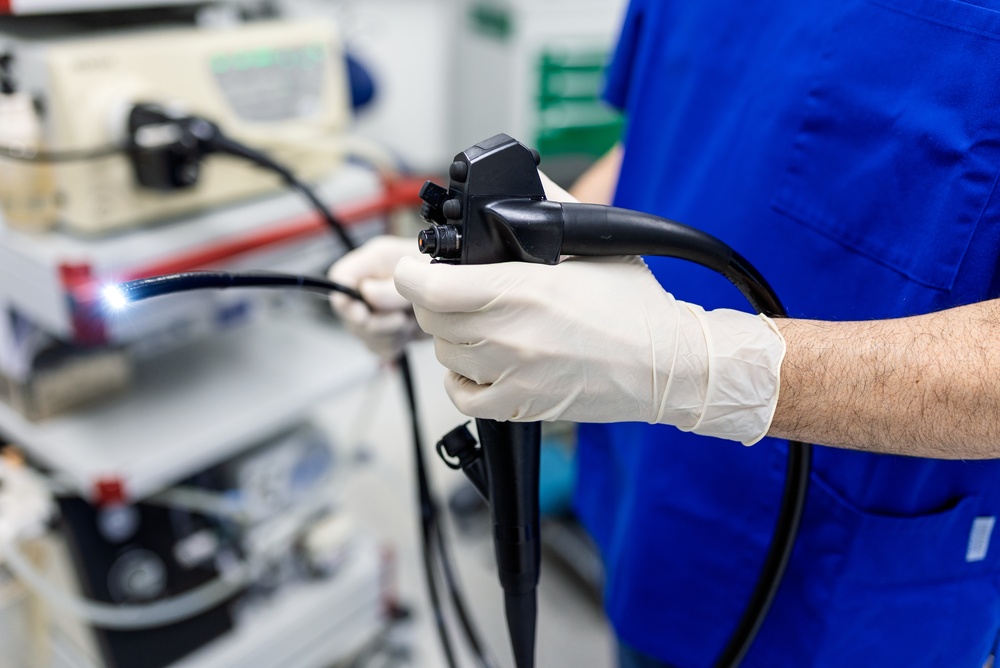
Endoscopy technicians help doctors and nurses perform procedures that use flexible scopes to look inside the digestive system and other parts of the body. Before a procedure you prepare the room, equipment, monitoring devices, and supplies. During it, you may assist the clinical team and handle specimens. Afterward, the scopes have to be cleaned and disinfected according to strict procedures. Average U.S. pay for an endoscopy technician was about $44,929 a year as of August 2026.
This specialty is far more accessible than its equipment-heavy name suggests. Occupational data places it in a job zone requiring little to some preparation. More than half of surveyed workers reported a high school diploma as the education needed for a new hire, while others reported a certificate. Training may last anywhere from a few days to about a year depending on the employer and your duties. The broader occupation has stable projected growth. You can find these jobs in hospitals, gastroenterology clinics, and outpatient procedure centers. The cleaning and inspection side is especially difficult to hand off to automation because flexible scopes have intricate channels, connections, and parts that must be checked carefully between patients.
8. Medical equipment repairer
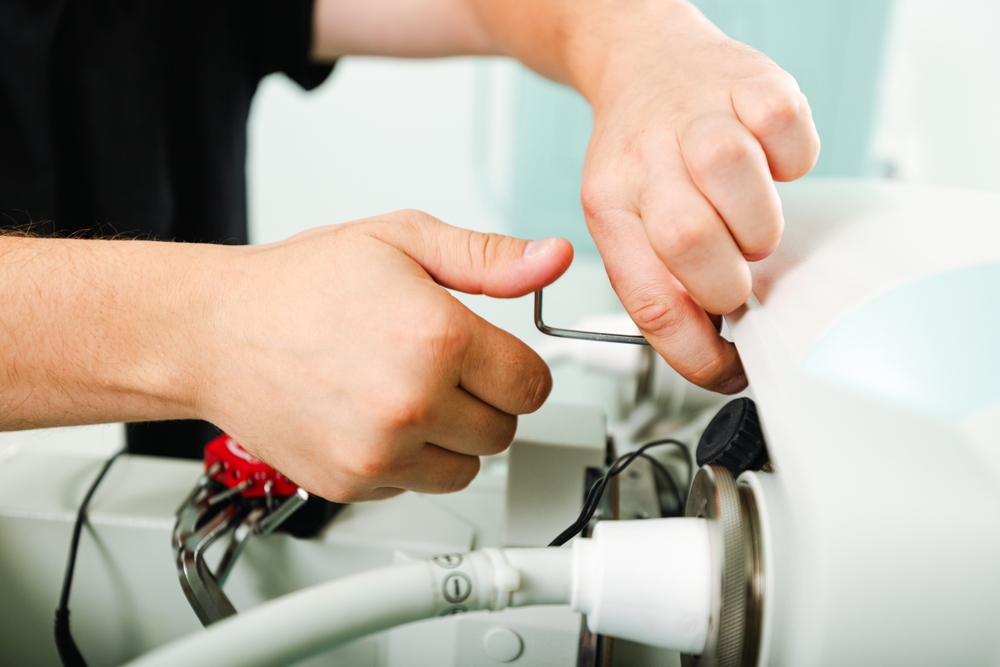
If you like fixing things more than taking blood pressure, medical equipment repair could be a strong healthcare path. These technicians install, inspect, maintain, and repair equipment used to diagnose and treat patients. That can include monitors, hospital beds, infusion equipment, defibrillators, imaging components, and other electronics. Median pay was $62,630 a year in 2024, with hospital workers earning more.
An associate degree or certificate in biomedical equipment technology is the usual route, not a bachelor’s degree. Some workers get in with a high school diploma plus relevant technical training, military experience, or an apprenticeship. Employment is projected to grow about 13 percent through 2034, which is much faster than average. Hospitals need more equipment as patient demand grows, and every device eventually needs preventive maintenance or repair. This career also sits in a useful middle ground between healthcare and the skilled trades. You are not providing bedside care all day, but your work directly affects whether nurses, doctors, and therapists have safe equipment when they need it. When a vital machine fails, someone still has to diagnose the physical problem and fix it.
9. Community health worker

Community health workers help people navigate a healthcare system that can be confusing even on a good day. You might connect someone with a clinic, explain how to follow a care plan, help a patient find transportation, organize health screenings, or visit people who have trouble getting regular medical care. It is less technical than many jobs here, but it relies heavily on trust and communication. Median pay was $51,850 a year in May 2025.
A high school diploma is the typical minimum education, although some employers prefer college coursework and some areas require certification. New workers usually receive a brief period of on-the-job training. Employment is projected to grow about 13 percent through 2035. Community health workers are hired by hospitals, public health programs, nonprofit organizations, social-service agencies, and outpatient providers. This can be especially appealing if you are good with people but do not want to spend your day in a treatment room. A database can give someone a phone number. It cannot easily figure out why a patient keeps missing appointments, earn that person’s trust, and work through the transportation, language, money, or family problems that are getting in the way of care.
10. Surgical technologist

Surgical technologists help keep an operating room ready and organized before and during surgery. You prepare sterile instruments, check supplies, help position patients, pass equipment to surgeons, and keep track of sponges, needles, and other items. The pace can be intense, and mistakes matter. Median pay for surgical technologists was about $62,830 a year in 2024.
The usual education is a postsecondary certificate or other nondegree award, although associate degree programs are also available. Previous work experience is not normally required. Employment is expected to grow faster than the overall job market as an aging population needs more procedures and more surgeries move into outpatient centers. Surgical techs work in hospitals, ambulatory surgery centers, and specialty surgical facilities. This job suits people who are comfortable standing for long periods and staying focused when a room gets busy. Technology in the operating room keeps getting more sophisticated, but that tends to change the tools surgical teams use rather than remove the need for trained staff. Someone still has to maintain the sterile field, anticipate what the surgeon needs, and catch problems before they affect a patient.
11. Dental hygienist
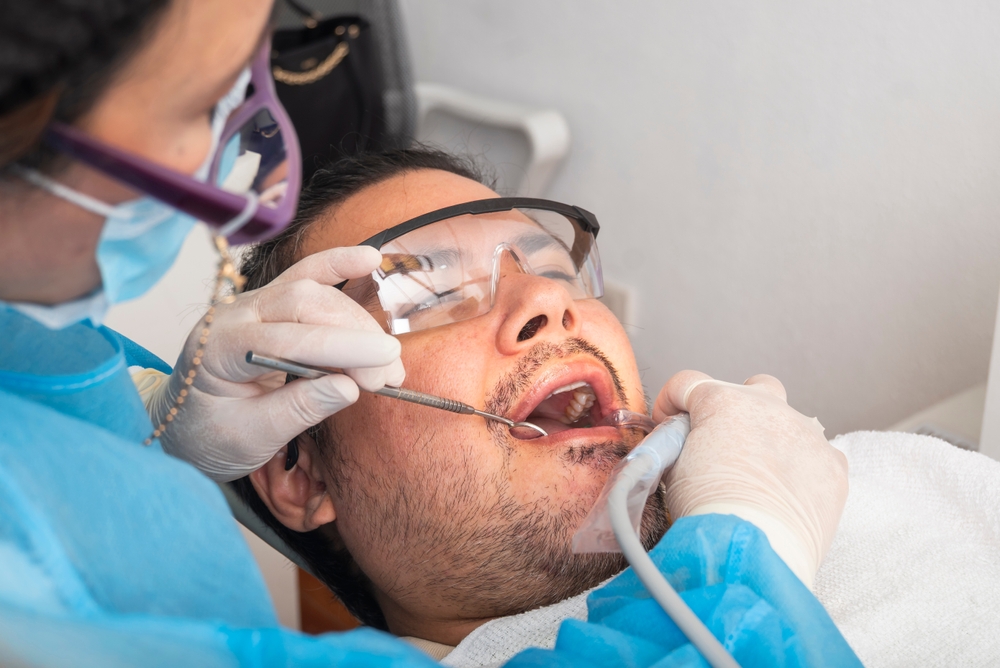
Dental hygienists clean teeth, remove plaque and tartar, take X-rays, look for signs of gum disease, apply preventive treatments, and teach patients how to care for their teeth. You work independently for much of the appointment but coordinate closely with a dentist. The pay is unusually strong for a career that does not require a bachelor’s degree. Median earnings were $98,100 a year in May 2025.
The catch is that this is not a quick certificate career. You generally need an accredited associate degree, and programs often take around three years when prerequisites and clinical training are included. You must also qualify for professional licensing. Employment is projected to grow about 8 percent through 2035 as people keep their natural teeth longer and demand for preventive dental care continues. Most hygienists work in dental practices, and part-time schedules are common. The job requires excellent hand control because you are using sharp and powered instruments inside someone’s mouth, often within a few millimeters of sensitive tissue. You are also constantly adjusting to the person in the chair, especially when someone is anxious, in pain, or has complicated oral health problems.
12. Physical therapist assistant

Physical therapist assistants help patients rebuild strength, movement, and balance after injuries, operations, strokes, and other health problems. A physical therapist creates the treatment plan, then the assistant works directly with patients on exercises, walking, stretching, and other activities. You also watch how the patient responds and report progress or problems. Median pay was $68,380 a year in May 2025.
You generally need an associate degree from an accredited physical therapist assistant program, followed by whatever licensing or certification is required where you work. That is more school than a short certificate, but still well short of a four-year degree. Demand is strong. Employment for physical therapist assistants and aides is projected to grow about 17 percent through 2035. Jobs are available in therapy practices, hospitals, nursing facilities, rehabilitation centers, and home healthcare. This is active work, not a desk job. You may spend much of the day on your feet, demonstrating movements or helping people safely stand and walk. Recovery is also rarely predictable. A machine can count repetitions, but a human has to see that a patient is guarding a painful knee, losing balance, getting discouraged, or pushing harder than is safe.
13. Occupational therapy assistant

Occupational therapy assistants help people regain the skills they need for ordinary life. That could mean teaching someone recovering from a stroke how to dress again, helping an injured worker use an adapted tool, practicing fine-motor tasks with a child, or showing an older adult a safer way to move around the home. Average annual pay for occupational therapy assistants was about $70,710 in May 2025.
You will need an associate degree from an accredited occupational therapy assistant program, and licensing is common. The payoff is a strong employment outlook. Recent projections put growth for occupational therapy assistants at about 19 percent over the decade ending in 2034. You may work in rehabilitation centers, schools, nursing facilities, hospitals, home health, or therapy practices. Although this sounds similar to physical therapy, the focus is different. PT often concentrates on movement and physical function. Occupational therapy is about helping someone perform the activities that make daily life possible. Those activities vary wildly from person to person, so the assistant needs patience, observation, creativity, and the ability to adjust a task on the spot when the original plan is not working.
14. Respiratory therapist

Respiratory therapists treat people who are struggling to breathe. They give breathing treatments, check oxygen levels, manage ventilators, perform lung tests, and respond during emergencies. Patients may have asthma, chronic lung disease, pneumonia, serious injuries, or breathing problems after surgery. Median pay was $82,280 a year in May 2025.
An associate degree is the normal entry point, followed by professional credentialing and licensing where required. Employment is projected to grow about 9 percent through 2035, driven in part by an aging population and continuing demand for treatment of chronic lung conditions. Hospitals employ a large share of respiratory therapists, but jobs also exist in nursing facilities, clinics, and doctors’ offices. This career can involve nights, weekends, and holidays because breathing emergencies do not stick to business hours. It also puts you directly next to patients and complex medical equipment. A ventilator can monitor numbers and sound an alarm, but someone has to understand what those numbers mean, assess the person connected to the machine, troubleshoot equipment, and communicate quickly with the rest of the medical team.
15. Diagnostic medical sonographer

Diagnostic medical sonographers use ultrasound equipment to create images doctors use to diagnose medical problems. Pregnancy scans may be the best-known example, but sonographers also examine the abdomen, breasts, blood vessels, heart, and other areas. You position the patient, move the transducer, adjust the machine, and decide which images best show the area a doctor needs to see. Median pay was $89,340 a year in 2024.
An associate degree is the most straightforward route if you are starting from scratch. Postsecondary certificate programs also exist, although some are designed for people who already have college credits or healthcare training. Employment is projected to grow about 13 percent through 2034. Hospitals employ most sonographers, with additional jobs in doctors’ offices, imaging centers, and outpatient facilities. The equipment does plenty of sophisticated processing, but getting a useful scan still depends heavily on the person holding the transducer. Bodies are not identical, patients may be unable to lie in the ideal position, and suspicious findings sometimes mean you need to change your approach and capture additional views while keeping the patient calm.
16. Pharmacy technician

Pharmacy technicians prepare and label medications, count tablets, enter prescription information, manage inventory, handle insurance details, and work under the supervision of pharmacists. Hospital technicians may also prepare intravenous medications and deliver drugs to patient-care areas. Median pay was $45,750 a year in May 2025, with hospital jobs paying more than the occupation-wide figure.
A high school diploma is the typical entry-level education. Some employers train technicians after hiring, while others prefer a pharmacy technology program or certification. Registration, exams, or formal training may be required depending on local rules. Employment is projected to grow about 6 percent through 2035, and the occupation is large enough to produce tens of thousands of openings each year. Retail pharmacies are the obvious employer, but hospitals, health systems, grocery pharmacies, and other medical facilities hire technicians too. Automated dispensing equipment is already common in this field, yet technicians still have a growing role in collecting patient information, handling prescription transfers, preparing specialized medications, checking inventory, and supporting pharmacists as pharmacists take on more direct patient-care duties.
17. Licensed practical nurse

Licensed practical nurses, sometimes called licensed vocational nurses, provide hands-on nursing care without completing a four-year nursing degree. Duties can include checking vital signs, changing dressings, helping with daily care, giving certain medications, collecting information, and reporting changes in a patient’s condition. What you are allowed to do depends on licensing rules and the workplace. Median pay was $64,400 a year in May 2025.
The usual training path is a state-approved practical nursing program that takes about one year, followed by the licensing exam. Employment growth is projected to be about average through 2035, but this is a huge occupation with roughly 51,800 openings expected each year as workers retire, change careers, and healthcare demand rises. LPNs work in nursing and residential facilities, hospitals, home healthcare, clinics, and doctors’ offices. The work can be physically demanding, and some jobs involve nights or weekends. It is also difficult to separate from human care. Patients need someone to notice changes, explain what is happening, provide physical help, and respond when a routine shift suddenly stops being routine.
18. Medical assistant

Medical assistants keep outpatient medical offices moving. On the clinical side, you might take vital signs, prepare exam rooms, collect basic patient information, help with procedures, and give injections where permitted. On the administrative side, you may schedule appointments, update records, and handle forms. National average annual pay was about $46,120 in May 2025.
A certificate is the most common route, and many programs can be completed in roughly a year. There are also employers that hire people with a high school diploma and teach the job through supervised training, although certification can make you a stronger candidate. Employment is projected to grow about 12 percent through 2034, with more than 100,000 openings expected in an average year. Doctors’ offices employ the largest share, followed by hospitals and outpatient centers. Some of the paperwork around this job will continue to become more automated, but the clinical half is another story. Someone still has to bring the patient back, check vital signs, notice when something looks wrong, prepare equipment, assist the clinician, and deal with the everyday questions and nerves that come with a medical visit.











