
The GameCube cases are in a box under the bed, mixed with controllers, memory cards, and the games nobody has played for years. One of those cases might contain Pokémon Box: Ruby & Sapphire. A complete U.S. copy can bring around $2,500.
Some of the most collectible games from the 2000s barely registered when they were new. Others belonged to popular franchises but came out late in a console’s life or were released in relatively small numbers. The actual game, its region, and the original printed packaging are the details that separate one version from another. Many of the best finds came in cases that look thoroughly unremarkable from the spine.
Table of contents
- Pokémon Box: Ruby & Sapphire (GameCube, 2004)
- Kuon (PlayStation 2, 2004)
- Rule of Rose (PlayStation 2, 2006)
- Ninja Five-O (Game Boy Advance, 2003)
- Cubivore: Survival of the Fittest (GameCube, 2002)
- Haunting Ground (PlayStation 2, 2005)
- Pocky & Rocky with Becky (Game Boy Advance, 2002)
- Car Battler Joe (Game Boy Advance, 2002)
- Obscure (PlayStation 2, 2005)
- Gotcha Force (GameCube, 2003)
- Futurama (PlayStation 2, 2003)
- .hack//Quarantine (PlayStation 2, 2004)
- Blood Will Tell (PlayStation 2, 2004)
- Cannon Spike (Dreamcast, 2000)
- Illbleed (Dreamcast, 2001)
- Fire Emblem: Path of Radiance (GameCube, 2005)
- Chibi-Robo! (GameCube, 2006)
- Drill Dozer (Game Boy Advance, 2006)
- Magician’s Quest: Mysterious Times (Nintendo DS, 2009)
- Project Justice (Dreamcast, 2001)
Pokémon Box: Ruby & Sapphire (GameCube, 2004)
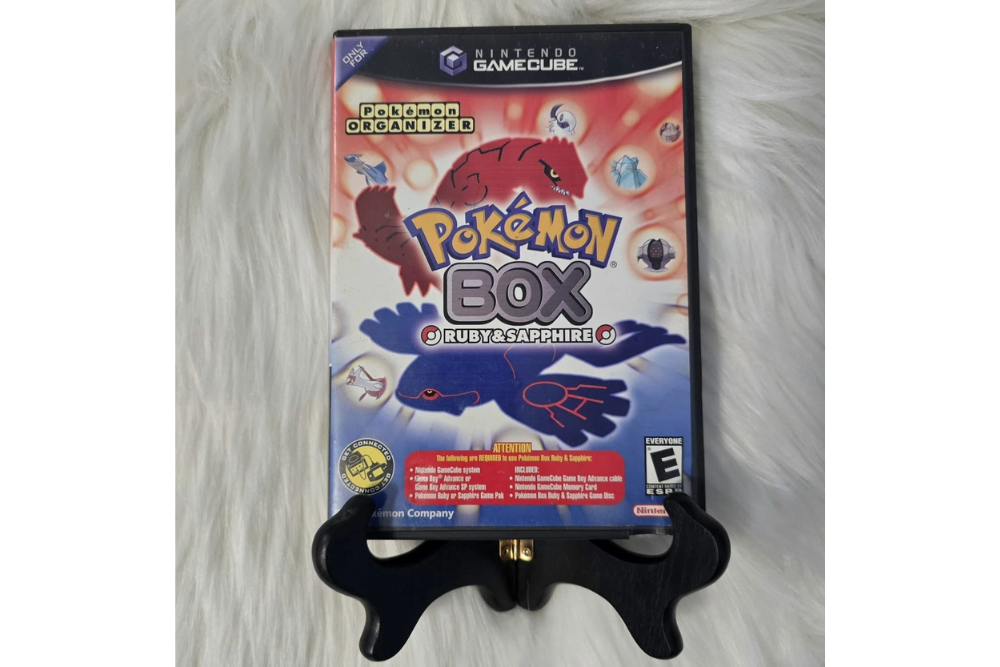
Pokémon Box is barely a game in the usual sense. It lets players store and organize Pokémon from compatible Game Boy Advance adventures using a GameCube, and its original U.S. distribution was unusually limited. A complete North American copy can bring around $2,500. The cover shows the familiar Pokémon logo, so there’s little to suggest what might be inside a box of forgotten Nintendo games.
The original contents can include the GameCube disc, instruction manual, dedicated memory card, and a link cable for connecting the two systems. They belong together in a package that was useful to enthusiastic Pokémon players long before it became a collector’s prize. The U.S. disc has a region-specific label, and the packaging differs from Japanese and European releases. A Japanese version of Pokémon Box can turn up in a similar collection, but its artwork and language markings make it easy to separate once you look closely.
Kuon (PlayStation 2, 2004)
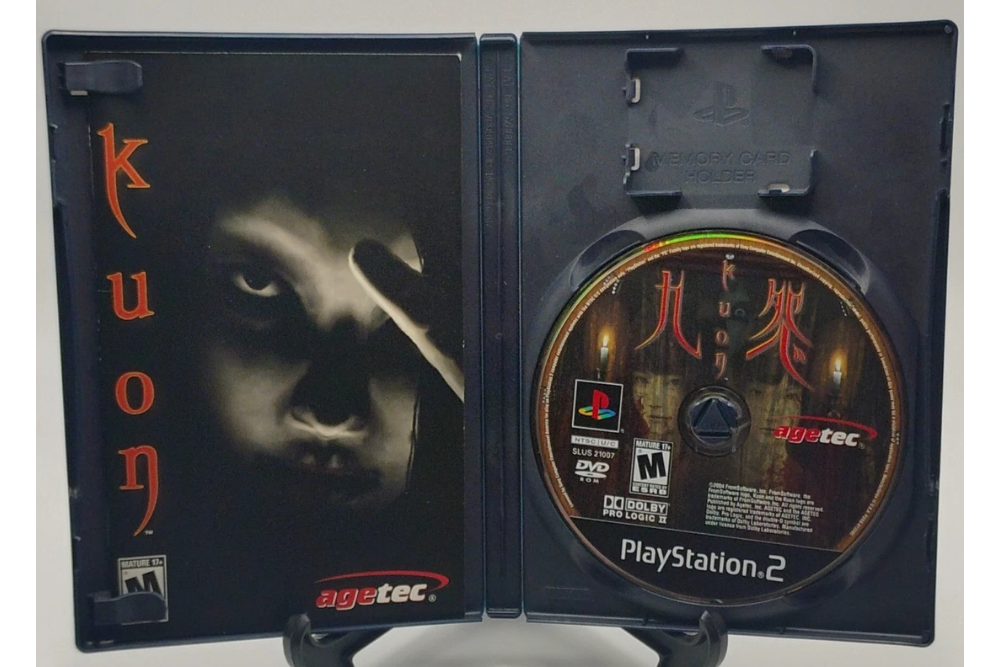
Kuon takes its horror from Japanese folklore and an eerie setting in the Heian period. Strange rituals, vengeful spirits, and quiet hallways do much of the work that more action-heavy horror games hand to monsters and weapons. Its North American PS2 edition can fetch about $1,885 complete. The publisher on the U.S. case is Agetec, while the developer was FromSoftware, years before that studio became famous for Dark Souls.
The cover’s pale face and stark lettering are good identifiers. Inside is a single game disc and an original manual; the U.S. cover has an ESRB Mature rating. Copies sold in Japan carry different artwork and text, so the label is an important part of identifying the U.S. release. Look at the center ring of the disc as carefully as the playing surface. The game can have a tidy-looking printed label while the clear plastic hub has begun to crack, a problem that is hard to see in a photograph taken from above.
Rule of Rose (PlayStation 2, 2006)
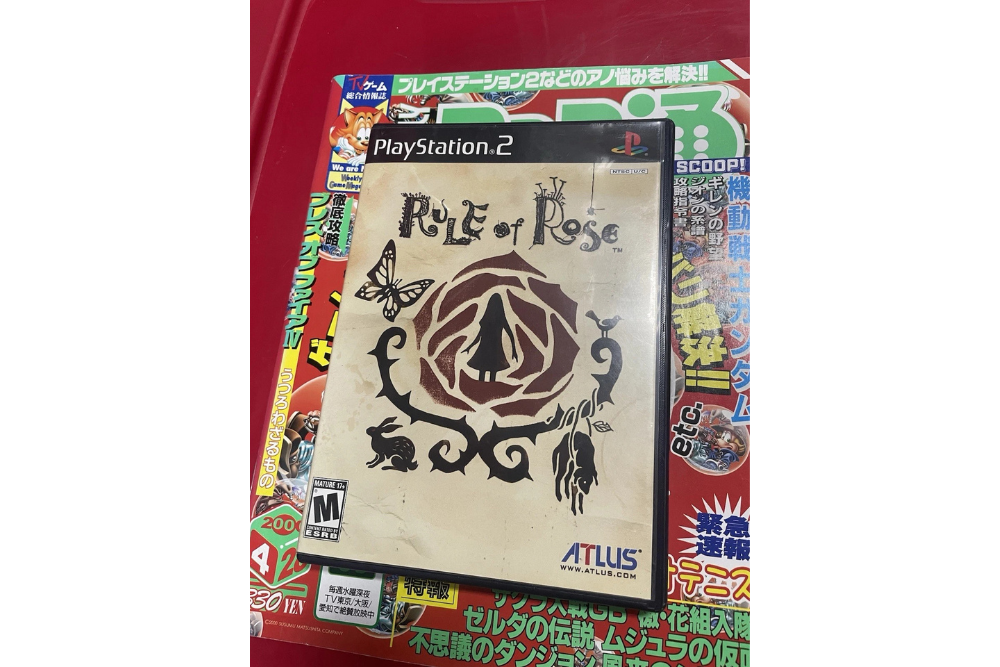
The gothic cover of Rule of Rose doesn’t give away much of its story. The game follows Jennifer through a disturbing world shaped by a group of children, with a dog named Brown helping her investigate. It drew controversy around its release and became a standout name in PS2 horror collecting. The North American edition can sell for roughly $1,100 with its original case and manual.
The U.S. packaging bears the Atlus name and the ESRB Mature symbol. There’s one disc, not a multi-disc set, and the booklet sits behind the clips on the left side of the case. Artwork from the European or Japanese releases should not be used to identify a U.S. copy. The cover insert is particularly worth checking because a replacement can look convincing until the paper stock and print quality are examined. A complete copy has a very particular combination of disc, case printing, and manual that collectors recognize immediately.
Ninja Five-O (Game Boy Advance, 2003)
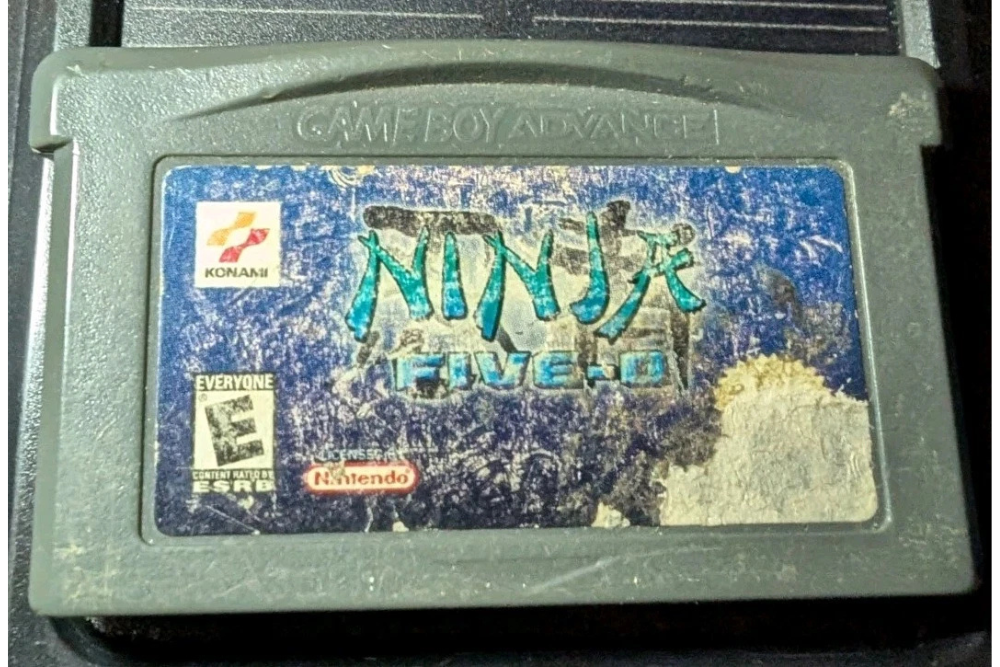
Ninja Five-O combines a police rescue mission with the speed of an arcade ninja game. Joe Osugi moves through banks, airports, and other locations, rescuing hostages and disarming bombs with a sword and a grappling hook. The levels reward quick, precise play. A North American copy with the original cardboard box and booklet can sell for about $760. The packaging is striking, with a masked hero on the cover and action scenes surrounding him.
Most players carried the cartridge and discarded the packaging. That leaves the printed box, cardboard insert, and manual as especially interesting pieces of the original release. The game’s small cartridge has the standard Game Boy Advance shape, which makes it simple to swap into a reproduction shell. The molded Nintendo details and the board visible beneath the contacts can help establish authenticity. A flattened retail box is still the original box if the printing and construction are genuine; a newly printed replica isn’t the same piece of packaging.
Cubivore: Survival of the Fittest (GameCube, 2002)
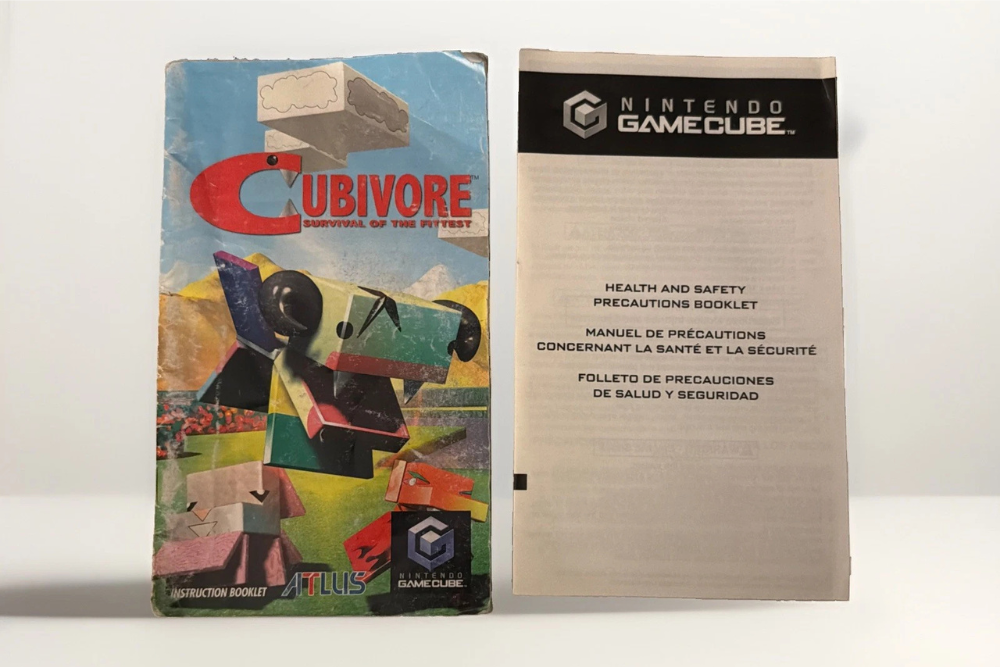
Cubivore looks like a wildlife documentary designed by someone who had only ever seen animals made out of blocks. Your creature eats other creatures and changes form, while the game mixes a strangely serious survival theme with absurdly angular graphics. The North American GameCube release was published by Atlus, and a complete copy can bring around $680.
The U.S. case has a cartoonish cover with square animal shapes. GameCube discs are small, and people often stored them in wallets or spare cases, leaving the original cover insert behind. For Cubivore, the manual’s color printing and unusual character art are part of the appeal. The little disc should be inspected at the hub, where cracking can begin, and along its reflective side for deep marks. There is also a Japanese version of the game, known as Dōbutsu Banchō, with different packaging. The unusual art makes the two editions easy to tell apart when the covers are shown clearly.
Haunting Ground (PlayStation 2, 2005)
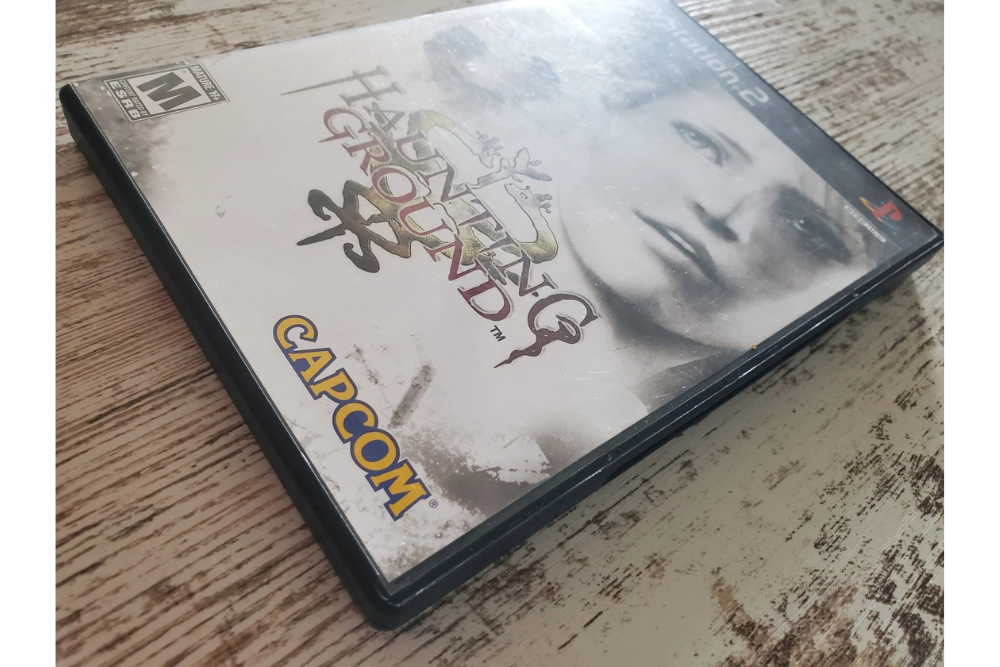
Haunting Ground does something unusually clever with its dog companion. Fiona can give Hewie commands, praise him, or scold him, but his willingness to cooperate is shaped by how she treats him. He helps her solve puzzles and survive encounters with the people hunting her. Capcom’s North American PS2 release can sell for about $640 complete. The cover brings Fiona and Hewie together, with their relationship at the heart of the game.
Collectors also know the game by its Japanese title, Demento. The two releases have their own discs and cover designs. That regional difference is worth noting because a copy might be stored in an imported-game collection. The U.S. manual provides character and control information, and the insert uses the expected PlayStation 2 branding along the spine. A clean original disc matters for a game that can be difficult to replace. A quick test on working PS2 hardware can reveal loading trouble that isn’t obvious from a visual inspection.
Pocky & Rocky with Becky (Game Boy Advance, 2002)
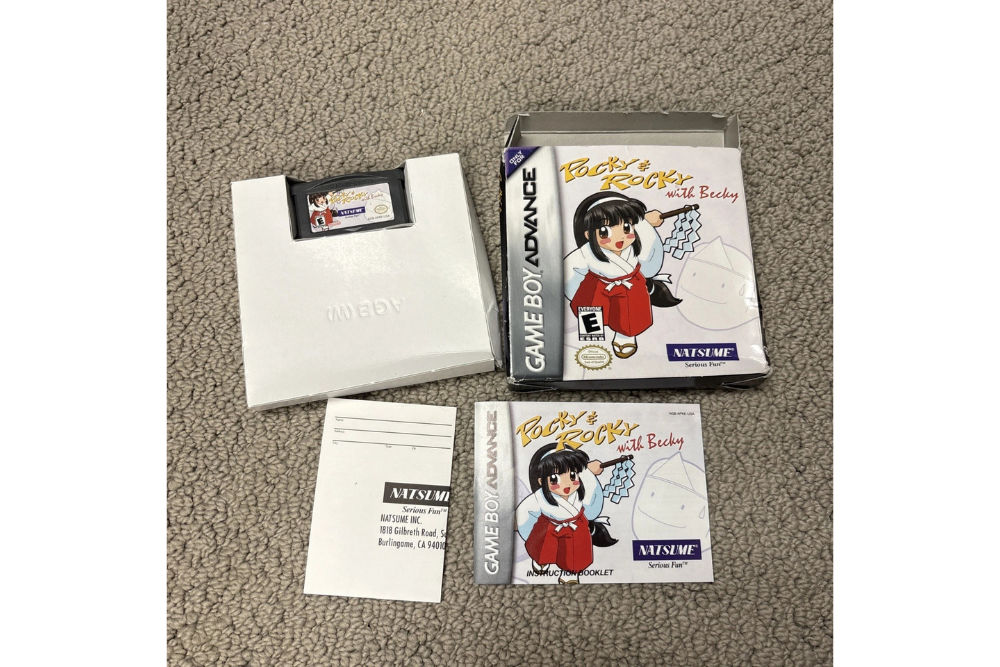
Pocky and Rocky were already familiar characters to players of the earlier shooters, but the Game Boy Advance installment adds Becky to the action. Bright colors and cartoon creatures disguise a demanding game full of enemies and projectiles. The North American version, released by Natsume, can bring around $635 in its original box.
The title is written Pocky & Rocky with Becky, which matters when you’re looking through a collection of similarly named games. The original GBA box has bold character artwork and the Nintendo seal, with the manual tucked inside alongside the cartridge’s cardboard support. Those old boxes were easy to crease, especially at the end flaps. A sturdy example with clean color and legible side lettering has a noticeably different appearance from one that’s been crushed flat in a drawer. Cartridge authentication also matters here, since the game’s cute presentation makes reproduction labels easy to overlook at a glance.
Car Battler Joe (Game Boy Advance, 2002)
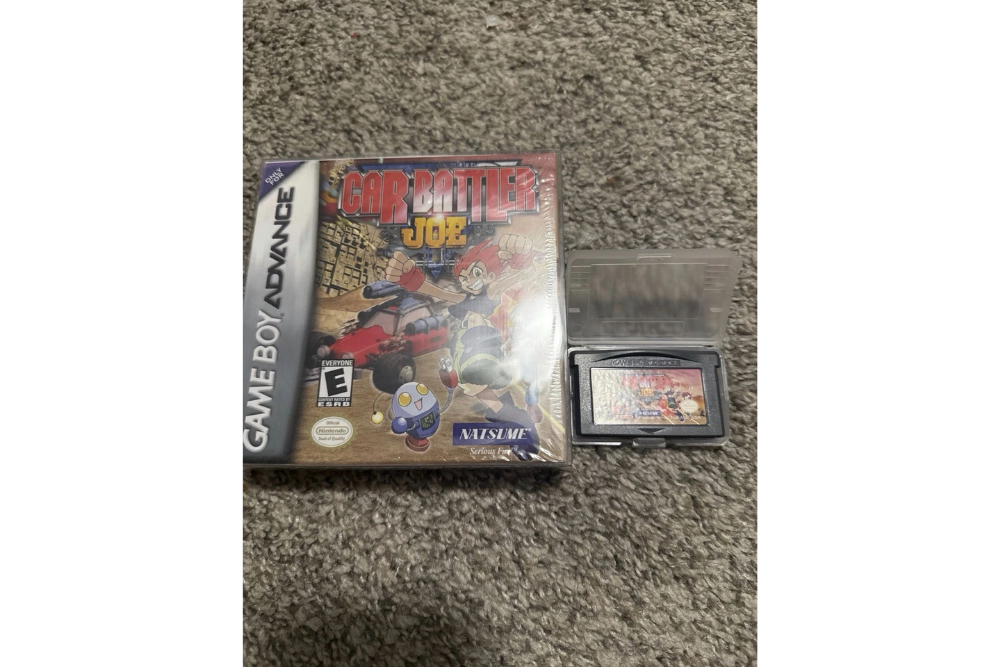
Car Battler Joe is a peculiar mix of role-playing and vehicular combat. Instead of simply racing, you take on jobs, earn money, and modify a combat vehicle for battles. Natsume released the North American version on Game Boy Advance, where the complete retail package can sell for about $620. The game has the sort of name and cartoon cover that make it easy to miss on a shelf.
Inside the cardboard package is a small cartridge containing a far more involved game than the title suggests. The box design shows the central character and a customized vehicle, which helps distinguish it from conventional racing games. The original instruction booklet is useful for documenting the game’s unusual systems, and it is part of what a boxed collector wants. Wear along the package’s folded edges is common because GBA boxes were usually opened by pulling apart thin paperboard flaps. Look for original printed color on the inside of the box rather than relying on a fresh exterior image alone.
Obscure (PlayStation 2, 2005)
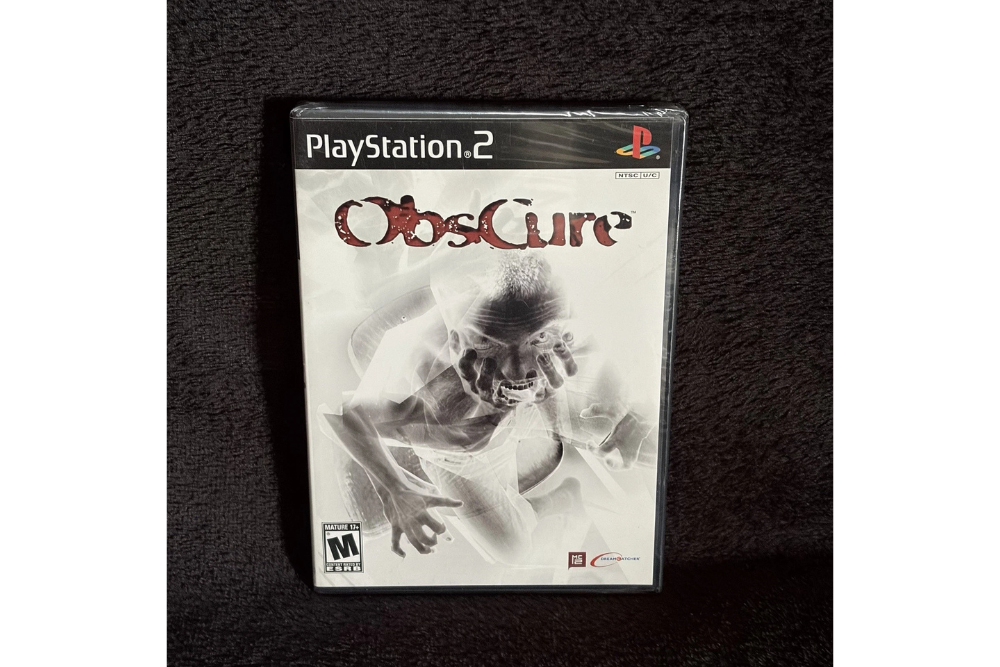
In Obscure, the school itself is the threat. Students investigate disappearances while confronting creatures that are weakened by light. The cooperative mode lets two people work through the story together, and the playable teenagers have distinct abilities. A complete North American PlayStation 2 copy can bring about $500. The original title has a dark, ominous cover and a Mature rating.
The original U.S. game has an M rating and a dark cover built around the students and threatening imagery. Obscure: The Aftermath arrived later and has its own cover and subtitle, so the two games are easy to separate once you read the spine. Early copies of the first game sometimes spent years in rental collections, where stickers and machine-applied labels were placed directly on the plastic or inserts. Their position can reveal whether the original artwork is still underneath. The single disc and instruction booklet complete the standard PS2 package. Both should match the U.S. release rather than a replacement print assembled from another region’s cover.
Gotcha Force (GameCube, 2003)
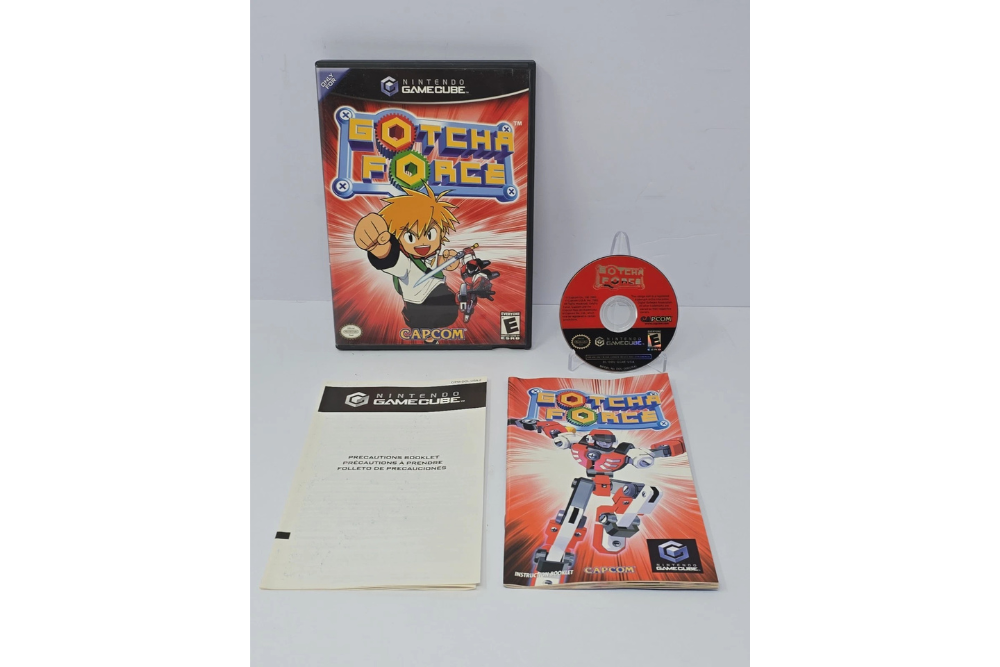
Tiny robots fight it out in Gotcha Force, a Capcom GameCube game full of collectible battle units called Gotcha Borgs. Its cheerful characters and arena battles earned it a dedicated following. A complete North American release can bring around $480. The game’s cover is a riot of little machines, bright colors, and comic-book action.
The appeal is tied to the game’s huge assortment of robots and the satisfaction of building a team. That makes the manual an enjoyable piece of the original package, not merely something to fill an empty case. Check whether the illustrated insert wraps properly around the back and spine, as loose discs often get paired with replacement cases years later. A GameCube disc that looks clean from above may still have marks on the reflective side, particularly if it spent time in a multi-disc wallet. The game’s bright packaging can easily be confused with other robot-battling titles, but the Gotcha Force name appears prominently in the original U.S. art.
Futurama (PlayStation 2, 2003)
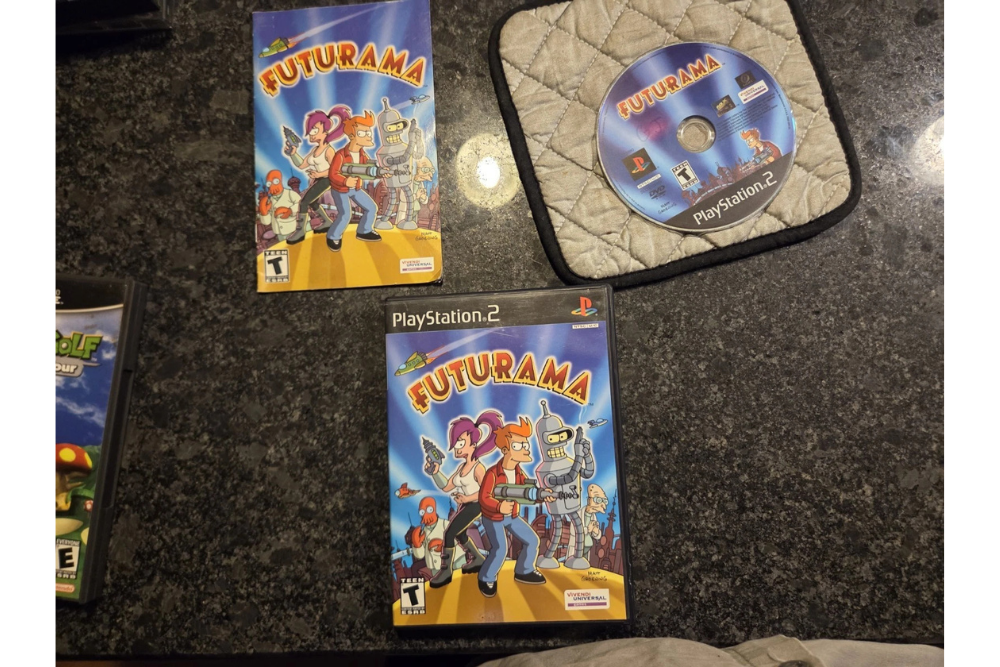
The Futurama game sends Fry, Leela, and Bender through a new adventure with the show’s recognizable voices and humor. The characters take turns in different parts of the story, and the cutscenes have become part of its appeal to fans of the original television series. A complete U.S. PlayStation 2 copy can sell for around $450. The 2003 cover features the familiar orange Futurama lettering and several of the Planet Express crew.
Look for the PS2 version specifically. An Xbox edition was also released, but it uses different packaging and has its own collector following. The U.S. PS2 cover includes the show’s familiar orange lettering and the characters arranged in a busy scene. Original manuals are illustrated in a style that fits the television show and are part of the charm of owning the release. A disc from a used-game shop may have a plain replacement case while the original booklet has vanished. If the booklet survived, it is worth keeping with the disc rather than selling the contents separately.
.hack//Quarantine (PlayStation 2, 2004)
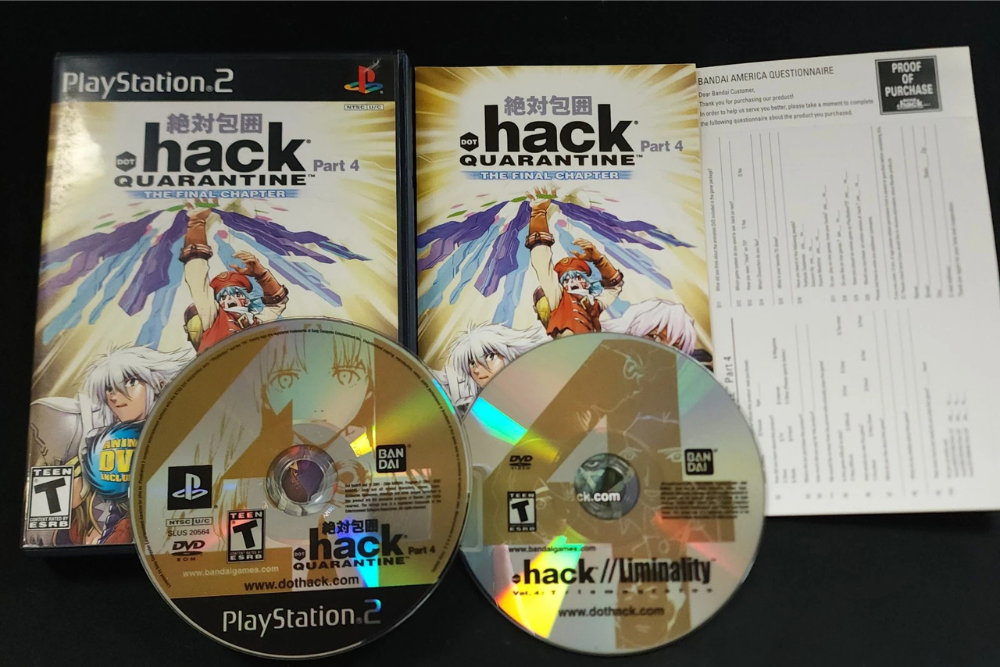
The original .hack role-playing story was released in four separate PS2 games, and Quarantine is the finale. It follows Kite as the mystery around a fictional online world reaches its conclusion. A complete North American copy can bring about $400. The name includes the series’ distinctive dot and slash, with Quarantine as the fourth volume’s subtitle.
There’s an important detail inside the original package: Quarantine came with a separate .hack//Liminality anime DVD. The game disc and the anime disc occupy different slots, with an instruction booklet alongside them. Losing the bonus DVD leaves a visibly incomplete original set. The back cover identifies the volume and carries the Bandai branding used for the North American release. These games were designed as connected chapters, and the physical extras extend the story outside the game itself. The anime DVD is therefore a genuine part of what collectors look for, not a promotional leaflet that can be discarded without changing the package.
Blood Will Tell (PlayStation 2, 2004)
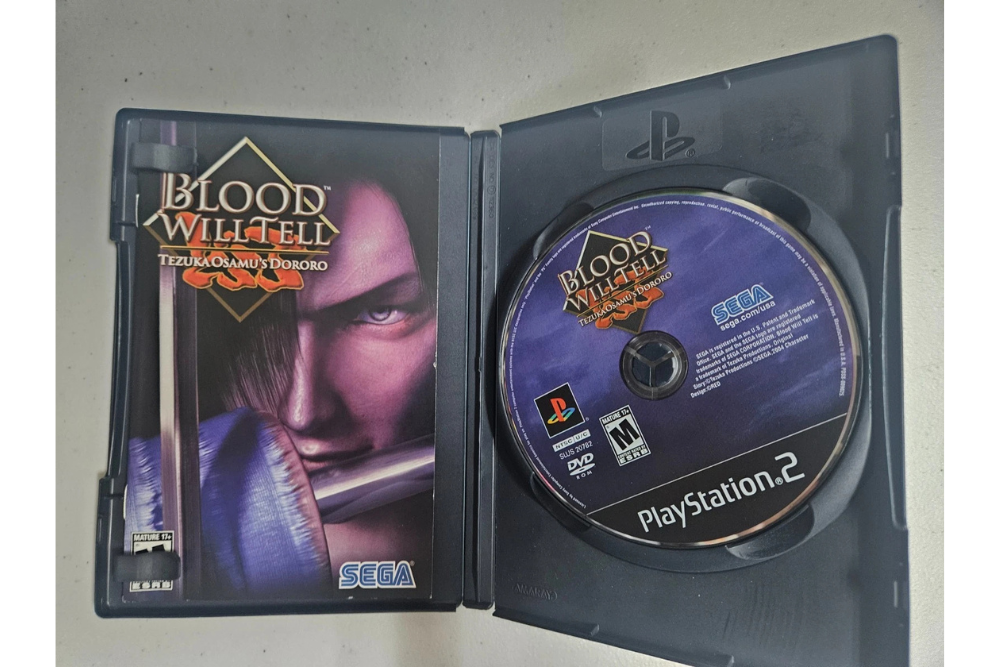
Blood Will Tell adapts Osamu Tezuka’s Dororo into an action game about a warrior born without many of his body parts. Hyakkimaru fights demons and gradually wins those parts back, giving the story a premise that is difficult to forget. Sega’s North American PS2 edition can sell for around $385 complete.
The cover shows the armed hero against a dramatic background and carries the Blood Will Tell title in bold lettering. The North American release uses the Dororo story but was sold under this English title, which makes identification fairly straightforward when the case is intact. The disc’s label and the printed insert should agree on the title and Sega marks. Older PS2 games often turn up in damaged cases that can be replaced without affecting the original disc or artwork. A torn paper insert is harder to remedy because the specific printed cover is part of the collectible item. The game’s unusual story is also why fans seek it out long after finishing more familiar action games.
Cannon Spike (Dreamcast, 2000)
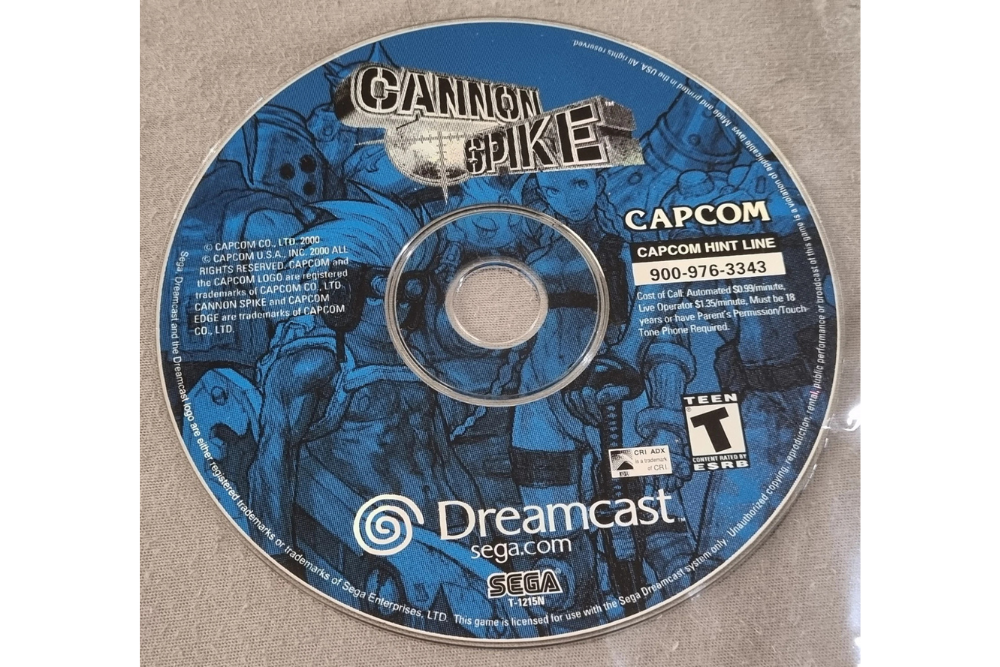
Cannon Spike throws a surprising group of Capcom characters into a fast top-down arcade shooter. Cammy, Mega Man, and other familiar faces move through compact, frantic stages with the kind of action that invites another attempt after every failure. The U.S. Dreamcast version can bring around $350 complete.
The Dreamcast release comes in a standard jewel case rather than the larger clamshell packaging used by some other gaming systems. Its front booklet doubles as the cover art, and the rear insert completes the package. Those printed pieces are worth retaining even if the plastic case cracks, since the jewel case itself is easy to replace. The artwork features a dramatic composition with the game’s title and distinctive characters. Cannon Spike was also released elsewhere, so an imported disc can have different text and case art. The U.S. version is the one with North American Dreamcast branding and the corresponding rating marks.
Illbleed (Dreamcast, 2001)
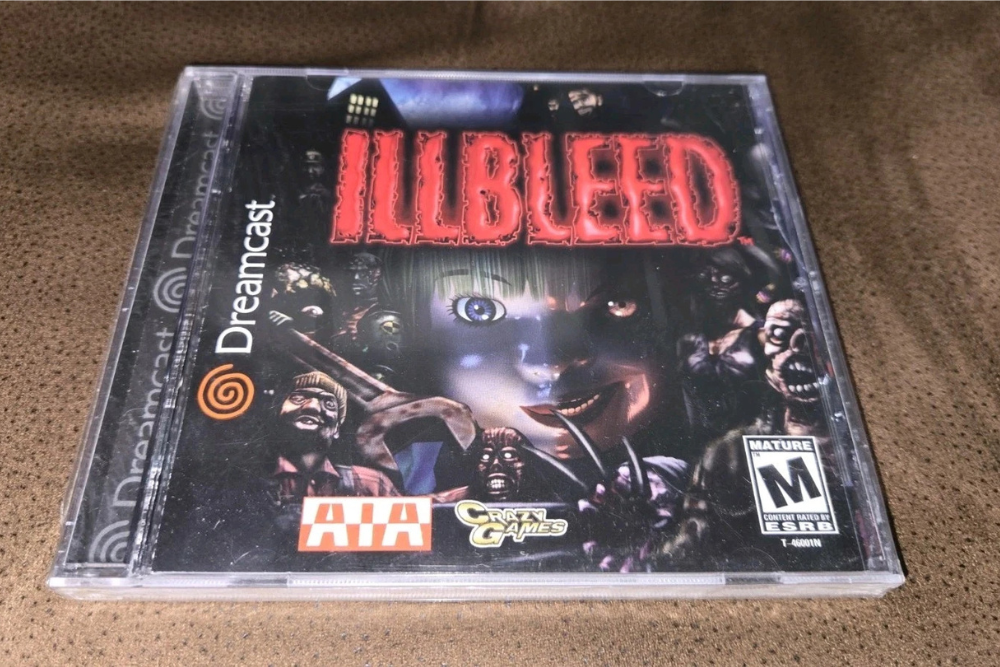
Illbleed turns a horror-themed amusement park into a deadly competition. Players have to manage the fear and physical condition of their characters as they search for hidden traps. The detection mechanics are part of the appeal, because simply walking through a room can be a bad decision. The North American Dreamcast edition sells for around $320 complete. Its garish horror cover looks as though it belongs on a shelf of late-night VHS rentals.
The cover uses lurid horror imagery that looks closer to a low-budget VHS sleeve than a typical console blockbuster. That suits the game’s deliberately strange sense of humor. The original U.S. package includes the disc, front booklet, and rear case artwork. Old jewel cases can lose their hinges, but the paper inserts should be protected when the plastic is changed. Illbleed also appeared in Japan, where the packaging looks different. The ESRB marking on the U.S. edition gives a quick visual clue. If the disc has been stored loose, a proper case can protect it, although the original printed materials are what complete the collectible package.
Fire Emblem: Path of Radiance (GameCube, 2005)
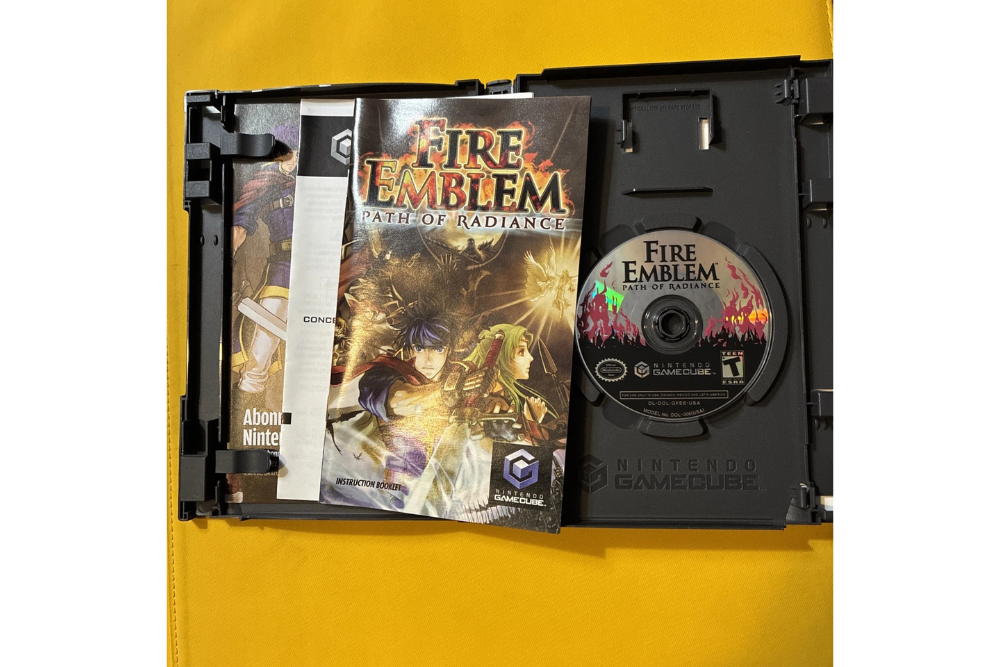
Ike’s first major adventure arrived on GameCube with Fire Emblem: Path of Radiance, a tactical role-playing game built around turn-based battles and permanent consequences for losing characters. Its story and distinctive cast helped make it an enduring favorite. A complete North American copy can bring around $210.
The packaging has Ike prominently on the cover, with the Nintendo GameCube banner above the artwork. This is the original console game, released before the later Wii sequel Radiant Dawn. The two titles are connected, but their discs, cases, and manuals differ. Path of Radiance often stayed in long-term Nintendo collections because its story takes time to finish and encourages replaying battles. The original manual contains helpful unit and gameplay information and is part of the boxed package. A readable spine and clean cover artwork matter to collectors who line their GameCube libraries on shelves. Disc condition still deserves attention, particularly the center ring and reflective side.
Chibi-Robo! (GameCube, 2006)
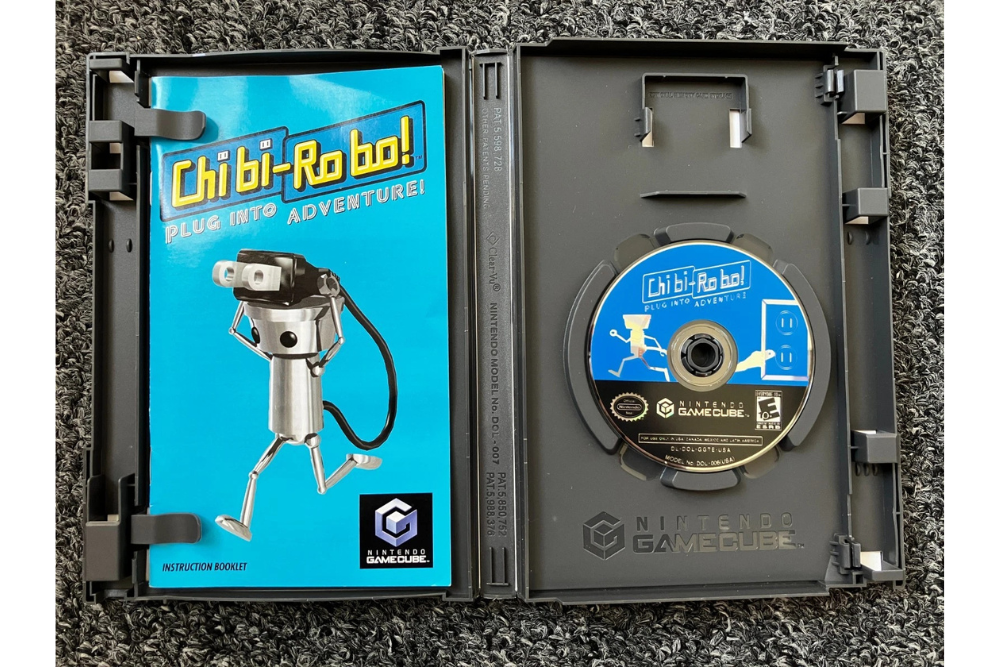
Chibi-Robo! puts a tiny household robot to work inside a home full of family problems, strange toys, and everyday clutter. The robot plugs itself in to recharge and spends much of the game cleaning, helping, and discovering what’s going on with the people who live there. A complete U.S. GameCube copy can bring about $200.
The cover shows the little silver robot with bright eyes and a power cord, making it quite easy to recognize once you’ve seen it. Nintendo published the original GameCube release, while later games in the series appeared on handheld systems. The familiar character shows up on all of them, so the platform banner matters when identifying an old case. The original booklet includes the game’s controls and distinctive household characters, and the disc has the small GameCube format. The unusual premise is part of what has kept the game memorable. It’s a compact little world full of details that don’t resemble the standard action games of its time.
Drill Dozer (Game Boy Advance, 2006)
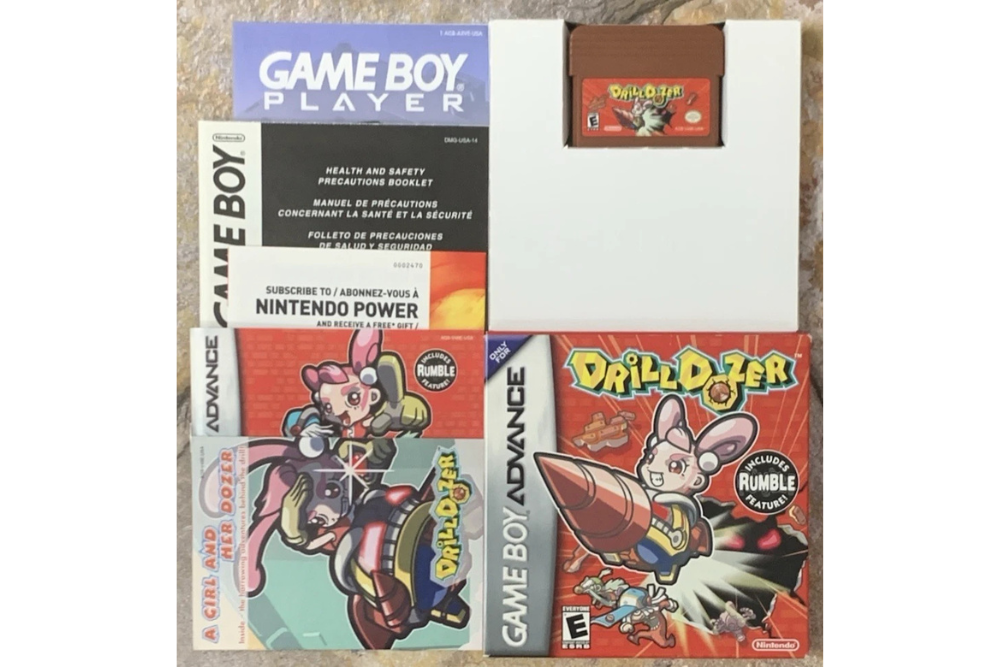
Drill Dozer is immediately recognizable by the shape of its cartridge. It’s larger than a normal Game Boy Advance game because it contains a built-in rumble motor that responds when the player’s drill is running. The platform adventure was developed by Game Freak and published by Nintendo. A complete U.S. retail copy can bring around $200.
The heroine Jill climbs into a drilling machine and uses it to attack enemies, open passages, and solve mechanical puzzles. The cartridge’s extra hardware is central to the game, so a working rumble function is part of testing it properly. The original cardboard box also had to accommodate that larger-than-usual shell. Look for damage around the cartridge’s extended edges and the battery compartment on old systems used to play it. There is a separately labeled Not for Resale variant, and its packaging has a different history. The standard retail game should be identified from the printed label and original box rather than from the cartridge shape alone.
Magician’s Quest: Mysterious Times (Nintendo DS, 2009)
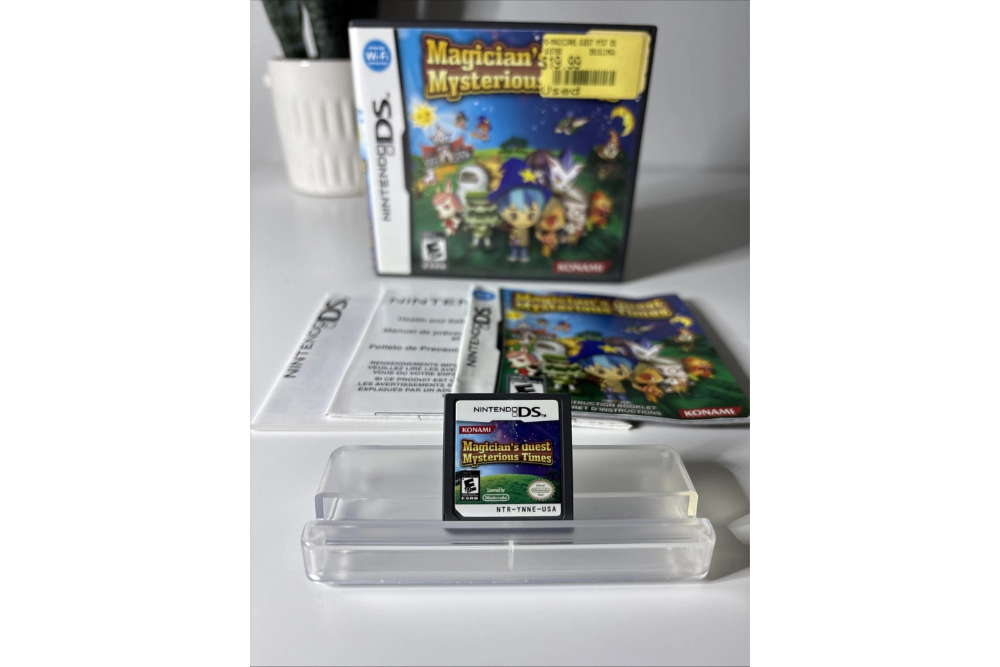
Magician’s Quest: Mysterious Times fills a Nintendo DS village with odd neighbors, lessons at a magic school, and mysteries to investigate. It follows the handheld’s clock and calendar, so the place changes as players return on different days. The Konami game has a gentler pace than most collectible action titles. A complete North American edition can sell for about $195, tucked into the kind of colorful DS case that might otherwise be mistaken for an ordinary children’s game.
The U.S. cover is brightly illustrated and includes the Magician’s Quest title above a group of characters. The little DS cartridge fits inside a standard plastic case with a printed insert and instruction booklet. Children often carried only the cartridge in the console, so complete original packages require a little more hunting now. The game can look like one of many cheerful DS life simulators until the title and publisher are read closely. Its full name includes Mysterious Times, which is useful when checking the spine. Imported copies can have different titles and packaging, and the U.S. rating mark provides a straightforward way to identify the North American edition.
Project Justice (Dreamcast, 2001)
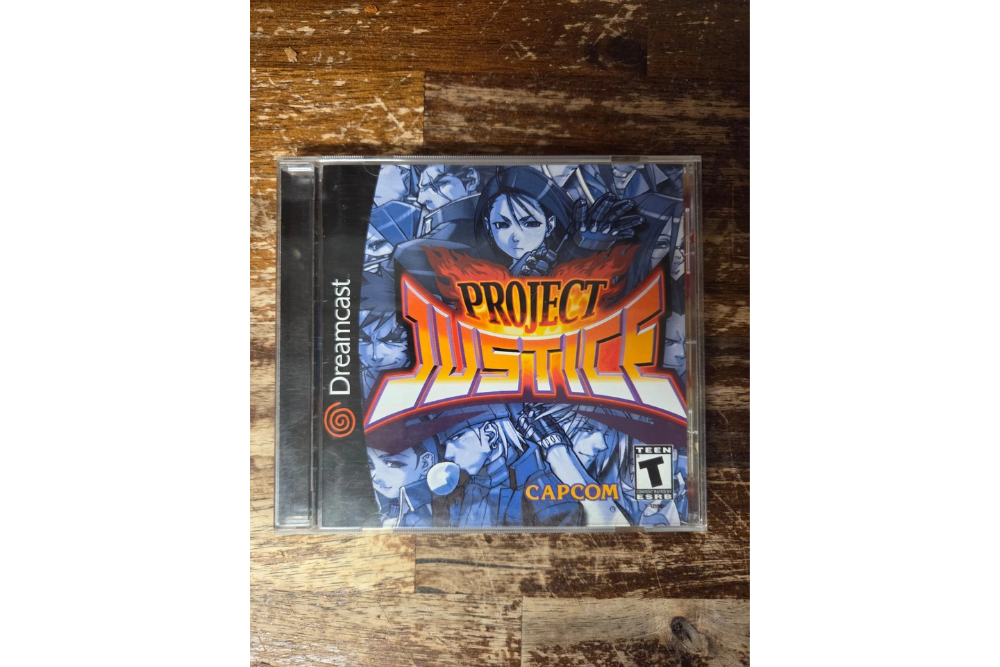
Capcom’s Project Justice takes the schoolyard fighting of Rival Schools and turns it into elaborate three-person team battles. The roster is packed with classmates, rivals, and characters whose wildly dramatic moves are very much part of the joke. An original U.S. Dreamcast copy in its case can sell for around $150 complete. Its unusual cast, plus the fact that this sequel never became a standard fixture on other consoles, has kept it interesting to fighting-game fans.
The front cover shows several of the young fighters beneath the Project Justice title. In the original package, the instruction booklet forms the front artwork and the printed rear insert includes the Dreamcast spine. A cracked jewel case isn’t unusual after a quarter century, but surviving paper inserts and the booklet give the release its recognizable appearance. Project Justice is related to Rival Schools on PlayStation, yet it’s a separate sequel with its own roster and Dreamcast disc. That connection is helpful when searching collections from someone who played Capcom fighting games in the late 1990s and early 2000s. The U.S. disc has the matching North American markings and rating.











