
That first-generation N-Gage buried in a junk drawer looks like a phone that lost a fight with a video game cartridge. It photographed badly held up to your ear, which is exactly why everyone made fun of it in 2003. It’s also exactly why a clean, working one is worth real money today.
Early 2000s tech got thrown out faster than almost anything else people have ever owned. A phone was obsolete in eighteen months. A console got replaced the second the next one shipped. Almost nobody kept the box, the charger, or the foam inserts, which is precisely what makes the boxes, chargers, and foam inserts worth chasing now. Design flops, colored limited runs, and regional exclusives from this specific stretch of years are turning into one of the more active corners of the collector market.
1. Nokia N-Gage (2003)
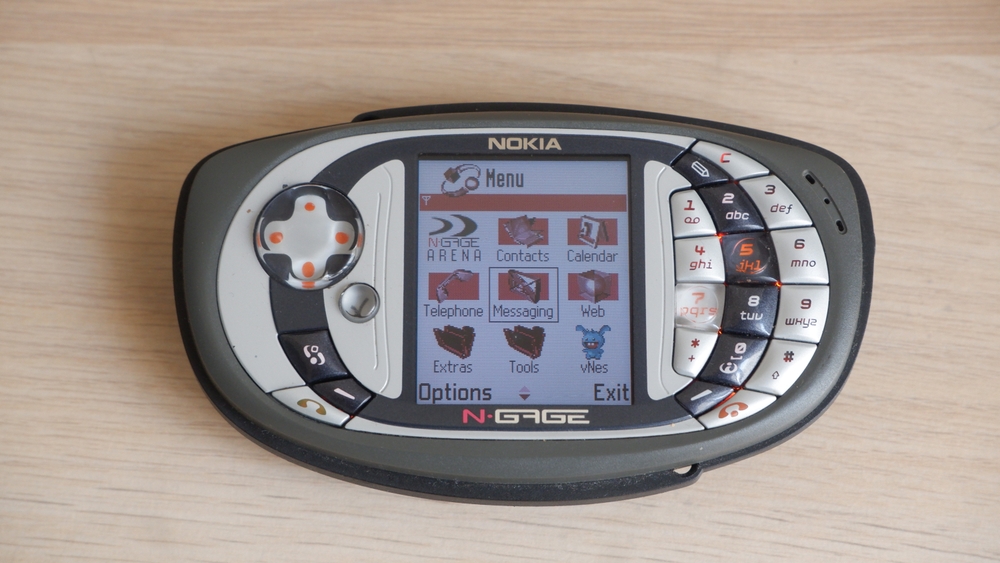
Nokia spent more than $100 million developing the N-Gage, a phone and handheld game console welded into one thick plastic slab, and the market mocked it mercilessly for making you hold a game deck sideways against your ear to take a call. The joke has aged into a curiosity, and curiosities are exactly what collectors want now.
A loose, working N-Gage in decent shape typically brings $80 to $150, while a complete set with the box, charger, and manual runs closer to $200. Factory sealed examples, still in shrink wrap, have climbed toward $400 as fewer turn up unopened each year.
The battery compartment door and the memory card slot cover are the two plastic parts most likely to be cracked or missing on a survivor. Confirm the phone actually powers on and holds a SIM before assuming it’s just a display piece, since a genuinely dead unit is worth a fraction of a working one. This is the original 2003 model, not the redesigned N-Gage QD that followed a year later with a slimmer body. The two are different collector items with different price ceilings, so don’t mix them up when pricing one.
2. T-Mobile Sidekick (2002)
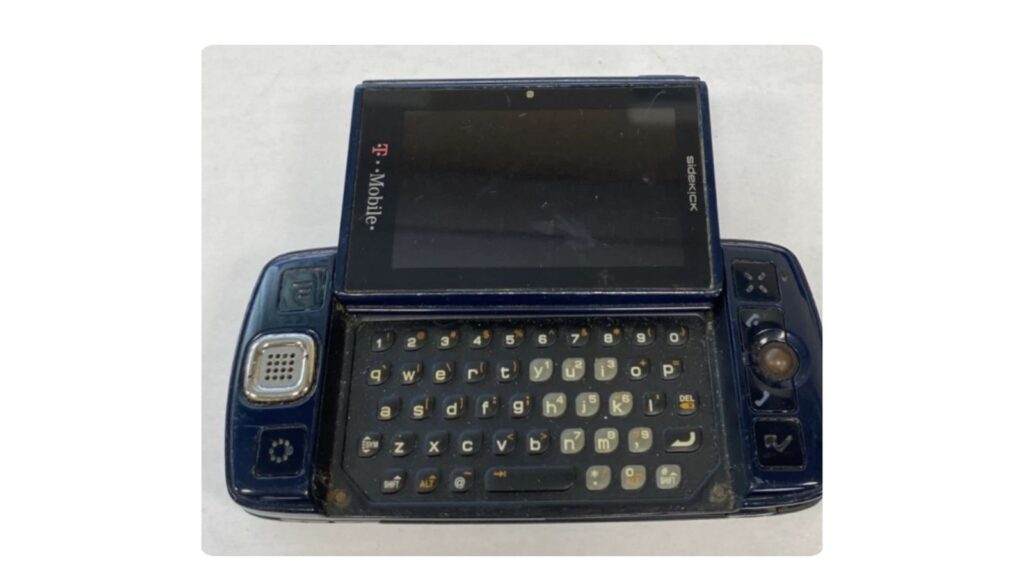
The original Sidekick, built by Danger and sold exclusively through T-Mobile starting in October 2002, swiveled its screen sideways to reveal a full keyboard underneath, and it became the phone every teenager and young professional wanted for instant messaging before smartphones existed. It’s a genuinely different device from the Sidekick II that replaced it two years later with a camera and a redesigned hinge.
Working, tested examples are the scarce part now, mostly because the internal battery degrades badly after two decades and a dead battery usually means a dead phone. A clean example with a battery that still holds a charge is the one worth chasing, and recent sales for well-preserved units with a working battery have reached upward of $350.
Check that the swivel hinge still locks firmly in both positions, since a loose hinge is the most common mechanical failure on these. The trackwheel on the side should scroll smoothly without sticking. Because these ran on Danger’s own now-defunct servers, don’t expect the messaging features to actually work today. What buyers are paying for is a working, complete piece of early smartphone history, not a phone they intend to use.
3. Apple iBook G3 clamshell (1999-2001)
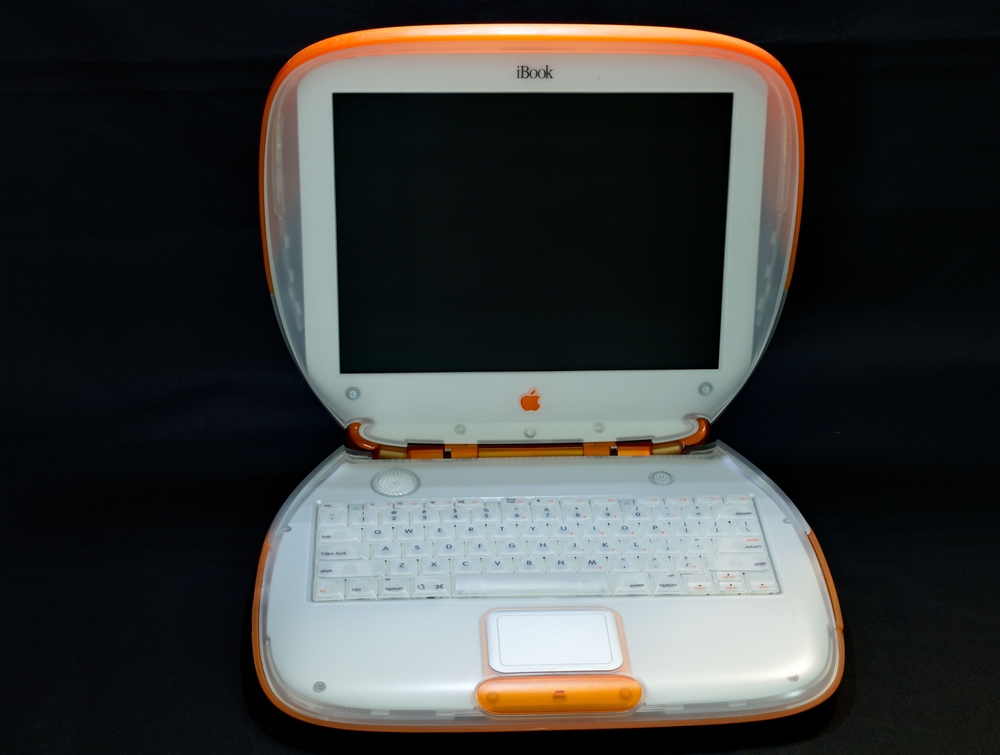
Apple’s first consumer laptop under Steve Jobs’s return to the company came in a rounded, brightly colored polycarbonate shell with a built-in carrying handle, a shape nobody had tried on a computer before and nobody has really tried since. The clamshell launched in July 1999 in Blueberry and Tangerine, with Graphite, Indigo, and the rarer Key Lime following over the next two years.
A clean, working clamshell in the original Blueberry or Tangerine typically brings $150 to $350, with Key Lime and Graphite examples, sold in smaller numbers, commanding more from collectors trying to complete a full set of colors.
The small colored Apple logo below the screen is the part to check first, since hairline cracks around it are almost universal on these laptops after twenty-five years and noticeably affect value. The plastic carrying handle and the corners of the case are the next most common casualties. A battery that no longer holds a charge is common and doesn’t hurt value much on its own, but a cracked hinge or a dead backlight does. Ask for a photo of the machine actually booted up, not just sitting closed on a shelf.
4. Apple Power Mac G4 Cube (2000)
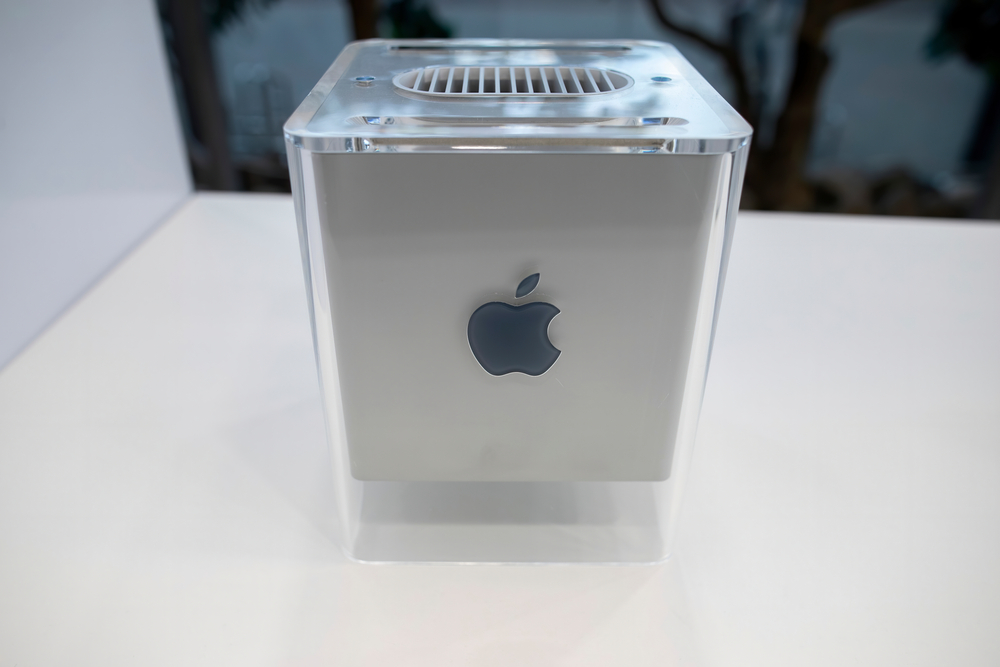
Apple’s cube-shaped desktop, unveiled in July 2000, ran completely silent with no fan, suspended its guts in a clear acrylic shell, and cost $1,799 for a machine that couldn’t even outrun Apple’s cheaper towers. It flopped commercially and got pulled from sale after barely a year, exactly the kind of failure that becomes a design classic decades later.
A clean, working Cube with its original box, keyboard, and Harman Kardon speakers typically brings up to $500 among Apple collectors, while a bare unit with no accessories is worth closer to a quarter of that.
Check the clear plastic shell carefully under good light. Genuine stress cracks, most common near the top vents, are different from the faint injection-molding seam lines people often mistake for damage, and only the former hurts value. The power supply is an external brick frequently missing from units sold apart from their original packaging, and a replacement isn’t simple to source, so confirm it’s included. A Cube that boots cleanly is worth more than one being sold “for parts,” even to buyers who mainly want it as a shelf piece.
5. Sony Cyber-shot DSC-F707 (2001)
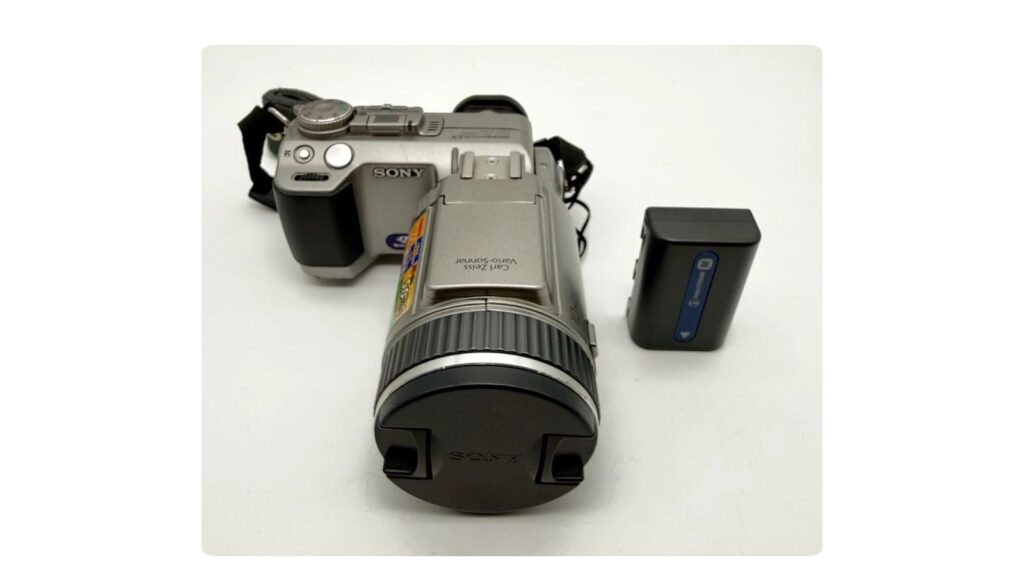
Sony’s F707 paired a 5-megapixel sensor with a genuinely bright Carl Zeiss lens and a lens barrel that swivels away from the body, a design so distinctive it’s become a symbol of the whole early-2000s digital camera look. It’s part of a real and growing market: younger buyers are actively hunting down cameras like this one for their imperfect flash, their grainy low light shots, and the fact that they don’t look or feel anything like a phone.
Clean, working examples with a battery and charger typically bring $60 to $150 in that market right now, roughly in line with other sought-after Y2K point-and-shoots from Sony and Canon.
The swivel joint between the lens and the body is the part most likely to develop a loose wobble or a cracked ribbon cable after two decades of use, so test that it holds its position at multiple angles. The Memory Stick format the F707 uses is obsolete and increasingly hard to find new, so a camera bundled with even one working card is worth more to a buyer who actually wants to shoot with it. Confirm the LCD screen displays a clean image without lines or dead pixels before buying.
6. Nintendo GameCube, Spice Orange edition
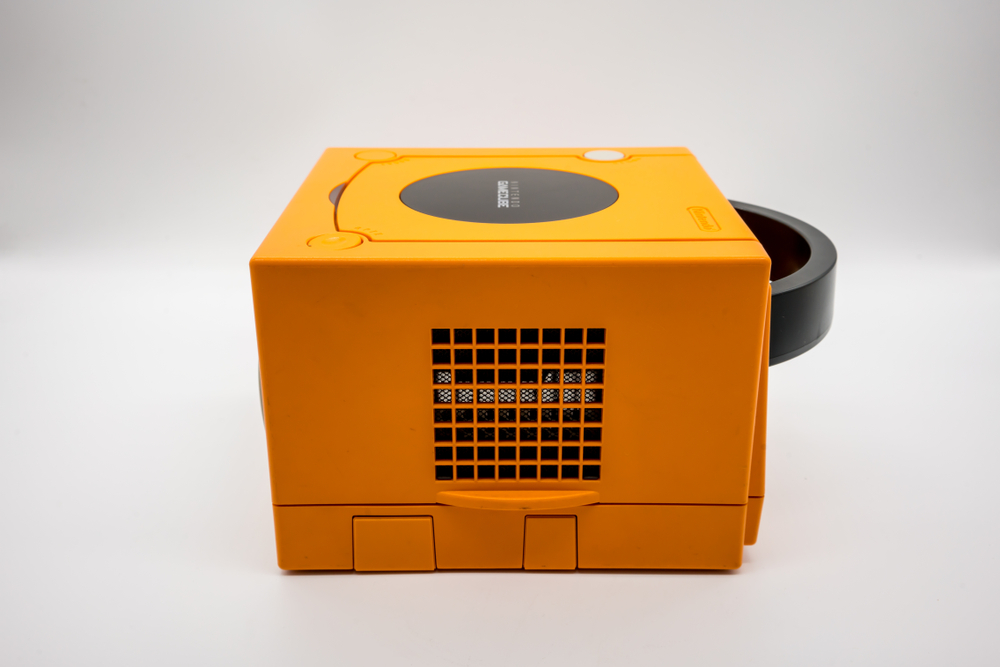
Nintendo sold the GameCube in a handful of official colors, and Spice Orange never got a proper release outside Japan, which is exactly why it’s one of the console’s most actively traded variants today. It showed up bundled with select software rather than sold as a plain standalone unit, and clean examples don’t turn up nearly as often as the standard Indigo or Platinum models.
A loose, working Spice Orange console typically brings around $200, with complete examples including the box and manuals running closer to $270, and sealed, unopened units pushing toward $730 and higher.
Because Spice Orange units were sold almost exclusively through Japanese retail, confirm the console is a genuine import and not a color-swapped shell, which shows up occasionally on resale sites. The disc drive lid spring is a common failure point on any GameCube this age, so test that it pops open and stays open on its own. A matching orange controller adds real value to a set, since consoles and controllers are often separated over the years and buyers building a matched setup pay a premium to reunite them.
7. Nintendo GameCube WaveBird wireless controller (2002)
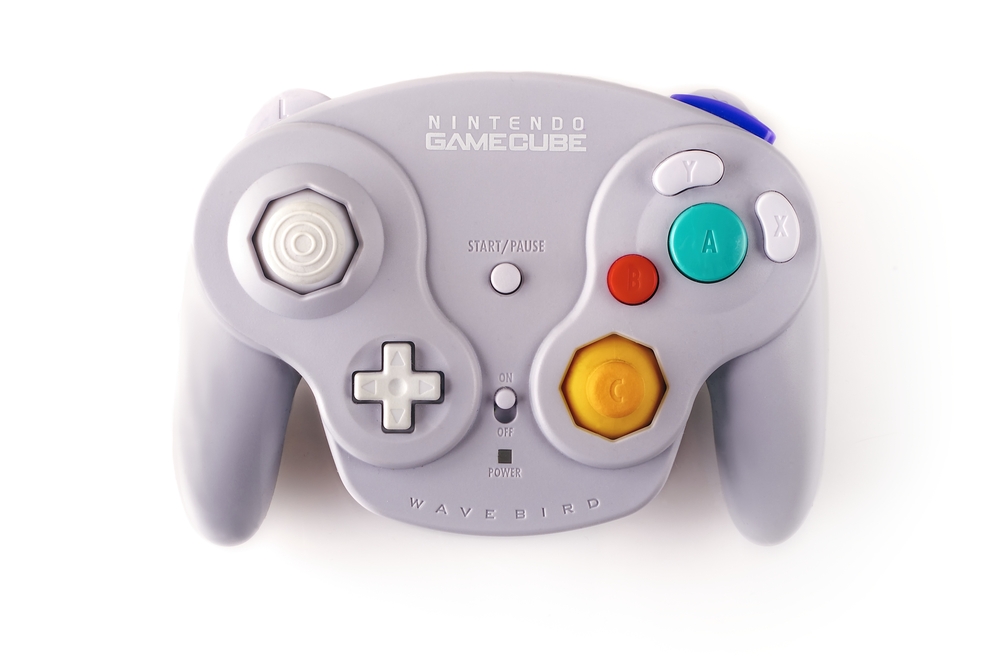
The WaveBird was the first wireless controller Nintendo ever shipped as a standard accessory for a home console, using radio frequency instead of infrared so it worked without a direct line of sight. It’s not rare the way a limited color run is, but a genuinely working example with its original receiver has become worth chasing simply because so many were used hard, lost their receiver, or had a battery compartment corroded by leaked batteries.
A loose controller alone typically brings around $65 to $75, a complete set with the wireless receiver and box runs closer to $75 to $100, and factory sealed units have climbed toward $290.
The controller and its receiver are paired and matched by channel at the factory, so a controller without its original receiver is worth meaningfully less to buyers who actually want to use it, even though it will usually still pair with any receiver in practice. Check the battery compartment for corrosion, the single most common reason these stop turning on, and confirm the analog sticks aren’t drifting before assuming a “for parts” listing is really dead.
8. Apple iMac G4 “lamp” (2002)
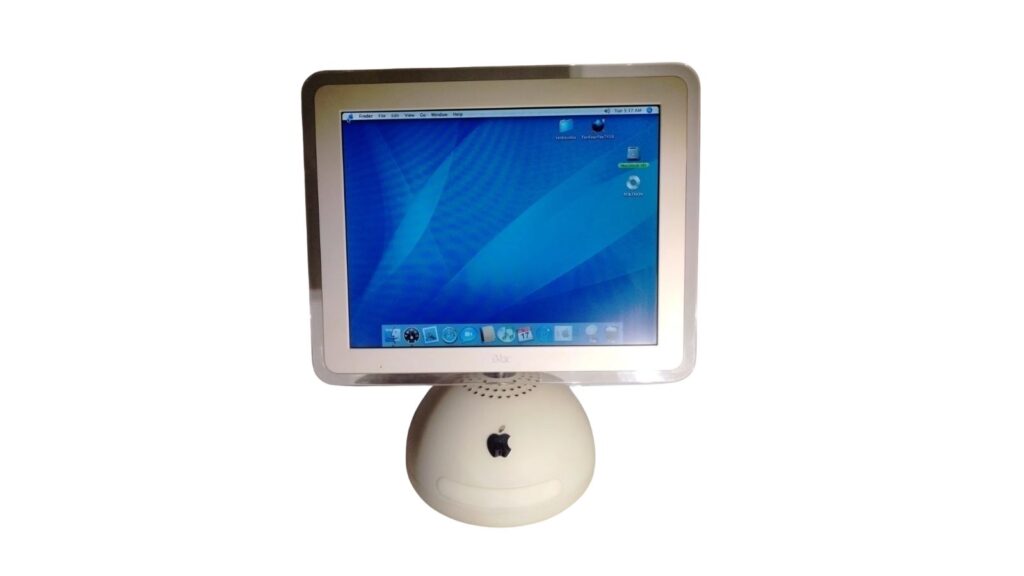
Apple flipped the entire idea of what a computer should look like with the iMac G4, putting a hemispherical base and a chrome swivel arm under a flat screen that moves and tilts almost like a desk lamp. It replaced the colorful iMac G3 and looked like nothing else on the market when it launched in January 2002.
A working 15-inch model with its keyboard and mouse typically sells for modest money, but complete, boxed examples in genuinely excellent cosmetic condition have brought as much as $850 from buyers specifically chasing the full original packaging, not just a working machine.
The half-dome base houses the hard drive and optical drive, and it’s known for developing a distinct whining or grinding noise as the drive ages, worth listening for before buying. The swivel arm should hold the screen firmly at any angle without drooping; a screen that slowly sags down means the internal tension mechanism has worn out and is expensive to fix. Yellowing is less common on these than on the earlier colored iMacs, since the shell is mostly white plastic and metal, but check the base for cracks around the cable routing hole regardless.
9. Sony PSP, Star Wars Darth Vader edition (2007)
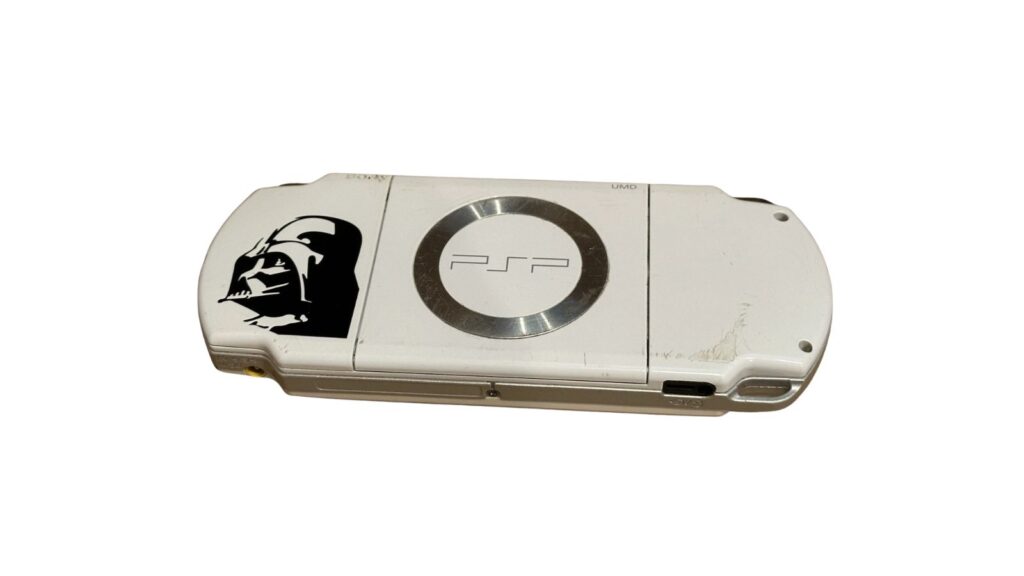
Sony released a run of PSP consoles finished in ceramic white with Darth Vader’s silhouette silkscreened across the lid, timed to a Star Wars Battlefront tie-in, and the design has held up better than most movie tie-in hardware from this era. It uses the slimmer PSP-2000 body rather than the original launch hardware, which makes it a genuinely different collector target from a plain launch-model PSP.
A tested, working example typically brings around $115 even missing its battery, and complete units with the original box, manual, and Darth Vader themed carrying case regularly bring meaningfully more from Star Wars collectors specifically hunting the set.
The silkscreened graphic on the lid is prone to rubbing and scratching with years of handling, so check it under good light before assuming a listing photo tells the whole story. The UMD disc drive is the part most likely to fail on any PSP this age, so confirm it reads discs rather than just powers on. Because the battery chemistry in these has degraded across the board, a unit sold “untested” or “for parts” should be priced accordingly rather than assumed to be a simple fix.
10. Nintendo GameCube Game Boy Player (2003)
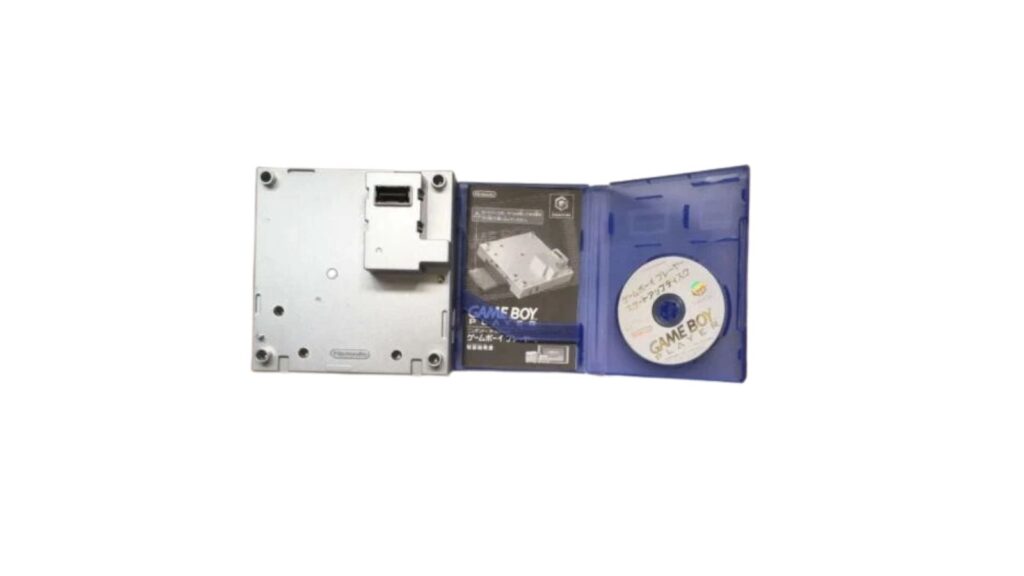
The Game Boy Player clips onto the bottom of a GameCube and lets it play the entire Game Boy, Game Boy Color, and Game Boy Advance library on a television, using a small boot disc to launch it. It never got the attention the console itself did, which is exactly why complete examples are quietly worth more than most people expect.
A loose Game Boy Player by itself typically brings around $155, a complete set with its required startup disc runs closer to $165, and factory sealed units have reached $470 and above.
The startup disc is the single most important piece to check for, since the Player is nonfunctional without it and loose replacement discs are hard to find. Confirm the disc matches the correct region, since a Japanese startup disc won’t boot a US console. The four plastic clips that attach the unit to the bottom of a GameCube are commonly snapped or missing on units separated from their original box, and one missing even a single clip is meaningfully less useful and less valuable. Test it with an actual cartridge before buying if at all possible.
11. Apple PowerBook G4 Titanium (2001)
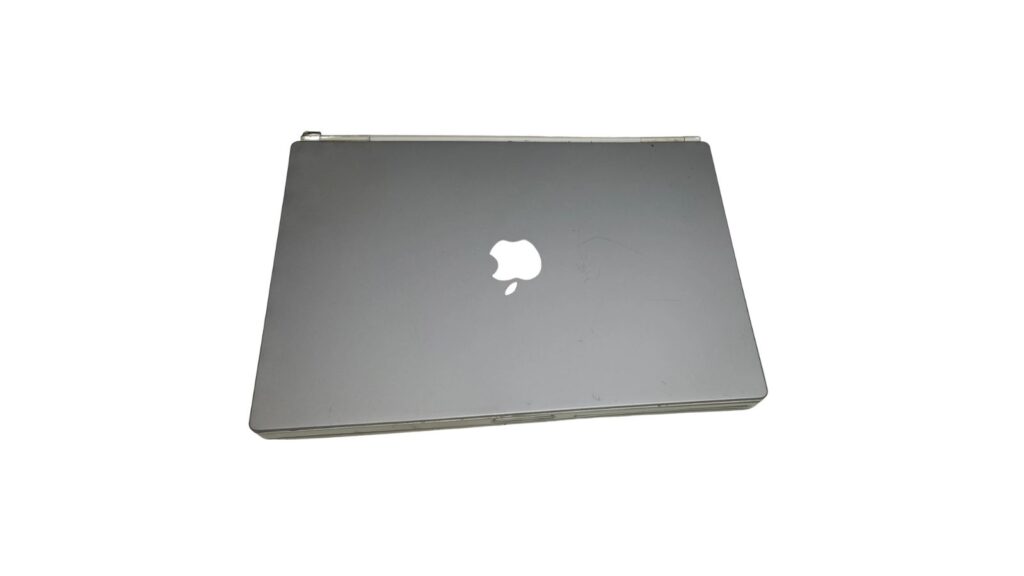
Apple’s first G4 laptop introduced the sleek, all-metal design language every subsequent MacBook has followed in some form, and it looked genuinely futuristic when it launched in January 2001, at a time when most laptops were still gray plastic bricks. Collectors increasingly describe them as scarce, since a fragile hinge design meant a large share of surviving units eventually cracked at the case seams and got scrapped rather than repaired.
A clean, working example typically brings around $150 to $250, with pristine, low-mileage units in excellent cosmetic shape commanding more from buyers specifically collecting early Apple laptop design.
The hinge area and the palm rest near the trackpad are the two spots to inspect most carefully, since hairline cracks in the titanium-clad plastic are almost universal on units that saw regular use. The optional AirPort wireless card, when present and original, adds a small premium. Confirm the screen has no vertical lines or dead pixel clusters, a known failure mode on the earlier 400 and 500 MHz models specifically. A unit that boots cleanly and holds a charge, even briefly, is worth considerably more than one sold as a display piece only.
12. Nokia 7280, the “lipstick phone” (2004)
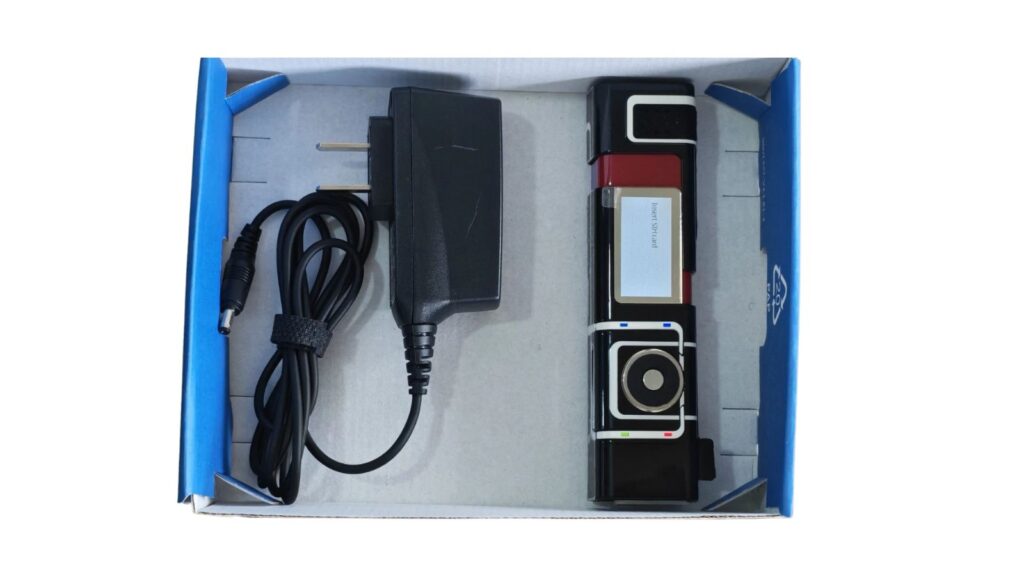
Nokia’s fashion-focused 7280 ditched a conventional keypad entirely in favor of a rotating wheel around the edge of a lipstick-shaped case, an idea so strange it became one of the most talked about phones of 2004 despite being genuinely difficult to text on. It was sold as a statement piece from the start, part of Nokia’s short-lived Fashion Collection line.
Clean examples in good cosmetic condition are worth up to around $325, reflecting real specialist demand for Nokia’s short run of fashion phones, with condition and completeness making most of the difference within that range.
The rotating dial mechanism is the part to test most carefully, since it’s the phone’s entire interface and a sticky or unresponsive wheel makes the device essentially unusable even as a display piece. The mirrored lipstick-case finish scratches easily and shows every mark under direct light, so cosmetic condition matters more here than on almost any other phone from this era. Because the design was genuinely unusual rather than a mass-market bestseller, original boxes and the fitted charging cradle are relatively scarce, and a complete set with both brings meaningfully more than the phone alone.











