
The plastic bin in your old bedroom closet is labeled “school,” and it hasn’t been opened in fifteen years. Under a dried-out glue stick and a stack of folders there’s a graphing calculator with a cracked slide cover. Before the whole bin goes to the donation pile, pull that calculator out and read the model number on the front.
Gear that filled backpacks and computer labs between 2000 and 2009 has turned into real resale material. The kids who used it are in their thirties and forties now, and they’re buying back what they remember. Writers want the keyboards that can’t get online. Artists want the pencil sets made before the factories moved. Others just want the bright plastic laptop from the computer lab.
Condition and completeness decide almost everything. A working unit with its cords, covers, and original box brings the top prices. Dead batteries, cracked cases, and missing parts cut those numbers fast, and kids were hard on this stuff.
1. Apple iBook G3 clamshell
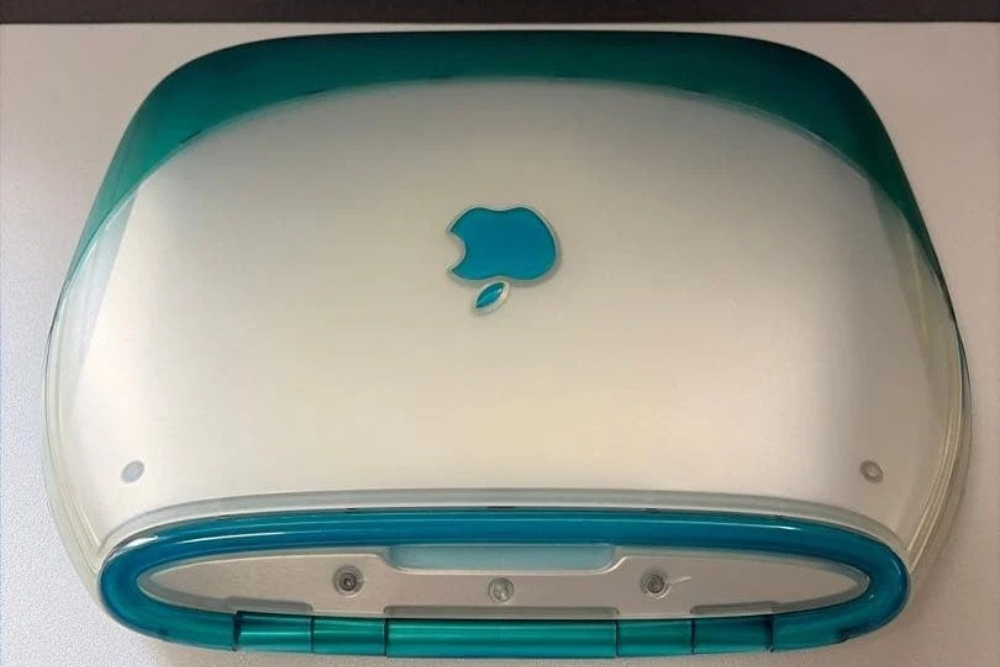
Apple unveiled the iBook in July 1999, and the rounded, handled “clamshell” in bright Tangerine and Blueberry plastic ended up in school programs across the country. Maine’s statewide laptop program started with iBooks and had put laptops in front of more than 17,000 seventh graders by fall 2002. Color decides the price. A working Blueberry typically brings $250 to $475, Tangerine runs $400 to $625, and the Key Lime, which Apple sold only through its online store, reaches $625 to $720. Graphite is the cheaper end, mostly $180 to $280.
Test before you pay. The original hard drives often fail and the batteries are almost certainly dead. Look for hairline cracks around the logo and the handle, a yellowed keyboard, and a missing power adapter, and treat a strong musty smell as a warning sign. Units that won’t start still bring $115 to $250 because collectors buy them for the shells. Don’t mix it up with the white iBook that came later, which usually brings only $100 to $135.
2. HP 50g graphing calculator
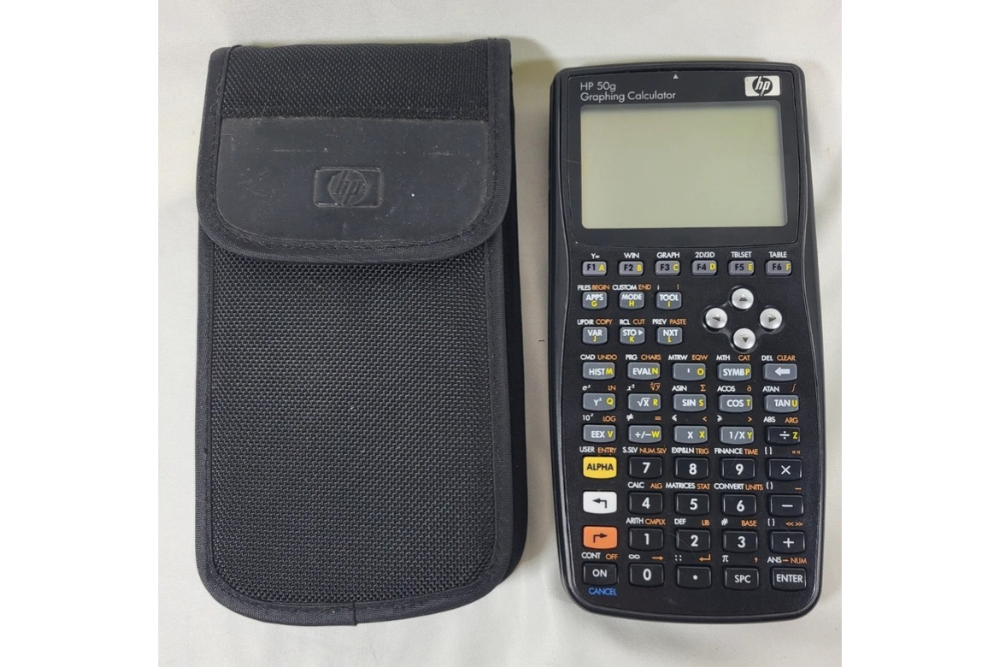
The HP 50g arrived in 2006, and engineers and engineering students loved it because it handles both standard and RPN entry and can do symbolic math. HP discontinued it in 2015, and its popularity has kept used prices high ever since. A working unit typically brings $80 to $125. Complete kits with a hard case, cable, and memory card bring $140 to $210, and factory-sealed units are a separate market at $380 to $440.
The slide cover matters more than you’d think. A calculator without it usually lands at $50 to $70, and one with battery-door trouble or a flaky keyboard goes for even less. Parts-only units bring $40 to $65. Check the SD card slot and the cable port for damage too. Read the title carefully before you buy or sell one, because the older 49g+ brings about half as much and the newer HP Prime is a different calculator that shows up in the same searches.
3. The Oregon Trail 5th edition
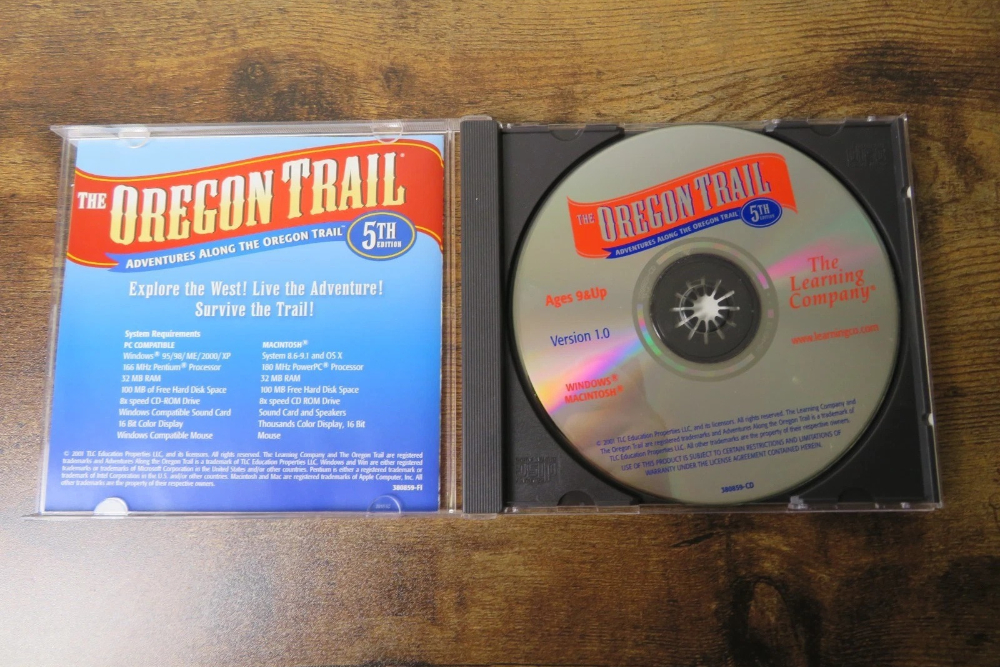
Somewhere in a school computer lab, a whole wagon party died of dysentery. The Oregon Trail series has sold more than 65 million copies and stayed popular with elementary students into the mid-2000s. The 5th edition CD-ROM came out in April 2001, and a loose disc typically brings $5 to $12. A complete copy with the case and manual runs about $10 to $16.
The bigger boxes are where the money starts. A 5th edition Big Box copy brings around $25, and sealed copies of the 4th and 5th editions usually land between $10 and $35. Older Big Box editions from the 1990s bring $30 to $40, and graded, factory-sealed copies of those can reach into the low hundreds. Check the disc for scratches and make sure the manual is still inside. These discs were built for old versions of Windows, so don’t expect one to run on a modern computer. The newer Deluxe editions for game consoles are a different product and don’t carry the same nostalgia premium.
4. Lisa Frank Y2K-era folders
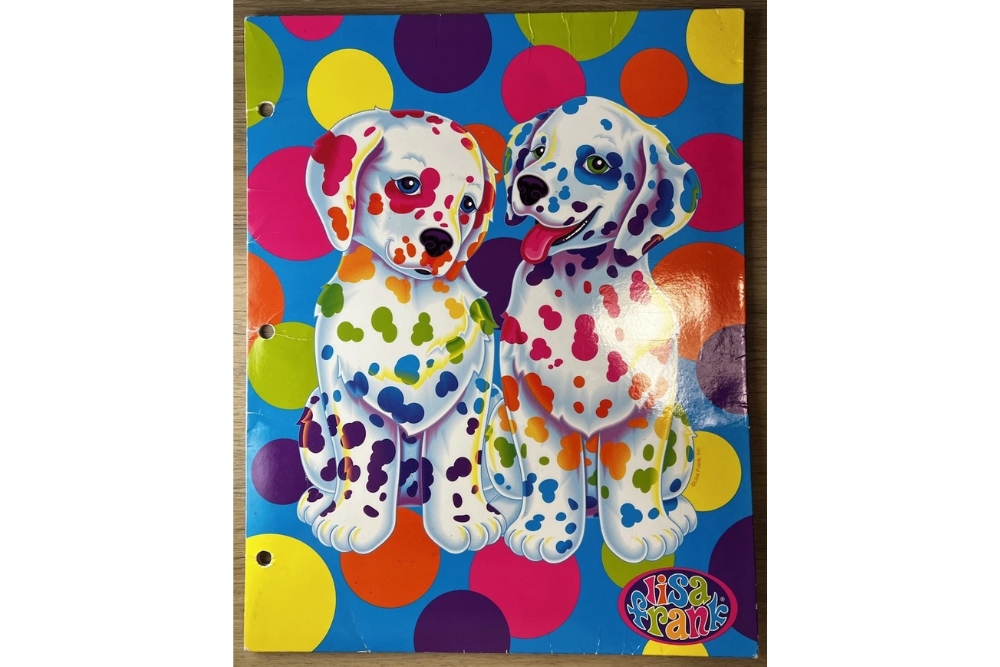
Lisa Frank’s rainbow animals covered lunch boxes and Trapper Keepers for years, and the brand’s popularity jumped again in the late 2010s. The money is mostly in the 1980s and 1990s designs, but folders from 2000 to 2004 still sell. A single dated 2000s folder, with a design like Rainbow Reef or Spotty and Dotty, typically brings $18 to $40. Unpunched folders from 2001 bring about $12 each in lots, and a Y2K binder with the Forest Tiger design reaches $85.
Check the date printed on the folder, because that date separates a $30 folder from a $200 one. Earlier designs with Halloween themes or a gumball machine can bring $120 to $200. Unpunched folders, the ones with no three-hole punching, carry a modest bump. Bent corners, writing inside, and stickers on the front all cut the price. Modern reissue folders from 2012 and 2020 sell for $13 to $16 each, so check the printing and the date before you assume you’ve found something old.
5. AlphaSmart Neo 2
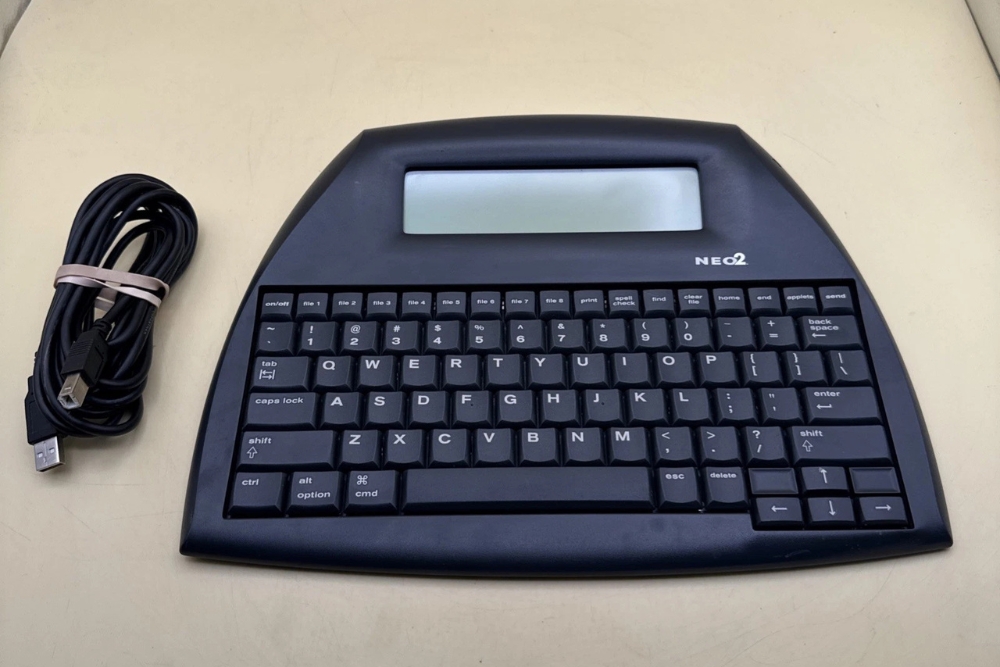
AlphaSmart keyboards were popular in schools because they were cheap and durable. The Neo came out in August 2004 and the Neo 2 followed in 2007, and the devices have since built a cult following among writers who want a distraction-free place to type. A tested Neo 2 with batteries and a USB cable typically brings $75 to $128. The original Neo runs $10 to $20 less, and an open-box Neo 2 can reach $200.
A device with missing keycaps, a missing battery cover, or no cable drops to around $60. Units that don’t turn on bring $48 to $65 for parts. The older AlphaSmart 3000 is cheaper still, usually $50 to $100, and sellers sometimes label a 3000 as a Neo, so check the name on the case. Fresh batteries and a clean keyboard add the most value. Many of the $80 to $100 units come from sellers who refurbish them in batches.
6. TI-84 Plus Silver Edition
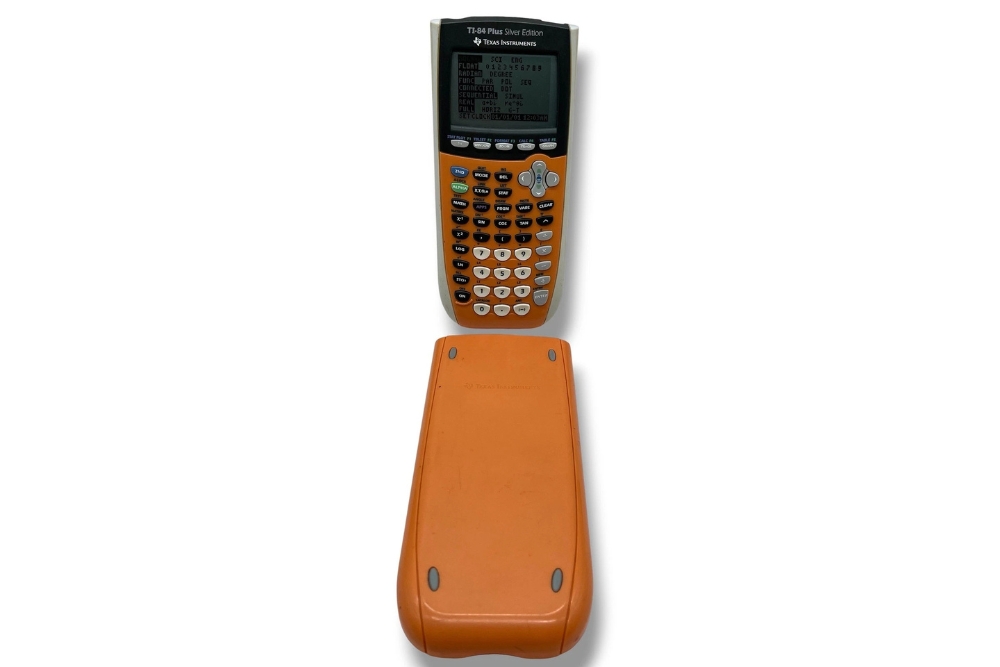
Texas Instruments introduced the TI-84 Plus Silver Edition on January 7, 2004, with faceplates that snapped off so students could swap colors. Schools were still handing out TI-84 Plus calculators two decades later, which keeps the supply huge. A working Silver Edition with its cover typically brings $25 to $45, with a middle price around $34. The pink, gray, and orange faceplates all sell in the same range, so a bright color doesn’t add anything.
This is a steady seller, not a windfall. Battery corrosion, screen lines, and dead keys are the usual problems, so open the battery door and look before you buy one. Sellers often mislabel newer models as the Silver Edition. The TI-84 Plus CE from 2015 has a color screen and a rechargeable battery, and the TI-84 Plus C Silver Edition from 2013 is also a newer model, and both are priced differently. A sealed Silver Edition brings a small premium over a used one, but not enough to change the math.
7. Sony Digital Mavica floppy disk camera
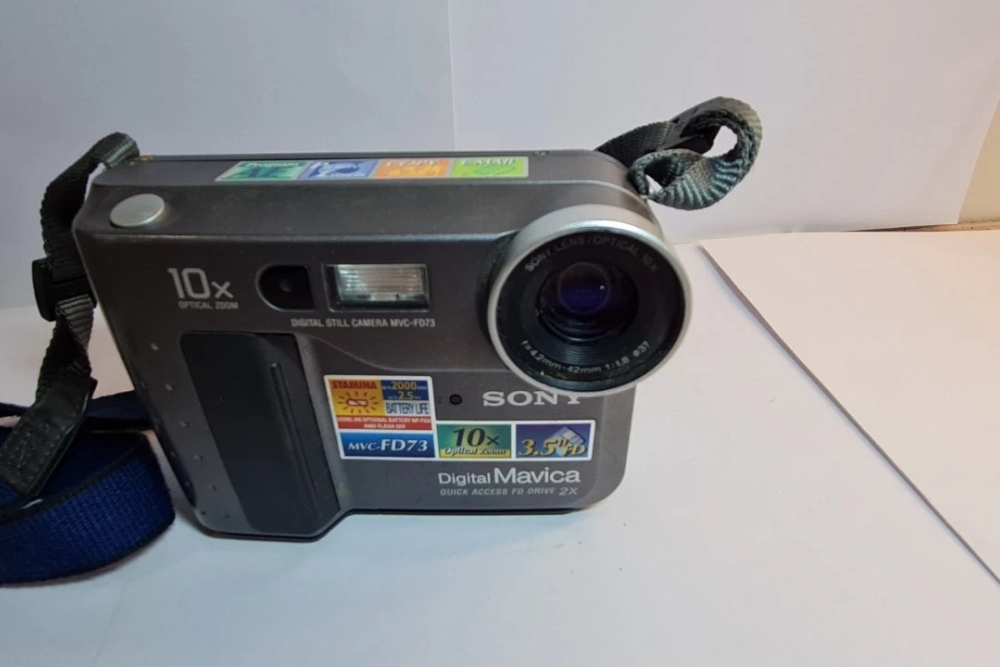
Sony announced the MVC-FD73 in May 1999 at $550, and it saved photos to an ordinary 3.5-inch floppy disk. The Mavica line became one of the best-selling digital camera series in the country and ended up in schools and businesses. The common models, like the FD73, FD75, FD83, FD88, and FD200, typically bring $20 to $50 with a battery and charger. The FD91, FD95, and FD97 reach $57 to $150, and a mint FD7 or an early FD5 can reach $140 to $150.
The charger matters. A camera with no battery or charger sells as a parts project for $5 to $20. You’ll also need floppy disks, and a USB floppy reader if you want the photos on a modern computer. The pictures are tiny by today’s standards, and buyers know it. They want the look. Don’t confuse these with Sony’s later CD Mavica cameras, which use mini discs and are a different product.
8. Powerpuff Girls tin lunch box
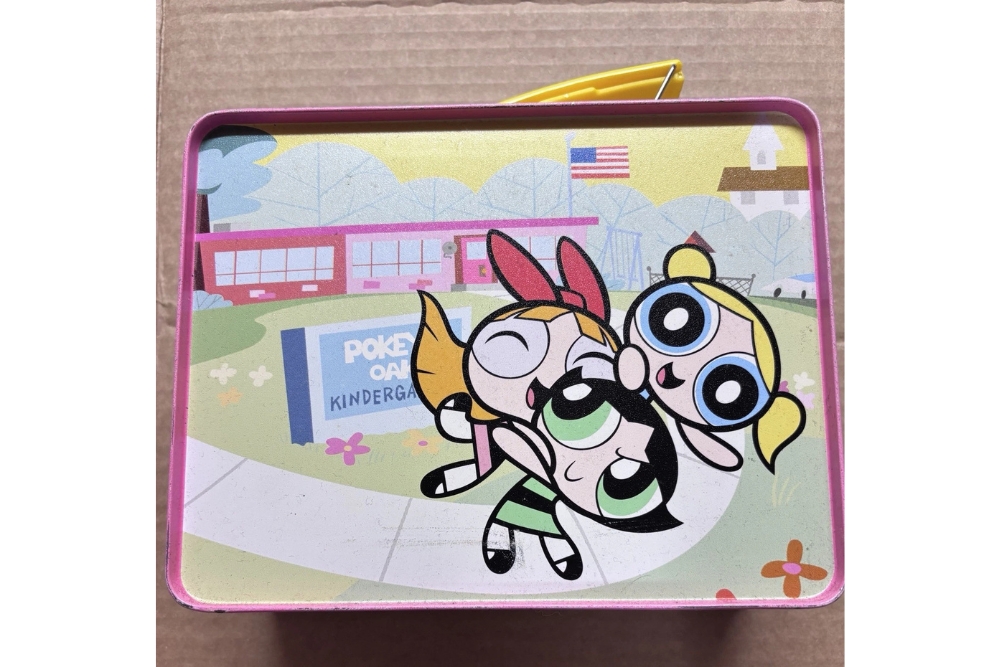
The Powerpuff Girls premiered in November 1998 on Cartoon Network, and the movie followed in July 2002. The lunch boxes date from the show’s peak, and the large tin version with the Cartoon Network and 2000 date typically brings $30 to $40. An embossed version can reach $50, and the small round tins bring $10 to $13.
Tin lunch boxes show their age in the same places. Check the corners for dents, the lid hinge for looseness, the handle for rust at the attachment points, and the inside for stains and odors. A box with bright, unscratched paint and a tight latch is worth noticeably more than one that rattled around in a locker. A glitter logo on the front is a nice detail, and a box with the original tag or packaging adds a little. Most examples bring lunch money, not rent money, so this one is for the buyer who wants the Powerpuff Girls on the shelf.
9. Apple eMac
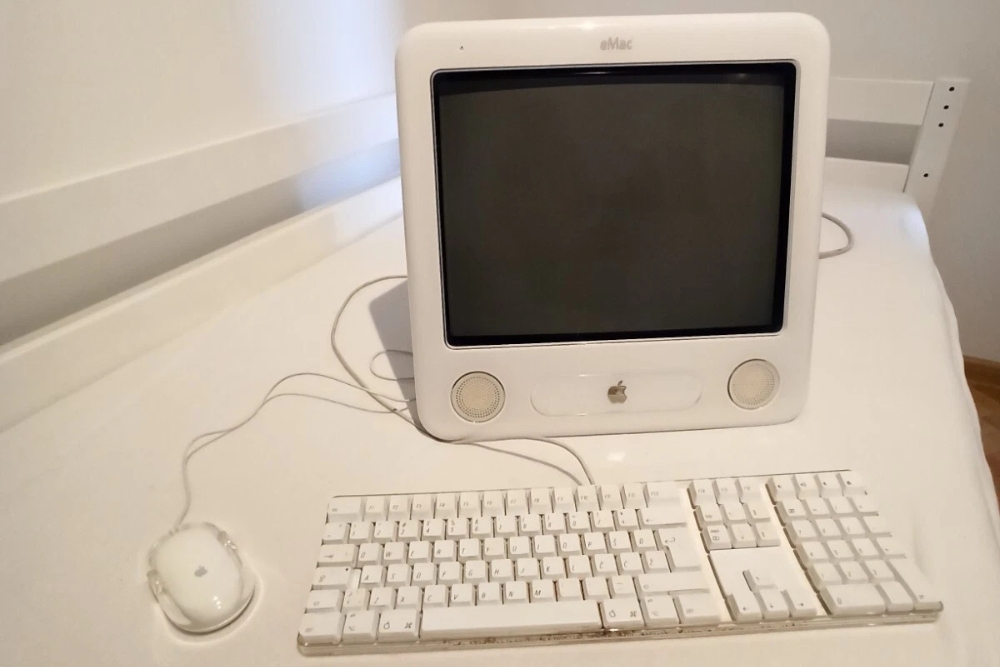
Apple built the eMac for classrooms, announced it in April 2002 at $1,099, and stopped selling it in 2006. It has a 17-inch flat tube and weighs 50 to 55 pounds. A tested, working eMac typically brings $100 to $200, and a complete one with the original box, keyboard, and mouse reaches around $265.
The weight keeps the price down. Shipping a 50-pound tube costs real money, so most buyers pick up locally, and that shrinks the pool of people who will pay top dollar. Check for a dim or burned-in screen, a working keyboard and Apple mouse, and the power cord. Models with Mac OS X Tiger installed are easiest to use. Be careful with the name, because the iMac G4 looks similar in a search and sells for more. The eMac stand, a tilt-and-swivel base, sells on its own for $100 to $120, so keep it with the computer.
10. LEGO Mindstorms NXT 2.0 (set 8547)
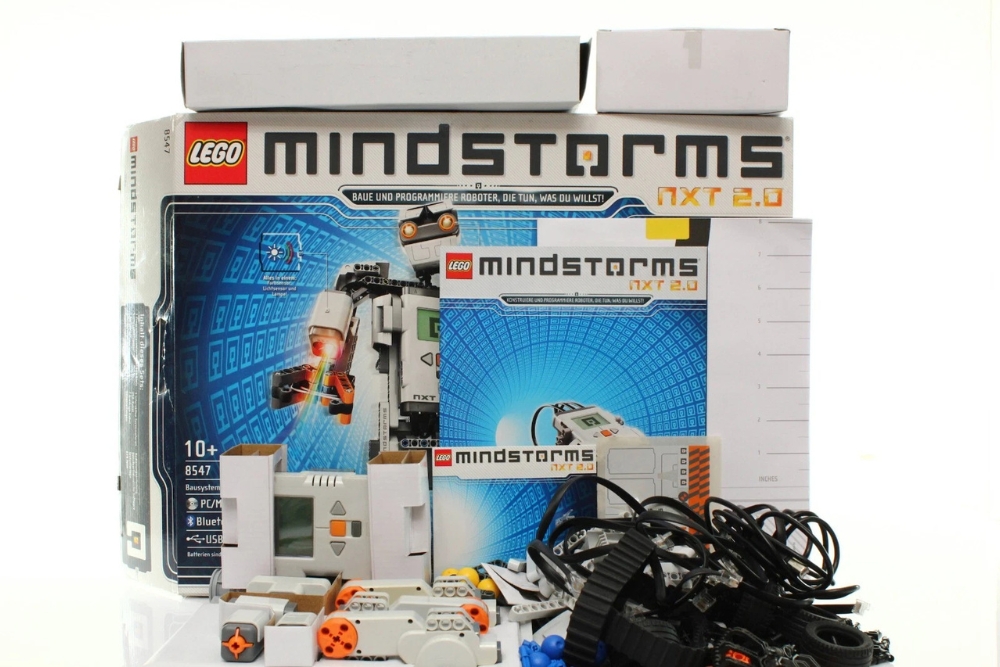
LEGO launched the NXT 2.0 on August 5, 2009, a robotics kit with a programmable brick, motors, and sensors. The sealed sets are where the money is. A factory-sealed 8547 typically brings $250 to $345, while a used, complete set in the box runs $95 to $150.
Completeness decides the middle of the market. A kit with all its sensors, motors, and the instruction booklet brings the higher numbers, and an incomplete one that still powers on brings $30 to $60. Parts lots bring $15 to $25. Open-box sets that are 100 percent complete reach about $199. Count the three motors and the four sensors against the manual, and make sure the cables are all there. The older RCX-era Mindstorms kits from 1998 to 2000 bring far less, mostly $20 to $55, so check the box before you get excited. Newer EV3 kits from later years are a different product and aren’t from this decade.
11. Mead Trapper Keeper, Y2K designs
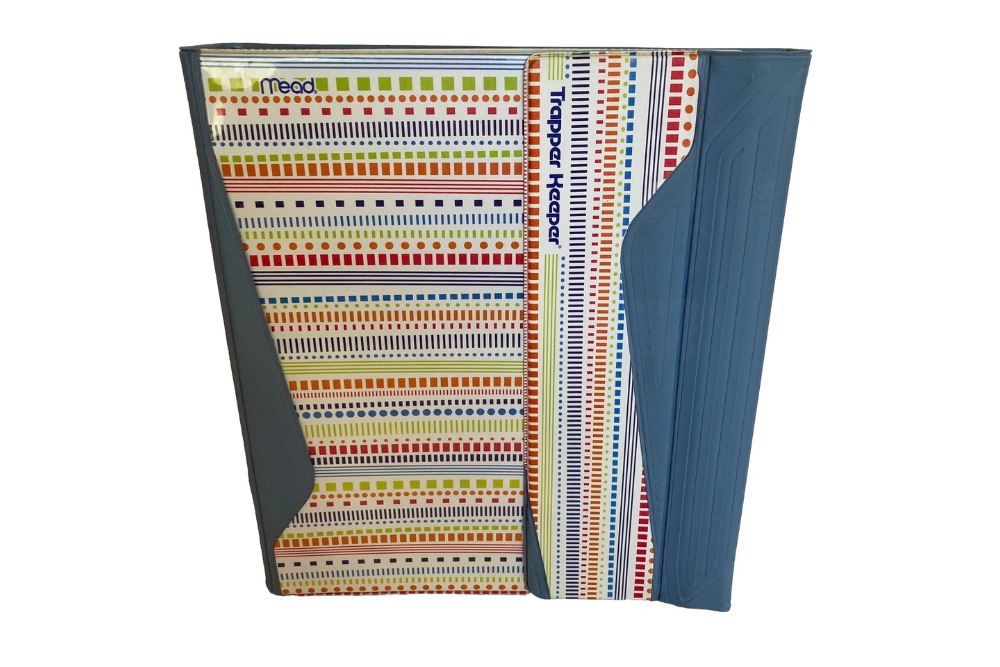
Mead’s Trapper Keeper has been a school staple since the 1980s, and a new version added a magnetic closure in 2007. The 2000s designs typically bring $13 to $30, which is a fraction of what the older ones bring. A 1980s binder with a mountain scene or a purple cover, with its original folders, brings $60 to $90.
Work out which era the binder comes from first, because the era sets the price. A binder from the late 1990s or the 2000s is worth the lower number, and one from the 1980s is worth the higher one. The laminate on the cover peels at the corners, so check there first. Make sure the inner folders are present and clean, and test the closure to make sure it still holds. Retro reissues from recent years sell for $10 to $25 new, so a binder that looks too perfect may be one of those.
12. TI-89 Titanium
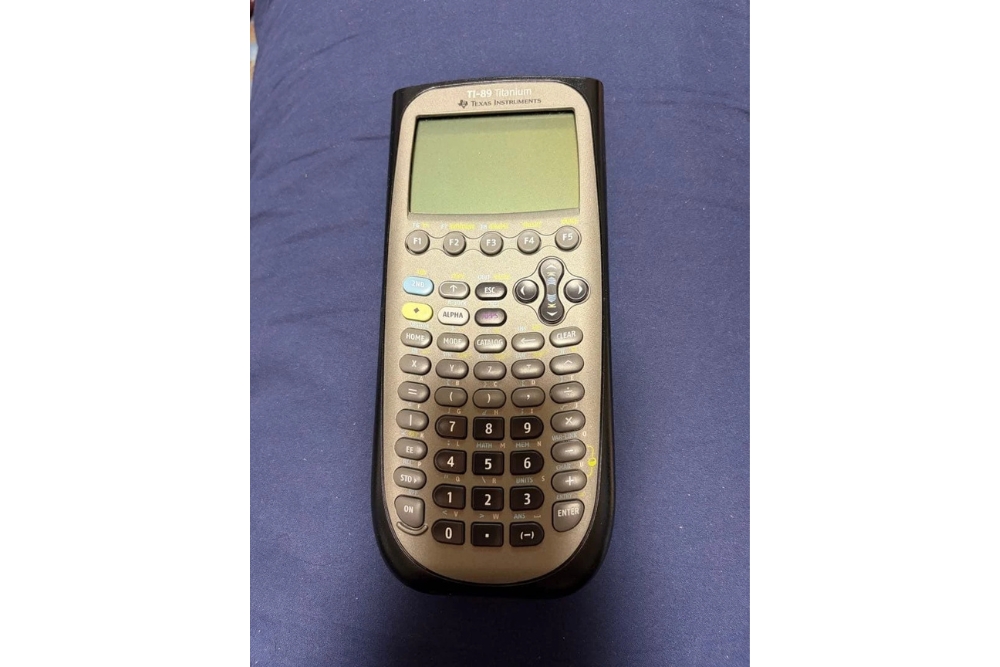
The TI-89 Titanium came out on June 1, 2004 and replaced the TI-89 that calculus students had carried for years. The College Board allows it on the SAT and AP tests, but the ACT bans it. A working TI-89 Titanium with its slide cover typically brings $35 to $52. Without the cover it drops to $28 to $30, and a parts-only unit brings about $20.
The older, non-Titanium TI-89 is a different calculator, and it brings only $10 to $18, so read the label on the front. Sellers sometimes mix them up. Turn it on, adjust the contrast, and make sure the whole screen shows clearly. Check the screen for dark lines or bleeding, the keys for a firm click, and the battery area for corrosion. Plenty of these were used for years by students who dropped them in backpacks, so a clean one with an unscratched screen has a slight edge. It’s a calculator buyers want to use, not an investment.
13. Prismacolor colored pencil sets from the US-made era
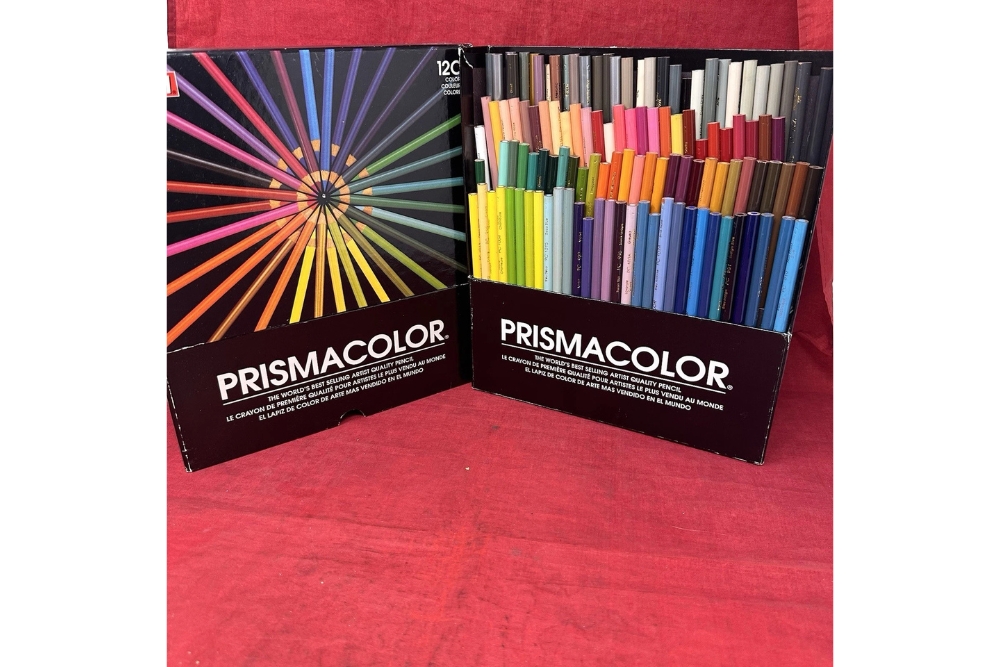
Prismacolor moved its pencil production to Mexico in 2010, and artists have been chasing the older sets ever since, because artists describe the earlier pencils as softer and easier to blend. Anything marked Berol was made in the United States. Older sets of 36 to 60 pencils typically bring $45 to $100, and a complete 120-count set can reach $200 to $425.
Completeness is the whole game. A set that’s 117 out of 120 pencils brings less than a full one, and a set with broken cores or a rusty tin loses more. Newer Premier tins made after the move bring retail price or less, so a set isn’t automatically a find. Look for a tin that says “Made in USA” and a date before 2010. Counterfeits exist too, and one tell is a white base coat under the paint on the barrel, along with cores that feel smaller than they should.
14. Hannah Montana metal lunch box
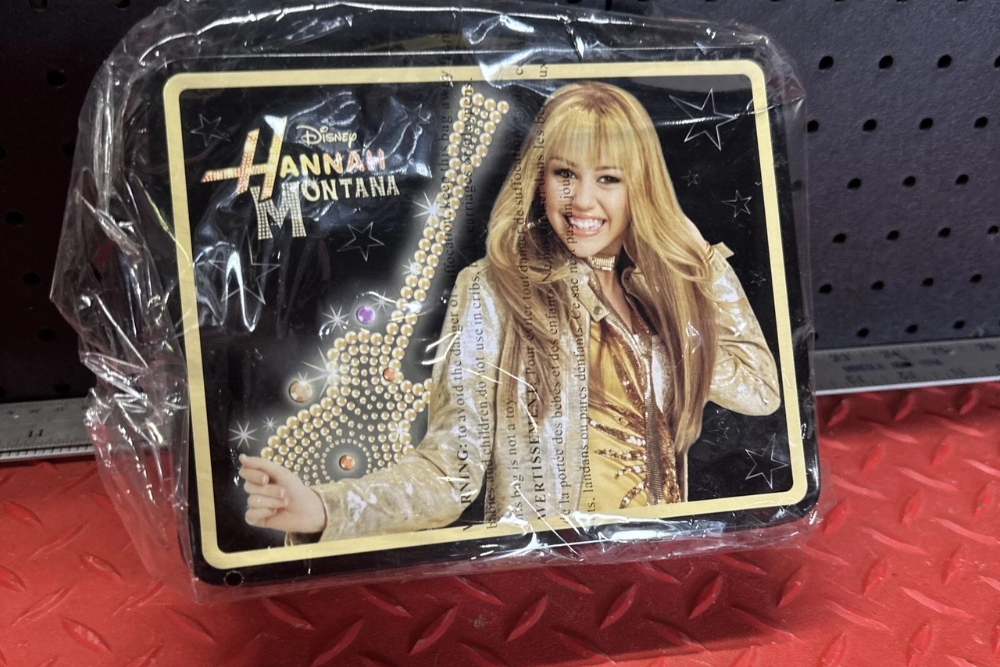
Hannah Montana premiered on Disney Channel on March 24, 2006. The metal lunch boxes from The Tin Box Company typically bring $9 to $20, and a clean one with bright colors reaches about $25. Soft insulated versions run $8 to $20.
This is a nostalgia buy, not a money maker. Check the latch, the corners, and the inside for stains. A box that still has its tag brings a little more. The Secret Stars design sits at the low end near $7, and a purse-style tin with a handle brings about $9. Boxes with bold, unscratched art land near the top of the range. Disney put the character on a long run of school gear, so match the box to a specific design before you price it. The show ran until January 2011, and the logo also turned up on keepsake tins and thermoses, so confirm that you have the metal lunch box. The tins and thermoses bring less.
15. LeapFrog Leapster
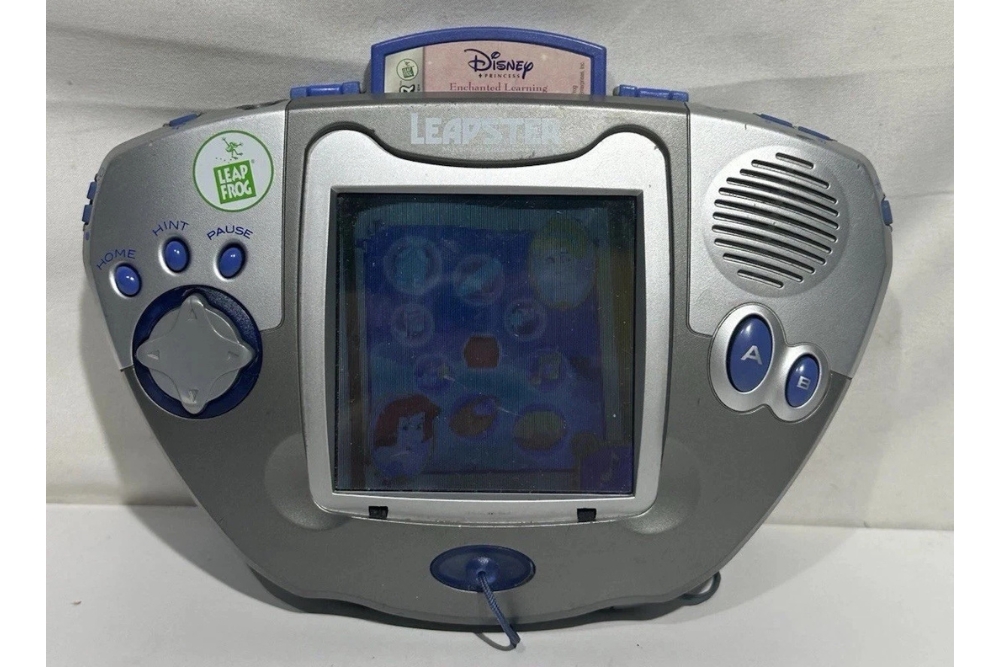
LeapFrog released the Leapster on October 7, 2003, a handheld game system built for kids ages 4 to 10 that ran learning games on cartridges. The company counted about 4 million units and 12 million cartridges by 2007. A working original in gray and blue typically brings $15 to $30, and the later Leapster 2 and Explorer run $19 to $40.
Bundles are where the price climbs. A Leapster with a case and a handful of games brings $45 to $85, and a themed version, like the Leapster 2 with Cars characters, reaches around $70. Units described as untested or working only on the AC adapter bring $10 to $19. Check that the touch screen responds across its whole surface, the stylus is there, and the cartridge slot isn’t corroded. Open the battery compartment and look for corrosion, which is common on units stored with batteries inside. The games add value individually, so keep them together with the system if you’re selling.
16. HP 49g+ graphing calculator
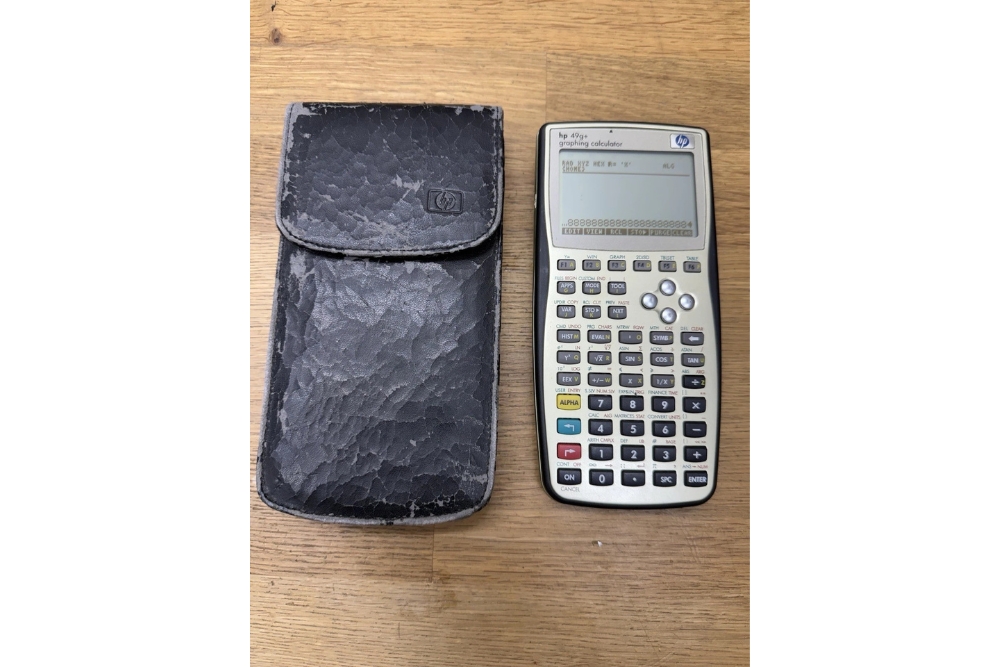
The HP 49g+ arrived in August 2003, and its keyboard became the most criticized thing about it, so HP gave the 50g a redesigned one. That keyboard is why a 49g+ brings about half of what a 50g does. A working unit typically brings $49 to $80, and one with its case in good shape reaches the top of that range.
Test every key before you buy. Dead or mushy keys are the most common problem, and they’re the main reason a unit sells low. The older blue HP 49G brings $25 to $55, and parts-only units bring $16 to $20. A tested unit with a hard case occasionally reaches $130. Make sure the battery compartment is clean, the screen is free of lines, and the slide cover is included. Titles can be misleading, so look at the front of the calculator to confirm the model. Buyers who want the HP feel on a smaller budget are the ones who pick this one up.
17. Harry Potter metal lunch box
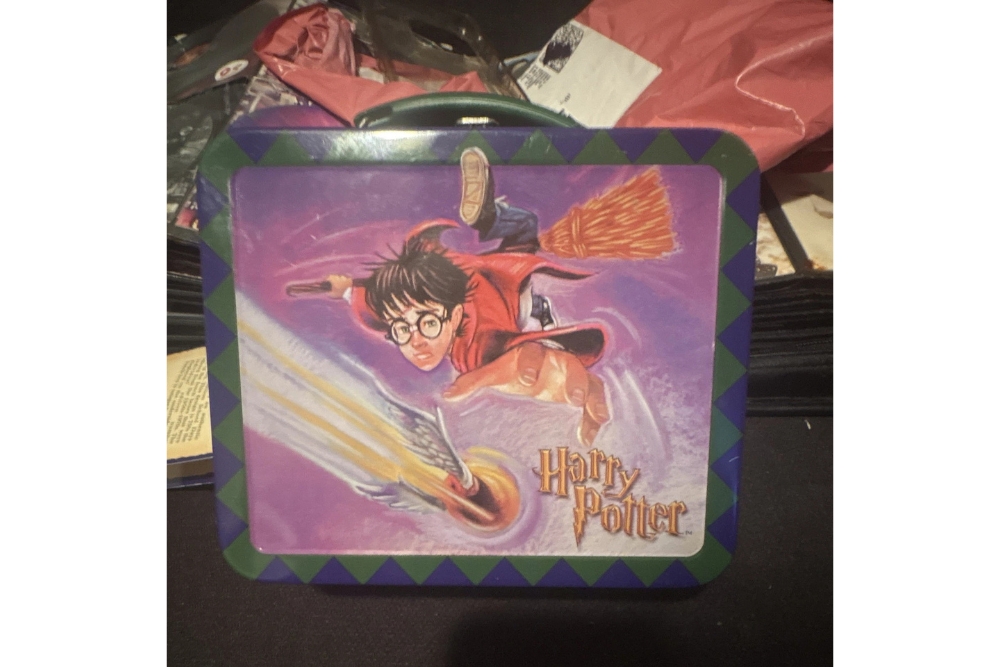
The first Harry Potter movie hit theaters on November 16, 2001 and ended the year as the highest-grossing film. The small Hallmark metal tins from 2000 and 2001 typically bring $6 to $13, while a still-sealed one brings about $12. Plastic Thermos boxes from 2001 run $9 to $12, and a sealed tin with a number on it, like some of the Hallmark ones, brings about $11.
Complete sets bring the best prices. A lunch box with its matching thermos bottle and no cracks reaches $39, and a soft Quidditch lunch box with a thermos and tags brings about $25. Check the lid hinge, the handle, and the inside of the thermos for cracks and odors. A lunch box missing its bottle usually lands near the bottom of the range, and a matched pair near the top. A box that was carried every day usually shows scratches on the corners. These are small money pieces, and the best reason to keep one is that you remember carrying it.
18. Apple iMac G3
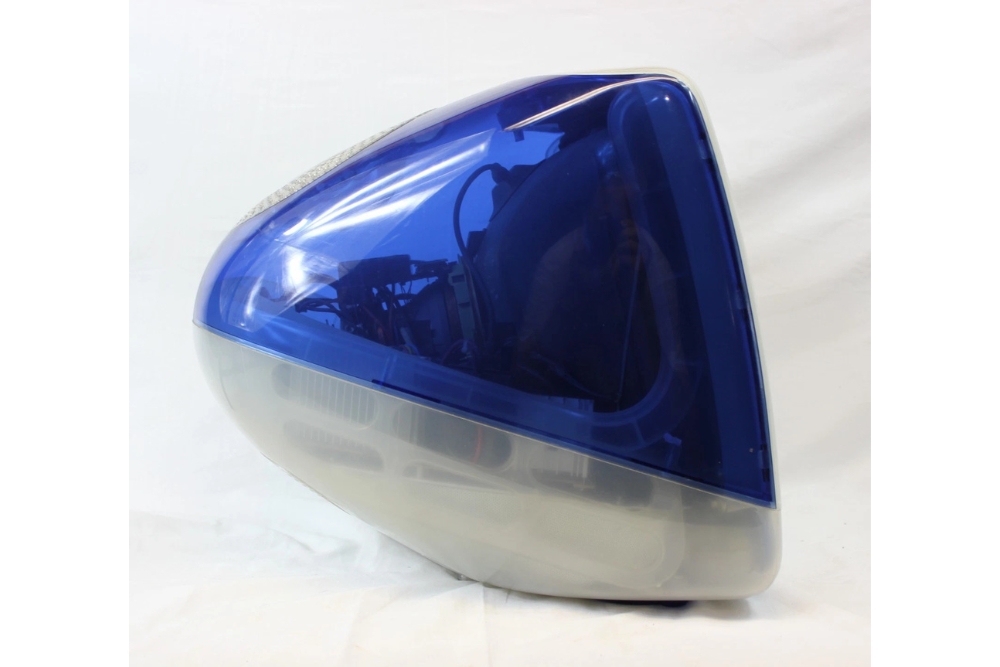
The iMac G3 was popular enough in schools that Apple built the education-focused eMac to follow it, and the last Snow models were discontinued in March 2003. Common colors, like Blueberry, Graphite, and Snow, typically bring $150 to $350. The original Bondi Blue runs $290 to $360, and the Strawberry and Grape colors reach $430 to $505. A complete DV Special Edition in Snow brings about $700.
Condition is everything with these. Look for yellowed plastic, cracks around the handle, and a working tray-loading or slot-loading drive, and make sure the disc drive opens and closes. Hard drives are the usual failure, and units that need work still bring $75 to $190. The keyboard and the round “hockey puck” mouse matter too, since replacements aren’t cheap. A boxed iMac G3 in a fruit color is the version collectors want most.
If the cords, covers, and boxes are still around, keep them together. Collectors pay more for complete sets.











