
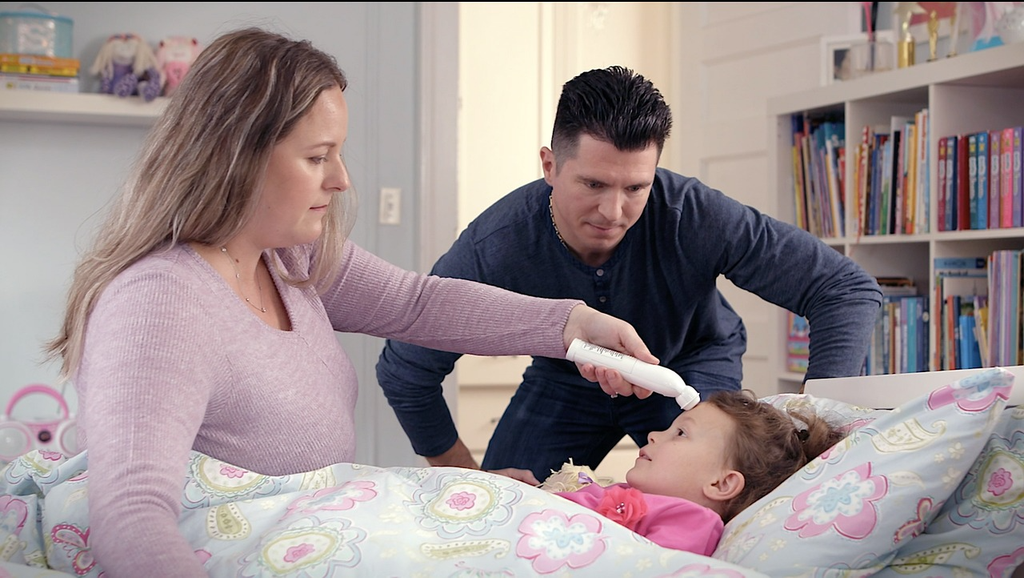
A toddler’s fever can feel alarming, especially when it rises quickly or appears overnight. Yet the number on the thermometer tells only part of the story. Your child’s breathing, alertness, fluid intake, and other symptoms help determine how quickly care is needed. When you’re unsure, contact your pediatrician or a medical care line for guidance based on your child’s age and health history.
Table of contents
Understanding the role of childhood fevers
A fever is generally defined as a temperature of 100.4°F (38°C) or higher, although the measurement method can affect the reading. Fever is a normal immune response that often accompanies common viral infections. Age matters when deciding how quickly to seek care: babies younger than three months with a temperature at this level need immediate medical evaluation, even if they otherwise appear well. These fever guidelines by age explain why caregivers should consider both a child’s age and symptoms when deciding what to do.
For toddlers, pay attention to behavior alongside temperature. A child who has a 102°F fever but drinks, makes eye contact, and perks up occasionally may be less concerning than a child with a lower temperature who is unusually sleepy or difficult to comfort. The cause matters too. Ear pain, coughing, vomiting, or pain during urination can help a clinician identify the next step.
Warning signs that demand fast action
Seek emergency help if your toddler struggles to breathe, has blue or gray lips, experiences a seizure, or can’t be awakened normally. A stiff neck, severe headache, confusion, or a purple rash that doesn’t fade when pressed also needs immediate evaluation. The same applies if you suspect poisoning or your child’s condition is rapidly worsening.
Dehydration can develop when fever occurs with vomiting or diarrhea. Warning signs include a dry mouth, no tears when crying, sunken eyes, and little or no urination for about eight hours. Contact a healthcare professional promptly if these signs appear or your child’s temperature rises above 104°F. Seek emergency care if your child is difficult to wake, has trouble breathing, experiences a seizure, or appears severely ill.
Choosing between the ER and urgent care
Use the emergency room for life-threatening symptoms such as breathing trouble, a seizure, loss of consciousness, or signs of severe dehydration. Call emergency services if transporting your child yourself could delay critical treatment.
For a stable toddler with a persistent fever, ear pain, sore throat, or other symptoms that need prompt assessment, urgent care may be an option when your pediatrician is unavailable. Many clinics accept walk-ins, but services and age limits vary, so call ahead to confirm that the location can evaluate young children and address your toddler’s symptoms.
Keep your pediatrician’s after-hours number saved in your phone. Virtual consultations may be convenient for some concerns, but they should never delay an in-person assessment when a child has serious symptoms.
Comfort measures to try at home
Offer small amounts of fluid frequently. Water, milk, oral rehydration solution, ice pops, and broth can help, depending on your toddler’s age and appetite. Dress your child in light clothing and keep the room comfortably cool. Avoid cold baths, which can cause shivering and make a child more uncomfortable.
If your toddler seems distressed, ask a clinician or pharmacist about an age-appropriate fever reducer. Use your child’s current weight to select the dose and measure liquid medicine with the supplied syringe. Don’t combine or alternate medicines unless a health professional gives clear instructions.
Write down temperatures, medication times, fluid intake, and wet diapers or bathroom visits. This short record gives a clinician useful details if the fever continues. Contact your pediatrician if your child is getting worse, the fever returns after improving, or it persists beyond the period recommended for your child’s age. For children younger than two, contact the doctor if the fever lasts more than 24 hours; for children aged two and older, seek advice if it lasts more than three days. Consistent parenting routines that support children’s health can also help you keep track of everyday care needs when your child is unwell.
Trust specific changes you can observe. If your toddler stops drinking, becomes hard to wake, or seems much sicker than earlier, seek care without waiting for the thermometer to climb higher.










