
A box of old toys can turn up some peculiar things: a silver cassette recorder from Home Alone 2, a miniature mansion with no dolls, or a mechanical Furby that hasn’t spoken in 25 years. Collectors are still looking for these specific 1990s releases, and sometimes the tiny parts kept in the bottom of the box are as sought-after as the larger toy.
A complete Mighty Max Skull Mountain, an early Tiger Talkboy, and a rare Scratch the Cat action figure have all attracted collectors willing to pay three-figure sums. Even more familiar toys, including original Tamagotchis and Polly Pocket playsets, have buyers looking for the exact version they remember.
Original packaging, model markings, working mechanisms, and small accessories help identify the survivors of a decade when nearly everything came with some detachable plastic part.
Polly Pocket Magical Mansion
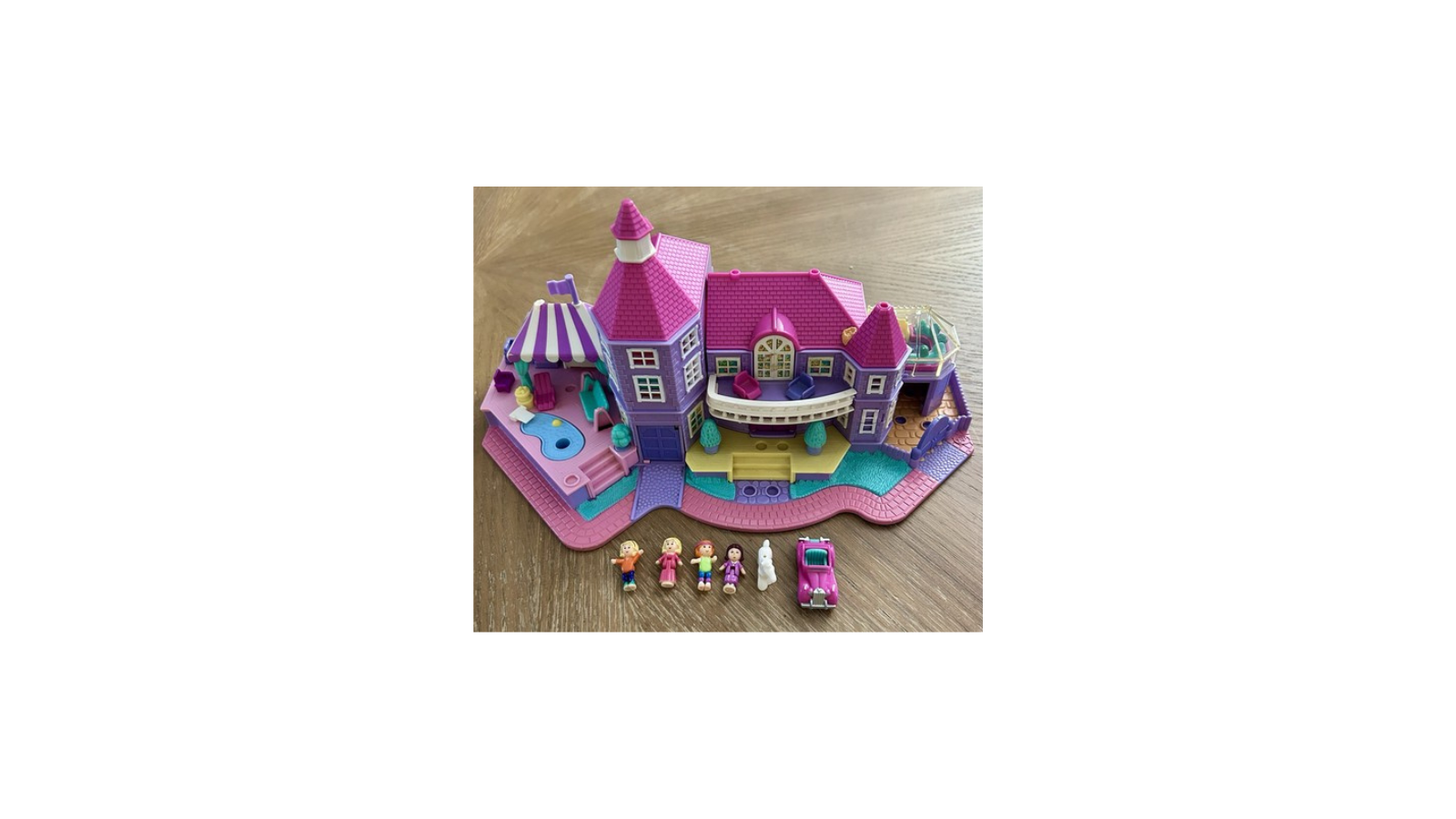
Bluebird’s 1994 Magical Mansion is a miniature house with enough rooms and surprises to keep a determined child occupied for hours. One example with four dolls, a car, a horse, and a flag sold for $95. Its working lights were part of the appeal. The house is a substantial playset compared with the palm-sized compacts, with tiny furnishings and a whole collection of easily lost figures.
The house is easy enough to identify from its colorful exterior, tiny molded furniture, and rooms arranged around the central structure. The original figures are much smaller than the Polly dolls sold in later lines, so replacements from modern sets will not serve as exact matches. The horse, little vehicle, flags, and figures are all separate pieces that can disappear over years of play.
Look for the Bluebird name and the 1994 date underneath. The mansion has battery-powered features, so inspect the compartment for old battery damage, and check the small doors and moving parts before calling it complete.
Mighty Max Skull Mountain
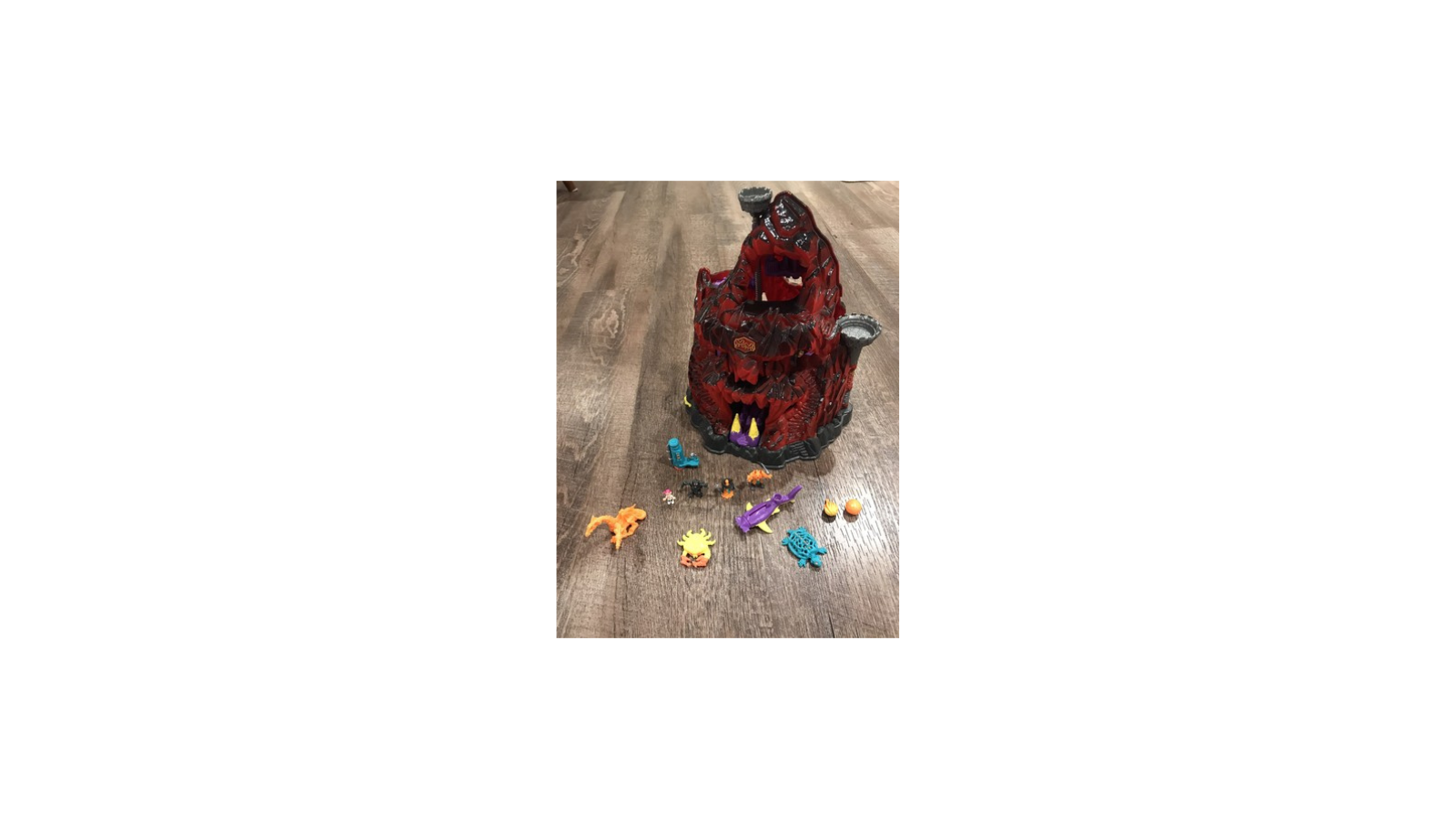
The red-and-black Skull Mountain playset from Bluebird looks like something lifted from a Saturday-morning cartoon nightmare. The 1992 fortress opens into an elaborate miniature world with monsters, mechanical features, and tiny figures. A fully complete example brought $185.
Mighty Max took the miniature playset idea and aimed it at kids who preferred monsters to dollhouses. The oversized Skull Mountain was one of the line’s most elaborate pieces, with craggy surfaces and a collection of small enemies and accessories. The figures are easy to mistake for random toys because they’re tiny, brightly colored, and not always marked in an obvious place.
The small creatures, vehicles, and projectiles are what you want to keep with the mountain. Without them, the impressive-looking shell is only part of the toy. Watch the hinges and narrow plastic fittings, too, because a heavy playset can break at its weakest little connection.
Tyco Tickle Me Elmo
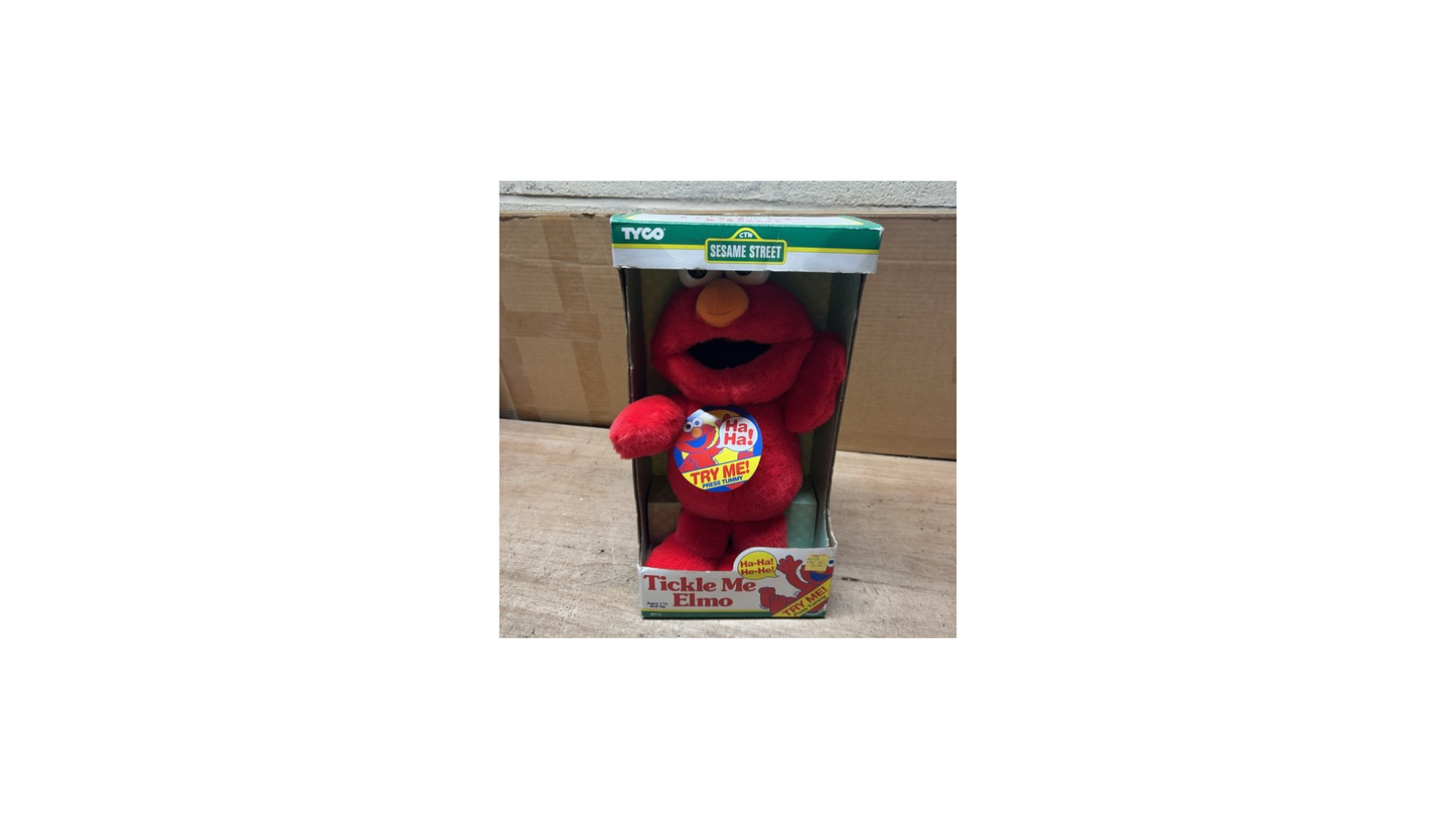
The red Sesame Street plush that caused a shopping frenzy in 1996 is still a favorite of Christmas-toy collectors. A new-in-box original Tyco Tickle Me Elmo with its tag sold for $89.99. The distinctive green packaging is useful when trying to distinguish the first toy from later Elmo releases.
The original reacted to being tickled with laughing and shaking, and that giggle was the whole point of the gift. After years in storage, a toy can look perfect without moving or making a sound. Old batteries may have leaked, and the battery compartment needs a careful look before anyone attempts to get it working again.
Original box art, the Tyco branding, and the tag help identify the 1996 release. The display packaging is much more informative than a bare red plush, particularly since the character has appeared in countless interactive versions since then.
Tiger Electronics Furby
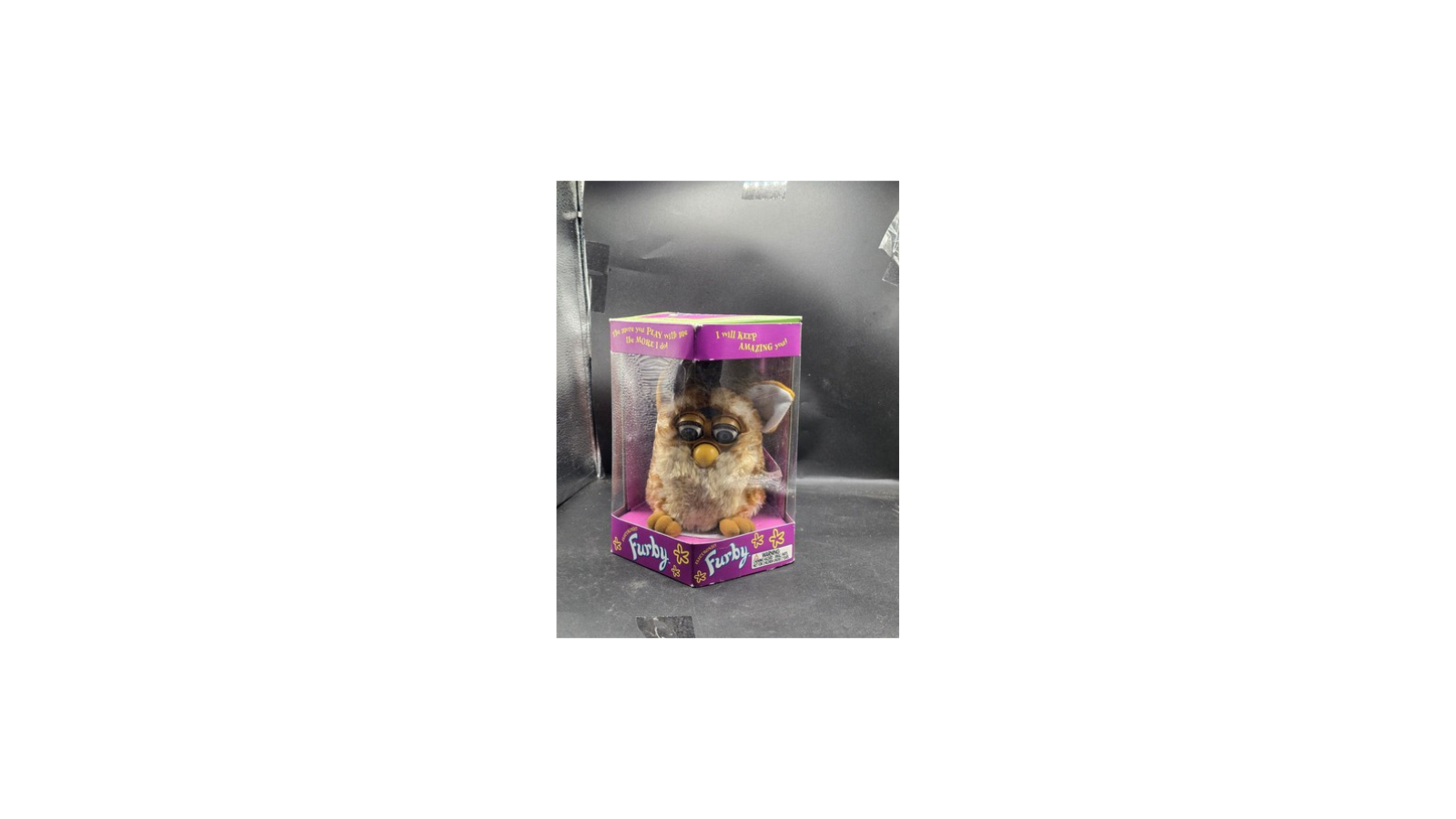
The first Furby arrived in 1998 with oversized eyes, furry ears, a beak, and a habit of speaking in its own language. A boxed early example whose movement worked but whose sound did not sold for $69.99. That sort of imperfect survivor still has appeal for people collecting the original Tiger Electronics line.
Early Furbies came in a range of fur and eye combinations, and collectors often seek a particular colorway they owned as a child. The large purple-and-green original packaging is easy to recognize. Inside, the toy combines fabric with moving mechanical parts, which is why the condition of the motor, eyelids, mouth, and ears can vary from one example to another.
Check the base and label for the maker and date. Battery damage is a common concern with electronic toys that have spent years in closets. Resist pulling on a stuck eyelid or forcing the mouth open; the little mechanisms are not built for that.
Bandai’s first-generation Tamagotchi
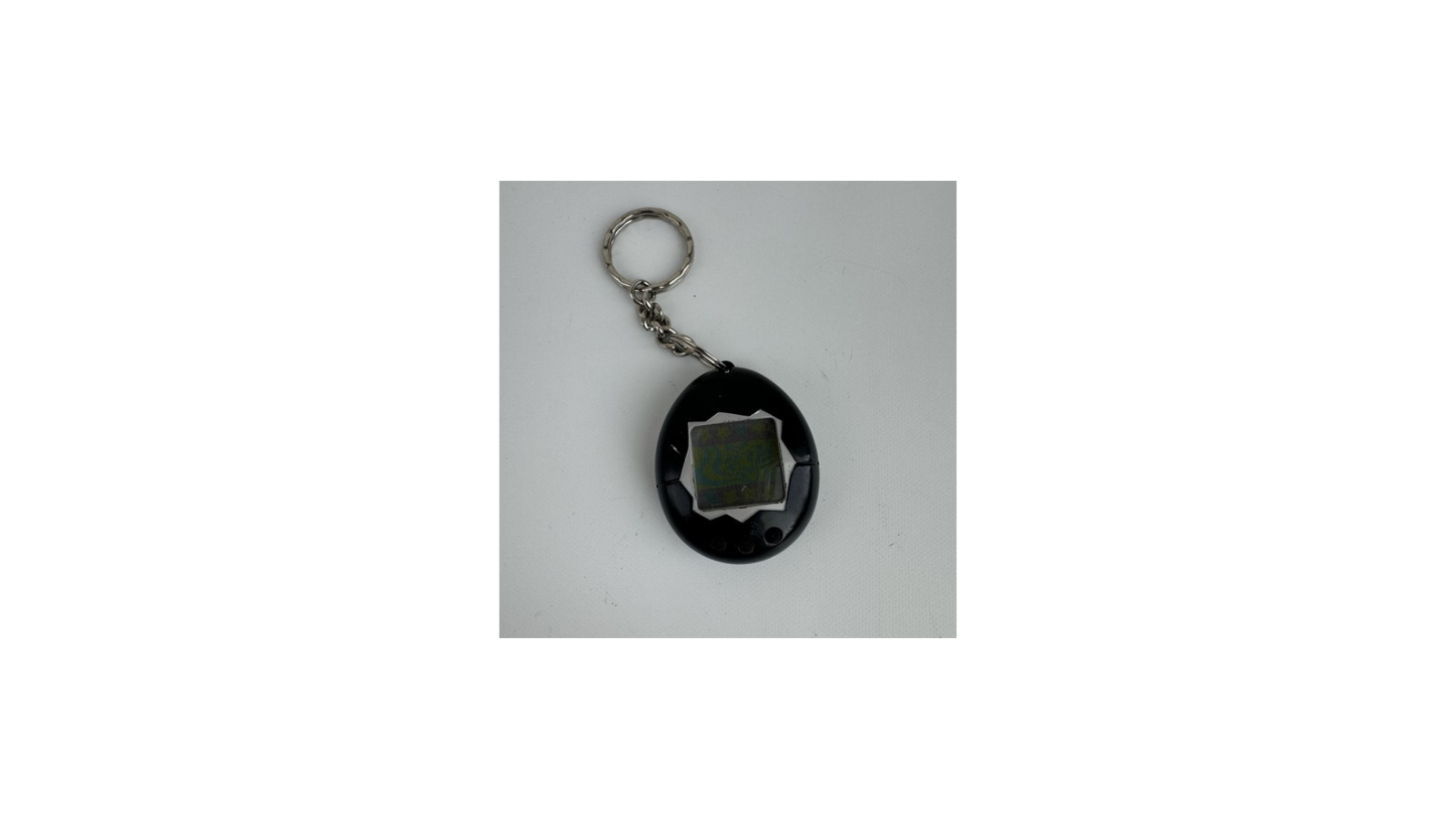
The three-button virtual pet was a small plastic egg with a remarkable talent for interrupting school lessons. A tested, working 1997 first-generation Tamagotchi sold for $23. Its modest size and simple black-and-white screen are exactly what collectors of the original release remember.
Bandai made numerous shells and later versions, so the color alone does not establish the generation. Look at the model markings on the back and the screen layout. The original game revolved around feeding, cleaning, playing with, and caring for a little digital creature that could die if neglected. Its beeps were an unavoidable part of life with one attached to your school bag.
Working buttons, a readable screen, the battery cover, and the little chain all matter to the experience. If you find one with a dead display, check for corrosion before trying new batteries. Modern anniversary versions can look almost identical from a distance, but they’re separate releases.
Digimon Digital Monster virtual pets
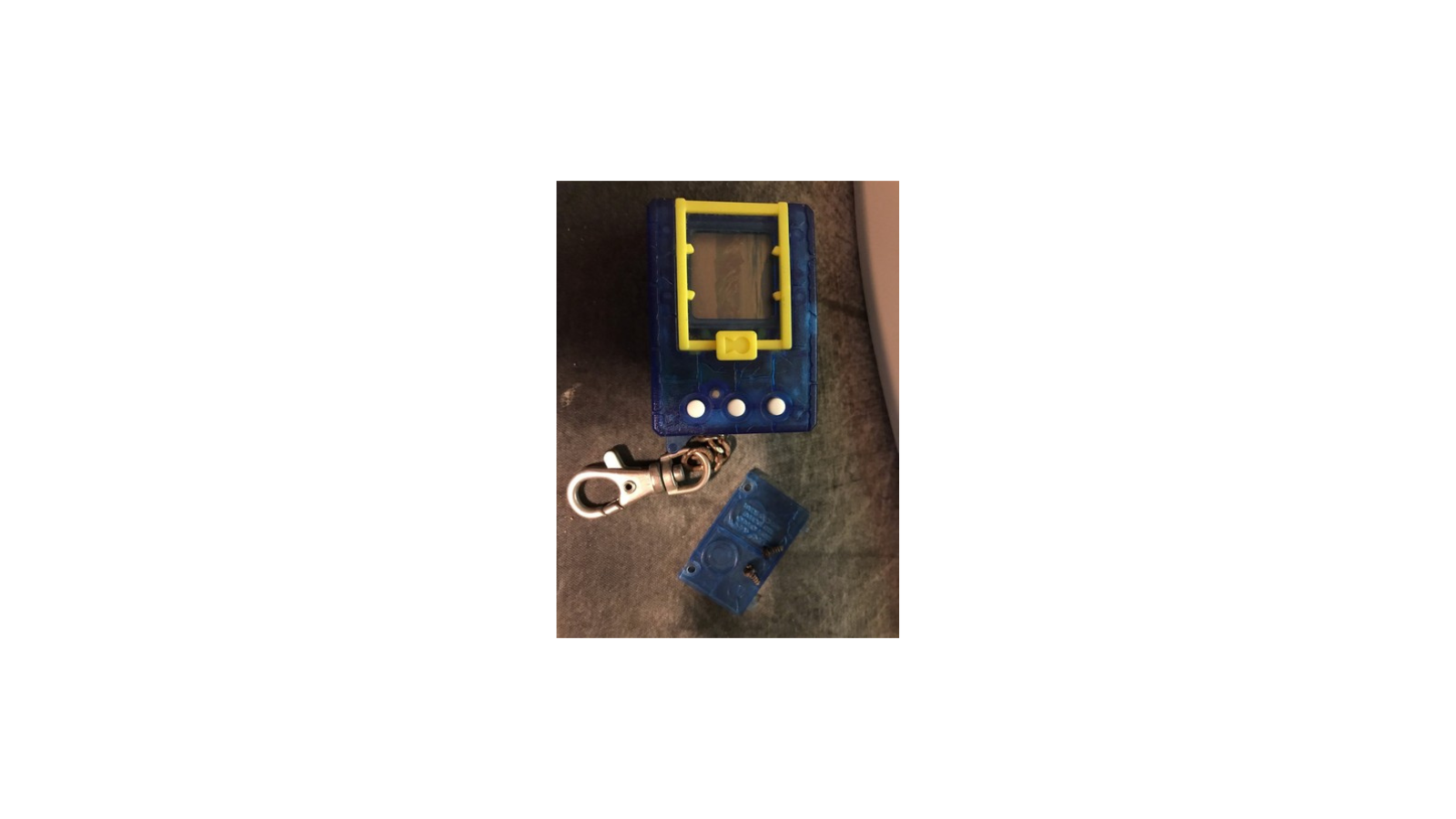
Digimon virtual pets looked tougher than their Tamagotchi cousins. The brick-shaped devices let players train monsters and battle them, and the original 1997 line has become its own collecting category. A tested blue Bandai Digital Monster Version 4 sold for $99.99.
The molded shell, side buttons, monochrome screen, and chain make these devices distinctive. Version numbers matter because different releases can have different monsters and shell colors. Many players remember connecting two devices for battles, not simply watching a virtual pet eat and sleep.
Collectors pay attention to whether the screen displays correctly, whether the sound works, and whether the case still has its battery cover. A device sold as ‘Digimon’ could be an original Digital Monster pet, a later Digivice toy, or an anniversary product. The model identification is more useful than the character artwork on a seller’s photo.
Nintendo Pokémon Pikachu electronic toys
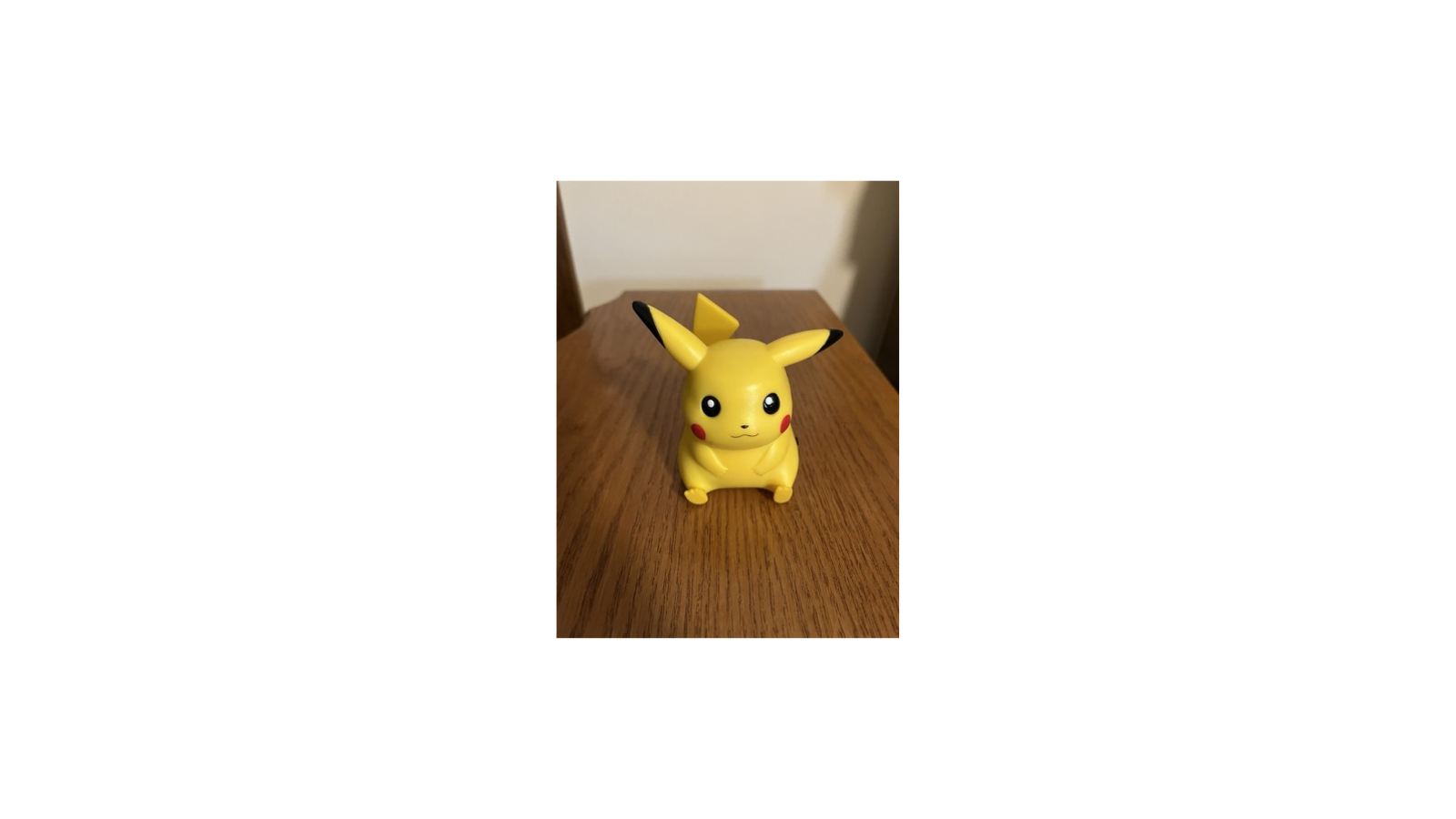
Pikachu was everywhere by the end of the decade, but the early electronic toys are particularly recognizable. A working 1998 Talking Pikachu with a battery included sold for $30. The yellow body, black-tipped ears, and red cheeks make it unmistakable even without the box.
Collectors also seek the separate Pokémon Pikachu step-counting virtual pet released in 1998, so it helps to identify which electronic Pikachu is actually in hand. A talking toy is a different product from a pocket pedometer. The features, shape, and Nintendo or toy-maker markings will settle that question.
On a talking Pikachu, look for fading on the yellow surface, broken parts, damaged battery contacts, and a sound feature that still responds. Early Pokémon merchandise often sat beside later versions in the same childhood collection, and a box with the original year and artwork can make identification much easier.
1995 Thinkway Buzz Lightyear
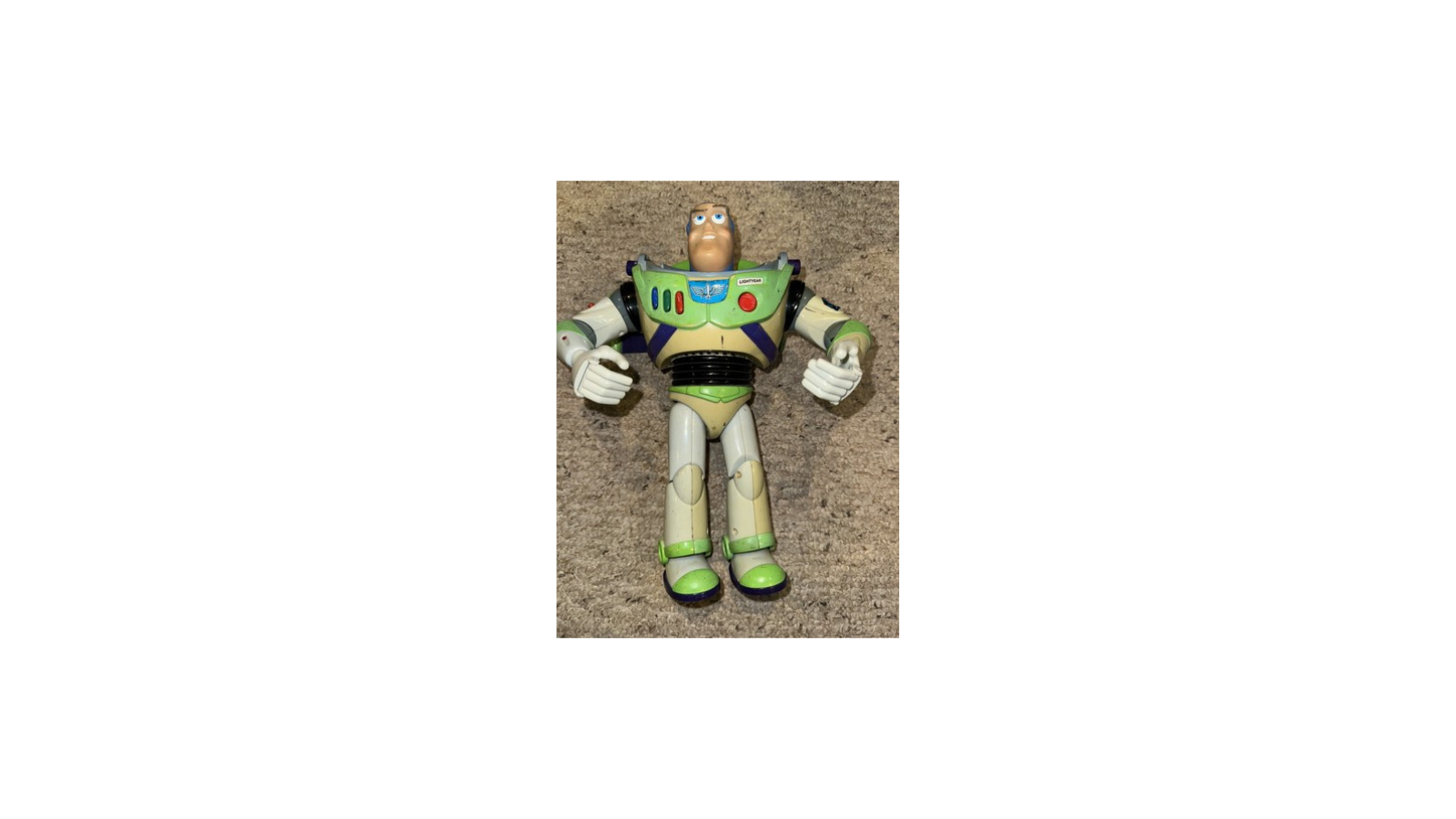
The first Toy Story movie turned Buzz Lightyear into a toy kids wanted to own for real. One original 1995 Thinkway 12-inch Buzz action figure sold for $49. The early figure has the familiar white, green, and purple spacesuit and oversized superhero proportions.
Thinkway made several variations, including talking and electronic releases. For the 12-inch versions, the retractable wings, clear helmet, and buttons are part of the attraction. Those are also the bits that suffer when a child has launched Buzz off the sofa a few hundred times.
Identify the version from its label and features rather than assuming any large Buzz figure dates to 1995. The character has been made again and again for later movies and retail lines. Yellowing white plastic, missing wings, and a damaged helmet all change how the old figure presents on a display shelf.
Kenner Jurassic Park electronic T. rex
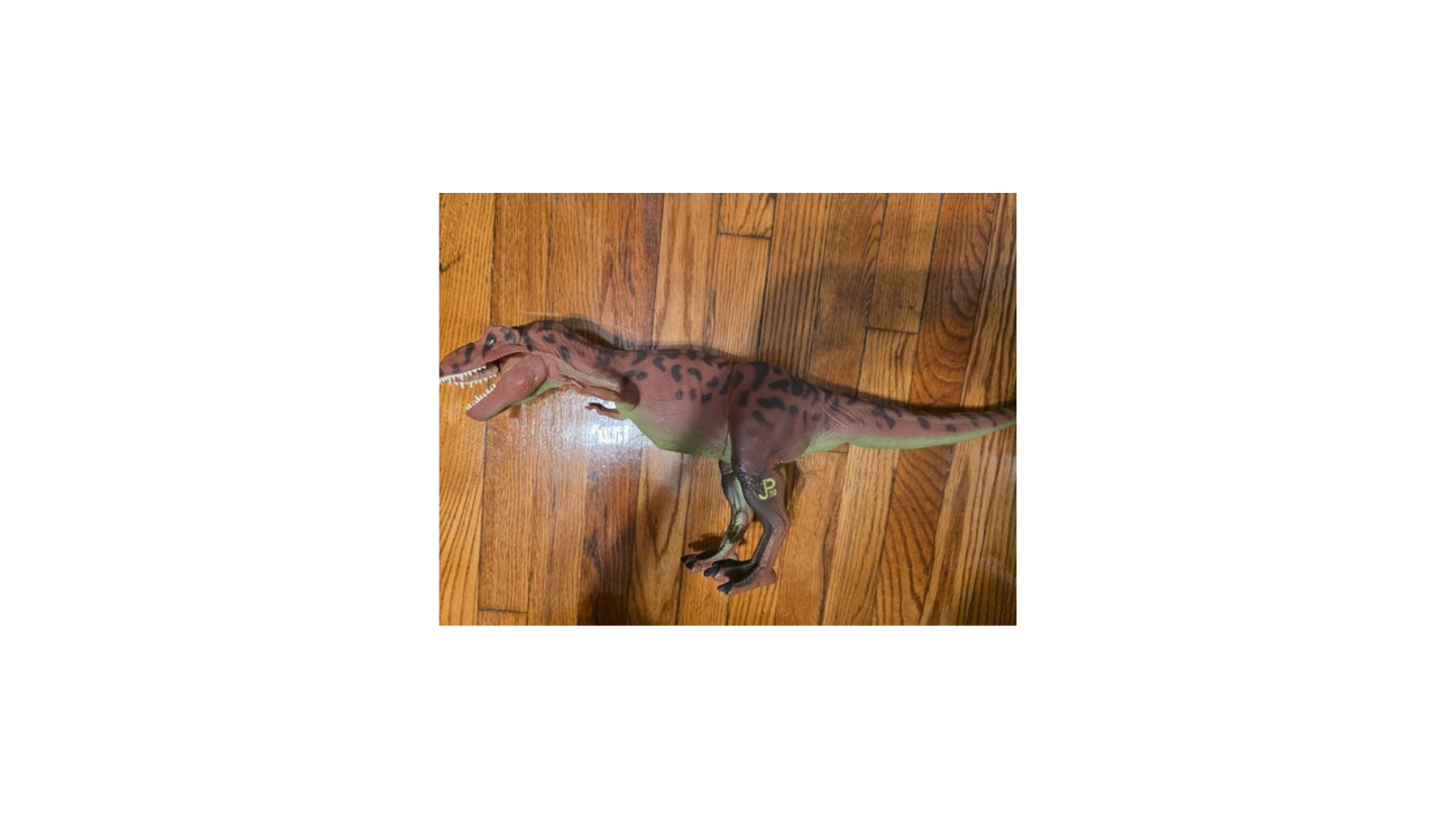
Kenner’s 1993 Jurassic Park dinosaur line was built for kids who wanted the movie’s enormous reptiles on the bedroom floor. A vintage Tyrannosaurus rex from that first wave sold for $100. The first-release dinosaur is a substantial toy with a broad red-brown body and the unmistakable profile of the movie’s main predator.
The large electronic Red Rex is commonly identified by its JP09 model number, textured skin, and sound features. Kenner’s smaller Young T. rex was a different toy, and they’re easy to confuse when a sale has nothing beside the dinosaur to show its scale.
The dinosaur’s body can be vulnerable to wear and tears in flexible areas. Before testing sounds, examine the battery space and exterior carefully. The JP09 marking is a useful clue for buyers who are trying to distinguish an original Kenner figure from the many later Jurassic Park and Jurassic World dinosaurs.
Bandai Dragonzord from Mighty Morphin Power Rangers
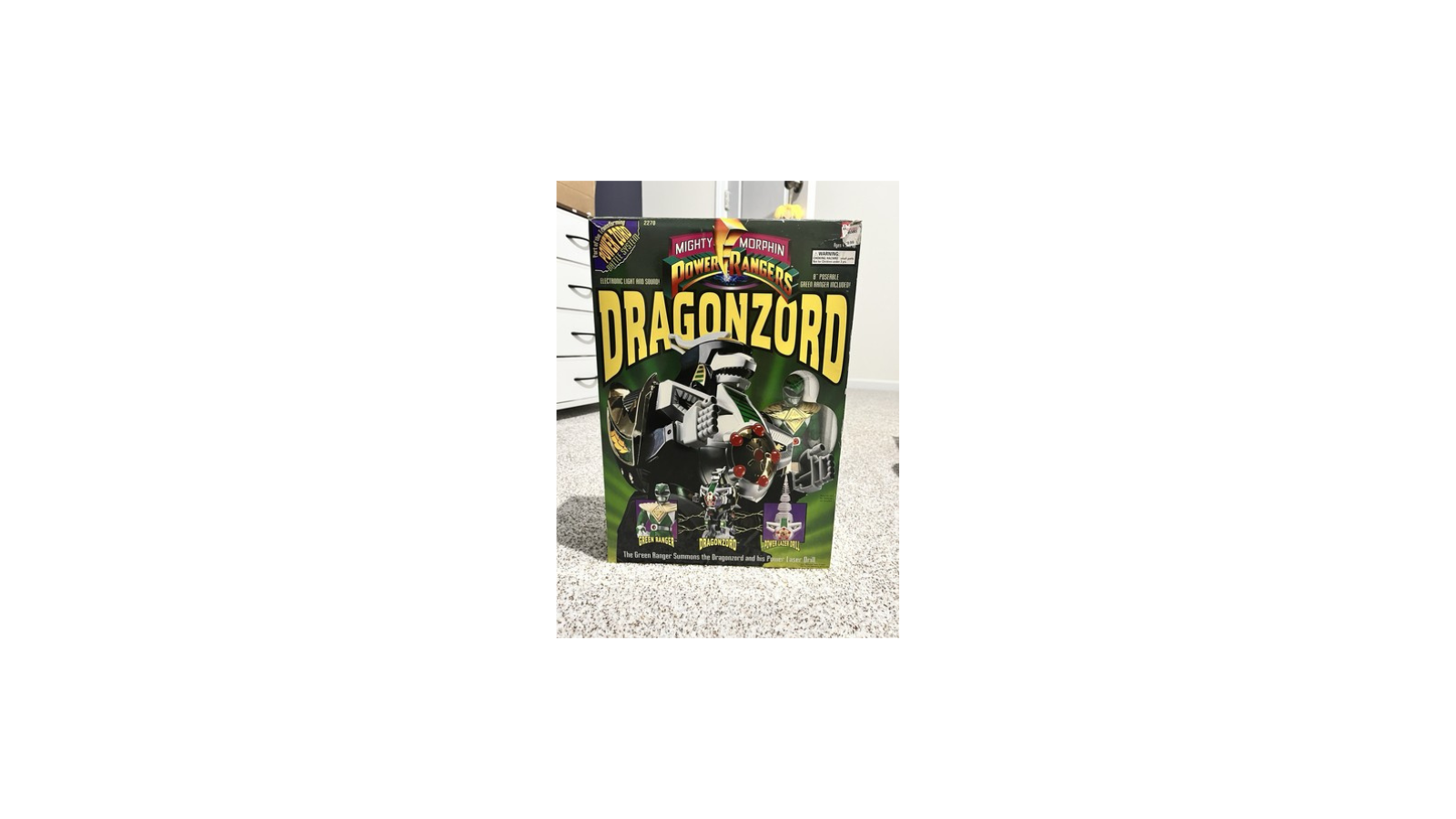
That towering green Dragonzord was the one many kids wanted after seeing the Green Ranger call it into battle. An original 1993 Dragonzord sold for $200. It’s a good example of why the large 1990s Power Rangers robots attract collectors beyond the smaller action figures.
The Dragonzord has an imposing dinosaur form, gold details, a pointed tail, and parts designed to combine with other Zords. Those connections gave the toy much of its play value, but they also created plenty of small components that could be mislaid. A loose tail or missing connector is more than a cosmetic issue when somebody wants to build the combined robot.
Check the Bandai markings and inspect every joint and attachment. The Power Rangers franchise has repeatedly revisited the original team, so a modern tribute figure can look impressively similar. The original era, size, mechanism, and included pieces distinguish the 1993 version.
Tiger Deluxe Talkboy cassette recorder
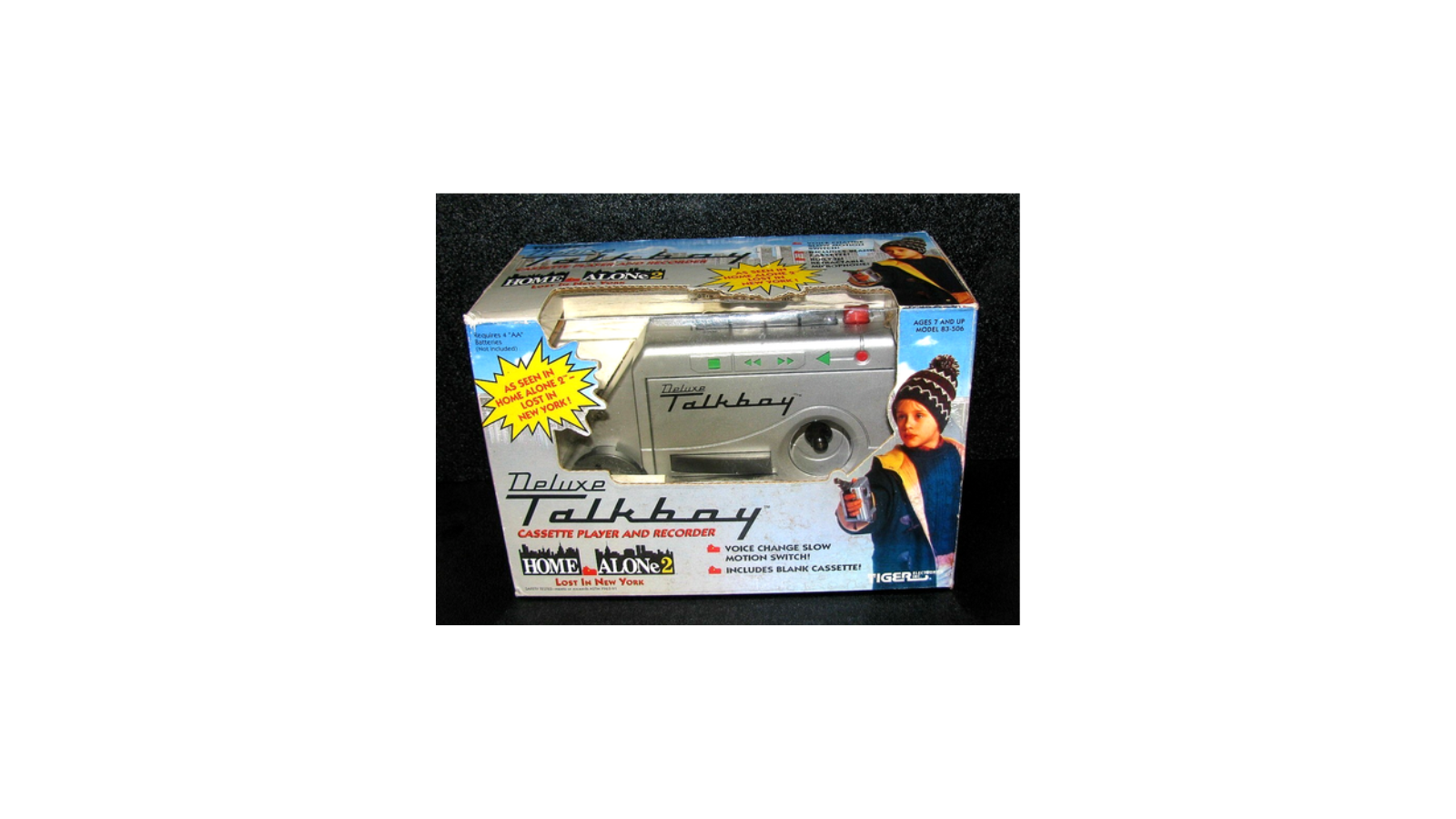
The Talkboy was the gadget every Home Alone 2 fan wanted so they could record their voice and play it back slowly. A 1992 Tiger Deluxe Talkboy in an open original box sold for $449. The silver-and-black recorder is one of the easiest 1990s toys to recognize from a photograph.
The recorder uses cassette tapes rather than digital audio, and its control buttons and microphone attachment are central to its design. Children used the slow playback feature to make their voices sound deeper, just as the device did in the film. Finding the right cassette and the original packaging alongside a working unit is especially satisfying for a collector.
Inspect the tape door, belt mechanism, microphone, and battery contacts. A recorder that lights up may still be unable to move a cassette properly, because old rubber belts deteriorate. The oversized prop-style shape is the giveaway, but it is the functioning tape mechanism that makes it fun to use again.
Larami Super Soaker CPS 2000
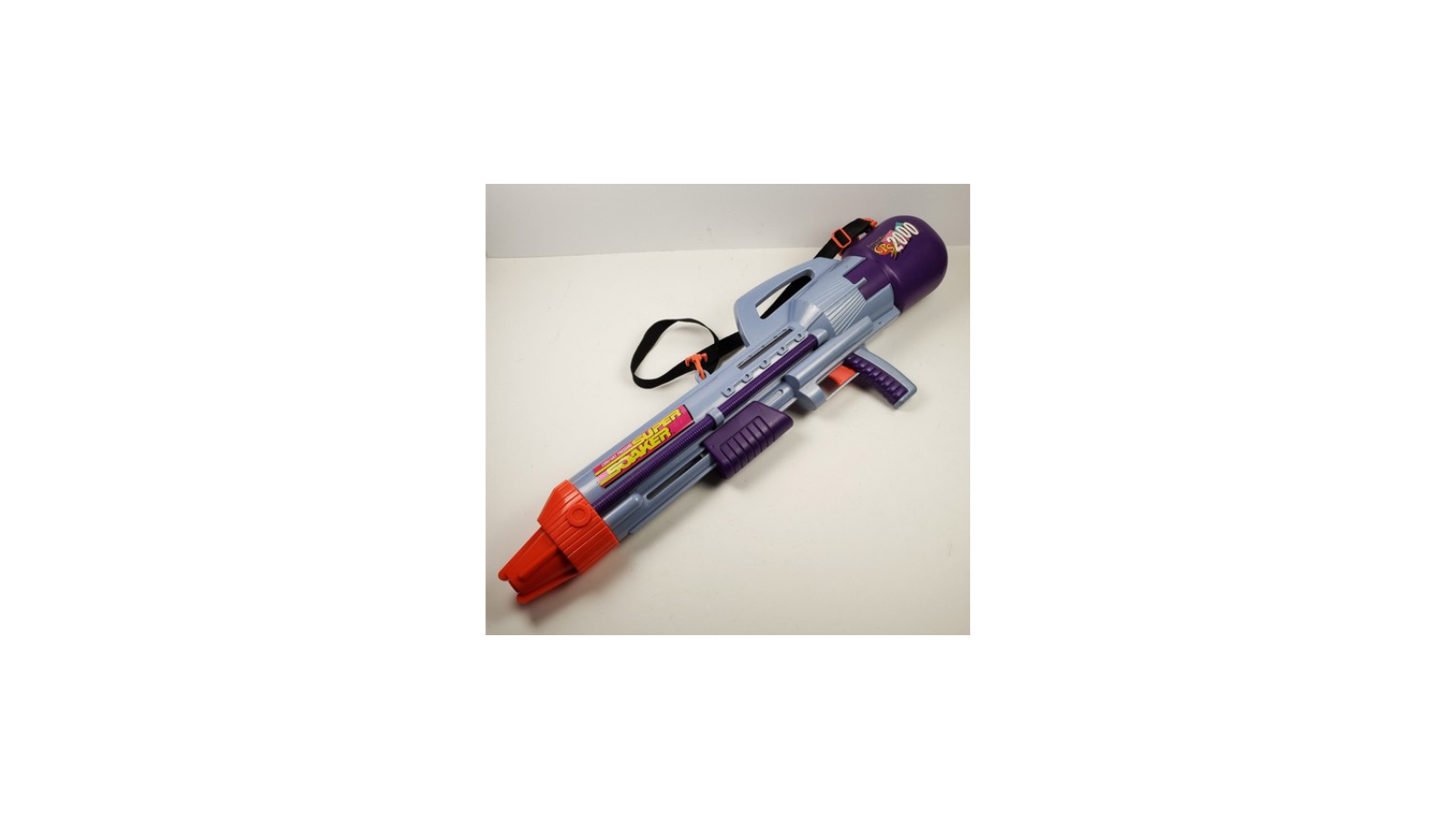
Water-gun fans still talk about the CPS 2000, a 1996 Larami Super Soaker built for serious backyard battles. A tested, working example with its strap sold for $299.99. Its oversized body and bulky pressure chamber are a world away from the thin plastic squirt guns that usually ended up in the toy box.
CPS stands for Constant Pressure System. The design gave the blaster a powerful burst of water, making it an especially memorable model among enthusiasts. There are different generations of the CPS 2000, and collectors pay attention to the exact shell and internal configuration.
These are large, mechanical water toys that have often been used hard. Check the pump, nozzle, pressure system, seals, and strap, and do not assume a gun is functional just because the tank fills. Original replacement parts are not always easy to find. The original shoulder strap is a useful identification detail on a toy that was frequently carried outdoors and played with hard.
Mattel Totally Hair Barbie
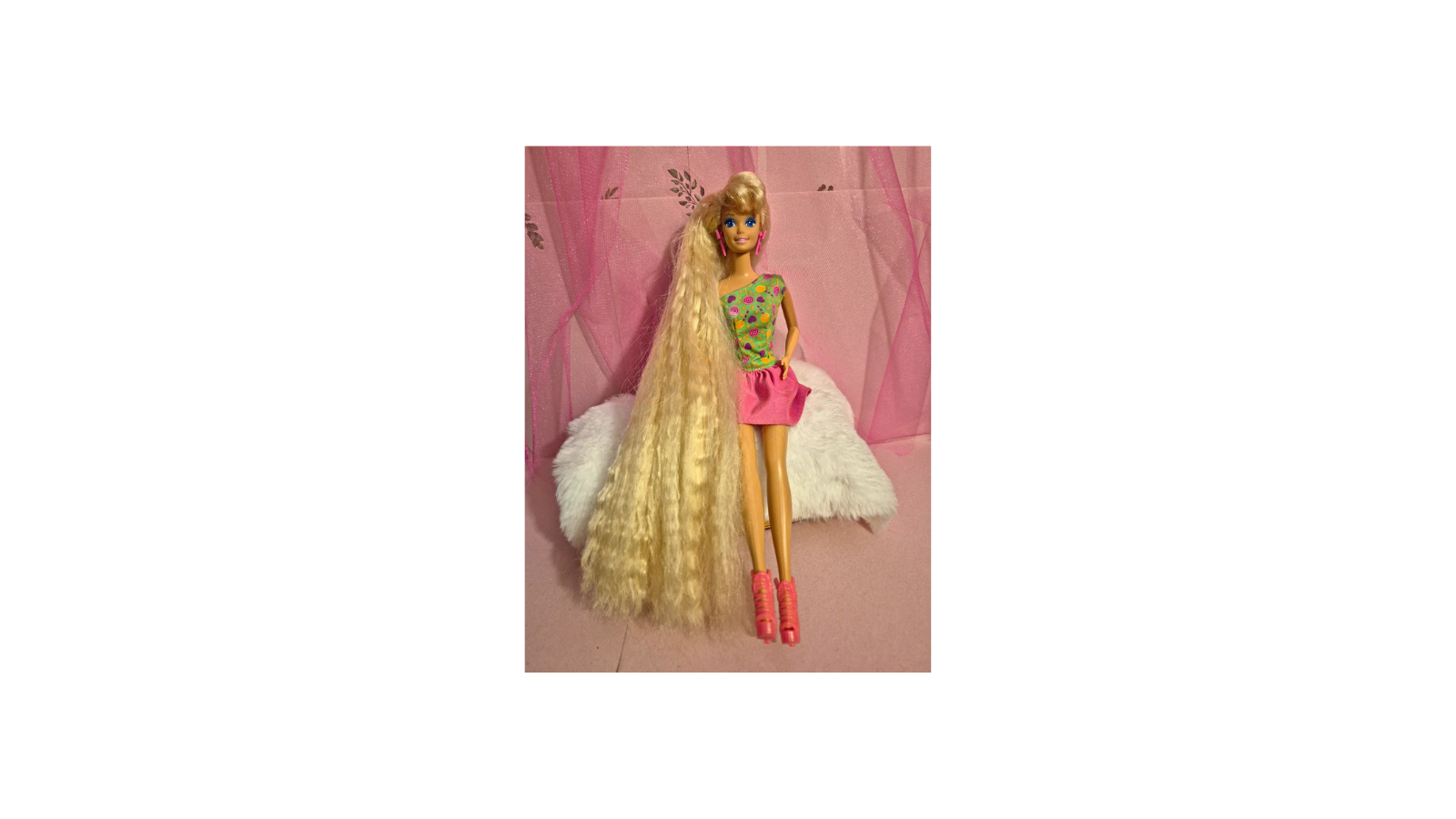
Totally Hair Barbie was a very 1990s idea: an already glamorous doll with hair so long it almost reached her ankles. A 1992 blonde doll redressed in different clothes sold for $35. Collectors prize the dramatic hair, distinctive face, and the original patterned outfit on examples that still have it.
The original release came with a colorful minidress and accessories designed for styling the exceptionally long hair. Decades of brushing, cutting, and improvised childhood haircuts mean survivors can look very different. A doll still wearing her original outfit, with the hair at full length, has a very different appearance from one who’s been dressed in whatever happened to fit.
The doll’s facial screening, hair length, and Mattel markings are useful identifying points. Reproductions and tribute releases also exist, so packaging and period-specific details help distinguish the childhood original from a later recreation.
Sky Dancers poseable figures
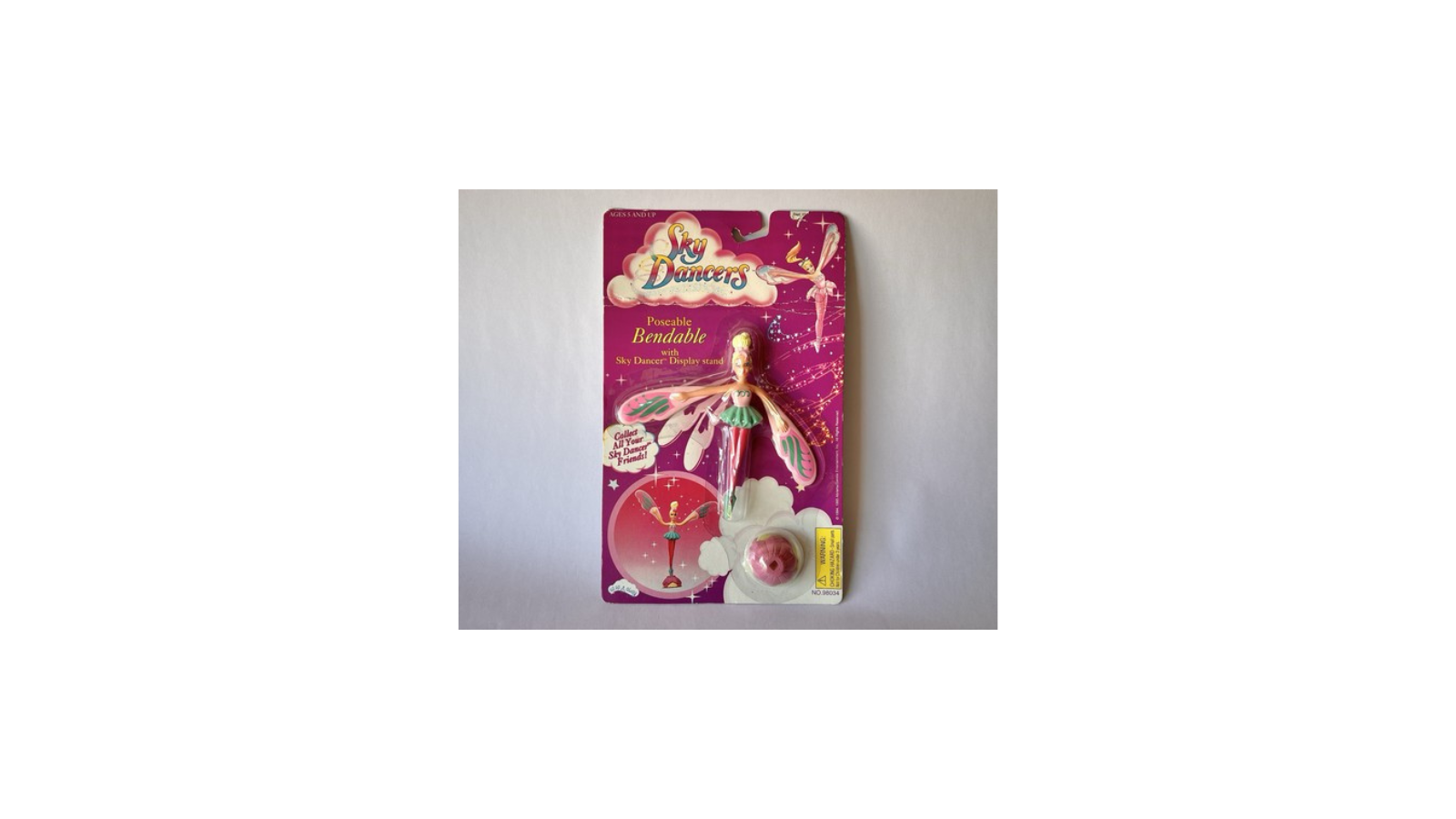
Sky Dancers were remembered for figures that flew off spinning launchers, but the brand also had poseable display dolls. A sealed 1994 to 1995 poseable Sky Dancers figure with its display stand sold for $29.99. Its original packaging makes the particular variation easier to identify.
The flying toys paired lightweight fairy-like figures with launchers that sent them spinning into the air. Hair, fabric wings, and delicate plastic details made them unusually easy to damage, especially when an enthusiastic launch ended in a wall or a tree. The poseable version offers another way to collect the designs without the launcher.
Pay attention to whether the toy is a flying figure, a launcher set, or a stationary poseable doll. Those are different products. A seller’s title saying only ‘Sky Dancers’ doesn’t tell a collector what is included, and the wings and stand can be essential parts of the display.
1993 Kenner Littlest Pet Shop Busy Hamsters
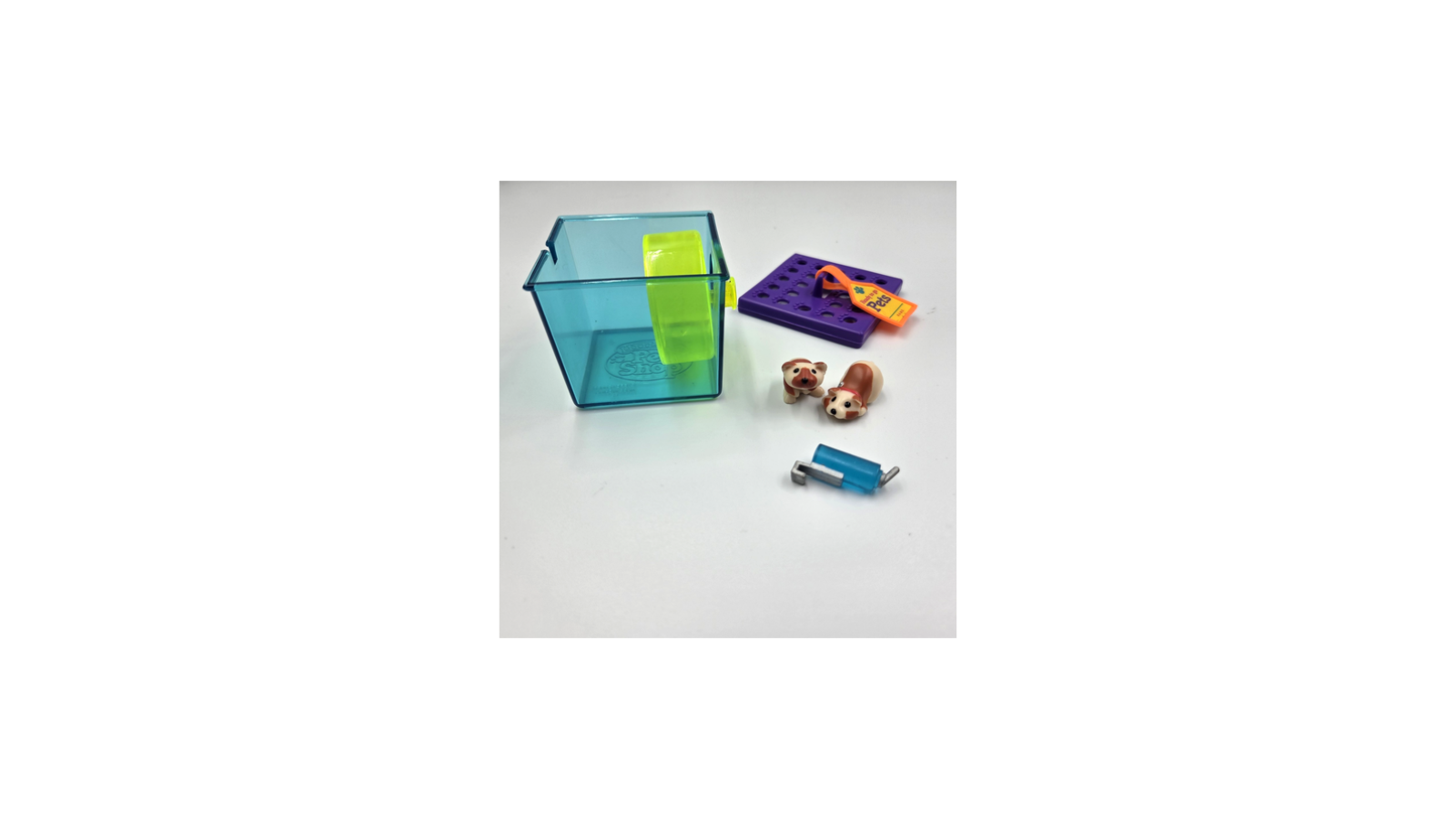
Before the big-headed Littlest Pet Shop animals of the 2000s, Kenner made tiny pets with more natural-looking features and small mechanical tricks. A 1993 Busy Hamsters Ready to Go Pets set sold for $24.99.
These early hamsters belonged to a line filled with miniature shops, carriers, cages, grooming pieces, and other small accessories. Some pets could move or interact with their little environments. As with Polly Pocket, the tiniest parts are the ones that disappear, especially the miniature food, wheels, and accessories that could vanish between sofa cushions.
Look for the Kenner-era packaging or copyright markings, and identify the particular Ready to Go Pets release. The 1990s Kenner animals have different styling from later Hasbro-era pets. A Kenner pet with its correct cage and little accessories can be matched to the pictures on the period packaging.
LEGO Paradisa Cabana Beach

LEGO’s Paradisa sets brought pastel pinks, palm trees, horses, and beachside buildings into the Town range. The 1994 Cabana Beach set, number 6410, is instantly recognizable by its vacation setting. A used set with instructions, described as complete apart from stickers, sold for $84.95.
Classic LEGO collectors tend to think in set numbers, and 6410 tells you exactly which beach scene they’re looking for. The original minifigures, decorated pieces, and instructions help separate a proper vintage build from a pile of mixed bricks. Paradisa’s unusual colors and leisure-resort theme gave it a very different personality from police stations and fire trucks.
If you find a partly built version, search the original parts list before deciding how much is missing. Small accessories and printed details can make or break the scene. Rebuilding it can also reveal sun-faded bricks, worn hinges, or pieces borrowed from other sets.
Galoob Star Wars Micro Machines
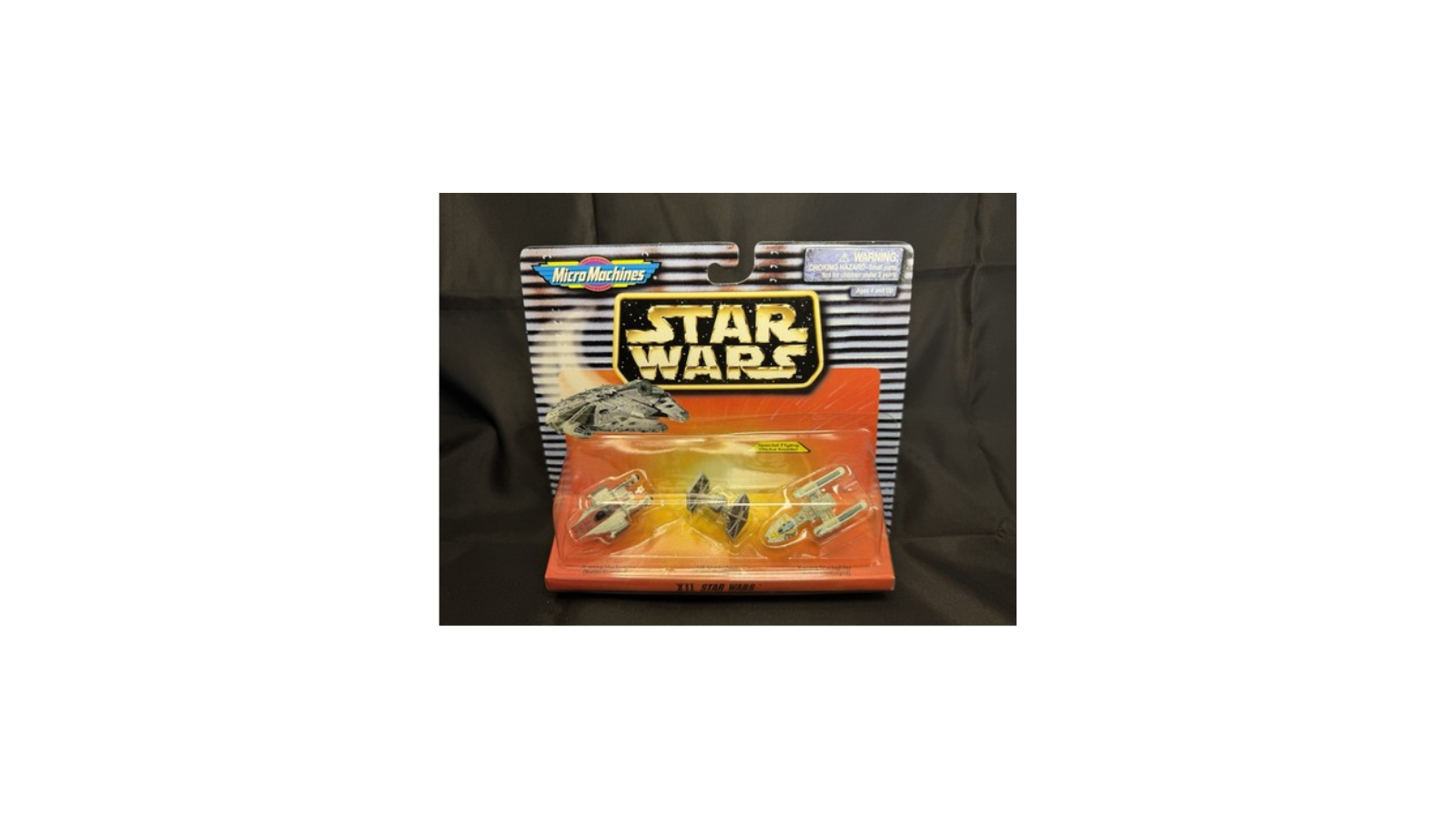
Galoob made Star Wars feel small enough to fit in a pocket with miniature characters, spacecraft, and transforming playsets. An unopened 1996 Planet Tatooine and Jabba’s Palace set sold for $21.49. The original Star Wars packaging and tiny molded environment are part of the appeal.
The 1990s range included locations and vehicles from the original trilogy, with some playsets folding into character heads or other display shapes. A few inches of plastic could hold a scene that children knew from the films. Collectors who assemble the original scenes need the tiny figures, ships, and background parts made for each particular set.
The title on the box matters, because Galoob released many related playsets. Loose miniature figures are easy to mix between sets. For a collector trying to restore a particular environment, the correct little characters and accessories are as useful as the larger transforming shell.
Street Sharks Ripster hand puppet
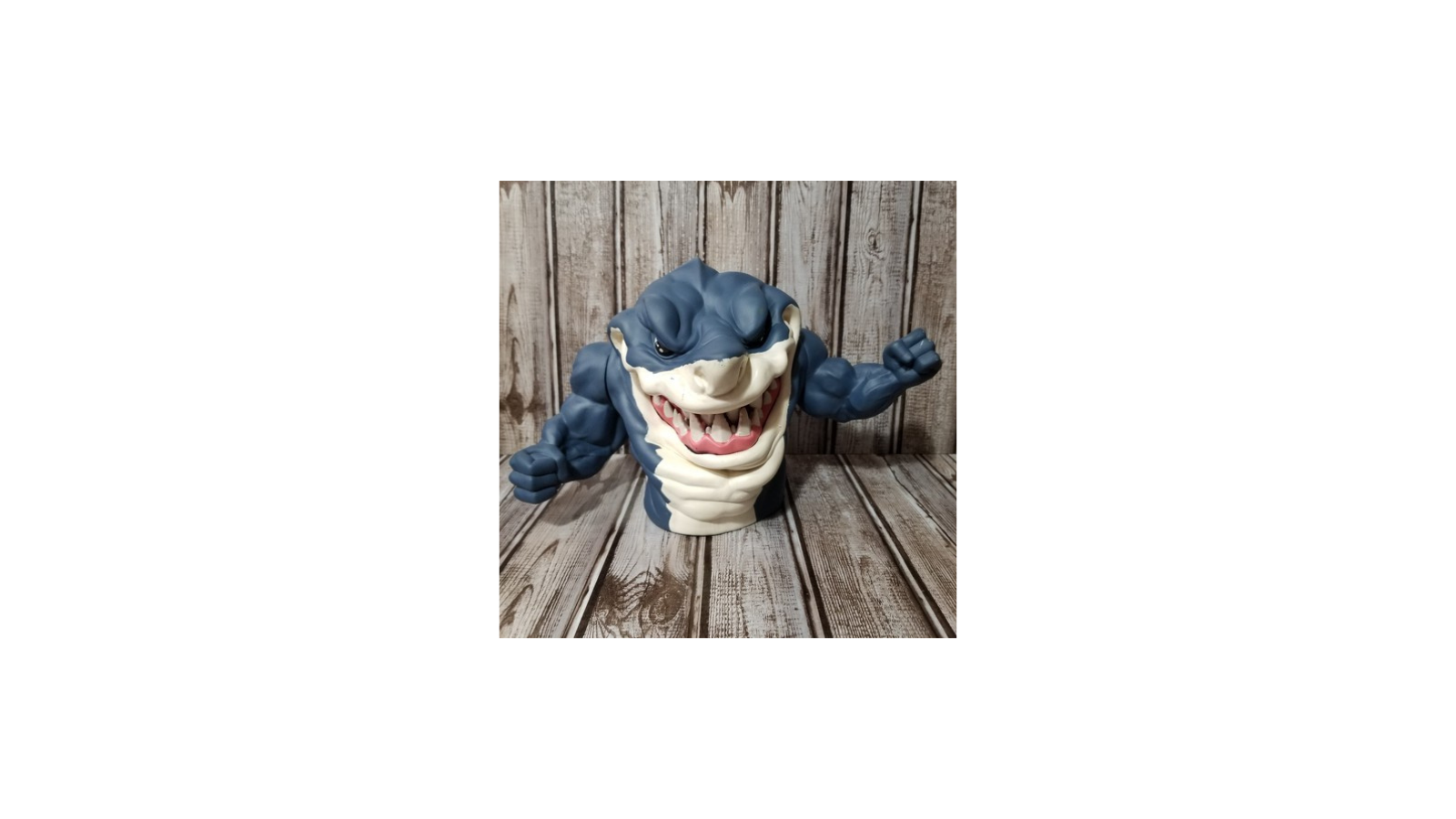
Street Sharks mixed the muscle-bound action-figure craze with a cast of crime-fighting sharks. A 1994 Ripster hand puppet from Street Wise Designs sold for $249.99. Unlike the more familiar articulated Mattel figures, this oversized puppet has a different shape and display appeal.
Ripster is the leader of the shark brothers, with a large toothy head and the over-the-top styling that defined the cartoon and its toy line. The hand-puppet version was meant to be animated from inside rather than posed at the elbow and knee. That’s why a photo that shows only the face can make it difficult to tell which type of toy is being offered.
Look for the maker’s markings and the opening for the hand, along with damage around the flexible material. Surface scuffs and missing paint can affect the face dramatically. The puppet’s interior hand opening and flexible head construction distinguish it from the articulated Mattel toys.
Playmates TMNT Scratch the Cat
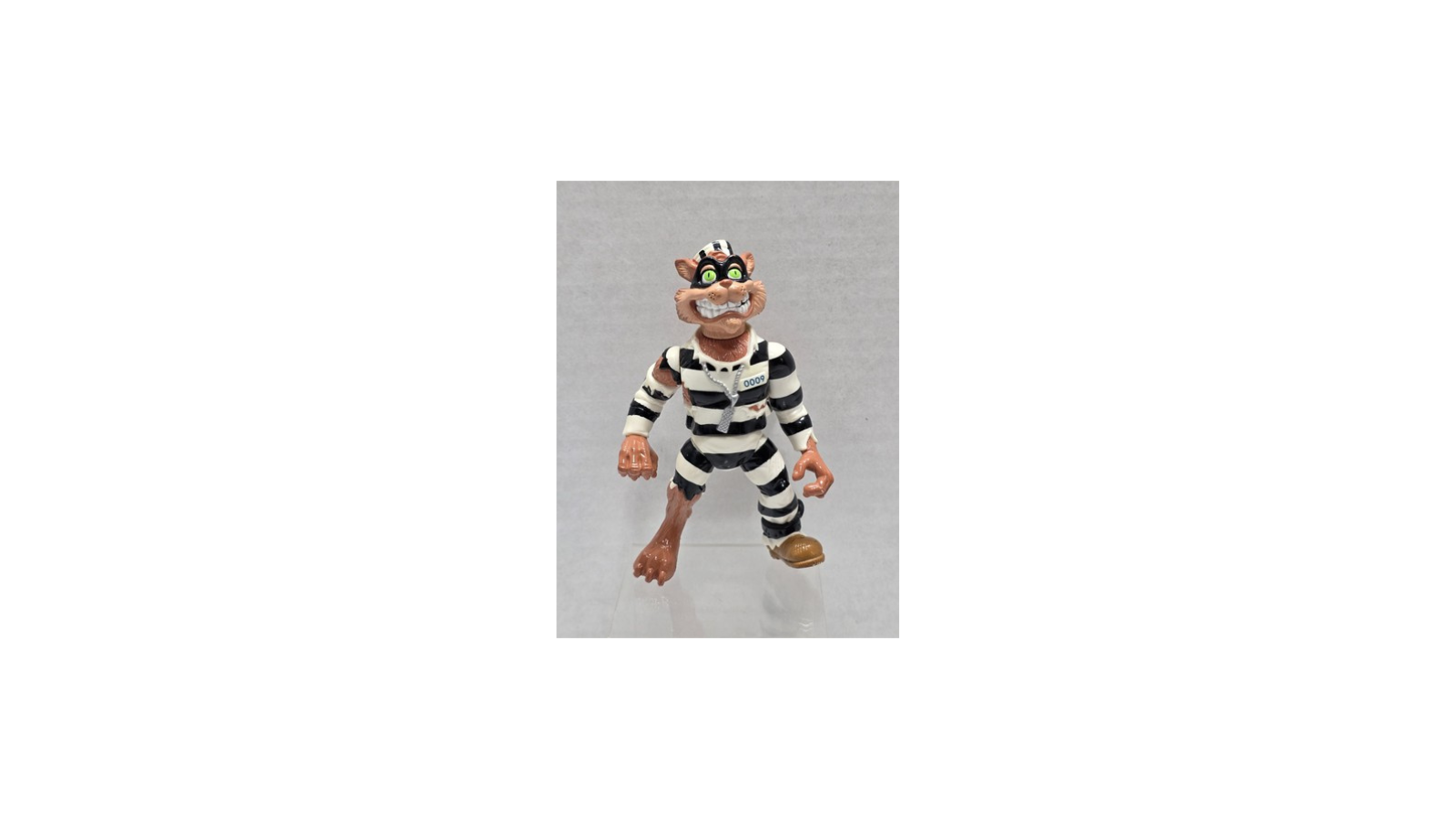
Scratch is one of the oddest late additions to the original Teenage Mutant Ninja Turtles toy range: a striped convict cat wearing prison gear. A loose 1993 example sold for $825 on November 4, 2026. Collectors also look for his little accessories, which are often missing when the figure turns up alone.
He was made by Playmates at a time when the Ninja Turtles line had moved far beyond four turtles, a rat, and a few villains. Scratch has a distinctive striped outfit and cat face, with a design that belongs to the line’s increasingly bizarre early-1990s characters. Many children never encountered him in stores, which has made him a recognizable target for dedicated character completists.
Check the sculpt, colors, maker markings, and accessories carefully. A loose Scratch should be identified by the figure itself, not by an unrelated pile of toy weapons. His high-value collectible status has also encouraged reproductions and misidentified listings.
Pleasant Company Felicity American Girl doll
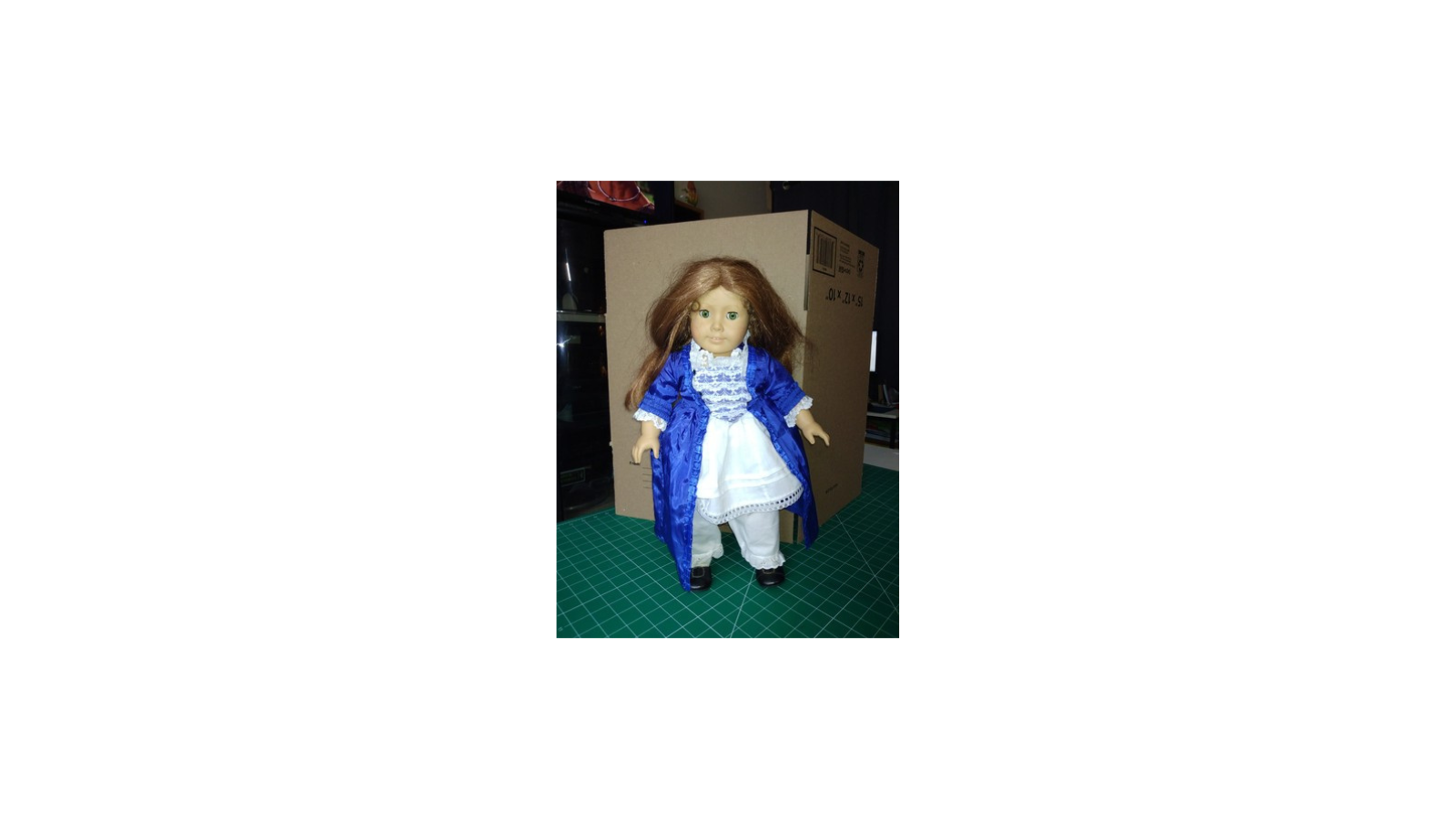
The American Girl character Felicity Merriman joined the Pleasant Company historical doll line in 1991. An 18-inch early Felicity with curled hair and a Christmas dress sold for $89.99. Her reddish-brown hair and Colonial-era wardrobe make her one of the most recognizable dolls from the first generation of the series.
Felicity came with a detailed story set in colonial Virginia, and the accompanying clothing and accessories encouraged children to build an entire world around her. Older Pleasant Company editions can be identified by neck markings, materials, and the way the face and hair were made. The original green meet dress is particularly familiar, though collectors also collect her seasonal outfits separately.
When you find an old doll, look carefully at the neck stamp, hair condition, limb tightness, and whether the clothing belongs to that particular era. Original outfit pieces are often separated from dolls over time, leaving the dress in one box and the shoes in another.
CAP Toys Vac-Man
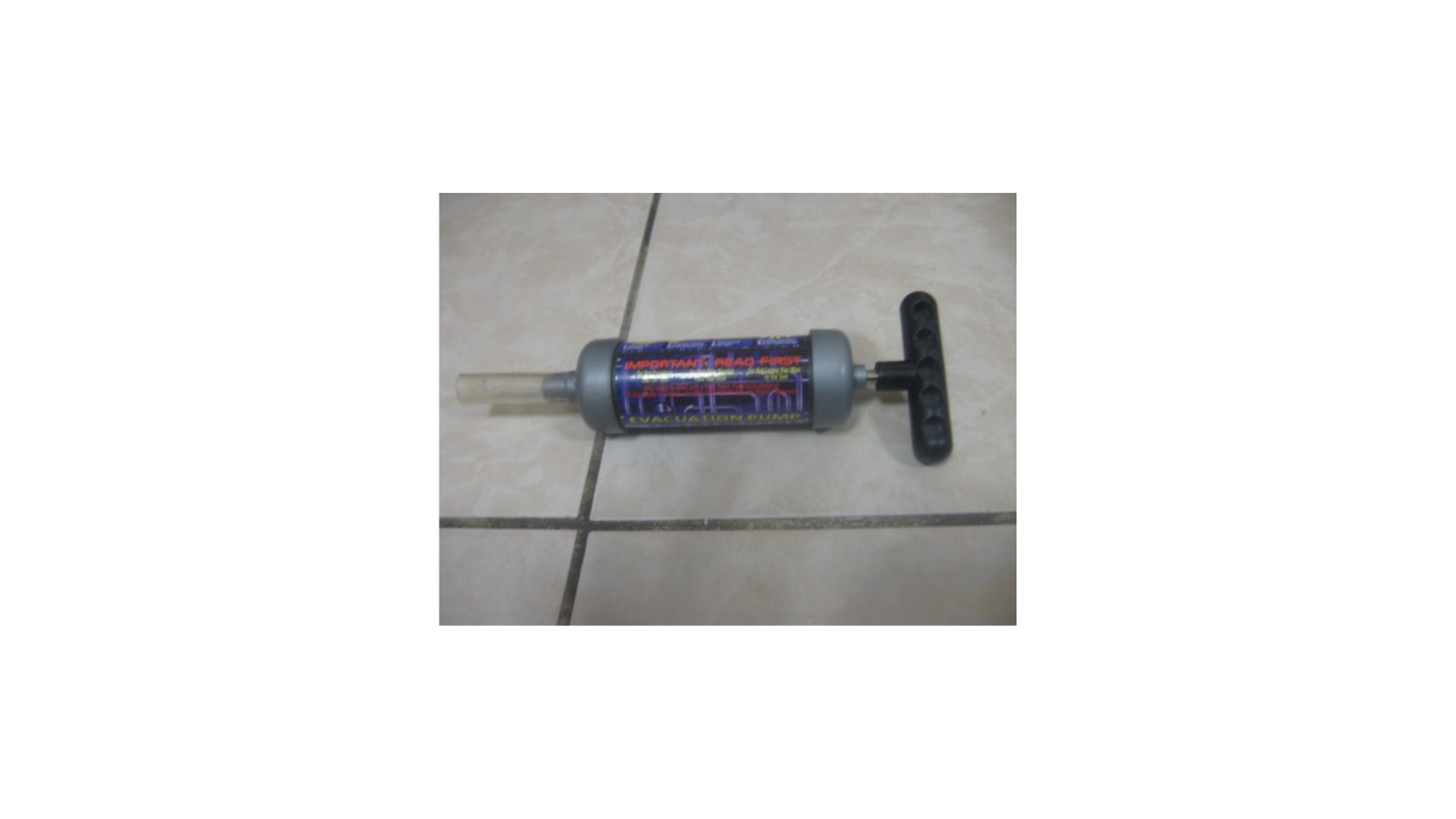
Vac-Man was the 1994 stretch-and-squeeze rival to Stretch Armstrong, with an exaggerated muscular body and a vacuum-based gimmick. A red CAP Toys Vac-Man figure missing its pump sold for $29.95. The red body, silver mechanical-looking details, and fierce face distinguish him from the more familiar blond Stretch.
The idea was simple but memorable: a vacuum pump removed air from the soft figure so it could hold an unusual pose. Children could bend it into odd shapes, then let it return to its original form. The pump is easily misplaced, and many old toys no longer hold pressure as the material ages.
Look for the CAP Toys markings and the 1994 date on the body. Examine the skin for splits, stickiness, or leaks before attempting to operate it. An original vacuum pump allows a surviving Vac-Man to be tested for the unusual pose-holding feature described on the packaging.











