
The receiver has been in your parents’ basement since the 1990s, wedged between a box of Christmas lights and a treadmill nobody uses. It weighs about as much as a toddler, the dial glass has a crack in one corner, and it hasn’t been turned on in years. Before it goes to the curb, read the name on the front.
Audiophiles never moved on from the gear built in the 1960s and 70s. Big receivers with heavy transformers, glowing tube amps, and speakers with giant woofers have a sound many buyers still prefer to anything on the shelf today, and prices have climbed as the good ones disappear into donation bins and dumpsters.
Condition decides almost everything. A unit that powers up, plays both channels, and has quiet controls is worth several times what the same model brings when it hums or sits dead. Don’t crank anything up the first time you plug it in, either. Capacitors that are 50 years old can fail, and a quick look from a repair shop costs far less than a ruined amp.
1. Pioneer SX-780 receiver
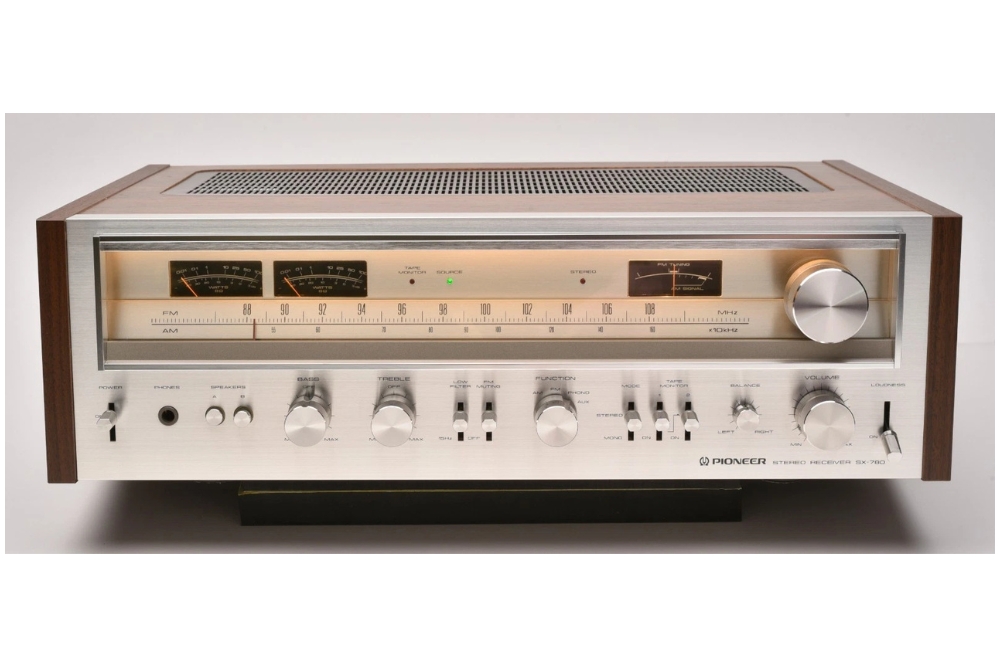
Pioneer’s SX-780 came out in the late 1970s and cost about $220 new. It makes 45 watts per channel, wears a silver face with two black meters, and sold in huge numbers, which is why one still turns up in a basement or at an estate sale every so often. A clean, working SX-780 now typically brings $500 to $700, and one with fresh capacitors and new dial lamps lands at the top of that range.
Check the controls first. Scratchy volume and tone knobs are the most common complaint, and a cleaning often fixes them, but a dead channel or a sound that cuts in and out means a repair bill. Look at the dial glass for cracks and make sure the walnut case is there, since a bare unit sells for less. A cloudy dial and burned-out lamps are easy to fix, so they shouldn’t scare you off a receiver that otherwise plays well.
2. Klipsch Heresy speakers
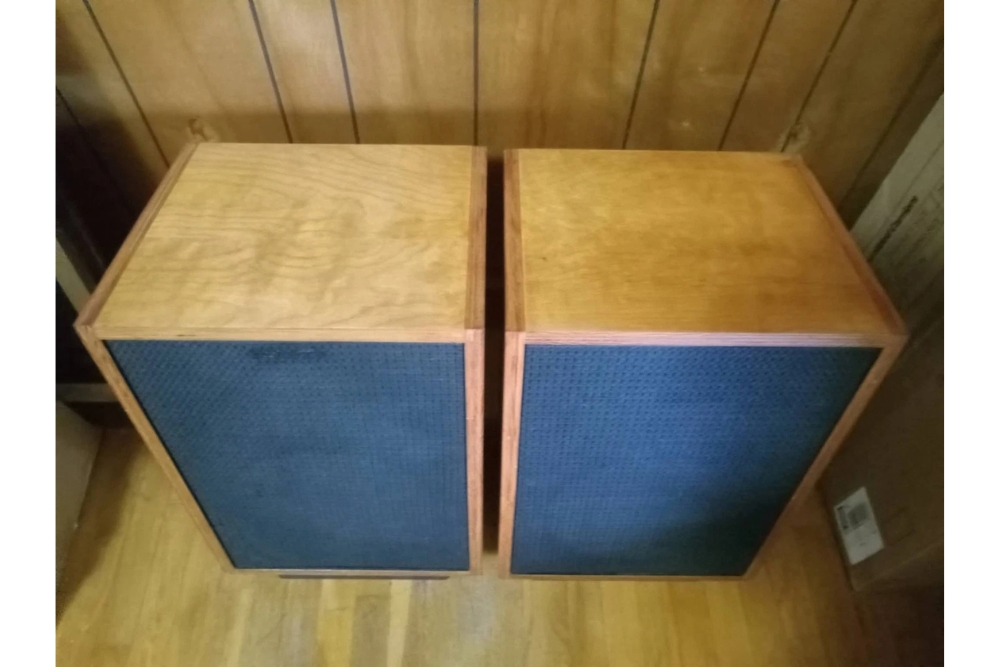
Paul Klipsch designed the Heresy as a compact center speaker to sit between his giant Klipschorn cabinets, and it has been in production since 1957. That long run means plenty of old pairs are sitting in garages and spare rooms. Original Heresy, Heresy II, and Heresy III pairs in working shape typically bring $600 to $1,200, while a new pair of Heresy IVs costs well over $3,000. The horn design is very efficient, so these play loud even on a small amplifier, which is why tube-amp owners go after them.
Condition sets the price. Check the woofer for torn or crumbling foam, test the tweeter, and look over the veneer for water stains and chipped corners. Missing grilles hurt less than you’d expect, but modified speaker wiring can pull a pair down to around $200. Don’t confuse the newer Heresy IV with an older pair. It looks similar at a glance but costs several times as much.
3. Technics SL-1200MK2 turntable
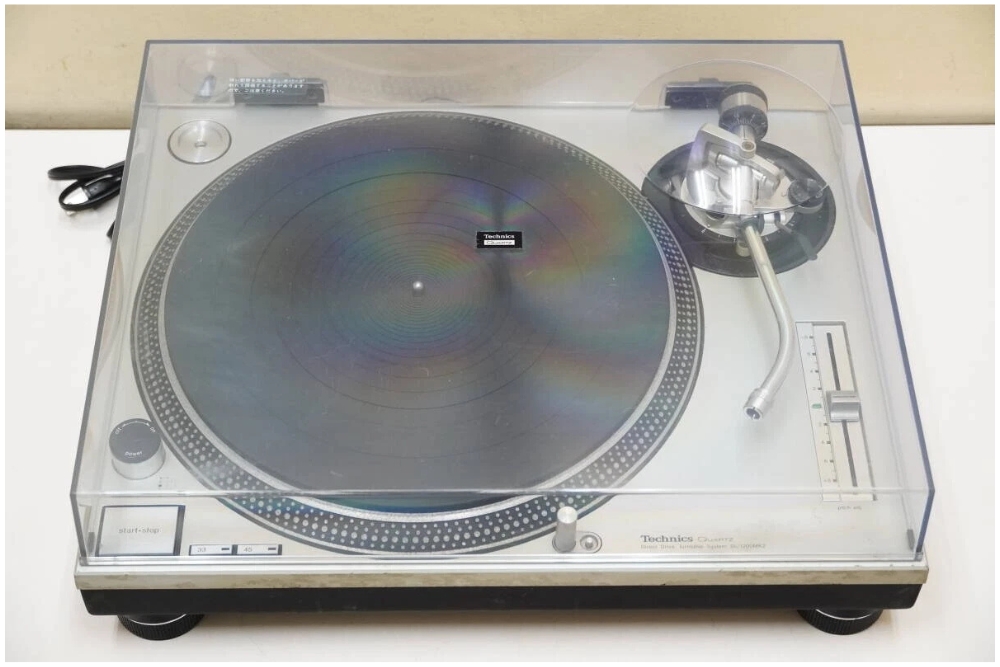
Technics introduced the SL-1200MK2 in 1979, and DJs bought so many that the direct-drive deck became the standard turntable of the club scene. Plenty are still around after bedroom DJs gave up the hobby. A working silver MK2 with a smooth pitch slider typically brings $550 to $900, and one with a clean dust cover and a decent cartridge sits near the top. A brand-new SL-1200MK7 runs about $1,000, so a used MK2 only makes sense when the price is well below that.
Many of these lived in clubs and bedrooms, so look for beer stains, a platter with dents, crumbling rubber feet, and a pitch slider that skips or sticks. Deep scratches in the slider track are common and bring the price down. The black SL-1210 is nearly the same deck in a different finish and brings similar money, so don’t pass one up. Make sure the dust cover and its hinges are present, since missing small parts add up. Test the start button and the speed selector too, because worn switches are a common fault.
4. Marantz 2230 receiver
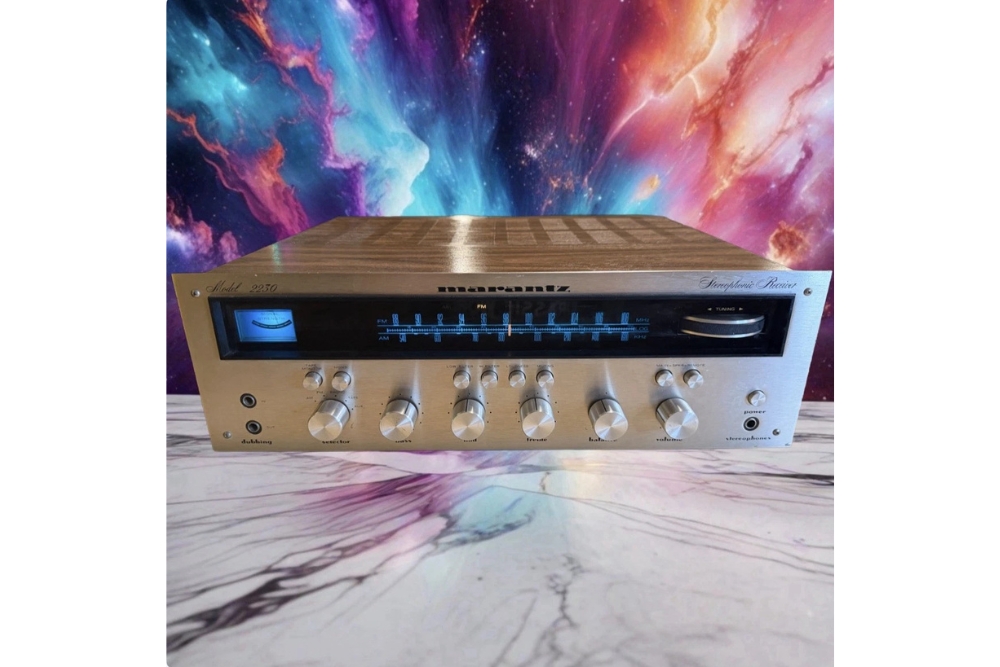
Marantz built the 2230 from 1972 to 1975, and it’s the smaller cousin of the better-known 2270, with 30 watts per channel behind a silver face and a blue-lit dial. A working unit typically brings $650 to $900, and a serviced one in a wood case brings more. Step up to the 2330B and prices regularly clear $1,000, so read the faceplate carefully before you decide what you have.
Marantz sold the wood cabinets separately, which means many units show up bare, and a matching case adds to the price. Dial lamps burn out, controls get scratchy, and a receiver that was never recapped is likely to need work soon, so ask about service history before paying top dollar. Look for cracks in the dial glass, a front panel without deep scratches, and speaker terminals that haven’t been bent or broken. Test the AM and FM sections, and turn the balance and tone knobs through their full range while you listen for crackling in either channel.
5. Shure V15 Type III phono cartridge
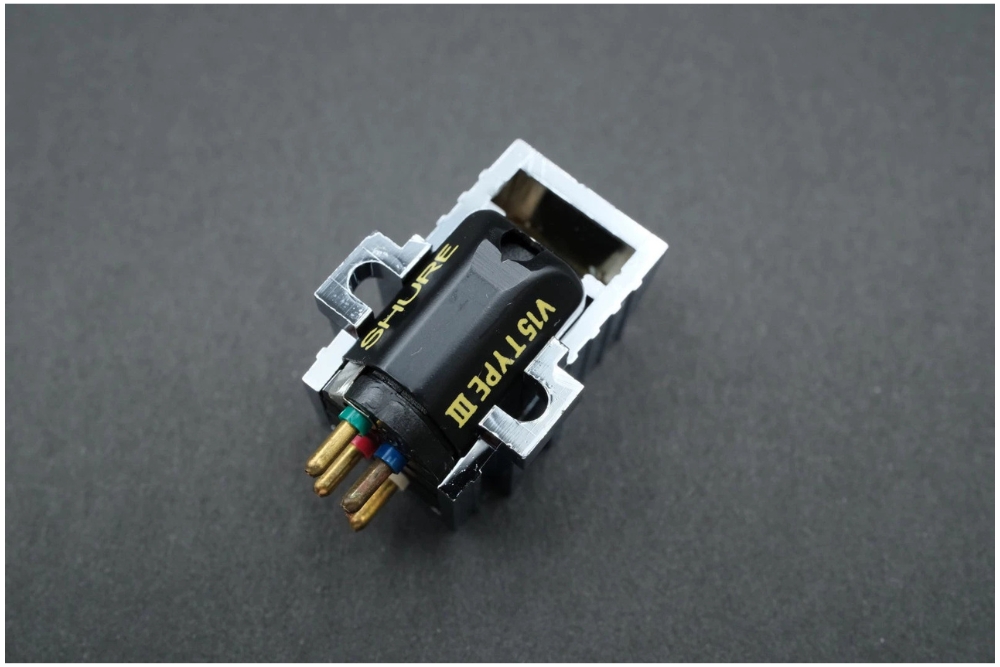
This one fits in a shirt pocket, which is how most of them get overlooked in a drawer or a headshell. Shure’s V15 Type III was a top cartridge when it launched, with a $72.50 price tag that was serious money in the 1970s. A Type III with its original stylus in good shape typically brings $150 to $350, and sealed new-old-stock examples go higher.
The stylus is the whole story. The diamond tip wears out, and a cartridge with a worn or missing stylus is worth about $35 because the body alone can’t play a record. Genuine Shure replacement styli have become scarce, and aftermarket versions have a poor reputation for lifeless sound and weaker tracking. Look at the tip under a bright light, check that the thin arm holding it isn’t bent, and be suspicious of any “new” V15 priced at a bargain. The small stabilizer brush on the front is easy to lose, and a cartridge that still has it usually had a careful owner.
6. Pioneer HPM-100 speakers
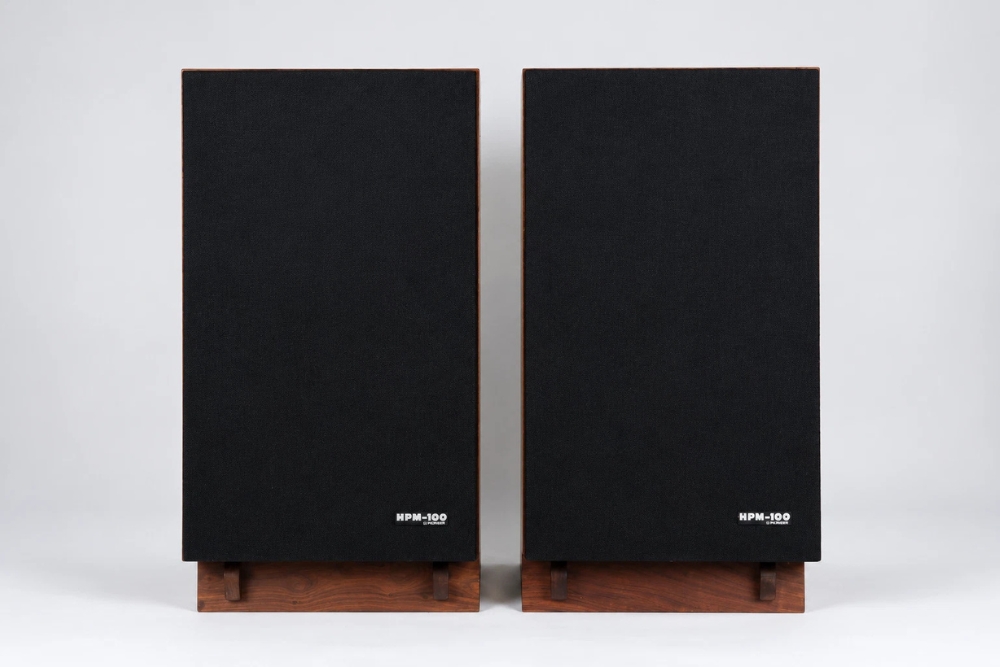
Pioneer built the HPM-100 to go head to head with the JBL L100, and it has the size to prove it: a 12-inch woofer, four drivers, and a cabinet that fights back when you try to lift it. Clean, working pairs typically bring $500 to $1,100, while beat-up pairs that still play go for a lot less.
There are two versions, a 100-watt and a 200-watt, so check the back label before you agree on a price. Test every driver, especially the small tweeter, because a dead tweeter is a common problem. Look at the woofer edges for crumbling foam and the cabinet corners for veneer chips. The weight makes them costly to ship, which tends to keep local pairs cheaper than what you see online. Ask whether the woofers have been re-foamed or replaced. A repair done well doesn’t hurt the price much, but a sloppy one does, and pairs with their original grille cloth tend to land at the top of the range.
7. Harman Kardon 730 Twin Powered receiver
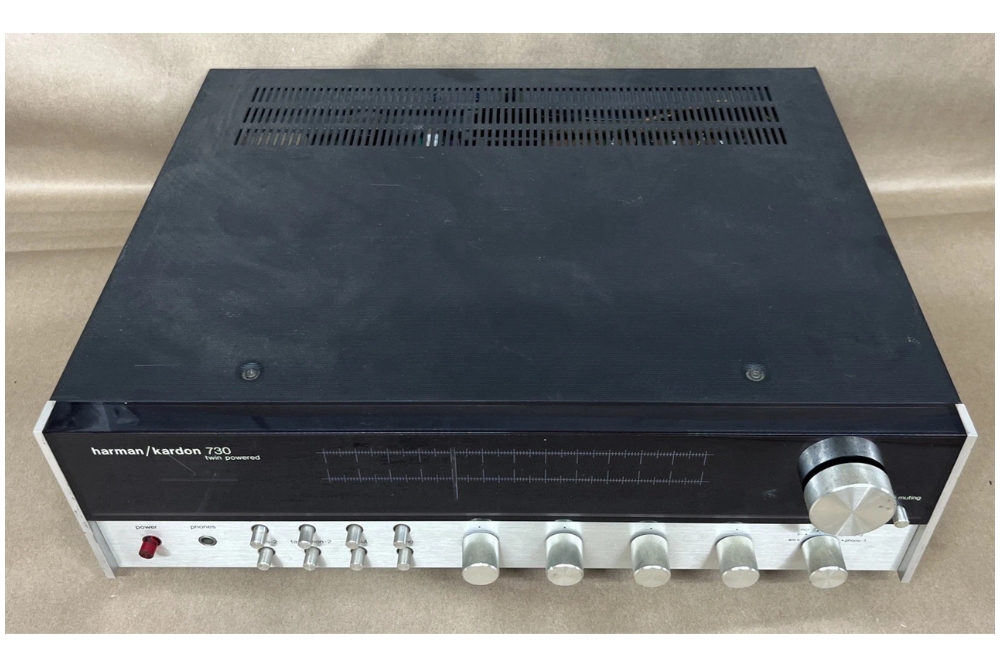
Harman Kardon built the 730 from 1975 to 1978 with a separate power supply for each channel, which is where the Twin Powered name comes from. It sits in the sweet spot of the line, with plenty of power, a strong FM tuner, and a solid amp section. Working units typically bring $800 to $1,300, and fully restored ones can go well beyond that.
Watch for a Montgomery Ward 450. It’s a rebadged 730 sold through the department store, and it can turn up at thrift prices because the name doesn’t ring any bells. Whatever the badge says, check the wood case, the dial lamps, and the volume knob for scratchiness. A 730 that has never been serviced is worth less than one with new capacitors, and a unit that has been through someone’s amateur repair is worth less than either. Play it for a while before you buy, since a receiver that sounds fine for five minutes can start to hum or drop a channel once it warms up.
8. Thorens TD-160 turntable
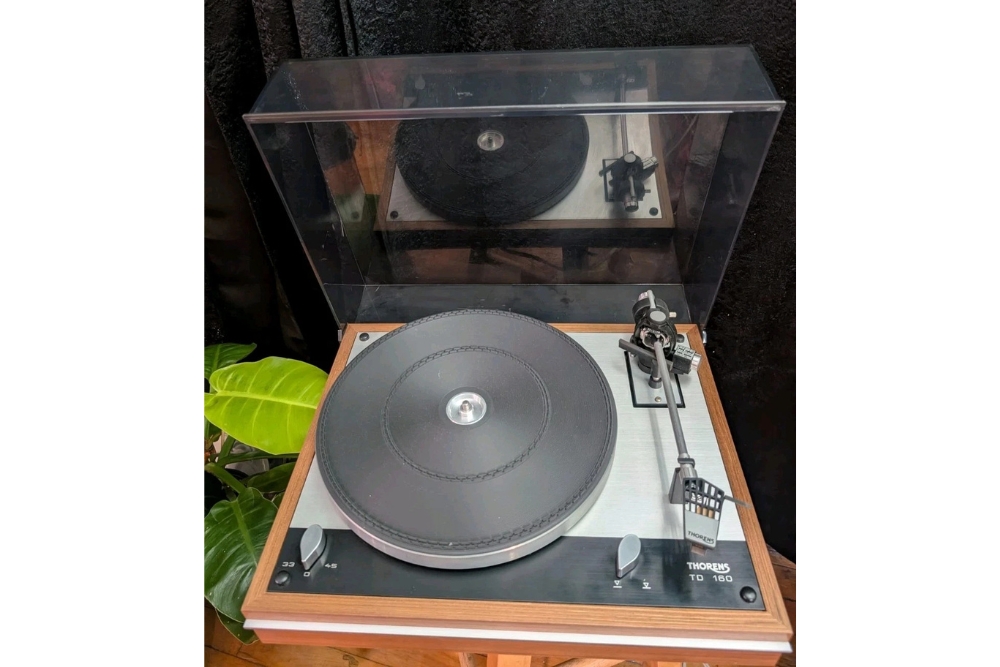
The TD-160 arrived in 1972 as the replacement for the TD-150, a belt-drive turntable that hangs the platter and tonearm on a floating sub-chassis so footsteps and speaker thump don’t reach the needle. It’s a favorite among vinyl fans who like to upgrade their gear, and used decks typically bring $450 to $750. A good cartridge and a clean dust cover push the price up.
Thorens made several versions, including the TD-160 Super, the TD-160 II, and the later Mk IV and Mk V, and values vary a little between them. Check that the suspension springs bounce evenly, the platter spins smoothly on its bearing, and the belt hasn’t gone soft. A missing hinged lid, counterweight, or headshell drops the price quickly, and a deck with a broken tonearm lift is worth noticeably less. The suspension is delicate and shipping damage is common, so buy locally if you can and ask the seller to show you the platter spinning. An original manual and a fresh belt put you ahead of most buyers.
9. Sansui AU-717 integrated amplifier
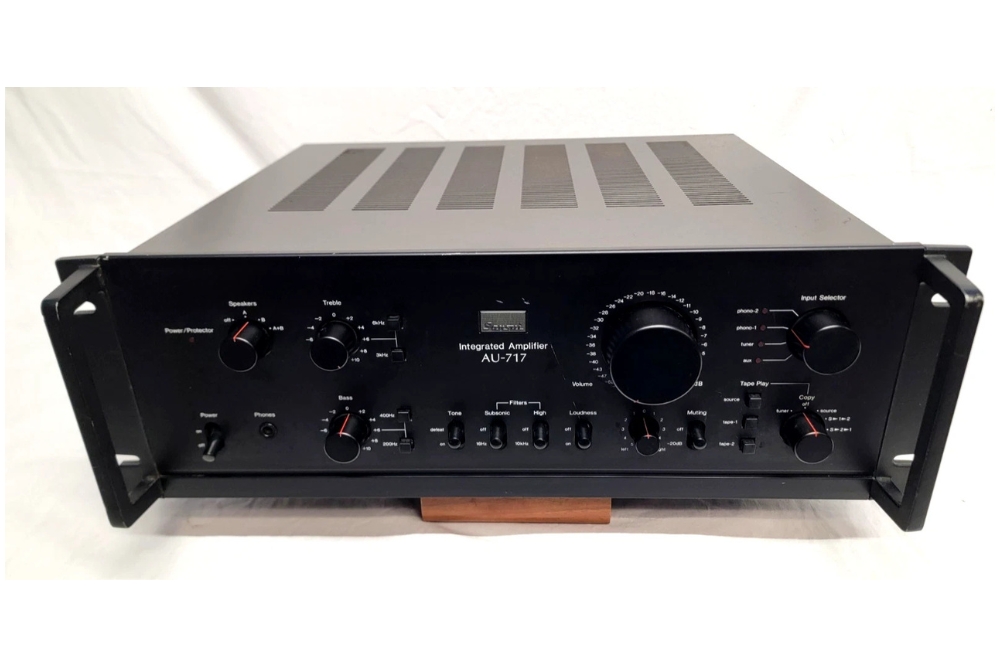
The AU-717 cost $599 in 1978, and it has kept a reputation as one of the best-built amps Sansui ever made. It puts out 85 watts per channel, weighs close to 40 pounds, and has pre-out and main-in jacks so you can split the amp from the preamp. Working examples typically bring $900 to $1,400.
Scratchy volume and tone controls are a common complaint and usually need a cleaning. The matching TU-717 tuner often travels with it, and people still find the pair at thrift stores. A unit with its original rack handles, rear bumpers, and wood case tops the range, while one with a dead protection relay or a channel that cuts out is a repair project and priced like one. Turn the volume down and listen for hum, then tap the case lightly while music plays. A channel that cuts out when you tap points to a bad connection inside. Check the faceplate for dents and for a brushed finish that someone has scrubbed away.
10. JBL L100 Century speakers
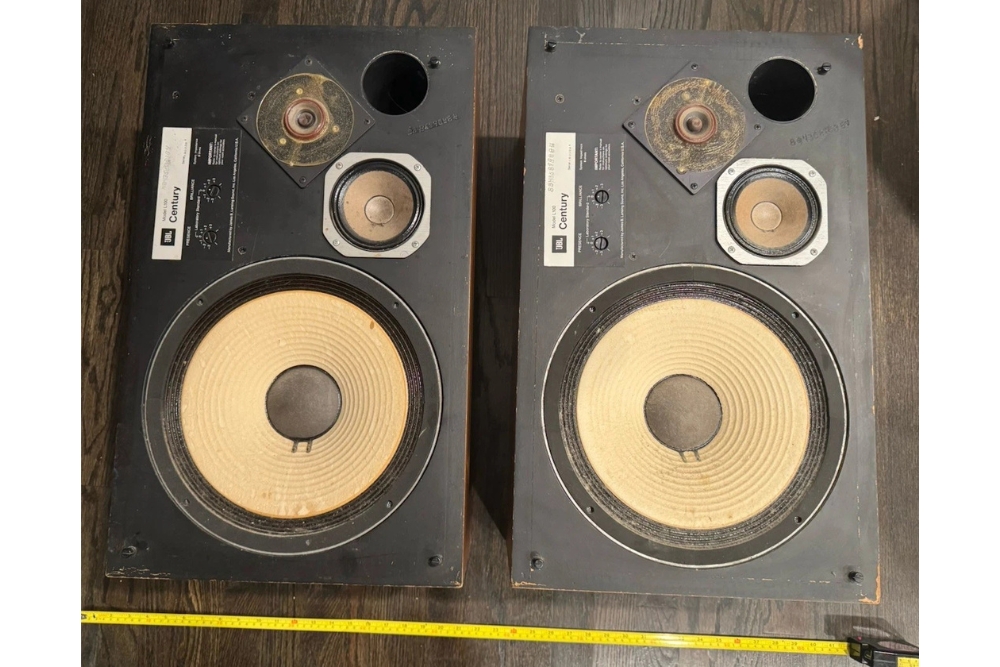
The chunky square foam grilles, usually in orange, blue, or black, make the JBL L100 Century easy to spot across a room. These were all over 1970s living rooms, and original pairs in good shape now typically bring $1,000 to $2,000. The modern L100 Classic is a reissue that looks very similar and costs about $5,000 new, so check the back label before you assume you’ve found a vintage pair.
The original foam grilles crumble with age, and replacement frames cost about $165 a pair, so pairs with their grilles intact carry a premium. Check the woofers for torn surrounds. Make sure both speakers show the same logo style, since JBL used black-and-white and orange-and-white versions over the years, and a mismatch can mean parts were swapped. Look for chips in the cabinet corners, and press gently on each woofer cone to make sure it moves without scraping. Walnut veneer that has been refinished badly or darkened by sun cuts into the price.
11. Yamaha CR-2020 receiver
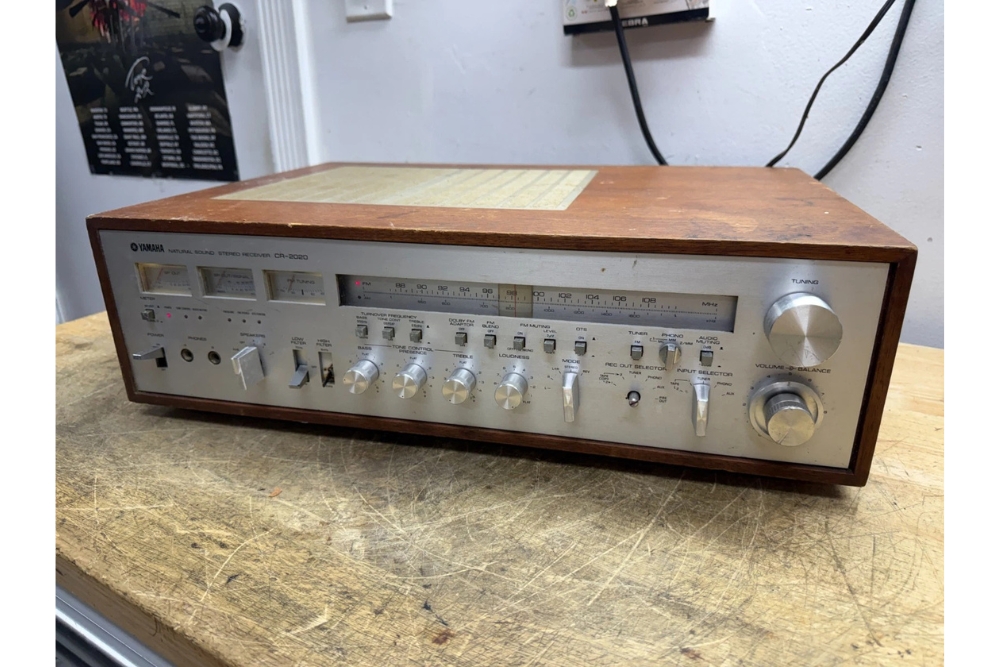
Yamaha introduced the CR-2020 in 1977, and it quickly became one of the company’s best sellers. It puts out 105 watts per channel, weighs more than 40 pounds, and has a moving-coil phono input that many receivers of its time skipped. It retailed for around $750, and working units now typically bring $900 to $1,300.
The known weak spot is the power switch, which tends to fail and can be hard to replace. Test it, along with the tuning meter lights and both speaker outputs. Some sellers price units that power on with no sound like working ones, so ask for a video of it playing before you pay. Check that the dial pointer travels smoothly across the whole FM band and that the tuning meters respond when you move between stations. A unit with several dead bulbs sells for less. A fully recapped example costs more up front but saves a repair bill later.
12. Dynaco ST-70 tube amplifier
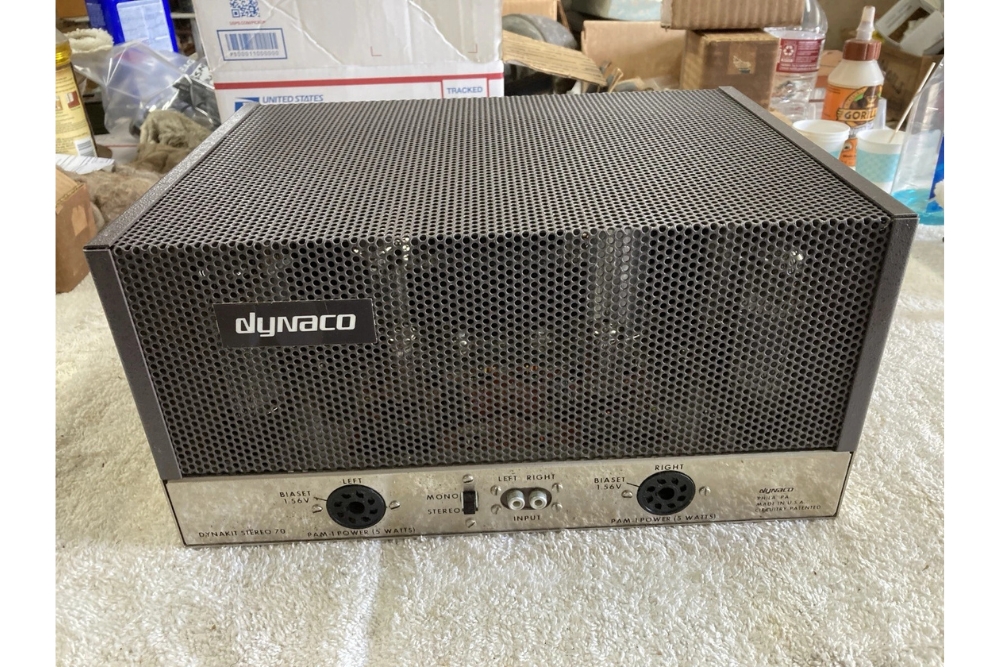
The Dynaco Stereo 70 was designed by David Hafler and sold as a kit, so plenty were assembled at kitchen tables by the people who bought them. It makes 35 watts per channel, glows nicely in a dark room, and has a huge following among tube fans. A working original typically brings $800 to $1,100, while the modern ST-70 Series 3 costs about $3,000 new.
Because owners built them, the soldering ranges from neat to terrible, so look underneath if the seller allows it. Original or Mullard tubes can be worth nearly the purchase price on their own, while a unit full of cheap replacements is worth less. Many were also modified, and a heavily changed ST-70 usually sells for less than a clean original to buyers who want it stock. Look for bulging capacitors, rust on the chassis, and cracked tube sockets. Tube amps need a few minutes to warm up, so give it time before you judge the sound, and never run one without speakers connected.
13. Marantz 1060 integrated amplifier
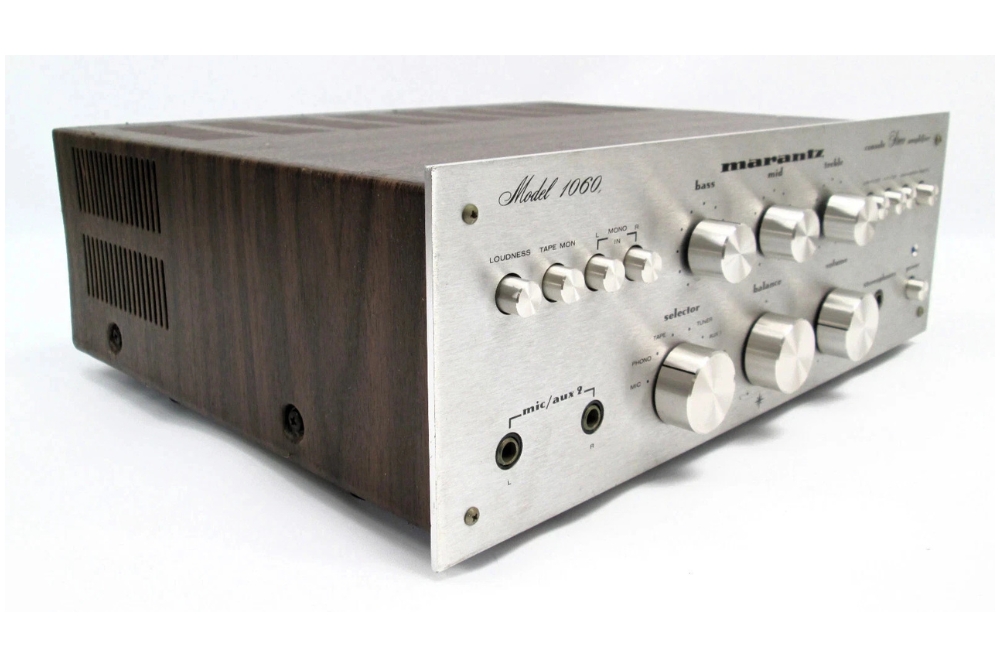
The 1060 puts out 30 watts per channel, which doesn’t sound like much until you hear how warm and punchy it plays through efficient speakers. Marantz built it in the early 1970s, and the silver front with its big knobs is one of the most recognizable looks in vintage audio. Working units typically bring $450 to $750, with wood-cased and serviced examples near the top. Read the badge carefully, because the 1060 sits below the 1070 and 1090 in the line, and those two bring more.
Because it’s an integrated amp built from separate preamp and power sections, check that the pre-to-main jumpers are in place, since a unit without them stays silent. Listen for a loud pop at turn-on, scratchy tone controls, and a hum that doesn’t fade. A complete rebuild kit for the 1060 runs about $100, so a unit that needs one is still a fair buy at the right price.
14. Fisher 500-C tube receiver
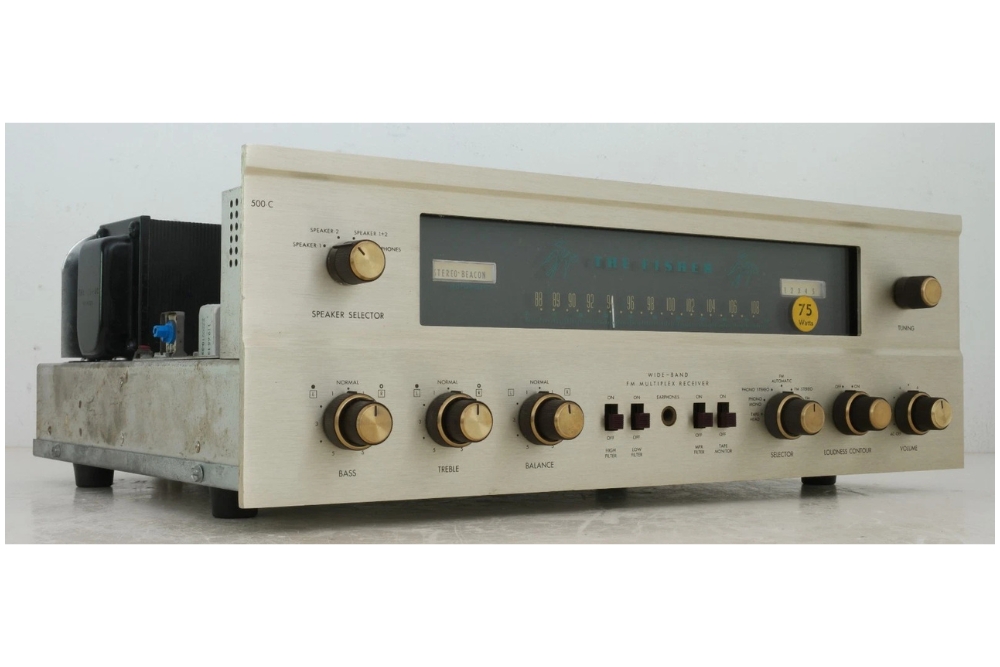
Avery Fisher’s 500-C was the tube receiver to own in 1964, and it cost less than $400 new. More than 100,000 were built, so they’re still out there, and working examples typically bring $500 to $900. A clean, tested one with original tubes sits at the top of that range.
It’s an FM-only receiver with 21 tubes, which gives you plenty to check. The output tubes are a discontinued type, and Telefunken preamp tubes add real value. The glass dial, the knobs, and the wood cabinet matter too. Even a unit sold for repair can still clear $500, because enthusiasts know how to fix them, but one that has been hacked apart or has rust on the chassis is a pass. Don’t plug in a 60-year-old tube receiver and leave it running. Old paper capacitors can fail and take other parts with them, so have someone who knows tubes look it over first.
15. Phase Linear 400 power amplifier
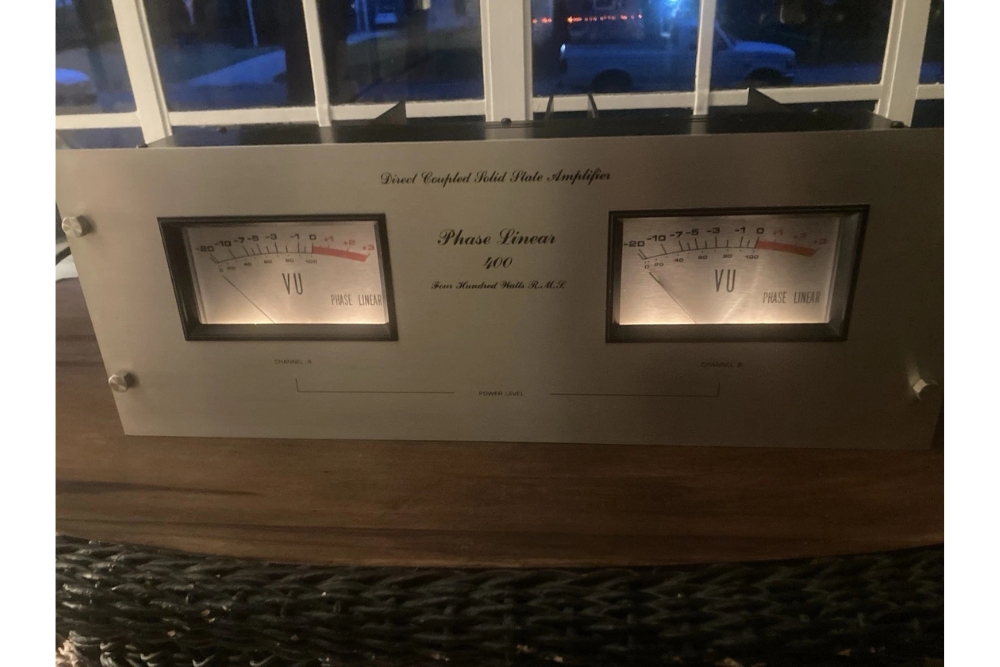
Bob Carver’s Phase Linear 400 was the amp that made raw power a bragging point in the 1970s. It puts out 200 watts per channel into 8 ohms, has two big VU meters across a brushed aluminum front, and weighs enough to bend a shelf. Working examples typically bring $500 to $850, and a Series Two built after Pioneer bought the company tends to land at the high end.
These amps run hot, so ask for proof that it plays at volume, not just that it powers on. A unit that blows fuses points to deeper problems and sells for far less. Check that both meters move and that the needles aren’t stuck, and look for dents in the heat sinks. Check the label on the back to see whether you have an original or a Series Two, since the two are priced differently. There’s no preamp inside, so you need a separate preamp or a receiver with pre-out jacks to use one.
16. Revox A77 reel-to-reel deck
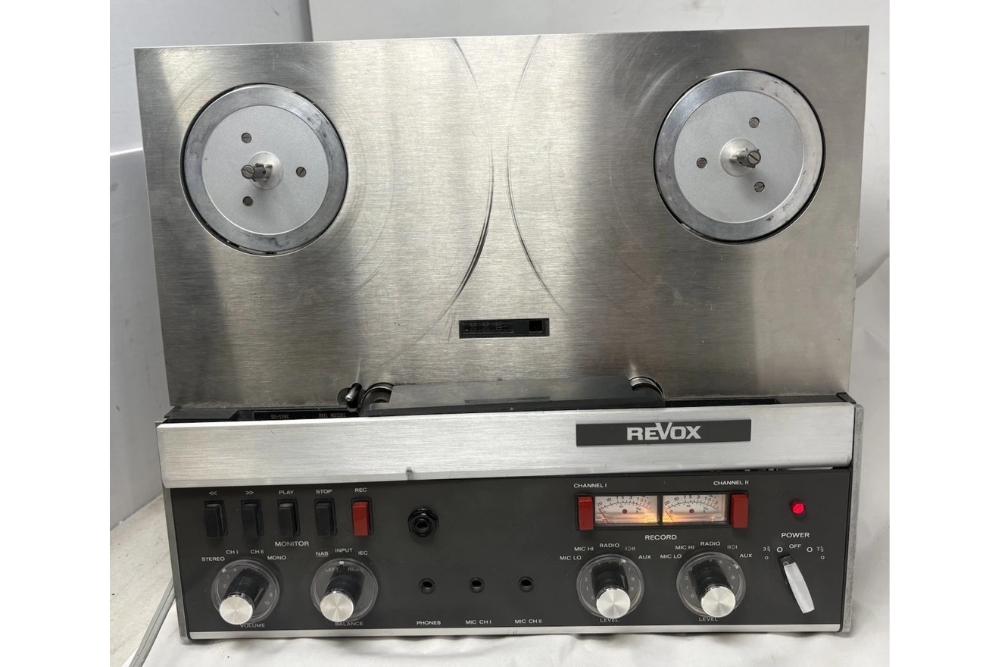
The Revox A77 is a Swiss reel-to-reel tape deck built from 1967 to 1977, and it sold for $799 new. Recording studios and radio stations used them, and plenty of home audiophiles hauled one into the living room. Working machines typically bring $300 to $700, and Dolby and high-speed versions bring more.
The A77 is tougher than most tape decks, but plenty have been stored badly. Check the heads for deep grooves, the rubber pinch roller for hardness, and the three motors for a smooth start. Original hub adapters and dust covers are hard to find and add value. Two-track and four-track versions exist, and so do machines built for different tape speeds, so check which one you have and whether it matches the tapes you own. Tape is a hidden cost, too. A deck with no tapes and no supply of blank reels is only half a purchase, and used ten-inch reels aren’t free.
17. McIntosh MR 78 tuner
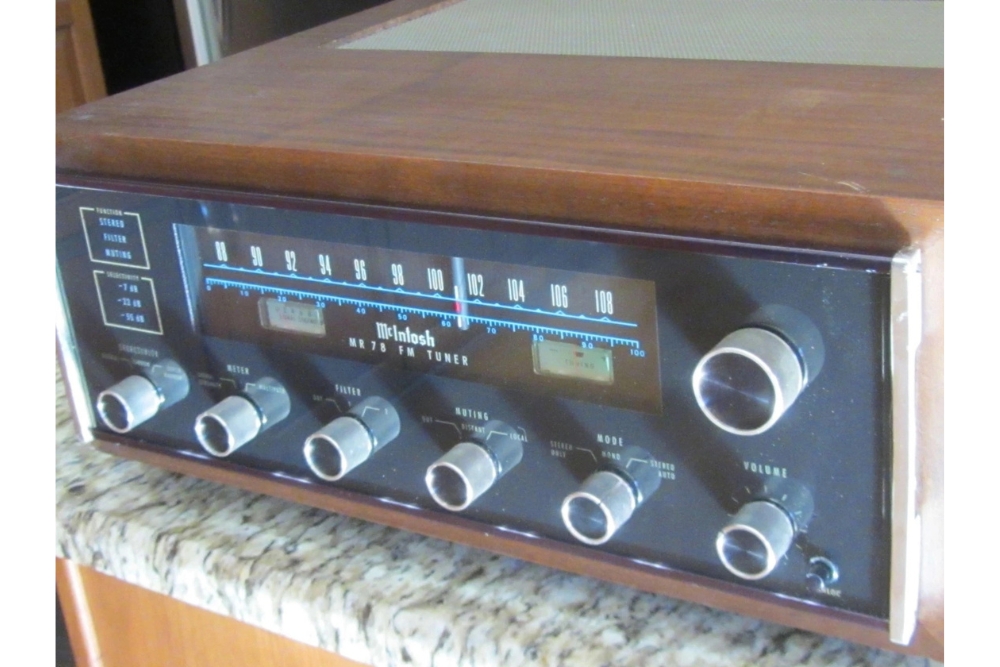
McIntosh priced the MR 78 at $1,699 in 1972, about ten times what an average tuner cost, because it could pull in a weak FM station sitting next to a strong one. Richard Modafferi designed its filter, and the MR in the name is his initials reversed. A decent one now generally brings more than $1,000, and clean serviced examples run toward $2,000.
The glass front is the fragile part. Scratches, chips, and dim dial lights are common, though the factory still makes replacement glass. A good tuner should pull in stations cleanly on a simple wire antenna and hold a steady signal meter. The dial and tuning knob should move smoothly without slipping. Ask whether it has been aligned and serviced, because a tuner that hasn’t been touched in decades rarely performs at its best. The optional walnut cabinet adds value, and a tuner without its knobs or glass sells for far less.
18. Nakamichi Dragon cassette deck
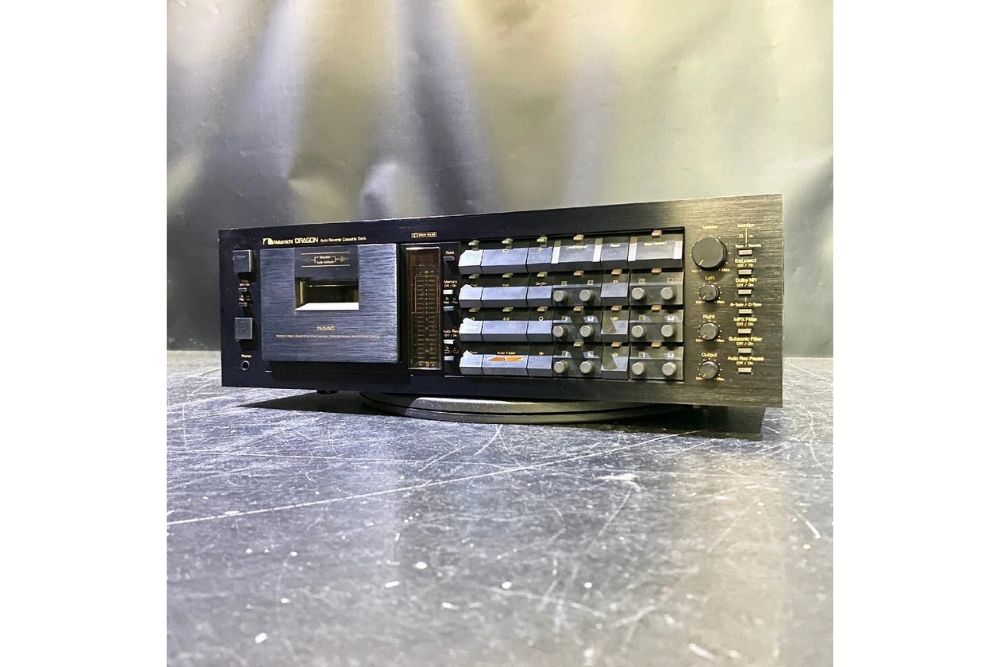
Nakamichi launched the Dragon in 1982 at $2,499, which is more than $6,000 in today’s money, and it earned a reputation as the best cassette deck ever made. It has automatic azimuth correction, which keeps the playback head lined up with the tape as it plays. Working, serviced decks now typically bring $2,500 to $4,500.
Everything depends on service. A Dragon that sat in a closet for years rarely plays without work, usually new belts, rollers, and electronics, and a proper overhaul is not cheap. Check the transport for smooth auto-reverse, the pinch rollers for cracks, and the display for dead segments. Don’t confuse it with the many other Nakamichi decks. Models like the DR-3 are good machines but bring a fraction of the price. A deck kept clean by a careful owner is worth far more than one with years of tape dust packed around the heads.
Keep the original boxes, manuals, and wood cases if you find them. Each one adds to what a serious buyer will pay.











