
Social Security raised one of its administrative fees to $74 on October 1, and the line item carries a name only a bureaucrat could love: Third Party Manual SSN Verification. If you only caught the headline somewhere between “Social Security” and “new fee,” it’s reasonable to assume your monthly check is about to shrink. It isn’t.
This charge has nothing to do with retirement, disability, or survivor benefits. It applies to businesses and other outside parties who ask the Social Security Administration to manually confirm that someone’s name and number match, usually for a reason that has nothing to do with running a Social Security program in the first place. Think a mortgage application, a background check, or a lawyer sorting out an estate, not your deposit.
The fee itself has climbed by more than 20% since the last update in 2024, and it sits buried inside a longer list of administrative charges most people have never seen.
What the $74 fee actually covers
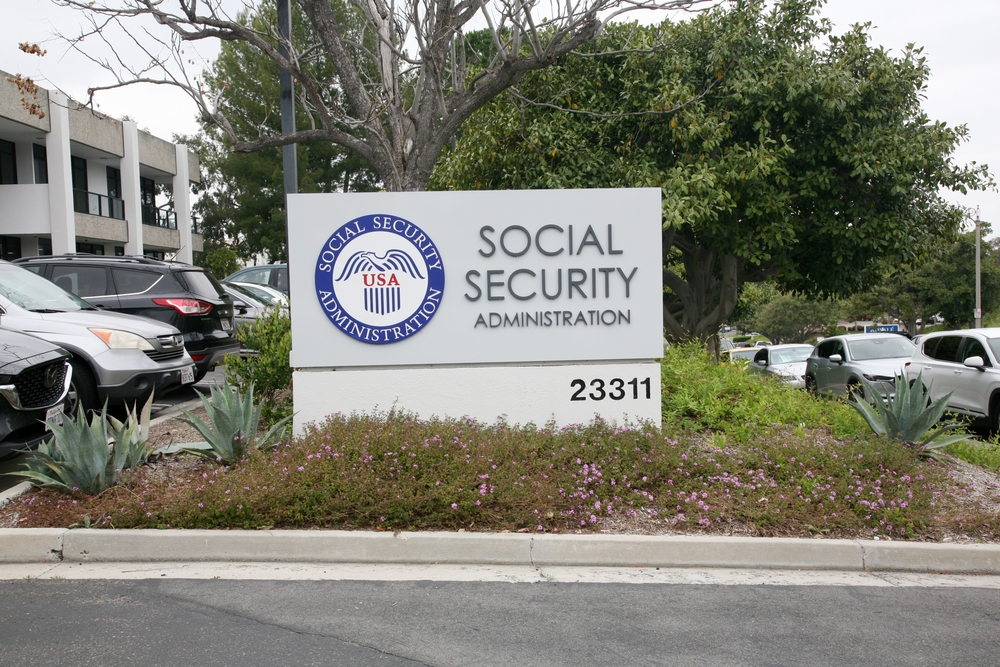
Social Security calls this category standard administrative fees for non-program information, and it covers paperwork requests that have nothing to do with someone applying for or managing their own benefits. Section 1106 of the Social Security Act gives the agency authority to charge the full cost of providing information whenever a request falls outside the administration of its own programs, and federal cost-recovery rules require the agency to review this fee table at least every two years to make sure it still matches what the work actually costs.
The update that includes the new charge is a schedule SSA published in the Federal Register, effective for requests received on or after October 1, 2026. It covers ten separate services, everything from copying a case folder to certifying earnings records, and Third Party Manual SSN Verification is just one line in that table.
“Manual” is the operative word. It applies when a request comes in the old-fashioned way, by phone, mail, fax, or a visit to a field office, rather than through one of Social Security’s automated, high-volume verification systems. That distinction matters more than it sounds like it should, because it’s a big part of who actually ends up paying.
Who actually gets the bill

Employers get a pass here, within limits. Social Security’s online Social Security Number Verification Service lets any registered employer check that a worker’s name and number match Social Security’s records at no cost, as long as the reason is wage reporting.
That free tool comes with a hard boundary, though. Social Security specifically warns employers against using it for anything outside payroll, things like a credit check, an identity check, or confirming a number for a mortgage. Those requests fall into fee territory, and if they’re filed manually rather than through one of Social Security’s bulk electronic channels, the $74 charge applies.
In practice, that puts the bill on businesses rather than beneficiaries. The people writing checks for this are mortgage lenders, background-check companies, debt collectors, attorneys handling an estate or a legal dispute, and smaller employers who skip the free online tool and mail in a one-off request instead. Banks and large screening firms running thousands of verifications a month typically use a separate, subscription-based electronic system with its own pricing, so the $74 fee tends to land hardest on smaller or occasional requesters rather than the high-volume players who built automated accounts years ago.
How the price has moved, and not all one direction

Two years ago, the same manual verification request cost $61. The jump to $74 works out to roughly a 21% increase in two years, which Social Security attributes to the gap between what it actually costs to process these requests and what it had been charging.
The rest of the fee table didn’t move in one tidy direction. Copying a paper case folder rose from $122 to $151, and pulling a record extract went from $41 to $46. But copying an electronic folder actually dropped, from $82 down to $75, and a copy of an original Social Security card application fell from $27 to $23. Social Security doesn’t publish a line-by-line explanation for each individual change, only that the whole table gets recalculated against current operating costs on a two-year cycle required by federal user-fee rules.
For a one-off request, the $13 difference between $61 and $74 won’t break anyone. It adds up faster for the businesses and law firms that file these fairly often, which is part of why some of them eventually set up accounts with Social Security’s automated bulk systems instead of paying the manual rate request by request.
What’s still free

None of this touches the services most people actually rely on. A free my Social Security online account lets anyone check their earnings record, see a benefit estimate, and manage an existing claim without paying a cent.
Replacing a lost or stolen Social Security card is also free, no matter how many times you’ve needed to do it, and Social Security’s inspector general has repeatedly reminded the public not to pay any website that claims otherwise. Applying for retirement, disability, or survivor benefits costs nothing either.
The new $74 charge sits entirely outside that world. It’s a fee for outside parties asking Social Security to do a specific, manual piece of paperwork on someone else’s behalf, not a cost that touches anyone collecting a Social Security check.
If a fee like this ever does land in front of you, it will come from a business asking Social Security to verify your information, not the other way around.











