
At a private lunch on Capitol Hill on September 24, someone asked Texas Attorney General Ken Paxton how he would bring down the federal deficit. Paxton, now the Republican nominee for Senate, answered that cuts to mandatory spending are something lawmakers will have to do and added, “We have to suck it up.”
The room held roughly a dozen people, most of them lobbyists, and the public only learned what was said when pieces of a recording began leaking to reporters at the end of September. Mandatory spending covers the programs that pay out under existing law instead of through yearly budget votes, and about three-quarters of it goes to Social Security, Medicare and Medicaid.
Paxton did not say which programs he meant or how deep the cuts would go, and after the audio came out he said he would not vote to cut Social Security benefits. Nearly 5 million Texans collect Social Security retirement, disability or survivor benefits, and early voting in the state begins Monday.
Table of contents
What the recording captures
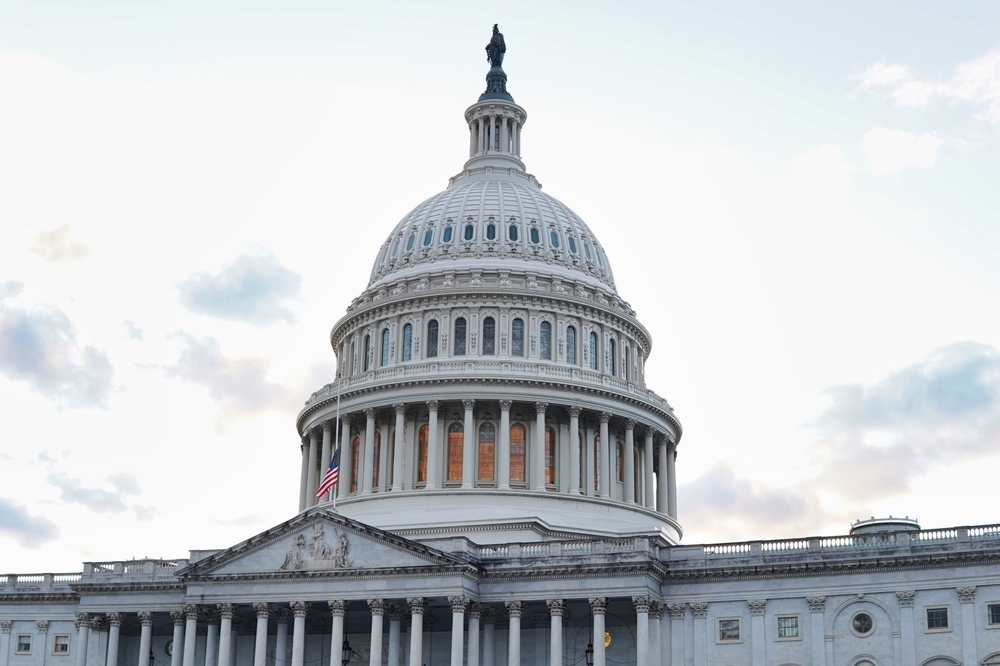
The clip is a short slice of a longer conversation, and the attendee who recorded it, someone who opposes Paxton’s run, has declined to share the full audio. Two other people at the lunch confirmed details of the exchange, and both said they did not remember Paxton describing specific cuts at any other point during the event.
Paxton laid out a two-part approach to the deficit that paired tax cuts meant to grow the economy with cuts to mandatory spending. He said the numbers do not add up, that presidents from both parties have spent heavily, and that without those cuts there is no solution. At one point a lobbyist said she would like to pay less in personal taxes, the room laughed, and Paxton said he agreed and that tax cuts bring in more revenue. Texas Democrats have pointed to that moment in their response.
The recording does not include a program name, a dollar figure or a percentage. Nothing in the audio shows whether Social Security is part of what he has in mind, which is why both sides have been able to read the clip so differently.
What Paxton says he meant

After the audio was published, Paxton said he would not vote to cut Social Security benefits if elected, and he pointed to earlier public statements, including August 21 and September 1. He described Social Security as a promise to people who paid into it and said the national debt still has to be solved. He named a crackdown on fraud as a major way to cut the deficit and called the recording cherry-picked audio that took his words out of context.
His campaign took the same position earlier in the year. In August, the campaign’s deputy communications manager told a San Antonio news outlet that Paxton was against any cuts to Social Security. On Social Security alone, his public position has stayed the same, and what remains unclear is what the private remark about mandatory spending was aimed at.
The recording and the public statements can both hold only if the cuts he has in mind land somewhere other than Social Security, and he has not said where.
Why mandatory spending covers more than Social Security
Mandatory spending includes a lot more than retirement checks. Beyond the big three programs, the remainder covers food benefits, unemployment insurance, and retirement and disability benefits for federal workers and veterans, so a candidate who says it needs trimming could be talking about any of them. Federal Medicaid spending is already set to fall by nearly $1 trillion over ten years under the 2025 tax and spending law.
Still, three programs make up about three-quarters of the total, and it is hard to find savings on a scale that matters without touching at least one of them. That helps explain why politicians in both parties have tiptoed around entitlement changes, since the people who depend on those benefits spent years paying in.
Paxton is not the only Republican who has been pressed on this. In June, House Speaker Mike Johnson said entitlement programs need to be adjusted to deal with the debt, then said afterward that Republicans are not talking about reducing benefits and would focus on fraud and inefficiencies instead.
The cut that is already on the calendar

Whoever wins in Texas, Social Security has a funding problem that does not depend on any campaign promise. The trust fund that pays retirement and survivor benefits is projected to run out of reserves in the last quarter of 2032, and from that point incoming payroll taxes and other income would cover about 78 percent of scheduled benefits unless Congress acts. If lawmakers allowed the retirement and disability funds to share money, the combined reserves would last until the third quarter of 2034, when 83 percent of benefits would be payable.
More than 62 million people received benefits from the retirement and survivors fund at the end of 2025. The average retirement benefit will be about $2,163 a month in January, and a 22 percent cut applied to that same amount would take away roughly $475 a month, or about $5,700 a year.
The people who oversee the program have urged Congress to act early so that any changes can be phased in gradually.
What your 2027 check looks like right now

Benefits are going up in January, which is a separate matter from the 2032 date. Social Security announced a 3.6 percent cost-of-living increase for 2027 for 76 million people, and the average retirement benefit rises by about $75 a month. The same announcement raises the amount of earnings subject to Social Security tax from $184,500 to $192,300 for people who are still working.
Part of that raise will go to Medicare. The standard Part B premium is $202.90 a month this year, and the 2027 amount is usually announced in mid-November. People with a my Social Security account can see their personal increase notice starting in late November, and the same account lets them estimate what they would receive at different ages and check their earnings history for errors.
Where the other side of the race stands

Democratic nominee James Talarico has said the way to protect Social Security and lower the deficit is to raise taxes on the wealthy, specifically by eliminating the payroll tax cap for people who earn more than $400,000 a year. Right now the Social Security tax stops applying after the first $184,500 of earnings.
Paxton has criticized Talarico’s economic agenda, which includes higher taxes on billionaires, as a threat to Texans’ paychecks. On the campaign trail, he has promoted tax deductions for health care, housing and family expenses rather than laying out a Social Security plan.
The race is close. A poll of likely voters released October 2 had Talarico at 51 percent and Paxton at 49 percent.
Paxton has not said which programs he would cut or by how much, and Texas voters begin casting early ballots on Monday. The retirement trust fund is still projected to run short in late 2032 no matter who takes the seat.











