
Changing careers after 50 can feel like an expensive gamble. You may have bills to cover, family responsibilities, and little interest in spending another four years in a classroom just to get back to an entry-level paycheck.
Fortunately, plenty of useful work still happens face to face, on site, and in places where experience and good judgment count. Some careers call for a focused qualification. Others let you build on years of managing people, helping customers, fixing things, or keeping an operation running.
Pay depends on experience and the employer, and a supervisor’s salary usually takes time to reach. But a career change doesn’t always mean throwing everything you’ve learned away.
1. Hearing aid specialist

Helping someone hear a grandchild clearly again is a pretty good reason to change careers. Hearing aid specialists test hearing, help customers choose suitable devices, take ear impressions, and adjust equipment until it fits and works properly. Much of the day involves listening to people describe ordinary problems, such as struggling in restaurants or missing parts of conversations. The median annual pay is $65,160, and demand is rising as more adults need hearing care.
You don’t need to become an audiologist or spend years in graduate school. Many specialists train through an employer, complete supervised practical work, and pass the licensing exams required where they practice. Requirements vary, so check the rules before signing up for a course. Retail hearing centers and independent clinics are both possible employers.
Patience matters here. Some customers are frustrated, embarrassed, or doubtful that hearing aids will help, and fitting a device rarely comes down to one quick appointment. Someone who has spent years in customer service, sales, or caregiving may find those listening skills just as useful as the technical training. The work involves standing and meeting people, but generally avoids the heavy lifting found in some healthcare jobs.
2. Fire alarm inspector

Schools, hospitals, offices, and apartment buildings need working fire alarms, not just a certificate saying a system was installed years ago. Inspectors visit those buildings to test detectors, pull stations, batteries, panels, and other safety equipment. They document faults and arrange repairs where needed. National average pay for fire alarm inspectors is about $74,880 a year, and regular testing requirements help keep the work coming.
This can be a smart change for someone who understands basic electrical work, building maintenance, or safety procedures. Employers may train new inspectors alongside experienced technicians. Professional certification is built around exams and documented field experience, rather than a new four-year degree. You still have to learn the codes, use testing equipment correctly, and prove that you can inspect a system safely.
The job brings variety without requiring you to spend every day doing heavy construction. You might inspect a small office one morning and a large care facility the next. Some sites involve ladders, awkward access, or early starts, so it isn’t a desk job in disguise. Good inspectors are methodical and willing to report a problem even when the building manager would rather hear everything is fine.
3. Residential energy auditor

Many homeowners know their heating bills are high but have no idea where the heat is escaping. A residential energy auditor investigates the problem. The work can involve inspecting insulation, checking ventilation, using a blower door, and identifying air leaks or safety concerns. Auditors explain which improvements are worth paying for and which probably aren’t. The national average salary is around $78,850.
Anyone who already understands homes has a head start. Former builders, HVAC workers, home inspectors, and property maintenance staff can add building-science training and pursue credentials used by energy-efficiency programs. Some advanced certifications require documented experience, so a short class alone doesn’t guarantee the higher-paying roles. Someone with no building background may need to begin as an assistant or weatherization technician.
Most assignments mix home visits with reporting and customer conversations. You need to be comfortable in basements or attics, but the role is less physically punishing than many installation trades. As houses age and owners try to improve comfort and reduce energy use, there is a continuing need for people who can inspect the real building rather than make guesses from a utility bill.
4. Senior living activities director

A good activities director can make a senior living community feel more like a place to live and less like a place to wait. The job involves planning group activities, outings, exercise sessions, visiting performers, and one-to-one engagement for residents who don’t enjoy crowds. Directors also organize schedules, work with care staff, and keep track of residents’ changing interests and abilities. Average annual pay is about $71,473.
Experience from teaching, hospitality, community groups, recreation, or running a small business can transfer well. Some employers want a related credential or experience in long-term care, while requirements for certain facilities are more specific. You can often build on an existing background through activity-professional training and supervised work rather than return to college for a lengthy degree.
This isn’t simply putting together a bingo calendar. A resident with memory loss may need a different approach from someone who wants book discussions or gardening. Families notice whether their relatives are involved and treated with respect. The right person is organized, comfortable talking with all sorts of people, and able to handle emotional days without taking every difficult interaction home.
5. Certified arborist
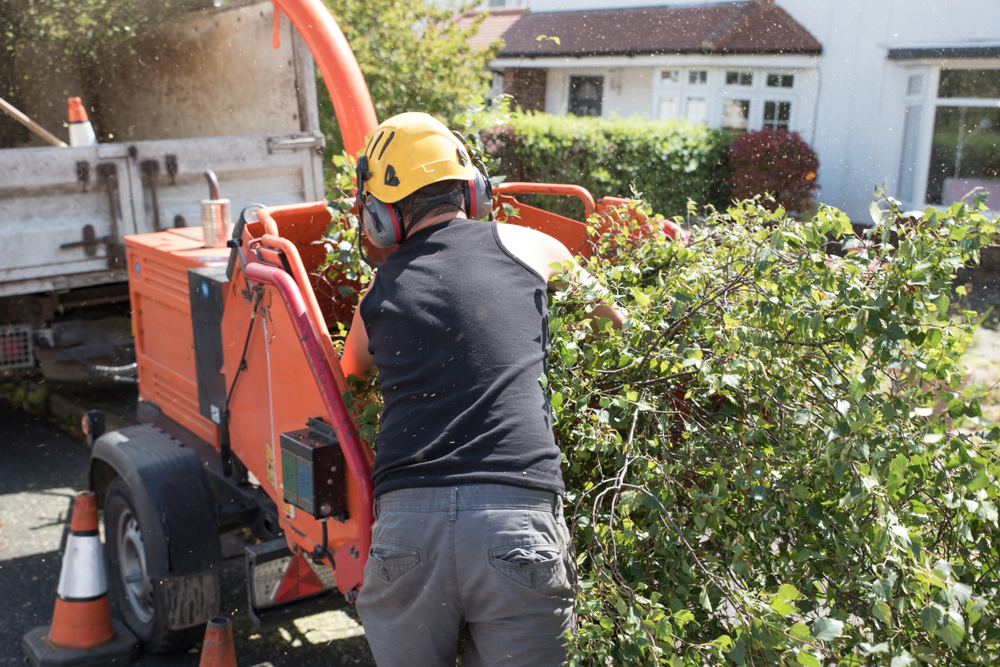
A background in gardening, landscaping, parks, or outdoor maintenance could lead somewhere more specialized. Certified arborists assess the health and safety of trees, spot disease or structural damage, recommend care, and advise property owners about pruning and removal. Some work for tree companies; others work with municipalities or property managers. Average annual pay is about $65,500, with experienced consultants often spending more time assessing trees than climbing them.
This is particularly realistic for people who have already worked around trees. The widely recognized arborist credential requires practical industry experience or an accepted mix of education and experience. A newcomer would need to gain that experience first, so it isn’t a qualification you can buy after one weekend course. Tree identification, pruning standards, pests, soil conditions, and risk assessment all matter.
Tree care is needed in established neighborhoods, public parks, business grounds, and development projects. Storm damage and aging trees also create inspection work. Some assignments involve uneven ground, ladders, or bad weather, but consulting and tree-risk assessment can be a more manageable direction than starting a climbing crew at 55. Careful observation and sound judgment are valuable skills in this field.
6. Sleep technologist

Sleep labs need people who can put anxious patients at ease while carrying out detailed overnight tests. Sleep technologists attach sensors, monitor breathing and movement, notice problems during studies, and help collect the information used to investigate sleep apnea and other disorders. They work in hospitals and specialist sleep centers. Average pay is roughly $66,273 a year.
There are approved education programs and training routes that combine coursework with supervised clinical hours. Depending on the route, qualifying for a professional credential can require hundreds of hours of practical experience. Someone with previous healthcare or patient-facing experience may have a useful advantage, but you still need to learn the equipment, infection control, and patient-safety procedures. It isn’t a job where a quick online certificate substitutes for clinical training.
The biggest consideration may be the schedule. Many studies happen overnight, which can be difficult for anyone who needs regular sleep or has daytime caregiving duties. For someone who actually prefers nights, though, the work offers a smaller, more personal patient setting than a busy hospital floor. Machines record the signals, but a trained person must manage the study and respond when the patient needs help.
7. Community association manager

Condo buildings and homeowners associations have plenty of practical problems: a leaking roof, a contractor who hasn’t turned up, an argument about parking, or a budget that needs explaining. Community association managers help boards organize repairs, oversee service providers, communicate with residents, and keep common areas running. The broader property and association management occupation has median annual pay of $69,990.
This career is worth considering if you’ve handled budgets, contracts, staff, or customer complaints in another field. Property management firms may hire people with strong operations experience and train them on association rules and local requirements. Some jurisdictions require a license, and industry credentials can help once you’re working. You don’t normally need to earn a new specialist degree before applying.
The challenging part is usually people, not buildings. Residents may be angry about fees or repairs they think should have happened yesterday. Board meetings often take place in the evening, and occasional emergencies interrupt weekends. Mature judgment helps when several people are certain they’re right. There will always be shared buildings that need maintenance decisions, contractor oversight, and someone willing to take the calls.
8. Medical equipment repairer
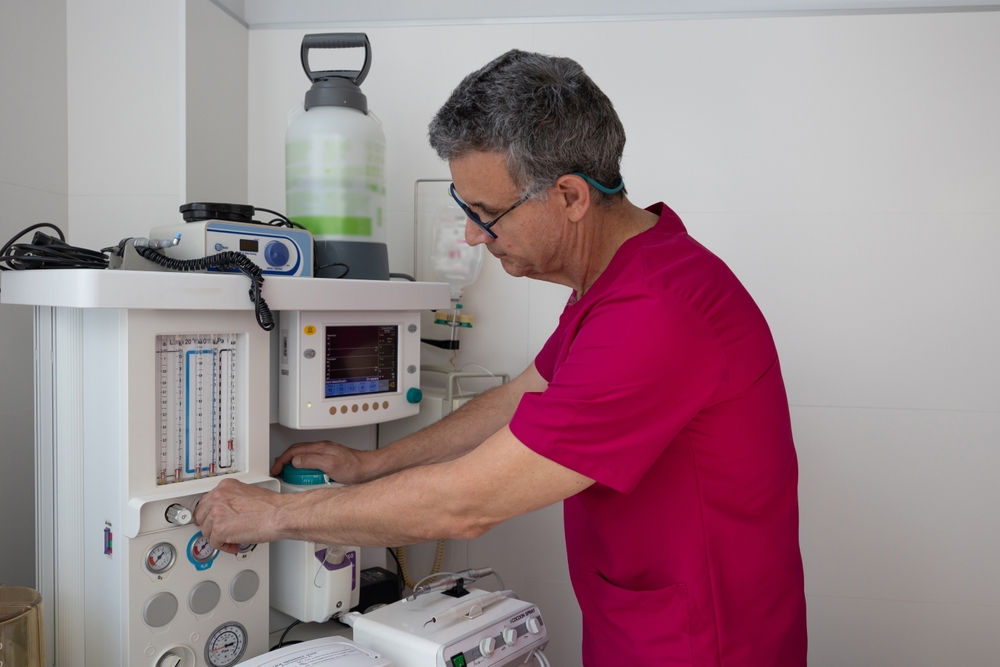
Hospital beds, patient monitors, infusion pumps, and other medical devices need regular inspection and repair. Medical equipment repairers test machines, troubleshoot failures, replace components, and make sure equipment is safe before staff use it again. They may work directly for hospitals or for businesses that supply and service medical devices. Median annual pay is $61,660, and employment is expected to grow strongly.
A two-year biomedical equipment technology program is a common entry route, although a certificate, apprenticeship, or previous electronics experience can also open doors. Someone who has worked with electronics, maintenance, machinery, or technical service already has a foundation for the troubleshooting side. More complex medical equipment takes extra manufacturer training, so the first job won’t involve repairing every machine in the hospital.
You need to be careful with details because a faulty device can affect patient care. The work may involve travel between clinics, occasional emergency calls, and some lifting. It is a useful option for someone who enjoys solving practical problems but doesn’t want to spend the rest of their career on building sites. Healthcare providers will continue to rely on functioning equipment, whatever changes occur to their computer systems.
9. Cemetery manager

Running a cemetery is part property management, part grounds operations, and part working with people at difficult moments. Managers organize burials, coordinate with funeral homes, supervise maintenance, handle records, and answer families’ questions about plots and memorials. Some oversee historic grounds with complicated upkeep needs. Average annual pay is about $64,680.
A long course in mortuary science isn’t necessarily required for cemetery administration, although certain duties and locations have specific licensing rules. People with backgrounds in customer service, landscaping, facilities, records, or team management may bring much of the practical experience employers need. Learning local cemetery regulations, burial procedures, and record systems is essential, and a management role may require some related experience.
This work calls for a steady manner. You could be dealing with a grounds contractor one minute and a grieving family the next. Records must be accurate, and mistakes about a plot or burial date can be deeply upsetting. Cemeteries also need ongoing grounds care, administration, and maintenance long after new plots have been sold. For someone who values orderly work and doesn’t mind being around grief, it can be a worthwhile new direction.
10. Automotive service advisor

An automotive service advisor is the person who connects a customer with the mechanics working on their vehicle. Advisors listen to the problem, explain recommended repairs, arrange appointments, discuss costs, and keep people updated if the work takes longer than expected. The national average annual salary is around $67,284, although some employers include performance-based pay.
You don’t have to retrain as a mechanic to do this job. Automotive knowledge helps, but dealerships and repair chains also value customer service, scheduling, and the ability to explain unfamiliar information clearly. Many provide training on vehicle systems and service software. Someone who has managed a retail counter, worked in hospitality, or supervised a service team may already know how to calm an upset customer and keep a busy day moving.
The work can get tense when someone faces a large repair bill or needs their car for work tomorrow. You’ll have to distinguish urgent safety issues from routine maintenance and avoid promising what technicians can’t deliver. Shops still need people who can inspect the situation, speak with customers, and coordinate real repair work. Be sure to ask how much of any quoted compensation is guaranteed salary rather than commission.
11. Occupational therapy assistant

Occupational therapy assistants help people relearn or adapt everyday tasks after illness, injury, or disability. A session might involve practicing how to get dressed after a stroke, improving hand movement, or making a home routine safer. They work under occupational therapists in clinics, schools, hospitals, and care facilities. Median annual pay is $72,300, and demand is growing especially quickly.
This is one of the more structured retraining options. You generally complete an accredited associate-degree program, often around two years, followed by the required certification and state licensing steps. You aren’t signing up for a long graduate program. Students should check accreditation before enrolling, since an appealing course without the right approval may not qualify them to practice.
The job suits people who like seeing steady progress and can encourage someone without pushing too hard. It also requires physical stamina: you may spend much of the day standing and helping patients move. People who have cared for relatives often understand how frustrating simple tasks can become after an illness, though professional training is still essential. The growing need for rehabilitation gives this career an unusually solid long-term outlook.
12. Restoration project manager

When a pipe bursts or a storm damages a building, the cleanup has to be organized quickly. Restoration project managers oversee crews dealing with water damage, smoke, mold, and rebuilding work. They assess what needs doing, schedule equipment and contractors, update property owners, and make sure work follows safety procedures. National average pay is about $78,502.
This is a realistic move for someone who has managed construction work, tradespeople, maintenance teams, or demanding service jobs. Industry courses in water-damage restoration and related specialties can help you understand drying, contamination, and safe work practices. A beginner may need to work first as a restoration technician or project coordinator; the manager’s salary shouldn’t be mistaken for first-day pay. Strong organizational skills can shorten that transition.
Customers are often stressed because their home or business is unusable. That means explaining the plan in plain language and dealing with changes as crews uncover more damage. Some companies have emergency call-outs and unpredictable hours. But buildings will keep suffering leaks, fires, and storm damage, and getting them back into use requires someone on the ground who can make decisions and coordinate people.
13. Building code inspector

Building inspectors check whether construction work meets safety codes and approved plans. They examine features such as framing, foundations, exits, electrical work, or accessibility requirements, depending on their specialty. Many work for local authorities, engineering firms, or private inspection companies. Median annual pay is $74,690, with a fairly steady need to replace retiring inspectors.
Previous construction experience is the big advantage. A carpenter, electrician, maintenance supervisor, or experienced trades contractor may be able to shift into inspection without studying for another full degree. Employers generally provide some on-the-job training, while certification or licensing rules depend on the role. Someone with no knowledge of how buildings are put together will face a much steeper learning curve.
Inspectors need to notice things others miss and explain why a correction is necessary, even when a contractor is already behind schedule. Much of the role is visiting sites and documenting what you find. You may still climb ladders or enter awkward spaces, but the emphasis moves from installing materials to checking work. For a long-time tradesperson who wants a less physically demanding second chapter, this can be a practical option.
14. Sterile processing supervisor
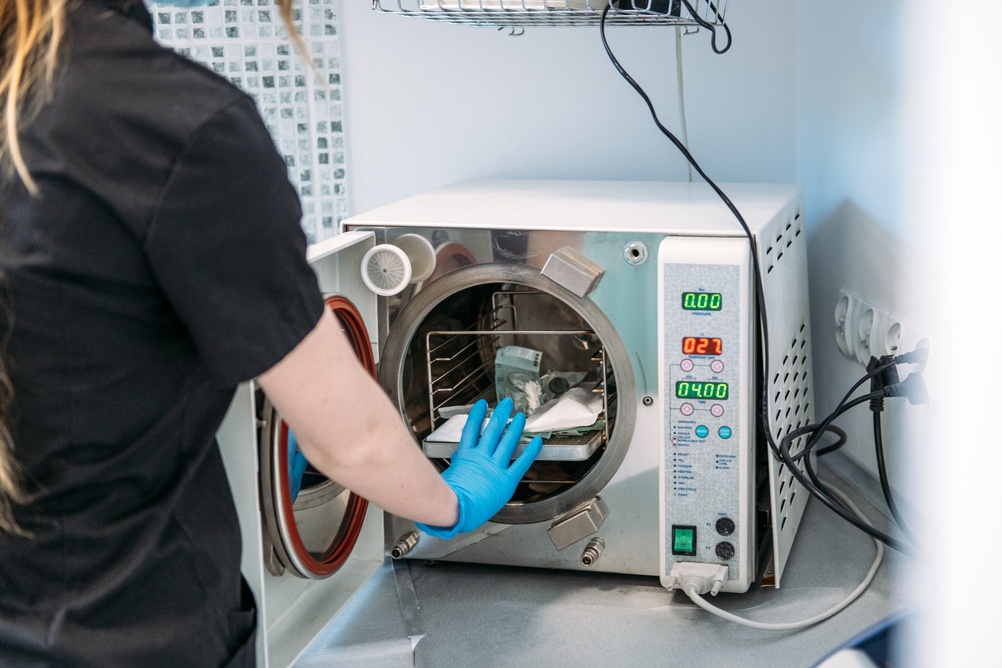
Surgical teams depend on clean, correctly prepared instruments, and the department behind that work needs careful supervision. Sterile processing supervisors organize the flow of instruments through cleaning, inspection, packaging, sterilization, and storage. They train staff, track missing or damaged items, and deal with problems before a procedure is delayed. The national average annual salary is about $66,398.
You can enter the field through a sterile processing technician role, often with a short training course and supervised hospital experience. A common technician credential requires an exam and 400 hours of hands-on work. Supervisory pay comes later, once you’ve learned the department and shown you can lead people reliably. Someone with a previous background in regulated operations, inventory, or team supervision may find the management side familiar.
Accuracy matters more than speed alone. A mislabeled tray or missed cleaning step can cause real harm, and staff need a supervisor who understands that pressure. The work happens in hospitals and surgical centers, sometimes on evening shifts. For someone who enjoys organizing complex processes but doesn’t want direct bedside care, it offers a route into an essential part of healthcare.
15. Facilities coordinator

Every busy workplace seems to have a day when the heating fails, a delivery blocks an entrance, and three rooms need repairs at once. Facilities coordinators keep buildings functioning by arranging maintenance visits, monitoring contractors, responding to safety issues, and handling day-to-day requests. They may work in schools, offices, distribution centers, or healthcare facilities. Average annual pay is around $73,784.
This is a useful switch for people who have already handled schedules, suppliers, repairs, or office operations. Experience supervising a small team or managing a property can count for a great deal. Some larger employers prefer college qualifications, but others place more weight on hands-on building knowledge and a track record of getting things done. Short courses in facilities operations, workplace safety, or building systems can fill gaps.
The role doesn’t mean doing every repair yourself. You need to know when to call a specialist, how to prioritize an urgent fault, and how to keep people informed when a fix takes time. It can involve walking large sites, checking contractors’ work, and taking calls when something breaks. Buildings will always need attention that can’t be completed from a dashboard alone.
16. Occupational health and safety technician

Factories, warehouses, construction sites, and public facilities need people who can spot hazards before someone gets hurt. Occupational health and safety technicians inspect work areas, check protective equipment, collect samples, help investigate incidents, and explain safer working methods. They often work alongside a senior safety specialist. Median annual pay is $61,560, with stronger pay possible in some industries.
The technician path is generally shorter than qualifying for a specialist role that requires a degree. Some employers train people with relevant trade or operations experience, and technical certificates can help with workplace regulations and hazard recognition. If you have spent years in a workshop, warehouse, or maintenance department, you may understand the practical risks already. You still need formal safety knowledge and the confidence to enforce procedures.
Some of the work involves reports and checklists, but the important part is seeing what is actually happening on a site. A worker may have taken a shortcut that looks harmless until you consider the consequences. It takes tact to change habits without turning every conversation into an argument. Employers have ongoing legal and practical reasons to keep people safe, giving the work a solid foundation.
17. Training coordinator

Knowing how to do a job is valuable. Knowing how to teach someone else to do it safely and confidently can become a career of its own. Training coordinators arrange workshops, track qualifications, schedule instructors, and help new employees build practical skills. In hands-on workplaces, they may organize equipment demonstrations and in-person practice rather than just assign online lessons. Average annual pay is about $71,839.
People who have supervised teams, trained new hires, or run community classes often have much of the relevant experience. Short courses in adult learning or training delivery can help, but a new teaching degree isn’t always necessary. Employers may still want industry expertise, especially when training involves machinery, safety rules, or regulated processes. It is sensible to target an industry you already understand rather than start again as a complete outsider.
There’s plenty of administration, but a good coordinator does more than keep a spreadsheet of who has completed a course. They notice when someone needs extra practice and arrange the right person to help. Employers that hire large numbers of staff or must document recurring safety training continue to need this work. It can be a satisfying shift for someone who wants to pass on practical knowledge.
18. Meeting and event planner

Planning a conference, trade show, or charity event involves far more than picking a venue. Event planners coordinate suppliers, schedules, room layouts, catering, accessibility, and the dozens of small problems that appear once people arrive. Some work for hotels or conference centers; others work directly for associations, businesses, or event companies. The median annual salary is $61,160, and employment is projected to grow faster than average.
Many employers prefer a degree, but someone with years of experience in hospitality, office management, fundraising events, or customer service may be able to move across without starting a lengthy course. A short event-management certificate can help with industry terms and planning systems. Practical evidence matters too: organizing a substantial community event or managing the logistics of business meetings provides more to discuss at interview than a generic promise to be organized.
Expect busy periods rather than a tidy nine-to-five routine. Large events can mean evenings, weekends, lifting small supplies, and staying on site until the last problem is fixed. It’s a particularly good fit for people who stay calm when plans change and enjoy working with others. Software can build a schedule, but it can’t personally sort out a missing delivery in a crowded conference hall.











