
The contents of an old electronics cupboard can range from a $35 floppy-disk camera to a drum machine that brought $5,000 at auction. Both are pieces of obsolete technology. One is an amusing glimpse of 1990s photography; the other helped create the sound of modern music.
The name on the casing, the precise model and the pieces that came with it are where the interesting stories begin. Sometimes the original box is almost as evocative as the machine. In other cases, a working tape transport, keyboard or tiny LCD screen is what makes an old device worth owning.
From early home computers to cassette decks and handheld games, these are specific models with real collectors and actual dollar figures attached.
Polaroid SX-70 folding cameras
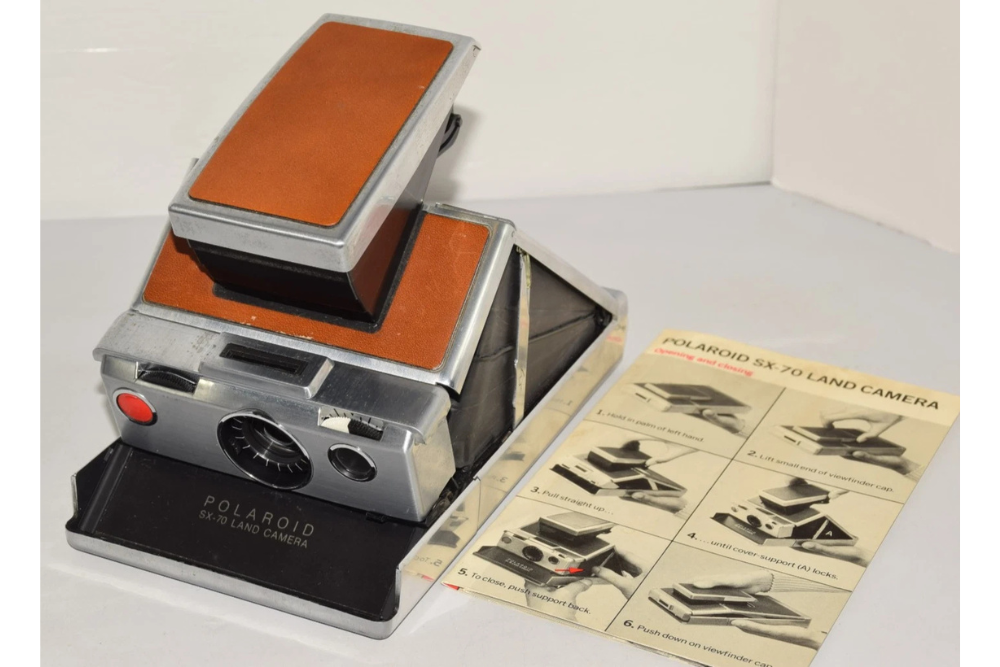
The original Polaroid SX-70 folds almost flat, with chrome edges and leather panels that look more like a piece of expensive luggage than a camera. A working folding SX-70 has brought around $80 in recent sales, and special editions can fetch considerably more. The appealing part is the instant-film experience: compose a photograph through a single-lens-reflex viewfinder, press the shutter and watch the print emerge.
The folding body is surprisingly complicated. Its bellows have to remain light-tight, the mirror and rollers must move correctly, and the leather trim is often worn or peeling. Early manual-focus cameras have a different following from later Sonar autofocus models. Original carrying cases, electronic flashes and matching documentation complete an attractive set. Film is still available for these cameras, so the right SX-70 is a machine somebody may actually use, rather than leave shut on a shelf.
Atari 2600 heavy six-switch consoles
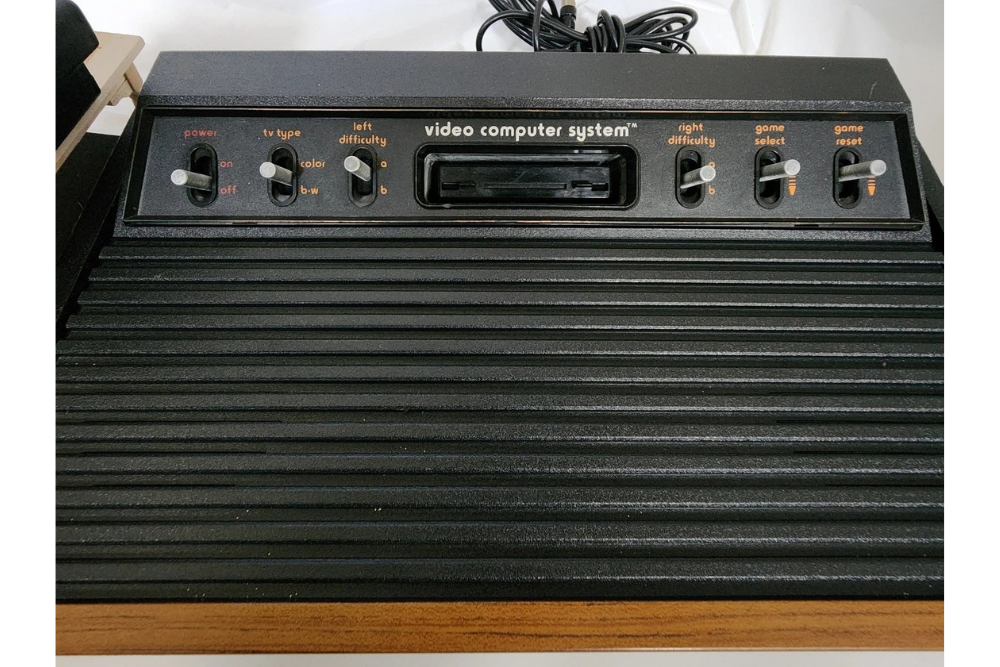
The six switches across the front of an Atari 2600 tell a collector much more than the familiar woodgrain finish. Early Sunnyvale-made heavy six-switch machines have sold for around $150 to $250 with working hardware and accessories. Their thicker casing distinguishes them from later light six-switch and four-switch versions. The original Video Computer System helped establish cartridge-based gaming at home, and the first production variation remains a specific target.
The beveling around the switches, bottom identification label and case construction help confirm the version. Two original CX-10 joysticks, paddles, an RF connection and the correct power supply make a particularly handsome setup. Some systems have been opened repeatedly for repairs; damaged switch mounts and damaged cartridge connectors are common complaints. Collectors also seek the early packaging, especially the chess-piece box design. The best stories are attached to the machine’s precise revision, not the number of cartridges rattling beside it.
Early Apple II computers
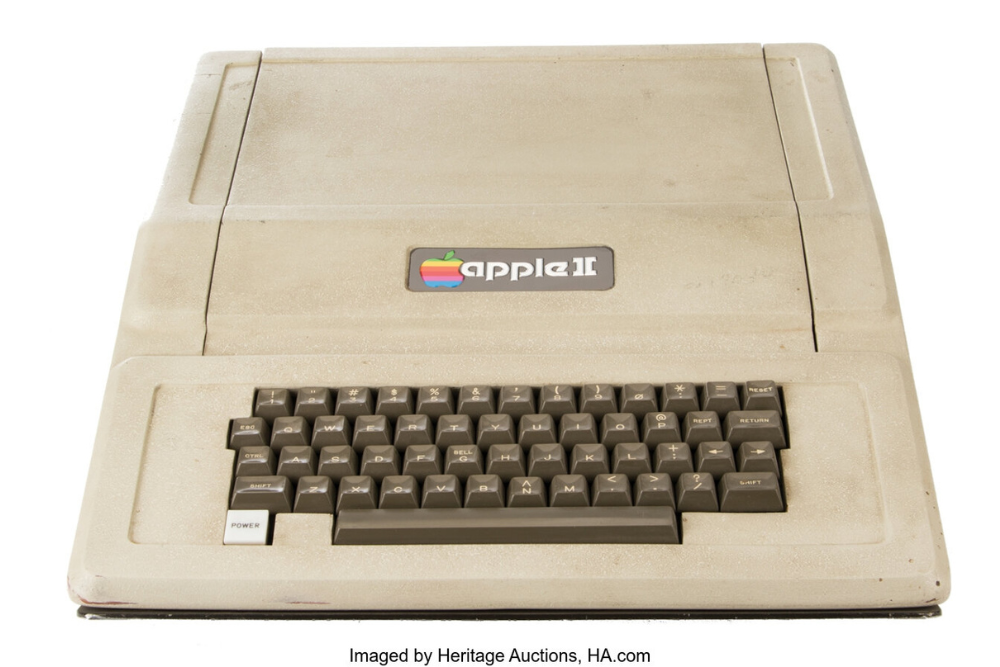
An Apple II from the earliest 1977 production period is serious computer-history territory. A machine with an original Rev. 0 board and an exceptionally early serial number sold for $6,250 in January 2026. Apple’s first widely successful personal-computer line introduced the kind of expansion, graphics and accessible programming that made these machines so important to hobbyists and small businesses.
The rear label and motherboard tell the story. Early logic-board revisions, original components and period-correct keyboards make an enormous difference to the identity of a machine. Disk drives, monitors and manuals have their own enthusiasts, particularly when they belong to the same early setup. Later Apple II Plus and IIe models are easier to encounter, and collectors distinguish them on sight. One detail worth preserving is the original hardware configuration: enthusiastic upgrades made the computer more useful in the 1980s but can obscure the history of a very early survivor.
Sony SL-HF2000 Betamax VCRs
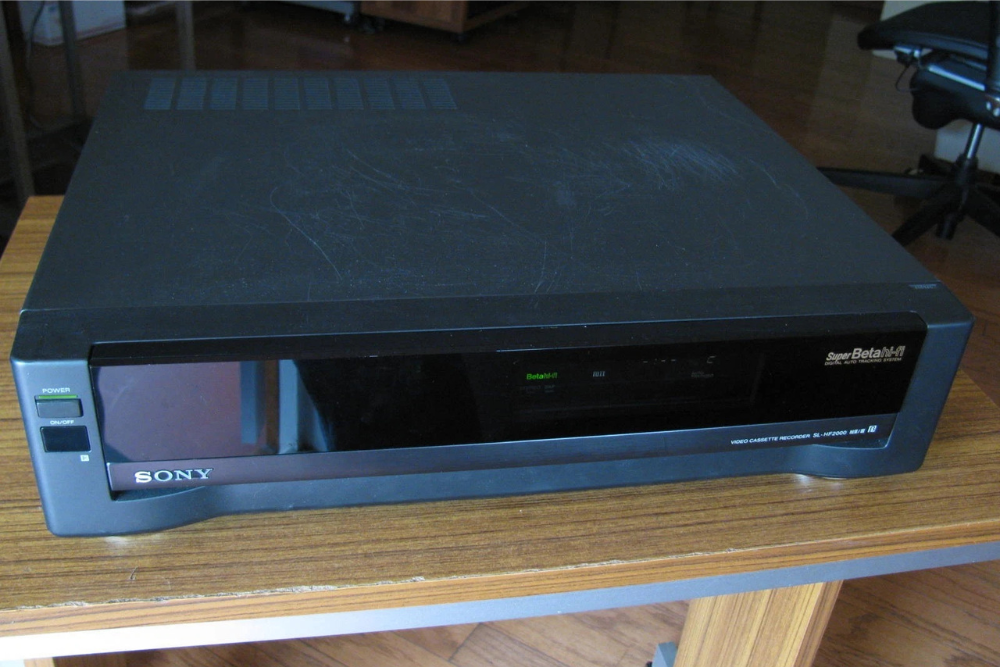
The SL-HF2000 was one of Sony’s last U.S. Betamax machines, sold in the early 1990s after VHS had become the standard for most households. A SuperBeta Hi-Fi SL-HF2000 reached $499 in a September 2026 sale. Collectors interested in the losing side of the format war particularly like the final Betamax machines, whose picture and sound technology had moved a long way beyond the first bulky recorders.
Its black cabinet, stereo recording capability and dedicated controls mark it out from the wood-paneled machines of the 1970s. A matching Sony remote is a useful part of the package. The real headache is the tape transport: loading belts, rollers and head condition all affect whether the machine can play an old recording properly. Video enthusiasts may want one for transferring family tapes, while format collectors are more interested in a clean and complete example of Sony’s final U.S. Betamax era.
Texas Instruments Speak & Spell toys
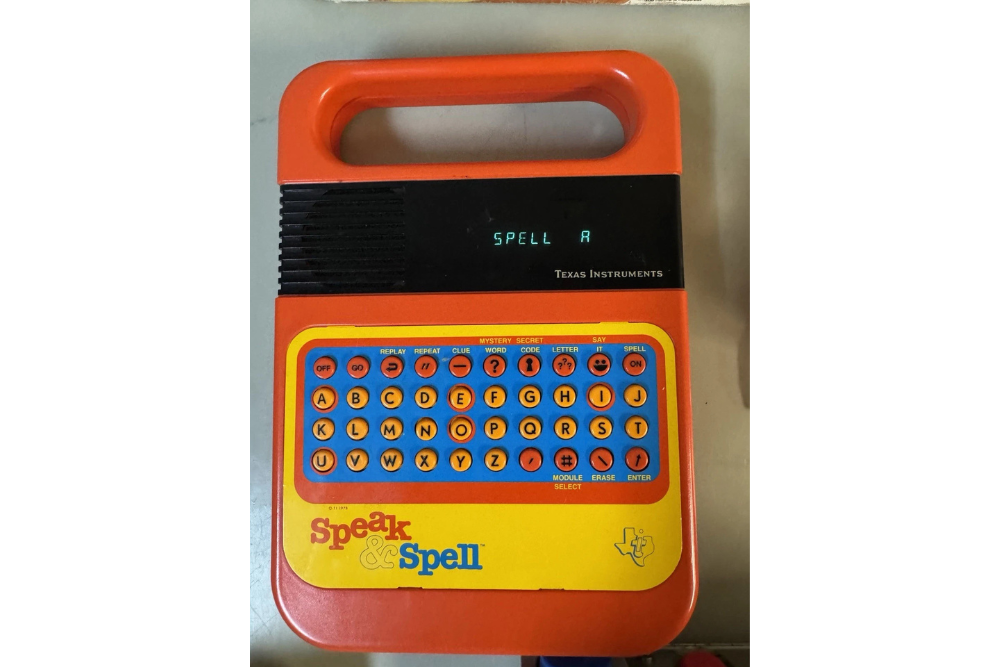
That orange keyboard with its unmistakably robotic voice became one of the defining electronic toys of the late 1970s. A working 1978-style Speak & Spell sold for $26.39 in June 2026. It remains a fun collectible because it brought synthesized speech into a child’s toy, complete with a strange, clipped way of pronouncing words.
The earlier raised-key model looks quite different from the later flat-button designs. Its glowing display and removable word modules make it easy to recognize, and a collection of original cartridges can be as entertaining as the base unit. The trouble spots are familiar to anyone who grew up with battery-powered toys: corrosion in the battery bay, weak speaker sound and keys that stop responding. If the original instructions survive, keep them with the machine. Children used these for spelling games, but electronic-music collectors also enjoy their very peculiar voice.
Technics SL-1200MK2 turntables
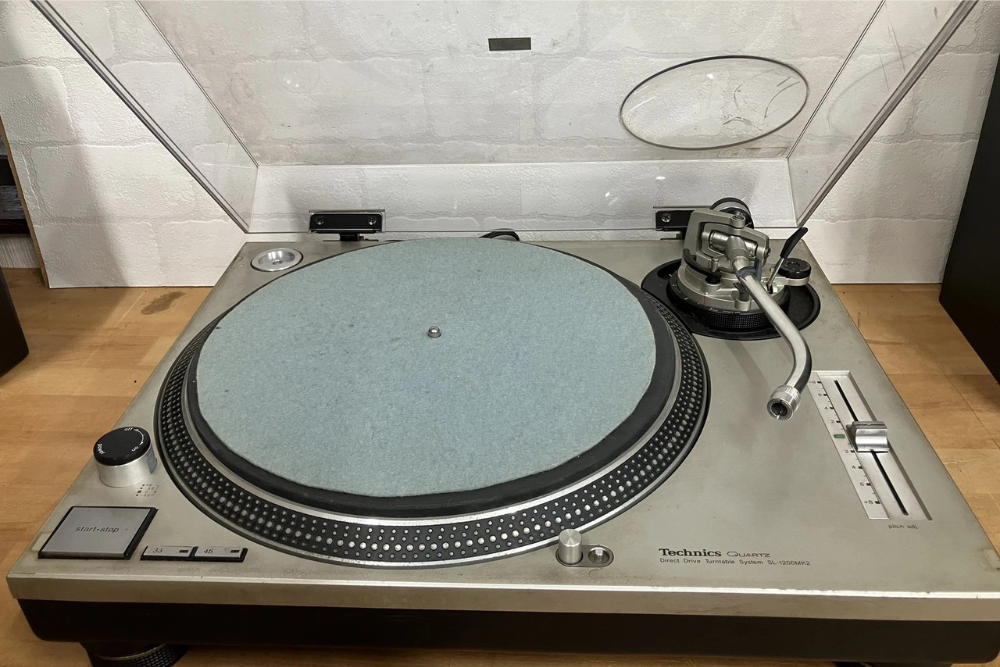
A properly functioning Technics SL-1200MK2 can sell for $500 to $1,150, with particularly clean examples going higher. This was the quartz-controlled direct-drive deck that became a fixture in DJ booths, helped by a substantial platter, reliable pitch control and a tonearm that could withstand real use. Introduced at the end of the 1970s, the MK2 remained relevant through several generations of music.
The original silver finish and sliding pitch control are easy visual clues, although the SL-1200 family has many model revisions. A long club career can leave marks around the controls, worn tonearm bearings or damaged feet. Home-owned decks often have different wear patterns. Dust covers, hinges and original mats complete the look, while a stylus and cartridge need their own inspection. This is one of the rare vintage gadgets that still has a completely practical job in a modern music room.
Sony Walkman TPS-L2 cassette players
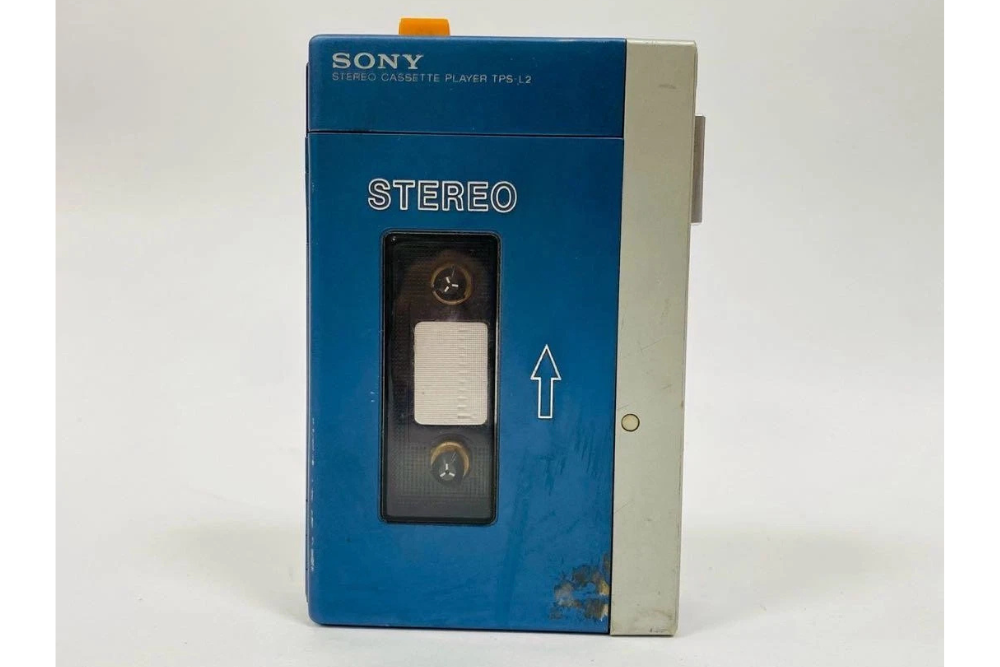
The first Walkman, the blue-and-silver TPS-L2, is one of the most recognizable objects in portable-audio history. Original units have recently sold in the $434 to $753 range across the middle of the market. Its twin headphone sockets and compact metal construction made private listening a shared experience: two people could plug in headphones and hear the same cassette.
Look at the model code before celebrating, because Sony produced countless later Walkmans in similar shapes. The early TPS-L2 also has its distinctive ‘Hot Line’ feature, which let users hear each other while wearing headphones. Belts wear out, battery contacts corrode and tape playback may run at the wrong speed after decades in storage. Original orange-foam headphones and carrying accessories make a more faithful late-1970s setup. People who collect the first generation often want those distinctive early controls, not merely a blue portable player.
Hewlett-Packard HP-01 calculator watches
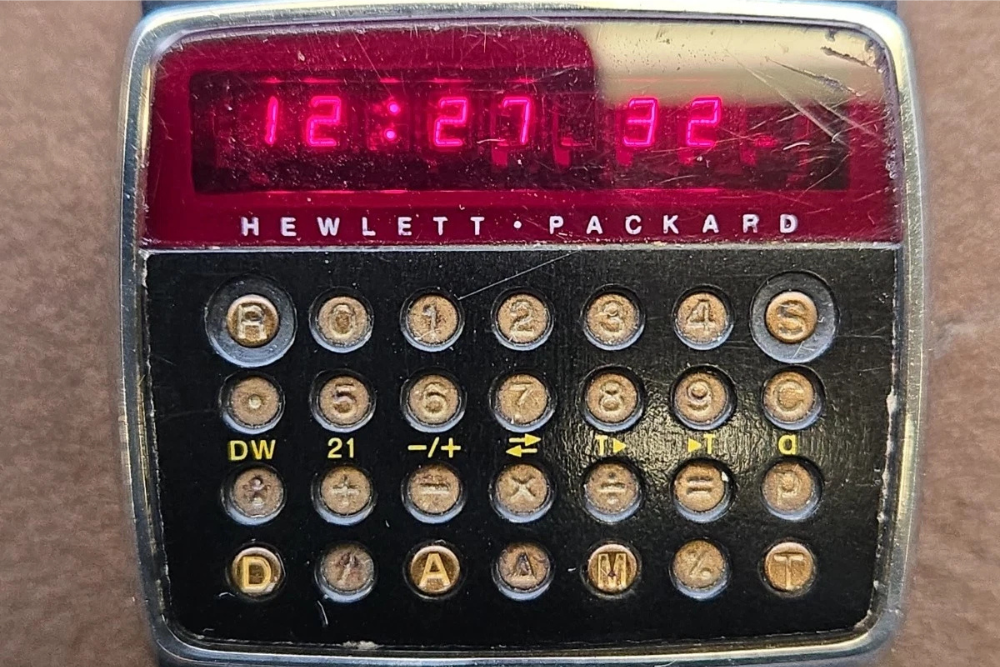
An HP-01 calculator watch fetched $1,000 at a January 2024 auction, despite having unknown working status and no original packaging. Hewlett-Packard’s 1977 wrist computer was an expensive experiment in putting calculation, timekeeping and scheduling functions into a stainless-steel bracelet. With dozens of tiny buttons around the face, it looks wonderfully overengineered.
The small stylus used to press those buttons is a particularly desirable accessory, and surviving fitted presentation boxes and instruction booklets complete the original luxury-technology package. The buttons and red LED display have to work in concert; restoring electronics packed into a watchcase is specialized work. There were different case finishes, too, so the precise model deserves attention. What makes this one distinctive is the ambition: a calculator company made a wristwatch for people who apparently couldn’t bear to stop calculating even when they left the desk.
Nintendo Game & Watch Donkey Kong handhelds
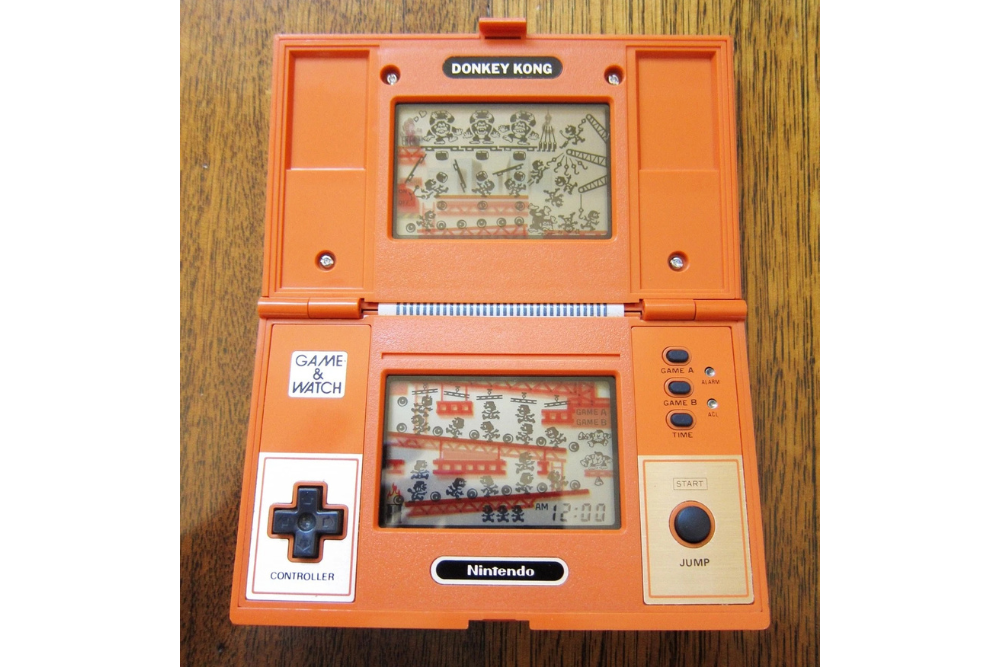
Nintendo’s orange double-screen Donkey Kong Game & Watch is a compact piece of 1982 gaming history. An original DK-52 example sold for $129 in September 2026. Flip open the clamshell and the two LCD panels create a miniature game world, with the directional cross below the lower screen foreshadowing a control design that would become familiar on Nintendo consoles.
The upper and lower LCD panels are the heart of the collectible. Darkened segments, uneven figures and faded backgrounds change how enjoyable the game is, and a missing battery cover spoils the tidy folding design. The original hinged clasp is another vulnerable part. With the small printed instructions, cardboard box and internal tray, a DK-52 becomes an appealing display piece as well as a playable game. Later Nintendo anniversary handhelds share the company name but have completely different hardware.
Commodore 64 home computers
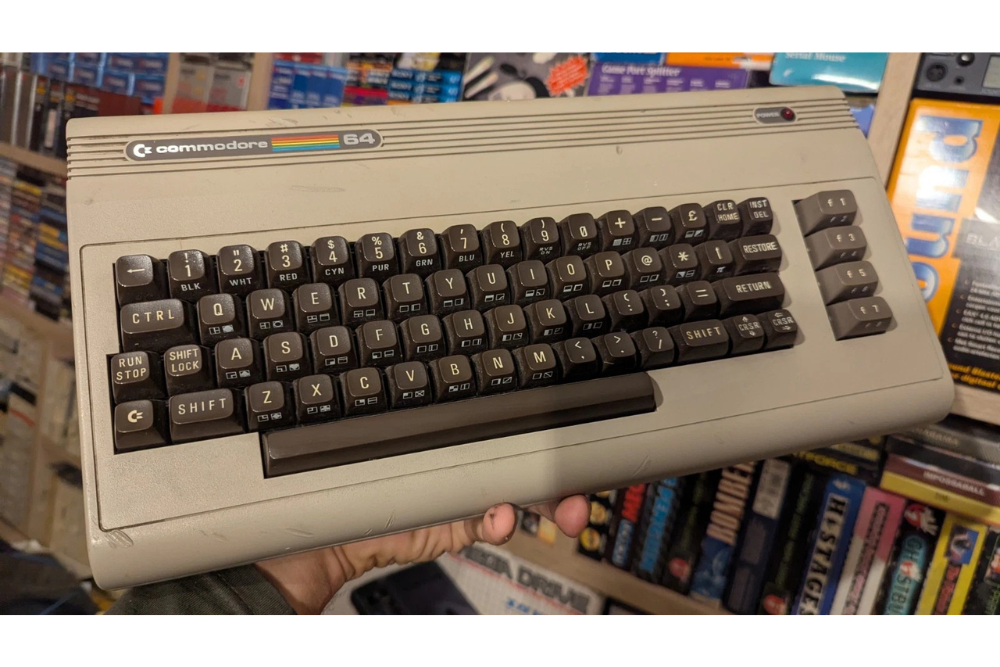
A functioning Commodore 64 has recently changed hands for roughly $135 to $167 across the middle of recorded U.S. sales. The familiar breadbin case housed a computer that could play games, handle home projects and teach BASIC. Its distinctive sound chip also made it an unlikely music machine. Many owners remember typing a command, waiting for a tape or disk to load and feeling as if the television had become a proper computer.
The breadbin version and later, flatter C64C make different displays, and keen collectors know the keyboard, badge and case differences. Original 1541 disk drives, manuals and period joysticks are attractive additions. Some of the original power supplies are now a hazard to the computer they were designed to run, so a modern tested replacement can be a sensible part of a working setup. Yellowed plastic is common; more significant concerns include damaged ports and keys that no longer register.
Sinclair ZX Spectrum 48K computers
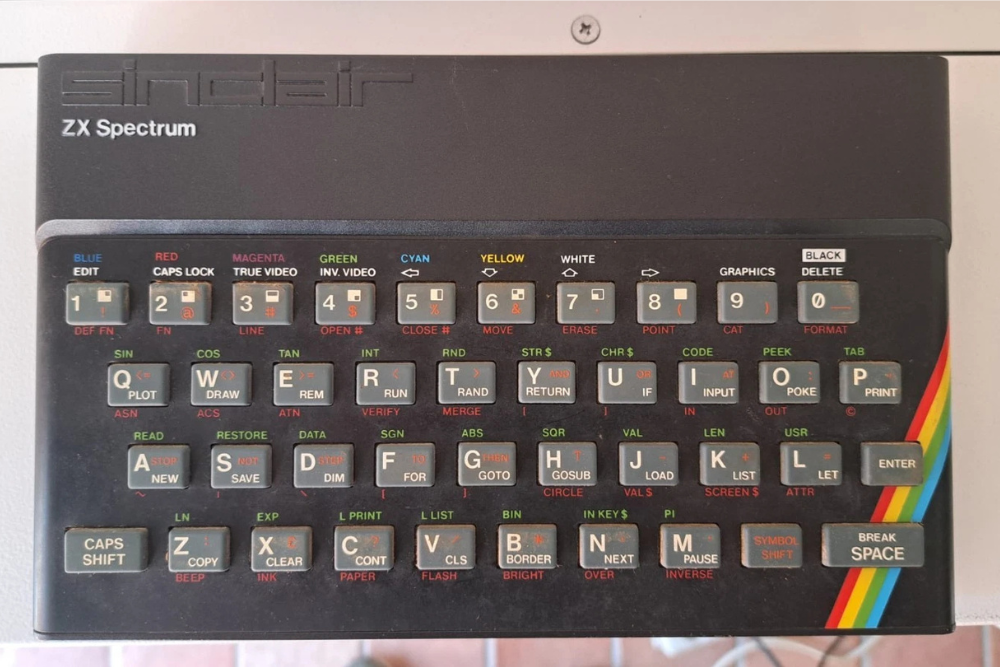
The rubber-key Sinclair ZX Spectrum made a whole generation of British children learn to type commands before they could play a game. A 48K machine sold for $112.50 in a July 2026 U.S. auction. Compact and cheap when new, it came to define early home gaming in Britain with bright, blocky graphics and a huge library of cassette-loaded software.
Its famously soft keyboard is an obvious visual identifier, but the membrane beneath can break down. The early 16K and 48K versions need to be distinguished from the later Spectrum+ and 128K models. A compatible cassette recorder, leads and a stack of original games make a compelling recreation of an early-1980s living-room computer. U.S. collectors may also encounter imported machines, where power supply and video-output compatibility require extra care. The rubber keys are part of the charm until an important one stops working.
Vectrex tabletop game consoles
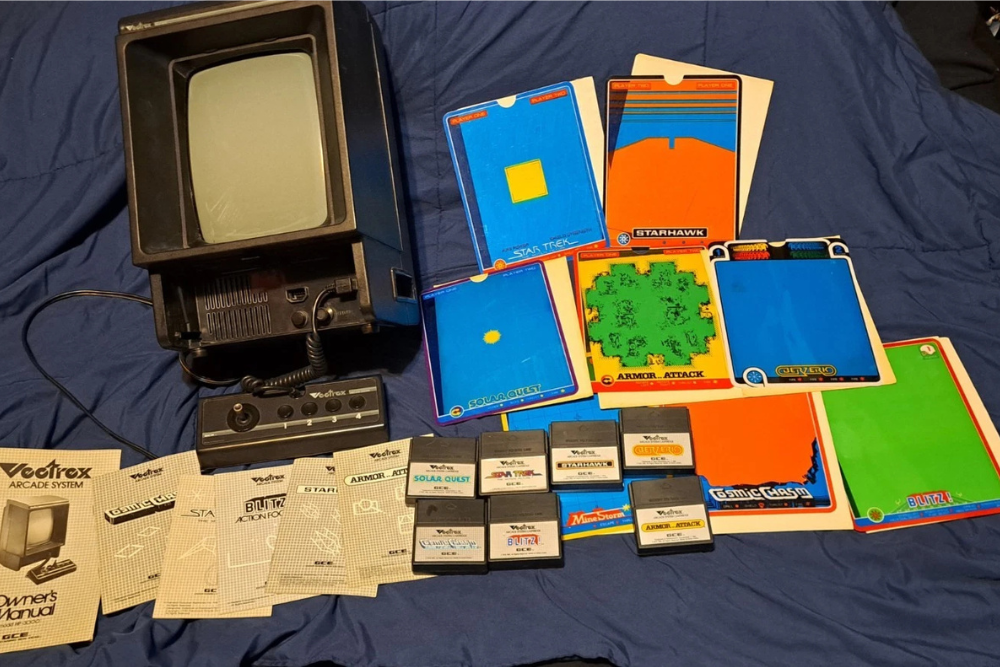
The Vectrex has its own screen built into the console, so it looks like somebody left a tiny arcade cabinet on the dining table. A working set with two controllers and games sold for $599.96 in July 2026. Its vector display drew sharp glowing lines, while removable colored overlays gave individual games some of their arcade-style character.
A Vectrex is unusually satisfying to collect because the basic cabinet, its chunky controller and the game-specific overlays form a coherent system. Finding an original controller matters: it slides into a recess beneath the display when stored. The built-in game Mine Storm is useful when demonstrating that the machine runs. The screen’s brightness and geometry are central to the experience, and worn controls can make a perfectly good display frustrating to use. The heavy glass display makes shipping or careless handling a real risk.
Nakamichi Dragon cassette decks
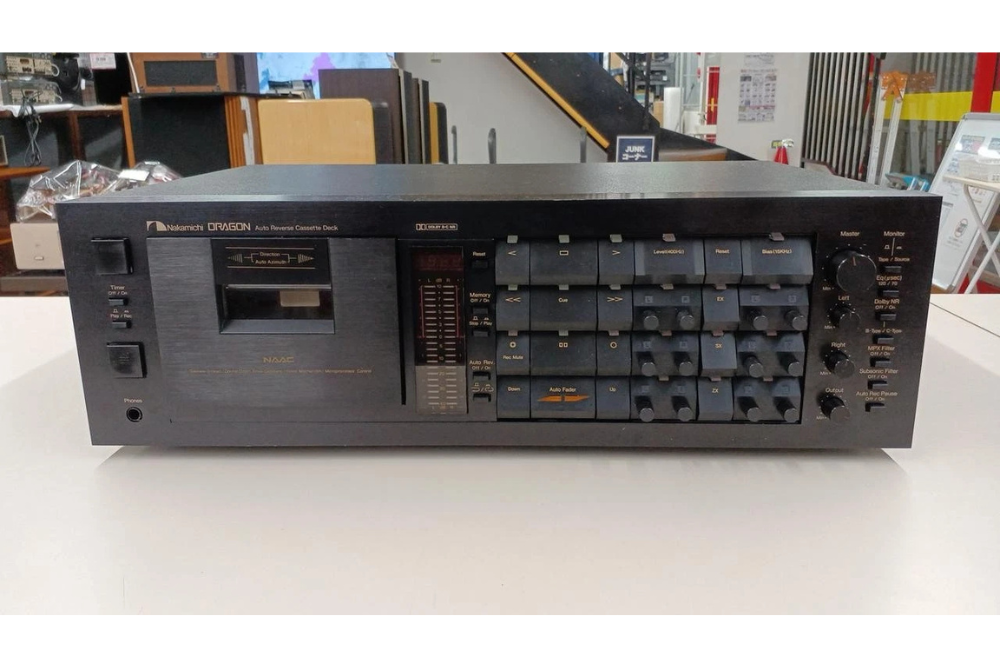
A serviced Nakamichi Dragon cassette deck sold for $4,299 in August 2026. Introduced in the 1980s, the Dragon became one of the great high-end tape machines, particularly for its automatic playback-head alignment. It was built for people who wanted to get as much sound as possible out of a format many listeners now remember mainly from car stereos.
The Dragon’s elaborate transport is the attraction and the maintenance challenge. Its auto-reverse operation and alignment system need to function properly across both tape directions. Service records matter because a clean faceplate says very little about the mechanical condition inside. Original knobs, cassette doors and the large, unmistakable front panel are part of the appeal. A unit sold after specialist work is a different collecting experience from rescuing one with worn belts and motors, and owners often keep the detailed servicing paperwork alongside it.
JVC RC-M90 boomboxes
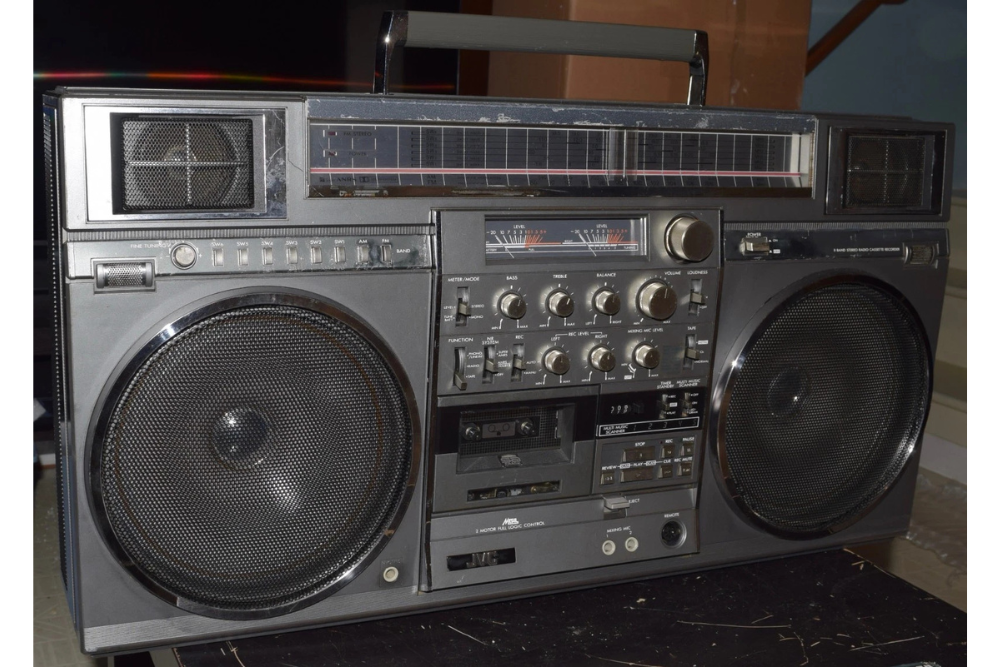
The JVC RC-M90 is one of the portable stereos that boombox collectors notice from across a room. An RC-M90W sold for $1,558 in June 2026. Its imposing silver front, multiple speakers and powerful radio-and-cassette layout look like a deliberate challenge to the idea that portable audio should be small.
Large boomboxes were meant to be carried, which means handles, corners and aerials have often had a rough life. Original speaker grilles, intact knobs and a working cassette mechanism are valuable parts of the package. The big volume sliders and controls should move without crackling or cutting out. This model also has the visual presence to appeal to people collecting 1980s design, even if they rarely play a tape. JVC made many impressive portables, but the RC-M90 has a recognizably particular cabinet and control layout.
Sony D-50 portable CD players
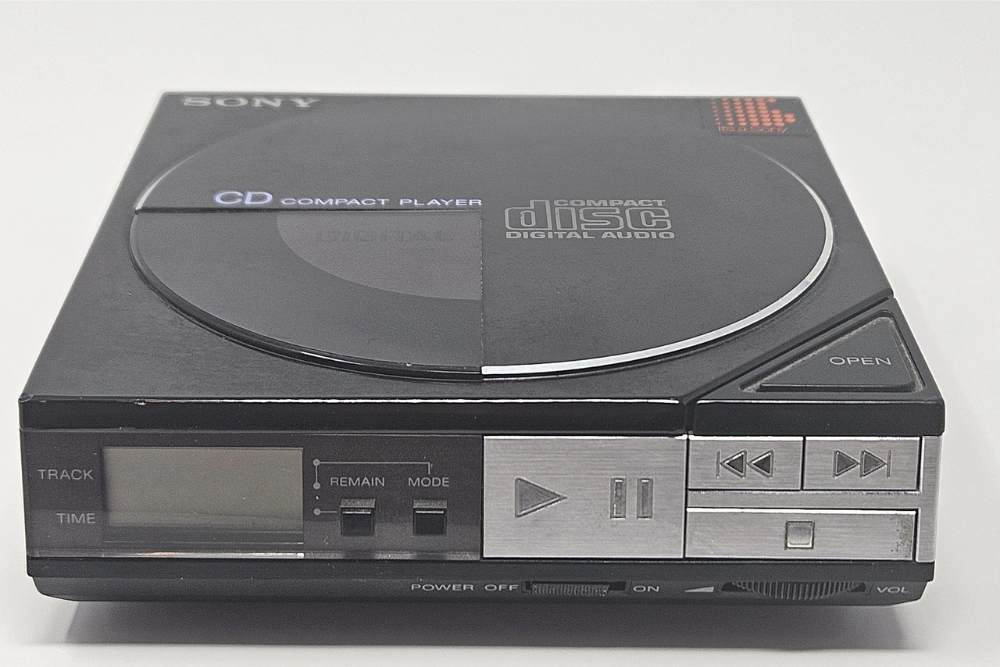
Sony’s early portable CD player looks impossibly thick beside a modern phone, yet it was a major step away from cassette listening. A tested D-5, the U.S. version of the D-50, sold for $399.97 in July 2026 with its AC adapter. Launched in the mid-1980s, it demonstrated that compact discs could move out of the living-room stereo.
The first portable machines were hardly carefree gadgets. Their optical pickups are old, the lid mechanisms are fragile and playback can skip or stop when the player warms up. Original mains supplies and battery accessories are especially welcome because the earliest units don’t share the convenient power options of later Discman models. The D-5 and Japanese D-50 model names can cause confusion, so the underside label and accessory set are useful clues. A demonstration that it reads a disc all the way through tells much more than the welcome flash of a power indicator.
Apple Macintosh 128K computers
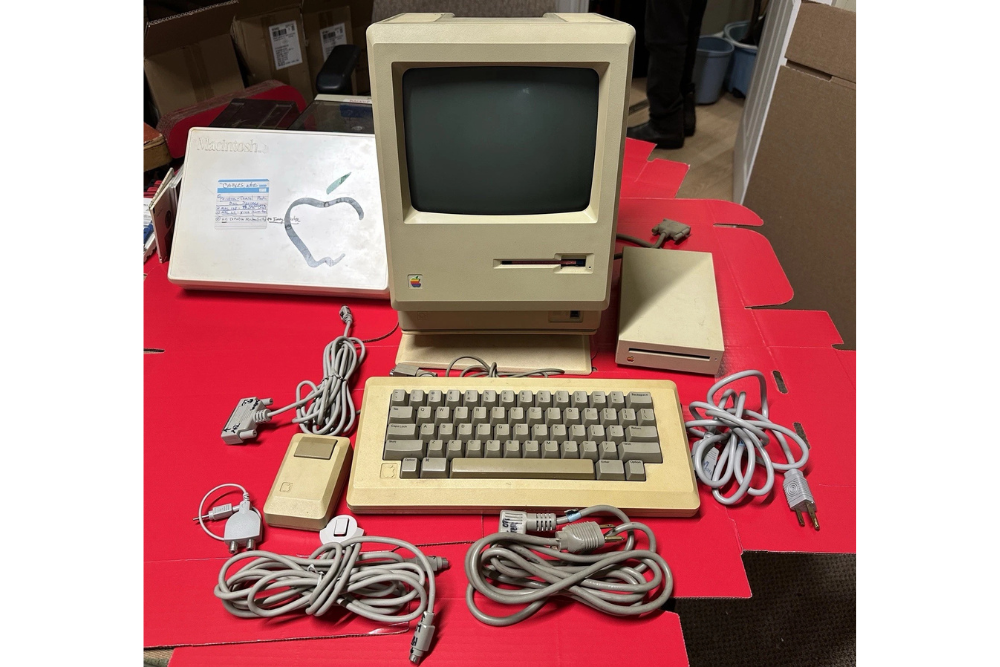
A boxed original Macintosh 128K that had been upgraded to Macintosh Plus specifications, with its original 128K hardware retained, sold for $1,879 in January 2026. The compact 1984 Macintosh made a mouse and graphical desktop feel like something ordinary people could use. Its cream-colored one-piece body has since become an icon of early personal computing.
Apple’s compact Mac family looks similar across several generations, and many original 128K units were upgraded as owners demanded more memory and storage. The rear model information, logic board and original 400K disk drive tell the story better than the front badge alone. A keyboard, mouse, operating-system disks and the original illustrated packaging make an unusually complete set. The small monochrome screen and internal electronics are another reason these machines call for careful servicing. When a collector wants a true 128K setup, the original internal parts matter every bit as much as the case.
Original Nintendo Entertainment System consoles
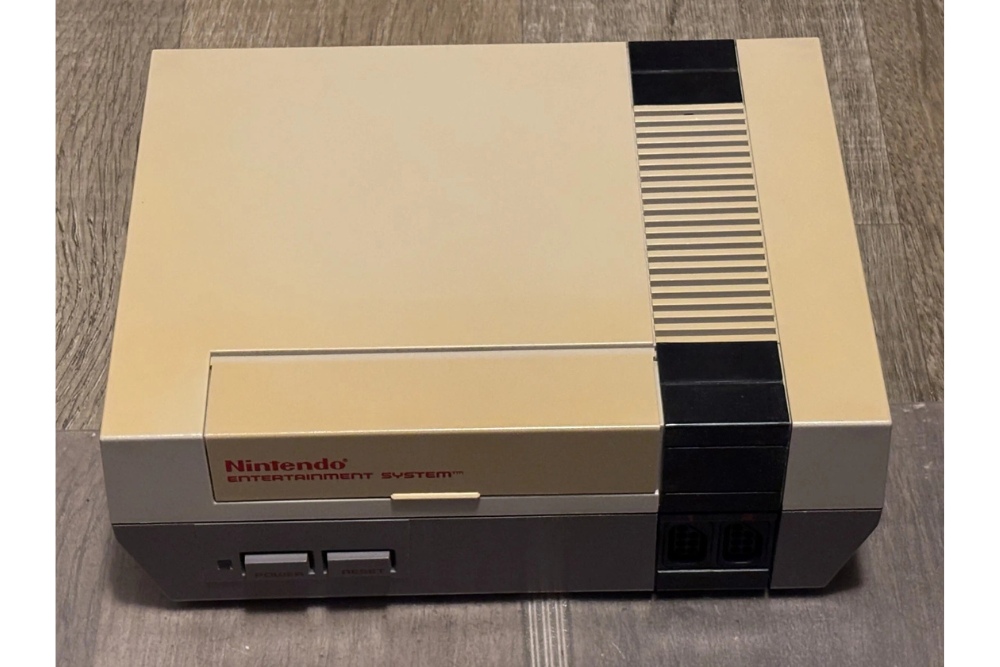
The gray Nintendo Entertainment System was a fixture in American homes during the late 1980s. A tested NES-001 with a controller and cables sold for $56 in a recent U.S. transaction. The console brought Super Mario Bros., Duck Hunt and a fresh generation of cartridge games into family living rooms, while Nintendo’s early bundles added distinctive accessories that collectors still seek.
The first U.S. Deluxe Set included R.O.B. the robot and a Zapper light gun, which creates a very different package from a basic console. Original box artwork, controllers and game sleeves are all recognizable to anyone who grew up with the machine. The spring-loaded cartridge mechanism can be temperamental as contacts wear, producing the familiar blinking screen. An attractive survivor can still be used with original games after careful maintenance, and the front flap and case plastics deserve attention because they are so visible on display.
Yamaha DX7 synthesizers
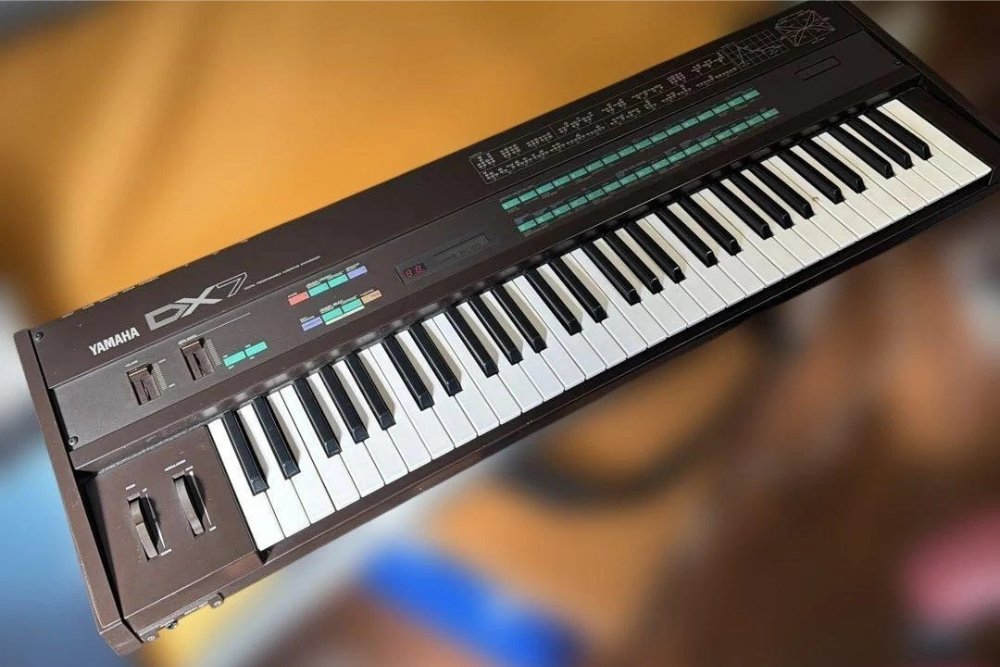
A tested Yamaha DX7 sold for $550 in August 2026, and the model still has an audience among musicians chasing the sound of 1980s pop. Its frequency-modulation synthesis produced bright electric pianos, metallic bells and complicated textures that became instantly familiar across records and television. The plain black casing and slim display conceal an instrument with rather more depth than its famous factory presets suggest.
The original DX7 has a different interface from the later DX7II. Its data-entry slider, membrane switches and cartridge slot are essential to programming and recalling sounds, while a failing memory battery can lose stored patches. Original Yamaha ROM cartridges and manuals make sense beside a working keyboard, especially for an owner interested in period sounds. Every key and output needs to respond, since a beautiful FM electric piano isn’t much consolation when half the keyboard has stopped talking to the electronics.
Roland TR-808 drum machines
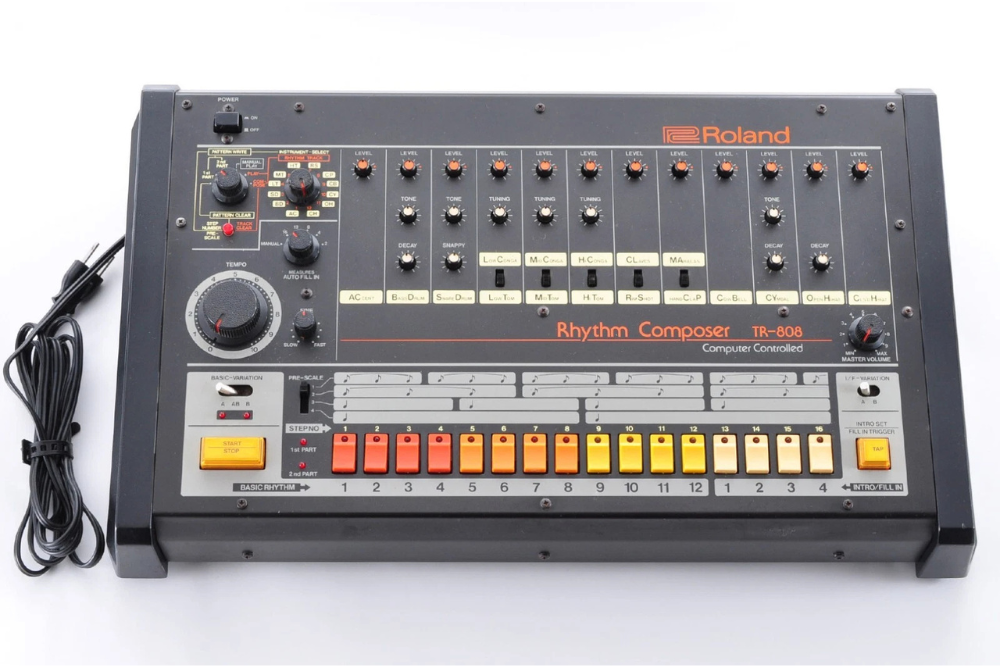
Few pieces of vintage technology have shaped modern music as thoroughly as Roland’s TR-808. An original machine sold for $5,000 in a May 2026 auction. Its analog bass drum, snare, handclap and hi-hat sounds became building blocks for hip-hop and electronic dance music. The row of colorful programming steps is as recognizable to producers as the sound itself.
Collectors want the 1980s hardware, with its original controls, sockets and timing, although professional modifications such as MIDI conversions also have their supporters. A working sequencer is crucial: the buttons should register steps consistently and all the individual sounds should trigger cleanly. Old backup-battery compartments and worn pots can create expensive repair work. Roland has released newer instruments inspired by the 808, but the original has circuitry and history that re-creations cannot replicate. A working, documented unit can sit at the center of a studio rather than a display cabinet.
Casio SK-1 sampling keyboards
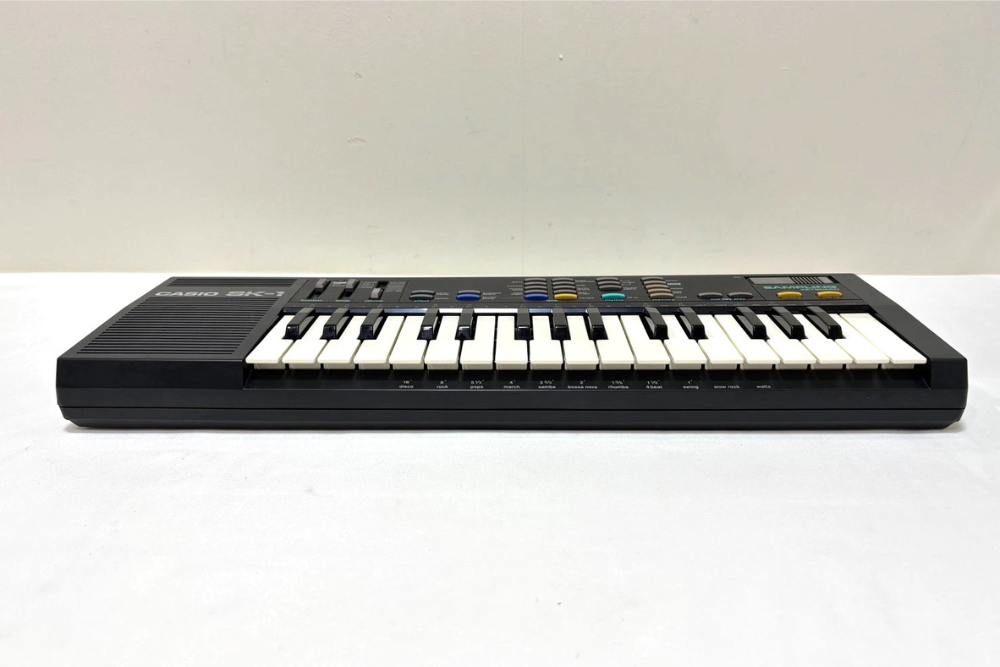
The Casio SK-1 let children record a little snippet of sound and play it back across a miniature keyboard. A tested, boxed SK-1 sold for $149.98 in October 2026. Released in the 1980s, it put lo-fi sampling into an affordable instrument, and musicians later discovered that those crude, grainy sounds had plenty of creative charm.
The built-in microphone, sampling controls and tiny speaker define the experience. Some SK-1s have been modified for experimental electronic music, with added switches and strange new effects; others survive just as they left the toy-shop shelf. Original black units and harder-to-find colors appeal to slightly different collectors. Battery covers are often missing, and the keyboard can develop dead notes or unreliable buttons. A working sampler is far more entertaining than a keyboard that only plays its factory demonstration tunes, particularly when the owner can record something ridiculous and instantly turn it into music.
Commodore Amiga 500 computers
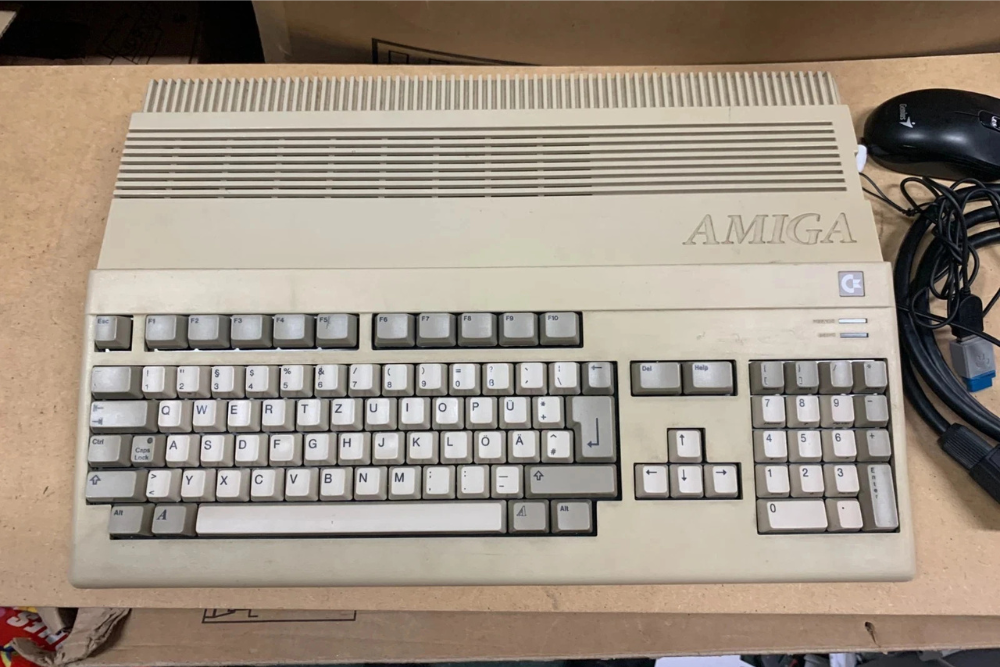
The Amiga 500 brought impressive graphics and music into homes where the family computer also doubled as the games machine. An A500 changed hands for $375 in October 2026. Its sculpted off-white case and full-size keyboard are familiar to anyone who played late-1980s games, experimented with paint programs or first saw animated graphics on a home computer.
Its floppy drive is central to the machine’s appeal, and the proper mouse, power equipment and software disks complete the setup. Memory expansion cards are common, while the later Amiga 500 Plus has particular battery-leakage concerns that deserve separate attention. A preserved original system with familiar games is attractive to a collector building a working retro desk. The distinctive Amiga sound and graphics are part of why owners keep returning to the actual machine, despite the convenience of emulation. A working display and disk-loading test reveal far more than a clean keyboard photograph.
Fisher-Price PXL-2000 Pixelvision cameras
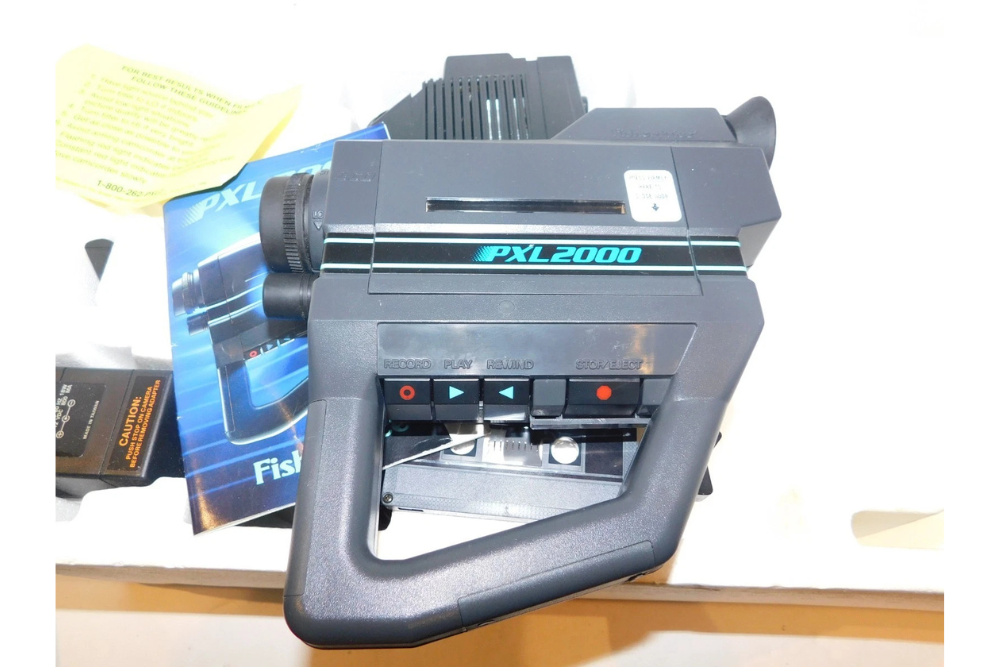
Fisher-Price once sold a toy camcorder that recorded black-and-white video onto ordinary audio cassettes. A PXL-2000 demonstrated working sold for $299.95 in August 2026. Its low-resolution, ghostly pictures turned out to be an attraction of their own, and experimental filmmakers adopted the camera precisely because the images looked so peculiar.
The cassette-loading mechanism, camera lens and video-playback accessories are the obvious elements of a complete kit. The original body is mostly plastic and was meant for children, so scratches and broken doors are common survivors of enthusiastic use. Some collectors like the Deluxe packaging and instructions, while filmmakers often care most about whether it records usable footage. The appeal is wonderfully specific: you are carrying a camcorder that makes footage look as though it came from an alternate television universe in 1988.
Original Nintendo Game Boys
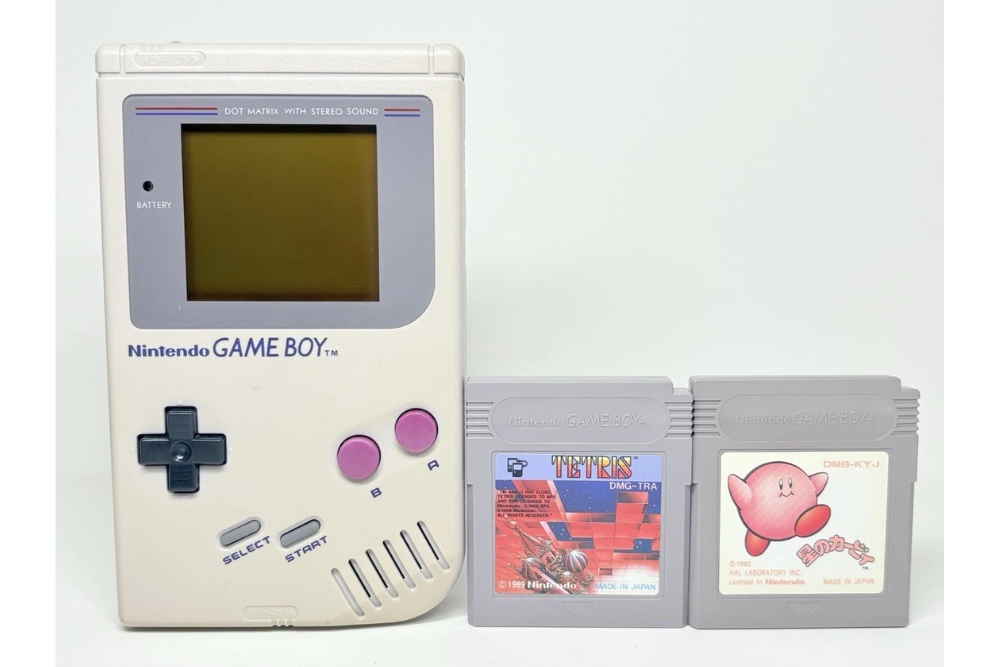
The original gray Game Boy remains one of the great portable-gaming designs. Working DMG-01 units have sold for about $55 to $100 with common games and accessories, while complete boxed examples have reached $200 or more. Its small monochrome display and simple button layout made titles like Tetris absorbing enough to take anywhere.
The detachable battery cover is frequently lost, and the LCD can develop missing vertical lines or dead patches. The lens covering the screen is another part that often gets scratched or replaced. Collectors who care about an original launch-era machine will notice a modern case or backlit screen conversion, even if that modification makes gameplay easier. The cardboard box and internal trays are fragile, which explains why tidy sets have their own following. A standard gray DMG-01 is an excellent piece of gaming history even without a limited-edition finish.
Apple Newton MessagePad 100 organizers
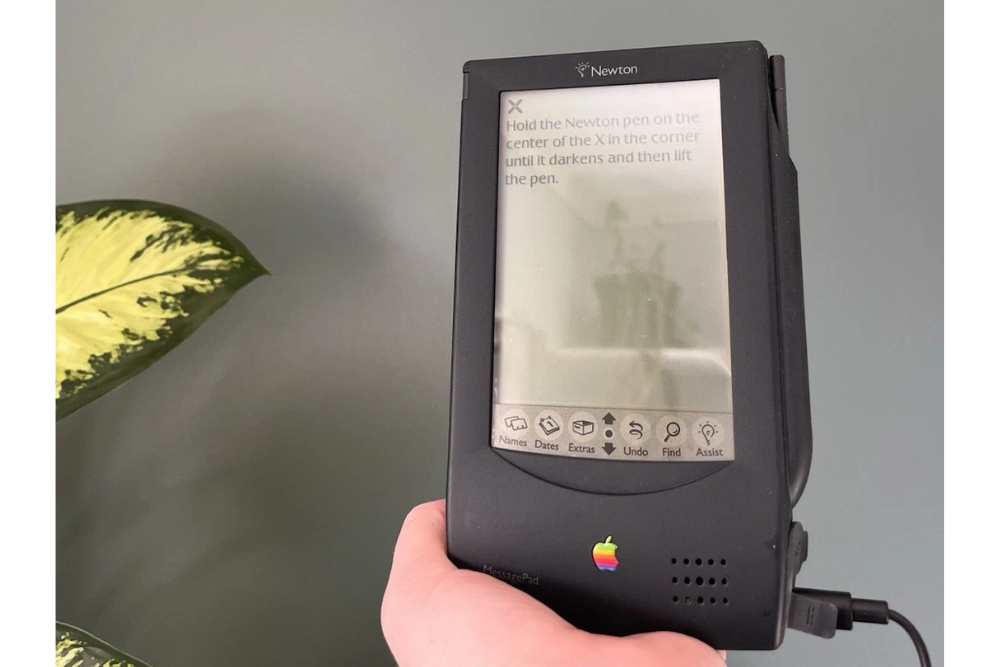
An Apple Newton MessagePad 100 with software, literature and accessories sold for $275 in a 2024 auction. Apple’s early pen-driven organizer promised that people could keep appointments, notes and contacts without hauling around a laptop. Its handwriting-recognition system became famous for occasionally making a mess of the job, but the ambition was unmistakable.
The MessagePad 100 belongs to the earliest generation, with a monochrome touch-sensitive screen and its own stylus. Original software disks, connection cables, memory cards and the manual help recreate how an owner would have used it. The Newton family changed across later models, so the label matters, as do the operating-system version and included accessories. A clean touchscreen and responsive pen input are the most satisfying signs that the gadget can still do its original job. Early mobile-computing collections often have space for this famously ambitious Apple detour.
Sony MZ-1 MiniDisc recorders
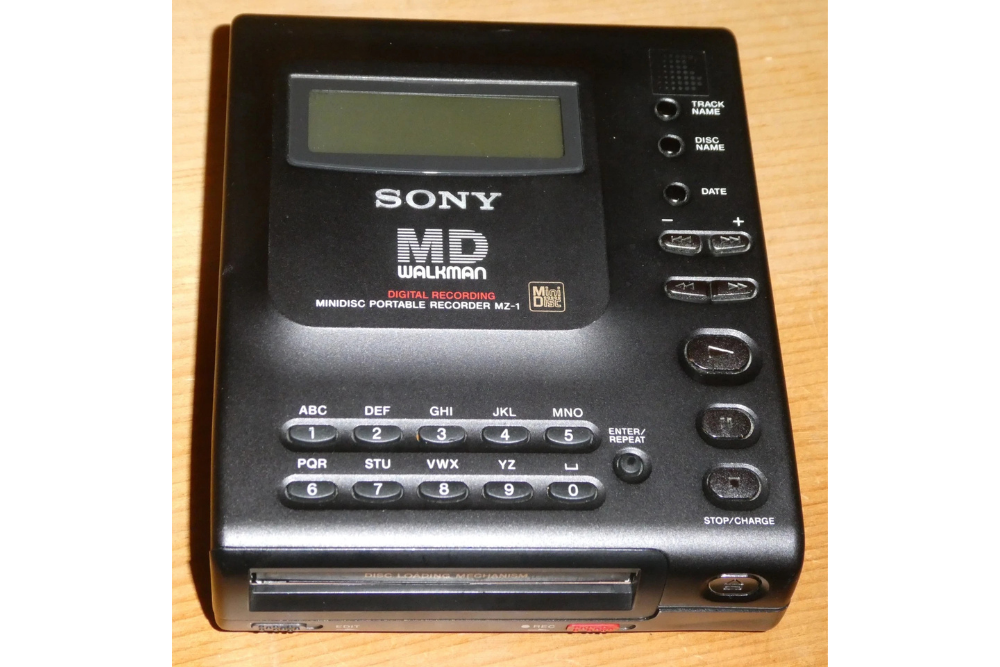
Sony’s first portable MiniDisc recorder offered digital recording in a small, reusable disc well before people had music files on their phones. A tested MZ-1 sold for $590 in June 2026. It looks substantial next to the later slimline players, with a large control panel and features designed for making and editing recordings as well as listening.
The MZ-1 is a recorder, so the ability to create a track and play it back matters as much as reading a commercially produced disc. Its power supply and unusual rechargeable battery pack are also worth keeping together. The front controls and display are distinctive, and a complete kit may include the original case and blank MiniDiscs. Loading-mechanism problems and failed batteries can make these early recorders temperamental. Collectors interested in the awkward transition from cassettes to digital files often see the MZ-1 as a particularly appealing piece of that short-lived format.
IBM ThinkPad 701C butterfly laptops
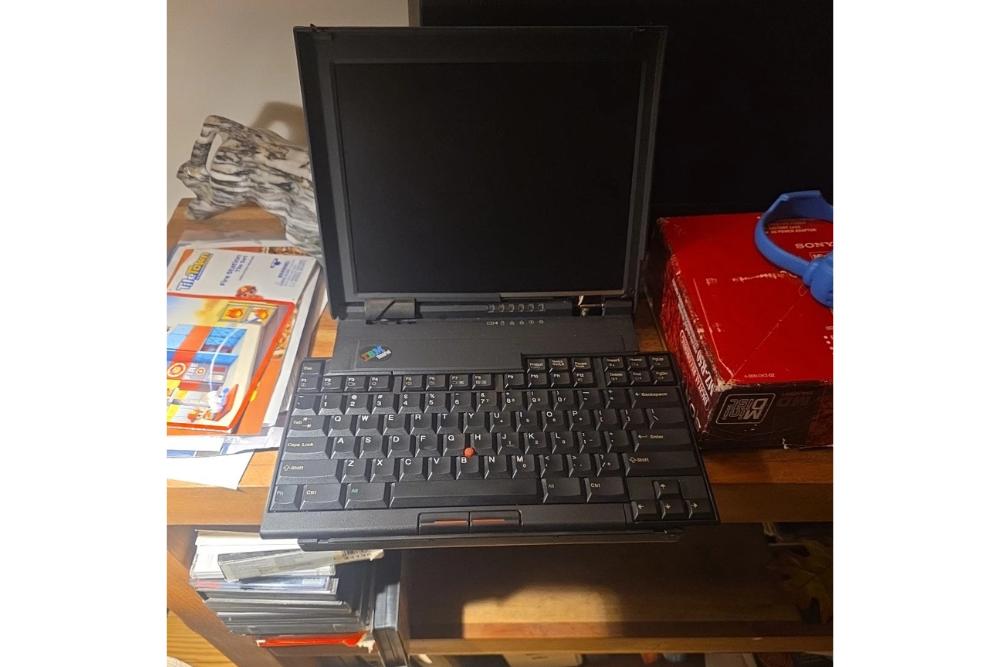
An IBM ThinkPad 701C sold for $900 in August 2026, even with a missing lid latch. This is the laptop with the extraordinary expanding keyboard: open the lid and the key assembly unfolds wider than the computer’s narrow body. The mechanism solved a real early-portable-computing problem and gave the 1995 machine one of the most memorable designs of the decade.
The keyboard has to open and close cleanly, and broken hinges or missing keys are serious obstacles to enjoying the thing. The small display, old storage drive and external power equipment also need attention, particularly if the laptop has been stored for years. Some systems have been upgraded with newer storage or software, and those changes should be described accurately. The original keyboard mechanism is the reason to collect a 701C, and it is still a pleasure to watch the pieces slide into place decades after the design first appeared.
Original Palm Pilot 1000 organizers
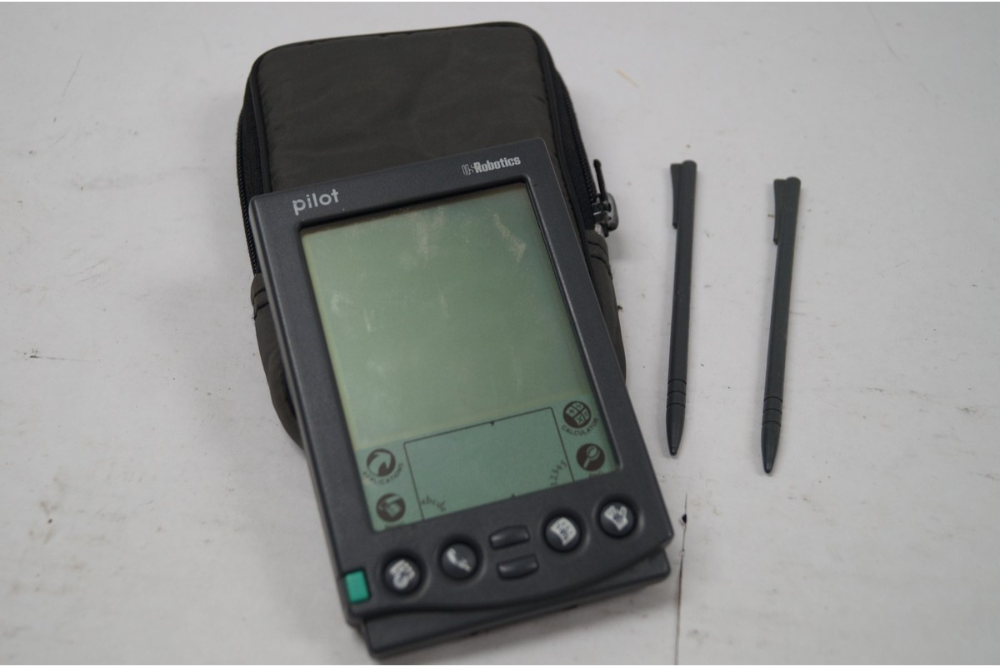
An original U.S. Robotics Pilot 1000 in working condition sold for $57 in July 2026. It was a plain little organizer by modern standards, but in 1996 its stylus-based input, calendar and contact features made it an appealing alternative to paper diaries. The distinctive green-gray case and compact touchscreen are familiar to anyone who used a Palm device before smartphones took over.
The early Pilot 1000 and 5000 have different memory capacities, and they predate the later PalmPilot naming and numerous redesigned models. Original styluses, syncing cradles and software disks complete an early desktop-computing setup. Scratches on the writing area are common, and the small screen needs to respond across its entire surface. A carefully preserved package is attractive partly because it captures the era when syncing a pocket organizer to a computer felt wonderfully futuristic. Its modest size makes it easy to overlook in a drawer of forgotten electronics.
Motorola StarTAC flip phones
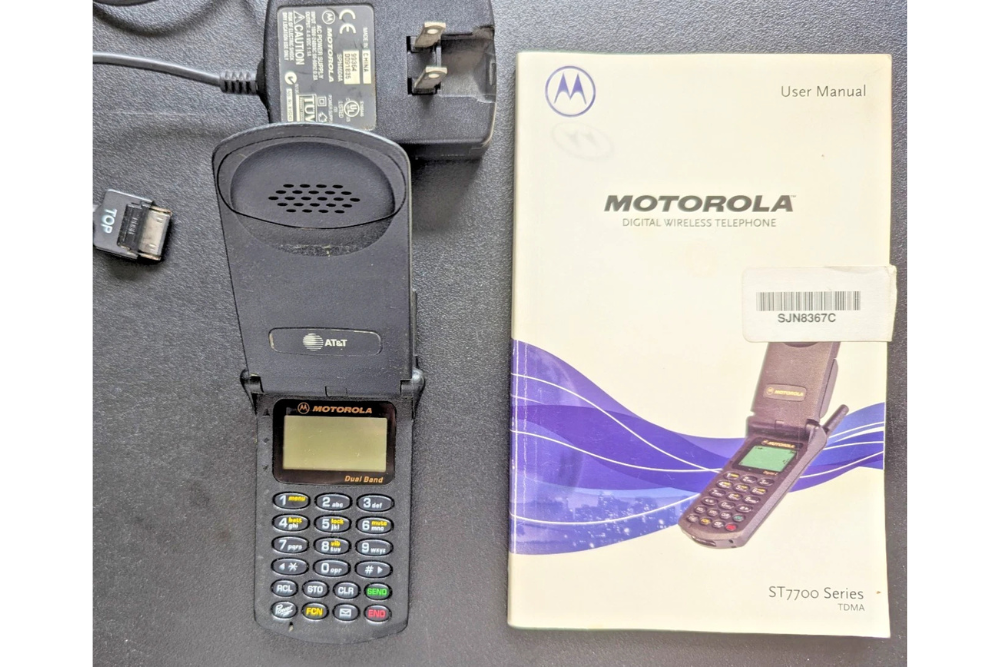
The Motorola StarTAC made a flip phone seem genuinely small and stylish in the 1990s. An example with its original case sold for $150 in August 2026. Its clamshell body, short antenna and close-fitting keypad made it a dramatic change from the larger mobile handsets that preceded it.
There were many StarTAC variants for different networks, so the rear model number and carrier details are central to identifying one. The hinge and tiny display are obvious wear points, and original chargers, cases and packaging look right alongside a pristine handset. Older cellular standards mean a phone may be an excellent collection piece without offering practical calling service now. Battery packs are another weak spot after decades on a shelf. The thing collectors enjoy is the compact mechanical design: the satisfying snap when it opens has survived the disappearance of the network it once depended on.
Sony Mavica MVC-FD5 digital cameras
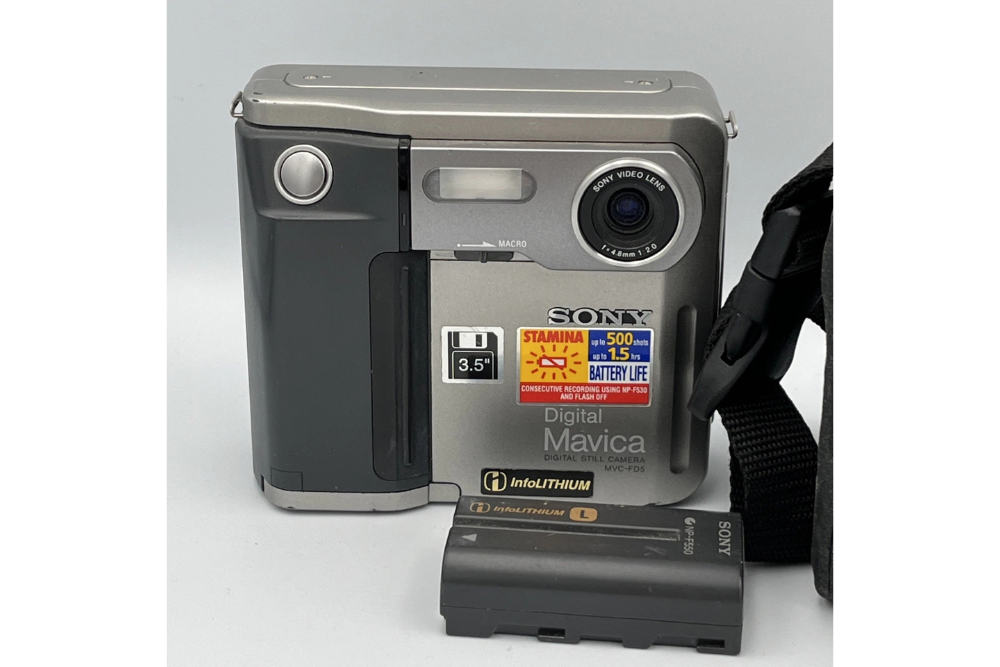
A Sony Mavica MVC-FD5 sold for $35 in July 2026 in untested condition. Its remarkable trick was saving digital photographs straight to a standard floppy disk, letting owners carry their pictures to a home computer without a special card reader. The 1997 design is a near-perfect snapshot of the period when digital photography was finding its feet.
The floppy drive is built into the camera body, which gives the FD5 its distinctive bulk. To use one today, an owner needs suitable disks, a functioning drive and a computer capable of reading them. The original battery and charger are also useful parts of the kit. Later Mavica cameras kept the floppy idea and offered better image quality, but the early FD5 has a particular place in the story. Its pictures may look tiny by modern standards, yet the satisfying disk-eject button is pure 1990s technology.
Sega Dreamcast consoles
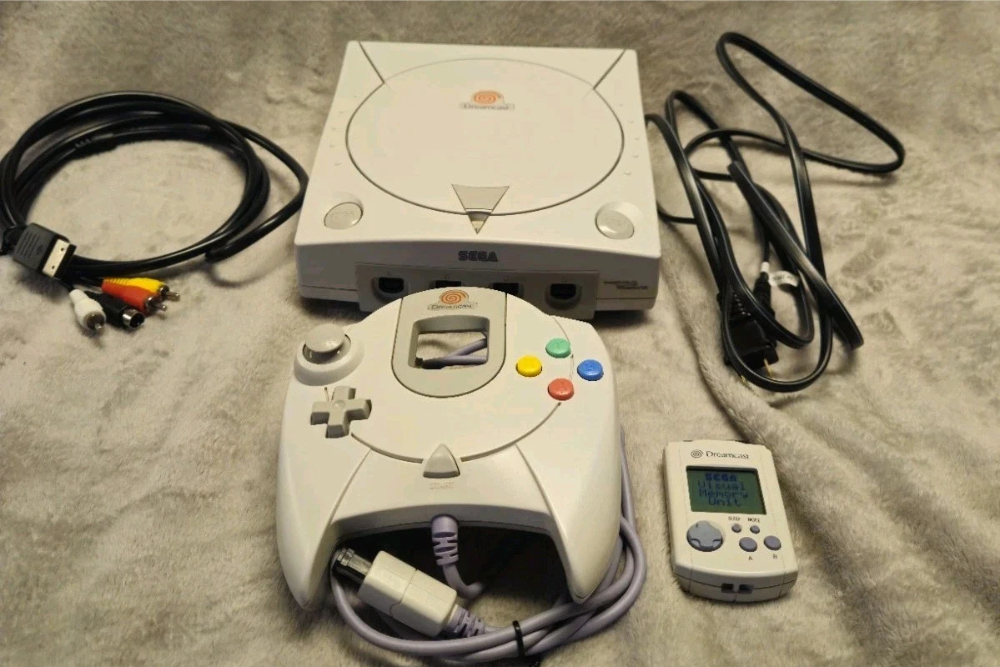
Sega’s final home console still has a fiercely loyal fan base. A tested Dreamcast with controller, cables and a Visual Memory Unit sold for $160 in August 2026. When it arrived in the United States in 1999, the console offered an adventurous game library, distinctive accessories and online features that felt bold for the time.
The controller’s memory-card window is one of its best details: the removable VMU could display game information and function as a tiny handheld device. Early U.S. consoles are identified by their labels and region details, while rarer color variants and original bundles attract additional interest. Disc drives can become noisy or unreliable, and yellowed plastic is common. A complete setup with the original box and familiar games makes a satisfying end point to a collection of Sega machines. Plenty of players still enjoy the Dreamcast’s unusual, energetic games on the original hardware.











