scroll top

Got boxes of old electronics in the attic, garage, or your parentsโ€™ basement? A lot of that โ€œjunkโ€ is just outdated 80s tech that nobody uses anymore. But to collectors, those same gadgets can mean serious cash.

The 1980s were the first big home-computer and gadget boom. Companies cranked out new devices every year, many of them pricey at the time and short-lived. Now that theyโ€™re rare, and super nostalgic, some models are bringing in anything from grocery money to a mortgage payment.

Condition matters a lot. Original boxes, wires, manuals, and even old price stickers can bump up what yours is worth. Working gear is usually worth more, but even dead devices can sell if theyโ€™re rare or good for parts.

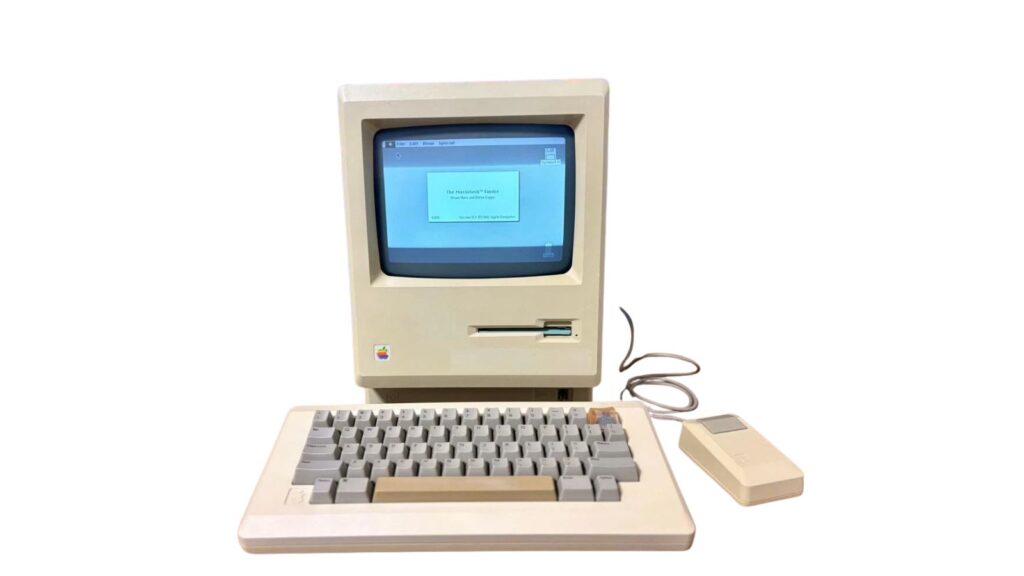
1. 1984 Apple Macintosh 128K desktop

1984 Apple Macintosh 128K desktop
Image Credit: Rising Sun Gaming via eBay

If someone in your family was an early computer nerd, thereโ€™s a chance a beige Macintosh 128K is still hiding in a closet. This was the first Mac, launched in 1984, the cute all-in-one cube with the tiny screen and floppy drive. Even a standard, working 128K is a big deal to collectors because it kicked off the modern desktop era.

Real auction sales show how high these can go. A rare Macintosh 128K prototype with a clear display case and accessories sold for around $16,500 in 2024. A more ordinary โ€œstartup bundleโ€ with the computer and matching accessories brought in over $700. Machines with yellowed plastic, missing parts, or dead drives are worth less, but still far from worthless.

If you find one, donโ€™t plug it in right away, old capacitors can fail. Take pictures of the back label, ports, and any tags on the box. Collectors care about serial numbers, early production details, and whether everything matches. Those small details can be the difference between โ€œcool old computerโ€ and โ€œfour-figure collectible.โ€

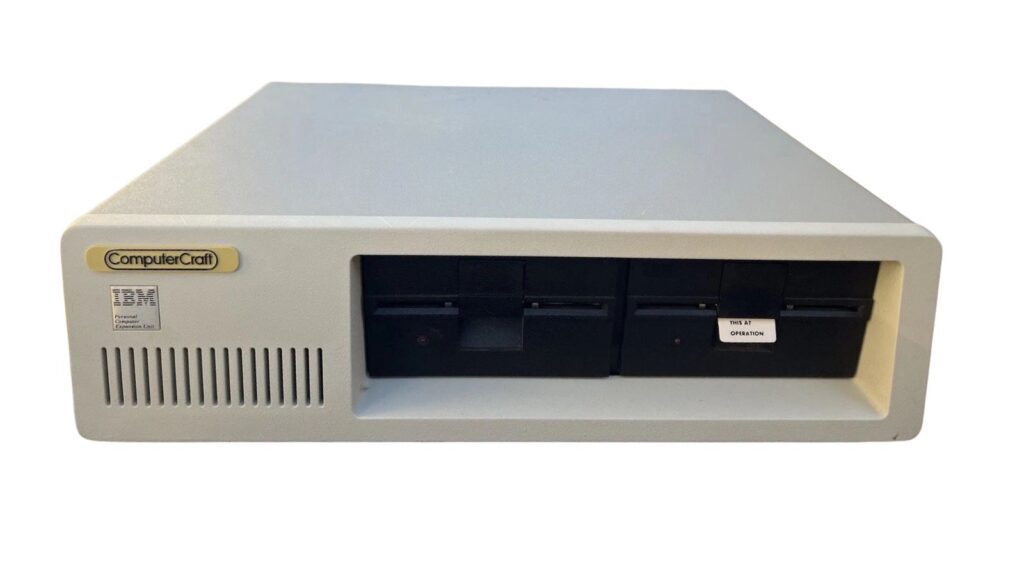
2. Early-production IBM PC 5150

IBM PC 5150
Image Credit: TickTock Deals via eBay

Before home PCs were everywhere, there was the IBM PC 5150, the gray metal box that defined the word โ€œcomputerโ€ in the early 80s. A lot of these went into offices and schools, then got hauled home when they were replaced. Today, complete systems with the original monitor and keyboard can be worth real money.

One early-production 5150 with matching monitor, keyboard, and drives sold at auction for just over $4,000 a few years ago, thanks to its clean condition and original parts. More ordinary setups, think standard configurations with some cosmetic wear, have hammered in the few-hundred-dollar range.

The best finds are systems that still have their big, clicky keyboard, manuals, and maybe a stack of original software disks. If yours has been sitting under a sheet in the basement, take a full set of photos before doing anything else. Even if you donโ€™t have the monitor, a clean 5150 tower alone can be attractive to collectors and retro-computing fans.

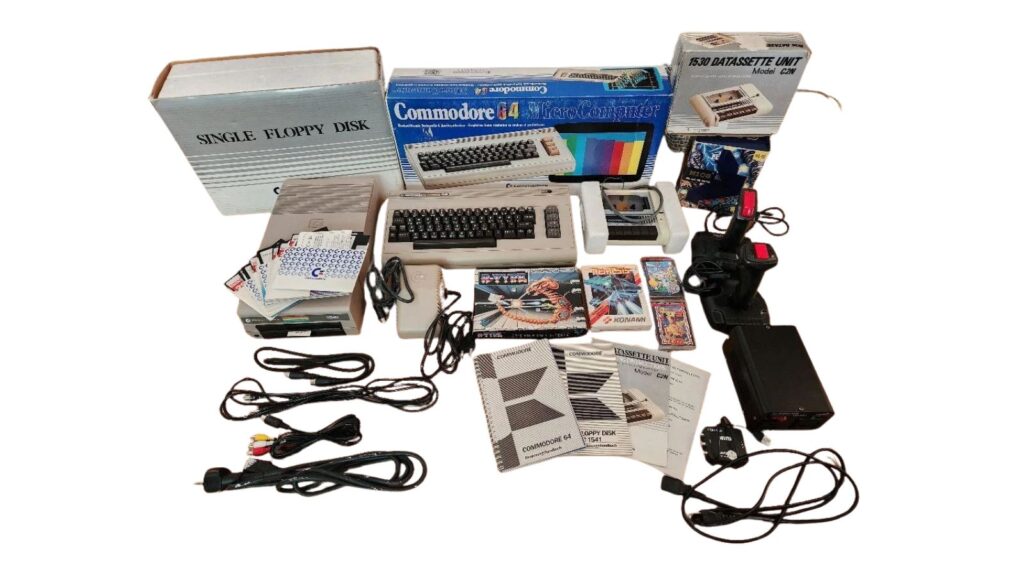
3. Commodore 64 home computer in working shape
Commodore 64
Image Credit: japan_gardens via eBay

The Commodore 64 was one of the most popular home computers of the 80s, so itโ€™s exactly the kind of thing that might still be in a box at your momโ€™s house. People used it for games, schoolwork, and early word processing. Because so many were made, beat-up systems without cables donโ€™t command top dollar, but good ones still sell.

Auction records show basic working Commodore 64 units bringing in a couple hundred dollars when they include the power supply and look clean. One standard system sold for around $250 in recent years. Boxed computers with matching serial numbers, manuals, and maybe the original joystick and games can go higher.

If you find a C64, check for the brick power adapter, video cable, and any matching Commodore-branded drives. Test carefully or mention โ€œnot testedโ€ if youโ€™re listing it. Collectors expect some yellowing on the plastic, but cracks, missing keys, and third-party power bricks can drag the price down.

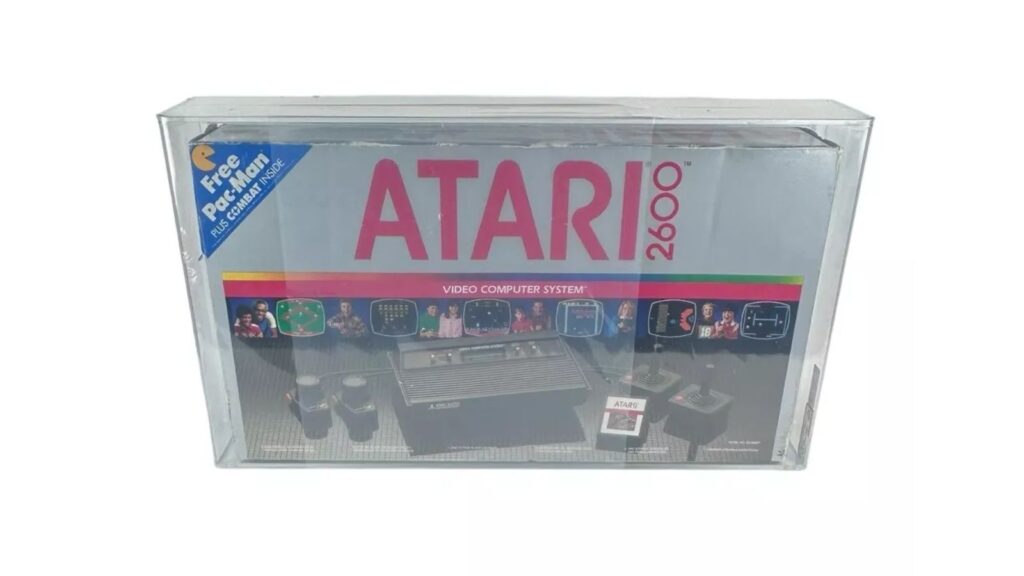
4. Atari 2600 console complete in box
Atari 2600
Image Credit: Couture Supreme via eBay

The Atari 2600 technically launched in the late 70s, but it ruled living rooms well into the 80s. Many families boxed theirs up when the NES or Sega showed up. A loose console with some random cartridges may only bring modest money, but complete-in-box sets add up fast.

Price histories based on completed online sales show standard boxed 2600 systems often selling in the $100โ€“$200 range, depending on condition. Special bundles do even better: a Darth Vader โ€œPac-Man Bundleโ€ system graded as complete is valued around $600, with sealed examples charted as high as $900.

What matters most are the original box, foam inserts, joysticks, power supply, and any pack-in games or paperwork. A tidy set with matching serial numbers and a decent box can be worth several times more than a bare console. If youโ€™ve got the whole bundle, resist the urge to split it up, collectors pay a premium for complete packages.

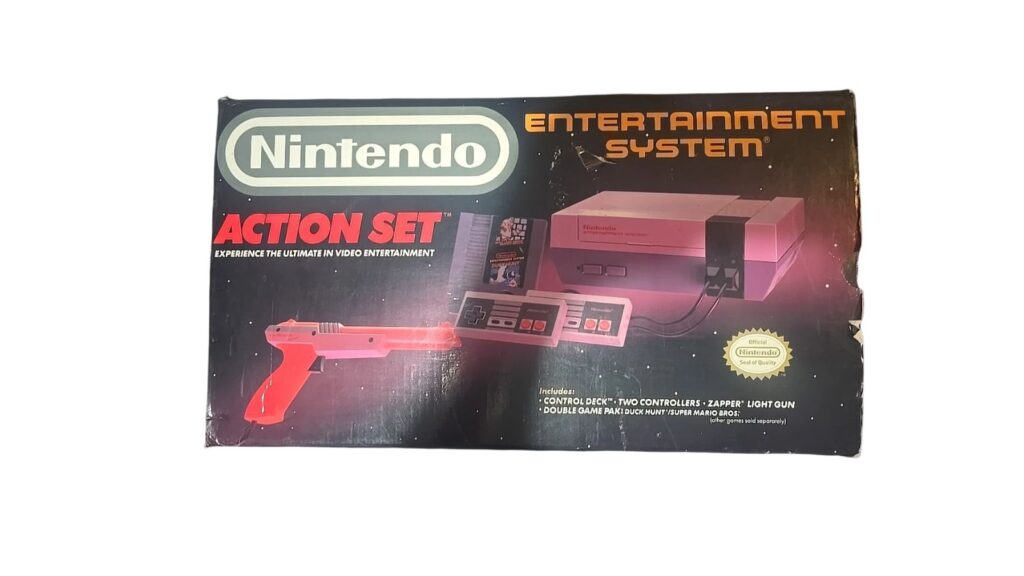
5. Nintendo Entertainment System โ€œAction Setโ€ with box and Zapper

Nintendo action set
Image Credit: Logans Gaming via eBay

The NES is the console most people remember from the 80s, especially the red-and-gray โ€œAction Setโ€ with Super Mario Bros./Duck Hunt and the orange Zapper gun. While loose consoles are common, complete Action Sets with original packing materials are much harder to find and can sell for serious money.

Sales tracking based on completed eBay auctions shows clean, complete Action Sets bringing a few hundred dollars on a regular basis, with nicer ones pushing higher. One near-mint, complete-in-box Action Set recently sold for about $1,850, thanks to its condition and original packaging. Sealed sets, if youโ€™re lucky enough to have one, can climb even higher.

Look for the original box art with the Zapper pictured, factory styrofoam, controllers, instruction manuals, and that combo game cartridge. Scuffs and crushed corners are fine, but heavy water damage, missing inserts, or replacement controllers will drag values down.

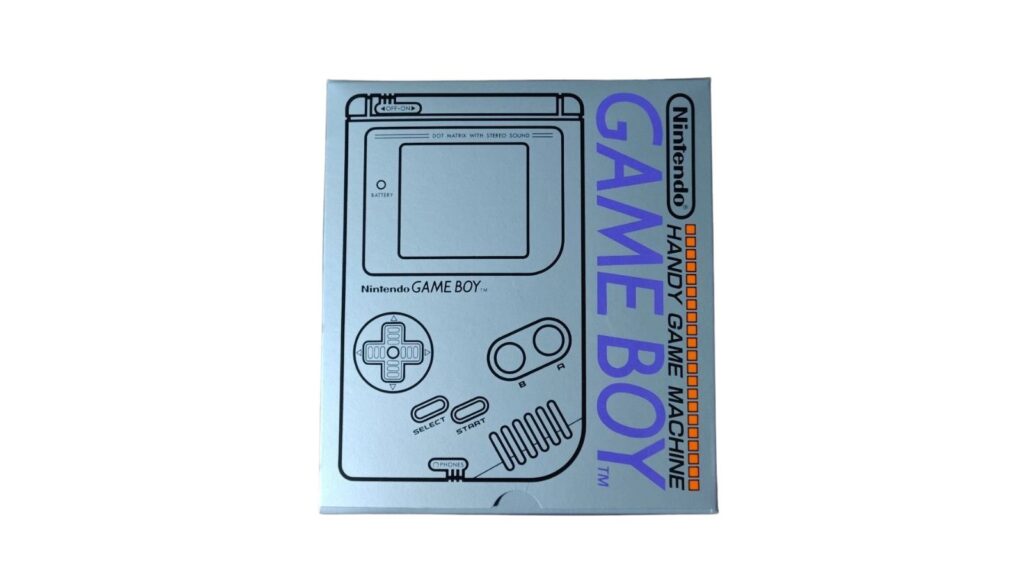
6. Original Nintendo Game Boy DMG-01 (especially with box)
Nintendo Game Boy
Image Credit: hiroshop2025 via eBay

Toward the end of the 80s, the original gray Game Boy showed up and suddenly kids didnโ€™t need to sit in front of the TV to play games. If your old handheld survived rides in backpacks and car trips, or better yet, stayed in its box, it may be worth more than you expect.

Market data based on completed sales shows boxed, working DMG-01 systems often going for a few hundred dollars. One complete-in-box system in great shape sold for over $400. Factory-sealed consoles are much rarer and can approach $1,200 or more when they turn up.

What helps your value: original box, tray, manuals, the plastic bag the console came in, and the Tetris cartridge. Scratches on the screen and corrosion in the battery compartment hurt, but even a worn shell can be swapped or cleaned by collectors. If yours still powers on and music plays through the tiny speaker, thatโ€™s a good sign.

7. Sony Walkman TPS-L2 and other early cassette players
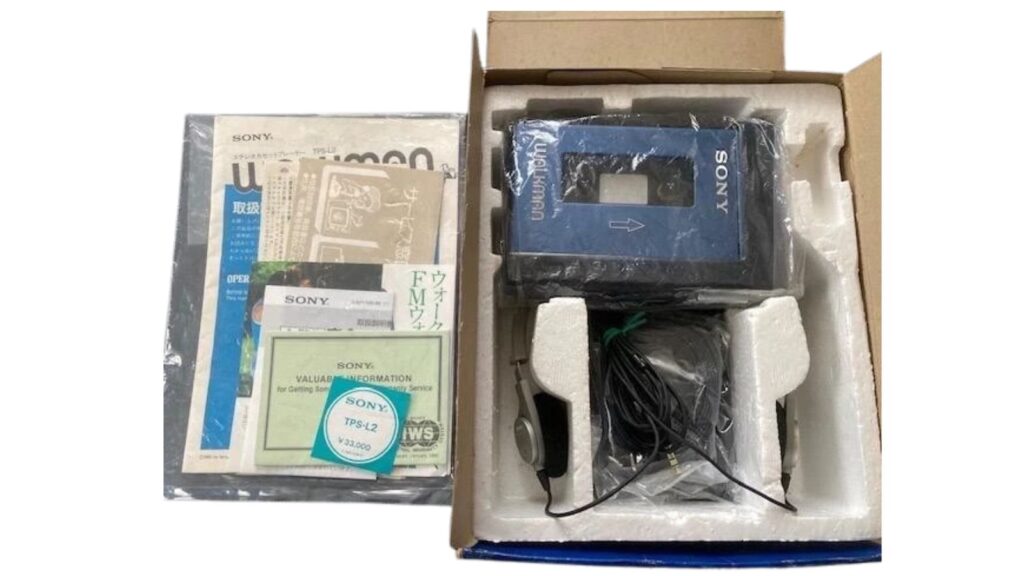
Sony Walkman TPS-L2
Image Credit: SHOP_NINJA_TOKYO via eBay

The blue-and-silver Sony Walkman TPS-L2, the one with the orange headphones, is an absolute 80s icon. It was one of the first truly portable music players, and itโ€™s become very collectible. Even later high-end Walkman models from the mid-80s can sell well if theyโ€™re working and in good shape.

Sales and collector write-ups show functioning TPS-L2 units selling in the high hundreds or low thousands of dollars, depending on condition and accessories. One used, tested TPS-L2 brought in about $2,300, while another example with wear but original parts sold for just under $500. A recent rundown of retro gadget values puts clean TPS-L2 players around ยฃ700 (roughly $800โ€“$900) when they show up.

If you find an old Walkman, check the exact model number on the back. Keep any original headphones, leather case, and box together with the player. Even if the cassette mechanism is stiff or belts are slipping, collectors may still pay well for a rare model that can be serviced.

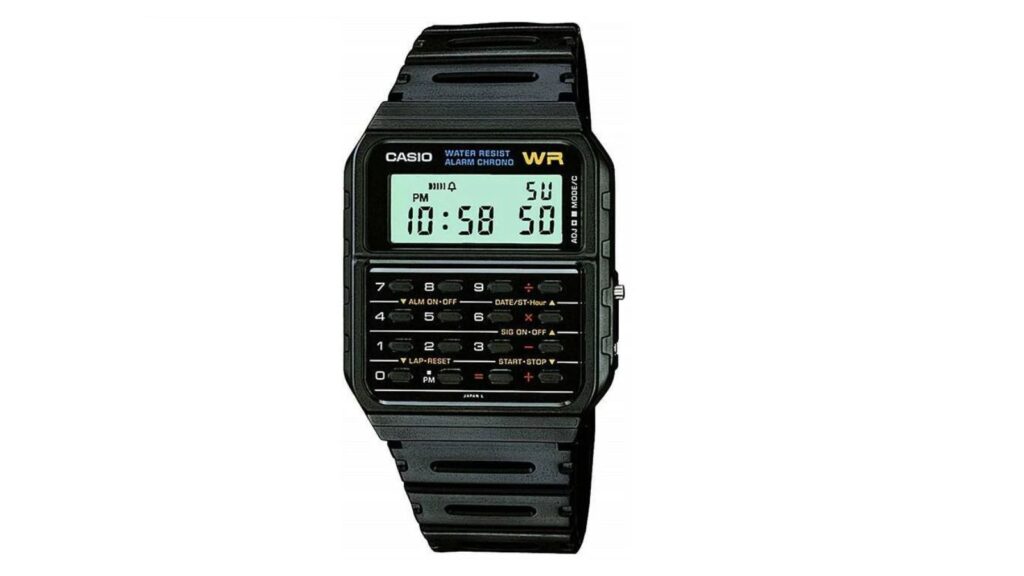
8. Casio CA-53W calculator watch (Marty McFlyโ€™s style)

Casio CA-53W
Image Credit: rdk_direct via eBay

Calculator watches were peak 80s nerd cool, and the Casio CA-53W, the one Marty McFly wears in Back to the Future, is still popular. New versions are made today, but vintage 80s pieces, especially in unusual colors or new-old stock condition, have collector appeal.

Recent marketplace listings show original CA-53W watches in good shape selling from around $50 up to $100 or more, especially when theyโ€™re marked as vintage and tested. New-old-stock or modded versions with original packaging often list in the $60โ€“$80 range. Higher-end Casio calculator models from the mid-80s, like early Databank watches, can run into the low hundreds.

Check if your watch still powers on and if all segments on the display work. Original straps, manuals, and boxes help. Even if the strap is cracked, the watch head alone can be useful to collectors who restore or customize these.

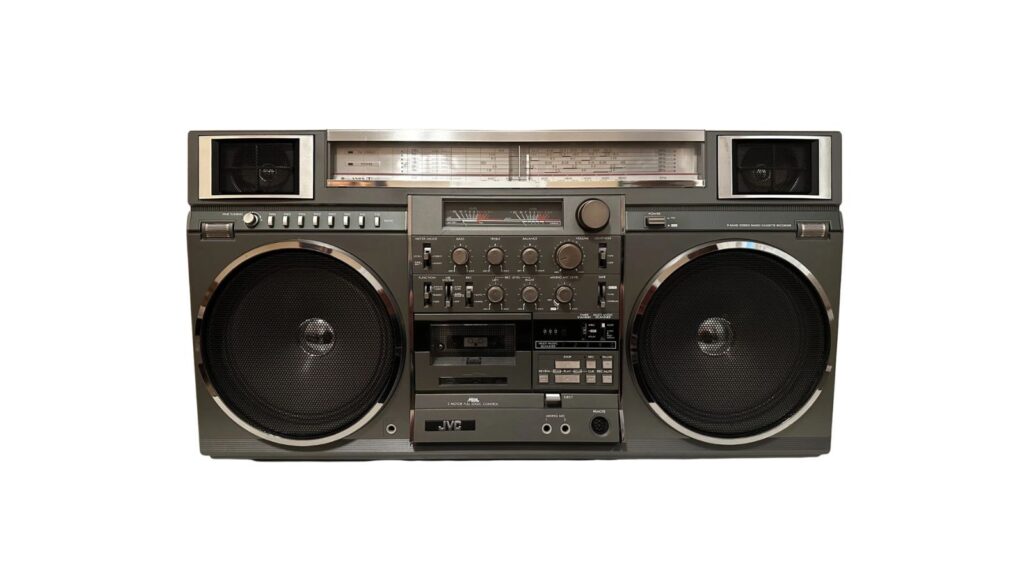
9. JVC RC-M90 โ€œking of the boomboxesโ€

JVC RC-M90
Image Credit: hsc654 via eBay

If you remember a huge silver boombox blasting breakdance tapes in the neighborhood, it might have been the JVC RC-M90. This late-70s/early-80s portable stereo is known as the โ€œking of the boomboxesโ€ and is one of the most sought-after models today.

Itโ€™s not a cheap thrift-store find. Collectors expect to pay four figures for a decent one. A non-working RC-M90 recently sold on a music gear marketplace for about ยฃ1,533 (roughly $1,900). Reports of eBay auctions show clean, boxed examples hitting close to $4,500 when they include rare accessories like the original remote and demo tape.

If you stumble on a big JVC with dual tape decks and lots of sliders on top, write down the exact model printed on the front. Even rough RC-M90s can be valuable for parts. Other large, high-end boomboxes from Sharp and Panasonic are also worth checking before you donate them.

10. First-generation Sony Discman D-50 portable CD player
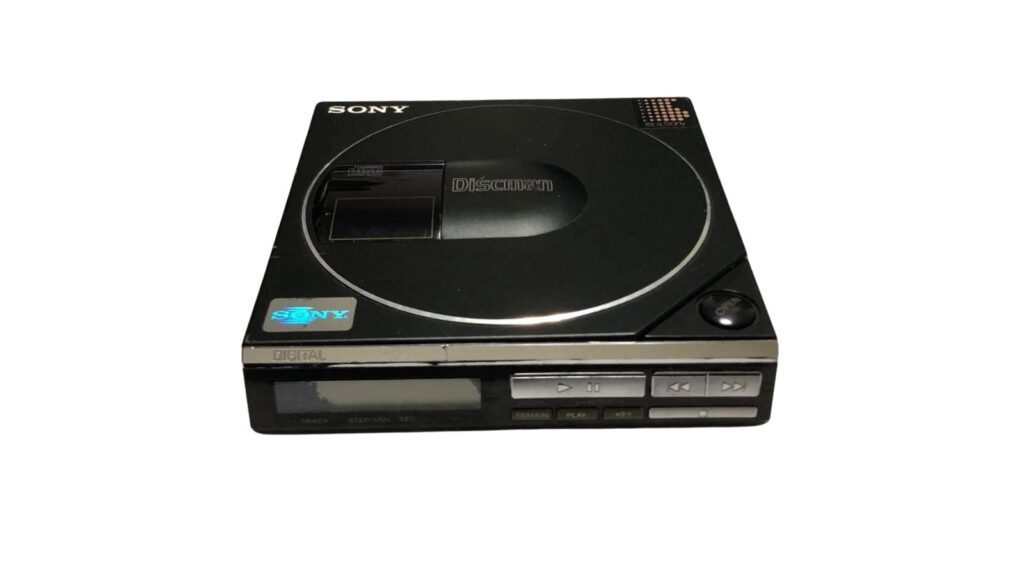
Sony Discman D-50
Image Credit: darumaya-japan21 via eBay

Portable CD players didnโ€™t become common until the mid-80s, and the earliest models were expensive. The Sony Discman D-50 (sometimes labeled D-5) was one of the first. Itโ€™s chunky, heavy, and usually missing its original power brick by now, but collectors love it.

Sales records on used-audio sites and marketplaces show working D-50 and D-50 Mk II units going for a couple hundred dollars, even with cosmetic wear. One Mk II example in used condition sold for around ยฃ239 (about $300) not long ago. Clean units with original cases, manuals, and boxes can go for more, especially if theyโ€™ve been serviced.

If you find an old Discman, donโ€™t be surprised if it needs a new power supply or belt. Mention any faults honestly if you sell it; the people buying these often know how to fix them. The important thing is the model number and overall condition of the body and laser assembly.

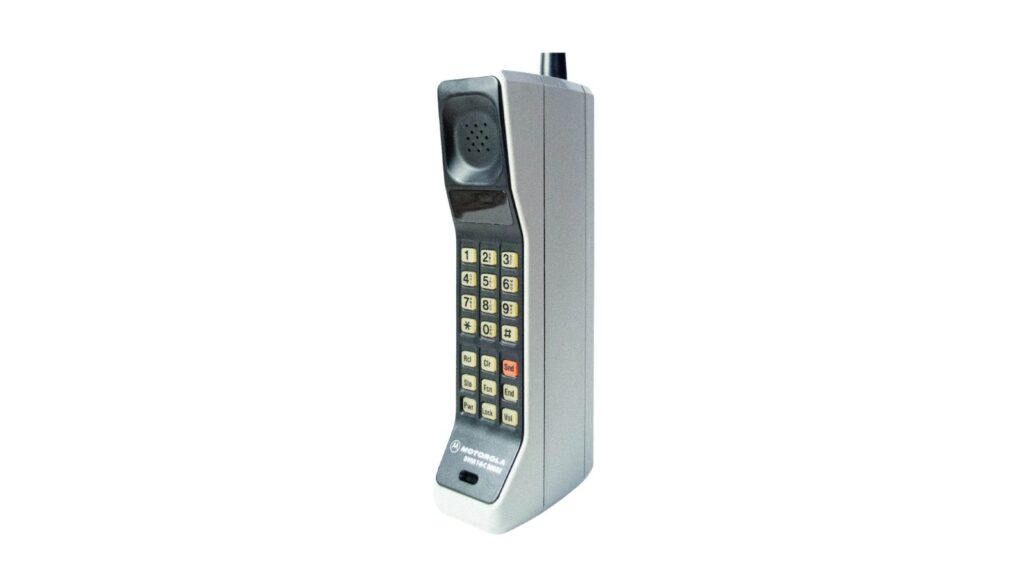
11. Motorola DynaTAC 8000X โ€œbrickโ€ cell phone

Motorola DynaTAC 8000X
Image Credit:
dynatac via eBay

That giant beige โ€œbrickโ€ phone from 80s movies, the Motorola DynaTAC 8000X, is one of the most valuable old phones out there. It was the first widely available mobile phone and cost almost $4,000 new in 1984, before monthly service fees.

Today, collectors pay four figures for good examples. A rundown of retro phone prices based on completed eBay sales puts average selling prices for the 8000X around ยฃ1,700 (roughly $2,200). Some units in great cosmetic condition have sold for $6,000โ€“$7,000, especially if they include chargers and original packaging. Even lower-grade units have brought a few hundred dollars at local auctions.

If you find one, look for the model label under the battery and any original car kits or desk chargers. It doesnโ€™t need to power on to have value, but cracks, missing antenna pieces, or heavy yellowing will lower the price.

12. Polaroid 600-series instant cameras
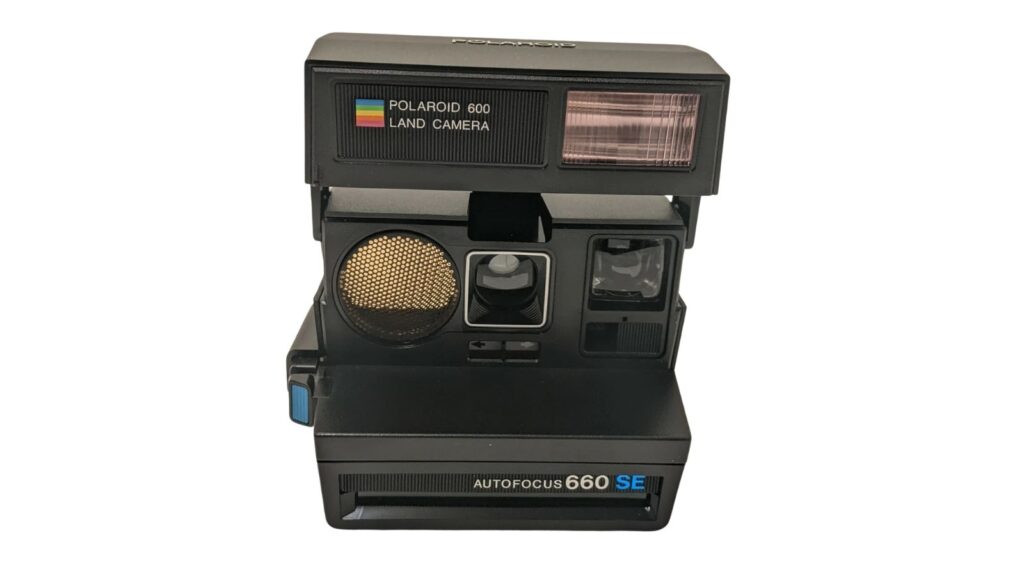
Polaroid 600-series
Image Credit: okieintime223 via eBay

Instant cameras scream 80s, and Polaroidโ€™s 600-series models were everywhere. Many households still have one stashed away in a drawer. While theyโ€™re not usually worth thousands, certain models and clean examples can be a nice little payday, especially since Polaroid still makes compatible film.

Price guides that track actual sales show bread-and-butter Sun 600 LMS cameras often selling around $20โ€“$30 in average condition, with nicer ones hitting the $40โ€“$50 range. Autofocus 660 models and refurbished cameras can bring more; one popular instant camera shop lists 600 OneStep Close-Up cameras at about ยฃ120 (roughly $150) when theyโ€™ve been serviced and tested.

Check the front for โ€œ600,โ€ โ€œSun 600,โ€ โ€œSun 660,โ€ or โ€œBusiness Edition.โ€ Working flash, clean rollers, and an uncracked body help. Even if yours is untested, it may still be worth listing if it looks decent. Collectors and photographers sometimes prefer to do their own refurbishing.

13. IBM Model M mechanical keyboard
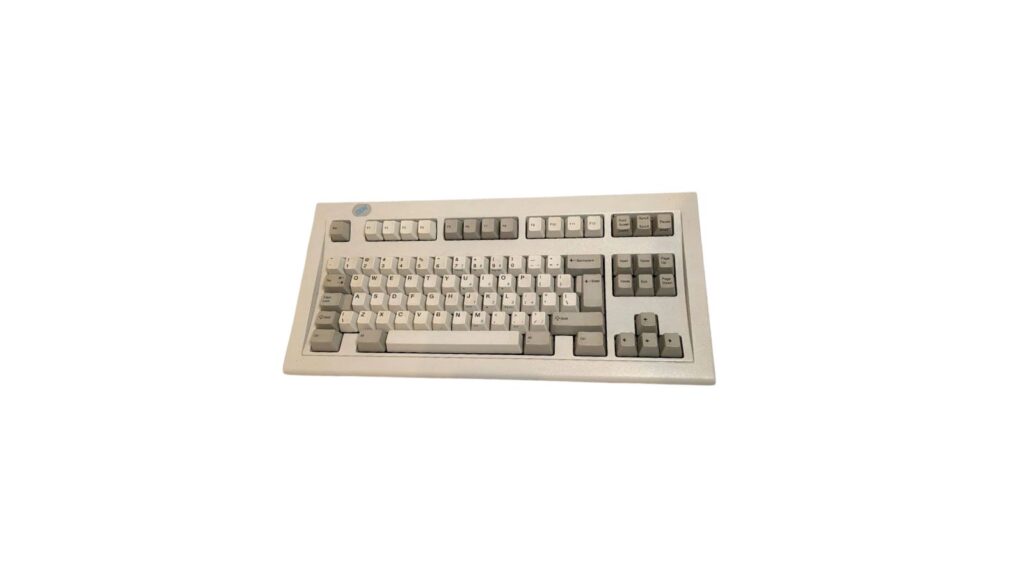
IBM Model M mechanical keyboard
Image Credit: nyan-nyao via eBay

If you used an old beige PC in the late 80s or early 90s, you probably remember the loud, clicky keyboard. That was likely an IBM Model M, and itโ€™s now a cult favorite among mechanical keyboard fans. Many got tossed when slim, quiet keyboards became standard, which is why surviving ones are valuable.

Modern listings show nice Model M boards regularly going for $100โ€“$250 depending on layout, date, and condition. A vintage Model M with a rare QWERTZ layout recently sold for just over ยฃ200 (about $250),, and more common versions still list around ยฃ100 each. Shorter โ€œspace-savingโ€ Model Ms can fetch even more.

Look on the back for the part number, 1391401 is the classic model, and the manufacturing date. Collectors like boards that havenโ€™t been heavily yellowed or cracked, and that still have their original, detachable cable. Even dirty boards can clean up well, so donโ€™t panic if itโ€™s dusty.

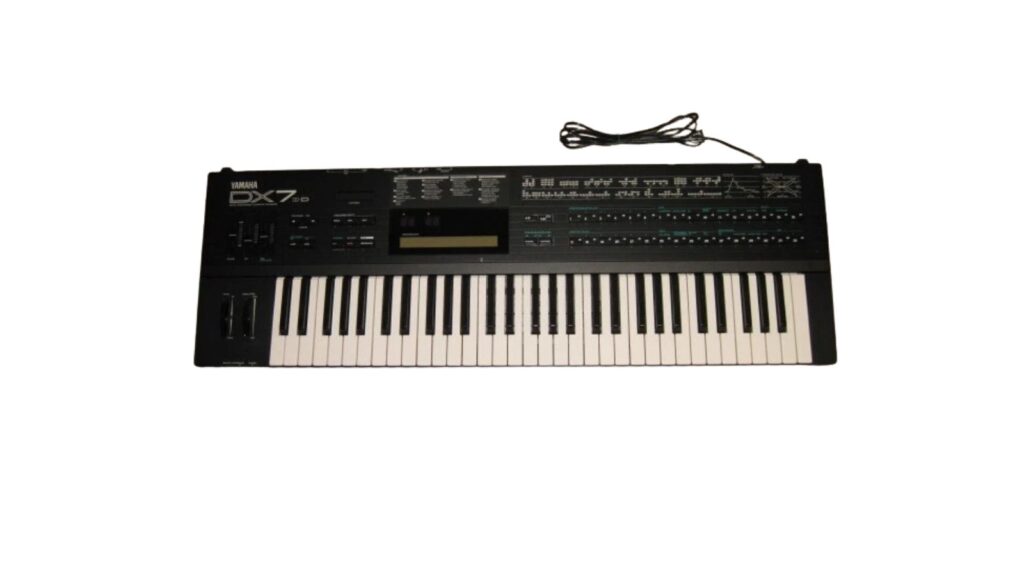
14. Yamaha DX7 synth keyboard

Yamaha DX 7
Image Credit:
Dea ex Machina via eBay

That bright, glassy keyboard sound in countless 80s pop songs often came from the Yamaha DX7. It was everywhere: studios, churches, school music rooms, basements. If youโ€™ve got a long, heavy synth with โ€œDX7โ€ on the right side buried under other gear, donโ€™t ignore it.

Ordinary DX7s in working condition typically sell in the mid-hundreds of dollars through music gear sites and local shops. But provenance matters: a DX7 used by Prince on his Purple Rain tour and in the studio sold at auction in 2024 for about $73,700 thanks to the name attached to it. Thatโ€™s extreme, but it shows how high the ceiling can be.

Even a regular, non-famous DX7 can be worth a few hundred dollars, more if it has a hard case and original sound cartridges. Test every key and slider, note any dead outputs or display issues, and photograph it carefully. Musicians and producers still use these, both for nostalgia and for their very specific 80s tone.

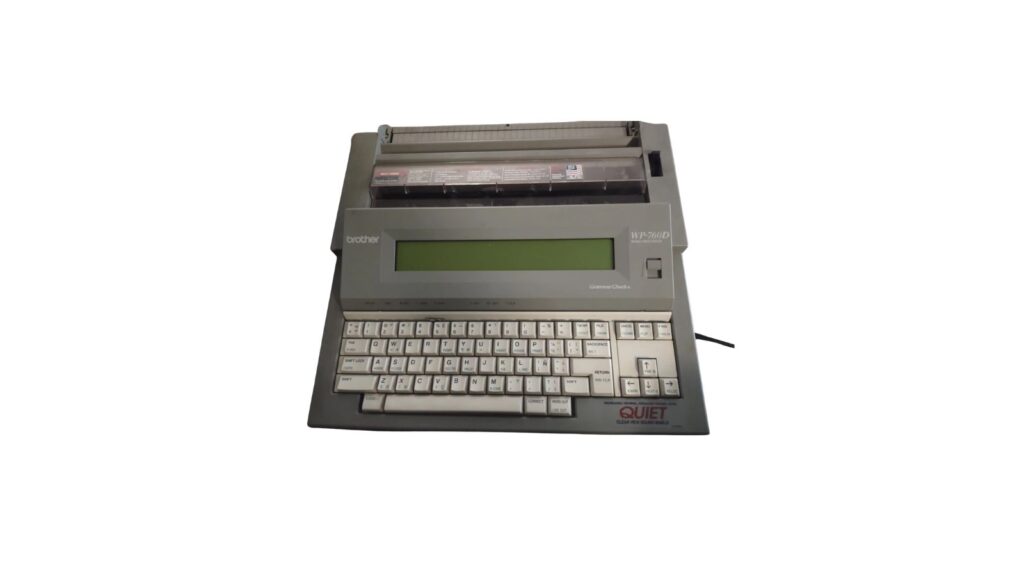
15. 1980s electronic word processors and โ€œsmartโ€ typewriters

Brother WP-760D
Image Credit: epicfinds15 via eBay

Before home PCs became affordable, some people bought dedicated word processors: electric typewriters with a tiny screen and built-in memory. Theyโ€™re clunky by modern standards, but theyโ€™re pure 80s tech. Certain models from brands like Brother are surprisingly valuable, especially in great shape.

One example: a Brother WP-760D portable word processor with screen and disk drive has been offered around the ยฃ400โ€“ยฃ500 mark (roughly $500โ€“$650) on specialist vintage-tech marketplaces. Other 80s electronic typewriters with screens and built-in memory also show up at a few hundred dollars when serviced and tested.

Look for machines with a small LCD or CRT display, integrated disk drive, and original power cord. Replacement ribbons and disks are a bonus. These are heavy to ship, which can limit what buyers are willing to pay, but unusual models in very clean condition are worth researching before you recycle them.

16. Unopened packs of 3.5-inch floppy disks
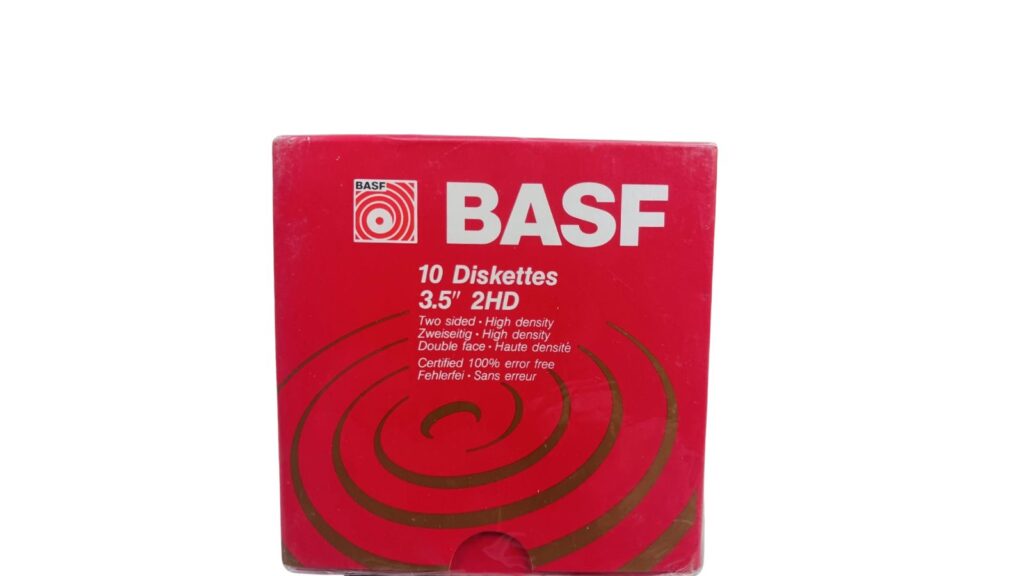
Unopened packs of 3.5-inch floppy disks
Image Credit: CMCollectiblesnMore via eBay

You might not have your old computer anymore, but you could still have stacks of blank floppies. Most loose, used disks are basically worthless. Sealed packs, though, especially name-brand 3.5-inch disks from the 80s or early 90s, can sell to collectors and retro-computing fans who want period-correct media.

Recent marketplace listings show unopened packs of 50 brand-name high-density 3.5-inch disks priced around $50โ€“$70, and sometimes higher if theyโ€™re in clean retail boxes (for example, an unopened 50-pack listed at $68 plus shipping). Smaller 10-packs from the 80s in bright, old-school packaging can also bring respectable money per disk.

If you find shrink-wrapped floppy packs, donโ€™t open them โ€œjust to see.โ€ Leave the plastic intact, note the brand and capacity (like โ€œ2HDโ€), and photograph the box from all sides. These are exactly the kind of things people overlook at estate sales, and theyโ€™re small enough that collectors will happily pay shipping.

17. 1980s Sony Trinitron CRT TVs (especially for retro gaming)
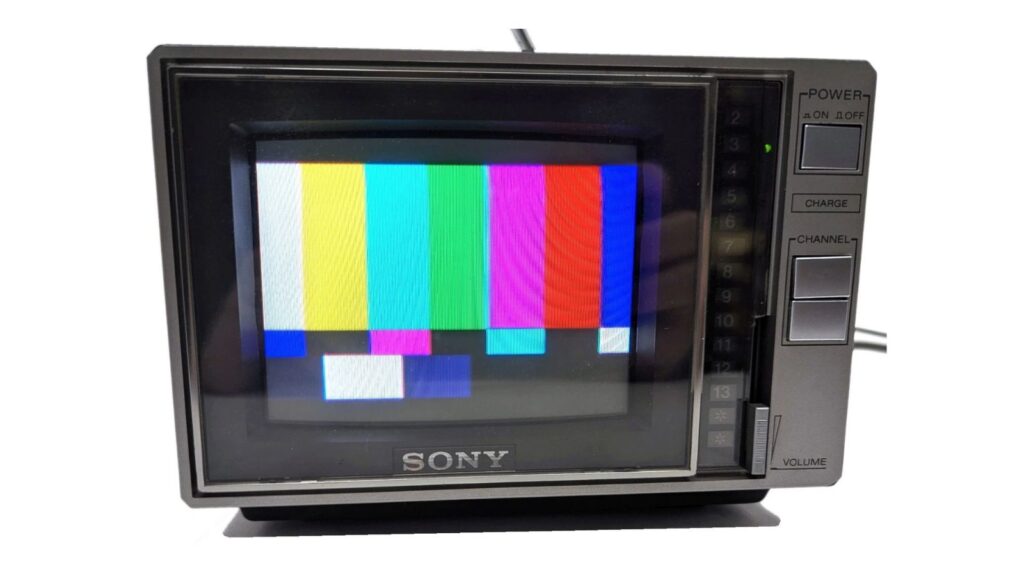
1980s Sony Trinitron CRT TV
Image Credit:
ProEarthTech via eBay

Heavy old tube TVs are usually hard to give away, but certain models are gold to retro gamers. 1980s Sony Trinitron sets with sharp tubes and the right inputs are in demand because they make old consoles look the way they did back then.

Completed sales and current listings show mid-size Trinitron sets, think 20- to 29-inch models with component or SCART-style inputs, often listing in the mid-hundreds of dollars, especially when theyโ€™re marketed specifically for retro gaming and local pickup. Smaller or very beat-up TVs are worth much less, mostly because theyโ€™re expensive to ship and hard to move.

If youโ€™ve got an old Trinitron, write down the exact model number on the back, measure the screen, and see what inputs it has. Donโ€™t plug it in if the cord is cracked or frayed, but do mention if it was working the last time anyone used it. Local buyers may be happy to haul it away and pay you for the privilege.

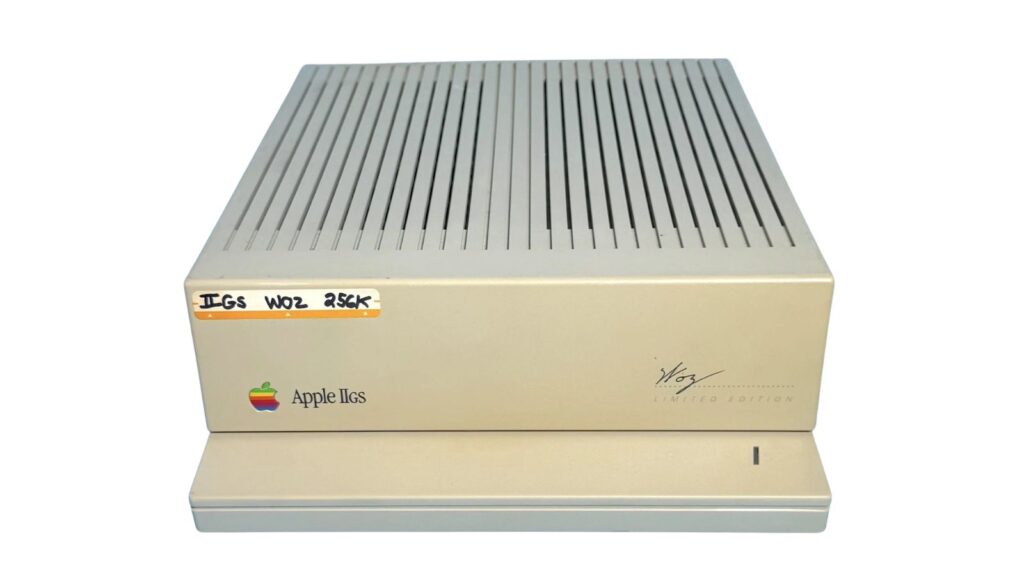
18. Apple IIGS โ€œWoz Editionโ€ and other special-run 80s machines

Apple IIGS โ€œWoz Editionโ€
Image Credit: Michigan Vintage Finds via eBay

Some 80s computers were limited editions even when new. One classic example is the Apple IIGS โ€œWoz Edition,โ€ which came with Steve Wozniakโ€™s printed signature on the front. These machines look like any other beige desktop from the era, but the small badge makes them far more collectible.

Auction records show complete Woz-edition IIGS systems selling for several thousand dollars when they include matching monitor, keyboard, and original packaging. One well-preserved Woz IIGS brought in around $2,550 in a recent sale. Other special-run 80s systems, anniversary models, prototypes, or machines from famous owners, can also fetch big money.

If you run across a random beige computer, donโ€™t assume itโ€™s worthless. Look closely at the front badge and rear labels for words like โ€œLimited Edition,โ€ unusual serial numbers, or a designerโ€™s signature. Those tiny details can turn a $50 machine into something worth 10 or 20 times more to the right buyer.

Strategies for making money outside of a traditional job:

freelance writer
Image Credit: Shutterstock

Where to sell sterling silver for the most money: In this post, youโ€™ll learn about the difference between sterling silver and other types of silver, and find places to make the most money from selling your sterling.

What can I sell to make money (or resell)? 38 ideas: Dive into this article to discover things in your house you can sell for quick cash โ€” and where to sell.

What sells quickly at pawn shops: In this post, youโ€™ll find ways to navigate pawnshops, understand how they work and what items are most in demand.

You might be watching prices creep up, watching your savings go down, and thinking: โ€œMaybe I should go back to work a little.โ€ You are not alone. A lot of retirees are โ€œunretiringโ€, picking up part-time work to cover rising costs or to feel useful again.

The tricky part is that going back to work doesnโ€™t just add income. It can change your taxes, affect your Social Security check, raise your Medicare premiums, and impact your health and stress level. None of this means you shouldnโ€™t work. It just means you should go in with your eyes open.

Here are key questions to ask yourself, and, if needed, a tax pro, before you say yes to that part-time job.

What am I really hoping this job will fix?

older person working
Photo by Getty Images on Unsplash

Before you get into numbers, get honest with yourself. Are you going back for money, for structure, for adult conversation, or because youโ€™re bored and donโ€™t know what to do with free time? Most people have a mix of reasons, but knowing your main one matters.

If the main problem is a budget gap, youโ€™ll want to focus hard on hourly pay, predictable hours, and how this job interacts with your benefits. If youโ€™re mostly craving purpose and people, you might accept lower pay in exchange for work you enjoy and a schedule that doesnโ€™t wear you out.

It also helps to write down your โ€œnon-negotiables.โ€ Maybe you canโ€™t stand nights, or you need Wednesdays free for grandkids or appointments. Maybe you refuse to deal with angry customers. Youโ€™ve already put in decades of work. You donโ€™t have to prove anything to anyone now. The clearer you are about what this job needs to do for you, the easier it is to say no to bad offers and yes to work that actually fits your life.

How will going back to work change my tax bill?

tax and calculator
Image Credit: Shutterstock

A part-time paycheck sounds simple: more money coming in. But that income sits on top of your retirement withdrawals and your Internal Revenue Service rules, which can push you into higher tax brackets. For 2026, the standard deduction is $16,100 if you file single, $24,150 for heads of household, and $32,200 for married couples filing jointly. Above those amounts, your combined income moves through higher tax brackets, which increases the rate on your last dollars of income.

Social Security tax rules are a separate layer. Up to 85% of your Social Security benefits can be taxable once your โ€œcombined incomeโ€ passes certain thresholds, usually $25,000 for single filers and $32,000 for joint filers, with higher breakpoints at $34,000 and $44,000. That doesnโ€™t mean 85% of your check disappears. It means part of your benefit gets added to your taxable income, and then your normal tax rate applies.

A good first step is to take your current income sources, add in a realistic guess of part-time wages, and plug it into simple tax software or a calculator. Even a rough estimate will tell you whether that extra $10,000 or $20,000 of wages mostly stays in your pocket, or mostly leaks out as higher taxes.

Will working part time reduce my Social Security check?

older person working in store
Image Credit: Shutterstock

If you started Social Security before your full retirement age and you go back to work, the โ€œearnings testโ€ can kick in. In 2026, if youโ€™re under full retirement age for the whole year, you can earn up to $24,480 from work without any impact. Above that, Social Security withholds $1 in benefits for every $2 you earn over the limit. In the year you reach full retirement age, the limit jumps to $65,160, and the withholding changes to $1 for every $3 over that amount, just until the month you hit full retirement age.

This feels like a penalty, but itโ€™s more like a forced delay. The money they hold back isnโ€™t gone forever. Once you reach full retirement age, your benefit is recalculated to give you credit for the months your checks were reduced or stopped. Over the rest of your life, you can make that back. The real issue is cash flow right now.

So if youโ€™re thinking about unretiring before full retirement age, ask two questions. First: how much do I realistically expect to earn, and how many months of checks might be partially or fully withheld? Second: can my budget handle those smaller or missing checks while Iโ€™m working? You donโ€™t want a surprise โ€œzeroโ€ month when rent or a mortgage payment is due.

Could this extra income push up my Medicare premiums?

Medicare
Image Credit: Shutterstock

Medicare is not free, and going back to work can raise what you pay. In 2026, the standard Medicare Part B premium is $202.90 a month, and the annual Part B deductible is $283.

On top of that, higher-income retirees may owe an extra charge called IRMAA for Medicare Part B and Part D. These surcharges are based on your modified adjusted gross income from two years earlier, so your 2024 income affects your 2026 premiums. In 2026, IRMAA can add anywhere from a few dozen dollars to several hundred dollars per month to your Medicare bill if your income crosses certain lines.

This is where โ€œjust a little extra incomeโ€ can sting. A small bump in income, like working more shifts or taking a one-time large IRA withdrawal, can push you into a higher IRMAA tier. The result is hundreds or thousands more per year in Medicare costs. Before you commit to unretiring, itโ€™s worth checking where your current income sits relative to those IRMAA thresholds, and how much room you have before the next tier. If youโ€™re close, you may want to limit hours, spread out withdrawals, or look for non-taxable ways to cover expenses.

Will this job affect other benefits I rely on?

SNAP
Image Credit: United States Department of Agriculture, Public domain, via Wikimedia Commons

Social Security and Medicare get most of the attention, but theyโ€™re not the only benefits in play. If you receive Supplemental Security Income (SSI), Medicaid, SNAP (food stamps), housing assistance, or state property-tax relief, new wages can reduce or even cut off those benefits because many of them are strictly income-tested.

For example, federal SSI has a 2.8% COLA in 2026 and a higher monthly maximum, but SSI still treats most earned income as a reason to pay you less. Some state programs also look at total household income, not just your income alone. That means your part-time wages might change what your spouse or partner qualifies for as well.

This doesnโ€™t mean you should never earn more. It does mean you want to know the trade-offs before you accept a job. Call the agency that runs any benefit you depend on, explain what youโ€™re thinking of doing, and ask them to walk you through how an extra $500, $1,000, or $2,000 a month from work would change things. Better to know it upfront than to get a scary letter saying youโ€™ve been overpaid.

Could a few more working years actually raise my future benefits?

older man working on building site
Image Credit: Shutterstock

Not every effect of unretiring is negative. Social Security calculates your retirement benefit using your highest 35 years of earnings, adjusted for inflation. If you donโ€™t yet have 35 years, or you have a lot of low-earning years, new wages can replace zeros or small amounts in that average and bump up your check.

The average retired worker benefit for January 2026 is about $2,071 a month, but many people get less because of low lifetime earnings or early claiming. If youโ€™re in that situation, a part-time job that pays decently over a few more years might do double duty: help with bills now and raise your benefit later. That extra padding can matter a lot if you live into your 80s or 90s.

Before you unretire, log into your โ€œmy Social Securityโ€ account and look at your earnings record and estimated benefits. If you see missing or very low years, ask Social Security how a few more years of earnings might change your benefit. That answer can make it easier to say yes to work thatโ€™s good for your long-term security, and no to work that isnโ€™t worth the trade-offs.

How much work can my body and brain really handle now?

older man working in coffee shop
Image Credit: Shutterstock

This is the part people skip, then regret. You might have been able to handle 50-hour weeks in your 40s. That doesnโ€™t mean your joints, sleep, or nervous system can take it at 68. Unretiring isnโ€™t just a money decision; itโ€™s a health decision.

Think about your current energy levels and any conditions youโ€™re managing, arthritis, diabetes, heart issues, depression, anxiety. How does sitting, standing, walking, lifting, or dealing with people affect those? A job that seems โ€œeasyโ€ on paper, like retail or food service, can be brutal on your feet and back. Desk jobs can flare neck and shoulder pain, or leave you exhausted from staring at a screen.

Be honest about recovery time, too. If a four-hour shift knocks you out for the next day, that matters. Youโ€™re allowed to look for flexible hours, seated roles, or jobs you can do from home. Youโ€™re allowed to say no to jobs that require constant rushing or emotional labor. Protecting your health is not selfish; itโ€™s how you stay able to enjoy the extra income instead of spending it on more doctor visits.

How will this job change my day-to-day life and stress level?

older person working in greengrocers
Image Credit: Shutterstock

Money is only part of the story. Going back to work means alarms, schedules, commuting or logging in on time, dealing with bosses and co-workers, and less open space in your week. That might feel great, more structure, more purpose. Or it might feel like you just handed your free time back to someone else.

Picture a typical week with this job. When would you work? How much time would you spend getting ready, commuting, decompressing after a shift? Where do meals, exercise, sleep, caregiving, and fun fit around that? If youโ€™re in a relationship, how will your partner feel about those changes?

Unretiring can also stir up old feelings from your working life, pressure to perform, fear of layoffs, frustration with unfair managers. Ask yourself how much of that youโ€™re willing to tolerate now. A job that pays a little less but fits your life better may be worth more than a higher-paying role that leaves you tense, resentful, and exhausted.

How will extra income interact with my spouseโ€™s or ex-spouseโ€™s benefits?

older person working in book store
Image Credit: Shutterstock

If youโ€™re married, your work and income donโ€™t exist in a vacuum. Going back to work can change not only your taxes and benefits, but also what your spouse owes or receives. Higher household income can shift you into higher tax brackets, push both of you into a new Medicare premium tier, or change eligibility for certain state or local programs.

If your spouse receives a spousal benefit or a survivor benefit based on your record, extra earnings can sometimes increase your own future Social Security, which may eventually raise what they get as a survivor. On the flip side, if your spouse relies on income-tested programs, your new wages might cut into those payments.

If youโ€™re divorced and were married for at least 10 years, itโ€™s worth understanding how your earnings, retirement timing, and any decision to unretire interact with benefits on an ex-spouseโ€™s record. Before making big moves, write down both your ages, both benefit amounts, and any other benefits in the mix. Then either call Social Security or sit down with a professional who understands how these pieces fit together. The goal is for your part-time income to help the household, not accidentally make things tighter.

What will I do if unretiring doesnโ€™t work out?

librarian in a university
Image Credit: Shutterstock

Itโ€™s easy to think, โ€œIf itโ€™s awful, Iโ€™ll just quit.โ€ But because benefits, taxes, and health are all in play, itโ€™s smarter to treat unretiring like a trial rather than a one-way door.

Ask yourself what the exit plan looks like. If the job raises your taxes and Medicare costs more than you expected, can you cut back hours or step away without wrecking your budget? If the work turns out to be harder on your body than you thought, how quickly can you pivot to something else or drop it? If an employer pushes you to take on โ€œjust a few more shifts,โ€ are you ready to say no?

You can also build in safety rails. For example, decide in advance that youโ€™ll try the job for three to six months, track how you feel and your net income after taxes and benefits, and then make a clear decision: commit, renegotiate, or walk away. Youโ€™ve earned the right to be picky. Part-time work should make your retirement more stable and more livable, not drag you back into a grind that you thought youโ€™d left behind.

Learn how to stretch your retirement savings and maximize your Social Security benefits for a comfortable retirement:

planning for retirement
Image Credit: Shutterstock

18 ways to stretch your retirement savings without feeling poor: The goal isnโ€™t to pinch every penny โ€” itโ€™s to protect the big stuff and trim quiet leaks. Here are simple moves that keep freedom high and stress low.

18 budgeting rules that actually work for people over 50: Money habits change as we age. In this post, discover budgeting rules that fit your income and shift of priorities when youโ€™re over 50.

15 clever strategies to maximize your Social Security benefits: Use the facts in this post to make choices that raise your monthly check for years.


If you take a couple of expensive prescriptions, you probably know the feeling of dread at the pharmacy counter. One refill can blow up your whole month, even with Medicare.

Starting in 2026, there is finally a clear ceiling on what you pay out of pocket for covered Part D drugs: about $2,100 for the year, not counting your premiums. After you hit that amount, your plan has to pick up the full tab on covered medications for the rest of the calendar year.

That sounds simple, but the path to that cap still runs through deductibles, coinsurance, and some fine print. Here is what the new limit actually means, how you move through the stages, and who will feel the biggest difference.

Why there is a new drug cap

Medicare
Image Credit: Shutterstock

For years, people on Medicare could face thousands of dollars in prescription costs with no firm dollar cap. There was a โ€œcatastrophicโ€ phase where your share dropped, but you still owed 5% of every refill, no matter how high the price. For some cancer or autoimmune drugs, that 5% could be hundreds of dollars a month with no end point.

A recent federal law changed that. In 2024, the old 5% coinsurance in the catastrophic phase was removed, which effectively meant people hitting that phase saw their total yearly drug spending fall to roughly the $3,300โ€“$3,800 range, depending on the mix of brand and generic drugs.

In 2025, an even clearer rule started: a $2,000 annual cap on what you pay out of pocket for covered Part D drugs (deductible, copays, and coinsurance). In 2026, that cap rises slightly to $2,100 to account for higher drug spending.

How the new part d stages work

From 2025 onward, Part D is much simpler. Plans now have three main stages instead of four: deductible, initial coverage, and catastrophic. The coverage gap or โ€œdonut holeโ€ is gone as a separate phase.

In 2026, if your plan has a deductible, you pay 100% of your covered drug costs until you meet it. No Part D deductible can be higher than $615, and some plans use a smaller deductible or none at all. After the deductible, you move into the initial coverage stage, where you generally pay 25% of the cost of each covered drug and the plan (plus drugmakers and Medicare behind the scenes) covers the rest.

Every copay or coinsurance dollar you pay for covered Part D drugs in this stage counts toward the $2,100 cap. Once your counted spending hits $2,100 in 2026, you move into catastrophic coverage. In that stage, your share for covered Part D prescriptions drops to $0 for the rest of the calendar year.

What counts toward the cap and what does not

The cap is on what you spend out of pocket on covered Part D drugs, not on everything connected to your prescriptions. That means your deductible, copays, and coinsurance for drugs on your planโ€™s formulary all move you closer to the $2,100 limit. In some cases, help you get from specific assistance programs can also count toward that limit, like some state pharmacy aid and certain manufacturer discounts, but the details are technical and depend on the program.

Premiums do not count toward the cap. What you pay each month just to have the plan is separate. Over-the-counter drugs, medications that are not on your planโ€™s formulary, and most drugs covered under Part B (like many infusions in a clinic) do not count either. If a drug is not covered by your Part D plan, none of what you pay for it moves you closer to the $2,100.

This is why checking your planโ€™s drug list every year still matters. The cap protects you only on covered Part D drugs. If a refill keeps getting denied or suddenly moves to โ€œnon-preferredโ€ or โ€œnon-formularyโ€ status, that can push you outside the cap and back into full cash-price territory.

Example with moderate drug costs

Letโ€™s say Rosa is on Medicare with a standard Part D plan in 2026. She takes a generic blood pressure pill with a full price of $10 a month and a brand-name diabetes drug that bills at $300 a month. Together, that is about $3,720 in allowed drug costs over the year.

Assume her plan uses the full standard deductible of $615. Under the 2026 rules, Rosa pays the first $615 herself. After that, she pays 25% coinsurance on her drugs for the rest of the year. With these prices, her total out-of-pocket spending comes out to roughly $1,400 for the year, which is under the $2,100 cap. She never reaches catastrophic coverage because her costs are not high enough. The cap is there in the background but does not come into play.

Under the pre-cap rules, Rosaโ€™s numbers would look very similar. Her yearly spending is below the level where catastrophic coverage ever mattered, so she would have stayed in the deductible and initial coverage phases the entire year anyway. For people like her, the big story in 2026 is not the cap itself. It is small changes in things like the deductible and plan premiums, which can raise or lower total yearly spending by a few hundred dollars.

Example with very high drug costs

lots of medication in a pile with money
Image credit: ร‡aฤŸlar Oskay via Unsplash

Now picture James, who takes two expensive brand-name medications for cancer and an autoimmune disease. The combined list price for his drugs is around $8,000 a month, or $96,000 a year. These are exactly the kinds of drugs that used to cause financial panic every January.

Under the old setup, a person like James could easily reach the catastrophic phase and still pay thousands in total out-of-pocket costs for the year. Federal estimates for 2024 say that people who hit catastrophic coverage generally paid between about $3,300 and $3,800 out of pocket, even after the catastrophic coinsurance was removed.

With the 2026 cap, James pays his deductible (up to $615) and then 25% coinsurance until his counted out-of-pocket hit reaches $2,100. That happens fairly early in the year at his drug prices. After that, his Part D plan must cover the full cost of his covered drugs for the rest of the calendar year. So instead of facing something like $3,500 out of pocket in an older year, he knows that his 2026 share will top out around $2,100, saving him roughly $1,400 a year or more.

Who gets the biggest benefit

The new cap mainly helps people like James: anyone whose drug costs are high enough that, under the old rules, they would have crashed through the coverage gap and into the catastrophic phase. That includes many people taking brand or specialty drugs for cancer, diabetes, heart failure, multiple sclerosis, rheumatoid arthritis, and other serious conditions.

If your annual out-of-pocket spending on covered Part D drugs would have been well over $2,100 in an older year, the cap is a clear win. Once you hit that limit in 2026, the meter stops running and you pay $0 for covered drugs for the rest of the year. That is a big psychological shift: instead of wondering โ€œhow bad will it get,โ€ you have a hard ceiling you can plan around.

People with low or moderate drug bills, on the other hand, may not notice a dramatic change. If you never come close to $2,100 in out-of-pocket costs now, the cap is still good protection, but it is not going to put a huge chunk of money back in your pocket each year. For you, premiums, deductibles, and whether your drugs are on the planโ€™s cheapest tiers may matter more.

Who may not notice much change

If you get full Extra Help (the low-income subsidy for Part D), your copays are already very low or zero, and your total yearly drug spending may never approach $2,100 anyway. In that case, the new cap is more of a back-up safety net than a day-to-day change. You already have strong protection from big drug bills.

You also will not see any benefit from the cap if your most expensive prescriptions are not covered by your Part D plan, or if they are Part B drugs given in a clinic instead of Part D drugs filled at a pharmacy. Those costs follow different rules and have their own deductibles and coinsurance. The $2,100 limit is only for covered Part D medications.

Finally, if you have retiree coverage, Tricare, or another non-Medicare prescription plan, the new Part D rules may not apply to you at all. Those plans have their own rules and caps. You still need to read the fine print on your own coverage instead of assuming the Medicare cap protects you.

How the new cap works with the payment plan

medication
Image Credit:
Ksenia Yakovleva via Unsplash

The cap and the new Medicare Prescription Payment Plan are related but different. The cap says how much you owe in total for the year. The payment plan is an optional way to spread that amount out over twelve months instead of getting slammed early in the year.

If you opt into the payment plan, your drug plan will estimate your yearly out-of-pocket costs for covered drugs and bill you a fixed monthly amount, with adjustments if things change. You still only pay up to the $2,100 cap in 2026, but you avoid paying the full deductible and big refills all at once in January or February. That can make cash flow a lot easier, especially if you live on a tight fixed income.

If you leave the payment plan or switch plans midyear, you still owe anything you have already racked up, but you will go back to paying at the pharmacy like before. It is important to keep up with payment plan bills; if you fall too far behind, the plan can drop you from the payment option even though you keep your drug coverage.

How to choose a plan with this cap in mind

The cap does not make all Part D plans equal. You still need to look at the basics: which plans cover your specific drugs, what tier they are on, what the monthly premium is, and whether there is a deductible and how high it is. The federal plan finder tool lets you enter your medications and compare estimated yearly costs under different plans.

If your drugs are expensive enough that you expect to hit the cap, the total yearly out-of-pocket difference between plans may shrink, because everyone has to stop charging you at about $2,100 for covered drugs in 2026. In that case, you might weigh things like pharmacy networks, mail-order options, and prior authorization rules more heavily.

If you are unlikely to hit the cap, then the normal plan details matter more. A higher premium and a high deductible might not be worth it if your drug list is short and inexpensive. On the other hand, a zero-deductible plan with higher copays might cost you more over the year if you have a long list of generics. The cap is one piece of the puzzle, not the whole picture.

What to do if your drug costs are still too high

medication on money
Image Credit: Shutterstock

Even with the $2,100 ceiling, drug costs can still feel overwhelming, especially if your income is low or you share a household with someone who also has high bills. If you are anywhere near the edge, it is worth checking a few options.

First, see if you qualify for Extra Help, which can knock down your Part D premiums and copays and sometimes remove them entirely. Second, ask each of your doctors whether every drug on your list is still necessary and whether there are equally effective, cheaper alternatives on your planโ€™s formulary. Finally, look into state pharmaceutical assistance programs and drugmaker patient-assistance programs that may help with specific high-cost medications.

The new cap does not fix everything, but it does give you something concrete to plan around. Instead of worrying that your share will climb endlessly, you know that once you have paid about $2,100 in a year for covered Part D drugs in 2026, your plan has to carry the rest. For many people with chronic conditions, that alone is a huge step toward making long-term treatment feel possible instead of terrifying.

More benefits advice and news from Wealthy Single Mommy:

A couple doing paperwork together
Image Credit: Shutterstock.

Legit single mom hardship grants โ€” This is an updated list of dozens legitimate hardship grants for single mothers โ€” from private charities, businesses and individual donors.

SNAP in 2026: New max benefits, rule changes, and the exact moves to raise your payout โ€” For the 2026 fiscal year, the caps go up in most places, deduction amounts change, and other changes affect how much you receive. Below youโ€™ll find the new numbers in plain English, a quick way to estimate your own benefit, and how to maximize your sum.

7 surprising EBT benefits โ€” If you receive EBT card benefits you can qualify for more than free groceries and other essential items. In this post, you'll find places to go for EBT card holders, including free entrance, discounts and other free stuff.

You donโ€™t have to be the loudest person in the room to earn a solid income. If youโ€™re introverted, the idea of constant meetings, small talk, or working a sales floor all day can feel like a hard no, but you still need a paycheck that keeps up with rent, debt, and everything else life throws at you.

Thankfully, a lot of well-paid jobs lean on deep focus, careful thinking, and one-on-one work, not nonstop โ€œpeople-ing.โ€ Many of them are growing fast, need real-world skills that are hard to automate, and pay at least $75,000 a year.

Here are 11 options that can work especially well if youโ€™re more โ€œquietly competentโ€ than โ€œlife of the party.โ€

Market research analyst

Market research analyst
Image Credit: Shutterstock

If you like data, patterns, and human behavior, but donโ€™t want to be โ€œonโ€ all day, market research is a solid fit. Market research analysts study what customers want, what theyโ€™re willing to pay, and how markets are changing. Most days are spent in spreadsheets and dashboards, not on the phone. Youโ€™ll design surveys, dig into data, and translate the numbers into clear recommendations for marketing or product teams.

According to recent Bureau of Labor Statistics data, the median annual wage for market research analysts is about $76,950 per year. That lands comfortably above the $75,000 mark, with plenty of room to move up as you gain seniority or specialize in a niche industry.

This is also a growth field. As more businesses lean on data to decide what to launch and where to spend, demand for analysts is projected to grow faster than average. Itโ€™s a good mix of deep solo work and limited, purposeful collaboration, think presenting your findings to a team, not chatting all day on Slack.

Occupational health and safety specialist

Hospital occupational health and safety specialist talking to dr
Image Credit: Shutterstock

Occupational health and safety specialists and technicians help keep workplaces safe. They inspect job sites, analyze accident reports, and recommend changes to reduce risks. The work is methodical and often very independent: reviewing safety data, writing reports, and quietly walking through a plant or hospital to spot hazards. Youโ€™re talking to people, but the interactions are focused and practical, not small talk.

Median pay for occupational health and safety specialists and technicians is about $78,900 per year. Specialists themselves earn even more, with a median around $83,910.

Job growth is a big plus here. Overall employment in this field is projected to grow about 12% from 2024 to 2034, much faster than average, as employers stay focused on worker safety, regulation, and environmental risk. If you like structure, checklists, and solving real-world problems, this is a quiet-power kind of role.

Environmental scientist

Environmental scientist
Image Credit: Shutterstock

Environmental scientists and specialists study air, water, soil, and how pollution or climate issues affect people and ecosystems. Much of the work happens in labs, at computers, or in the field taking samples, all great for someone who prefers focused, meaningful work over constant meetings. You might analyze water quality data, write environmental impact reports, or model how a spill could spread.

The median annual wage for environmental scientists and specialists is about $80,060 per year.

Growth is steady, driven by ongoing concern about climate, pollution, and regulation. For an introvert who cares about the planet and is happy working with data and reports instead of crowds, this can be a satisfying, high-impact career.

Orthotist or prosthetist

prosthetist
Image Credit: Shutterstock

Orthotists and prosthetists design and fit braces, artificial limbs, and other devices that help people move and live more independently. This is mostly quiet, one-on-one work: you meet with patients, take measurements, adjust devices, and spend a lot of time in a workshop environment fine-tuning fit and function. Itโ€™s very hands-on and technical, but youโ€™re not talking to groups all day.

Recent data based on BLS figures puts the median annual wage for orthotists and prosthetists at about $78,310 per year.

Demand is strong and growing faster than average, helped by an aging population, diabetes-related limb loss, and better technology. If you like detailed, precise work and meaningful one-on-one patient relationships, but not the chaos of a big hospital floor, this is worth a serious look.

Industrial designer

Industrial designer
Image Credit: Shutterstock

Industrial designers create the look and feel of physical products, anything from furniture and kitchen gadgets to medical devices and electronics. Day-to-day, youโ€™re sketching, working in CAD software, building prototypes, and collaborating with a small team, not selling or presenting all day. Itโ€™s a creative job, but thereโ€™s a lot of solo focus time built in.

The median annual wage for industrial designers is about $79,450 per year

Growth is moderate but steady, and your skills can transfer across industries, consumer goods, automotive, healthcare, and more. If you have an eye for design and enjoy solving practical problems quietly behind the scenes, industrial design can be a nice blend of creativity and introvert-friendly work.

Electrical and electronic engineering technologist

Electrical and electronic engineering technologist
Image Credit: Shutterstock

Electrical and electronic engineering technologists and technicians help engineers design, test, and troubleshoot equipment that runs on electricity or electronic signals. Think: building prototypes, running tests, calibrating instruments, writing up results. The work is very detail-oriented and hands-on, with a lot of time spent at benches or in labs rather than in big group meetings.

The median annual wage for these technologists is about $77,180 per year.

Job growth is slower than average, but there are still thousands of openings each year because experienced workers retire or move into other roles. If you like tinkering, troubleshooting, and working with physical systems more than with people, this is a solid technical path that can still get you into the high-$70Ks.

Occupational health and safety technician (hands-on track)

Occupational health and safety technician
Image Credit: Shutterstock

While specialists handle big-picture safety programs, occupational health and safety technicians help carry out the work day-to-day, running tests, checking equipment, collecting data, and documenting findings. Itโ€™s a more hands-on, technically focused version of the safety role, and often less public-facing.

Technicians are included in the same BLS category as specialists, with combined median pay around $78,900 per year. Technicians alone earn a bit less, but experienced techs working in higher-paying industries can reach or pass the $75,000 mark.

This role works best for an introvert whoโ€™s happy in industrial or healthcare settings, doesnโ€™t mind walking job sites or labs, and prefers concrete tasks, measuring air quality, checking safety systems, updating logs, over leading big meetings.

Environmental dietitian or nutritionist (outpatient care)

Dietitian
Image Credit: Shutterstock

Dietitians and nutritionists donโ€™t always top $75,000 in every setting, but where you work matters a lot. Recent wage data shows dietitians and nutritionists in outpatient care centers earning about $79,200 per year, and those in hospitals around $75,650.

In outpatient or specialty clinics, youโ€™ll typically work one-on-one with patients, reviewing labs, tailoring meal plans, and tracking progress over time. Youโ€™ll need to interact and explain things clearly, but itโ€™s structured, purposeful conversation, not constant group interaction or selling. Thereโ€™s also a lot of behind-the-scenes work: charting, research, menu planning, and coordinating with physicians.

Demand for dietitians continues to grow as healthcare systems focus more on chronic disease prevention and nutrition counseling. For an introvert whoโ€™s comfortable with focused one-on-one conversations and likes health science more than small talk, this can be a good high-$70K target.

Logistician

Logistician
Image Credit: Shutterstock

Logisticians manage the flow of goods, from raw materials to finished products. They map out supply chains, monitor inventory, and troubleshoot bottlenecks. Itโ€™s very much a puzzle-solver job: youโ€™re in planning software and data dashboards most of the day, not working a room. Youโ€™ll talk with vendors and operations teams, but the core of the role is analysis.

The median annual wage for logisticians is about $80,880 per year. And experienced logisticians or those in high-paying industries can go much higher.

This is also one of the stronger growth stories on this list. Employment for logisticians is projected to grow about 17% from 2024 to 2034, much faster than average, as companies keep tightening supply chains and dealing with global disruptions. For an introvert who likes solving real-world problems with data, logistics can be a very practical choice.

Cost estimator

close up of Cost estimator working with calculator
Image Credit: Shutterstock

Cost estimators figure out how much time, money, and materials a project or product will require. Youโ€™ll read blueprints, analyze past projects, and build estimates using software and spreadsheets. Itโ€™s detailed, heads-down work, with conversations mainly limited to project managers, engineers, and clients when you need clarifications.

Median pay for cost estimators is about $77,070 per year.

Overall job growth is projected to decline slightly, but there are still more than 200,000 jobs in this field and ongoing openings as people retire or move on. If you enjoy numbers, construction plans, and detailed checking more than constant people time, cost estimating can still be a solid, well-paid niche.

Editor

Editor
Image Credit: Shutterstock

Editors plan, review, and revise content for publication, books, websites, reports, marketing copy, and more. The job is highly introvert-friendly: long stretches of reading, rewriting, and fact-checking, often done remotely. Youโ€™ll communicate with writers and clients, but usually over email or scheduled calls, not random drop-ins all day.

According to BLS, the median annual wage for editors is about $75,260 per year. Experienced editors in technical, legal, or medical niches can earn significantly more.

Growth in traditional publishing is slow, but thereโ€™s ongoing demand for strong editors in digital media, marketing, and technical fields. If youโ€™re the person who always spots typos, hates sloppy arguments, and likes working alone with words, editing is one of the most classic introvert careers, and it doesnโ€™t have to mean starving artist wages.

Discover job hunting tips, ways to earn more, and flexible working options:

Practising job interview
Image Credit: Shutterstock

21 high-paying careers that desperately need workers, but nobody wants to do them: The pay is generous, but these jobs are searching for workers.

No background check jobs: 12 background friendly jobs: If youโ€™re struggling to find a job due to past issues, here are jobs you can get without background checks.

15 remote jobs you probably didnโ€™t know pay $150,000+ In 2026: High income and flexible work hours from home is not a myth โ€” here are some remote-friendly careers.

You probably remember begging for a Happy Meal just to get the toy, then tossing that toy in a bin once the thrill wore off. Those cheap plastic freebies now live in boxes in basements, attics, and your momโ€™s spare room.

The wild part? Some of those exact toys are selling for way more than the cost of the meal. Others are โ€œsmall money,โ€ but still worth pulling out of a Goodwill bag.

Condition and completeness matter a lot, but these examples show what some โ€™80s and โ€™90s McDonaldโ€™s toys can realistically bring today.

Late-โ€™80s Changeables robots (burger-to-robot toys)

Late-โ€™80s Changeables robots
Image Credit: retro23dom via eBay

These are the classics: a Big Mac, fries, or a drink that flips into a little robot. They came in several waves from 1987 through 1990. Kids jammed those joints hard, so complete figures that still transform smoothly are what sell.

Small mixed lots do well. A recent sale of eight vintage McDonaldโ€™s toys that included several Changeables and McNugget Buddies went for about $40 for the group, even without fancy packaging. Six-piece Changeables lots can sell in the $15โ€“$30 range depending on condition and which food items youโ€™ve got.

Youโ€™ll get more for brighter plastic, tight hinges, and full transformations (no missing arms or snapped fry tops). If you have enough pieces, consider selling them as a themed lot instead of one by one, buyers trying to rebuild a childhood set would rather grab a bundle than hunt each robot down.

1990 McDino Changeables (food-to-dinosaur line)

Mcdino Toy
Image Credit: Nebraskaland Toys and Collectibles via eBay

McDino Changeables took the same idea and turned the menu into dinosaurs. A burger became a T-Rex, fries became a pterodactyl โ€” peak โ€™90s kid energy. They werenโ€™t made for long, so complete dinos in good shape still move.

Individual McDino pieces can sell in the $8โ€“$15 range for clean toys that still transform well, especially the more detailed dinos. Mixed lots that bundle five to eight different McDinos together can reach $40โ€“$75 when the figures are all present and not yellowed or cracked.

If you find a stack of fast-food โ€œTransformers,โ€ separate the robots from the dinosaurs and line them up. Buyers who grew up with the dino wave are often willing to pay extra for a nearly complete run, even loose. Photograph both modes, food and dinosaur, so people can see that all the parts still work.

1987 Muppet Babies vehicle toys

muppet babies
Image Credit: FlippedIntentions via eBay

The 1987 Muppet Babies toys are chunky and bright: Kermit on a skateboard, Miss Piggy in a pink car, Fozzie on a rocking horse. Theyโ€™re sturdy, which means a lot survived, but complete sets still pull nice money.

Loose Muppet Babies figures commonly sell around $5โ€“$10 each if the wheels roll and the paint is decent. Small groups of four or more often land in the $20โ€“$30 range. Truly mint, still-bagged figures can go higher, especially for popular characters like Kermit and Piggy.

Check for missing wheels, snapped handlebars, or big paint rubs on faces. If you have most of the core cast, price them as a set, parents and โ€™80s kids want the group for display, not just one lonely Fozzie in a baggie.

1988 Fraggle Rock veggie-car set

Fraggle Rock toys
Image Credit: Hometown Hits via eBay

The Fraggle Rock veggie cars are very specific: Gobo in a carrot, Red in a radish, Wembley and Boober in a cucumber, Mokey in an eggplant. Theyโ€™re some of the most charming McDonaldโ€™s toys from the โ€™80s, and people still hunt for them.

A three-car lot from this 1988 promotion sold for about $12 recently. Complete sets of four often get priced in the $15โ€“$25 range or more, depending on condition and whether all characters are present.

What kills value is broken axles and heavy scuffs. Flip them over to check the wheels, and look closely at faces and hair. Even if youโ€™re missing one car, a clean trio with recognizable characters can be an easy flip instead of a toss-in for the donation box.

1988 original Chicken McNugget Buddies

1988 original Chicken McNugget Buddies
Image Credit: faerieshroom via eBay

The first wave of Chicken McNugget Buddies came in the late โ€™80s, with nuggets dressed as various characters. Kids swapped hats and accessories nonstop, which is why complete Buddies are harder to find now.

Individual late-โ€™80s Buddies in sealed bags often sell around $10โ€“$15 (for example, a new-in-bag Corny McNugget at $9.95 plus shipping. Mixed lots of a dozen or more Buddies across different years often reach $40โ€“$50 or more when most pieces are complete and in good shape.

If you have a pile of bare nugget bodies and a separate pile of tiny hats and costumes, itโ€™s worth matching them up. A group of 8โ€“12 fully dressed Buddies photographed together can bring real money, especially if you call out the older dates stamped on the backs.

1992 Halloween McNugget Buddies (complete set)

Halloween McNugget Buddies
Image Credit: Gator Games and Collectibles via eBay

The Halloween McNugget Buddies, witch, pumpkin, ghost, vampire, and more, are easily some of the most popular McDonaldโ€™s toys from the โ€™90s. Full sets with all the costumes intact are very collectible.

A complete set of six Halloween McNugget Buddies recently sold for $50 in early 2026. Individual sealed characters, like the pumpkin or ghost, routinely sell around $12โ€“$20 each based on recent sold results.

For best value, make sure each nugget has its matching costume pieces, hat, cape, or hair. Group them by year; buyers care if theyโ€™re all 1992 originals versus later reissues. Even a half set of three or four can still pull $25โ€“$40 if the costumes look fresh.

1989 Fry Guys / Funny Fry Friends full set

Fry Guys
Image Credti: TwoCatsVintage via Etsy

Fry Guys (also called Funny Fry Friends) are those fuzzy, googly-eyed fry piles with feet. The 1989 Happy Meal set is legendary among collectors, and full sets can get into serious money.

One 1989 Fry Guys set reportedly sold for just over $500 on an online marketplace, according to recent coverage of actual sales. More typical sales are lower, but even smaller groups can do well: three-figure lots can be offered around $20โ€“$25, and full 8โ€“10 figure sets are often priced $50+ on collector marketplaces.

Look for intact flocking (the fuzzy surface), eyes that arenโ€™t scraped off, and all arms/legs present. If you realize youโ€™ve got most of a 1989 lineup, do not toss them in a random toy box sale, list them as a set and price accordingly.

1983 McDonaldโ€™s Hot Wheels โ€œHappy Mealโ€ cars

1983 McDonaldโ€™s Hot Wheels โ€œHappy Mealโ€ cars
Image Credit: 1collectaway via eBay

McDonaldโ€™s partnered with Hot Wheels in 1983 to put branded cars in Happy Meals, some with golden arches or special graphics. These early co-branded cars are now on many collectorsโ€™ radar.

Certain 1983 McDonaldโ€™s-marked Hot Wheels cars have sold for the equivalent of $60+ each when theyโ€™re clean and not play-worn, especially unusual castings tied directly to the promotion Even more common cars can bring $10โ€“$20 as singles, and small groups of 3โ€“5 McDonaldโ€™s-stamped cars can push $30โ€“$40 on auction sites.

Flip the car over and check the base: you want โ€œMcDonaldโ€™sโ€ plus an early-โ€™80s date. Paint chips on edges are normal, but deep gouges, bent axles, or missing wheels hurt value. If youโ€™ve got both the car and the original Happy Meal backer card, youโ€™re in an even better spot.

1989 Lego Motion mini sets

1989 Lego Motion mini sets
Image Credit: indianaexile03 via eBay

Lego Motion toys were small buildable sets (helicopters, race cars, seaplanes) tucked into Happy Meals around 1989. Kids mixed those pieces into regular Lego bins, so complete little sets in their bags are much harder to find now.

Single sealed Lego Motion toys can sell for around $6โ€“$15 each depending on model and packaging condition. Full sets of multiple 1989 Motion toys in original bags can reach $50โ€“$60+ on collector-oriented sites.

If you find a bag of random tiny bricks with a McDonaldโ€™s or Lego leaflet, see if itโ€™s one of these. Count pieces and check for the mini instruction sheet. A complete bag with sharp printing is much more attractive than loose bricks with no context.

1989 Super Mario Bros. 3 set

1989 Super Mario Bros. 3 set
Image Credit: JazzysJunkCloset via eBay

When Super Mario Bros. 3 ruled the NES, McDonaldโ€™s rolled out a set of four Mario toys (plus an under-3 variant). Mario on a spring, Luigi on a cloud, a Koopa Paratroopa, and more โ€” all very recognizable to retro gamers now.

Loose four-toy Mario 3 sets have sold in the $10โ€“$20 range, depending on wear. New, complete sets of four in original bags can sell for around $30โ€“$35, sometimes more when marketed directly to game collectors.

Check that springs still bounce, pull-backs still roll, and faces arenโ€™t totally rubbed off. Listing these with โ€œNESโ€ and โ€œMario 3โ€ in the title helps pull in buyers who care about the connection to the game, not just the fast-food tie-in.

1991 Back to the Future Docโ€™s DeLorean

1991 Back to the Future Docโ€™s DeLorean
Image Credit: wonderwoman comics via eBay

The Back to the Future Happy Meal toys tied into the animated series, not just the movies, but the standout piece is still Docโ€™s DeLorean. Itโ€™s a little silver car with Doc Brown hanging out, and itโ€™s become a nice crossover collectible.

Standard loose DeLorean toys often sell for $5โ€“$15, with mintier copies at the higher end. A particularly clean DeLorean recently ended at about $86 on an auction platform, showing how high a scarce, well-presented example can go.

Look for rolling wheels, no missing plastic on Docโ€™s figure, and bright paint. Back to the Future collectors are picky, but theyโ€™ll pay for a copy that displays well on a shelf with other movie memorabilia.

1992 Batman Returns vehicle set

1992 Batman Returns vehicle set
Image Credit: My Vintage Familia via eBay

The Batman Returns promotion put Batman, Catwoman, and the Penguin into little vehicles. Kids smashed these into table legs, so nice-looking sets are less common than youโ€™d think.

Full four-vehicle Batman Returns sets often sell around $40โ€“$45 when all characters and cars are present and not destroyed. Smaller three-piece lots can still reach the $15โ€“$25 range, depending on wear.

Check that action features work (some launch, some split apart) and that fins and windshields arenโ€™t snapped off. Selling all four together as a Batman Returns lot is usually smarter than breaking them up into singles.

1997โ€“1998 Ty Teenie Beanie Babies full sets

Ty Teenie Beanie Babies full sets
Image Credit: Welcome to Hell Enterprises via eBay

Teenie Beanie Babies are the reason some drive-thrus were backed up for blocks. Almost everyone had at least one, but complete, sealed sets are a different story and can still bring solid money.

A complete sealed 1998 set of 12 Teenie Beanies commonly sells in the $50โ€“$60 range on resale sites. Some sellers ask more, and top-end examples have changed hands for several hundred dollars when everything is mint and original packaging is included.

Loose Teenies with tags still attached usually bring $5โ€“$15 each, depending on the character. Sort yours by year, match the names, and see if you can build a full run before you sell, full-year sets almost always beat piecemeal prices.

Strategies for making money outside of a traditional job:

freelance writer
Image Credit: Shutterstock

Where to sell sterling silver for the most money: In this post, youโ€™ll learn about the difference between sterling silver and other types of silver, and find places to make the most money from selling your sterling.

What can I sell to make money (or resell)? 38 ideas: Dive into this article to discover things in your house you can sell for quick cash โ€” and where to sell.

What sells quickly at pawn shops: In this post, youโ€™ll find ways to navigate pawnshops, understand how they work and what items are most in demand.

You see an old gold frame at a thrift store or in a relativeโ€™s attic and your brain goes straight to โ€œThis has to be worth something.โ€ Or youโ€™re staring at a โ€œvintageโ€ frame in a home store that looks like it was beat up on purpose and wonder how anyone is supposed to tell the difference.

Real antique frames can be valuable, but even when theyโ€™re not, theyโ€™re often better made and more interesting than the fake-old stuff. The trick is learning a few simple checks so youโ€™re not guessing.

You donโ€™t need to be an appraiser. If you know where to look, mostly the back, corners, and details, you can get a pretty good read on whether a frame has real age or is just pretending.

Look at the back before you fall in love with the front

back of antique picture frame
Image Credit: Nelson And Nelson Antique Silver via eBay

First move: flip the frame over. The back almost always tells you more truth than the front. On genuinely old frames, youโ€™ll often see uneven wear, darkened wood, maybe a bit of warping, and older hardware. Many restorers point out that real antique frames often have slightly warped backs and old nail or screw holes, while new distressed frames usually have flat backs and modern fittings.

Check for things like wormholes, old screw eyes, or hanging wire that looks like itโ€™s been there forever. You might see layers of dust in corners or an old label from a gallery or framer. Those are all signs of age.

Now look at the overall โ€œfeelโ€ of the back. Does it look like time did the work, random scratches, uneven darkening, or like someone sanded and scuffed it evenly to fake age? Most distressed modern frames focus their fake wear on the front and sides; the backs are often surprisingly clean. If the frame looks brand-new from behind, itโ€™s probably not a serious antique, no matter how charming the front is.

Check what itโ€™s made of and how the corners are joined

Next, pay attention to materials. Older frames were usually made of solid wood, often hand-carved and gilded. As time went on, makers added plaster or โ€œcompoโ€ ornament on top of wood, and much more recently, resin and other synthetics. One frame guide notes that early frames were all wood, while plaster and other molded materials became common starting in the 19th century

Run a finger along the sides. Does it feel like real wood grain under the finish, or plastic-smooth? Tap gently: wood has a different sound and feel than resin. Then look at the corners. On older wooden frames, youโ€™ll often see mitered corners held with wooden keys, small wedges, or old nails. Newer cheap frames often use staples, uniform machine-cut joins, or visible metal corner plates.

You donโ€™t have to know every material. Youโ€™re just looking for signs of hand work and solid construction versus mass-produced shortcuts. A frame with crisp wooden corners, believable aged finish, and solid joinery has a much better shot at being truly old than a hollow, resin-feeling one with shiny stapled corners, no matter how โ€œantiquedโ€ the paint looks.

Study the patina, real age looks different from fake distress

antique picture frame with patina
Image Credit: 10purtzel via eBay

โ€œPatinaโ€ is just a fancy word for the surface aging that happens over decades: worn edges, soft shine where hands have touched, darkening in corners. Real patina rarely shows up in a perfectly even pattern. One design piece points out that genuine antiques usually have subtle wear where people actually handled them, while fakes tend to have uniform gloss or โ€œdistressingโ€ that looks like it was done in one sitting.

Look at the frameโ€™s high points and edges. Are they rubbed a bit smoother, with some gold or wood showing through naturally, and darker finish stuck in crevices? Thatโ€™s how time works. Fake distressing often sands in straight lines or predictable spots, with bright raw wood showing and no softer buildup in low areas. Antique frame guides say that an even, time-worn patina that follows the frameโ€™s use, not a spray of fake scratches, is one of the best signs of age.

Also watch for weird contrasts. A frame thatโ€™s heavily โ€œdirtyโ€ in the front but fresh and clean on the back, or one where the patina looks like a dark glaze just painted on top, is probably trying too hard. Real old finishes usually look built up in layers and vary in sheen, not just one flat, trendy brown wash.

Look closely at nails, screws, and hanging hardware

Hardware can quietly give away the age of a frame. Older frames often have hand-cut or early machine-cut nails, which can look square in cross-section, irregular, and heavily rusted. Newer frames tend to use bright wire nails, staples, or modern brads. Some restoration pros note that bright, clean nails and framerโ€™s points on an otherwise โ€œoldโ€-looking frame are a sign that at least parts of it are newer.

Look at how the back board is attached. Screws that look old and dark, tiny tacks, or hand-set nails suggest real age. Rows of uniform staples or modern point fasteners suggest a more recent job, even if the frame is styled to look antique. Posts from frame experts also point out that heavy rust and patina on nails are common on genuinely older pieces.

Hardware alone doesnโ€™t prove anything, backs get re-done, but itโ€™s a strong clue. A warped wooden frame with old, mismatched nails and a crusty hanging wire is more likely to be genuinely old than a โ€œchippyโ€ new frame with perfect shiny hardware on the back.

Check the glass, mat, and backing board for age clues

The things inside the frame can also tell you a lot. Old glass often has slight waves, ripples, or tiny bubbles when you look across it at an angle, especially in pre-20th century pieces. Modern glass is usually very flat and clear. Antique framing guides say that turning the frame sideways and watching for waves or distortions in the glass can help suggest age, especially if everything else lines up.

Look at the mat and backing. Old cardboard can be dark brown, brittle, or crumbly. Very white foam board or MDF with clean machine edges usually means a newer re-framing job. Thatโ€™s not bad, art gets re-matted all the time, but it does mean you canโ€™t rely on the back alone to date the frame. Also be aware that people sometimes glue new paper or labels to the backs of frames to make them look older or hide changes, a trick that shows up in art forgery cases.

None of this is a single yes/no test. Think of glass, mat, and backing as extra clues you add to the pile: old glass and old backing plus old hardware and real-looking wear starts to add up.

Look at the carving and ornament, crisp or mushy?

wooden antique picture frame
Image Credit: Bird-Dog Vintage & Vinyl via eBay

On ornate frames, the detail work matters. True antique frames, especially giltwood ones, were often hand-carved or made with high-quality composition ornament over wood. The decoration tends to look crisp and sharp, with clean undercuts and well-defined leaves, scrolls, or beading. One guide for identifying antique oval frames notes that hand-carved pieces show more defined details, while cheap replicas have low-resolution decoration from mass-produced molds.

Run your finger gently over the raised designs. If everything feels soft, rounded off, and identical from section to section, it might be molded resin or low-end compo glued onto a basic frame. If each leaf or bead looks slightly individual and the cuts between shapes are deep and clean, thatโ€™s a better sign.

Also watch the finish. Real gilding or long-aged paint has depth, it doesnโ€™t look like one flat spray-paint color. Antique frame guides talk about rich, sometimes uneven tones in genuine gilding compared with brassy, flat finishes on reproductions. If the gold looks like one fresh metallic color everywhere with no variation, treat it as suspect.

Spot modern โ€œagingโ€ tricks that make new frames look old

Distressed decor is trendy, and manufacturers know it. They use all kinds of tricks to make new frames look old: sanding edges in neat patterns, painting on a fake โ€œgrimeโ€ glaze, even drilling wormholes. Antique furniture writers warn that obviously deliberate distressing, especially when itโ€™s very uniform or only on visible areas, is a common sign of reproduction.

Look for repeated patterns. Are the โ€œchipsโ€ in the paint roughly the same size and spacing all over? Does every corner have almost identical wear marks? Thatโ€™s not how life works. Real wear is uneven and usually heavier in spots people touch or bump. Also check if โ€œwormholesโ€ appear only on the front and sides but not on the back or in hidden areas, another clue that someone faked them

Distressed pieces can still be beautiful and worth buying at thrift-store prices. Just donโ€™t pay antique prices for something where the aging tells a too-neat, one-day-paint-job story instead of a decades-long one.

Know when to get a second opinion, and when โ€œold enoughโ€ is fine

If a frame passes most of these checks, solid wood, believable patina, old-looking hardware, crisp detail, and the price is more than pocket change, itโ€™s reasonable to ask an expert. Local antique shops, auction houses, or frame restorers can usually give you a quick take on whether a piece is genuinely antique, just vintage, or brand-new and distressed. Many dealers consider frames over 100 years old โ€œtrue antiques,โ€ with anything younger falling into the โ€œvintageโ€ category

But you donโ€™t have to chase that label to make good buys. If you find a frame thatโ€™s sturdy, looks old enough for your taste, and you love how it looks around your art or photos, thatโ€™s already a win. Use these checks to avoid overpaying for faked-up pieces and to spot the occasional gem. The goal isnโ€™t to turn into a frame snob, itโ€™s to feel confident that when you hand over money, you understand what youโ€™re actually bringing home.