
It’s propping up a box of Christmas decorations in the attic, or buried under a stack of vinyl nobody’s played in twenty years. Most people see an old record player and think landfill, or at best a prop for a coffee shop window. They’re not looking closely enough.
The market splits roughly into two worlds. One is the acoustic machines from the Victor, Columbia, and Edison era, built to run on nothing but a wound spring and a crank. The other is the electric turntables built from the 1950s through the 1980s, chasing better sound with heavier platters and sturdier motors. Both worlds have genuine money in them, and most of what’s valuable isn’t rare in the “nobody’s ever seen one” sense. It’s something that was mass produced, used hard, and happened to survive in decent shape.
What separates a $20 yard sale find from a four figure one comes down to the same few things every time: the specific model, whether it still runs or can be made to, and how much of the original hardware is still attached. That last part trips people up more than anything else.
Table of contents
- 1. RCA Victor 45-EY-2 “45” record player
- 2. Dual 1219 idler-drive turntable
- 3. Victor Victrola VV-IV tabletop phonograph
- 4. Marantz 6300 direct-drive turntable
- 5. Thorens TD 124 turntable
- 6. Edison Amberola 30 cylinder phonograph
- 7. Garrard 301 turntable
- 8. Zenith Cobra-Matic record changer console
- 9. Sears Silvertone mid-century modern stereo console
- 10. Pioneer PL-512 direct-drive turntable
- 11. RCA Victor Orthophonic Credenza console
- 12. Empire 398 Troubadour turntable
- 13. Bang & Olufsen Beogram 4000 turntable
- 14. Victor Victrola VV-100 floor model
- 15. Edison Diamond Disc C-19 console phonograph
- 16. Victor Victrola VV-XVI premium floor model
- 17. Voice of Music portable record changer
1. RCA Victor 45-EY-2 “45” record player
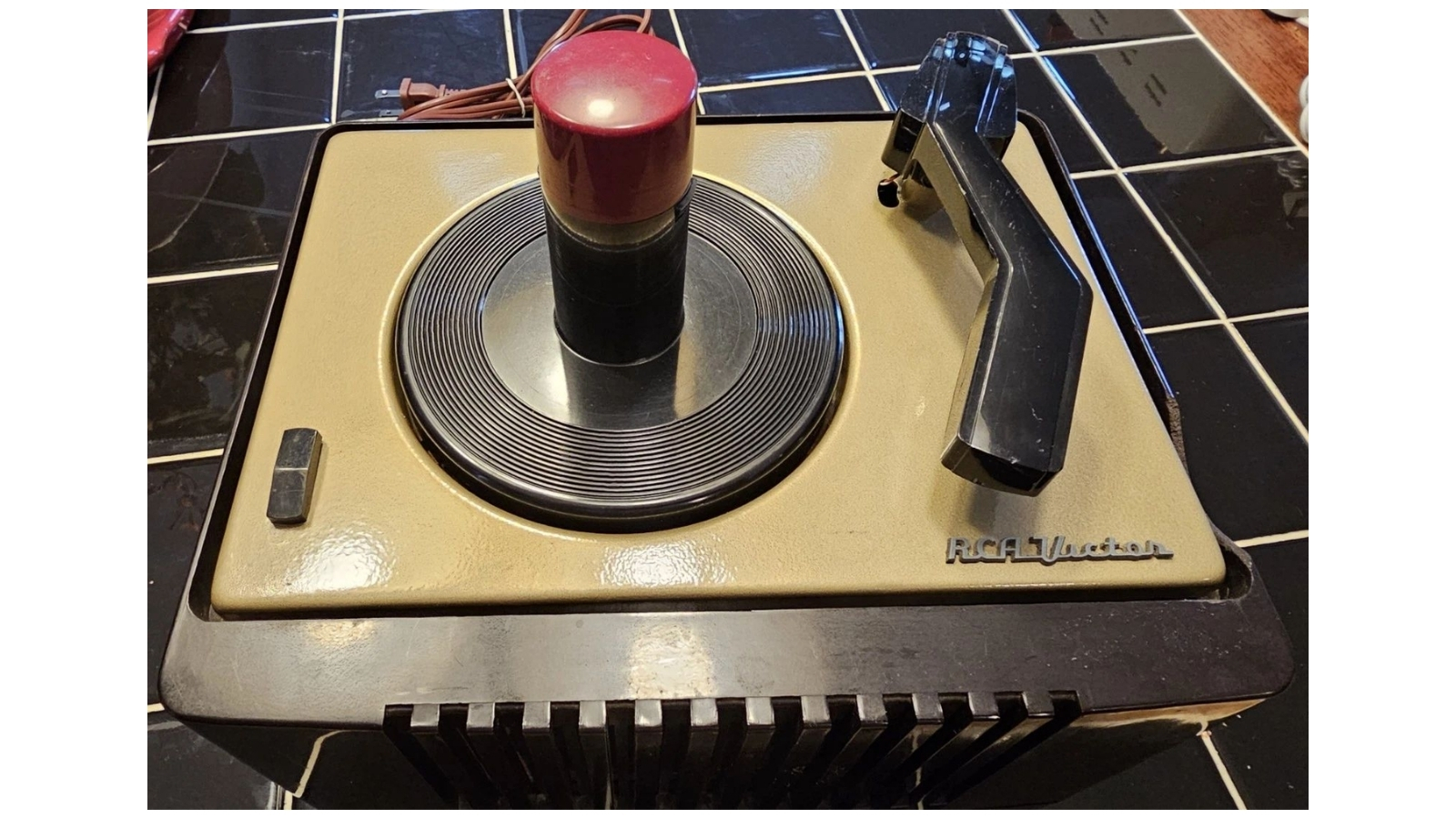
RCA launched the 45 rpm format in 1949 and built this little bakelite machine to sell people on it. Drop a stack of singles onto the fat red spindle and the mechanism drops them one at a time, playing through its own built-in tube amplifier and speaker with no separate stereo needed. It became the most popular 45 rpm phonograph RCA ever made, and clubs of RCA collectors still trade tips on keeping them running.
Condition decides almost everything here. A dead, untested example with a cracked case is worth very little, while a unit that’s been tested and actually spins and plays typically sells in the range of $150 to $400, more with the original latches intact and no chips in the bakelite. Check the rubber idler wheel first. It turns gummy or flat with age and is the single most common reason these won’t hold the right speed. The tubes inside are usually original and often still work, but a scorched power transformer is worth asking about before you buy.
2. Dual 1219 idler-drive turntable
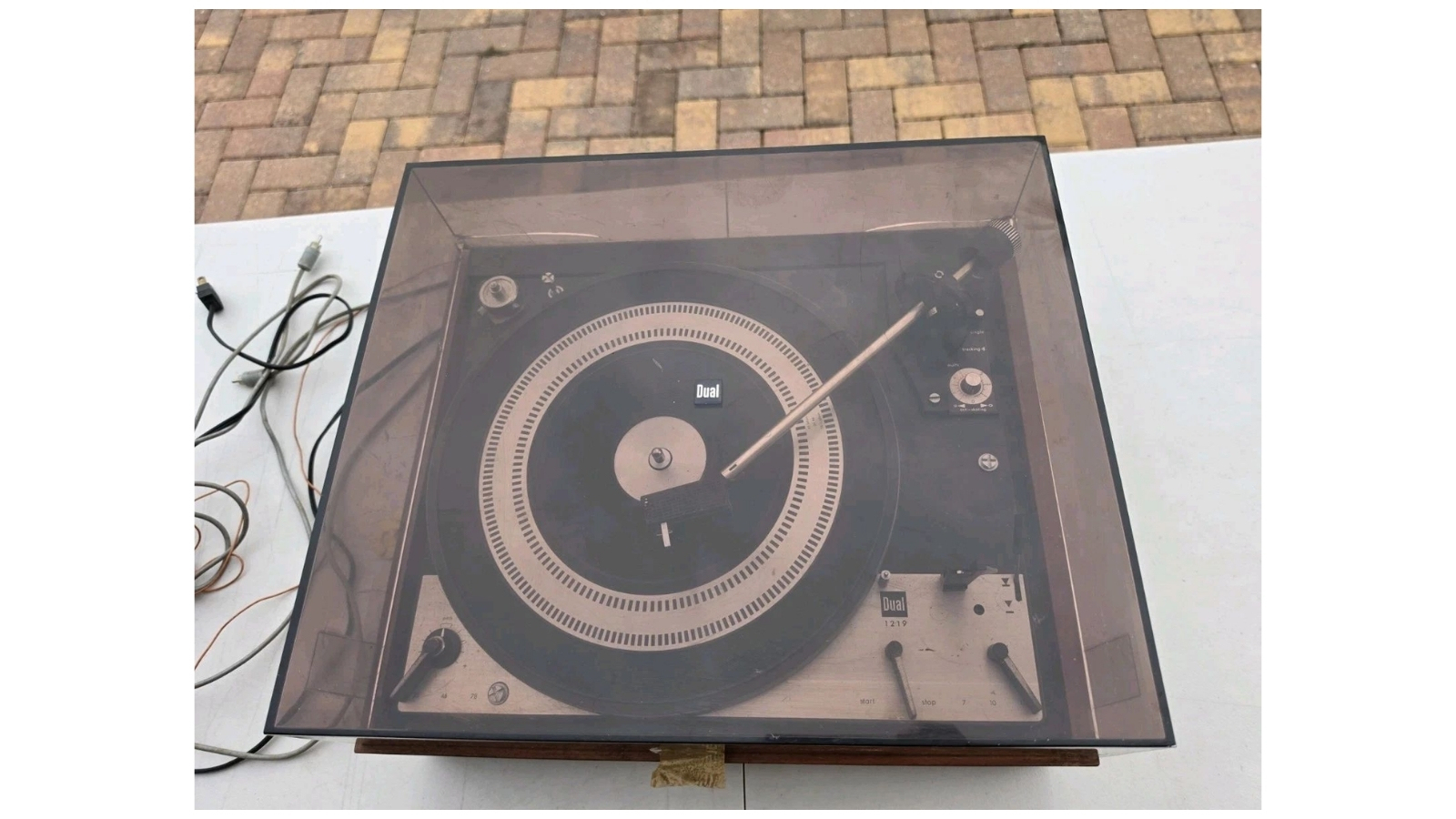
Dual built its reputation as Europe’s largest turntable maker, and the 1219 is the model collectors circle back to most. It uses an idler-drive system rather than a belt, which gives it a punchy, confident sound and a fully automatic changer that can handle a stack of records without the fuss of modern direct-drive decks. Clean examples turn up regularly at estate sales because so many were sold into ordinary households through the 1960s and 70s.
An unserviced deck in working order commonly changes hands for $150 to $400, and a properly serviced example from a specialist dealer can bring well over $1,000. The grease-packed bearing and changer mechanism gum up with decades-old lubricant, so a deck that’s noisy, slow to cycle, or inconsistent on speed usually just needs a proper service rather than being broken for good. Original wood plinth and dust cover add real value; a deck sold bare on a borrowed board is worth less.
3. Victor Victrola VV-IV tabletop phonograph
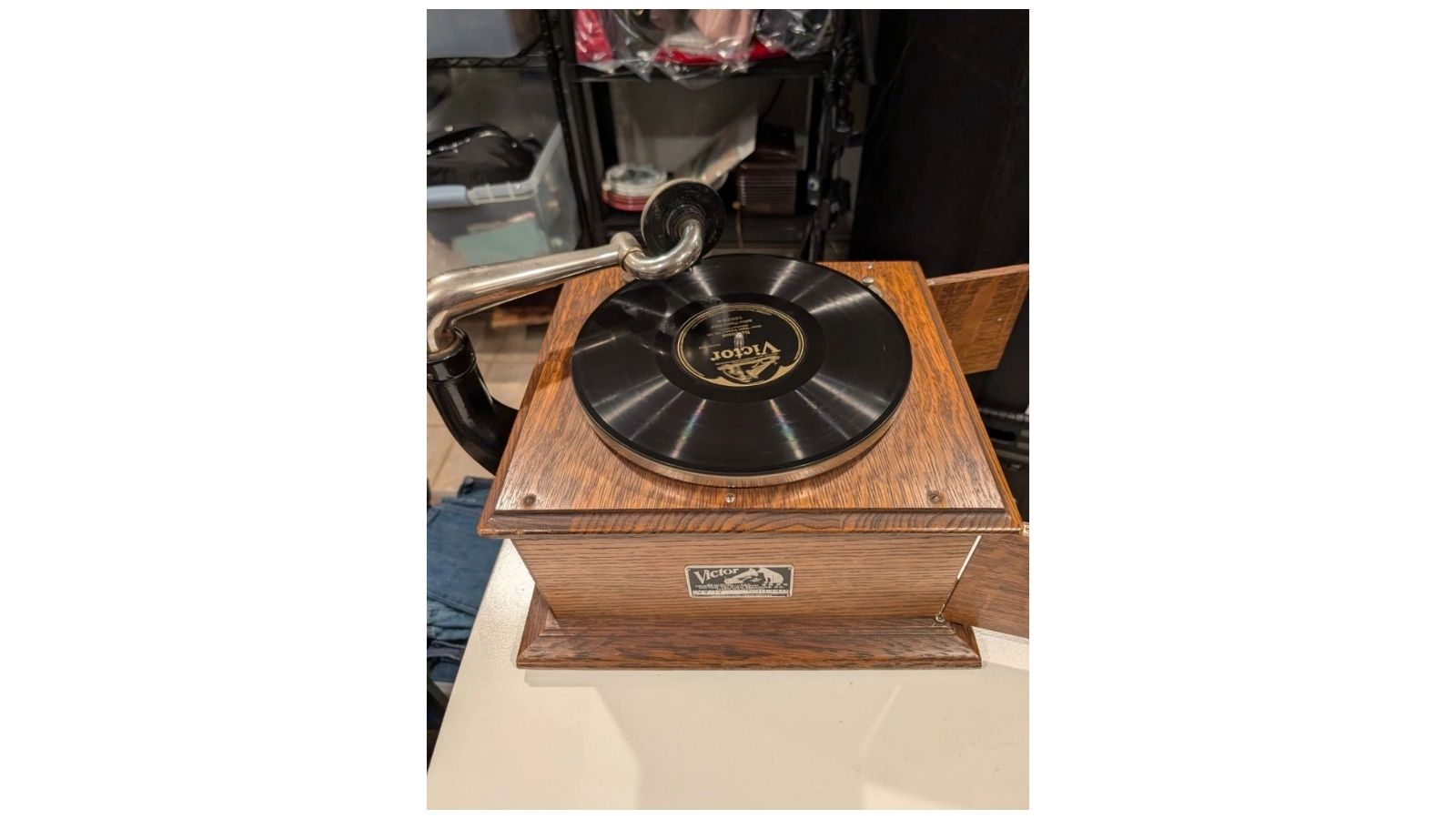
The VV-IV was Victor’s first affordable internal-horn Victrola, introduced in 1911 to bring a talking machine within reach of buyers who’d never dreamed of owning one. More than 590,000 were built before production ended in 1924, which makes it the single most common Victrola tabletop model still turning up today, usually in oak with a simple crank and a small internal horn behind louvered doors.
Being common keeps the price modest. A working example with its original soundbox and crank in good cosmetic shape typically sells for $150 to $400, with condition carrying most of the weight since the mechanism itself is simple and well documented. Check that the mica diaphragm in the soundbox isn’t cracked, that the crank still winds the spring tightly, and that the case veneer hasn’t separated from the frame, a common problem on cabinets this age. A replacement soundbox or a non-matching reproducer knocks meaningful money off the price.
4. Marantz 6300 direct-drive turntable
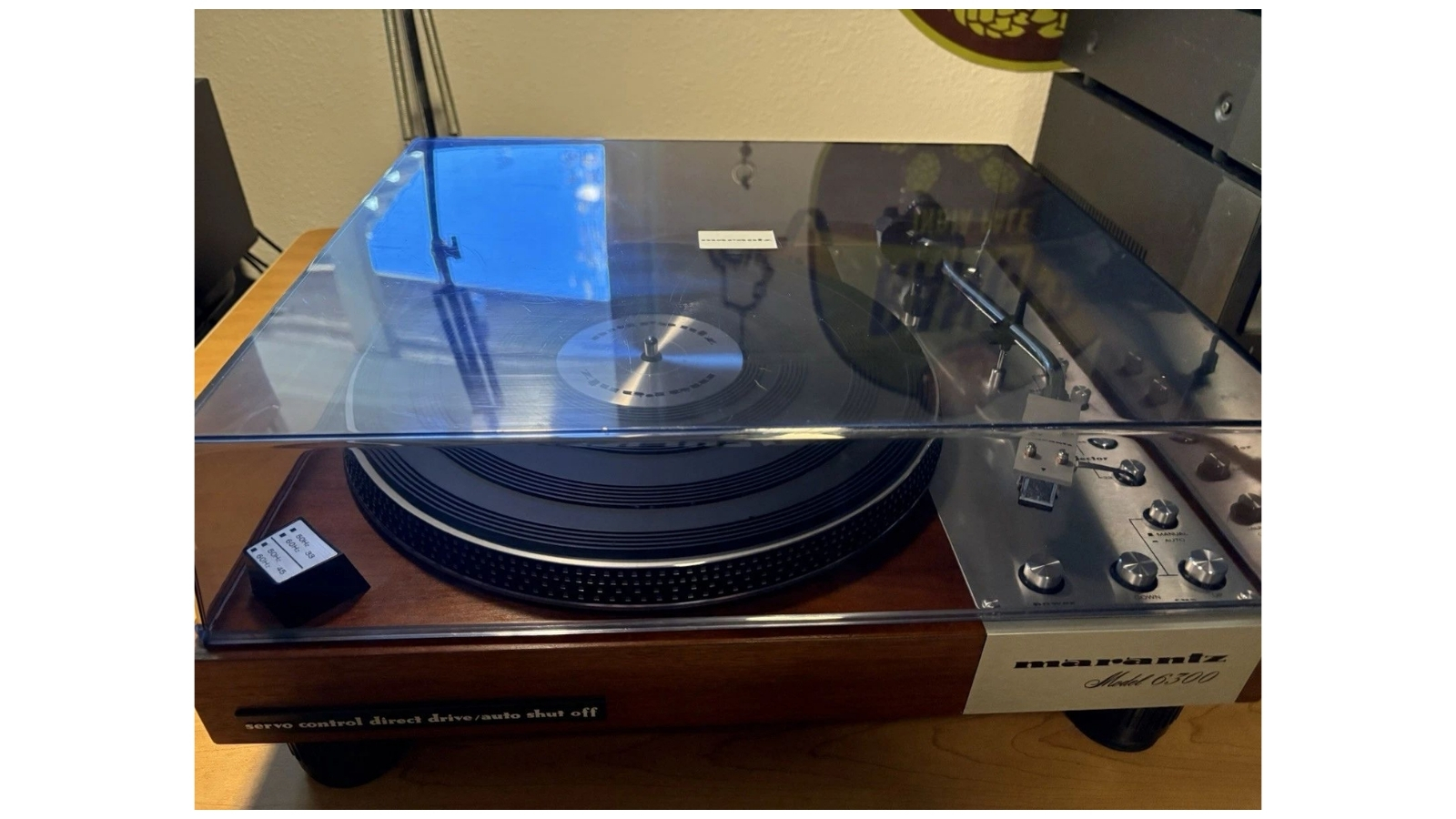
Marantz built its name on amplifiers and receivers, and when the company finally put out its own turntable in the mid-1970s, it did it with a heavy die-cast platter, a servo-controlled direct-drive motor, and a walnut-trimmed base built to match the rest of a Marantz rack. It never sold in huge numbers compared to mass-market Japanese decks of the era, which keeps supply tight relative to demand from collectors chasing a complete matching Marantz system.
A clean, working 6300 typically brings $1,300 to $2,500, a price that reflects the Marantz name as much as anything unique in the parts. Confirm the auto shut-off and cueing lever both work smoothly, since a sticky cueing mechanism is a common and fixable complaint. The heavy tonearm and counterweight should move freely with no play at the pivot. A deck missing its original headshell or dust cover is still desirable, just worth somewhat less than a fully complete example.
5. Thorens TD 124 turntable
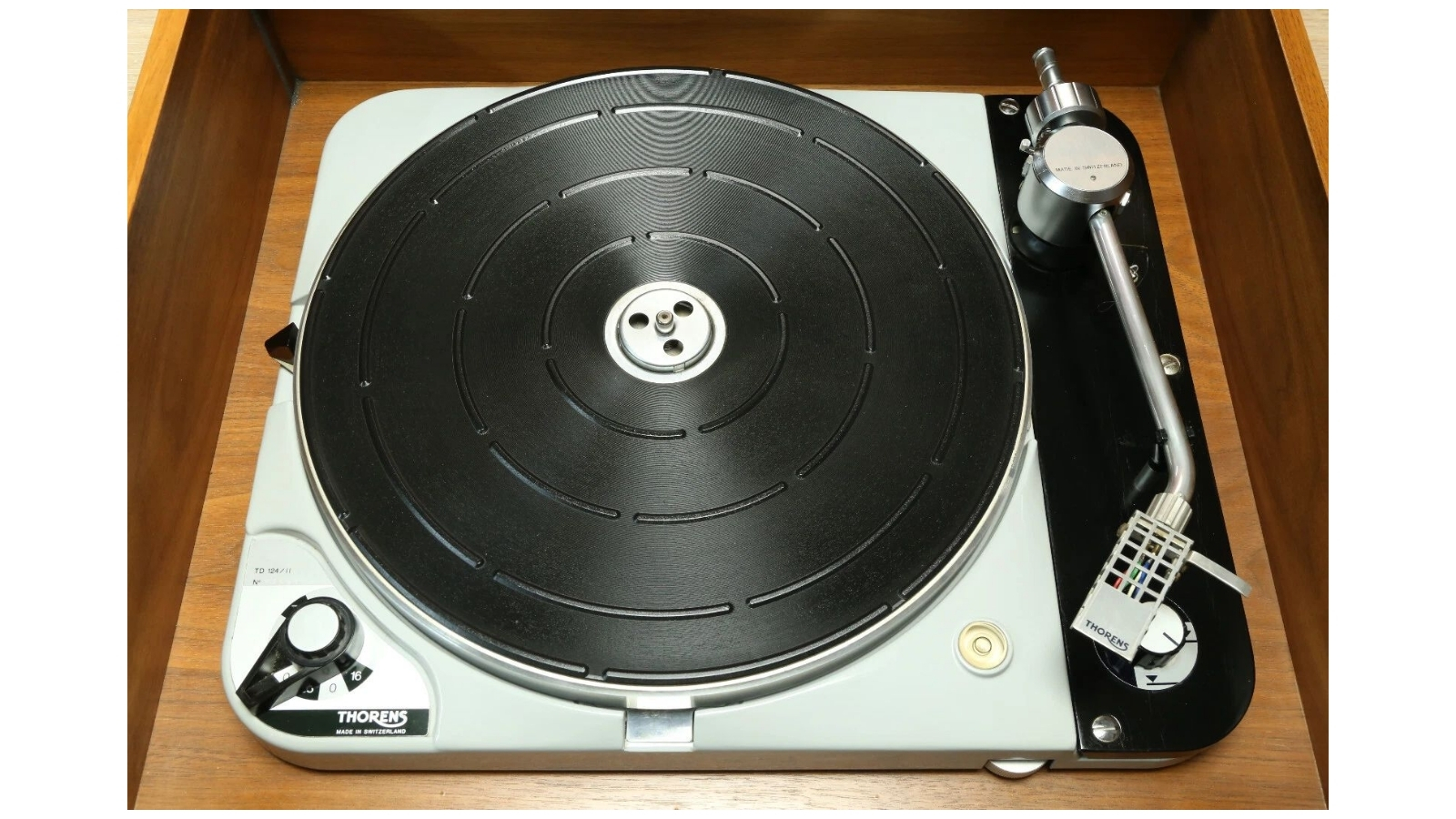
Swiss maker Thorens built the TD 124 as a belt-driven platter paired with an idler-drive subplatter, a hybrid design meant to combine quiet running with real torque. It became one of the defining turntables of its era and has stayed there, with a dedicated community of restorers who rebuild the bearing, replace the idler wheel, and bring these decks back to original spec decades after they left the factory.
A complete example with its original tonearm in good working order regularly brings $1,500 to $3,500, and a machine professionally restored by a known specialist can sell for considerably more. The idler wheel perishes with age and causes a rumbling sound if it’s original and untouched, which isn’t a dealbreaker since replacements exist, but it does affect what a buyer should expect to pay for service. A mismatched or missing tonearm is common since many were sold as bare chassis for buyers to fit their own arm, and that changes the value calculation considerably.
6. Edison Amberola 30 cylinder phonograph
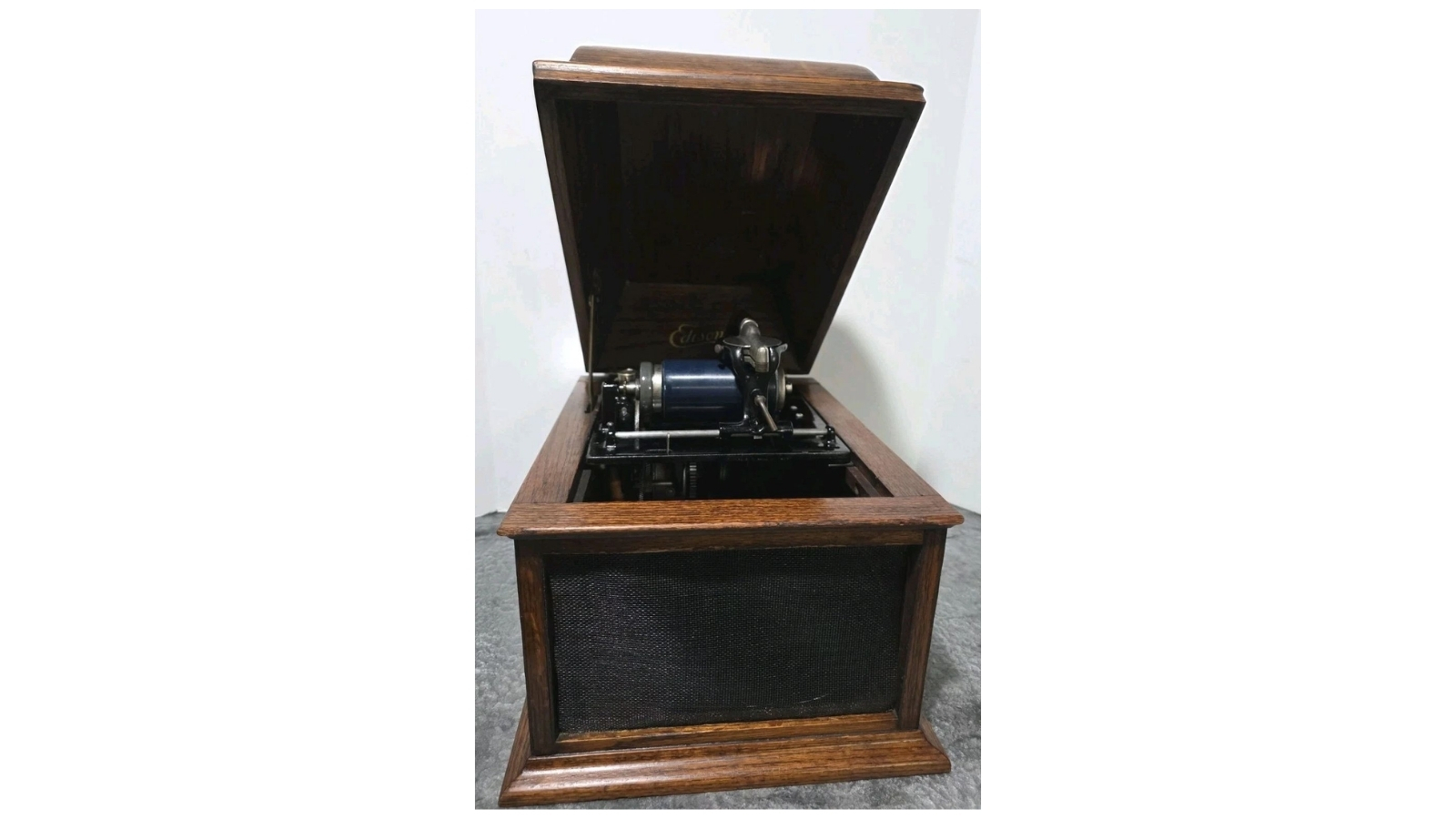
Edison named this model for its original thirty dollar price tag, part of a line that also included the Amberola 50 and 75. It plays four-minute Blue Amberol cylinders through an internal horn instead of the external trumpet of earlier Edison machines, driven by a spring motor wound with a hand crank, no electricity required. It sold well enough in its day that it isn’t considered a rare machine today, which is exactly why it shows up fairly often in estate sales and inherited collections.
A typical example in decent original condition brings around $250 to $300, and an exceptionally clean, fully tested machine can reach closer to $800. The golden oak veneer on these cases is notorious for peeling and cracking with age, so a case with no veneer separation is unusually good condition and worth more. Confirm the reproducer still has an intact diamond stylus, since replacements exist but aren’t cheap, and ask whether any Blue Amberol cylinders come with it, which only add to the sale.
7. Garrard 301 turntable
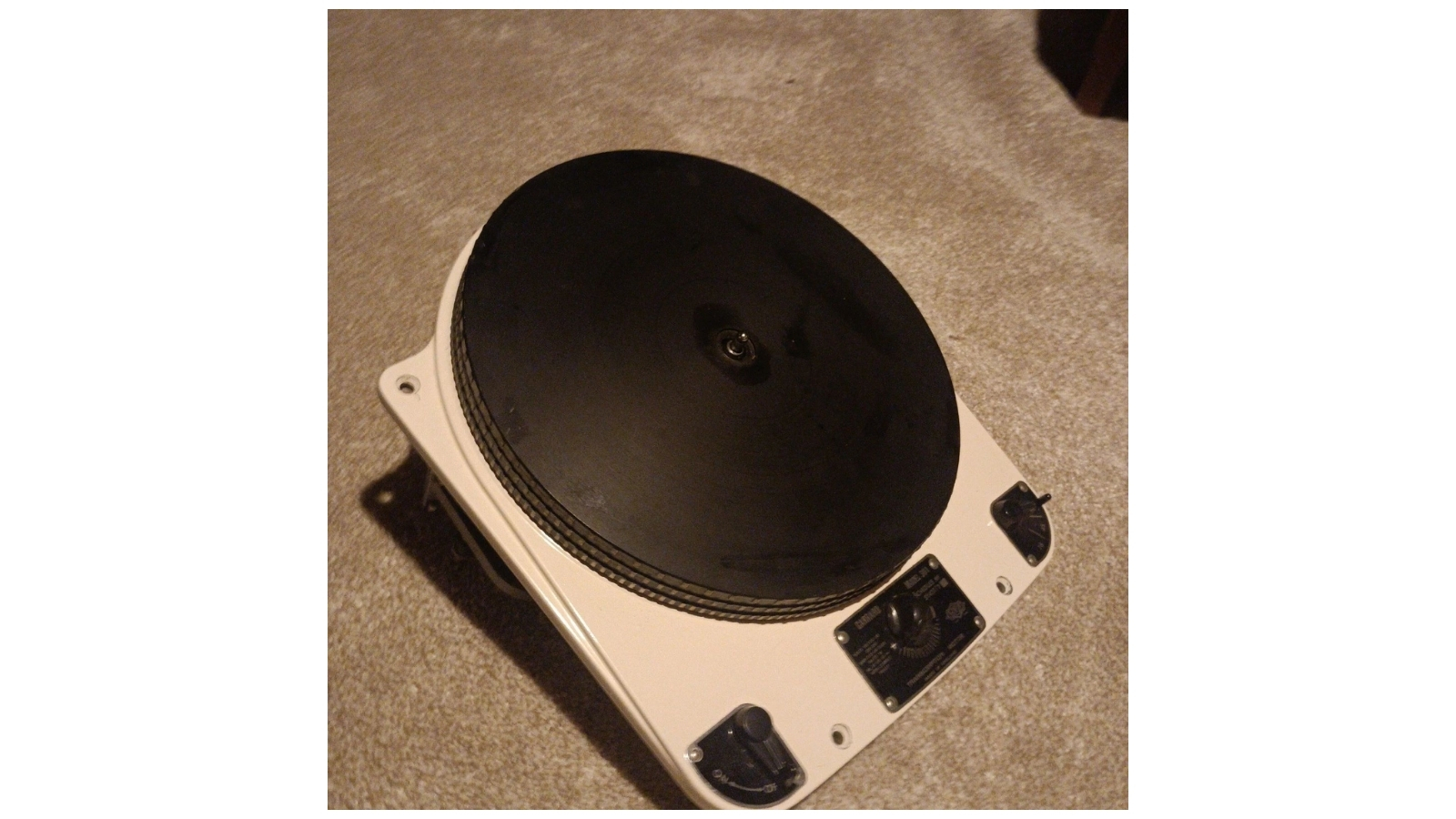
English maker Garrard introduced the 301 in 1954 for the professional broadcast market, including the BBC, building it around an unusually powerful motor and a grease-packed bearing meant to spin for years without complaint. Idler drives like this one eventually lost favor to quieter belt-drive designs, but audiophiles in Japan and the US began buying up secondhand 301s in large numbers, and a restoration industry grew up around them that keeps demand well ahead of supply today.
A clean, working example typically sells for $1,200 to $2,500, and a fully restored deck with a matched plinth and tonearm can go considerably higher. Early “Swindon iron” grease-bearing examples with the script Garrard logo are generally more desirable than later models. These were sold bare, without a base, so the plinth is almost always a later addition; a well-built custom plinth adds value, while a flimsy or warped one takes it away. Listen for a rumbling bearing, which usually just needs fresh grease rather than a full rebuild.
8. Zenith Cobra-Matic record changer console
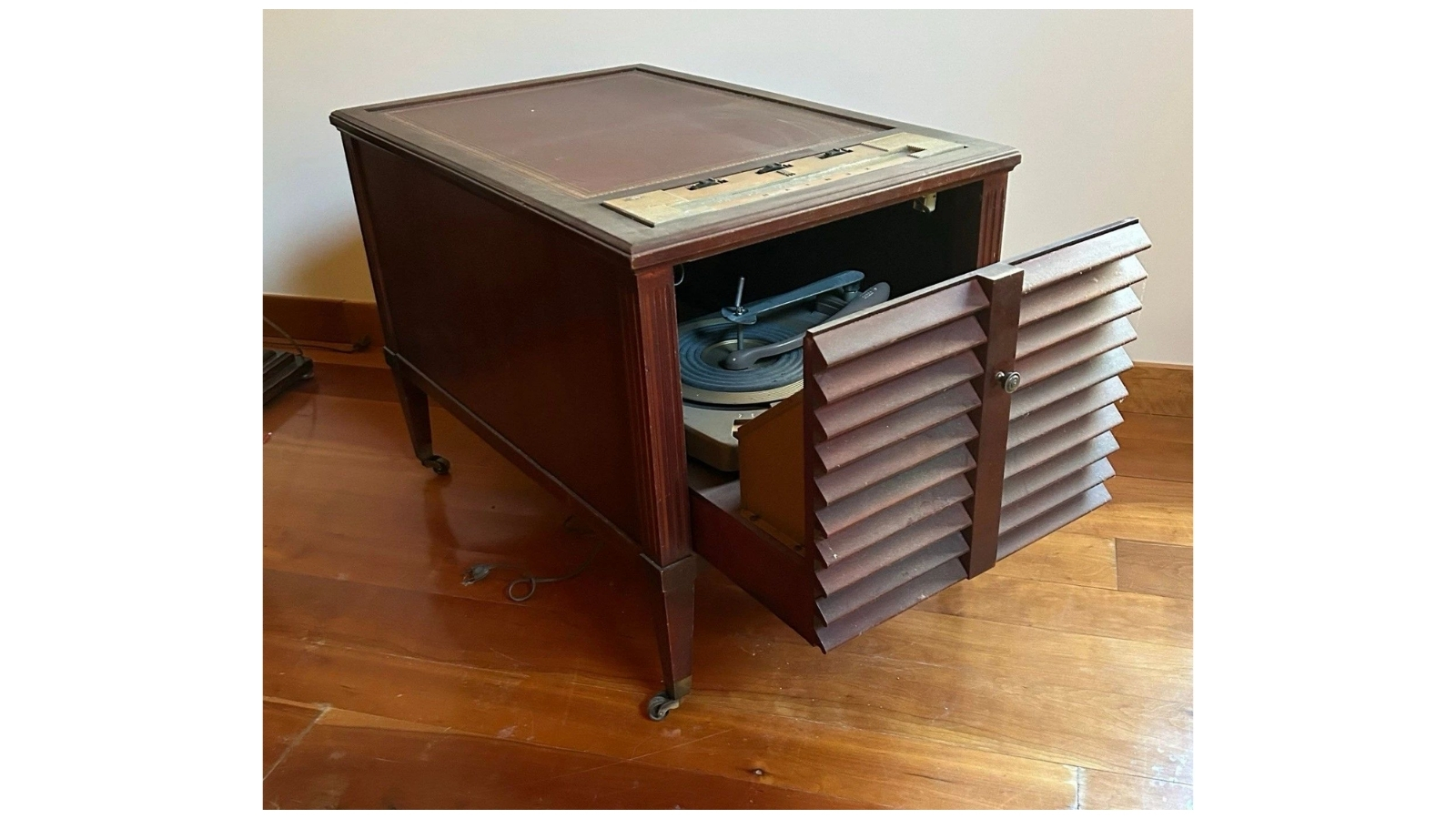
Zenith’s Cobra-Matic changer, introduced in the early 1950s, used a pickup arm that lowered onto the record with unusually light tracking pressure for its day, a genuine engineering advance that Zenith advertised heavily at the time. It was built into console cabinets meant to anchor a living room, with the changer and radio hidden behind cabinet doors when not in use.
A complete console with a working Cobra-Matic changer in good cosmetic condition typically brings around $1,200, with walnut or mahogany cabinets in excellent original finish commanding the upper end of that range. Rubber and foam parts inside the changer degrade with age regardless of how little the unit was used, so a seller’s claim that it “hasn’t been touched in decades” is a reason for caution, not comfort. Water rings, sun fading on the veneer, and cracked grille cloth all reduce value quickly on a piece this size, since refinishing a console this large is expensive.
9. Sears Silvertone mid-century modern stereo console
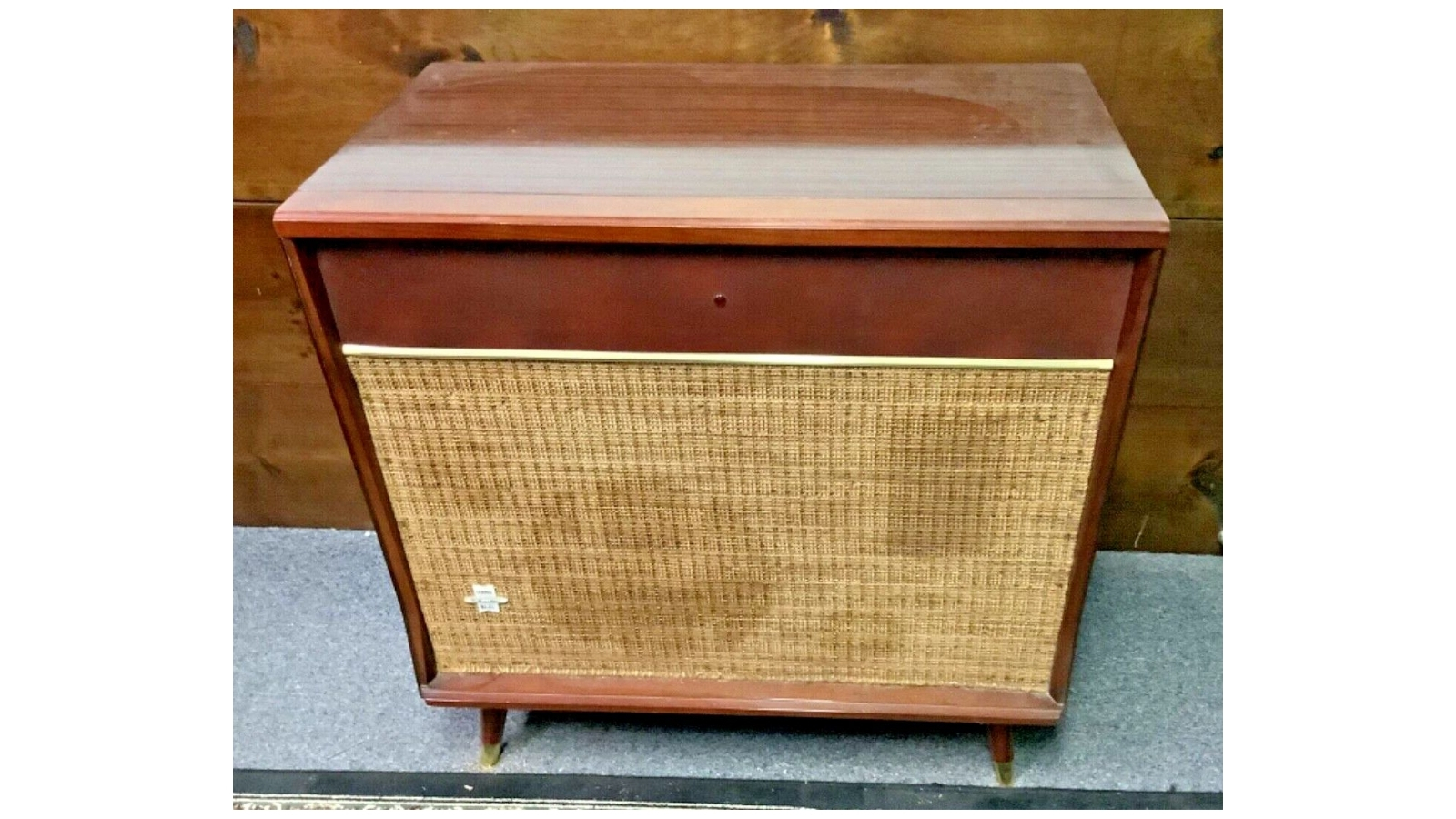
Sears sold its Silvertone-branded stereo consoles through its catalog and stores for decades, and the mid-century examples built in sculpted, low walnut cabinets have become genuinely desirable as furniture in their own right, separate from any interest in the electronics inside. These were built to anchor a den or living room, combining a record changer, radio, and stereo speakers behind sliding or tambour doors.
A clean, working example from the mid-1960s typically brings around $1,250, reflecting strong demand from buyers decorating in a mid-century style as much as from audio collectors. Tube-based amplifiers inside these consoles need their capacitors checked before regular use, since old capacitors can fail and damage other components. Surface scratches and watermarks on the top are common and expected on a piece this old, but any sign of water damage to the particleboard base underneath the veneer is a serious, often unfixable problem that collapses the price.
10. Pioneer PL-512 direct-drive turntable
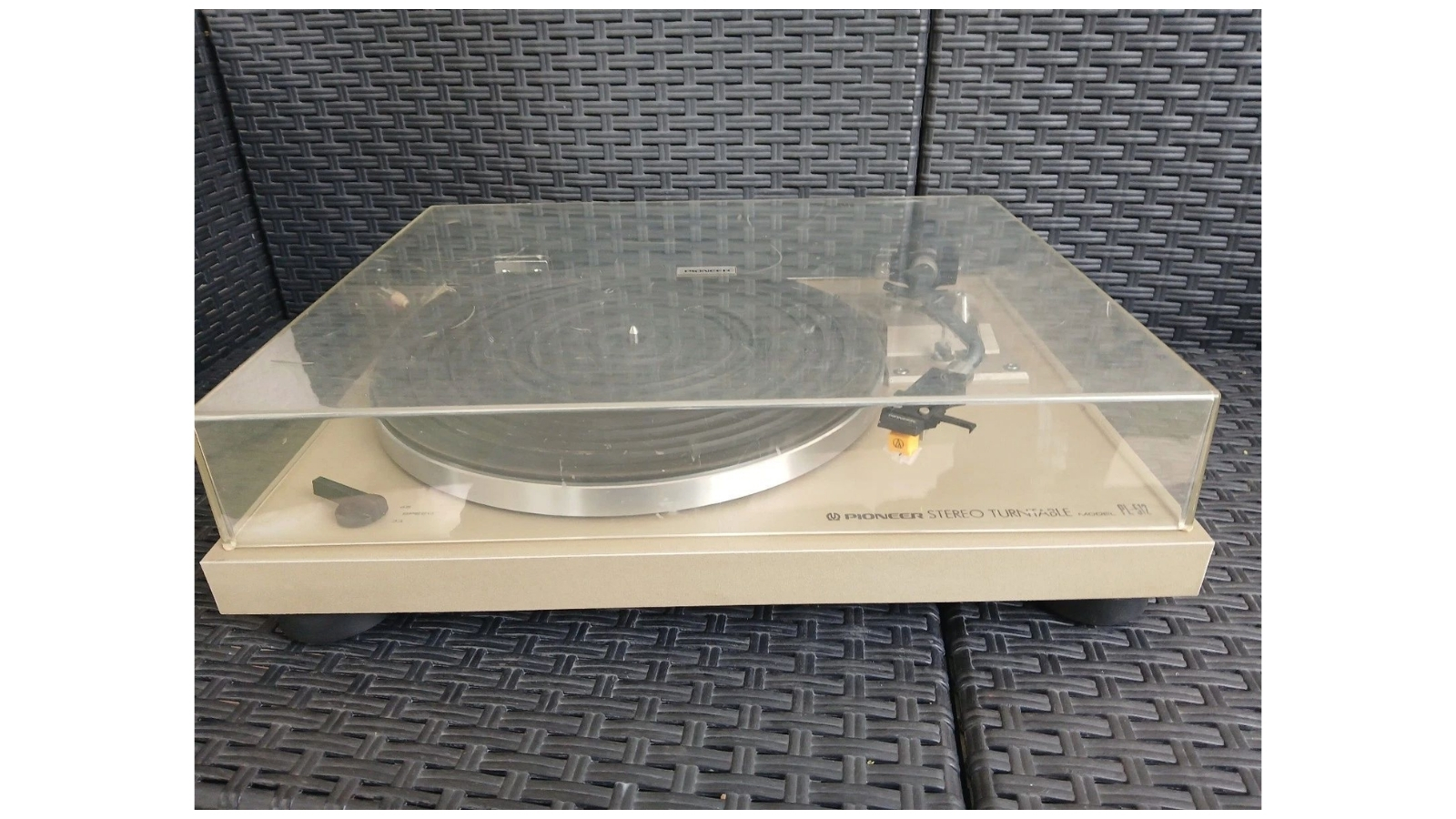
Pioneer built the PL-512 as a straightforward entry point into direct-drive turntables in the late 1970s and early 1980s, skipping the fancier features of its pricier siblings in favor of simple, dependable operation. It’s a manual, two-speed deck with a static-balance tonearm, built in enough volume that clean examples are genuinely common at estate sales and secondhand shops.
A tested, working PL-512 typically brings around $200 to $275, making it one of the more accessible entry points into real vintage direct-drive audio rather than a big payday on its own. Check that the belt-driven cueing lever still lowers the tonearm smoothly and that the platter spins at a steady, accurate speed with no wow or flutter. The stock PC-135 cartridge, if it’s still fitted and in good shape, adds a little value, though most buyers plan to fit their own cartridge regardless. A cracked or missing dust cover is common and doesn’t hurt the price much.
11. RCA Victor Orthophonic Credenza console
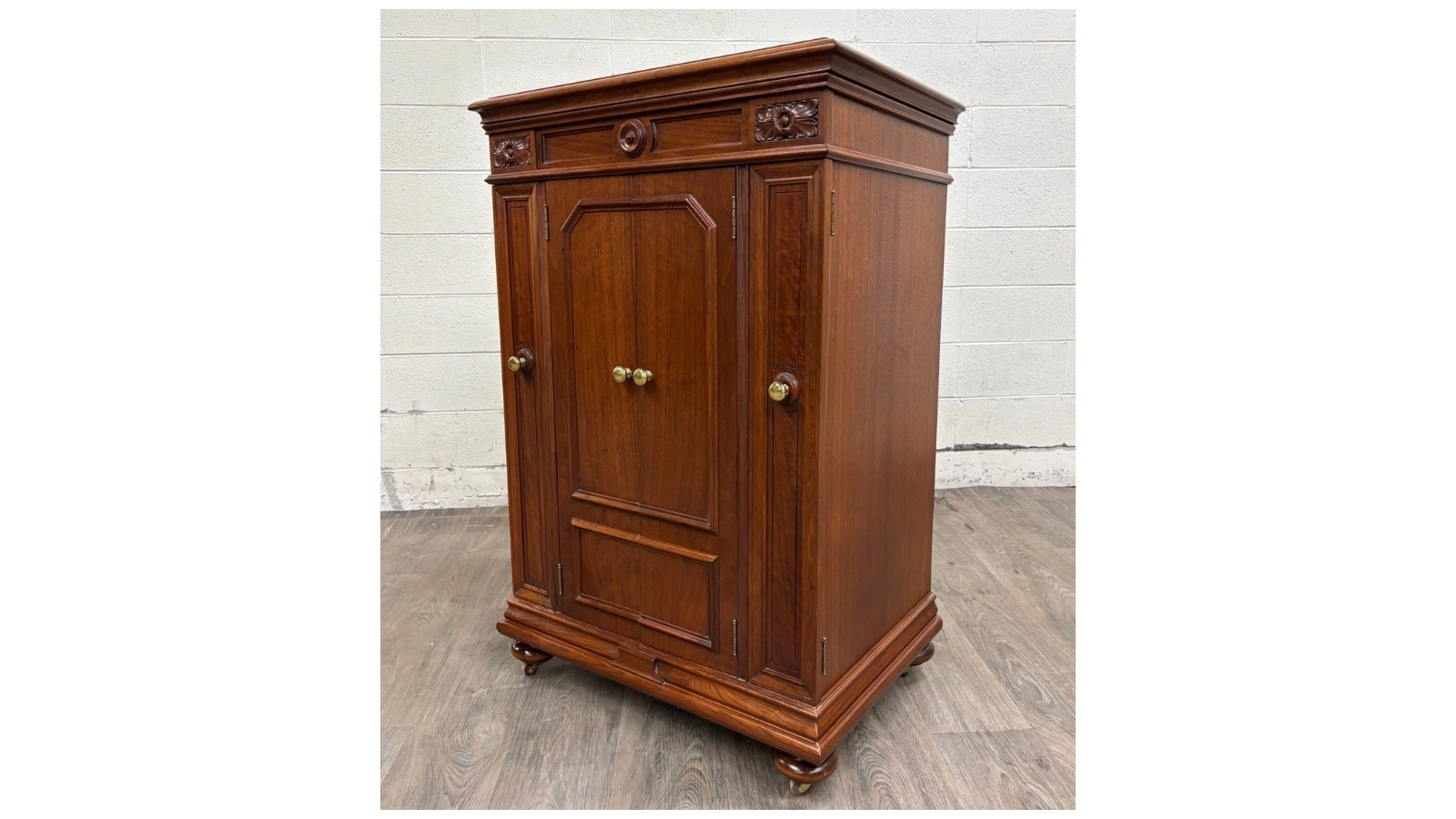
Victor introduced the Orthophonic line in 1925 with a completely redesigned exponential horn and soundbox meant to do justice to the newer electrically recorded discs of the era, and the Credenza was the flagship of that line, a large console cabinet considered by many collectors to be the high point of acoustic phonograph design before electric amplification took over entirely.
A complete, clean Credenza in excellent original condition can bring $1,500 to $4,500, with the figured veneer and completeness of the cabinet doing as much to set the price as the mechanism itself. The pot-metal components inside the Orthophonic soundbox are prone to swelling and warping with age, a condition that needs a specialist to rebuild rather than a home fix. Missing crank handles, horn doors, or grille cloth all reduce value meaningfully on a piece this large, since replacing them to original specification is neither cheap nor easy to source.
12. Empire 398 Troubadour turntable
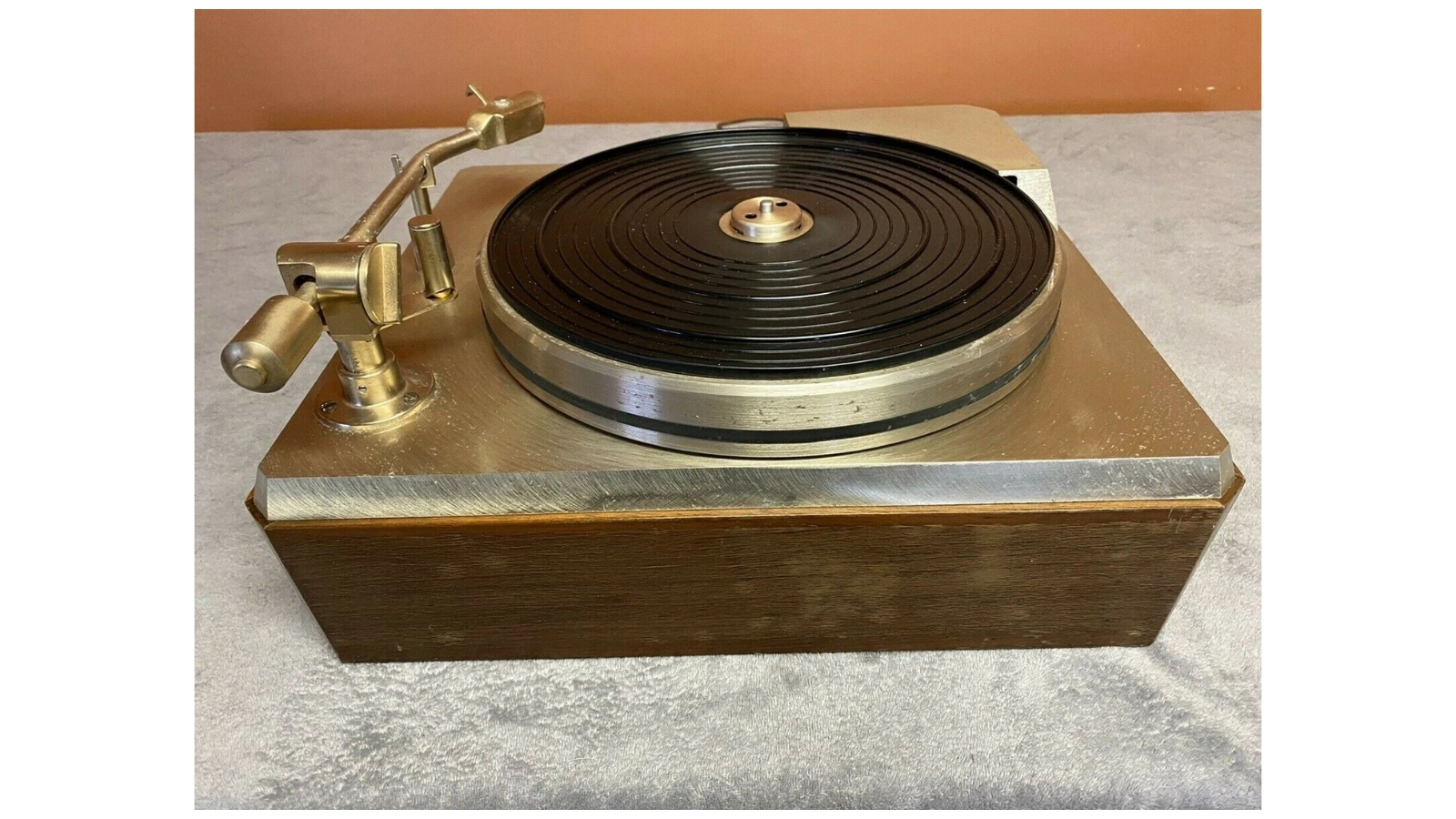
Empire built its Troubadour line of turntables starting in the early 1960s, pairing a well-regarded motor and platter with the company’s own tonearm and a solid walnut base, aimed squarely at serious home listeners rather than casual buyers. The company became better known over time for phono cartridges and tonearms sold separately than for complete turntables, which makes a surviving, intact 398 something of a specialist’s find today.
A plain example in working condition often brings around $100 to $150, while a fully serviced deck on its original plinth with a correct tonearm can sell for considerably more. The belt driving the platter perishes with age and needs regular replacement, an easy and inexpensive fix that shouldn’t scare off a buyer. Check that the plinth is the original walnut base rather than a generic substitute, since these were sometimes separated from their decks over the decades and sold as parts.
13. Bang & Olufsen Beogram 4000 turntable
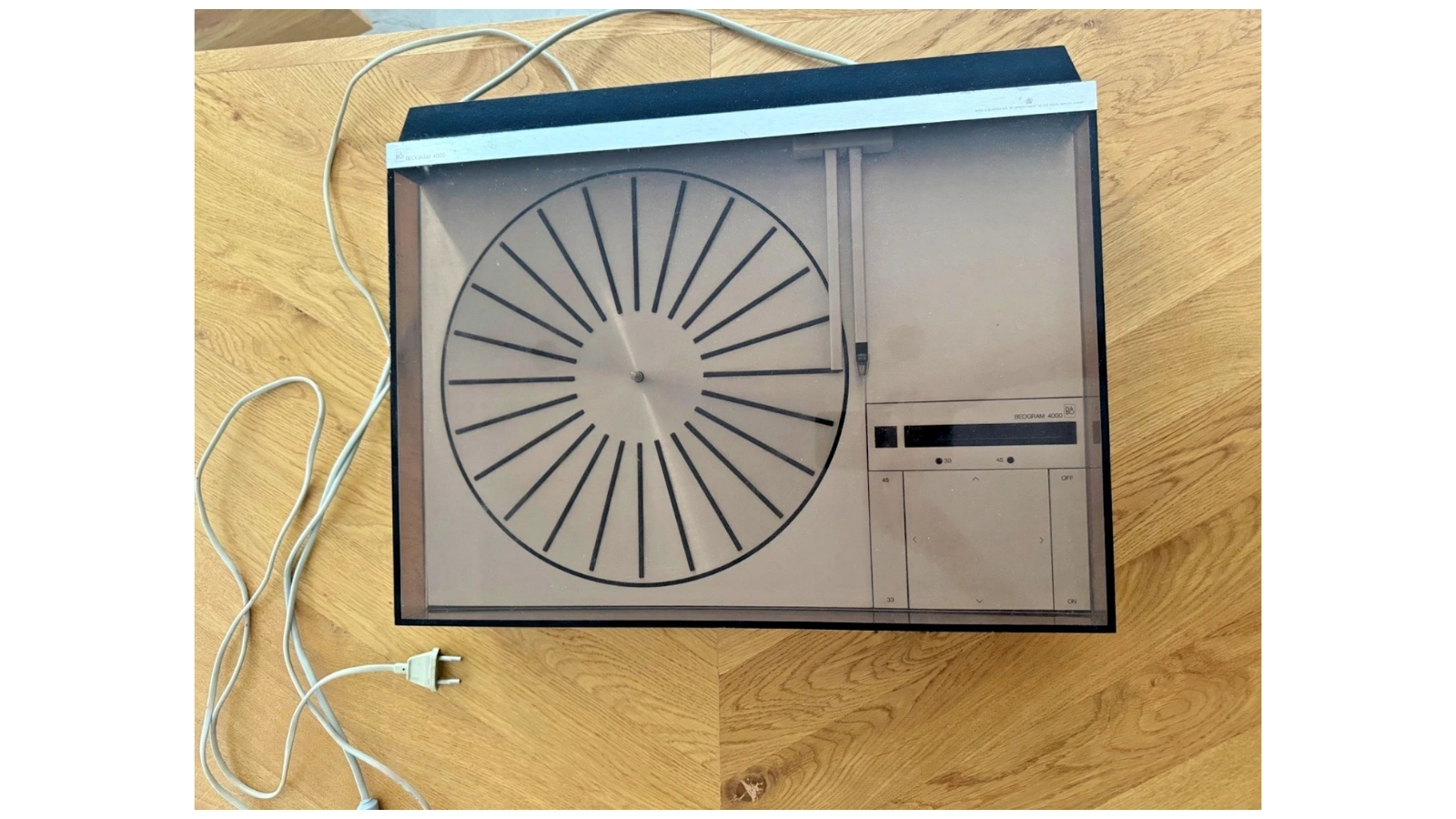
Danish maker Bang & Olufsen introduced the Beogram 4000 in the early 1970s as its first turntable with a tangential tonearm, tracking straight across the record the way the cutting lathe that made it did, rather than sweeping an arc like a conventional pivoted arm. The look, all brushed aluminum and walnut with no visible tonearm swinging across the lid, became a defining piece of Danish industrial design.
A serviced example in excellent condition with its original cartridge and accessories has recently traded for roughly $2,300 to $2,900, with rougher, untested units selling for notably less. Worth knowing before you shop: Bang & Olufsen restored a very small batch of original Beogram 4000s and sold them as a limited luxury edition for $11,000 each, which is a different thing entirely from an ordinary vintage find and shouldn’t set expectations for a deck turned up at an estate sale. The tangential arm’s motorized tracking mechanism is the part most likely to need service, so budget for that before assuming a non-working example is a bargain.
14. Victor Victrola VV-100 floor model
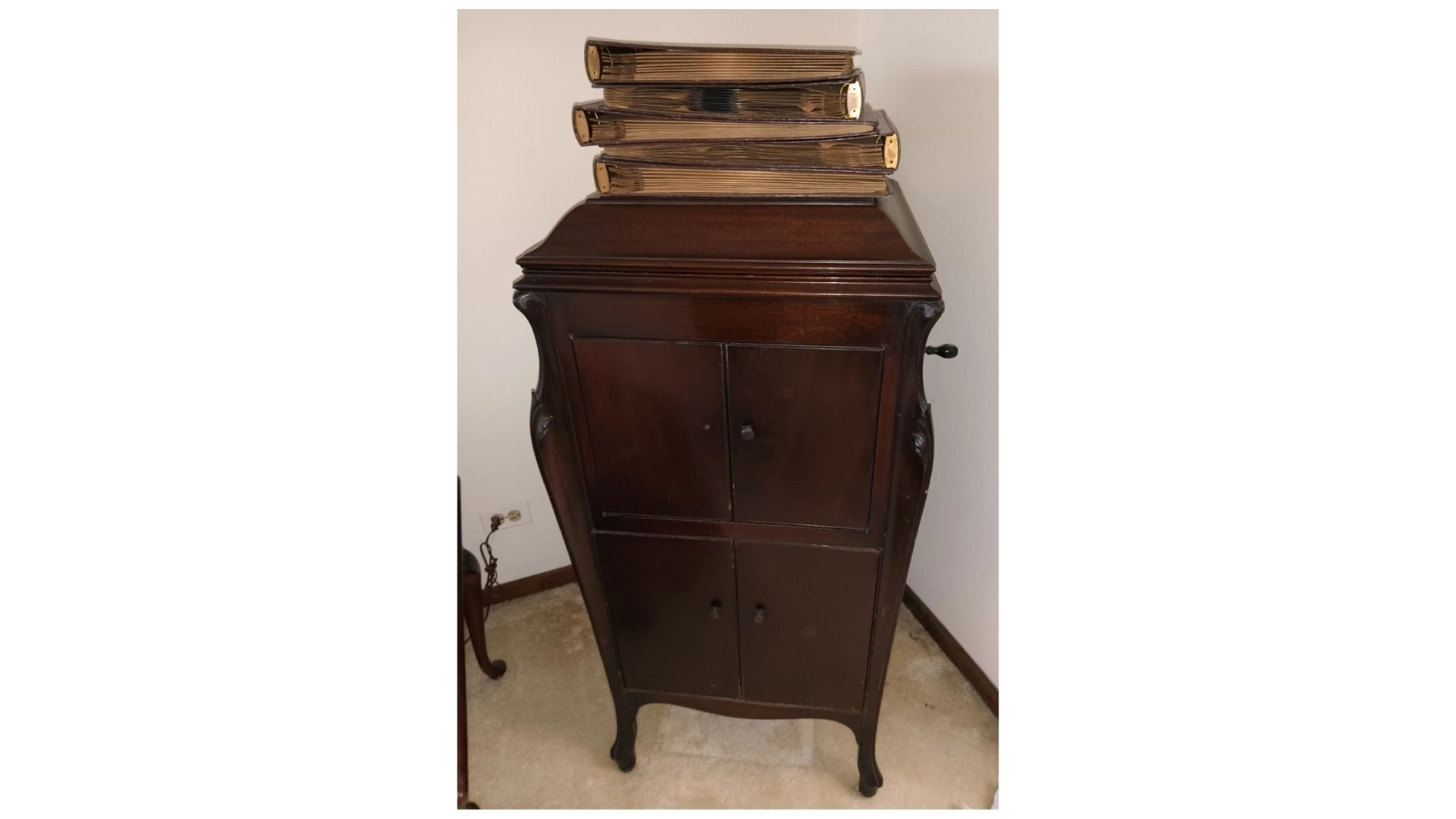
Introduced in 1921, the VV-100 was Victor’s popular mid-tier floor-model Victrola, a genuine piece of furniture built to stand on its own rather than sit on a tabletop, with the horn and mechanism hidden inside a tall oak or mahogany cabinet. It sold well enough in its day that it remains one of the more findable floor-model Victrolas, as opposed to some of the rarer early designs collectors chase hardest.
A working oak example in good cosmetic condition typically brings around $500, with mahogany examples and cabinets in better original finish bringing somewhat more. As with any floor-model Victrola, check that the cabinet doors close properly and the internal horn baffles are intact, since missing baffles change the sound and the value both. A crank that won’t hold tension usually points to a worn spring barrel, a repair worth pricing out before committing to buy or sell.
15. Edison Diamond Disc C-19 console phonograph
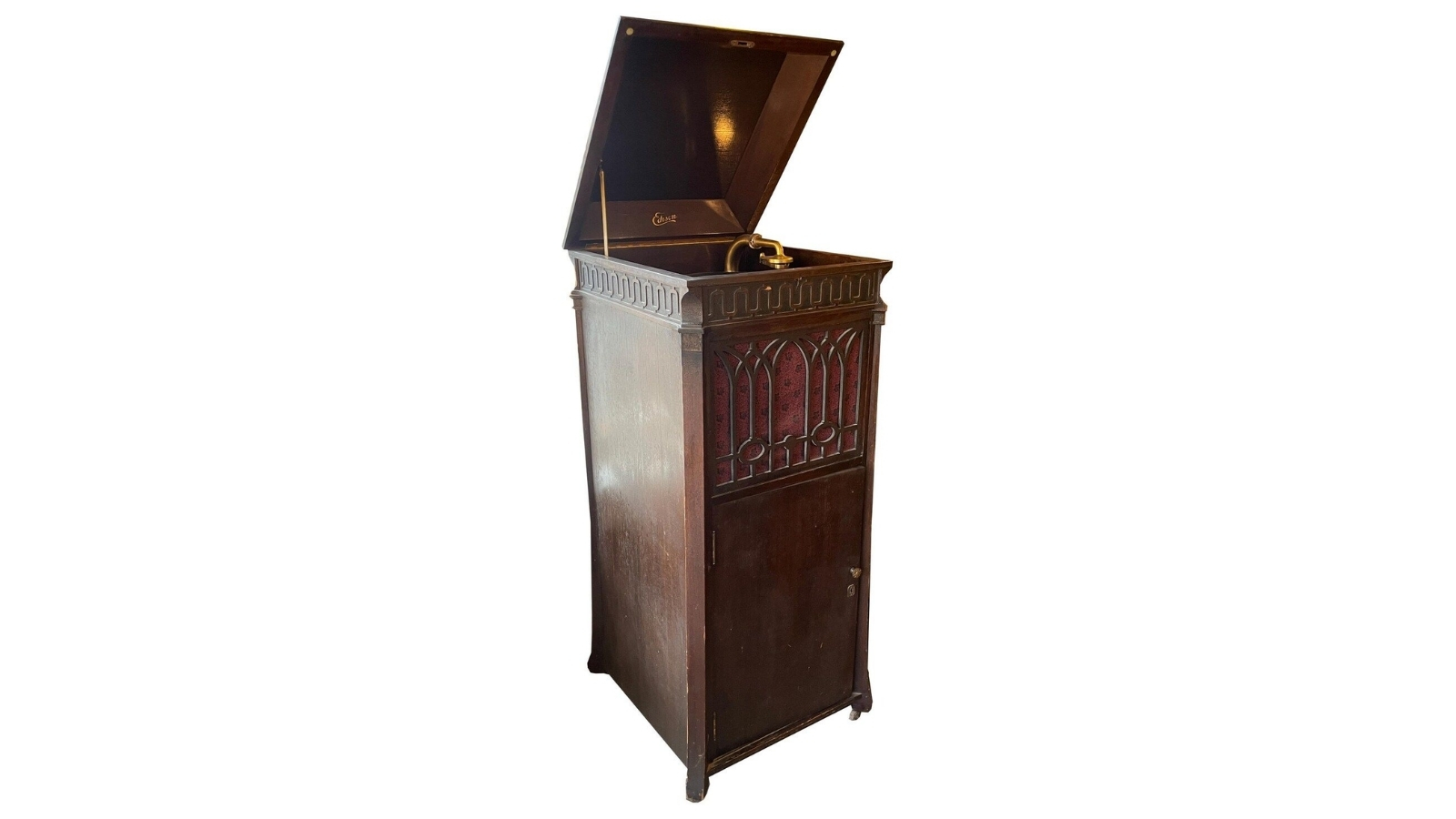
Edison’s Diamond Disc system used thick, flat records played with a permanent diamond stylus rather than the cylinders the company had built its name on, and the model numbers in this line, including the C-19, referred to their original retail price in dollars. The catch for anyone chasing records to go with one is that Diamond Disc machines only play Edison’s own proprietary discs, nothing else, which has kept this format a little less chased than Victor’s.
A complete console in working condition with a decent cabinet brings at least $300, with especially fine cabinet styles pushing well past that. Edison’s reproducer comes in standard, dance, and Edisonic versions, and the type fitted affects both sound and value, so it’s worth identifying before setting a price. Never play a standard shellac 78 on one of these; the mechanism and stylus are built specifically for Edison’s own format and a mismatched record can damage both the record and the machine.
16. Victor Victrola VV-XVI premium floor model
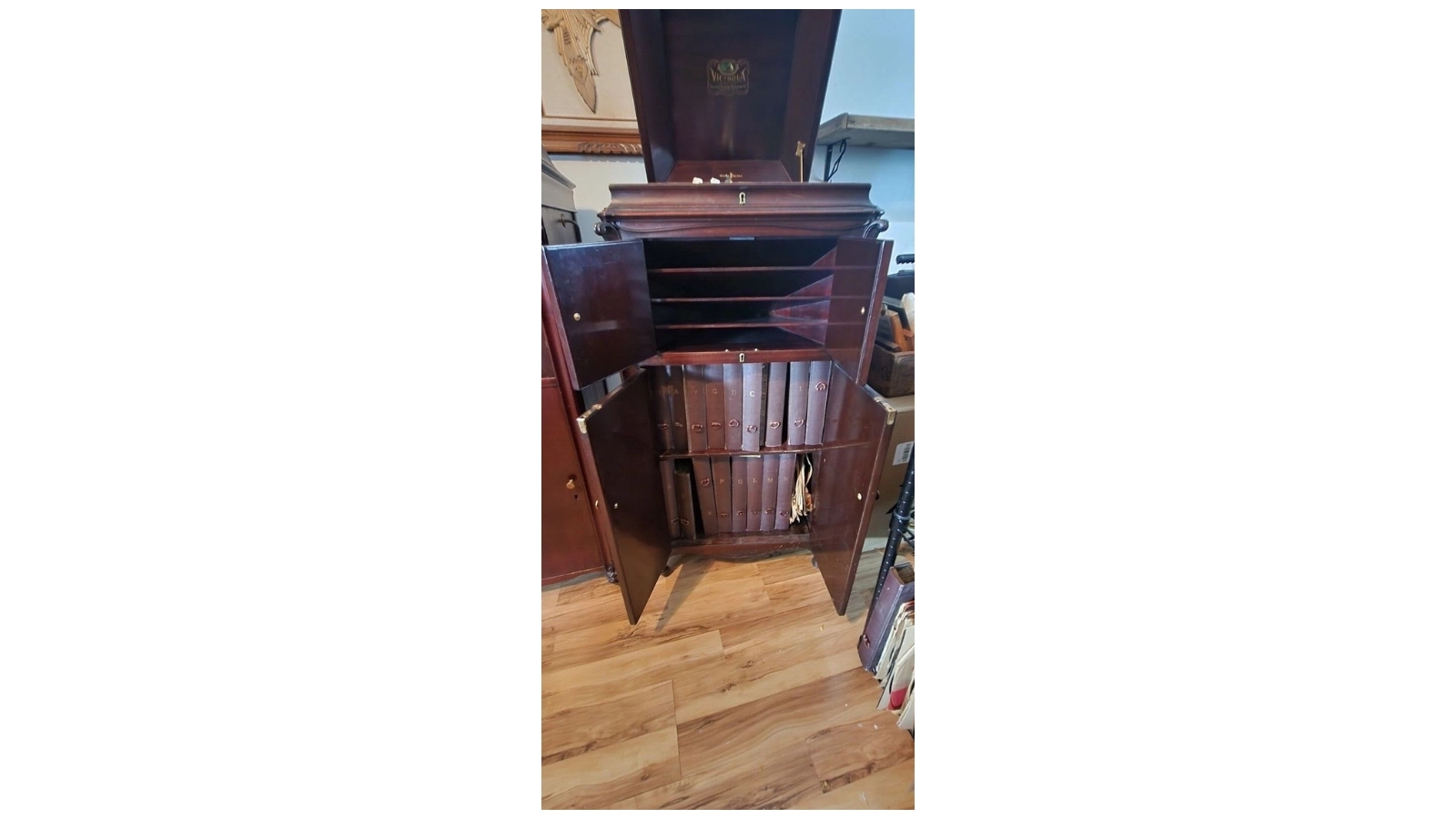
The VV-XVI sat near the top of Victor’s prewar floor-model lineup, built with a genuinely exceptional cabinet and internal horn system meant to compete directly with the finest furniture of its day rather than just function as a talking machine. It represents a real step up from the entry-level tabletop Victrolas in both cabinet quality and sound.
A clean, complete example in excellent condition typically sells for $800 to $2,000, a wide range that mostly comes down to cabinet wood, finish condition, and whether the original soundbox and horn baffles survive intact. Water damage and sun fading on the veneer are the most common issues on a cabinet this size and age, and both are expensive to correct properly. A machine that’s been refinished with modern varnish rather than period-appropriate shellac is worth less to serious collectors, even if it looks shinier to an untrained eye.
17. Voice of Music portable record changer
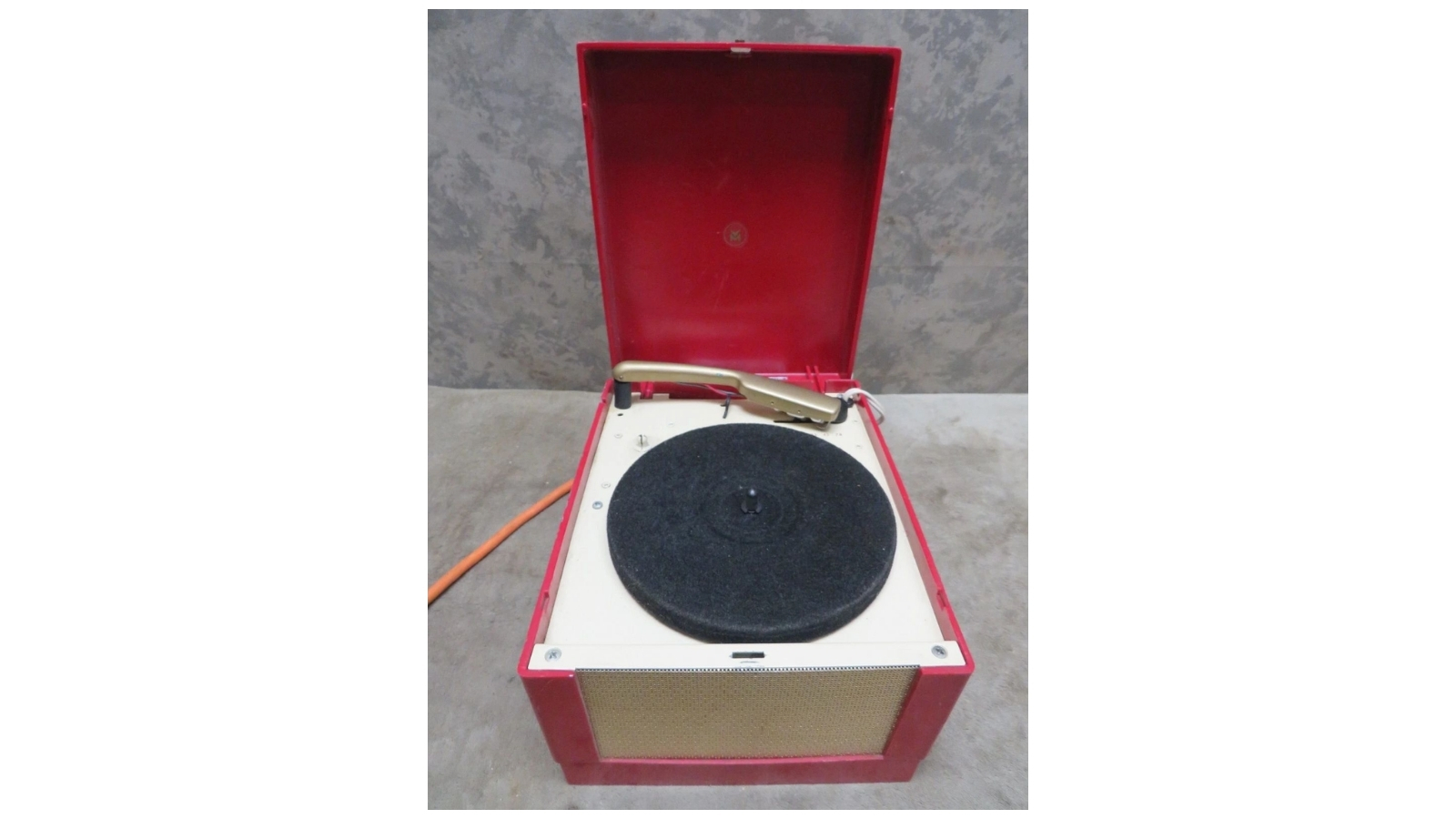
V-M Corporation became, for a stretch through the 1950s and 60s, the world’s largest maker of record changers, supplying mechanisms to other brands as often as selling complete players under its own Voice of Music name. The portable models in painted metal or leatherette cases were built as simple, everyday players, not showpieces, and that’s exactly what most surviving examples still are.
A tested, working portable typically sells for $30 to $80, honest money for a genuinely common find rather than a payday. These turn up constantly, in closets and basements everywhere, which is exactly why they’re worth checking. A quick look at the tonearm and changer mechanism is usually all it takes to know whether one is worth the asking price. Look for a clean, uncracked case and a needle that hasn’t rusted onto the cartridge, since a seized needle is the most common reason an otherwise fine example won’t play.











