
Some well-paid careers are easy to miss because their job titles tell you very little. You might know what a pharmacist does, but a flavorist or commissioning engineer probably needs an explanation. These specialists work on everything from artificial limbs to food flavors and the equipment inside large buildings. Most are salaried, so the hourly figures below describe equivalent pay. Getting established usually takes education, practical training, and experience in a particular specialty.
1. Corrosion engineer

Rust is a maintenance problem until it weakens a pipeline, storage tank, or load-bearing part. Corrosion engineers investigate how metals deteriorate and decide how to slow the damage. You might inspect protective coatings, study failed components, or check whether a system designed to protect buried metal is working correctly. Average pay is equivalent to about $49 per hour. Employers include utilities, manufacturers, engineering firms, and companies that maintain large industrial sites.
A degree in materials, mechanical, or chemical engineering is a common starting point. Practical knowledge matters because a coating that works in a laboratory may perform differently on equipment exposed to heat, moisture, or chemicals. The job mixes testing, site visits, and explaining repair priorities to people who control maintenance budgets. Existing equipment gives employers a continuing reason to hire specialists, even when they are not building anything new. Expect detailed records, protective equipment, and occasional work around operating machinery.
2. Human factors engineer

A confusing control panel can cause much more trouble than an annoying phone app. Human factors engineers study how people use products and equipment, then help make them easier and safer to operate. You could test whether a nurse can read a pump display, whether a driver notices a warning, or whether workers can reach controls without awkward movements. Average pay works out to about $51 per hour. Medical devices, transportation equipment, and industrial products all offer work in this specialty.
Engineering, psychology, ergonomics, and related degrees can lead into the field. Employers often want experience planning user tests and turning observations into practical changes. Much of the work involves watching people attempt ordinary tasks, recording where they struggle, and checking whether a revised design fixes the problem. It takes patience to explain why a feature that looks sensible on paper fails in someone’s hands. The need for safe, usable equipment keeps this work relevant as products become more complicated.
3. Packaging engineer

Packaging engineers decide how to protect a product without making the box unnecessarily expensive or difficult to handle. You might test whether a carton survives stacking, whether a bottle leaks during shipping, or whether a medical device stays protected until someone opens it. Average pay is equivalent to about $51 per hour. This is a technical career found in food production, consumer goods, manufacturing, and healthcare, rather than a job decorating boxes.
A bachelor’s degree in packaging science or engineering is useful, although people also arrive from materials and manufacturing backgrounds. The work includes physical tests, supplier discussions, measurements, and trial runs on packaging equipment. A design has to function in the warehouse and on the production line, not just in a presentation. There is continuing pressure to reduce waste, control shipping costs, and protect goods during delivery. Expect to revise apparently small details, such as the thickness of an insert or the position of a seal, several times.
4. Flavorist
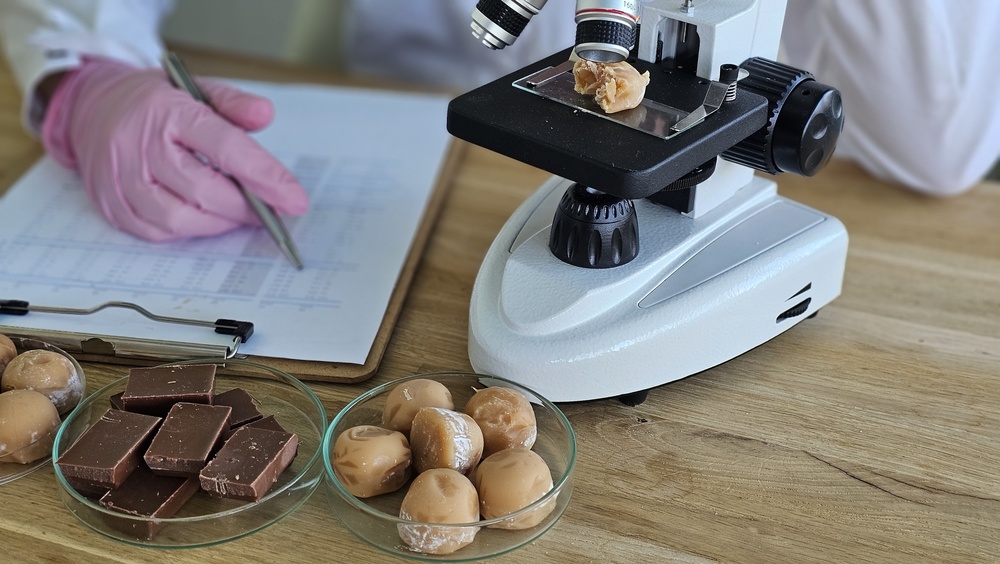
A flavorist develops the mixtures that give manufactured foods and drinks their recognizable taste. You might work on a strawberry beverage, a savory snack coating, or a vanilla flavor that holds up during baking. Average pay works out to about $47 per hour. The work involves chemistry, careful measuring, and repeated testing. A pleasant flavor in one recipe can become unpleasant after heating, storage, or mixing with a different ingredient.
Chemistry and food science are useful foundations, followed by substantial supervised learning inside a flavor company. This is a small specialty, so finding a trainee position can matter as much as choosing a degree. You need a reliable sense of taste and smell, but also the discipline to keep clear records and repeat formulas accurately. Employers need people who understand how flavors behave in actual products, including reduced-sugar foods and drinks. Expect slow progress through many versions of the same sample, with feedback from customers and colleagues before a formula is approved.
5. Perfumer

Perfumer is a real technical job, and it covers far more than expensive perfume. Specialists also develop fragrances for soaps, detergents, shampoos, and other everyday products. Average pay is equivalent to about $52 per hour. You combine aromatic materials, adjust their proportions, and test how the result changes over time. The finished scent has to work in its intended product, which may contain ingredients that alter or weaken the fragrance.
Many perfumers have chemistry training and then spend years learning materials and formulation through an employer. A good nose helps, but remembering ingredients, following safety restrictions, and keeping precise records are just as important. This is a relatively small industry, so location and access to fragrance manufacturers affect your options. The day can involve evaluating dozens of similar samples and making tiny adjustments. Demand comes from companies that regularly launch or reformulate scented products. Anyone considering the career should understand that creative decisions sit alongside a great deal of laboratory work and testing.
6. Sensory scientist

Sensory scientists measure how people experience a product through taste, smell, texture, sight, or sound. A food company might need to know whether a new recipe tastes different or whether customers notice a change in crunch. Average pay works out to about $53 per hour. You organize controlled tests, prepare samples, train panelists, and interpret the results. The goal is to separate reliable feedback from individual preferences and misleading comparisons.
A background in food science, psychology, statistics, or a related subject can be useful. You need to plan fair tests and understand how presentation, order, and expectations affect people’s answers. Some days involve setting up identical sample portions and checking that every participant receives the same instructions. Other days involve discussing findings with product developers. Manufacturers need this work when changing ingredients, improving shelf life, or deciding whether a product is ready to sell. The job suits someone who enjoys practical experiments and can stay interested in small differences that other people overlook.
7. Genetic counselor

Genetic counselors help people understand what genetic testing can and cannot tell them. You discuss family medical history, explain testing options, and help patients make sense of results that may affect treatment or future decisions. Average pay is equivalent to about $47 per hour. Work is available in hospitals, specialist clinics, laboratories, and other healthcare settings. This combines scientific knowledge with careful conversations, sometimes when a patient is frightened or uncertain.
You generally need a master’s degree in genetic counseling, supervised clinical experience, and professional certification. Licensing requirements also apply in many jurisdictions. It is not a shortcut into healthcare, but it offers a distinct role for people who want substantial patient contact without performing procedures. The occupation is projected to grow 10% through 2035. Expanding use of genetic information supports that demand. You need to explain probabilities clearly, respect patients’ choices, and avoid treating a test result as a simple prediction of someone’s future.
8. Prosthetist and orthotist

Prosthetists and orthotists create and fit artificial limbs and supportive devices such as braces. You take measurements, assess movement, help select materials, and adjust the device as the patient uses it. Average pay works out to about $45 per hour. The job combines healthcare with practical design and hands-on fitting. A device can meet its technical specifications and still need changes because it rubs, slips, or makes daily movement difficult.
Entering the profession generally requires a relevant master’s degree and a residency. Certification and licensing may also be necessary. Employers include specialist practices, hospitals, and medical equipment businesses. Employment is projected to grow 13% through 2035, supporting opportunities for qualified practitioners. You need patience with repeated adjustments and an understanding of what the patient is trying to do in everyday life. Appointments can involve walking tests, close inspection of pressure points, and explaining how to use and care for a device safely.
9. Commissioning engineer

Commissioning engineers check whether newly installed systems work as intended before the owner relies on them. In a large building, that might mean testing ventilation, pumps, controls, or electrical equipment under different conditions. Midlevel commissioning engineer pay is equivalent to about $46 per hour. You compare the finished installation with its requirements, witness tests, and record problems that contractors need to correct. The job exists because a completed installation is not automatically a functioning one.
Mechanical or electrical engineering is a common route, followed by experience with the systems being tested. You need to read drawings, understand test procedures, and work with several companies on the same project. Some assignments involve travel, early starts, or testing outside normal business hours. Hospitals, industrial sites, and other complex facilities need systems that can perform reliably after handover. The role suits someone who is comfortable asking for another test when the first result is unclear and documenting a problem even when the project is already behind schedule.
10. Validation engineer

A validation engineer checks that a manufacturing process or piece of equipment repeatedly produces an acceptable result. In a pharmaceutical or medical device business, you might test a cleaning process, a production machine, or the conditions inside a controlled workspace. Midlevel pay works out to about $47 per hour. The work includes planning tests, inspecting results, investigating failures, and keeping records that explain what was tested and why it passed or failed.
A science or engineering degree is common, with practical experience in manufacturing or quality work helping you move into the specialty. The job requires careful reading and an ability to follow a test plan without overlooking an inconvenient result. Regulated manufacturers need evidence that their processes work, especially when equipment, ingredients, or procedures change. You may spend much of a week on records, then move onto the production floor for a scheduled test. Being methodical matters more than making a process look successful before the evidence is complete.
11. Senior ceramics engineer

Ceramics engineers work with materials used in products such as electronic components, industrial linings, and parts that must withstand demanding conditions. Senior-level pay is equivalent to about $48 per hour. You could investigate why a batch cracks during firing, compare material mixtures, or test how a finished component handles heat and wear. This is a manufacturing and materials career, rather than a pottery studio job.
A degree in materials science or engineering is a common starting point, followed by experience with ceramic processing and testing. Much of the work concerns practical problems that appear when production conditions change. A successful laboratory sample still has to be manufactured consistently and at a reasonable cost. The wider materials engineering occupation has a positive hiring outlook. Expect work with production teams, physical samples, and detailed process records. If you enjoy understanding why a material behaves differently after a small change in temperature or composition, the specialty offers plenty to investigate.
12. Metallurgist

Metallurgists study how metals behave and help manufacturers choose or process them correctly. You might investigate a broken component, test how heat treatment changes hardness, or compare alloys for a part that faces repeated stress. Average pay works out to about $47 per hour. Employers can include metal producers, manufacturers, testing laboratories, and engineering businesses. Much of the work begins with a practical question about why a metal part did not perform as expected.
Materials science, metallurgy, or a related engineering degree is a common foundation. You also need experience preparing samples, interpreting test results, and understanding the production process behind the material. A failure investigation may involve looking at the damaged surface and checking the part’s manufacturing history before reaching a conclusion. The wider materials engineering field is projected to grow 8% through 2035. This is a good fit for someone who enjoys laboratory work but wants the findings to solve problems on an actual production line.
13. Optical engineer

Optical engineers work on systems that use light, including lenses, sensors, imaging equipment, and laser-based devices. Midlevel pay is equivalent to about $45 per hour. You might align components, measure image quality, investigate stray light, or test whether a system performs correctly under changing conditions. Employers can include medical equipment manufacturers, scientific instrument companies, and businesses making industrial inspection systems. The work often combines design calculations with careful physical testing.
Physics, electrical engineering, and optical engineering are common educational routes. Practical laboratory experience matters because a small alignment error can change the performance of an otherwise sound design. You need patience with measurements and the ability to distinguish a problem in the equipment from a problem in the test setup. Imaging and sensing equipment give this specialty applications in several industries. Some positions lean heavily toward design, while others spend more time building and testing prototypes. Read the duties closely to find the balance that suits you.
14. Hydrologist
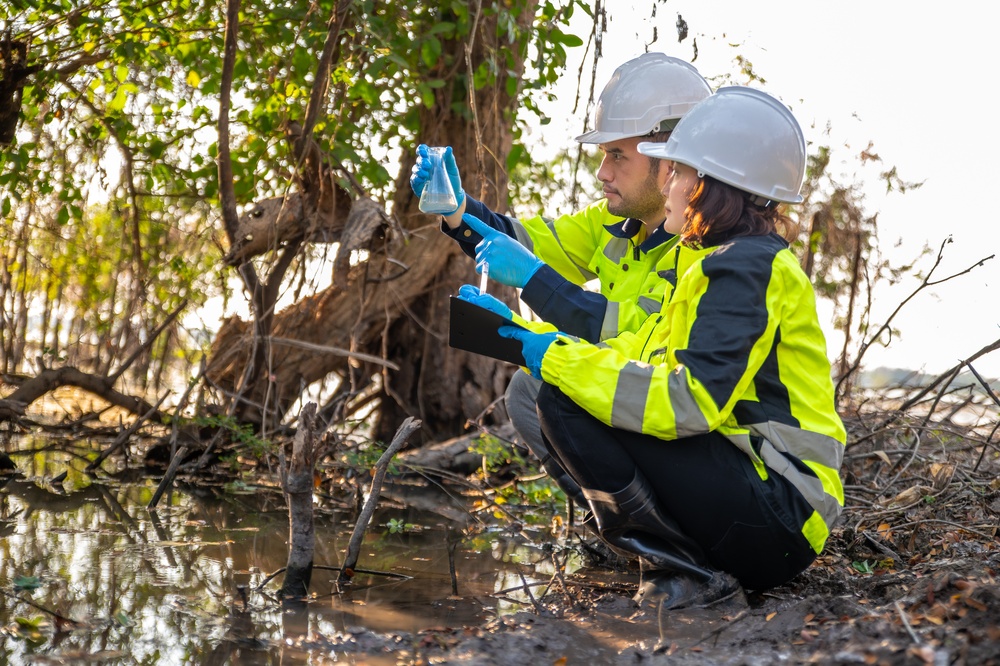
Hydrologists study where water goes, how much is available, and how it changes as it moves through land and waterways. Median annual pay is equivalent to about $46 per hour. You might collect measurements, examine groundwater levels, or assess how a proposed development could affect water movement. Government agencies, consulting businesses, and research organizations employ these specialists. The work can include both outdoor field visits and time analyzing information at a desk.
A bachelor’s degree in a relevant physical science is the usual starting point, although some research or specialist positions require further study. You need a sound understanding of water movement and the limits of the measurements being used. Employment is projected to grow slowly, so this is a relatively stable specialty rather than a rapidly expanding one. Flooding, water supply, and contamination still create recurring work. Field conditions can be muddy, wet, or remote, and reports may need to explain uncertain findings to people making expensive decisions about land or infrastructure.
15. Geoscientist

Geoscientists investigate the physical structure of the Earth, including rocks, soil, and the history of a site. Median annual pay works out to about $49 per hour. Depending on your specialty, you might study samples, assess geological conditions, or help a project team understand what lies beneath a proposed development. Consulting firms, government agencies, and resource businesses employ geoscientists. Some jobs require regular fieldwork, while others emphasize laboratory analysis or interpretation.
A bachelor’s degree in geoscience or a related field is a common route, with graduate study useful for more specialized work. Professional licensing may apply to some positions. You need to be comfortable working with incomplete information because sampling cannot reveal every feature of a large site. The occupation has positive projected growth, although demand differs between specialties and industries. Anyone considering the career should look beyond the title and ask how much travel is involved. A consulting role near development projects can feel quite different from a research or resource exploration position.
16. Certified industrial hygienist

Industrial hygienists investigate workplace exposures that can harm employees over time. You might measure noise, collect air samples, or assess whether ventilation controls exposure to dust or chemicals. Average pay for a certified industrial hygienist is equivalent to about $45 per hour. Employers include manufacturers, consulting firms, hospitals, and organizations with large facilities. The job concerns the conditions people work in, rather than general cleaning or housekeeping.
A relevant science or engineering degree is a common foundation. Professional certification requires qualifying education and experience, so it is usually something you earn after entering the field. You need to understand sampling methods, interpret results, and recommend controls that workers can actually use. Workplace health and safety has strong projected growth, supporting demand for these skills. The day may alternate between a noisy production area and a quiet desk reviewing measurements. It helps to be comfortable explaining why an exposure needs attention even when the harm is not immediately visible.
17. Senior regulatory affairs specialist

Regulatory affairs specialists help companies meet the requirements for making and selling products such as medicines and medical devices. Senior-level average pay works out to about $50 per hour. You might assess how a product change affects an approval, check technical information, or coordinate answers to questions about compliance. The role involves working with scientists, production staff, and other specialists to make sure decisions are supported by the right evidence.
A science or engineering degree is useful, followed by experience in the relevant product area. Senior positions require an understanding of both the rules and the practical consequences of applying them. Expect substantial record review, meetings, and deadlines, with occasional disagreement about whether a proposed change needs further work. Regulated products need ongoing oversight after their initial launch, which gives the specialty a continuing purpose. It suits someone who likes tracing a requirement through several parts of a business and can explain a problem clearly without losing the technical detail that matters.
18. Nuclear medicine technologist

Nuclear medicine technologists prepare and administer radioactive medicines used in diagnostic imaging and some treatments. Average pay is equivalent to about $47 per hour. You explain procedures, check safety requirements, operate imaging equipment, and monitor patients during the appointment. Hospitals and imaging services employ these specialists. The title sounds unusual, but the work follows carefully planned clinical procedures with strict rules for handling radioactive materials and protecting patients and staff.
You generally need an accredited nuclear medicine technology program, including clinical experience. Certification is commonly expected, and licensing may also be required. The occupation is projected to grow 4% through 2035, giving it a stable hiring outlook. You need accuracy with patient identification, doses, timing, and equipment checks. Patient contact also matters because people may be nervous about the procedure. Some positions involve hospital shifts, while outpatient services may have a more regular schedule. Ask about the actual rota and procedures before assuming every role has the same working day.











