At 8 a.m., the patio is perfect. Soft sunlight, cool air, and a hot cup of coffee. By 2 p.m., the same spot feels like a parking lot in July. By 7 p.m., low sun glares straight into everyone’s eyes during dinner.
That’s the thing about outdoor spaces. Conditions never sit still. The sun moves across the sky, temperatures rise and fall, and the activities people want to enjoy change from hour to hour. A space that’s ideal at one moment can be miserable a few hours later.
Yet many backyards are designed as if conditions never change. The furniture stays put, the shade stays fixed, and homeowners end up adapting to the space instead of the space adapting to them. A new way of thinking is turning that around.
Table of contents
Why flexibility matters more than ever
People are asking more from their outdoor spaces than ever before. Patios now host family dinners, remote work sessions, weekend parties, and quiet evenings, often all in the same week. One fixed setup rarely serves all of those needs well. Expectations have grown.
That’s why adaptable features have become central to modern patio design. Movable furniture, layered lighting, and adjustable shade allow a single space to shift with the moment. The goal is comfort on demand, not comfort only at certain hours. Static setups fall short.
Shade is where flexibility matters most. Fixed covers stay put whether they’re wanted or not, while umbrellas cover only small areas. For larger spaces that need to change throughout the day, retractable awnings provide one example of adaptable shade that responds as conditions shift.
Following the sun throughout the day
Morning sunlight is usually gentle and welcome. Temperatures are cooler, and a sunny spot feels pleasant for breakfast or coffee. East-facing patios often shine during these early hours, making them ideal places to start the day. Mornings are easy.
Midday brings the most intense heat. With the sun high overhead, unshaded patios can become uncomfortably hot, and surfaces like concrete and metal furniture soak up heat. This is often when outdoor spaces sit empty without some form of overhead protection. Heat builds quickly.
Late afternoon creates a different challenge. As the sun drops lower in the western sky, glare shines in at an angle, right into the eyes of anyone sitting on a west-facing patio. Seating arrangements and shade placement need to account for that shifting angle. Glare sneaks in.
Technology meets backyard comfort
Modern shade systems have become surprisingly smart and simple. Motorized controls replace hand cranks, allowing shade to extend or retract at the push of a button. That convenience means people actually adjust their shade as conditions change rather than leaving it in one position.
Remote operation adds even more ease. Handheld remotes, wall switches, and in some cases smartphone apps let homeowners control shade without leaving their seat. Some systems can be integrated with broader home automation setups for added convenience. Convenience drives use.
Optional sensors take things further. Sun sensors can extend shade automatically when sunlight intensifies, while wind sensors can retract it when gusts become strong, helping protect the system from damage. These features aren’t required, but they make adapting to the weather practically effortless. Comfort becomes automatic.
Designing an outdoor space that adapts
Flexible seating is a great starting point. Lightweight chairs, modular sofas, and movable side tables can be rearranged to chase the shade or catch the sun. A layout that can shift easily stays useful from morning until night. Mobility is underrated.
Movable furnishings extend that adaptability. Planters on casters, folding tables, and storage ottomans let homeowners reconfigure the space for parties, quiet afternoons, or family dinners. Outdoor rugs can define zones that change as needs change. Zones can evolve. Nothing needs to stay fixed.
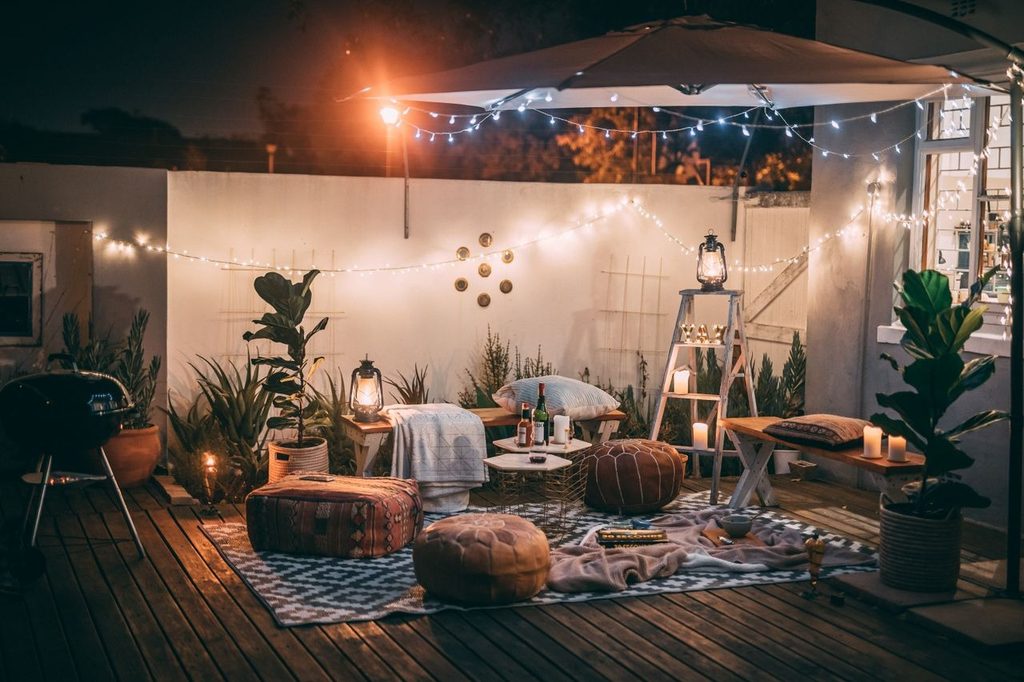
Layered lighting keeps things comfortable after sunset, combining overhead string lights, table lanterns, and low path lighting. Shade planning ties it all together. Thinking about where shade is needed at different times, and in different weather, helps create a space that truly works in every condition.
Conclusion
Outdoor comfort is truly a moving target. Sunlight shifts, temperatures change, and activities evolve throughout the day. A backyard that stays the same while everything around it changes will inevitably be uncomfortable at least part of the time. Static spaces struggle.
The new approach to outdoor living embraces flexibility. Adjustable shade, smart controls, movable furniture, and layered lighting allow a space to respond to conditions instead of forcing people to work around them. That makes the patio useful far more often. Flexibility unlocks more hours.
The very best outdoor spaces don’t demand painful compromises. They offer sunshine for morning coffee, shade for afternoon gatherings, and comfort for evening conversations. Designing for change, rather than against it, helps homeowners get the most from every hour spent outside. Change becomes an advantage.