
A big tax refund or back pay check can feel like finally coming up for air. For a minute, the numbers in your account look like someone else’s life. The pressure eases. Your brain starts listing everything you’ve been putting off for months.
This money is a lifeline. But it’s also dangerous if you treat it like “extra” instead of what it really is: pay that showed up late. When you don’t have much margin, one weekend of fast spending or one bad loan can wipe out what could have been months of breathing room.
You’re allowed to enjoy some of it. You also deserve to have something to show for it a month from now. Here are common mistakes people make with refunds and back pay as well as simple, doable moves that protect your future without killing all the joy.
1. Treating the money like lottery winnings and blowing it in a weekend

When a lump sum hits your account, your brain says, “Finally, I can live a little.” DoorDash, new clothes, a TV, a big night out for the kids. After grinding for so long, it feels good to say yes instead of no.
The problem is that this money is not a prize. Your tax refund from the IRS or back pay from a job or benefits is delayed pay. It was already supposed to be helping with rent, groceries, gas, and catching up. Once the rush wears off, you’re back in the same hole, sometimes deeper, because you assumed “future me” would somehow handle it.
Do this instead: pause 48 hours before touching the money. During that pause, write three short lists on paper: what’s past due, what’s about to come due, and one or two small wants. Once the money clears, hit the past-due list first, then the coming-due list. After that, pick one treat from your “want” list and do it with zero guilt. You’ll still get that good feeling, but next month you won’t be panicking over the power bill.
2. Paying huge fees for “rapid refunds” and check cashing
When you’re broke, waiting even a week for a refund or back pay feels impossible. That’s why refund anticipation loans, “instant advance” products, and high-fee check-cashing places are everywhere. They promise fast cash right now but take a painful bite out of your money. The Consumer Financial Protection Bureau has warned about high-cost refund anticipation products and similar loans.
Those fees and interest charges are basically a tax on being desperate. You might lose a couple hundred dollars of your refund just for getting it a little sooner. That’s money that could have gone to groceries, a car repair, or an emergency cushion.
If you can, avoid anything labeled “refund advance,” “rapid refund,” or “instant refund loan.” File electronically with direct deposit through the IRS so your refund goes straight to your bank; that’s usually the fastest free option. If you don’t have a bank account, consider opening a basic, low-fee checking account at a bank or credit union insured by the FDIC or NCUA. Ask about any monthly fee before you sign.
If you absolutely must use a check-cashing service, compare prices and pick the lowest fee you can find. Then make a plan so this is the last year you have to hand over part of your refund just to get your own money.
3. Ignoring past-due basics and “treating yourself” first

When money finally shows up, it’s tempting to buy all the things you’ve said no to: clothes, toys, dinners out, little upgrades. After surviving months of stress, you want something that feels normal.
But if your rent is behind, the power company is threatening shutoff, or your car insurance is about to cancel, those treats are risky. Companies don’t care that you needed a break. They care that the bill is late. If you spend first and pay later, you might lose housing, lights, or transportation which are much harder and more expensive to fix.
Think of your refund or back pay as a chance to reset the foundation. Before you buy anything fun, bring key bills current: housing, utilities, car payment and insurance, and any payment that protects your job (like child care). If there isn’t enough to catch everything, call and ask about payment plans or hardship options while you have some cash in hand. The Federal Trade Commission has basic guidance on dealing with creditors and collectors.
Once the basics are safe for at least the next month or two, then choose that one treat you planned. The treat will feel better when you’re not eating out under the shadow of an eviction notice.
4. Skipping a starter emergency fund and staying one problem away from disaster

Most families live one problem away from a full-blown crisis such as a flat tire, a broken fridge, a sick kid. Without any savings, every emergency goes on a card, a payday loan, or unpaid bills. Then the next emergency hits, and everything gets worse.
A common mistake is using every single dollar of a refund or back pay on bills or stuff and leaving nothing aside. It feels responsible to throw it all at debt or catch-up, but you’re setting yourself up to fall right back as soon as something else breaks.
Instead, before you pay a single bill, decide on a small “must-keep” amount, maybe $200, $300, or $500, and move it into a separate savings or sub-account as your starter emergency fund. Many banks and credit unions let you open multiple savings “buckets” online for free. Call it “Oh crap money” if you want. That money is for real emergencies: car repairs, doctor visits, surprise school fees, and keeping utilities on.
You will be tempted to dip into it for everyday shortfalls. Remind yourself: this fund is what keeps the next surprise from blowing up your whole budget. Protect it like rent. Over time, you can add more, but even a few hundred dollars changes how stressful life feels.
5. Ignoring high-interest debt that’s quietly eating your money

Credit card balances, buy-now-pay-later plans, and old payday loans can feel like background noise. You make minimum payments, promise yourself you’ll “tackle it next year,” and focus on more urgent things. When a lump sum shows up, it’s easy to pretend those debts aren’t part of the problem.
The truth is, high-interest debt is like a leak in your bank account. Every month you let it sit, more of your paycheck goes to interest instead of to your actual life. The Consumer Financial Protection Bureau has tools to help you understand and compare interest costs. If you never use refund or back-pay money to fight it, you stay stuck paying for the same things over and over.
You don’t have to pay everything off at once. But pick one or two of the worst offenders, usually the highest interest or the ones in collections making your life miserable. Use part of your lump sum to knock those down hard or clear them. Then, with the lower minimum payments, you may free up cash every month.
If you’re not sure where to start, write down each debt, balance, and interest rate. Attacking even one ugly account can feel like pulling a thorn out of your budget.
6. Letting friends, family, or an ex spend your refund for you

As soon as people sense you got a refund or back pay, the requests start. “Can I borrow a little?” “We should go out; you got it.” “You should buy the kids this.” An ex might suddenly remember child support, old promises, or “their share.” It’s easy to watch your money disappear keeping everyone else happy.
You’re not selfish for wanting this money to actually improve your situation. You are the one whose name is on the lease, the car, the bills. If your refund is gone in a week and you’re still the one getting shutoff notices, that’s not fair.
Before the money hits, decide what you’re willing to do for others, if anything. Maybe you’ll give each kid a small amount for something fun, or cover one shared family outing, or help one person with one bill. Put a clear limit on it. When people ask for more, you can honestly say, “I already set what I could give, and it’s gone. The rest is for keeping us stable.”
If you share kids with someone, talk about how the money will be used for the kids’ needs: clothes, school stuff, activities. Focus on the children, not on paying an ex’s personal bills. You are allowed to say no.
7. Using one-time money to sign up for bigger monthly payments

New money makes you want new things: a better apartment, a newer car, more streaming services, fancy phones. Salespeople know this. They’ll push you toward “low monthly payments” that fit your budget today, if nothing else ever goes wrong.
The mistake is using a one-time lump sum to lock yourself into higher monthly bills that keep going long after the refund is gone. That’s how people end up forced out of nicer apartments, losing cars to repossession, or drowning in subscriptions they barely use.
Instead, use one-time money to make your monthlies lower, not higher. That might mean paying a chunk off your current car so the payment drops, paying down credit cards, or paying ahead on a lower-cost rental instead of upgrading to something you can’t sustain. If you want to improve your daily life, think small fixed costs: better internet plan that helps with work or school, or a used phone paid in full instead of a big financed one.
Ask yourself, “Will this decision make my future monthly budget easier or harder?” If it makes it harder, think twice. Refunds and back pay should buy you breathing room, not new chains.
8. Not planning for big, predictable expenses that always show up

Some bills feel like “surprises” even though they come every year: car tags, school clothes, back-to-school fees, holiday gifts, insurance renewals, property tax on a car, membership dues. When you’re living paycheck to paycheck, these hit like bricks.
A common mistake is to ignore those future bricks when a lump sum lands. You pay what’s screaming the loudest today and forget that, three months from now, you’ll need $300 for school supplies or $200 for car registration. Then you’re forced back onto credit or late fees again.
When your refund or back pay comes, list the big irregular costs you know are coming in the next 6–12 months. Put rough dollar amounts next to each. Then set aside money for at least a few of them in a separate account or labeled envelopes. This doesn’t have to be perfect or fancy. It just has to exist.
You’re not “losing” that money; you’re paying those future bills early. When the time comes, you’ll already have the cash instead of adding another crisis to the pile. That’s how a one-time check can make life less chaotic for months, not just days.
9. Ignoring repairs that keep costing you over and over
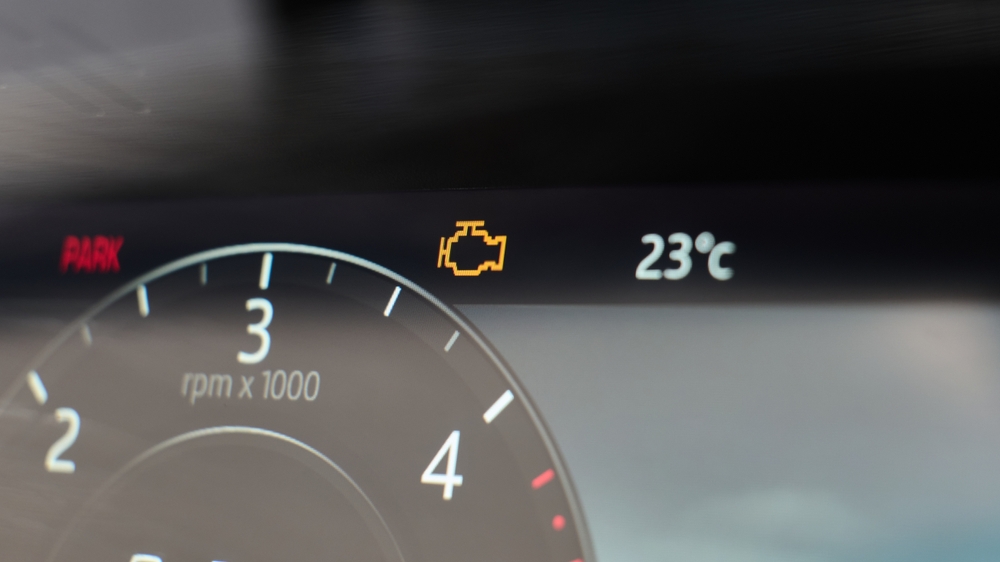
You might have a car with bald tires, brakes that squeal, or a check engine light you’ve been ignoring. Maybe there’s a leak under the sink, a broken window, or an appliance that only works if you kick it. You get used to “making do”, until something finally dies at the worst possible time.
Using a refund only for bills and treats and never for repairs can be a quiet, expensive mistake. Every time you put off fixing the thing that keeps breaking, you risk a bigger emergency later: missing work because the car died, higher electric bills because of broken seals, or ruined belongings because a small leak became a big one.
Pick one or two repairs that would make your life safer, cheaper, or more stable and handle them with part of your lump sum. That might mean new tires, a real car tune-up, getting the brakes fixed, or hiring someone to stop a leak. If you’re not sure where to start with car safety, look at basic maintenance guidance from trusted sources like the National Highway Traffic Safety Administration.
You won’t see the payoff in a shiny new toy, but you will feel it in fewer breakdowns, fewer missed shifts, and lower anxiety every time you start the car or open a bill. That peace is worth part of the check.
10. Not checking how the money affects benefits or paperwork

Refunds and many types of back pay won’t hurt most benefits, but not all money is treated the same. Some programs look at your bank balance; others look at monthly income; some care about both. A lump sum from unemployment, Social Security back pay, disability back pay, or a lawsuit can affect certain benefits if you leave it sitting in your account or don’t report it the right way.
The mistake is to assume it doesn’t matter and then be shocked when a benefit is reduced or stopped later. Or, on the flip side, to be so scared of “messing up benefits” that you refuse to use the money to improve your situation.
When you know a big payment is coming, call or visit the office that handles your main benefits and ask how they treat lump sums. You can also look up program rules at Benefits.gov or your state human services website. Use simple language: “I’m about to receive back pay from X. Will this change my benefits, and what should I do with it?” Sometimes you can spend down money on approved things, like paying debt, buying a car under a certain value, or making home repairs, so it doesn’t count against you.
The goal isn’t to hide money. It’s to follow the rules and still use this chance to make your life better long-term.
11. Making no plan and trying to “wing it”

A lot of people are so tired when the money finally lands that they think, “I’ll just pay what I can and see what’s left.” No plan, just vibes. A week later, they’re confused about where it all went and mad at themselves for not using it better.
Winging it is a plan, it’s just a bad one. In a stress moment, your brain will go for whatever feels urgent or gives quick relief, not what helps you six weeks from now. Without a simple roadmap, it’s easy to overpay one bill, forget another, and leave yourself in the same mess with less money.
Before the deposit hits, grab paper and make a rough spending plan for that money. Start with the total amount. Subtract past-due basics, then a small emergency fund, then one or two key repairs or debts, then any set-asides for upcoming big bills. Lastly, add one modest treat. You don’t need exact pennies; ballpark numbers are fine. The IRS has a basic refund tracker and information so you know what you’re working with.
When the money arrives, follow that plan as closely as you can. You always have the right to adjust a little, but having a written order keeps one emotional day from swallowing what could have been three months of progress.
12. Feeling like you can’t have any joy or going to the other extreme

Some people blow the whole check in a flash. Others go the opposite way and feel like they must be perfectly “responsible” with every dollar. They pay bills, fix things, and save a bit, but never let themselves or their kids enjoy any of it. That can backfire. After months of saying no, one bad day can lead to a huge, regret-filled spending binge.
You are allowed both stability and joy. The trick is to decide on joy on purpose, not in a panic.
As you plan your refund or back pay, build in one treat that won’t wreck everything else. Maybe that’s a simple day trip, a meal out, a small toy shopping trip with a set budget, or finally buying that one thing you’ve wanted all year. Put a clear price tag on it and stick to that number.
When guilt pops up, remind yourself: you caught up on basics, started your emergency fund, and handled something that’s been hanging over you. Using a small slice of this money to feel human again is not irresponsible. It’s fuel to keep going while the rest of your plan quietly makes your life less fragile.
More benefits advice and news from Wealthy Single Mommy:

Legit single mom hardship grants — This is an updated list of dozens legitimate hardship grants for single mothers — from private charities, businesses and individual donors.
SNAP in 2026: New max benefits, rule changes, and the exact moves to raise your payout — For the 2026 fiscal year, the caps go up in most places, deduction amounts change, and other changes affect how much you receive. Below you’ll find the new numbers in plain English, a quick way to estimate your own benefit, and how to maximize your sum.
7 surprising EBT benefits — If you receive EBT card benefits you can qualify for more than free groceries and other essential items. In this post, you’ll find places to go for EBT card holders, including free entrance, discounts and other free stuff.
Byline: Katy Willis











