
Most morning and night routine advice assumes you have 90 uninterrupted minutes, a journaling habit, and motivation that peaks before sunrise. Most people have none of those things on an average day.
A routine needs to be easy enough to repeat without thinking, which is a design problem rather than a willpower problem.
The five lazy routines below rely on environmental design rather than discipline. Adjusting passive elements around you reduces the cognitive load of both waking up and falling asleep.
Start with the simplest upgrade possible: what sits in your mug.
Table of contents
1. Let your coffee do the heavy lifting
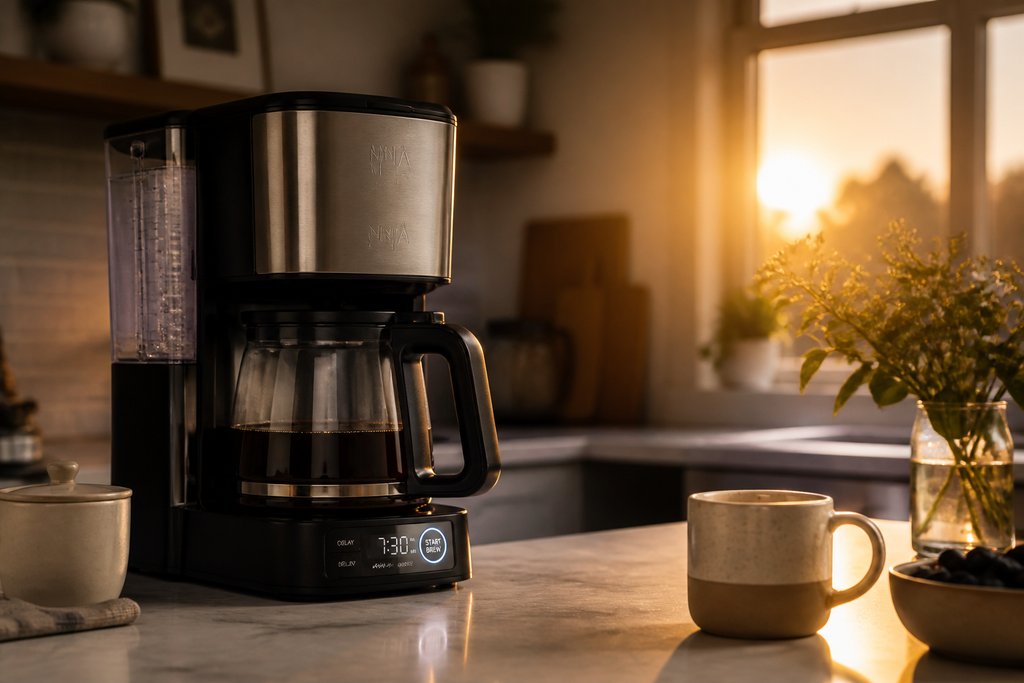
The laziest morning ritual happens the night before. Load the coffee maker, pick the flavor, and set the timer so your future self wins before the alarm goes off. There is nothing to decide or prep once you wake up.
When coffee actually tastes good, getting out of bed carries a small physical pull. Research on anticipatory reward suggests the expectation of a pleasurable experience can reduce the friction of waking. Flavor creates an incentive where caffeine alone falls short.
If flavor is part of what gets you moving, Bones Coffee Company’s rich and bold dark roast flavored coffee is one example of how a more enjoyable first cup can ease the transition into the day.
| Key Insight: The anticipation of a flavorful morning coffee can trigger a reward response that eases waking, even before the caffeine takes effect. Setting up your coffee the night before turns it into a compelling reason to get out of bed. |
2. Do one thing the night before
Stress often carries into the evening, making it harder to fully switch off before bed and that disrupted rest can make mornings feel even more demanding.
According to data from the Sleep Foundation, approximately 40% of adults claim to have high day-to-day stress levels, and 90% of that group say their stress leads to sleep problems.
A helpful night-before habit is to choose one small action that supports more restful sleep. For example, Baloo Living’s breathable cooling weighted blanket can add gentle, even pressure as part of a more calming bedtime routine.
Pairing a comfortable sleep environment with a simple task, such as setting out clothes, preparing breakfast, or writing down tomorrow’s top priority, can reduce the number of decisions waiting for you in the morning.
Lowering that morning cognitive load can help ease the residual anxiety that often carries over from the night before.
| Key Insights: People who describe themselves as “not morning people” are often just meeting a morning that has too many unresolved decisions and that is a fixable structural problem. |
3. Make your wind-down desirable
Most evening advice asks tired people to journal, meditate, or track metrics across four devices. A lazy wind-down removes stimulus instead of layering in new activities. Dimming the lights and putting the phone physically across the room requires zero active energy.
Adding one consistent sensory cue signals the body that the day is over. A specific playlist, dropping the room thermostat to 67 degrees, or a quick spray of a linen mist acts as a reliable trigger for settling down.
The nervous system learns this pattern and begins relaxing automatically upon receiving the signal.
4. Upgrade what you sleep under

People spend significant money on mattresses and sleep-tracking apps while treating the blanket itself as an afterthought. What you sleep under directly dictates how quickly your body settles into rest. Upgrading your bedding requires zero active behavior at night.
The underlying mechanism relies on deep pressure stimulation, where even weight applied across the body activates the parasympathetic nervous system. This pressure lowers the heart rate and mimics the sensation of being held so the mind calms down automatically.
Since deep sleep makes up between 10% and 20% of total sleeping time for most adults, maximizing that restorative window dictates how you feel the next day.
The two most common hesitations about heavy blankets involve trapped heat and feeling pinned down. Breathable designs built with 100% natural cotton and quilted air channels solve the temperature problem. Using lead-free mini glass beads ensures the weight distributes evenly without suffocating the sleeper.
A 9-pound mini blanket measuring 40 by 60 inches works perfectly for anyone wanting a lighter introduction. Multi-sized quilted pockets allow the fabric to hug the body closely while keeping the interior weight concentrated.
Quality construction with durable materials means the bedding survives regular washing and lasts for years.
| Pro Tip: Unlike meditation or journaling, a weighted blanket requires zero effort. The deep pressure stimulation does the work for you, signaling your nervous system to relax as soon as you get under it. |
5. Choose flavor over the daily grind
A routine that feels like a chore gets skipped by Wednesday. The difference hinges on whether the morning habit belongs to you or just serves as another functional obligation. Reframing your first beverage from basic fuel to a daily pleasure shifts that dynamic immediately.
Flexible coffee subscriptions remove the final layer of friction from the morning setup. The coffee arrives before the pantry runs dry, eliminating the need to remember another errand. You wake up knowing a bold, fresh roast already sits in the kitchen cabinet.
Rotating through options keeps the morning cup interesting rather than letting it fade into background noise. Selecting a Rainforest Alliance certified, small-batch roast ensures the beans arrive fresh instead of warehouse-aged.
The bottom line
A functional routine accommodates the tired version of yourself rather than expecting unlimited willpower.
Preparing a flavorful coffee the night before removes the physical inertia of waking up. Sliding under a breathable weighted blanket at night forces the nervous system to settle without requiring a complex meditation sequence.
Environmental subtraction is the core strategy connecting these habits. Dropping the room temperature, limiting morning decisions, and relying on passive pressure stimulation systematically strip friction from the day.










