
If you are going to put real time into a new career, it helps when the money is solid and employers are still having trouble filling seats.
The jobs here sit in that useful middle zone. The pay is strong enough to matter, the demand is real or at least steady, and the work still depends on skill, judgment, licensing, or hands-on problem-solving. A few are in hospitals. A few live in rail yards, labs, aircraft hangars, and fire-prevention offices.
Table of contents
- Histotechnologist
- Funeral manager
- Locomotive engineer
- Flight dispatcher
- CT technologist
- Diagnostic medical sonographer
- Vascular technologist
- Clinical trial monitor
- Respiratory therapist
- Orthotist or prosthetist
- Aircraft mechanic and service technician
- Avionics technician
- Logistician
- Occupational health and safety specialist
- Cartographer or photogrammetrist
- Fire inspector
- Food scientist or technologist
- MRI technologist
- Discover job hunting tips, ways to earn more, and flexible working options:
Histotechnologist

Histotechnologists do the lab work that helps doctors and pathologists figure out what is going on inside the body. They prepare tissue samples, slice them into thin sections, stain them, and make sure the slides are good enough to read under a microscope. It is precise work, and it is easy to underestimate until you remember how many diagnoses depend on those samples being handled right. Average pay is about $77,080 a year.
This is also one of those quieter healthcare jobs that employers keep struggling to fill. Recent lab workforce surveys found vacancy rates in histology higher than in the last survey cycle, with staffing shortages, long hiring timelines, and too few new professionals coming in to meet demand. The path usually runs through a science degree plus specialized lab training and certification. It is not patient-facing, but it is very hard to replace because the work has to be accurate, traceable, and done by somebody who knows exactly what they are looking at.
Funeral manager

Funeral managers handle one of the few jobs where people need calm, organized help on some of the worst days of their lives. The work can include coordinating services, managing staff, handling permits and paperwork, meeting with families, and making sure a funeral home runs smoothly when emotions are high and timing matters. Average pay is about $79,032 a year.
This is not flashy work, but it is steady. Employment for funeral service workers is projected to grow about as fast as average from 2024 to 2034, with about 5,800 openings a year, much of that driven by replacement hiring. It also stays stubbornly human. Families still want a real person who can guide them, answer hard questions, and keep the logistics from becoming another source of pain. Most people get there through funeral service training, state licensure, and some years learning the work from the inside before moving into management.
Locomotive engineer

Locomotive engineers do not just “drive trains.” They operate heavy equipment under tight rules, read signals, monitor track conditions, manage speed, and work with conductors and dispatchers to move freight or passengers safely. It is shift-heavy work, and the schedule can be rough, but the pay reflects that. Average salary is about $80,815 a year.
The outlook here is more stable than explosive, but the hiring need is still real. Railroad worker employment is projected to grow just 1% through 2034, yet the field is still expected to generate about 6,600 openings a year, mostly because people retire or move on. Engineers also need route knowledge, certification, and recurring recertification, which keeps the barrier higher than people assume. Technology is changing rail operations, but this is still a safety-sensitive job tied to live equipment, long routes, and federal rules.
Flight dispatcher

Flight dispatchers are some of the most important people in aviation that passengers never see. They help plan routes, track weather, weigh fuel needs, monitor aircraft progress, and make calls when delays, storms, or safety concerns start piling up. It is high-pressure operations work, not a casual desk job. Average pay is about $77,859 a year.
This role keeps its value because it is built into airline operations, not bolted on as a nice extra. Under federal rules for Part 121 operations, the pilot in command and the aircraft dispatcher share responsibility for preflight planning and dispatch release, and dispatchers are responsible for monitoring flights and cancelling or redispatching when safety requires it. Getting in usually means completing FAA-approved training and passing written and practical tests. That combination of regulation, accountability, and real-time judgment is why employers keep needing people who can do it well.
CT technologist

CT technologists run the scanners that create cross-sectional images doctors use to spot strokes, injuries, tumors, and all kinds of internal problems. The work is more hands-on than people think. You are positioning patients, dealing with contrast, following safety rules, and keeping the scan moving even when somebody is scared, sick, or in pain. Average pay is about $83,463 a year.
This is also one of the clearest shortage jobs on the list. A 2025 staffing survey found CT vacancy rates had climbed to 19.4%, an all-time high, and the broader radiologic and MRI technologist field is projected to add about 15,400 openings a year through 2034. That is a good sign for people who want healthcare work without taking the longest training path available. Most CT techs start in radiography, then add CT training and credentials. The job stays valuable because somebody still has to run the scanner, work with the patient, and catch problems in real time.
Diagnostic medical sonographer

Sonographers use ultrasound to capture images of organs, pregnancies, blood flow, and other structures inside the body. It is a job that mixes technical skill with patient care because you are not just pushing buttons. You are reading anatomy as you scan, adjusting angles, and helping make sure the images are actually useful. Median pay is about $89,340 a year.
Employers are still scrambling for sonography staff in a lot of settings. The occupation is projected to grow 13% from 2024 to 2034, with about 5,800 openings a year, and the 2025 imaging staffing survey still found sonography vacancy rates at 12.4%. Training usually runs through an accredited sonography program and specialty credentials. It is a strong career lane because ultrasound keeps expanding into more specialties, and the work still depends on a real person at the bedside who can scan, interpret what they are seeing, and work with actual patients.
Vascular technologist

Vascular technologists focus on blood flow. They run ultrasound studies on veins and arteries, help identify blockages or clots, and work closely with doctors handling circulation problems, stroke risk, or leg pain that turns out to be something more serious. It is one of those specialized healthcare jobs that many people do not hear about until they need one. Average pay is about $85,800 a year.
The hiring pressure here comes from the same forces hitting sonography more broadly: older patients, more vascular disease, and not enough trained people to go around. Sonography vacancy rates were still 12.4% in the latest staffing survey, and diagnostic medical sonographer employment overall is projected to grow 13% through 2034. Most people get into vascular work through ultrasound training plus vascular credentials. It stays useful because the job is specialized, patient-facing, and built around live image acquisition, not just reading a report after the fact.
Clinical trial monitor

Clinical trial monitors are the people checking whether research sites are actually following the study the way they are supposed to. That means reviewing records, checking protocol compliance, tracking safety issues, and making sure the data behind a drug or device trial is solid enough to trust. It is a detail-heavy job, but it matters a lot. Average pay is about $78,675 a year.
This is also a field that has been flagging workforce strain for a while. Industry sources say demand for clinical trials is growing while the pool of clinical research associates and other trial professionals is shrinking, and recruiting and retaining research-ready staff remains a top concern for clinical operations leaders. People often enter from nursing, life sciences, research coordination, or data-heavy healthcare work, then build into monitoring. The role holds up because somebody still has to travel, review, question, verify, and take responsibility for whether the trial is being run correctly.
Respiratory therapist

Respiratory therapists deal with some of the most basic problems in medicine: whether somebody can breathe, how well they are breathing, and what to do when that starts going wrong. They manage breathing treatments, monitor ventilators, help with chronic lung disease, and work with everyone from newborns to older adults. Median pay is about $80,450 a year.
Demand here is strong and easy to understand. Employment is projected to grow 12% from 2024 to 2034, with about 8,800 openings a year, mostly because older adults are more likely to need care for COPD, pneumonia, sleep-related breathing issues, and other lung problems. You usually need an associate degree, clinical training, and licensure. It is also one of those roles that stays harder to automate because somebody has to be there, at the bedside, making quick decisions when breathing support, equipment, and patient comfort all collide.
Orthotist or prosthetist

Orthotists and prosthetists fit and adjust braces, supports, and artificial limbs for people dealing with injury, illness, disability, diabetes, or amputation. The job blends measurement, anatomy, hands-on fitting, and a lot of patient education. It is technical, but it is also personal, because you are helping someone move through the world with less pain or more function. Median pay is about $78,310 a year.
This is a smaller profession, but it is growing quickly. Employment is projected to rise 13% from 2024 to 2034, with about 900 openings a year, driven by an aging population, obesity, diabetes, and trauma-related needs. Training usually means a master’s program, residency, and certification. Employers keep needing people here because custom fit, patient assessment, gait issues, and follow-up adjustments are still human work. A piece of software can help design a device, but it cannot replace the person standing in front of the patient making it work.
Aircraft mechanic and service technician

Aircraft mechanics inspect, repair, and maintain the machines that people trust with their lives. The work can involve engines, hydraulics, structures, landing gear, and troubleshooting problems that have to be solved correctly the first time. It is physical, exacting, and a good fit for people who would rather work on complex equipment than stare at a screen all day. Median pay is about $78,680 a year.
Hiring is still strong because the aircraft fleet is busy, systems are getting more complex, and retirements keep opening spots. Overall employment for aircraft and avionics equipment mechanics and technicians is projected to grow 5% from 2024 to 2034, with about 13,100 openings a year. Most people enter through FAA-approved aviation maintenance training and an A&P certificate. This job stays resilient because no airline or repair shop is going to let a chatbot sign off on whether a real aircraft is ready to fly.
Avionics technician

Avionics technicians handle the electronic side of aviation, navigation systems, radios, wiring, instruments, and the growing stack of digital systems modern aircraft depend on. It is more specialized than general aircraft maintenance, and that extra specialization shows up in the pay. Median earnings are about $81,390 a year.
This is one of the cleaner alternatives for people who like technical work but do not want another generic IT role. Avionics technician employment is projected to grow 8% from 2024 to 2034, and the broader aircraft maintenance and avionics field is expected to generate about 13,100 openings a year. Training usually comes through aviation maintenance schools, military experience, or a focused electronics path. The work is hard to flatten into automation because it depends on troubleshooting real hardware, reading test results, and fixing safety-critical systems on actual aircraft.
Logistician

Logisticians are the people making sure goods, parts, equipment, and supplies actually get where they need to go. In real life, that can mean inventory systems, freight movement, purchasing, warehousing, military or industrial supply chains, and a lot of fast decisions when schedules stop behaving. It is not glamorous, but it is one of the more reliable six-figure-adjacent careers around. Median pay is about $80,880 a year.
This role has one of the strongest outlooks on the list. Employment is projected to grow 17% from 2024 to 2034, with about 26,400 openings a year. People usually come in through supply chain, operations, military logistics, or business programs, then learn the physical side of how goods actually move. It is also harder to automate than it sounds because somebody still has to own the messy real-world system when a shipment is late, a supplier fails, or a warehouse bottleneck starts burning money by the hour.
Occupational health and safety specialist

Occupational health and safety specialists are the people who walk into a plant, construction site, hospital, or industrial job and ask the questions everybody else hopes they will skip. They inspect conditions, investigate accidents, recommend fixes, and help keep employers from turning preventable hazards into lawsuits or injuries. Median pay is about $83,910 a year.
This is a smart option if you want field-based work that still has strong growth. Employment for specialists is projected to grow 13% from 2024 to 2034, and the combined specialist-and-technician category is expected to add about 18,300 openings a year. People get there from environmental health, safety programs, industrial work, or science backgrounds. The job stays relevant because inspections, site visits, accident review, and compliance calls still need a trained person who can see what is wrong in the real world instead of just reading a report after something already went bad.
Cartographer or photogrammetrist

This is one of the most overlooked creative-technical jobs in the country. Cartographers and photogrammetrists turn aerial images, survey data, GPS information, and geographic records into maps and location tools people actually use. That can mean digital maps, disaster-response products, land-use analysis, or specialized mapping for people who need information a generic app will not give them. Median pay is about $78,380 a year.
It is not a massive field, but it is a real one. Employment is projected to grow 6% from 2024 to 2034, with about 1,000 openings a year, and the work is tied to government planning, GIS, disaster response, and land analysis. Most people enter through geography, GIS, surveying, or mapping-heavy technical programs. Software is part of the job, but it does not replace it. Somebody still has to interpret the data, decide what matters, and build products that work for actual users instead of just looking good on a screen.
Fire inspector

Fire inspectors are the people checking whether buildings, sites, and systems are actually safe or just pretending to be. The work can include inspecting new construction, reviewing code compliance, investigating hazards, and sometimes helping determine what happened after a fire. It is part field work, part code work, and part nerves. Median pay for fire inspectors and investigators is about $78,060 a year.
This is also one of the more grounded “desperate for workers” jobs because the need is tied to real buildings and updated codes, not trends. Fire inspector employment is projected to grow 6% from 2024 to 2034, with about 1,800 openings a year. Many people come from firefighting or public safety backgrounds, though not always. The role resists automation because somebody still has to walk the site, see the hazard, read the context, and make the call on whether a place is safe enough to sign off.
Food scientist or technologist

Food scientists and technologists work on the part of the food business most people never think about until something goes wrong. They help test products, improve shelf life, monitor safety, solve contamination or quality problems, and develop foods that can actually survive manufacturing and distribution. It is part lab job, part plant job, and part troubleshooting role. Median pay is about $85,310 a year.
This is a good example of a niche job with real staying power. Employment for agricultural and food scientists is projected to grow 6% from 2024 to 2034, with about 3,100 openings a year, driven by research, production needs, food quality, and changing environmental pressures. Most people come in through food science, chemistry, biology, or related lab programs. The job is harder to automate than it looks because someone still has to test, interpret, inspect, and make sure the product coming off the line is safe and consistent.
MRI technologist
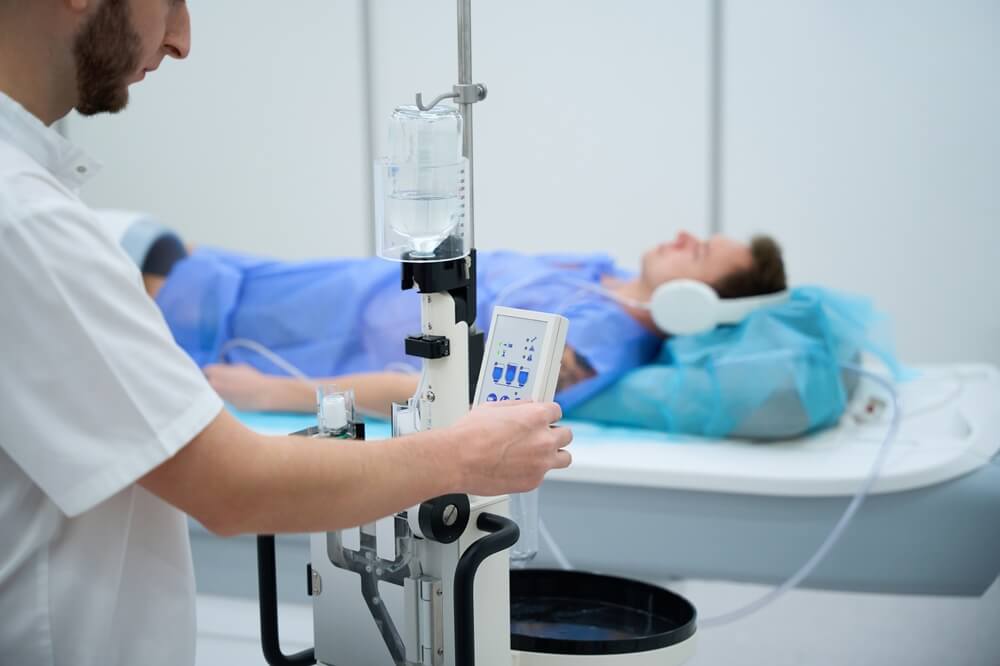
MRI technologists run some of the most sophisticated imaging equipment in healthcare. The job means positioning patients, screening for metal and other safety issues, working with people who may be claustrophobic or in pain, and making sure the images are clear enough for doctors to use. Median pay is about $88,180 a year.
Like CT, this is a field where staffing pressure is still obvious. The latest imaging workforce survey found MRI vacancy rates at 17.4%, and the broader radiologic and MRI technologist field is projected to generate about 15,400 openings a year through 2034. Most MRI techs come in through radiography or MRI-specific training and then build experience on the job. The work remains tough to automate because safety screening, patient management, and live image acquisition all still require a trained human being in the room.
Discover job hunting tips, ways to earn more, and flexible working options:

21 high-paying careers that desperately need workers, but nobody wants to do them: The pay is generous, but these jobs are searching for workers.
No background check jobs: 12 background friendly jobs: If you’re struggling to find a job due to past issues, here are jobs you can get without background checks.
15 remote jobs you probably didn’t know pay $150,000+ In 2026: High income and flexible work hours from home is not a myth — here are some remote-friendly careers.
Managing Editor Katy Willis’s writing has been featured on MSN, Yahoo! Finance, Reader’s Digest, Forbes, Business.com, HomeAdvisor, Family Handyman, and more. She specializes in real estate, affordability, technology, and preparedness content that helps readers make smart, confident choices.
Katy’s LinkedIn











