
A career change is a lot harder to justify when it means spending several years in school before your paycheck improves. As adults, we can’t necessarily afford to just take 4 years off from work to go get a new degree. But if you can qualify in under two years and get a steady job with good prospects and stable growth at the end of it, then yeah, you might be able to make that work. If bills are already eating most of what you bring home, taking on a long degree program may not make much sense.
Some of the better-paying short-training careers are hiding in places most people never think to look: rail systems, aircraft operations, industrial inspection, sleep labs, corrosion control, chip plants, and underground construction. Many depend on licensing, safety rules, physical work, or judgment that still needs a trained person on the scene.
Table of contents
- 1. Flight dispatcher
- 2. Avionics technician
- 3. Subway and streetcar operator
- 4. Signal and track switch repairer
- 5. Railroad conductor
- 6. Transportation inspector
- 7. NDT Level II technician
- 8. Rope access technician II
- 9. Cathodic protection technician I
- 10. Energy auditor
- 11. Medical equipment repairer
- 12. EEG technician
- 13. Polysomnographic technician
- 14. Hearing instrument specialist
- 15. Horizontal directional drill operator
- 16. Access control and security technician
- 17. Semiconductor equipment technician
- 18. Police patrol officer
1. Flight dispatcher

Flight dispatchers work behind the scenes of commercial aviation, helping decide whether a flight should leave, what route it should take, how much fuel it needs, and what to do when weather or other problems interfere. You spend a lot of time looking at weather reports, airport conditions, aircraft limitations, and flight plans. Average pay is about $37 per hour.
This is not the same thing as being an airport gate agent or a general-purpose dispatcher. Airline flight dispatchers have formal certification requirements, and an approved training course must include at least 200 hours of instruction. Full-time programs can therefore get you through the classroom portion in a matter of months. The work carries real responsibility because dispatchers are involved in decisions about weather, routing, fuel, diversions, and safe flight operations. Airlines still need trained people making those calls even as flight-planning software gets better. Employment across air transportation is also expected to keep growing, which supports demand for the people who keep flights moving safely.
2. Avionics technician

If taking apart aircraft electronics sounds more appealing than flying the plane, avionics is worth a look. Technicians troubleshoot navigation equipment, communications systems, cockpit displays, wiring, sensors, and other electronic systems on airplanes and helicopters. Median pay is roughly $39 per hour, and employment for avionics technicians is projected to grow 8% over the decade.
You do not necessarily need to complete the longer aircraft mechanic licensing route to work specifically with avionics. Entry-level avionics and aviation-electronics certificate programs can run about four to six months, depending on the school and schedule. Employers may add substantial hands-on training once you are hired. The job is found with airlines, aircraft repair companies, manufacturers, charter operators, and other aviation businesses. An aircraft packed with electronics still needs someone who can trace a bad connection, replace a component, test a repair, and sign off on work that affects safety.
3. Subway and streetcar operator

Subway operators move trains through urban rail systems while watching signals, speed restrictions, track conditions, station stops, and passenger activity. The routine parts can look simple from the platform, but the operator also has to respond when doors malfunction, someone enters the track area, equipment fails, or service gets disrupted. Median pay is about $41 per hour.
A high school diploma is the usual starting point, followed by employer training that typically takes several months rather than years. New operators learn the rail equipment, signals, operating rules, emergency procedures, and the specific routes they will drive. Employment is projected to remain roughly in line with the broader economy, while large transit systems also have to replace workers who retire or leave. This job is highly location-dependent because you need a sizeable transit network nearby, and shift work is common. But for someone who can handle nights, weekends, strict rules, and a lot of responsibility, rail operations can pay surprisingly well without a long college path.
4. Signal and track switch repairer

Railroads cannot run safely when crossings, track switches, warning lights, or signaling equipment stop working. Signal and track switch repairers inspect that equipment, test electrical circuits, find faults, replace damaged parts, and make sure trains are getting the right indications. Median pay is roughly $40 per hour.
The typical entry route is a high school education followed by several months of employer training. You will need to learn electrical basics, railroad operating rules, testing procedures, and safe ways to work around live tracks and moving equipment. Job growth is modest, but rail infrastructure needs constant inspection and repair whether freight volumes are booming or merely steady. Signals are safety equipment, not optional electronics that can simply be ignored until next quarter. The job can mean outdoor work in bad weather and responding when something fails at an inconvenient hour. In return, it is one of those relatively obscure technical trades where responsibility, specialized knowledge, and the consequences of mistakes help support strong wages.
5. Railroad conductor

Railroad conductors do much more than punch tickets. On freight and passenger railroads, they coordinate train movements, communicate with engineers and dispatchers, check cars and paperwork, supervise switching moves, and make sure operating and safety rules are followed. Median pay for conductors and yardmasters works out to about $36 per hour.
Most new conductors are trained by the railroad after hiring. The process generally lasts a few months and combines classroom instruction with supervised work in rail yards and on trains. You need to pass required tests and be comfortable with irregular schedules, nights, weekends, outdoor work, and being on call. Overall railroad employment is expected to change only slowly, but thousands of openings are projected each year as workers leave or retire. Freight still has to be physically assembled, inspected, moved, and handled according to detailed safety rules. It is not an easy lifestyle, but it is a genuine short-training route into a heavily regulated industry where operating experience matters.
6. Transportation inspector

Transportation inspectors check vehicles, equipment, cargo systems, and operating practices to make sure safety rules are being followed. Depending on the employer, that might mean inspecting rail equipment, buses, freight operations, or other commercial transportation systems. Median pay is approximately $41 per hour.
The occupation typically calls for a high school diploma and several months of on-the-job training rather than a four-year degree. You learn inspection standards, documentation, equipment, regulations, and how to recognize conditions that should take a vehicle or system out of service. Growth is fairly slow, but this is also compliance work in an industry where inspections cannot simply disappear because budgets get tight. Employers still need a qualified person to look at equipment, recognize a real defect, question questionable paperwork, and decide whether something is safe to operate. Government agencies, transit organizations, transportation companies, and specialized inspection operations all use this kind of work.
7. NDT Level II technician

Nondestructive testing technicians look for cracks, bad welds, corrosion, and hidden defects without destroying the thing they are inspecting. Depending on your specialty, you might use ultrasound, magnetic particles, penetrant dyes, or radiographic equipment on aircraft parts, pipelines, pressure vessels, bridges, or manufactured components. Average pay for an NDT Technician II is around $31 per hour.
This is a particularly interesting technical route because Level II training does not automatically mean years in school. Required classroom instruction can be measured in days, while the supervised experience requirement varies by testing method. Some common methods require only a few dozen days of method experience. Even ultrasonic and radiographic paths can reach their specified experience totals within a year of steady full-time work. Level II technicians have enough training to set up tests, interpret results, and document what they find. That judgment matters when the object being inspected is an aircraft component, weld, tank, or pressure system where missing a defect could get expensive or dangerous very quickly.
8. Rope access technician II
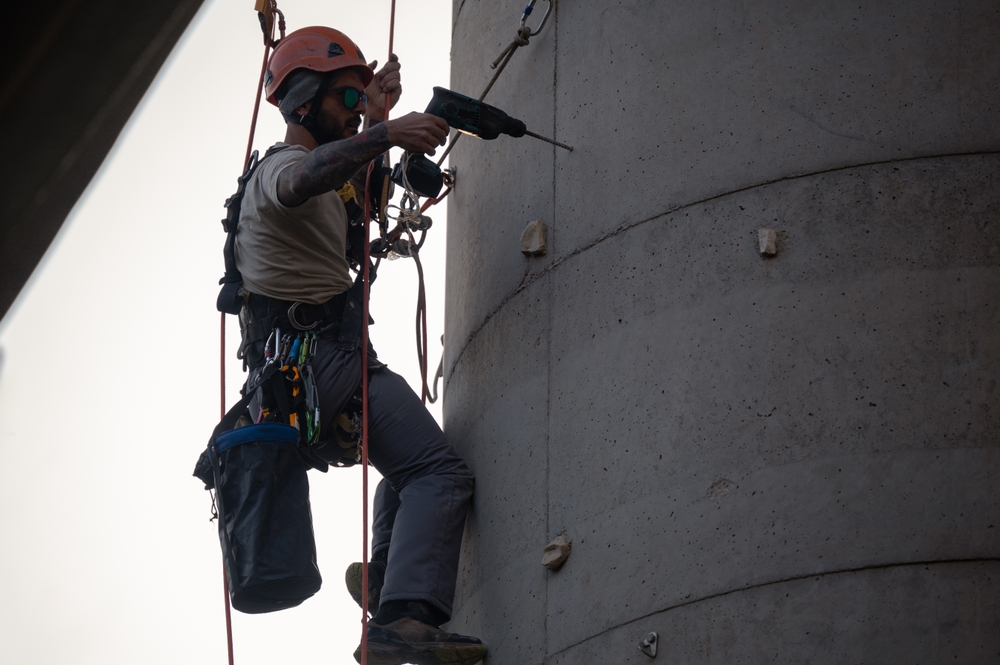
Rope access technicians work in places where scaffolding, lifts, or cranes are impractical. Wearing climbing and fall-protection gear, they reach wind turbines, bridges, towers, industrial structures, building exteriors, and other difficult areas to perform inspections, maintenance, cleaning, or repairs. Average pay for a Level II technician is about $41 per hour.
The first certification level requires short formal training and a practical evaluation. From there, one widely used certification route allows a technician to move toward Level II after at least six months and 500 hours of documented Level I rope work. Other certification systems use different experience requirements, so the credential used by your target employers matters. This job obviously is not for anyone uncomfortable with heights, physical work, travel, or strict safety routines. Its advantage is that ropes are simply the way you reach the actual job. Pair rope access with inspection, mechanical maintenance, coatings, blade repair, or another technical skill and you become useful in industries where someone still has to physically reach the equipment and work on it.
9. Cathodic protection technician I

Cathodic protection sounds like something from a chemistry textbook, but the job is practical: keeping buried or submerged metal from rusting away. Technicians take electrical measurements and inspect systems that protect pipelines, tanks, marine structures, utilities, and other expensive infrastructure from corrosion. Average pay for a Cathodic Protection Technician I is about $32 per hour.
Entry-level corrosion training is surprisingly short. The introductory tester path is designed for people early in the field, rather than requiring years of previous corrosion experience. New workers learn how to take pipe-to-soil voltage readings, use test equipment, document results, recognize basic corrosion problems, and work safely around infrastructure. Higher certification levels take longer, but you can enter the occupation and build experience while being paid. The underlying problem also never really goes away. Steel in soil, water, and industrial environments corrodes, and the pipelines and structures already in service have to be monitored for decades. That makes this a small but useful specialty for someone who likes fieldwork, instruments, and troubleshooting more than sitting at a desk.
10. Energy auditor

Energy auditors figure out why a home or building is wasting energy. That can mean running a blower-door test, checking insulation, finding air leaks, examining ducts, looking at heating and cooling equipment, and explaining which improvements are actually worth making. Average pay is about $35 per hour.
You can begin with entry-level building science and building-performance training rather than committing to a long degree. One common technician credential is specifically designed as an entry route and requires foundational building-science knowledge before its field exam. Training providers offer short courses covering the diagnostic equipment and safety procedures used in home-performance work. More advanced auditor credentials require additional field experience, but you can build that while working. Jobs turn up with energy-efficiency contractors, weatherization programs, utilities, home-performance companies, and firms that inspect buildings before retrofits. Software can crunch utility bills, but someone still needs to walk through the building, test it, spot the bathroom fan venting into the attic, and figure out why the bedroom over the garage is freezing every winter.
11. Medical equipment repairer

Hospitals rely on an enormous amount of equipment that has to work correctly every time: patient monitors, defibrillators, infusion equipment, ECG machines, hospital beds, and other electronic devices. Medical equipment repairers test, maintain, calibrate, and repair those systems. Median pay is just over $30 per hour, and employment is projected to grow 13%.
Although an associate degree is one route, certificate programs also exist. Some entry-level biomedical equipment technician certificates are structured across two full-time semesters, putting the classroom portion inside one academic year. Employers then continue training workers on their own equipment. If you already enjoy electronics, troubleshooting, meters, schematics, and figuring out why a machine refuses to behave, the work has a lot in common with other repair trades. The difference is the setting and the stakes. Hospitals and medical offices cannot simply leave critical equipment broken, and safety testing and preventive maintenance still require technicians who can physically inspect the machine and verify that it works correctly.
12. EEG technician

EEG technicians record the electrical activity of the brain. They measure a patient’s head, place electrodes, check the quality of the signals, monitor the recording, recognize equipment problems and artifacts, and help patients through tests that may last from a short outpatient session to extended monitoring. Average pay is about $33 per hour.
One-year neurodiagnostic and EEG certificate programs are available for people entering the field, with classroom instruction followed by supervised clinical practice. Hospitals, neurology practices, epilepsy centers, and monitoring units employ these technicians. It is an unusually specific healthcare occupation that does not require you to spend several years training for a broad nursing or imaging credential first. The machines can help process signals, but getting a clean recording from a real person is a hands-on process. Patients move, sweat, get anxious, pull loose electrodes, and sometimes have serious neurological events during testing. Someone trained has to recognize what is happening, troubleshoot the recording, and respond appropriately.
13. Polysomnographic technician
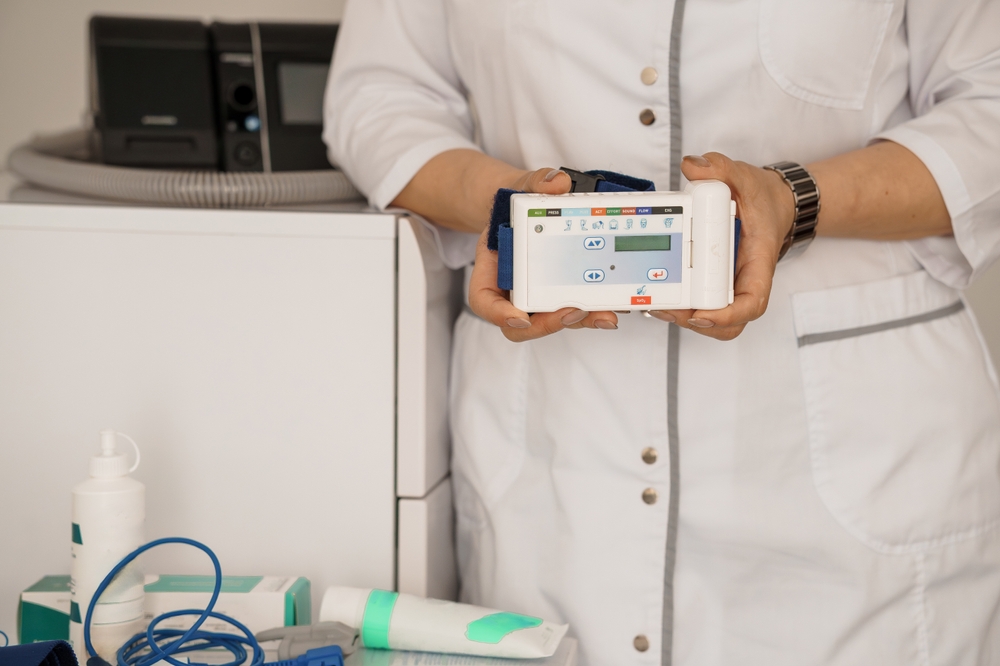
Polysomnographic technicians, better known as sleep techs, monitor patients overnight while they are being evaluated for sleep apnea and other sleep disorders. They attach sensors, monitor brain waves, breathing, oxygen levels, heart activity, and movement, and deal with equipment or patient problems during the study. Average pay is around $32 per hour.
There are entry credentials for newer sleep technicians, followed by the more advanced registered credential. One established pathway combines approved education with 960 hours of clinical experience, an amount that can be accumulated within a year in a full-time sleep-lab position. The obvious catch is the schedule. Much of the work happens when everyone else is asleep, so overnight and evening shifts are part of the deal. For the right person, though, that can also mean fewer daytime conflicts. Sleep labs need someone present to prepare the patient, fix loose sensors, recognize poor signals, adjust equipment when permitted, and watch for problems through the night.
14. Hearing instrument specialist

Hearing instrument specialists test hearing, take ear impressions, fit hearing aids, adjust devices, and teach clients how to use and care for them. It sits in an interesting middle ground between healthcare, technology, and face-to-face service. Average pay for the specialist title is about $44 per hour.
The occupation typically does not require previous related work experience, and the usual entry path combines a high school education with several months of structured on-the-job training. Licensing requirements vary, so you have to check the rules where you plan to work before choosing a program. The employment outlook is unusually strong for such a short-training health occupation, with hearing-aid specialist jobs projected to grow 18%. Part of the work involves technology, but much of the value is human: accurately testing someone, physically fitting a device, making tiny adjustments based on what the wearer is actually hearing, and helping an older client who is frustrated because the expensive little device in their ear still does not sound right.
15. Horizontal directional drill operator
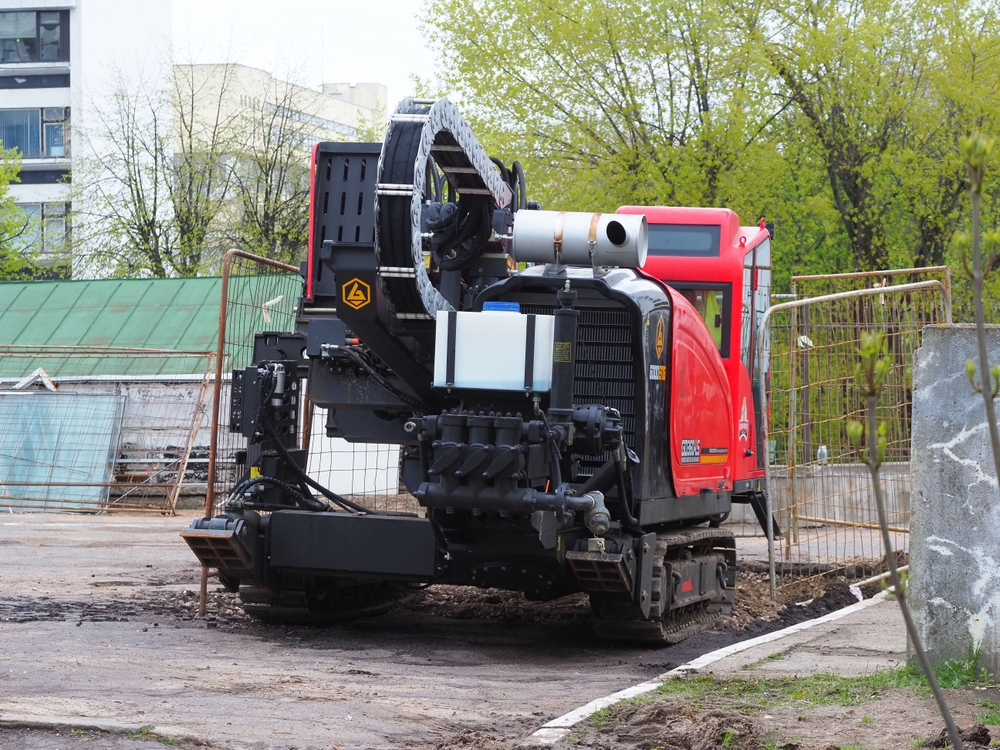
Horizontal directional drilling lets construction crews install conduit and pipe underground without digging a long open trench. Operators guide specialized drilling rigs beneath roads, developed areas, and other obstacles while monitoring depth, direction, soil conditions, drilling fluid, and the location of existing utilities. Average pay for a horizontal directional drill operator is about $37 per hour.
Formal HDD courses can teach rig safety, locating, bore planning, tooling, drilling fluid, steering, and basic operation in a surprisingly short period. Community-college training is available for basic drill operation, and equipment training programs can then be paired with months of supervised field experience. You are not going to walk out of a classroom and run a difficult bore alone on Monday morning, but this is a skill you can begin learning on the job rather than through a multiyear degree. Underground fiber, electric, water, and other utility construction create ongoing work, and every bore still has to account for soil, buried infrastructure, equipment behavior, and what is actually happening at that jobsite.
16. Access control and security technician
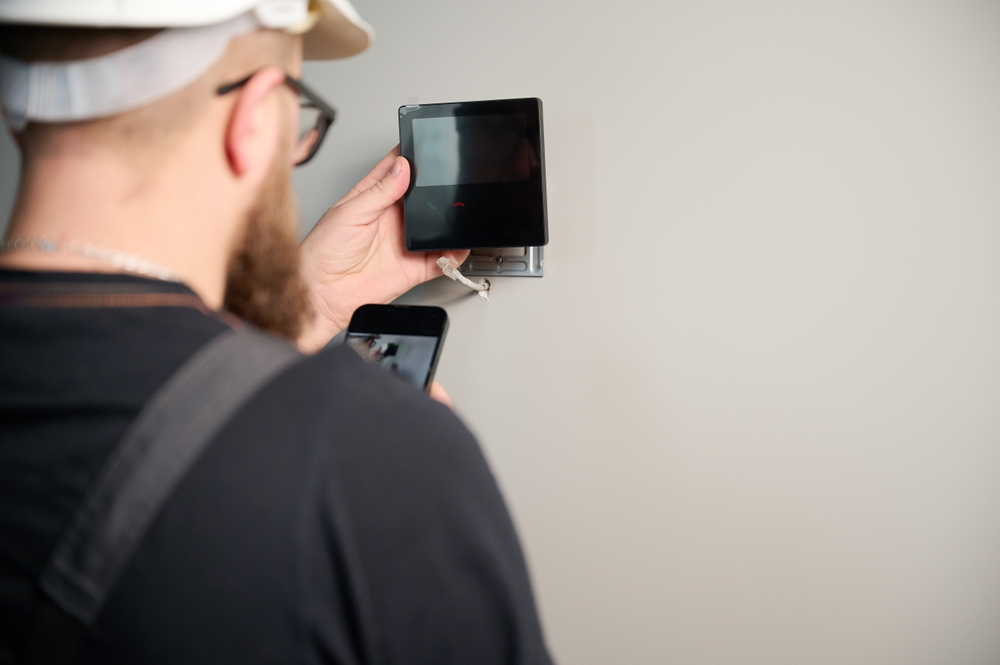
Access control technicians install and troubleshoot the hardware that decides who gets through a secured door: card readers, electronic locks, door controllers, sensors, power supplies, wiring, and related security equipment. This is not a security-guard job. It is low-voltage technical work performed in offices, hospitals, schools, warehouses, government buildings, and industrial facilities. Average pay for an access control and security technician is about $31 per hour.
A high school diploma is a common entry point, followed by technical training and several months of on-the-job learning. The broader security and fire-alarm installation occupation is projected to grow more than 10%, and its standard training category falls within the several-month range rather than a multiyear apprenticeship. The job mixes electronics with physical installation, which is part of its appeal if you would rather use a meter and hand tools than spend your day inside spreadsheets. When a secured door fails, someone has to determine whether the problem is the reader, wiring, controller, lock, power supply, network connection, or the door itself, then physically fix it.
17. Semiconductor equipment technician

Chip factories are packed with expensive machines that deposit, etch, clean, coat, measure, and move wafers through the manufacturing process. Semiconductor equipment technicians keep those machines running by replacing parts, doing preventive maintenance, tracing faults, checking vacuum and electrical systems, and responding when production equipment goes down. Average pay is about $34 per hour.
You do not necessarily need an engineering degree to get onto the fab floor. Related semiconductor technician occupations commonly start with a high school education plus several months of employer training, and short technical certificate programs cover electronics, vacuum systems, pneumatics, cleanroom practices, and equipment maintenance. Semiconductor processing technician employment is projected to grow 11%, which is a useful sign for the broader technical workforce supporting chip production. Expect cleanroom clothing, strict procedures, long periods on your feet, and sometimes night shifts. The equipment is highly automated, but automation does not remove the need for technicians. It creates more machinery that has to be maintained, calibrated, opened up, diagnosed, and put safely back into production.
18. Police patrol officer

Police patrol officers respond to emergency and nonemergency calls, patrol assigned areas, investigate suspicious activity, handle traffic incidents, make arrests, collect evidence, and deal with situations that rarely unfold as neatly as the training scenario suggested they would. Median pay is roughly $37 per hour.
Education requirements vary by agency, but entry can range from a high school diploma upward. Recruits generally complete an agency training academy before moving into supervised field training, making the formal training period a matter of months rather than years. Candidates also face background checks, physical standards, testing, and other screening, so getting hired is more involved than simply enrolling in a certificate class. Patrol-officer employment is projected to grow about 3%, with continued replacement needs as existing officers leave the occupation. It is stressful work, shift work is normal, and the risks are real. It also depends heavily on judgment, communication, physical presence, and making decisions in unpredictable situations where there is no button that neatly solves the problem.











