
You don’t need four-year degree to earn around $30 an hour.
A lot of solid jobs sit in that pay range if you’re willing to learn a trade, do a certificate, or work your way up from the floor. Many of these roles are physical, technical, or a little behind the scenes, but they pay better than plenty of “professional” office jobs.
If you’re trying to get out of low-wage work, here are options where the median pay lands roughly between $30 and $40 an hour, and the education path is more about training than tuition.
Respiratory therapist

Respiratory therapists help people who can’t breathe well on their own, patients with asthma, pneumonia, COPD, or recovering from surgery. They work in hospitals, sleep labs, and clinics, managing ventilators, giving breathing treatments, and monitoring oxygen levels. It’s hands-on, technical work that matters every single shift.
Median pay is about $80,450 per year, or about $38.68 an hour. You usually need a two-year associate degree in respiratory therapy and then a license, which is cheaper and faster than a bachelor’s. Many programs are offered through community colleges with clinical rotations built in.
This is a good option if you like medical work but don’t want to spend years in school. Demand tends to be steady because breathing problems don’t go away as the population ages. Expect shift work, nights, weekends, and holidays, but also strong benefits and the ability to move between hospitals, home-care companies, and specialty clinics.
Radiologic and MRI technologist
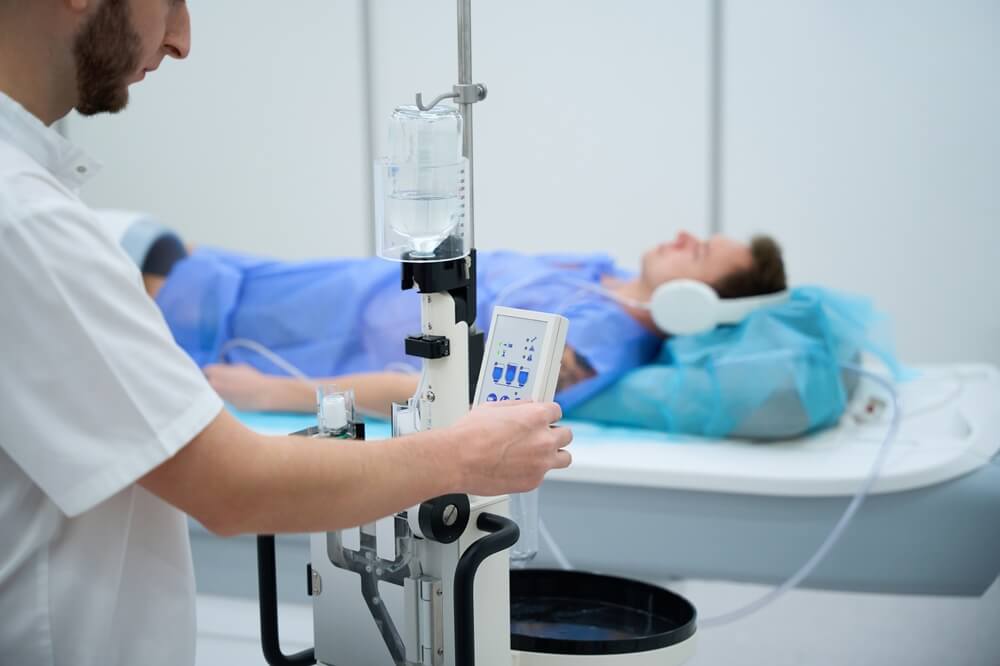
Radiologic technologists take X-rays and CT scans. MRI technologists specialize in magnetic resonance imaging, which gives more detailed pictures of soft tissue. Both jobs mean working directly with patients and high-tech imaging equipment, following strict safety rules for radiation or magnets.
The combined median pay for radiologic and MRI technologists is about $78,980 a year, which is roughly $37.97 per hour.. Most people get in through a two-year associate program in radiologic technology. You’ll learn anatomy, imaging techniques, and how to position patients, then sit for a certification exam. Some technologists later learn MRI on the job or through an additional certificate.
If you’re comfortable with science and machinery, this can be a great fit. The job isn’t glamorous, but it’s stable. Imaging is central to modern medicine, so hospitals, imaging centers, and orthopedic practices all need techs. Once you’re in, you can specialize, mentor new techs, or move into lead or supervisory roles with higher pay.
Cardiovascular technologist or technician

Cardiovascular techs work alongside cardiologists to test how well a patient’s heart and blood vessels are working. Some run stress tests on treadmills, others perform echocardiograms (ultrasound images of the heart), or assist during procedures that open blocked arteries. The work is technical and repetitive in a good way, same tests, different patients.
Median pay is around $67,260 per year, or about $32.34 per hour. Most people enter with a two-year associate degree in cardiovascular technology or a related imaging program, plus clinical training. From there, certifications can bump up your job options and pay.
Because heart disease is so common, demand for this role tends to stay strong. Expect to be on your feet a lot and dealing with anxious or very sick patients. If you’re calm under pressure and like precision, this job gives you steady work, solid income, and a clear path without a four-year degree.
Surgical technologist

Surgical technologists set up the operating room, sterilize instruments, and pass tools to surgeons during procedures. They’re the quiet, focused people just off the edge of the operating table, making sure everything is ready, counted, and where it should be.
Median pay is about $62,480 per year, or roughly $30.04 an hour. Entry is usually through a postsecondary certificate or associate degree from a community college or technical school, plus a national certification exam in many states. Programs often take 1–2 years.
You need a strong stomach and good attention to detail. The job can mean early mornings, long cases, and being on call for emergencies. But it’s also a direct route into the operating room without medical school. With experience, some techs move into specialized areas like orthopedics or cardiac surgery, or step up into lead tech or surgical assistant roles that pay more.
Licensed practical or vocational nurse (LPN/LVN)

LPNs and LVNs handle basic nursing care: taking vitals, giving medications, changing dressings, and helping patients with daily activities in hospitals, nursing homes, and clinics. They often spend more time with patients than doctors do and become the main point of contact for families.
Median pay is about $62,340 a year, roughly $30 an hour when you break it down. Instead of a bachelor’s degree in nursing, you complete a 12–18 month practical nursing program and pass the NCLEX-PN licensing exam. These programs are usually offered through community or technical colleges.
LPN work can be physically and emotionally tiring, especially in long-term care. But it’s also a stable way to get into healthcare without four years of school. Many LPNs later bridge into RN programs while working, using employer tuition help. If you like direct patient care and don’t mind shift work, this is a realistic step up from low-wage caregiving jobs.
Electrician

Electricians install and repair wiring, outlets, breaker panels, and lighting in homes, businesses, and industrial settings. The work ranges from new construction to troubleshooting why half a building just went dark. It’s a mix of physical labor, problem-solving, and safety rules.
Median pay is about $62,350 per year, which works out to roughly $30 an hour. Instead of college, most electricians enter a 4–5 year paid apprenticeship that combines classroom training with on-the-job work. You earn while you learn, then sit for a state or local license.
This job suits people who don’t want to sit at a desk and like working with their hands. There’s a clear path from apprentice to journeyman to master electrician, with pay rising at each stage. Demand is steady because almost every building needs electrical work, and experienced electricians can eventually open their own business or specialize in areas like solar or industrial systems.
Plumber, pipefitter, or steamfitter

Plumbers and pipefitters install and repair the pipes that move water, gas, and other materials. That can mean unclogging a nasty drain one day and installing complex piping in a new commercial building the next. It’s physical work in tight spaces, often with emergency calls when something bursts or backs up.
The median pay for plumbers, pipefitters, and steamfitters is about $62,970 a year, or around $30.27 an hour. Most people learn through a 4–5 year paid apprenticeship after getting a high school diploma or GED. Licensing is common and usually tied to passing an exam.
If you’re okay with messier work and don’t mind being “on call,” this trade can pay very well, especially with overtime and emergency rates. Experienced plumbers often work for themselves and control their schedule more. There’s also room to specialize in areas like medical gas systems or industrial pipefitting, which can pay even more.
Boilermaker

Boilermakers build, install, and repair large containers that hold hot liquids and gases, think boilers in power plants, shipyards, and factories. The job involves reading blueprints, welding, working at heights, and dealing with heat and heavy materials. It’s tough, industrial work, which is exactly why it pays well.
Median pay is about $73,340 per year, or roughly $35.26 an hour. Most boilermakers learn through a multi-year paid apprenticeship after high school. You’ll get training in welding, rigging, and safety, plus a lot of real-world experience on job sites.
This isn’t a clean, climate-controlled job. You’re outdoors, in plants, and sometimes inside tight tanks. But if you like big machinery, travel, and overtime, the income can add up fast. It’s also a union-heavy trade, which often means better benefits and pension options than many white-collar roles.
Aircraft and avionics equipment mechanic or technician

These mechanics keep airplanes and helicopters safe to fly. They inspect engines, fix mechanical issues, and test and repair avionics. The electronic systems for navigation and communication. The work is highly regulated, with strict checklists and sign-offs because lives depend on it.
Median pay is about $79,140 per year, or about $38.05 an hour. Most people complete a postsecondary aviation maintenance program at a technical school and then earn certification from the Federal Aviation Administration. Some start in the military and transition to civilian jobs later.
If you’re detail-oriented and like engines and electronics, this is a solid option. Many jobs are at airports, repair stations, or with aircraft manufacturers. Work can involve nights and weekends, but there’s strong demand for certified mechanics. As you gain experience, you can move into lead, inspector, or specialist roles with higher pay.
Industrial machinery mechanic, machinery maintenance worker, or millwright

These workers keep factory equipment and heavy machinery running. They install machines, perform regular maintenance, and track down why something broke when an entire production line stops. Millwrights also handle the precise work of moving and setting large machines into place.
The combined median pay for industrial machinery mechanics, machinery maintenance workers, and millwrights is about $63,510 per year, or roughly $30.53 an hour. Typical entry is a high school diploma plus on-the-job training, and sometimes a technical program in industrial maintenance.
This is a good fit if you like taking things apart and putting them back together. Manufacturing plants, food processing facilities, and warehouses all need skilled maintenance workers. Downtime is expensive, so companies will pay for people who can keep their machines running. With experience, you can specialize in certain types of equipment or move into maintenance supervisor roles.
Calibration technologist or technician

Calibration techs make sure measuring devices are accurate, everything from hospital equipment and manufacturing tools to lab instruments. They use standards and test equipment to check, adjust, and document readings. The job is repetitive and detail-heavy, but it’s critical for quality and safety.
Median pay is about $65,040 a year, or around $31 an hour. This role usually requires an associate degree in electronics, engineering technology, or a related field, plus on-the-job training with specific instruments.
If you like precision and quiet, technical work more than dealing with the public, this is worth a look. Calibration labs, manufacturers, defense contractors, and healthcare systems all hire these workers. Once you gain experience, you can move into lead technician roles, quality positions, or specialize in high-end equipment that commands higher pay.
Electrical and electronics installer or repairer

Electrical and electronics installers and repairers work on complex equipment in factories, power systems, transportation, and vehicles. They troubleshoot issues, replace faulty parts, and keep systems from going down. That might mean repairing industrial motors one day and diagnosing a rail communication system the next.
Median pay is about $71,270 a year, or about $34.26 per hour. You usually need at least a high school diploma plus technical courses in electronics at a community college or trade school. Employers often prefer candidates with hands-on lab experience, and you’ll get additional training on specific equipment once hired.
This job is a strong fit for people who like puzzles and don’t mind crawling around machines. The work can be physically demanding, but it’s less dirty than some other trades. Utilities, manufacturers, and government agencies all use these workers, and pay often rises when you move into power plants or transportation systems.
Construction and building inspector

Construction and building inspectors review plans and visit job sites to make sure work meets building codes and safety standards. Some specialize as home inspectors, others focus on electrical, plumbing, or structural compliance. It’s a mix of paperwork, site visits, and writing up reports.
Median pay is about $72,120 per year, or about $34.67 an hour. Most inspectors get in with a high school diploma plus several years of experience in a construction trade, like carpentry, electrical work, or plumbing. Many learn inspection skills on the job, and some complete certificates or associate degrees in building inspection. Licensing or certification is common.
This role works well for experienced tradespeople whose bodies are tired of heavy labor but who still like construction. You need to be comfortable enforcing rules and sometimes delivering bad news to contractors. But you also gain more predictable hours than many job-site roles, and you’re paid for your judgment and experience.
First-line supervisor of construction trades and extraction workers

These supervisors coordinate crews of electricians, carpenters, roofers, or other construction and extraction workers. They read blueprints, schedule tasks, check quality, and handle safety on site. It’s less about swinging the hammer yourself and more about making sure the whole job stays on track.
Median pay for first-line supervisors in this group is about $76,760 per year, or around $36.90 an hour. Most people work their way up from a trade after years of experience. A high school diploma is typical; additional coursework in construction management helps but isn’t required everywhere.
If you’re already in the trades and naturally end up organizing everyone else, this is a realistic promotion path. You still deal with weather, deadlines, and job-site stress, but you’re paid more for planning and oversight. Good supervisors can move into project management or start their own contracting businesses.
First-line supervisor of office and administrative support workers

These supervisors manage office staff: receptionists, customer service reps, billing clerks, and other admin workers. They handle schedules, train new hires, monitor performance, and step in when a problem escalates. It’s a people-management role more than a task-doing one.
Median pay is about $63,440 per year, or $30.50 an hour. Many supervisors get promoted from within after a few years as an administrative assistant or customer service worker. A high school diploma is common, and some employers like an associate degree, but experience and reliability usually matter more.
If you’re currently in an office job, this is a realistic way to bump your pay without going back to school. You do need to be comfortable coaching people, dealing with conflict, and hitting performance metrics. Over time, strong supervisors can move into operations management or department manager roles with higher pay.
First-line supervisor of production and operating workers

These supervisors run shifts in manufacturing plants, warehouses, and other production facilities. They assign work, train operators, keep an eye on output and quality, and solve problems when machines or people fall behind. The job is very process-focused and often tied to meeting daily or hourly targets.
Median pay is about $65,940 per year, or roughly $31.70 an hour (https://www.bls.gov/oes/2023/may/oes511011.htm). Most supervisors move up from production jobs after proving they’re responsible and understand the equipment and workflow. A high school diploma is typically enough, though some companies offer internal leadership training.
If you’ve been on the line for a while and feel stuck at hourly wages, asking about lead or supervisor paths can make sense. You’ll trade some physical work for more responsibility and stress, but also better pay and more control over your career. From there, it’s possible to move into plant management, logistics, or quality roles.
Crane and tower operator

Crane and tower operators run the huge cranes you see on construction sites, at ports, and in industrial yards. They lift steel beams, heavy containers, and other oversized loads, sometimes hundreds of feet in the air. The job requires intense focus and good communication with the crew on the ground.
Median pay is about $64,690 per year, or $31.10 an hour. Entry usually involves a high school diploma, employer training, and often an apprenticeship or union program. Many states and cities require specific crane operator certifications because of the safety risk.
This is not a job for anyone afraid of heights or pressure. But if you like working outdoors, handling serious equipment, and don’t mind variable hours based on weather and project needs, it can be very rewarding financially. Experienced operators are in demand, especially on big commercial projects, and overtime can push pay well above the median.
Transit or railroad police

Transit and railroad police protect passengers, staff, and property on subways, commuter rail, and freight rail systems. They patrol stations, trains, and yards; respond to incidents; and enforce laws specific to transportation systems. It’s similar to other law enforcement work but focused on one environment.
Median pay is around $82,320 per year, or about $39.58 an hour. Typical entry is a high school diploma or GED, followed by a police academy and on-the-job training. Some agencies prefer candidates with some college or military experience, but a bachelor’s degree is not always required.
The job can be stressful and occasionally dangerous, and you’ll likely work nights, weekends, and holidays. Still, the pay and benefits can be strong, and many agencies offer union protection and retirement plans. If you’re drawn to law enforcement but like the idea of working in a defined system instead of general city patrols, this is worth exploring.











