
You spend years building a career, then watch a chatbot do half of it for free. That’s the situation a lot of people are in right now, people who did everything right and still watched their department shrink down to a login.
Meanwhile, the construction industry says it needs to add roughly 349,000 more workers in 2026 just to keep up with the work it already has booked, and the plumbing trade alone is on pace for 550,000 unfilled jobs by 2027. Nobody has built software that can snake a drain, rewire a breaker box, or sit with someone’s dying parent.
If you’ve been laid off, you’re worried you might be next, or you’re just tired of watching entire teams get replaced by a server somewhere, it makes sense to want work tied to a body in a room, not a login.
None of the 18 jobs below need a four-year degree, and a few of them you could start training for before the year is out.
Electrician

Electricians make a median $63,190 a year, and employment is projected to grow 9% between 2025 and 2035, with about 72,700 openings a year once you count retirements and people leaving the trade. That’s a job nobody can outsource to a call center, and nobody can prompt an AI model to do instead.
The entry path is a paid apprenticeship, usually four to five years, combining roughly 2,000 hours a year of on-the-job training with classroom instruction. You earn while you learn, and most states require passing a license exam once you finish. It’s a longer runway than a weekend certification, but it ends in a trade that construction firms are actively short on. The industry, electricians very much included, says it needs about 349,000 more workers in 2026 just to keep pace with the work already on the books.
Wiring a house, troubleshooting a panel, and running conduit through a wall all require a person standing in that room with tools in their hands. A recession doesn’t change that, and neither does a new AI model.
Plumber

A plumber’s median pay sits at $63,800 a year, with 7% job growth projected through 2035 and about 42,000 openings a year. Like electrical work, it runs on paid apprenticeships rather than a four-year degree, typically four to five years combining on-the-job hours with technical instruction, followed by a state license exam.
The trade is short-staffed in a way that should worry anyone who owns a house. One industry analysis found plumbers and plumbing manufacturers together support $442 billion in economic activity and 1.8 million jobs, while a separate study projects the country is on pace for 550,000 unfilled plumbing positions by 2027.
A burst pipe doesn’t wait for the economy to recover, and it doesn’t care whether you’re flush with cash or barely making rent. Somebody has to show up and fix it, and that somebody gets paid regardless of what the stock market is doing.
HVAC technician
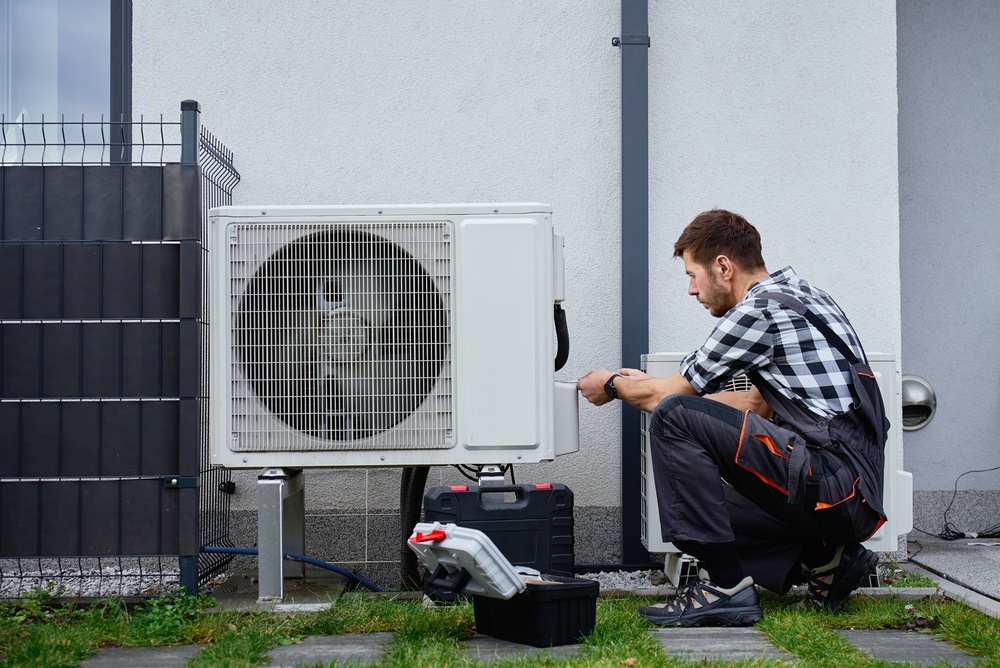
Heating and cooling techs make a median $61,010 a year, and the trade is actually losing workers faster than it’s gaining them. One industry analysis found HVAC employment slid from 441,200 in 2023 to 425,200 in 2024, even as demand keeps climbing and the field needs roughly 40,100 workers a year just to replace people who retire or leave.
Getting in doesn’t require a traditional degree. Most people go through a trade school program lasting six months to two years, or an apprenticeship that pays while you train. Nearly every technician needs an EPA certification for handling refrigerants, and many states require a license on top of that.
Furnaces break in January and air conditioners die in July, and neither one cares what’s happening in the broader economy. If anything, people hold onto an aging system longer when money is tight, which means more repair calls, not fewer, for the technician who shows up to fix it instead of replace it.
Welder

Welders earn a median $53,750 a year. The government’s own growth projection for this trade is modest, just 2% through 2035, so this isn’t a pick based on an exciting headline number. It’s worth picking because of what’s underneath that number: about 40,300 openings a year, most of them created by people retiring out of the trade, not by the job disappearing.
Industry-specific research backs that up at a bigger scale. Data tied to the American Welding Society projects the country will need 320,500 new welding professionals by 2029, roughly 80,000 people a year, to replace an aging workforce.
You can get in with a high school diploma plus a welding program at a trade school or community college, and some employers run their own apprenticeships. OSHA requires safety training on top of that. It’s a trade that builds and repairs things you can touch, bridges, pipelines, manufacturing equipment, none of which get fixed by a language model.
Pest control technician

Pest control workers make a median $45,250 a year, with 6% job growth projected through 2035 and about 13,700 openings a year. It’s one of the easiest trades on this list to break into. Most technicians start with nothing more than a high school diploma and less than three months of on-the-job training in a specialty like termite control, rodent control, or fumigation. Most states do require a license, which usually means finishing a short training course and passing an exam.
Nobody decides to live with termites or a mouse problem because the economy is uncertain. If anything, people who can no longer afford to move handle their pest problems instead of ignoring them, since the alternative is watching things get worse inside the house they’re stuck in.
This is also about as automation-proof as work gets. Spotting where carpenter ants are nesting, setting bait correctly, and sealing entry points in a crawl space all require a person physically inspecting a physical building, something no app can do from the outside.
Automotive mechanic
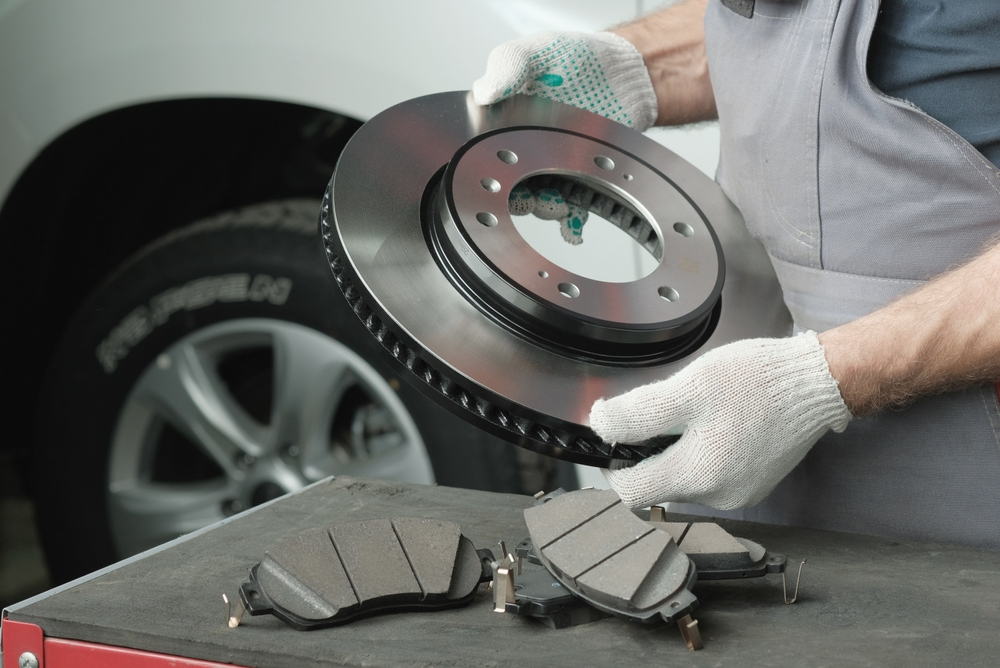
Automotive service technicians earn a median $50,620 a year, with 5% job growth projected through 2035 and about 66,200 openings a year. Most people get in through a postsecondary automotive technology program, though some start as a trainee or technician’s helper with just a high school diploma and work their way up.
This trade actually tends to get busier, not slower, when money is tight. The average vehicle on US roads is now 12.8 years old, a record high, because new and used cars have gotten expensive enough that people are holding onto what they already own and paying to keep it running instead of replacing it. That’s a direct boost to repair shops, since an older car needs more frequent and more complicated repairs than a new one.
A diagnostic scanner might point toward a problem, but someone still has to physically pull the part, test it, and swap it out. That part of the job hasn’t changed in a century, and it isn’t about to start now.
Medical assistant

Medical assistants make a median $45,690 a year, and the job is projected to grow 13% between 2025 and 2035, described by the government as much faster than average, with about 109,700 openings a year. That’s one of the strongest growth numbers on this entire list.
Most people train through a certificate program lasting about a year or two, which includes supervised hands-on practice in a clinic. Some employers will hire someone with just a high school diploma and train them on the job over several months instead.
People get sick and need checkups in every kind of economy, and clinics aren’t cutting the staff who take vitals, prep patients, and draw blood just because the markets are down. This is also squarely a hands-on job. Taking someone’s blood pressure, giving an injection, or getting a nervous patient settled before a procedure requires a real person standing next to them, not an app or a script.
Home health aide

Home health and personal care aides earn a median $35,800 a year, and the job is projected to grow 18% between 2025 and 2035, one of the fastest growth rates of any job in the country. Most jobs ask for a high school diploma, and some don’t even require that. Training is typically short and on the job, though aides working for certified home health or hospice agencies need formal training plus a standardized competency test.
The demand behind this one isn’t going anywhere. The US population age 65 and older grew 13% between 2020 and 2024, reaching 61.2 million people, and older adults now outnumber children in 11 states and nearly 45% of counties nationwide.
Families need someone to help an aging parent bathe, dress, take medication on time, and simply not be alone all day, and that need doesn’t pause during a downturn. If anything, it gets more acute, since fewer families can afford a nursing home and more of them are trying to keep a parent at home instead.
Licensed massage therapist

Massage therapists earn a median $58,450 a year, with 15% job growth projected through 2035 and about 20,400 openings a year. Training happens at a massage school, not a four-year college, combining classroom work with hands-on practice, and nearly every state requires passing a licensing exam afterward.
This isn’t a luxury purchase for most of the people booking appointments. One national industry survey found roughly a quarter of men and about one in five women had gotten a massage in the past year, and the top reasons people gave were soreness and stiffness, chronic pain management, and stress, not pampering.
A massage therapist works with their hands on another person’s actual body, reading where the tension is and adjusting pressure in real time. That’s about as far from a job AI can do as work gets, and it’s also work that doesn’t move overseas or get consolidated into a call center.
Personal trainer

Fitness trainers and instructors make a median $47,160 a year, with 7% job growth projected through 2035. This is one of the faster paths into a new career on this entire list. A certification like the NASM-CPT is self-paced, and most people finish it in roughly four to twelve weeks, with no prior fitness background or degree required, plus a CPR and AED certification on the side.
The client base is bigger than most people assume. About 77 million Americans, one in four people age six and older, belonged to a gym or fitness studio in 2024.
A good trainer watches how someone actually moves, catches a knee about to buckle under a squat, and adjusts a program on the spot based on what they see. That kind of real-time correction, from someone standing right there, is not something an app on a phone screen can replace.
Hairstylist or barber

Barbers, hairstylists, and cosmetologists earn a combined median $35,880 a year, with 7% job growth projected through 2035 and about 80,300 openings a year. The path in runs through a state-approved cosmetology or barber program, followed by a licensing exam that every state requires.
Haircuts are one of the more recession-resistant personal purchases there is, because most people treat them as maintenance, not a luxury they can skip indefinitely. The US hair salon industry is estimated at $60 billion a year, even after a slight dip in spending in 2025.
This is also a trade built entirely on repeat, local relationships. A client picks a stylist they trust with their actual hair and keeps coming back to that same person for years, which makes it one of the steadier small businesses someone can build without a storefront, a warehouse, or a business degree. Tips add another layer of income on top of the base pay, and a stylist who builds a loyal chair can often rent a booth and keep a much bigger share of what they earn than an hourly employee ever would.
Mobile pet groomer

There’s no single clean national salary figure for mobile pet grooming specifically, so be skeptical of anyone who promises you one. The closest government number is the broader “animal caretakers” category, with a median of $35,360 a year and 11% job growth projected through 2035. One real mobile-groomer job listing we found, in Louisville, Kentucky, advertised pay of $400 to $1,200 a week.
You don’t need a degree or a license in most states to start grooming. Most groomers learn the trade by working under someone experienced, and attending a formal grooming school is optional, not required.
Pet spending kept climbing even through recent economic turbulence. The US pet industry hit $158 billion in 2025, on pace to reach $165 billion in 2026, and 95 million US households now own a pet. People cut back on plenty of things before they cut back on their dog’s nails getting trimmed.
Dog walker or pet sitter

Dog walking and pet sitting mostly run through apps now, and because almost everyone doing it is an independent contractor rather than a tracked employee, there’s no government salary figure the way there is for a licensed trade. One earnings analysis pegged typical pay at $15 to $35 per walk, with average monthly earnings around $2,980 for someone doing it regularly, though app-based walkers tend to land toward the lower end of that range once the platform takes its cut.
Getting started through an app like Rover requires being at least 18 years old and signing on as an independent contractor rather than an employee. No prior experience is required, which makes this one of the fastest jobs on this list to actually start.
Dog ownership keeps climbing. 53% of US households now own a dog, up from 51% the year before, and most of those owners still work full days away from home. Someone has to let the dog out at 1pm, and that’s not a task you can hand to a chatbot.
House cleaner

Maids and housekeeping cleaners earn a median of $35,510 a year as employees, though someone running their own cleaning business and managing a small team typically earns more than that baseline. No state license is required to clean houses, just a general business license, and a surety bond is worth getting since it signals trustworthiness to new clients.
The demand driver here is simple. 49.6% of married-couple families had both spouses employed in 2024, which means roughly half of all two-parent households have nobody home during the day to scrub a bathroom or vacuum a living room.
Most cleaners build a client list through word of mouth, a Google Business Profile, and neighborhood apps, then grow from there. It’s one of the lowest-cost businesses on this list to start, since the real requirements are supplies, reliability, and a willingness to do physical work inside somebody else’s house that nobody has figured out how to automate.
Landscaper

Grounds maintenance workers earn a median $40,080 a year, with 5% job growth projected through 2035 and about 162,500 openings a year, more annual openings than almost any other job on this list. Starting your own lawn care or landscaping business costs more upfront than most of the other jobs here, with equipment and a truck running $12,000 to $85,000 or more depending on how big you start. Some areas require a permit if you’re applying pesticides or herbicides.
The industry itself is enormous. US landscape services generated an estimated $188.8 billion in 2025 across nearly 693,000 businesses and more than 1.4 million employees.
Grass keeps growing whether the economy is booming or not, and a yard that gets ignored for a season turns into a much bigger, more expensive problem than a weekly mow would have been. That makes landscaping one of those services people cut back on slowly and reluctantly, not all at once.
Junk removal hauler

Nobody has published a reliable national income figure for solo junk removal operators, and you should be wary of any website that gives you one. What’s verifiable is how cheap this is to start. A used pickup and trailer can get you going for a few thousand dollars, commercial auto insurance runs around $76 a month, general liability coverage adds roughly $50 a month, and a business license plus hauling permit typically costs $30 to $500 depending on where you live.
You can run this as an independent operator setting your own prices, as a franchise that hands you leads for a cut of each job, or as a subcontractor picking up overflow jobs for an established hauler.
This trade has a genuine recession twist to it. The broader waste and recycling sector pulled in an estimated $104.63 billion in 2024, and junk removal specifically tends to get busier, not slower, when people are downsizing, clearing out a relative’s house, or dealing with a foreclosure, all things that happen more, not less, when the economy sours.
Handyman

General maintenance and repair workers earn a median $49,590 a year as employees, with 4% job growth projected through 2035. Most states don’t require a dedicated handyman license, but a general contractor’s license kicks in once a single job crosses a dollar threshold, roughly $1,000 in Arizona, Nevada, and California, $2,500 in Georgia, and $3,000 in Utah. Electrical, plumbing, and HVAC work still need their own trade license regardless of the job’s size. Starting one typically costs $2,000 to $10,000 for basic tools and a vehicle.
The demand case here is about what people are willing to put off and what they aren’t. A recent survey found 71% of homeowners said they were focused on preventative home maintenance this year, and the same 71% said they’d delayed a planned project because of the economy.
That’s the handyman’s whole opportunity in one sentence. The leaky faucet still gets fixed. The bigger remodel gets pushed to next year.
Funeral service worker

Funeral service workers earn a combined median $61,410 a year, with morticians and funeral directors at $55,010 and embalmers around $58,780. The lowest-barrier entry point is funeral attendant, which pays a median of $35,680 a year and doesn’t require the mortuary science degree that directors and embalmers need. Becoming a licensed funeral director or embalmer typically means an associate’s degree, a one- to three-year internship, and a state licensing exam, usually with a minimum age of 21.
There are 15,401 operating funeral homes in the US, about three-quarters of them family owned, and the field is growing at a steady 4% through 2035, about as fast as the average for all jobs.
This is the plainest recession-proof argument on this entire list. People die in good economies and bad ones, and their families need someone to handle the arrangements either way. That need doesn’t fluctuate with the unemployment rate, and it isn’t something anyone wants handled by software.
None of these jobs are glamorous, and most of them involve getting your hands dirty in some literal sense. That’s also exactly why they’re still here.











