
If your paycheck feels smaller every month, you are not imagining it. Housing, groceries, insurance, and medical bills can make even a decent income feel tight.
The job market is also weird right now. Some office roles are getting squeezed, while hands-on, licensed, technical, healthcare, safety, and operations jobs still need real people making real decisions.
These careers sit around $80,000 to $90,000 a year, with steady demand and work that depends on judgment, care, field skills, regulation, or physical presence.
Table of contents
- 1. Diagnostic medical sonographer
- 2. MRI technologist
- 3. Respiratory therapist
- 4. Occupational health and safety specialist
- 5. Environmental scientist or specialist
- 6. Food scientist or technologist
- 7. Epidemiologist
- 8. Logistician
- 9. Emergency management director
- 10. Avionics technician
- 11. Transportation inspector
- 12. NDT specialist
- 13. CT technologist
- 14. Invasive cardiac catheterization technologist
- 15. Head chef
- 16. Production supervisor
- 17. QA supervisor
- 18. Multi-site maintenance supervisor
- Discover job hunting tips, ways to earn more, and flexible working options:
1. Diagnostic medical sonographer

Diagnostic medical sonographers use ultrasound equipment to create images doctors use to diagnose injuries, pregnancies, heart issues, blood flow problems, and organ disease. The work is technical, but it is also very human. You are positioning patients, calming nerves, watching image quality in real time, and knowing when something needs a closer look.
Median pay is about $89,340 per year. Demand is strong because ultrasound is used across so many parts of healthcare, and patients still need someone skilled at the bedside. Most people enter through an accredited associate degree or certificate program, then add credentials in areas like vascular, cardiac, or OB/GYN sonography.
2. MRI technologist

MRI technologists run magnetic resonance imaging scanners, prepare patients, follow physician orders, and make sure the images are clear enough for diagnosis. This job takes patience because some patients are scared, in pain, or claustrophobic. You also have to follow strict safety rules because MRI machines use powerful magnets.
Median pay is about $88,180 per year. Hospitals, imaging centers, outpatient clinics, and specialty practices all need MRI techs, especially as more conditions are diagnosed and monitored with imaging. Many workers start as radiologic technologists, then move into MRI through additional training and certification. Software may help process images, but a trained person still has to run the scan safely.
3. Respiratory therapist

Respiratory therapists help people who are struggling to breathe. They manage ventilators, give breathing treatments, test lung function, and respond when patients are in serious distress. You may work with premature babies, older adults with lung disease, trauma patients, or people recovering from major surgery.
Median pay is about $80,450 per year. This field is growing because of aging patients, chronic lung disease, and the need for critical care staff. Most respiratory therapists complete an associate degree and must be licensed. It is not desk work, and it is not easy, but it offers a clear path into healthcare without becoming a nurse or doctor.
4. Occupational health and safety specialist

Occupational health and safety specialists inspect workplaces and help prevent injuries, illnesses, fires, chemical exposure, and other hazards. They may walk a construction site, review factory procedures, test air quality, investigate an accident, or train workers on safer ways to do the job.
Median pay is about $83,910 per year. This work has steady demand because employers still have to follow safety rules and protect people from real-world risks. Many specialists have a background in safety, public health, environmental science, construction, manufacturing, or engineering. Certifications can help, especially if you want to move into higher-paying industrial or construction safety roles.
5. Environmental scientist or specialist

Environmental scientists study pollution, water quality, soil contamination, air hazards, waste sites, and the health risks tied to them. Some work in labs, but many spend time in the field collecting samples, inspecting sites, writing reports, and explaining what needs to be fixed.
Median pay is about $80,060 per year. Demand is steady because businesses, governments, utilities, and developers need help dealing with regulations, cleanup projects, climate risk, and public health concerns. A bachelor’s degree in environmental science, biology, chemistry, geology, or a related field is common. This is a good fit if you want science work that leaves the office.
6. Food scientist or technologist

Food scientists and technologists work on the safety, taste, shelf life, nutrition, and production of food. They may test ingredients, improve recipes for mass production, solve contamination problems, or help companies meet safety rules. This is part science, part problem-solving, and part real-world food work.
Median pay for food scientists and technologists is about $85,310 per year. People still need safe, affordable food, and companies need workers who understand both lab testing and production floors. A bachelor’s degree in food science, microbiology, chemistry, agriculture, or a related field is a common path. Experience in quality, manufacturing, or product development can help you move up.
7. Epidemiologist

Epidemiologists study patterns of disease, injury, and health problems. They may investigate outbreaks, track chronic disease, review health data, interview patients, or help public agencies and healthcare systems plan responses. It is data-heavy work, but the best epidemiologists also understand people and communities.
Median pay is about $83,980 per year. Demand is expected to stay strong as public health departments, hospitals, research groups, and private employers pay closer attention to infectious disease, workplace health, and population health trends. Most jobs require a master’s degree in public health or a related field. It can be a strong fit for someone who likes science, investigation, and useful data.
8. Logistician

Logisticians make sure goods, supplies, equipment, and materials get where they need to go. They work on shipping, inventory, warehousing, vendor problems, emergency shortages, and supply chain delays. When something breaks down, they are often the people figuring out the backup plan.
Median pay is about $80,880 per year. This job is growing fast because companies learned the hard way that supply chains are fragile. You can find logisticians in manufacturing, healthcare, retail, government, defense, energy, and transportation. A bachelor’s degree is common, but some people move up from warehouse, purchasing, military logistics, dispatch, or operations roles.
9. Emergency management director

Emergency management directors plan for disasters before they happen and coordinate response when they do. They work on storms, fires, cyber disruptions, public health emergencies, workplace incidents, and major service failures. The job includes training, drills, communication plans, budgets, and calm decision-making under pressure.
Median pay is about $86,130 per year. Growth is stable, and demand is tied to weather events, aging infrastructure, hospital readiness, utilities, schools, and public safety planning. Many people enter after experience in emergency response, military service, public administration, healthcare operations, or safety. Certifications in emergency management can help you stand out.
10. Avionics technician

Avionics technicians repair and maintain the electronic systems inside aircraft. That can include navigation, radar, radios, autopilot systems, flight instruments, and communication equipment. The work is detailed and safety-critical. A small mistake can ground an aircraft, so accuracy matters.
Median pay is about $81,390 per year. Demand is supported by commercial aviation, cargo, private aviation, defense contractors, and aircraft repair stations. Many technicians complete an aviation electronics program, military training, or related technical schooling. This is a solid alternative for someone who likes electronics but does not want a typical office tech job.
11. Transportation inspector

Transportation inspectors check aircraft, rail systems, cargo, trucks, buses, ships, or other transportation equipment for safety and rule compliance. They review records, inspect equipment, investigate problems, and make sure operators are following required standards. It is detail-heavy work where judgment matters.
Median pay is about $85,750 per year. Growth is modest, but the work is steady because transportation is heavily regulated and safety problems are expensive. Many inspectors come from hands-on transportation backgrounds, such as aviation maintenance, rail operations, trucking, maritime work, or mechanical inspection. It can be a good second career for someone with deep field experience.
12. NDT specialist

NDT stands for nondestructive testing. These specialists inspect welds, pipelines, aircraft parts, bridges, pressure vessels, and industrial equipment without destroying the material. They may use ultrasonic testing, radiography, magnetic particle testing, dye penetrant testing, or other methods to find hidden cracks and flaws.
Average pay for an NDT role is about $84,344 per year. This is not an entry-level job, but it is a strong path for people already in inspection, welding, aerospace, energy, manufacturing, or shipyard work. Demand stays steady because critical equipment must be inspected by trained humans who understand codes, safety, and real-world failure risks.
13. CT technologist

CT technologists operate computed tomography scanners, which create detailed cross-sectional images of the body. They position patients, prepare contrast when needed, follow imaging protocols, and watch for safety concerns. The job moves quickly in hospitals, especially when patients come in with trauma, stroke symptoms, or serious pain.
Average pay is about $83,453 per year. Demand is steady because CT scans are used in emergency care, cancer care, heart and lung workups, and many other diagnoses. Many CT techs start in radiologic technology, then add CT training and certification. It is a good step up for someone already in imaging who wants stronger pay and more specialized skills.
14. Invasive cardiac catheterization technologist
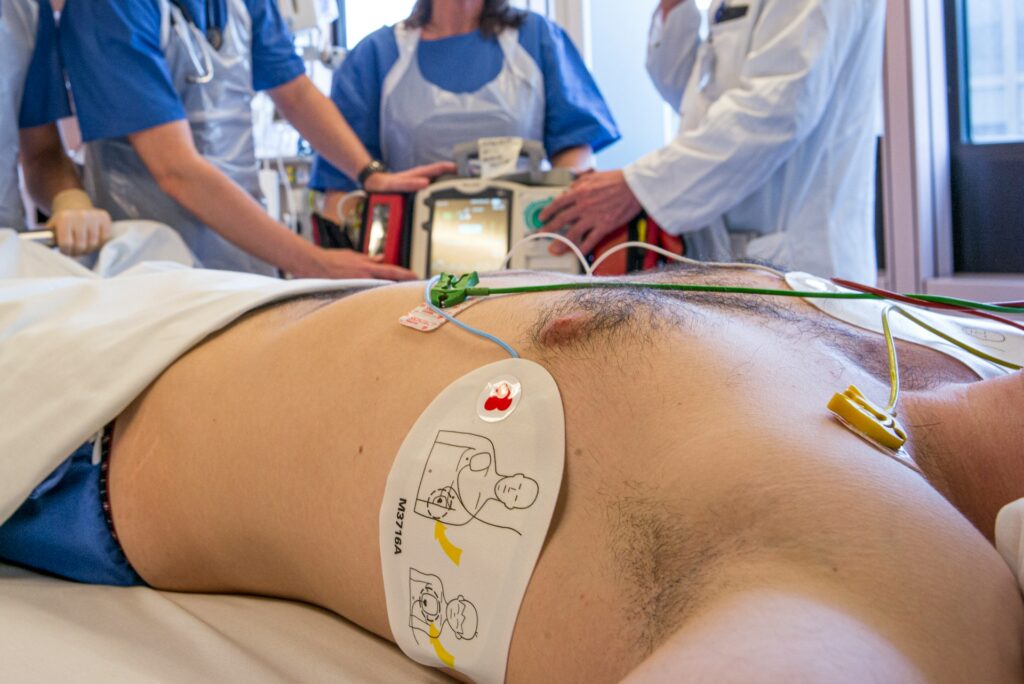
Invasive cardiac catheterization technologists work in cath labs, where doctors diagnose and treat heart problems. They help prepare patients, monitor equipment, assist during procedures, and respond quickly if a patient’s condition changes. The work can be intense because heart cases can turn urgent fast.
Average pay is about $84,560 per year. Hospitals and cardiac centers need these workers because heart disease remains common, and many procedures require a trained team in the room. People often enter from radiologic technology, cardiovascular technology, emergency medicine, or military medical roles. This is a strong fit if you want healthcare work with action, technology, and a clear specialty.
15. Head chef

Head chefs run kitchens. They plan menus, manage food costs, train cooks, handle timing, watch quality, and keep the kitchen moving when everyone is tired and the tickets are piling up. It is creative work, but it is also physical, managerial, and high-pressure.
Average pay is about $87,300 per year. Restaurants, hotels, hospitals, colleges, senior living groups, catering companies, and corporate dining programs all need experienced kitchen leaders. Many chefs move up through the line instead of getting a four-year degree, though culinary school can help. Demand is helped by turnover, hospitality growth, and the fact that food still needs skilled people in the room.
16. Production supervisor

Production supervisors lead workers on manufacturing floors, food plants, packaging lines, warehouses, and industrial operations. They handle schedules, safety, quality problems, equipment issues, training, and daily output. When a line stops or a shipment is late, they are often the person everyone looks to first.
Average pay is about $80,194 per year. This role can be a smart move for people with hands-on plant, warehouse, military, or trades experience who want to move into leadership. Some employers prefer a degree, but many care more about floor experience and whether you can manage people under pressure. Automation may change the machines, but people still have to run the shift.
17. QA supervisor

QA supervisors oversee quality assurance teams that check products, processes, records, and procedures. They may work in food, medical devices, pharmaceuticals, aerospace, manufacturing, packaging, or consumer goods. The job is about catching problems before they become recalls, injuries, waste, or angry customers.
Average pay is about $83,715 per year. Demand is steady in regulated industries where quality records, inspections, and audits cannot be treated casually. Many people start as quality technicians, inspectors, lab techs, production workers, or documentation specialists, then move into supervision. Certifications in quality, safety, or manufacturing systems can help you climb faster.
18. Multi-site maintenance supervisor

Multi-site maintenance supervisors oversee repairs and preventive maintenance across several buildings, plants, stores, clinics, or apartment communities. They manage technicians, vendors, budgets, emergency calls, parts, schedules, and safety problems. It is not glamorous, but broken boilers, elevators, roofs, chillers, and electrical systems cannot wait.
Average pay is about $84,032 per year. Demand is steady because every physical business needs working buildings and equipment. Many people move into this role after years in HVAC, electrical, plumbing, facilities, industrial maintenance, or property operations. It is a practical path for someone who knows how buildings actually work and can manage people without losing their cool.
Discover job hunting tips, ways to earn more, and flexible working options:

21 high-paying careers that desperately need workers, but nobody wants to do them: The pay is generous, but these jobs are searching for workers.
No background check jobs: 12 background friendly jobs: If you’re struggling to find a job due to past issues, here are jobs you can get without background checks.
15 remote jobs you probably didn’t know pay $150,000+ In 2026: High income and flexible work hours from home is not a myth — here are some remote-friendly careers.











