
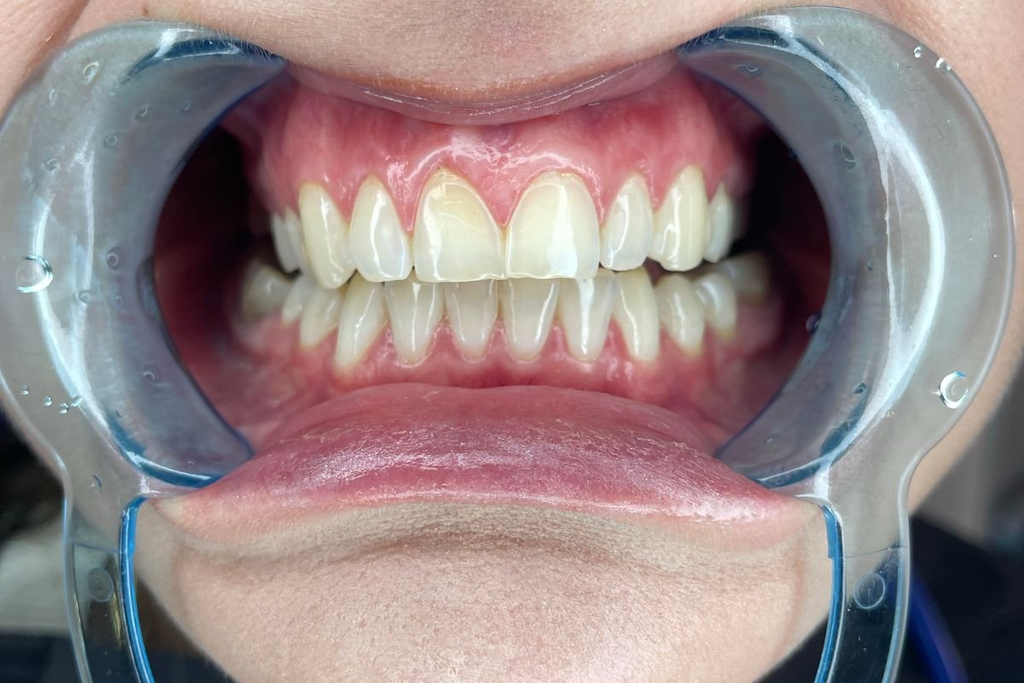
One of the most common questions people ask before starting orthodontic treatment is simple: how long is this going to take? Whether you’re considering braces for yourself or your child, understanding the timeline helps you plan, stay motivated, and set realistic expectations. The truth is, treatment length varies widely from person to person — but there are key factors that determine how quickly you’ll reach that confident, straight smile.
Table of contents
Why orthodontic treatment timelines vary
No two mouths are the same. The duration of orthodontic treatment depends on a combination of biological, behavioral, and clinical factors. While some patients complete treatment in as little as six months, others may need two to three years or more. Understanding what drives these differences can help you become a more informed patient.
The complexity of your case
The most significant factor in determining how long you’ll wear braces or aligners is the severity of your orthodontic issues. Minor crowding or slight spacing problems are typically resolved much faster than complex cases involving significant misalignment, overbites, underbites, or crossbites. A patient with mild crowding might finish treatment in 12 months, while someone with a severe skeletal discrepancy could require 24 to 36 months — sometimes in combination with other dental treatments.
Age and bone density
Age plays a meaningful role in how quickly teeth move. Children and teenagers benefit from still-developing jaw bones, which makes teeth easier to shift into new positions. Adults, whose bones are denser and more set, often experience slightly slower tooth movement. That said, many adults achieve excellent results with modern orthodontic techniques, and the difference in treatment time is often minimal for straightforward cases.
Common treatment options and their typical timeframes
The type of orthodontic appliance you use also influences how long treatment takes. Here’s a breakdown of the most popular options:
Traditional metal braces
Traditional metal braces remain one of the most effective and reliable orthodontic solutions available. They use brackets, wires, and elastic bands to gradually move teeth into alignment. Most patients wearing traditional braces complete treatment in 18 to 24 months, though complex cases may take longer. Regular adjustment appointments — typically every four to six weeks — are essential to keep treatment on track.
Ceramic braces
Ceramic braces function similarly to metal braces but use tooth-colored or clear brackets for a more discreet appearance. Treatment times are comparable to traditional braces, usually falling in the 18 to 24 month range. They’re a popular option for teens and adults who want effective treatment without the noticeable look of metal.
Clear aligners
Clear aligner systems like Invisalign have grown enormously in popularity due to their removability and aesthetic appeal. For mild to moderate cases, treatment can often be completed in 12 to 18 months. However, compliance is crucial — aligners must be worn 20 to 22 hours per day to be effective. Patients who remove them too frequently can significantly extend their treatment timeline.
Retainers and post-treatment phase
It’s important to remember that active treatment is only part of the journey. After braces or aligners come off, patients enter the retention phase. Retainers are worn to hold teeth in their new positions while the surrounding bone stabilizes. Initially, retainers may need to be worn full-time, then transitioning to nighttime wear. Many orthodontists recommend wearing retainers indefinitely to prevent relapse. Skipping this phase is one of the most common reasons teeth shift back after treatment.
Factors that can extend your treatment time
Several avoidable factors can add weeks or even months to your orthodontic treatment. Being aware of these can help you stay on schedule:
- Broken brackets or wires: Damaged appliances slow treatment progress and require emergency appointments to repair.
- Poor oral hygiene: Gum disease or tooth decay may require treatment to pause while dental health is restored.
- Missed appointments: Regular adjustments are critical. Skipping or delaying appointments puts your timeline behind.
- Not wearing aligners as directed: For clear aligner patients, inconsistent wear is the number one reason treatment runs long.
- Dietary non-compliance: Eating hard, sticky, or crunchy foods with braces can damage your appliances and set back your progress.
How your orthodontist sets and tracks your timeline
At your initial consultation, your orthodontist will conduct a thorough examination — including X-rays, digital scans or impressions, and photographs — to assess the full scope of your orthodontic needs. From this evaluation, they’ll develop a customized treatment plan with an estimated timeline.
Throughout treatment, your orthodontist monitors your progress at each visit, making adjustments as needed. Modern digital tools and 3D imaging have made treatment planning more precise than ever, giving patients a clearer picture of expected outcomes from the very beginning.
If you’re searching for an orthodontist in Chamblee who takes a thorough, patient-centered approach to treatment planning, it’s worth exploring practices that prioritize both clinical excellence and open communication with patients.
Tips to keep your treatment on schedule
Patients who actively participate in their treatment tend to finish faster and with better results. Here are some practical ways to support your own progress:
- Keep every appointment — adjustments are what keep your treatment moving forward.
- Practice excellent oral hygiene — brush and floss thoroughly around brackets and wires, or clean your aligners daily.
- Follow your orthodontist’s instructions — whether it’s wearing rubber bands, using a palate expander, or keeping your aligners in, compliance matters.
- Protect your appliances — wear a mouthguard during sports and avoid foods that can damage braces.
- Communicate with your care team — if something feels off or breaks, contact your office promptly rather than waiting for your next scheduled visit.
Finding the right orthodontist for your needs
Choosing the right provider is just as important as choosing the right treatment. A skilled orthodontist in Chamblee will not only develop an accurate treatment plan but will also keep you informed and engaged throughout the entire process. Look for a practice that combines modern technology, personalized care, and transparent communication.
For families and individuals in the area, accessing local orthodontic care in Chamblee means convenient appointments, a familiar community-oriented practice, and the kind of attentive care that makes a real difference in your treatment experience and outcome.
Conclusion
Orthodontic treatment is a journey, not a quick fix — but it’s one that delivers lasting, life-changing results. The timeline depends on your unique situation, the treatment option you choose, and how well you follow your orthodontist’s guidance. Most patients complete treatment somewhere between 12 and 24 months, with retention continuing beyond that to preserve their results.
The best way to get an accurate estimate is to schedule a consultation with a qualified orthodontist in Chamblee. A professional evaluation will give you a realistic timeline, a clear treatment roadmap, and the confidence to take that first step toward a healthier, more beautiful smile.










