
A well-kept yard does more than make a house look inviting. It also shapes which insects and small creatures decide to settle close to your doors and windows. Many homeowners treat landscaping as a purely visual project, but every plant, bed, and watering habit sends a signal to the pests living nearby.
Thick growth offers shelter, damp soil offers breeding grounds, and neglected corners offer quiet places to hide. When you understand how these pieces fit together, you can make simple changes that keep your outdoor space more comfortable and reduce the number of unwanted visitors that find their way inside.
Table of contents
Why biting insects gather where water settles
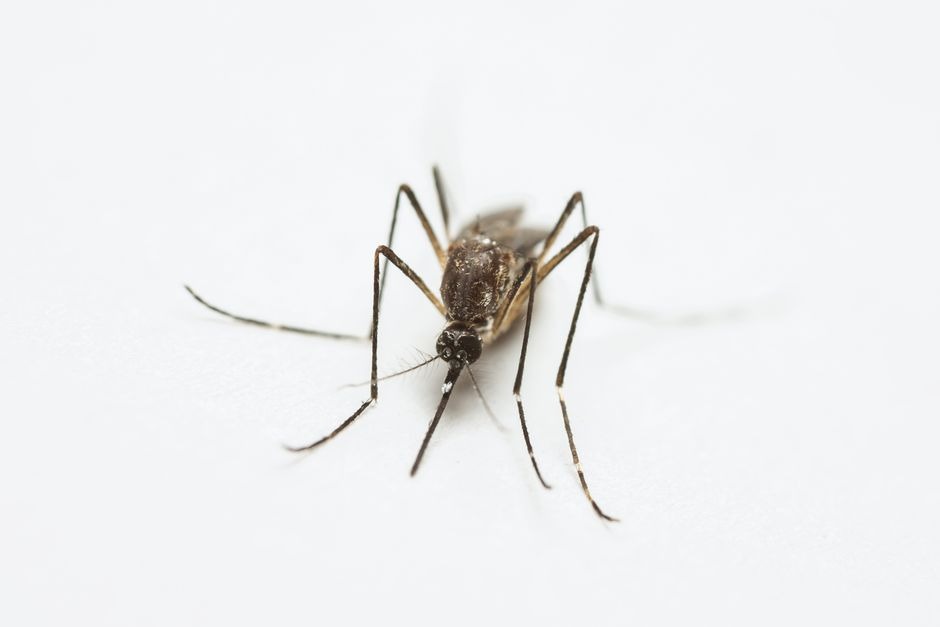
Some of the most bothersome pests around a home are the ones that need only a little water to multiply. Mosquitoes lay their eggs in shallow pools, and a single forgotten bucket or clogged corner of a yard can produce a steady stream of biting insects for weeks. A natural approach that works through the property’s existing watering setup can reduce them without harsh chemicals.
To keep evenings outdoors pleasant, many families hire a company that offers a natural mosquito control service delivered through their sprinkler system, which spreads a solution that is safe for people and pets across the whole lawn. This kind of setup runs quietly in the background, so the yard stays protected while you simply carry on with your normal routine.
How plant selection shapes the insects you attract
The plants you choose decide a great deal about what lives in your yard. Dense shrubs planted tight against the foundation create cool, shaded pockets where crawling insects can rest during the heat of the day. These same shrubs also give pests an easy bridge from the ground to your walls, windows, and roofline.
Choosing plants with more open growth and leaving a small gap between beds and the house can make a noticeable difference. A strip of bare ground or gravel along the foundation removes much of the cover that pests rely on.
Flowering plants deserve some thought as well. Many blooms bring in helpful pollinators, but heavily scented or overripe fruiting plants can attract ants, flies, and wasps when placed too close to doorways. Positioning these plants toward the edges of the property lets you enjoy them without inviting activity near the spaces you use most.
The role of mulch, soil, and ground cover
Mulch helps soil hold onto moisture and keeps weeds down, but too much of it can work against you. A deep layer stays damp for long periods and becomes a comfortable home for earwigs, roaches, ants, and termites. When that layer is piled right up against the siding, it also hides any damage pests may be causing to the structure.
A thinner layer, kept a few inches away from the walls, offers most of the benefits with far fewer drawbacks. Raking it from time to time lets the top dry out and discourages insects from nesting in it.
Ground cover plants can be a useful alternative to bare soil, yet they also need care. When they grow thick and matted, they trap humidity close to the ground. Trimming them back and thinning them out keeps air moving and makes the whole area less appealing to pests looking for a damp place to shelter.
How lawn care habits influence pest activity
The way you look after your grass matters just as much as what you plant around it. Lawns left to grow tall offer cover for fleas, ticks, and other small insects that wait for a passing host. Regular mowing at a sensible height through the growing months keeps the grass strong and healthy while removing much of that hiding space.
Watering habits play an equally important part. Lawns that are watered too often or at the wrong time of day stay soggy, which encourages fungus and draws in insects that thrive in wet conditions. Watering early in the morning gives the grass time to absorb what it needs before the sun dries the surface. It also prevents water from sitting overnight, when many pests are most active.
Thatch is another detail that is easy to overlook. This layer of dead grass and roots builds up just above the soil and can hold moisture and insects alike. Removing heavy thatch every so often helps water reach the roots properly and takes away a sheltered layer where pests like to settle.
Clearing clutter and debris from outdoor spaces
Piles of leaves, stacked firewood, unused pots, and old lumber all provide shelter for pests. Spiders, rodents, and many crawling insects favor these undisturbed spots because they stay dark and protected from weather and predators. The longer such piles sit, the more established the activity around them becomes.
Keeping firewood raised off the ground and stored well away from the house is a simple step that pays off. Clearing fallen leaves from beds and corners, especially after storms, removes damp layers where insects gather. Old containers, toys, and tarps should be stored upright or put away so they do not collect rainwater or create hidden pockets.
Making seasonal yard care a regular habit
Pest activity rises and falls with the weather, so yard care works best when it follows a steady rhythm rather than a single big effort. A quick walk around the property each week lets you catch problems while they are still small. Look for low spots where water lingers, shrubs that have grown into the walls, and piles of debris that have built up since your last check.
Small, consistent tasks prevent the larger problems that come from months of neglect. Trimming branches back from the roof, refreshing beds, adjusting watering schedules as rainfall changes, and emptying anything that holds water all add up over time. Together, these habits create a yard that feels welcoming to you and far less inviting to the pests that would otherwise move in.










