
By transferring heat instead of burning fuel, modern heat pumps deliver winter warmth and summer cooling while lowering monthly household utility bills.
Rising seasonal utility bills push many families to rethink how they keep their living spaces comfortable throughout the year. Maintaining two separate pieces of aging equipment – a furnace for winter and an air conditioner for summer – often drains your monthly budget through overlapping repair costs and inefficient energy consumption.
Upgrading to a single, high-efficiency heat pump system solves both problems with one piece of hardware. By consolidating your climate control, you can cut energy waste, simplify seasonal upkeep, and stabilize your household expenses across every season.
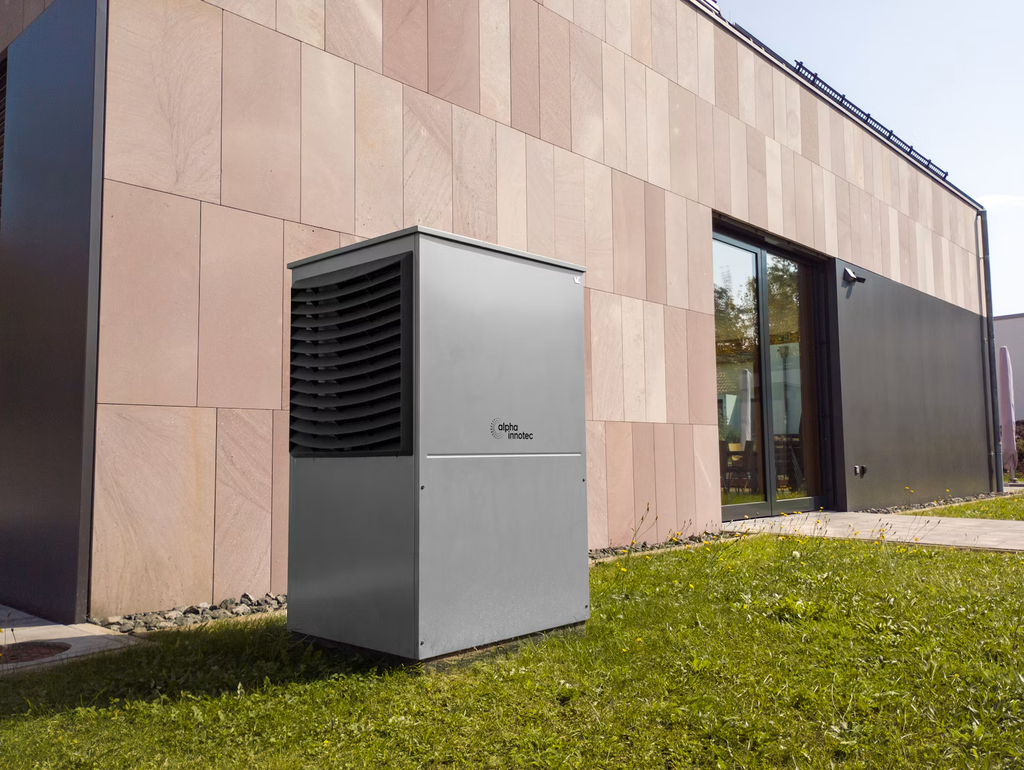
Table of contents
Why do proper sizing and routine care protect your savings?
Even the highest-rated equipment will waste money if the initial setup fails to match your home’s layout and insulation levels. Oversized units turn on and off too rapidly, wearing out compressors early and leaving rooms feeling clammy in the summer.
Undersized units run nonstop during peak weather, driving up your kilowatt usage while struggling to reach your target temperature. Working with experienced technicians for heat pump installation and service makes sure your equipment receives a thorough load calculation before installation begins. Qualified specialists inspect your ductwork, verify refrigerant charges, and calibrate hybrid controls so every component operates at peak efficiency from day one.
How does heat-transfer physics cut your electricity use?
Traditional furnaces and baseboard heaters burn fuel or run heavy electrical coils to generate warmth from scratch, which consumes massive amounts of energy. A heat pump takes a smarter approach by moving existing thermal energy from one place to another using a closed refrigerant loop. Because shifting heat requires far less power than creating it, your system delivers cozy indoor temperatures while drawing significantly less electricity from the grid.
During the winter months, the outdoor unit extracts ambient heat from the outside air – even when temperatures dip below freezing – and pumps it inside your living rooms. When summer arrives, a reversing valve flips the cycle so the system pulls warm, humid air out of your house and releases it outdoors. According to research from the National Renewable Energy Laboratory, transitioning to a modern heat pump can reduce residential site energy consumption by roughly 31% to 52% depending on the efficiency rating of the unit.
Air-source vs. hybrid systems: Which fits your home?
Choosing the right configuration depends largely on your local winter climate and your existing utility hookups. Both standard electric models and dual-fuel setups offer major upgrades over legacy HVAC equipment, though each brings distinct advantages to your utility statement. Data from the U.S. Department of Energy shows that selecting a properly matched heat pump lowers energy bills for more than 90% of households replacing outdated heating equipment.
An all-electric air-source system handles 100% of your heating and cooling needs without requiring a natural gas line or propane tank. Modern variable-speed compressors adjust their output continuously to match your thermostat settings, eliminating the loud on-off cycling and sudden temperature swings of older units. Because these systems run entirely on electricity, pairing them with rooftop solar panels or green utility plans can shrink your household carbon footprint to near zero.
If you live in a region with prolonged sub-zero cold snaps, a hybrid system pairs an electric heat pump with a high-efficiency gas furnace. Your smart thermostat automatically switches between the two power sources based on outdoor temperatures and local utility rates.
Seasonal upkeep habits that extend equipment life
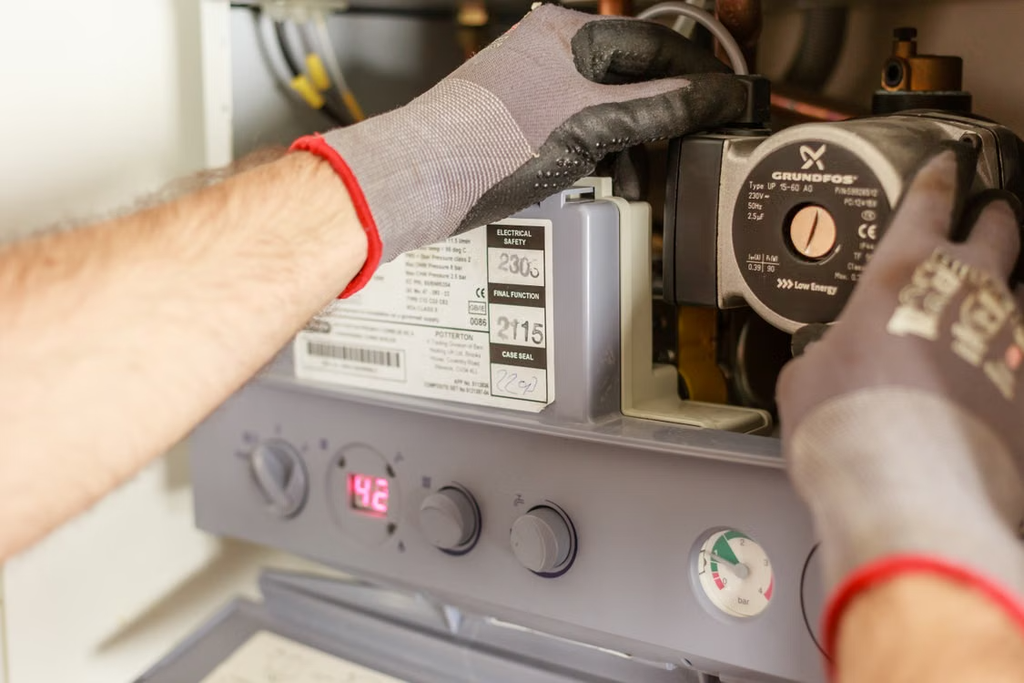
Once your system is running, simple maintenance routines prevent minor airflow blockages from turning into costly utility spikes. You can protect your long-term return on investment by following a few straightforward habits throughout the year:
- Swap air filters regularly: Check your indoor return filters every 30 to 60 days and replace dirty ones so air flows freely across the indoor coil.
- Clear outdoor unit debris: Trim back shrubs, tall grass, and fallen leaves at least 2 feet away from the exterior cabinet to maintain proper airflow.
- Keep coils clean: Gently rinse dirt and pollen off the outdoor aluminum fins with a garden hose each spring before peak cooling season begins.
- Schedule annual professional tune-ups: Have a certified technician test electrical connections, check defrost cycles, and verify refrigerant pressure twice a year.
Combining heating and cooling into one modern heat pump gives you predictable comfort without the burden of bloated seasonal utility bills. Choose the right system style for your climate, size it accurately, and keep up with basic seasonal care to enjoy lower monthly energy costs and simpler home maintenance for years to come.










