
A 30-day supply of Xtandi for prostate cancer runs $13,480 right now, before your Medicare plan touches it. Tradjenta for type 2 diabetes rings up at $488. Starting January 1, 2027, both of those prices change for good, along with 13 other drugs that together pulled in $42.5 billion from Medicare Part D in a single year.
This is the second round of Medicare’s drug price negotiation program, created by the Inflation Reduction Act so the federal government could sit down with drug manufacturers and negotiate lower prices instead of simply paying whatever the list price happened to be. The first 10 drugs got new prices on January 1, 2026. These 15 are next, covering conditions from cancer and diabetes to asthma, depression, and psoriasis.
About 5.3 million people with Medicare Part D coverage took at least one of these drugs in 2024. If you’re one of them, or you’re managing prescriptions for a parent, this is worth five minutes of your time.
None of these new prices show up automatically on your receipt. What you actually pay still depends on your specific plan, which is the part nobody puts in the headline. More on that below, after the full list.
Here’s every drug getting a new price in 2027, before and after negotiations.
- Ozempic, Rybelsus, Wegovy (type 2 diabetes, heart disease, weight management): $959 to $274
- Trelegy Ellipta (asthma, COPD): $654 to $175
- Breo Ellipta (asthma, COPD): $397 to $67
- Ofev (lung scarring): $12,622 to $6,350
- Xtandi (prostate cancer): $13,480 to $7,004
- Pomalyst (multiple myeloma, Kaposi sarcoma): $21,744 to $8,650
- Ibrance (breast cancer): $15,741 to $7,871
- Calquence (leukemia, lymphoma): $14,228 to $8,600
- Linzess (chronic constipation, IBS-C): $539 to $136
- Xifaxan (IBS-D, liver complications): $2,696 to $1,000
- Austedo, Austedo XR (movement disorders): $6,623 to $4,093
- Vraylar (bipolar disorder, depression, schizophrenia): $1,376 to $770
- Tradjenta (type 2 diabetes): $488 to $78
- Janumet, Janumet XR (type 2 diabetes): $526 to $80
- Otezla, Otezla XR (psoriasis, psoriatic arthritis): $4,722 to $1,650
The diabetes, heart, and weight-loss drugs
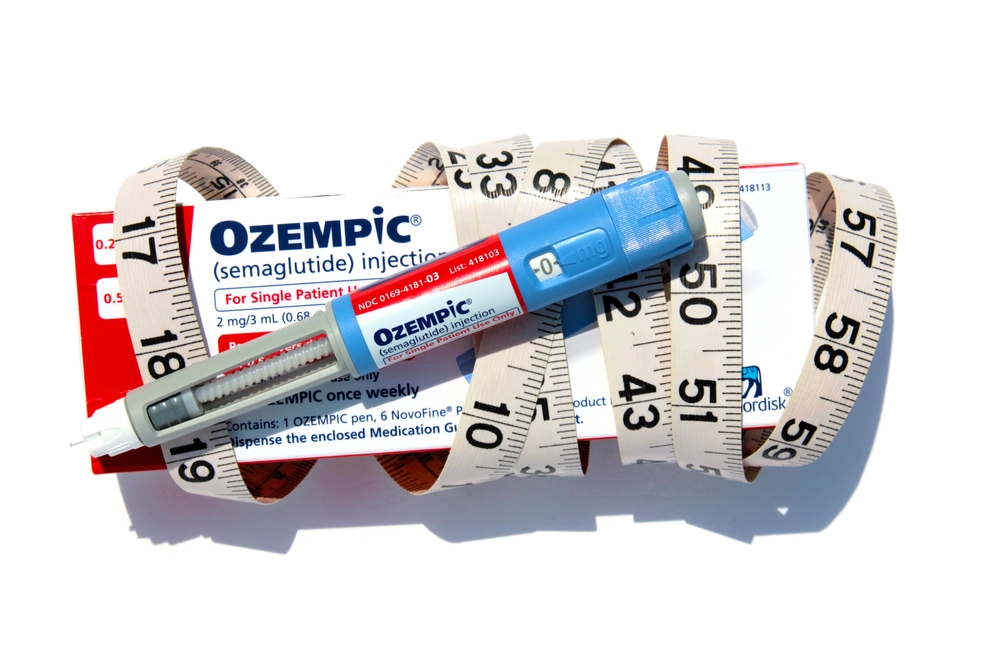
Ozempic, Rybelsus, and Wegovy are three brand names for the same drug, semaglutide, and together they’re the single biggest line item on this list. The drug treats type 2 diabetes, lowers heart disease risk, and drives weight loss, and 2.3 million Medicare Part D enrollees used one of the three versions in 2024, running up $15.2 billion in costs. The negotiated price cuts the $959 monthly list price down to $274, a 71% discount.
Here’s the wrinkle nobody’s talking about enough. A separate deal already set Medicare’s price for these drugs at $245 a month starting in 2026, a full year before this negotiated price takes effect. That lower number is expected to supersede the $274 price once 2027 arrives, so if you’re on semaglutide, $245 is likely the figure that ends up mattering to you, not $274.
Tradjenta, a once-daily diabetes pill, drops from $488 to just $78, an 84% cut. Janumet and Janumet XR, a combination diabetes drug, see the steepest percentage discount of anything on this list: from $526 down to $80, an 85% reduction. If you’re managing type 2 diabetes with pills rather than injections, those two numbers matter more to your budget than the GLP-1 headlines do.
Breathing treatments get some of the biggest cuts

Trelegy Ellipta and Breo Ellipta, both inhalers used for asthma and chronic obstructive pulmonary disease, together covered close to 1.9 million Medicare enrollees in 2024. Trelegy drops from $654 to $175, a 73% cut, while Breo falls from $397 to just $67, an 83% reduction, one of the steepest discounts on the entire list.
Ofev, a treatment for idiopathic pulmonary fibrosis, a progressive scarring of the lungs that makes breathing harder over time, has its price cut roughly in half: from $12,622 down to $6,350. Far fewer people take Ofev than the two inhalers, about 24,000 Medicare enrollees in 2024, but for anyone managing a progressive disease with no cure, that cut is real money back in your pocket every single month.
Cancer drugs keep steep price tags, even after the cut
Four cancer treatments made this list, and even with negotiated prices, every one of them still costs thousands of dollars a month. Xtandi, used for prostate cancer, falls from $13,480 to $7,004, a 48% discount. Pomalyst, a treatment for multiple myeloma and Kaposi sarcoma, drops from $21,744, the single highest list price on this entire list, to $8,650, a 60% cut.
Ibrance, a breast cancer drug, goes from $15,741 to $7,871, almost exactly a 50% cut. Calquence, a treatment for chronic lymphocytic leukemia and mantle cell lymphoma, gets the smallest percentage discount of any cancer drug on the list: from $14,228 to $8,600, a 40% reduction. Even after negotiation, a single month of Calquence still costs more than many people’s entire annual out-of-pocket drug spending will be capped at in 2027.
Brain, mood, and movement disorder drugs
Austedo and Austedo XR treat tardive dyskinesia, involuntary muscle movements that often show up as a side effect of long-term antipsychotic use, along with the chorea that comes with Huntington’s disease. The drug got the smallest percentage cut of anything on this entire list: from $6,623 down to $4,093, just a 38% reduction. About 27,000 Medicare enrollees used Austedo in 2024. If you or a family member takes it, don’t expect the same kind of relief the diabetes drugs got.
Vraylar, used for bipolar I disorder, major depressive disorder, and schizophrenia, fares a little better. The price drops from $1,376 to $770, a 44% cut. Just over 118,000 Medicare enrollees used Vraylar in 2024, making it one of the more widely prescribed drugs on this list outside the diabetes and respiratory categories.
Gut and digestive drugs
Linzess, a treatment for chronic constipation and irritable bowel syndrome with constipation, was used by 632,000 Medicare Part D enrollees in 2024, more people than any drug on this list except the GLP-1s and the two inhalers above. Its price falls from $539 to $136, a 75% discount.
Xifaxan is prescribed to prevent a serious liver complication called hepatic encephalopathy and to treat irritable bowel syndrome with diarrhea. Its price drops from $2,696 to $1,000, a 63% cut. That’s still a four-figure monthly price tag, but it’s a meaningful reduction for the 105,000 people who filled a Xifaxan prescription through Medicare in 2024.
Otezla, the one drug on the list for psoriasis

Otezla and Otezla XR treat plaque psoriasis, psoriatic arthritis, and the oral ulcers that come with Behçet’s disease. The price falls from $4,722 to $1,650, a 65% discount. Roughly 31,000 Medicare enrollees used Otezla in 2024, a smaller group than most drugs on this list, but anyone managing a chronic autoimmune condition knows that a price cut on a pill you take every day for years adds up fast, even at this smaller scale.
Who stands to benefit most

The people who’ll feel this most directly are Medicare Part D enrollees who take one of these 15 drugs without much help from Extra Help, the federal subsidy program that already caps most out-of-pocket drug costs at a few dollars per prescription for lower-income beneficiaries. If you’re paying full coinsurance on Xtandi or Pomalyst right now, a negotiated price that cuts the list price nearly in half flows straight through to a smaller bill.
It’s worth saying plainly: these new prices only help you if your plan actually covers the drug for the condition you have it for. Medicare Part D still doesn’t cover GLP-1 drugs like Wegovy when they’re prescribed purely for weight loss rather than diabetes or heart disease, so the negotiated semaglutide price won’t matter to anyone using it off-label for that reason alone. Check your plan’s formulary and your drug’s approved use, not just the headline price, before you assume the lower number applies to you.
What this means for your out-of-pocket costs

Medicare Part D enrollees are projected to save $685 million in out-of-pocket costs collectively once these prices take effect, on top of the $12 billion in net program savings the new prices would have produced had they applied back in 2024. For 2027, the annual cap on what you pay out of pocket for covered Part D drugs rises to $2,400, up from $2,100 in 2026, so once you’ve spent that much in a calendar year, covered prescriptions cost you nothing for the rest of it.
There’s a catch most people miss, too. A lower negotiated price can actually mean it takes longer to hit that cap. If a single fill of Pomalyst used to push you close to your out-of-pocket maximum by March, a cheaper Pomalyst might not get you there until May or June. You’ll still likely come out ahead for the year overall, since you’re paying a smaller share of a smaller price every time you fill it, but don’t expect the free-prescription phase of the year to arrive quite as fast as it used to.
Why your real savings depend on your plan
The negotiated price, officially called the maximum fair price, is what Medicare and your plan pay the drug manufacturer. It isn’t automatically your copay. Every Part D plan and every Medicare Advantage plan with drug coverage is legally required to include these 15 drugs in its formulary once the new prices take effect, but plans still decide what tier a drug sits on and what share of the cost you pay in coinsurance within that tier.
Two people on the exact same medication, enrolled in two different plans, can end up with meaningfully different bills even after the price drops. That’s why comparing plans during Medicare’s open enrollment window, which runs October 15 through December 7 every year, matters more in a year like this one than in a quiet year. Pull up your current drug list, run it through Medicare’s Plan Finder tool at Medicare.gov, and see whether your plan actually passes the lower price through to you the way you’d expect.
These 15 drugs won’t fix every expensive prescription in America, and the fine print still matters more than the headline. But for the 5.3 million people already taking one of them, 2027 should bring a real, measurable break on a bill that’s been climbing for years.











