
You don’t need a four-year degree (or the debt that comes with it) to land a healthcare job that pays well. A solid chunk of allied health careers run on an associate degree, a certificate, or a license you can earn in a year or two, and plenty of them clear $30 an hour without much trouble.
This list skips the obvious picks like nursing and goes straight to the roles people forget exist. Some are highly technical, like running an MRI scanner or reading vascular ultrasounds. Others happen almost entirely behind the scenes, in a histology lab or a cancer registry office. What ties them together: every one needs a trained human making judgment calls, handling a patient, or following a regulated procedure, which is exactly the kind of work that’s hardest to automate away.
Vascular sonographer

Vascular sonographers use ultrasound equipment to check blood flow in arteries and veins. They help look for clots, blockages, poor circulation, aneurysms, and other problems that doctors need to catch before they get worse. Average pay is about $41 per hour, and this is a strong option if you want a healthcare job that is technical but still very human.
You can get there through an accredited sonography or vascular technology program, often at the associate degree level. Some people come in from general ultrasound and add vascular credentials later. Hospitals, vein clinics, cardiology groups, and outpatient imaging centers all use this skill. The work is hard to fake because you are reading the patient, adjusting the probe, catching image quality issues, and knowing when something looks urgent.
Adult echocardiographer

Adult echocardiographers, often called cardiac sonographers, use ultrasound to take moving images of the heart. They check valves, blood flow, chamber size, heart muscle movement, and signs of disease. Average pay is around $33 per hour, with higher pay often tied to strong credentials, hospital work, and experience with complex studies.
This job is a good fit if you like anatomy, machines, and patient contact, but do not want nursing. Most people train through an associate degree or certificate program in cardiac sonography, then sit for a registry exam. Demand stays steady because heart disease is common, aging patients need more testing, and doctors use echo results to make real treatment decisions. You are not just pushing buttons. You are getting usable images from real people who may be short of breath, scared, or in pain.
Cardiac catheterization technologist
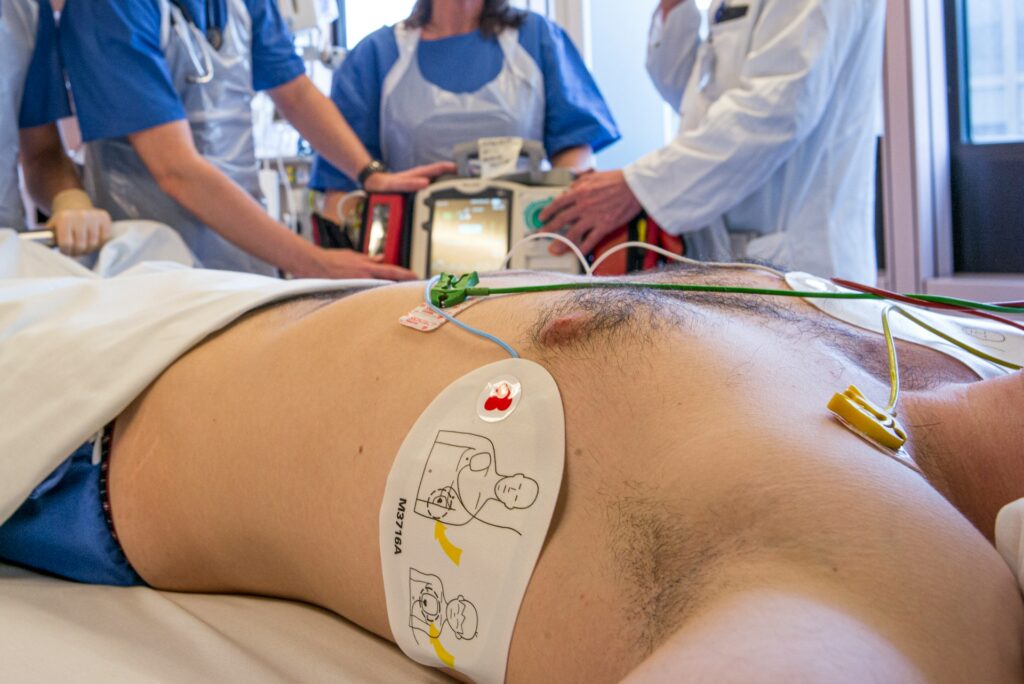
Cardiac catheterization technologists work in cath labs, where doctors diagnose and treat heart problems. You may help prep patients, monitor heart rhythms, handle imaging equipment, and assist during procedures such as angiograms or stent placement. Average pay is about $36.10 per hour, and overtime or on-call work can raise earnings.
This is not a calm desk job. Cath lab teams handle scheduled cases and emergencies, so you need focus, stamina, and the ability to stay steady when a patient’s condition changes fast. Many techs enter with an associate degree in cardiovascular technology, radiologic technology, or a related allied health field. The role is more specialized than a general tech job, which helps protect it. Heart procedures still need trained people in the room, watching monitors, moving equipment, and reacting in real time.
Mammography technologist

Mammography technologists take specialized breast images used to screen for and diagnose cancer. It is technical work, but it also takes patience and tact. Patients may be anxious, uncomfortable, or coming back after an abnormal result. Average pay is about $89,087 per year, which puts this role well above the $30-an-hour line.
This is usually a step-up path for radiologic technologists. You can start with an associate degree in radiography, earn your license, then add mammography training and certification. Jobs are found in hospitals, breast centers, imaging clinics, and mobile screening programs. Demand stays solid because breast screening is routine, regulated, and tied to early cancer detection. The machines matter, but so does positioning, image quality, privacy, and helping patients get through a stressful appointment without feeling rushed.
Nuclear medicine technologist

Nuclear medicine technologists use small amounts of radioactive material to help doctors see how organs and tissues are working. They may perform heart scans, bone scans, thyroid studies, or cancer-related imaging. Median pay is $97,020 per year, and the work is far more specialized than a standard imaging job.
You do not need a four-year degree in every path. Many workers enter through an associate degree in nuclear medicine technology, while others add a certificate after another imaging credential. The role requires careful safety habits, dose handling, patient communication, and precise imaging steps. Growth is steady rather than explosive, but the skill set is narrow and regulated. Hospitals, cancer centers, and diagnostic imaging groups need people who can manage both the patient side and the radioactive-material side safely.
MRI technologist

MRI technologists run magnetic resonance imaging scanners, which create detailed images of the brain, spine, joints, organs, and blood vessels. They screen patients for implants, position them safely, choose protocols, and help people stay still through long scans. Average pay is about $47 per hour.
Many MRI techs start as radiologic technologists with an associate degree, then add MRI training and certification. Some programs are designed for people who already have a healthcare imaging background. This job keeps showing up in hospitals, outpatient centers, orthopedic groups, and imaging chains because MRI is used across so many specialties. Software can help improve images, but a person still has to screen for safety risks, handle claustrophobic patients, adjust positioning, and know when a scan is not good enough.
Radiation therapist

Radiation therapists deliver cancer treatments using machines that send targeted radiation to tumors. They position patients with great care, follow treatment plans, check safety steps, and work closely with radiation oncologists and medical physicists. Median pay is $49.03 per hour, making this one of the better-paying patient-facing roles that can be reached without a bachelor’s degree.
The usual path is an associate degree in radiation therapy or a certificate for people who already have a related imaging background. This is not a casual career switch, but it does not require four years of college. Growth is slower than some healthcare jobs, yet cancer care remains essential and highly regulated. The human part matters too. You may see the same patient every weekday for weeks, while also handling exact positioning and strict treatment-room safety.
Respiratory therapist

Respiratory therapists help people breathe. They manage breathing treatments, oxygen therapy, ventilators, pulmonary testing, and emergency airway support. They work with premature babies, surgical patients, people with asthma, and adults with serious lung disease. Median pay is $80,450 per year, and the role clears the $30-an-hour mark in typical full-time work.
You generally need an associate degree in respiratory care and a license. Hospitals are the main employers, but you can also find work in sleep labs, home respiratory care, rehab, and specialty clinics. Demand is helped by an aging population, chronic lung disease, and the need for bedside respiratory support. This job is hard to replace because patients do not breathe by spreadsheet. Someone has to assess them, adjust equipment, talk them through fear, and respond when their oxygen level drops.
Dental hygienist

Dental hygienists clean teeth, take dental X-rays, screen for gum disease, apply preventive treatments, and teach patients how to protect their teeth at home. It is more clinical than many people realize. Median pay is $94,260 per year, and many hygienists work part time or flexible schedules while still earning strong hourly pay.
The usual path is an associate degree in dental hygiene plus a license. You do not need a four-year degree, but the programs are science-heavy and competitive. Most jobs are in dental offices, though some hygienists work in public health, schools, mobile clinics, or specialty practices. Demand is helped by routine dental care, preventive care, and the fact that cleanings cannot be done by an app. You need hands, judgment, patient trust, and the ability to spot problems before they become expensive emergencies.
Physical therapist assistant

Physical therapist assistants, or PTAs, help patients recover movement after injuries, surgery, strokes, joint replacements, and chronic pain. They guide exercises, teach safe movement, track progress, and report back to the supervising physical therapist. Median pay is $65,510 per year, and demand is strong because rehab needs keep growing.
You need an accredited associate degree and a license. PTAs work in outpatient clinics, hospitals, home health, rehab centers, and nursing facilities. This job is active and hands-on, not a sit-at-a-screen role. You may be helping someone stand after surgery, regain balance, or rebuild strength after a fall. Aging patients, sports injuries, and shorter hospital stays all support demand. The work also depends on encouragement, safety judgment, and reading how a person is moving that day.
Occupational therapy assistant

Occupational therapy assistants help people rebuild the skills they need for daily life. That may mean dressing, cooking, bathing, writing, using adaptive tools, or getting back to work after illness or injury. Median pay is $31.76 per hour, and projected growth is strong compared with many jobs that do not require a four-year degree.
The path is an accredited associate degree, fieldwork, and licensure. OTAs work under occupational therapists in rehab hospitals, schools, outpatient clinics, home health, and long-term care. This is a good option if you want a practical healthcare job that is less about machines and more about helping people function. It is hard to automate because every patient’s home life, body, mood, and goals are different. You have to adjust the plan in front of you.
Surgical technologist

Surgical technologists prepare operating rooms, organize sterile instruments, pass tools during surgery, and help keep procedures moving safely. They are part of the surgical team, but the training path is shorter than nursing or medical school. Median pay is about $30.04 per hour, with higher earnings possible in busy hospitals, specialty surgery, and travel roles.
Many surgical techs complete a certificate, diploma, or associate degree program, then earn certification if employers require or prefer it. This job is not for someone who panics easily. You need to understand sterile technique, anticipate what the surgeon needs, count supplies carefully, and stay focused through long cases. Demand is stable because surgeries keep happening in hospitals and outpatient centers. Operating rooms may have advanced equipment, but they still need trained people right there at the table.
Certified surgical first assistant

A certified surgical first assistant is a step above a surgical tech. This person may help with exposure, tissue handling, suturing, bleeding control, and other direct support during surgery. Average pay for people with the CSFA credential is about $34 per hour, and experienced first assists can earn more depending on specialty and setting.
This is usually not a first healthcare job. Many people move into it after surgical technology training and operating room experience. You may need a formal surgical assisting program, supervised cases, and certification. Hospitals, surgery centers, and specialty groups use first assists when the surgeon needs another skilled set of hands. The role is protected by training, credentialing, and the reality of surgery itself. You must be in the room, understand anatomy, and react correctly when a case changes.
Polysomnographic technologist

Polysomnographic technologists, often called sleep techs, run sleep studies for patients with sleep apnea, narcolepsy, restless legs, seizure concerns, and other sleep problems. They attach sensors, monitor breathing and brain activity, troubleshoot equipment, and score sleep data. Average pay is about $32 per hour.
You can enter through a polysomnography program, a sleep technology certificate, or an approved pathway that combines education with supervised clinical hours. Some workers also come from respiratory therapy or neurodiagnostics. Jobs are found in hospital sleep labs, independent sleep centers, neurology practices, and home sleep testing programs. The field is smaller than nursing, but it is a useful niche. Sleep disorders are common, and someone has to know when the signals are bad, when the mask is leaking, and when a patient needs calm help at 2 a.m.
Neurodiagnostic EEG technologist

Neurodiagnostic EEG technologists test electrical activity in the brain. They help evaluate seizures, fainting spells, brain injuries, sleep problems, and other neurological concerns. Average pay is about $33 per hour, and the work is more specialized than many people expect from a certificate or associate-level healthcare path.
Training options include neurodiagnostic certificate programs, associate degrees, hospital-based training, and registry exam pathways. EEG techs work in hospitals, epilepsy monitoring units, neurology clinics, sleep centers, and sometimes intensive care. This role takes patience because patients may be children, older adults, or people having active symptoms. It also takes judgment because bad electrode placement or poor-quality recording can affect the whole test. Technology records the signals, but a trained person has to get the study done right.
Histology technician
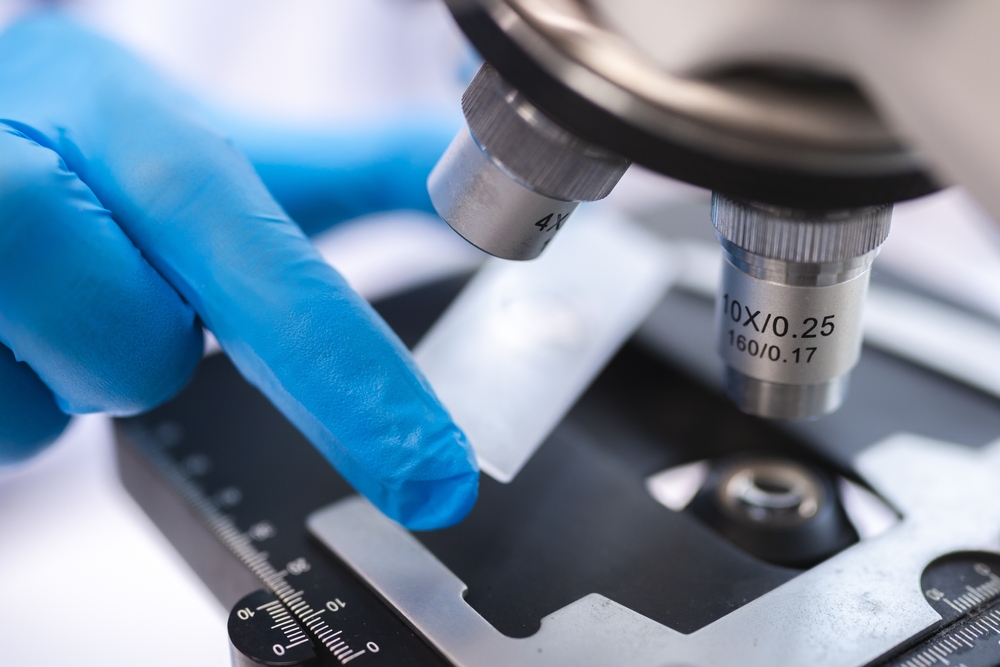
Histology technicians prepare tiny tissue samples so pathologists can look for cancer, infection, inflammation, and other disease under a microscope. They process tissue, embed it in wax, cut thin sections, stain slides, and handle lab quality checks. Average pay is about $34 per hour.
This is a strong behind-the-scenes healthcare job if patient care is not your lane. You can train through a histotechnology certificate or associate degree path, and certification can help with hiring. Jobs are in hospital labs, pathology groups, reference labs, dermatology labs, and research settings. Demand is tied to biopsies, cancer diagnosis, surgery, and aging patients. Automation can help process samples, but the lab still needs skilled people who can catch errors, prepare readable slides, and protect the chain of custody for each specimen.
Biomedical equipment technician

Biomedical equipment technicians, often called BMETs, maintain and repair medical equipment. That can include patient monitors, infusion pumps, ventilators, defibrillators, surgical equipment, and imaging-support devices. Median pay is $62,630 per year, and more experienced hospital techs or specialty equipment techs can move higher.
You can enter with an associate degree or certificate in biomedical equipment technology, electronics, or a related technical field. Some people come from the military, apprenticeships, or electronics repair. Hospitals, equipment manufacturers, service companies, and surgery centers all need this work. It is one of the better healthcare options for people who like machines more than bedside care. The job is also hard to outsource because broken medical equipment has to be tested, fixed, documented, and returned safely where patients are treated.
Oncology data specialist

Oncology data specialists, formerly known in many settings as cancer registrars, track detailed cancer information for hospitals, cancer programs, and public health reporting. They abstract records, code diagnoses and treatments, follow strict registry rules, and help maintain accurate cancer data. Average pay for certified tumor registry workers is about $30 per hour.
This is a quieter healthcare job, but it is not simple data entry. You need medical terminology, anatomy, cancer staging, coding rules, and attention to detail. A common path is an associate degree or 60 college credits plus approved cancer registry coursework and experience before certification. Many jobs are in hospitals, cancer centers, registry vendors, and health systems. The work matters because cancer programs use the data for treatment tracking, accreditation, quality review, and research. Software can assist, but someone trained still has to interpret messy medical records correctly.
Discover job hunting tips, ways to earn more, and flexible working options:

21 high-paying careers that desperately need workers, but nobody wants to do them: The pay is generous, but these jobs are searching for workers.
No background check jobs: 12 background friendly jobs: If you’re struggling to find a job due to past issues, here are jobs you can get without background checks.
15 remote jobs you probably didn’t know pay $150,000+ In 2026: High income and flexible work hours from home is not a myth — here are some remote-friendly careers.











