
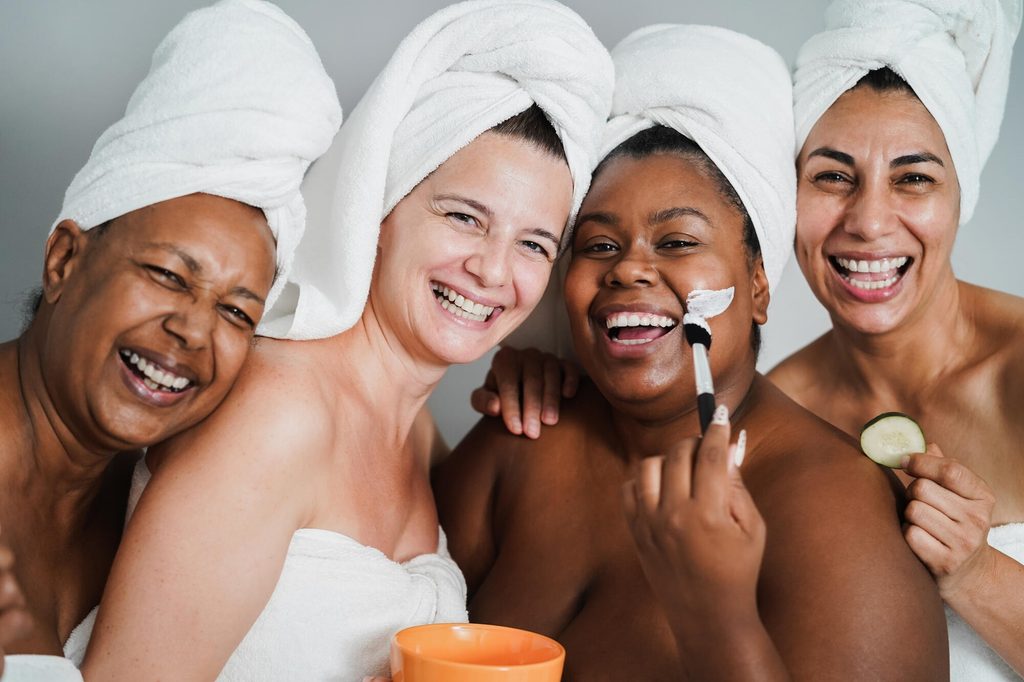
The skincare industry is valued at roughly $129.1 billion in 2026 and projected to top $227 billion by 2034. All this boom is overwhelmingly powered by women, who account for 89.1% of buyers. Women are also behind some of the most popular brands, so why not get involved and cut a slice of this pie for yourself?
It’s the perfect line of work for working moms with a skincare obsession, looking for financial independence. The right strategy can place you right up there with big names in the industry like Jessica Alba (The Honest Company), Rihana (Fenty Skin), or creators like Hope Smith (MUTHA) or Cashmere Nicole (Beauty Bakerie).
So let’s see what it takes to build your own skincare brand, even if you’re working from your kitchen.
Table of contents
Why a skincare brand?
When you’re constantly running between daycare and school or have a packed schedule that starts early in the morning with preparing lunches for everyone and ends with you cooking dinner, there’s no more room for a complex business model that requires a massive storefront
This is why skincare is just the right fit for a single mother’s reality. It’s lightweight, e-commerce friendly, and high-margin. You can manage orders, suppliers, and marketing from your kitchen table after bedtime.
That said, thriving in this space takes a specific mix of curiosity. If you naturally geek out over formulation science, enjoy breaking down why a vitamin C serum oxidizes or how ceramides repair a skin barrier, you are in the right niche.
You do not need to be a chemist or have a science degree to launch a skincare brand. In fact, the vast majority of successful indie beauty founders come from marketing, business, design, or everyday consumer backgrounds, not laboratories.
How to build a skincare brand from scratch
Launching a brand is nothing like a five-layer skincare routine. It’s about learning how to run a compliant, profitable business. So, while learning how to run a business around motherhood, pay attention to these four realities every first-time founder has to navigate:
1. Product selection
Launching a 10-step line right out of the gate is the fastest way to drain your bank account. Smart founders start with one or two high-demand so-called hero products, like moisturizers (very popular globally), or gentle formulas tailored for sensitive skin (the biggest consumer segment at almost 20%).
But even if you have an idea of what your hero products are, custom-formulating them from scratch in a private lab can take 12 to 18 months and tens of thousands of dollars in research and development. Not an easy target for a bootstrapped single mom.
That is where private label beauty can step in and help you launch a skincare line from the ground up. Private label beauty is a manufacturing model where a third-party lab creates, tests, and produces ready-made skincare formulas. Then, you buy these formulas and sell them under your own brand name, logo, and packaging.
Partnering with an established manufacturer gives you access to pre-vetted, market-ready formulas with low minimum order quantities. With their help, first-time founders bypass years of lab testing and reliably launch a skincare line without risking their family’s savings.
2. Ingredient quality and safety science
Over 85% of the private-label beauty space leans toward natural and organic ingredients, but this doesn’t mean no preservatives. Any formula containing water requires a validated preservative system and accelerated stability testing to ensure the product won’t separate or grow bacteria on a customer’s shelf.
In short, when choosing a private-label beauty supplier, always demand stability and microbial challenge reports and make sure they are legit.
3. Customer expectations and compliance
The beauty market has some of the most savvy and well-informed customers. People have learned how to read labels, understand ingredients, and have access to highly specialized content online. Plus, regulators are watching closely.
Under laws like the U.S. Modernization of Cosmetics Regulation Act (MoCRA), brand owners are legally responsible for safety substantiation, proper labeling, and keeping medical drug claims (like “cures eczema”) off cosmetic packaging.
4. Packaging done right
In a crowded digital market, packaging can make a huge difference. The visual aspect of it catches the eye (or stops viewers mid-scroll), but the way the recipient feels in real life and how easy it is to use seals the deal in the end.
Also, sensitive actives like retinol and vitamin C must be protected from air, sun exposure, and finger-borne bacterial contamination. This limits the type of recipients you can use, which also shapes the final look of the product.
Overall, packaging and branding go hand-in-hand. It’s a step that can make or break your newly-launched business.
Start building today
Stop waiting for the “ideal time” to launch your brand. That ideal time doesn’t exist. If you’re ready to take the first steps toward financial freedom and feel like skincare is a niche that fits your passion and interests, then this is all the motivation you’ll ever need.
The beauty industry doesn’t just need another trendy bottle; it needs products designed by the women who actually use them.










