
You brought home a handful of foreign coins from a trip thirty years ago, and they've lived in a glass jar on a shelf ever since. Or you inherited a box of mixed change from a relative who traveled, worked abroad, or just never got around to cashing anything in. It is easy to assume the lot is worth whatever the airport kiosk would give you, which is to say almost nothing.
Some of it really is worth almost nothing. But a surprising amount isn't. Foreign coins get overlooked in estate sales, donated to thrift stores, and passed over at flea markets because most buyers don't know what to look for. The ones who do pay close attention to three things: what the coin is made of, when it was made, and how many are left.
Silver and gold coins hold intrinsic value independent of any collector market. Rare issues from Canada, Australia, and elsewhere command collector premiums that have nothing to do with the metal price at all. A few of the coins below are genuine grail items that almost nobody will find, and those are clearly flagged. The rest are things that actually do turn up in inherited collections, estate sales, and old shoeboxes.
If you've got a tin of foreign coins nobody has looked at in twenty years, here is what to check first.
Table of contents
- South African Krugerrand
- British gold sovereign
- Roman silver denarius
- Mexican 8 Reales “Piece of Eight” (1732–1897)
- Mexican 1910 Caballito peso
- 7. Canadian 1948 silver dollar
- 8. German Empire silver 5-mark coins (1871–1918)
- 9. Australian pre-1946 silver coins
- 10. Chinese Silver Panda proof coins (1983–1985)
- 11. Canadian 1921 silver 5-cent piece
- 12. 1930 Australian penny
South African Krugerrand
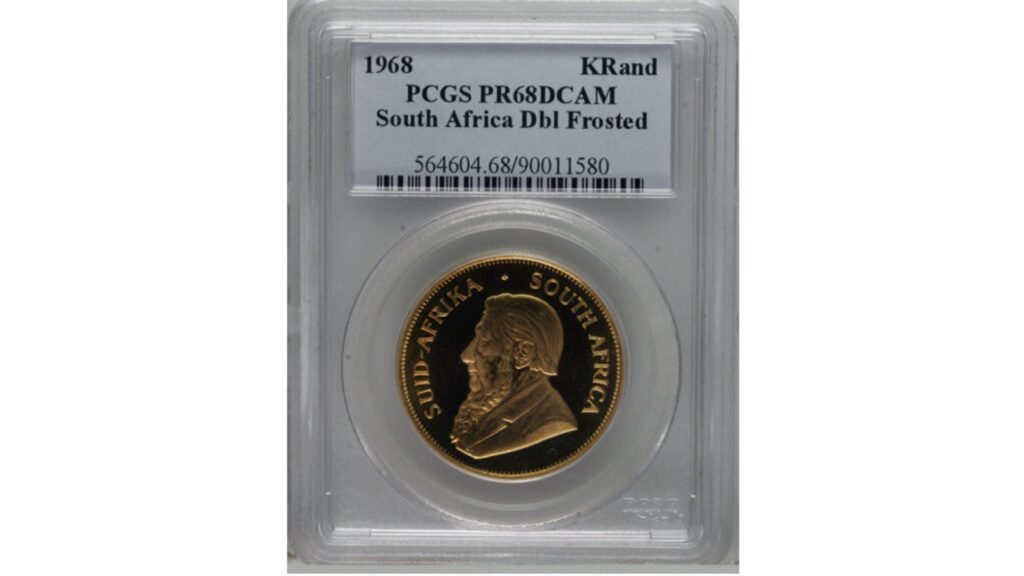
The Krugerrand launched in 1967 as the world's first one-ounce gold bullion coin, designed specifically so that private individuals could own gold without the complexity of bars. By the early 1980s, it accounted for roughly 90% of the global gold coin market. Hundreds of millions were sold over decades. They turn up in estate sales, safety deposit boxes, and old collections with real regularity, particularly in households with any ties to Britain or South Africa.
Each coin contains exactly one troy ounce of fine gold in a 22-karat alloy. Its value tracks gold directly. A single Krugerrand currently trades around $4,800 to $4,900, and that floor holds regardless of condition, because the metal content doesn't change with wear. A scratched or circulated Krugerrand is worth almost the same as a pristine one.
The main thing to verify is which size you have. The Mint introduced fractional versions, 1/10, 1/4, and 1/2 ounce, starting in 1980. These are worth proportionally less. The full ounce version has the coin's weight printed on the reverse. Proof Krugerrands with mirror-polished surfaces command a collector premium, particularly from early years. Common bullion issues don't. Both are worth finding.
British gold sovereign
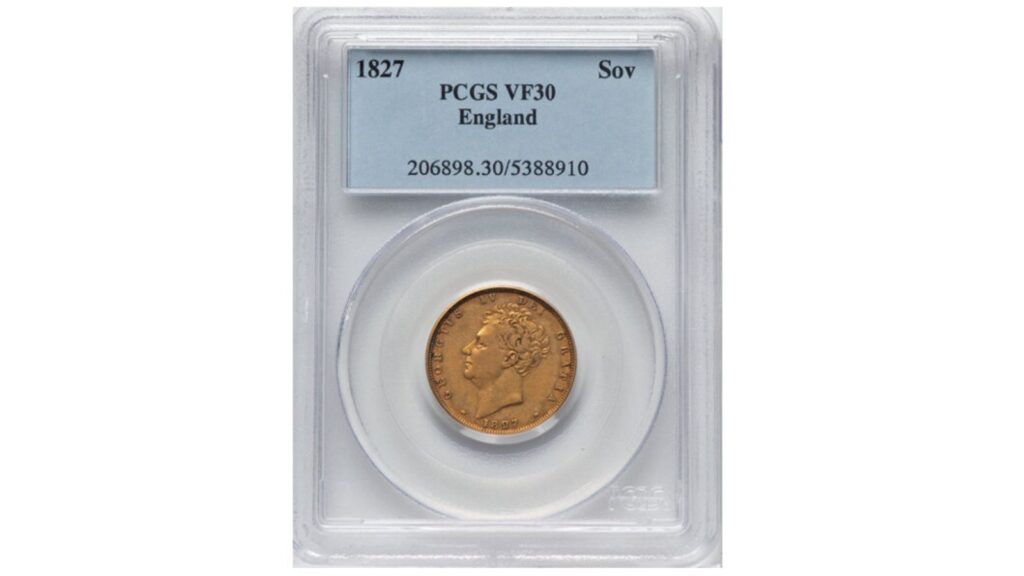
The gold sovereign is arguably the most recognized coin ever minted. It has been struck almost continuously since 1817, contains 0.2354 troy ounces of pure gold, and circulated as everyday currency throughout the British Empire until the First World War. People carried sovereigns in pockets, saved them in drawers, and hid them in every imaginable location. Many survive.
Common Edwardian and George V examples in circulated condition currently trade in the range of $950 to $1,150 based on their gold content, with a modest numismatic premium on top. Certain dates attract real collector interest above that floor: Victorian shield-back sovereigns from the 1870s and 1880s, branch mint examples struck in Sydney, Melbourne, Perth, Ottawa, Bombay, or Pretoria with their distinctive mintmarks, and the George III 1817 first-year issue all sell meaningfully above spot.
Half-sovereigns are smaller, contain half the gold, and are worth finding too, currently around $500 apiece in circulated condition. Neither size is worth cleaning. A polished sovereign loses the fine surface detail that separates a desirable collectible from a coin that simply trades for its gold weight. Natural tone and original luster are assets.
Roman silver denarius
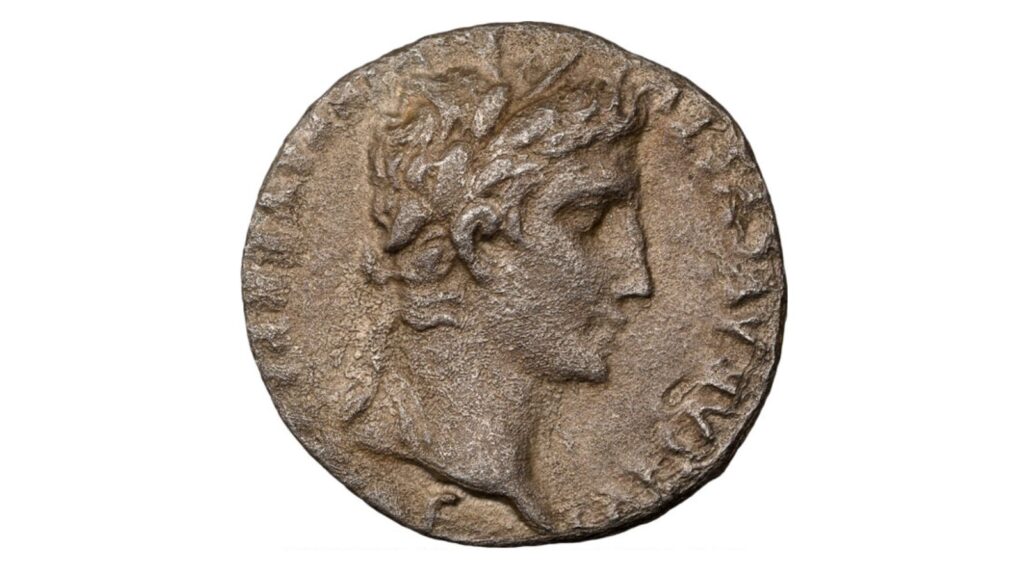
The denarius was the workhorse coin of the Roman Empire for nearly five centuries, minted from around 211 BC through the third century AD. Hundreds of millions were struck. They enter the market in genuine quantity through old European accumulations, estate collections, and specialist dealers, which means they are more accessible than their age suggests.
A typical silver denarius in Very Fine condition brings $75 to $300, with common third-century bronze examples starting around $50. Coins showing portrait emperors of real historical significance, Hadrian, Marcus Aurelius, Septimius Severus, start above $150 in circulated grades and climb with condition. The more notorious the emperor, the higher the interest: Nero, Caligula, and Domitian command premiums. Republican-era coins showing Julius Caesar or Brutus are in a different category entirely and can reach thousands of dollars.
Fakes are a serious issue. The denarius has been reproduced since the Renaissance and counterfeited actively in modern times. Only buy from established ancient coin dealers with genuine provenance trails, and treat any coin that arrives loose with no documentation as unverified. Cleaning is common in this field and acceptable in modest form, but surface enhancements, filled edge cracks, and added patina are red flags. When spending real money, get an independent authentication opinion first.
Mexican 8 Reales “Piece of Eight” (1732–1897)
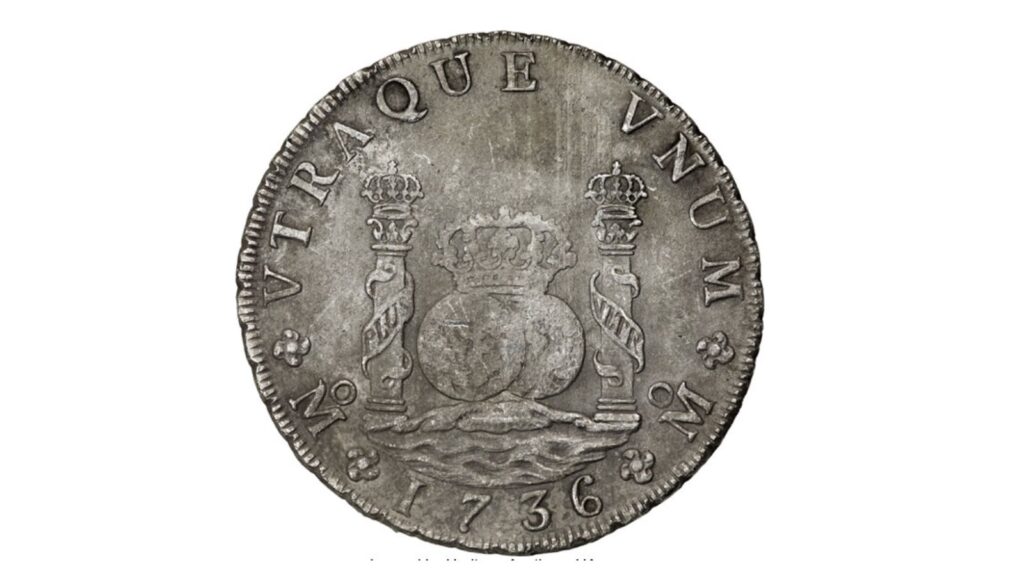
The Piece of Eight was the world's first global currency, struck from the silver mines of Zacatecas and Guanajuato and legal tender on every major trade route from Manila to colonial Boston until the mid-19th century. The Casa de Moneda in Mexico City, established in 1535, is the oldest mint in the Americas, and it produced these coins in enormous quantities for over three centuries.
Two main types are collected. The Pillar Dollar (1732–1772), with its distinctive Pillars of Hercules and globe design, is the first fully machine-struck issue and brings $200 to $1,000 in circulated condition depending on date, assay marks, and sharpness. The Portrait type (1772–1821), showing the Spanish king's bust, is more commonly found and runs $75 to $500, with earlier Charles III issues at the more valuable end. Assay office initials matter: Mexico City “Mo” is common; coins from smaller regional mints bring more, and the combination of date and mintmark determines whether a piece is ordinary or exceptional.
Heavily circulated examples that lack clear legends or mintmarks are worth their silver content and little more. The coins that attract collector money are ones with legible dates, clear assayer initials, and a full, sharp design. Any piece showing obvious cleaning with abrasive material has lost its original patina and market value.
Mexican 1910 Caballito peso
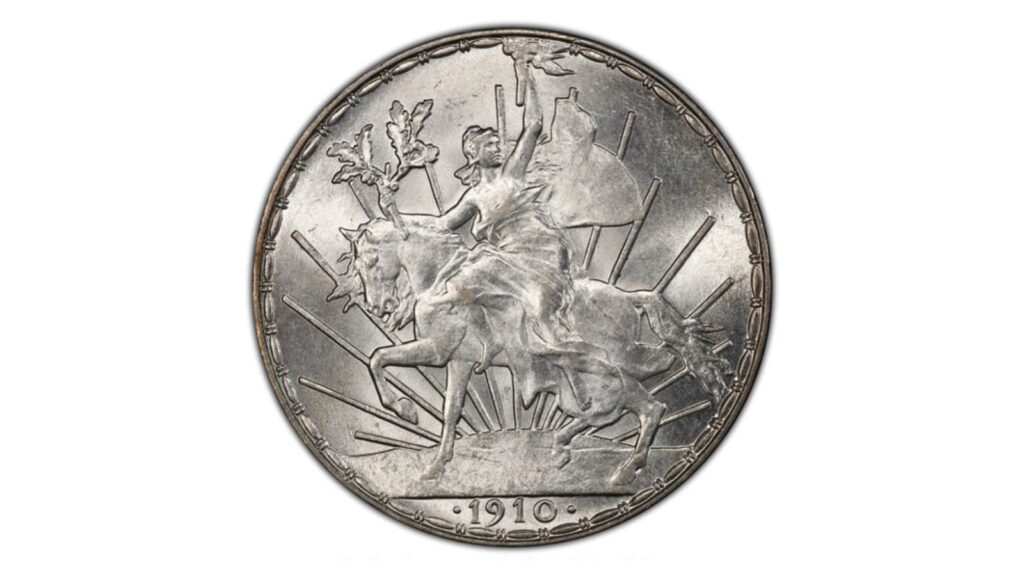
Commissioned to mark Mexico's centennial of independence, the Caballito (little horse) peso bears one of the most admired designs in the history of Spanish-American coinage: a prancing horse on the reverse, a winged Victory figure on the obverse, and a weight and purity that made it recognizable in global trade. It struck in 90% silver from 1910 to 1914, circulated genuinely, and has never stopped attracting collector attention.
The defining characteristic of this coin: it always trades above its silver melt value, in any grade. A heavily worn example still brings $100 to $175. A circulated coin in decent shape, with the horse recognizable and the legends clear, sells in the $200 to $350 range. Well-preserved examples with crisp mane and leg detail on the horse reach $400 to $600, with higher grades priced significantly above that.
The 1913 date is slightly scarcer than 1910 in equivalent grades. Both exist in larger quantities than the rarer 1911 and 1912 issues. The date can be hard to read on heavily worn pieces, so check carefully before selling anything marked as this type. Fine surface detail on the horse, particularly the mane and the definition of the raised leg, is what separates a premium example from one that trades for its silver.
7. Canadian 1948 silver dollar
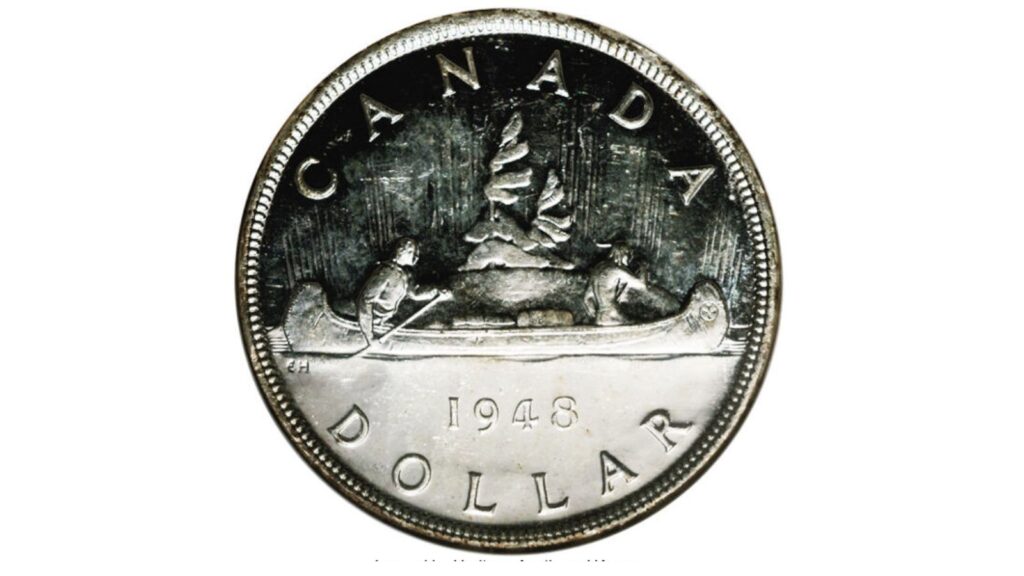
When India achieved independence on August 15, 1947, the title on every British Commonwealth coin changed. The inscription “ET IND IMP” (Emperor of India) had to be removed from King George VI's portrait. New dies for Canada didn't arrive from London until late in 1948, giving the Royal Canadian Mint only weeks to strike that year's dollar. Just 18,780 pieces were produced, the lowest mintage of any regular-issue Canadian dollar by a wide margin.
Even heavily circulated examples typically bring $200 to $800, with uncirculated examples starting above $1,500. The coin looks almost identical to the 1947 and 1949 Voyageur dollars, which is why the first thing to do with any George VI silver dollar is confirm the date under good light before assuming it's a common example.
This is one of the most counterfeited Canadian coins in existence. Fakes typically alter a common-date dollar by grinding and re-engraving the last digit. An unverified example sold as genuine without certification is not a safe purchase. Authentication by ICCS, PCGS, or NGC is strongly recommended before buying or selling at the values this coin commands. If you find a George VI dollar in an inherited collection, the date check takes thirty seconds and could matter quite a lot.
8. German Empire silver 5-mark coins (1871–1918)
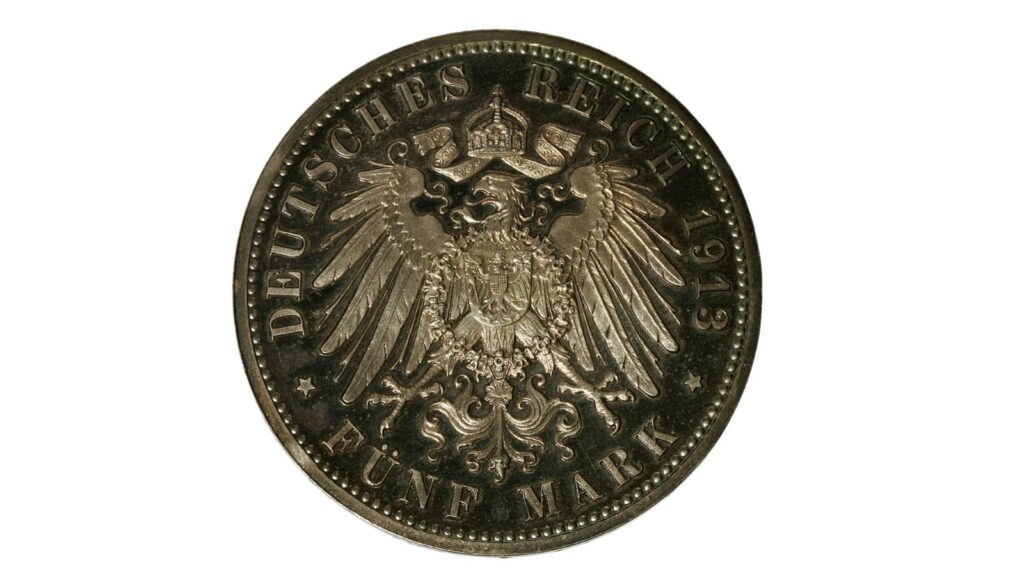
From German unification in 1871 through the end of the Kaiser era in 1918, the empire's member states struck large, handsome 5-mark coins in 90% silver. Each contains just under an ounce of silver. Prussia was the dominant issuer, but Bavaria, Saxony, Baden, Württemberg, and the other federated states all produced their own designs with their own monarch's portrait, giving the collecting field genuine variety across a relatively modest price range.
Common circulated Prussian issues bring $75 to $200, with coins from the smaller states bringing more in equivalent grades. Commemorative issues stand apart and consistently command premiums: the 1901 Prussian bicentennial piece, royal wedding commemoratives, and battle anniversary coins are collected separately from the regular series and sell well above their silver content. The Weimar Republic also struck silver 5-mark pieces between 1927 and 1933, which are attracting increasing collector interest.
The mint mark letter on the coin identifies the striking facility: A for Berlin, D for Munich, E for Muldenhütten, F for Stuttgart, G for Karlsruhe, J for Hamburg. Some mint/date combinations are considerably rarer than others within the same design. Condition determines whether a coin trades as a collectible or as bullion. Sharp portrait, legible legends, and original skin (the subtle gray toning that develops naturally over a century) are signs of a coin with numismatic value above melt.
9. Australian pre-1946 silver coins
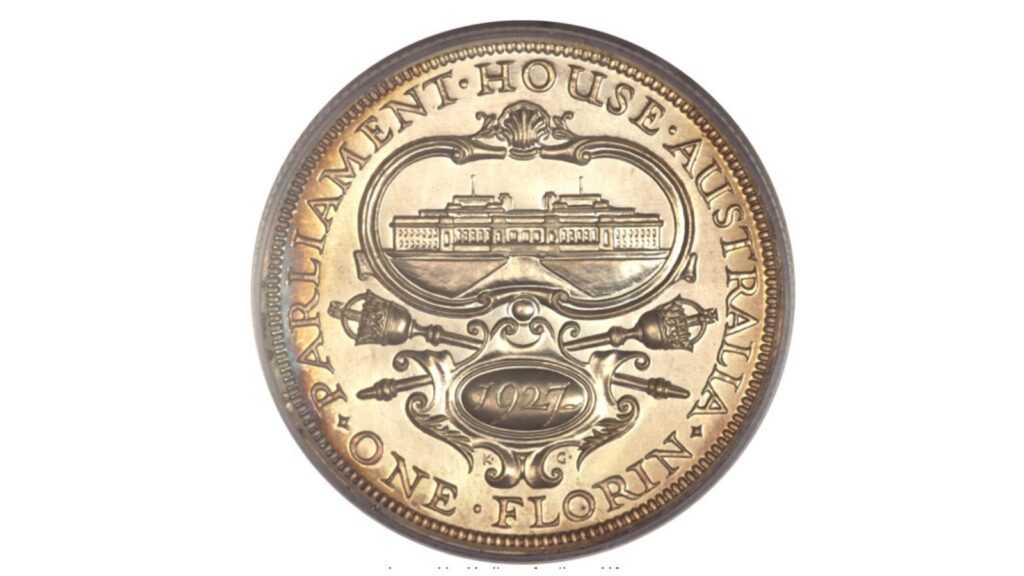
Australia introduced its own coinage in 1910 and continued striking florin, shilling, sixpence, and threepence pieces until decimal currency replaced the lot in 1966. Coins from 1910 through 1945 contain 50% silver, setting a metal-content floor regardless of condition or collector interest. Pre-1946 Australian silver is a regular find in estate sales involving anyone who collected Commonwealth or antipodean material.
Most 1920s through 1945 examples are worth their silver content plus a modest premium. Key dates carry significantly more. The 1927 florin was struck to commemorate the opening of Canberra's Parliament House and remains a popular commemorative in nicer grades. Certain shillings and florins from the early 1920s are genuinely scarce in high grades due to low mintages or poor striking quality from overused dies.
Unlike the British pre-decimal series, Australian silver coins carried distinctive Australian imagery on the reverse: a kangaroo on later penny designs, a merino ram on shillings, wheat sheaves on threepences. These designs appeal to collectors who specialize in British Commonwealth material as well as Australiana. Any coin with a sharp, well-struck design, original color, and no cleaning marks is worth a second look before it goes into a bulk lot.
10. Chinese Silver Panda proof coins (1983–1985)
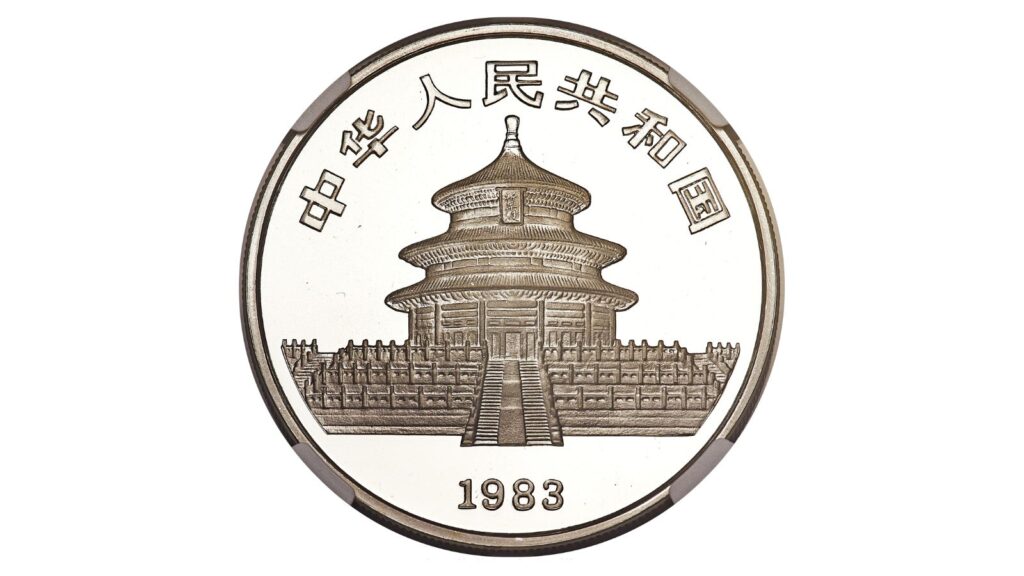
The People's Republic of China launched its Silver Panda program in 1983 as a proof-only collector issue. Each coin was individually struck on polished dies, carrying a distinct panda design that changed every year. The 1983, 1984, and 1985 issues had mintages of just 10,000 each, a fraction of Western bullion programs, and they were intended for collectors from the start. Many have survived in excellent condition. Many have also been cleaned, mishandled, or separated from their original packaging, which destroys the premium.
A perfect 1983 proof Panda is valued at approximately $16,430. That's grail territory, reserved for pristine examples in their original capsules. More practically, a 1983 or 1984 issue in strong but imperfect proof condition still commands $500 to $2,000 above its silver content. The 1987 shift to one full troy ounce of sterling silver coincided with higher mintages, and premiums compress accordingly. The earlier the date, the more the coin matters.
Original packaging matters here more than in most categories. Proof coins in their original presentation box with certificate of authenticity have held value far better than identical coins pulled from their capsules. Hairline scratches on the proof field, caused by cleaning or mishandling, eliminate the mirror surface that defines a proof coin and can cut the premium in half. Evaluate any early Panda in its original holder. If it has already been removed, manage expectations.
11. Canadian 1921 silver 5-cent piece
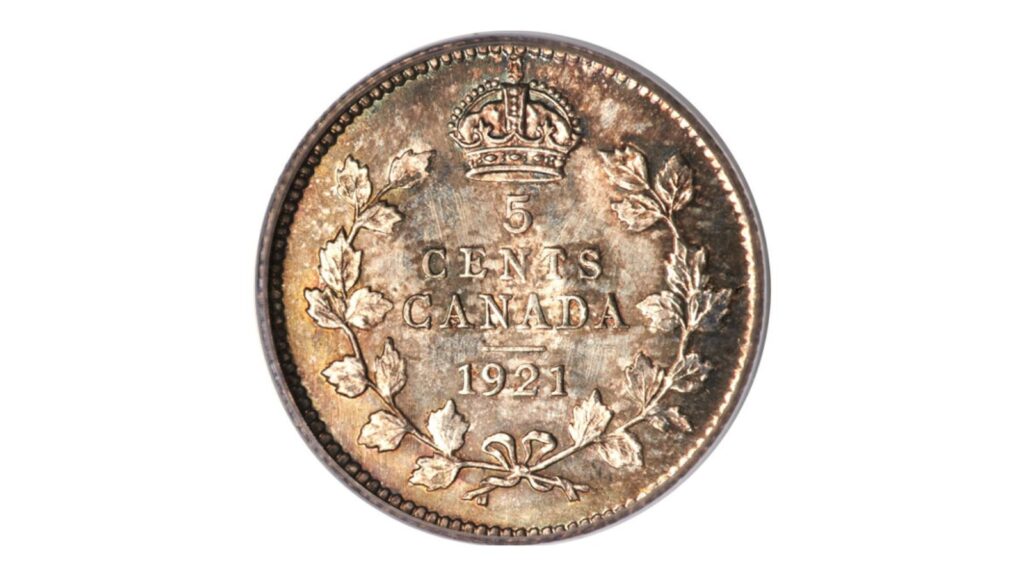
This is a grail. The 1921 George V silver 5-cent was the last silver 5-cent coin Canada ever produced. After 1921, the denomination switched to a larger nickel coin, which is why it's called a nickel at all. The Mint struck a reasonable production run of the 1921 silver piece, but demand for the new nickel was so strong that most of the 1921 silver 5-cents were returned to the Mint and melted. Only an estimated 400 to 450 of the original run survived.
Existing examples bring $4,500 and higher even in heavily worn condition, with nicer pieces priced considerably above that. The coin is small, roughly the size of a US dime, and bears the George V portrait on the obverse. If you inherit a Canadian coin collection from the early 20th century, checking every small silver piece for this date takes minutes and could be worth thousands.
Counterfeits exist. Any alleged 1921 silver 5-cent should be professionally authenticated by ICCS, PCGS, or NGC before any transaction. Handle potential candidates as little as possible, keep them away from other coins that could cause scratches, and bring the coin to a reputable numismatist for evaluation before assuming anything.
12. 1930 Australian penny
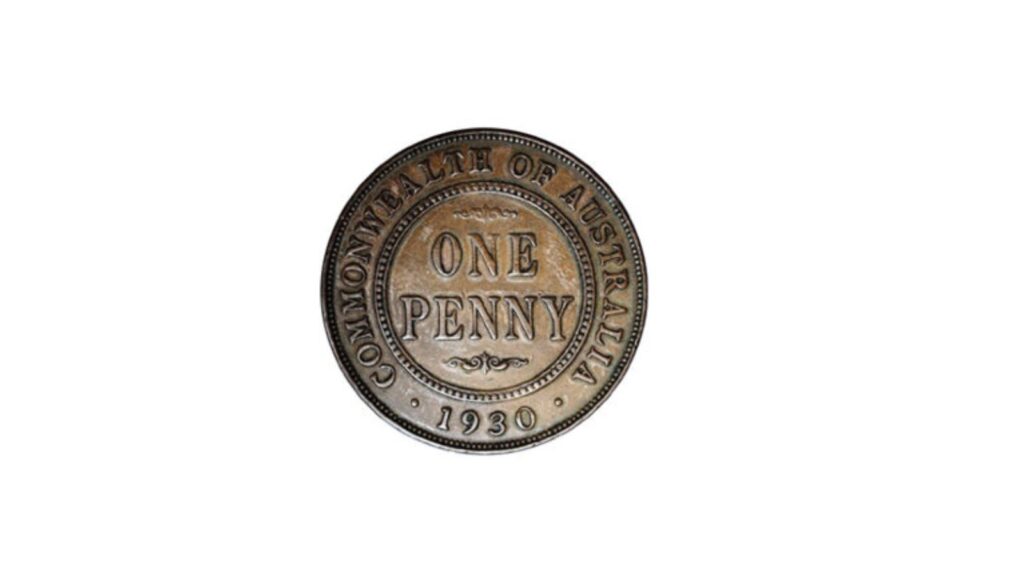
This is the most famous coin in Australian numismatics. No pennies were officially scheduled for production in 1930 because of Depression-era austerity cuts. The Melbourne Mint struck a small number anyway, possibly as a trial run while setting up dies for future issues. The exact circumstances have never been satisfactorily documented, which is part of what makes the coin legendary.
Roughly 1,500 examples are believed to survive, but most are in heavily worn condition from genuine circulation. Even a battered 1930 penny brings $20,000 to $40,000 in today's market. Well-preserved examples exceed $100,000. Exceptional specimens have sold at auction for more than $1 million. The coin is a penny in name only.
Fakes are everywhere. Forgers routinely alter the “3” in a legitimate 1931 penny to read “0,” producing a convincing fake at casual inspection. Any supposed 1930 penny needs PCGS or NGC authentication before any decision is made. Most coins presented to dealers as 1930 pennies turn out to be misidentified or altered. But people find legitimate ones occasionally in inherited collections, coin jars, and overlooked estate-sale lots, which is why the search continues.











