
You picked up a package of ground beef at the store this week and did a double take at the price. You’re not imagining things. That single pound now costs more than a fast food combo meal did five years ago.
Prices have moved so far past what people budgeted for that entire categories of everyday spending are shrinking. Movie theaters sit half empty on a Tuesday night. Cable subscribers keep cutting the cord. Coffee drinkers switch to whatever’s on sale or just make a smaller pot.
This isn’t about people losing interest in beef, movies, or coffee. When a price climbs faster than a paycheck, something has to give, and for a lot of households right now, that something is cutting back or walking away entirely.
Here are 21 things that got expensive enough to change how people actually spend.
Table of contents
- Ground beef
- Home insurance in wildfire and hurricane states
- Concert tickets
- Coffee
- Extended car warranties
- Wedding videography
- Cable TV
- Pet insurance
- Chocolate and candy
- New cars
- Child care
- Movie theater concessions
- Car insurance
- Checked baggage fees
- The daily newspaper
- ACA marketplace health insurance
- The landline
- Traditional funerals
- Professional movers
- Fast food
- College textbooks
Ground beef

Ground beef hit $6.89 a pound in July 2026, a fresh record, and there’s no relief in sight. The national cattle herd has shrunk to its smallest size in roughly 75 years, the result of years of drought that forced ranchers to sell off breeding stock instead of expanding it. Rebuilding a herd takes three to four years at minimum, since cows need time to grow and calve, so this shortage isn’t fixing itself soon.
Shoppers have noticed. Chicken thighs, pork, and plant based proteins have all picked up sales as families swap out burgers and pot roast for cheaper options. Some households have simply started treating red meat as an occasional splurge instead of a weekly staple, and restaurants are shrinking portions or raising prices to protect their margins.
A family that used to buy two pounds of ground beef a week for tacos and burgers is now spending close to $14 on the meat alone, before buns, cheese, or a single side dish. Multiply that across a month of grocery runs and it’s easy to see why beef is the first thing coming out of a lot of carts.
Home insurance in wildfire and hurricane states

The average homeowners policy now runs about $3,057 a year, up 46 percent since 2021, roughly three times the pace of overall inflation. Florida homeowners are paying far more than that. The typical policy there runs around $8,292 a year, nearly triple the national average, after repeated hurricane losses pushed reinsurance costs through the roof.
People aren’t quietly absorbing this. Some homeowners in high risk zones are dropping coverage altogether and self insuring, betting they can handle a disaster out of pocket rather than keep paying premiums that rival a car payment. Others are shopping surplus lines carriers that charge more but will actually write a policy, since major insurers have pulled back from entire zip codes in California and the Gulf Coast.
Lenders still require coverage on a mortgaged home, so most owners don’t have the option of simply opting out. What they’re doing instead is raising deductibles to the maximum allowed, stripping out optional coverage, and accepting more risk in exchange for a bill they can actually pay each month.
Concert tickets

A floor seat at a major stadium tour now runs upward of $200, and the average ticket across the top 100 North American tours sat at $122.15 in mid-2026, with fees adding close to 29 percent more at checkout. Ticket prices have climbed roughly 80 percent between 2021 and 2025, far outpacing wages.
Plenty of fans have simply stopped trying to see the biggest names live. Instead they’re picking smaller venues, local acts, and club shows that still run $10 to $30 before fees, or skipping touring artists entirely in favor of a streaming playlist. Resale markets make the sting worse, since bots and professional resellers scoop up tickets the moment they go on sale and relist them at multiples of face value.
The people getting priced out hardest are the ones who used to treat concerts as a regular, affordable outing rather than a once a year splurge. A single mom’s budget doesn’t stretch to a $435 floor seat, and a lot of longtime fans are quietly becoming former fans of the live show, even if they still love the music.
Coffee
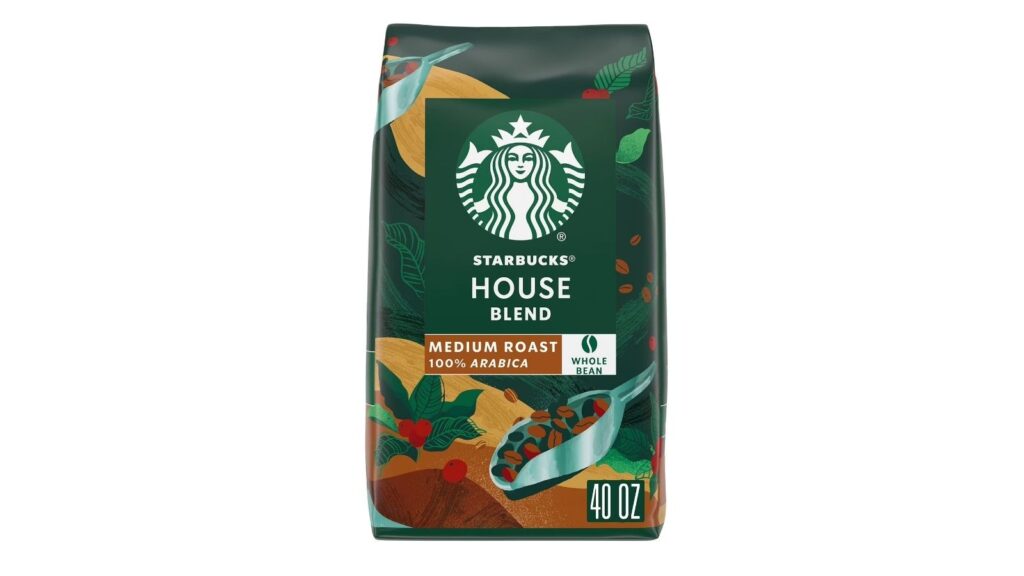
Your coffee habit got more expensive without you changing a single thing about it. The average price of ground roast coffee hit about $9.72 a pound in April 2026, up from $7.54 a year earlier, driven by weather damage to Brazilian and Vietnamese crops layered on top of tariffs on imported beans.
Coffee shops have raised prices too, though more cautiously, since chains know customers notice a $6 latte faster than a $2 jump in a bag of beans at the grocery store. That’s pushed a real shift in habits: more people are brewing at home instead of hitting a drive-thru every morning, buying the cheapest store brand instead of a name brand, or stretching a bag of grounds by using less per pot than the label recommends.
Some households have cut back to one cup a day instead of two or three. Others have switched to instant coffee, which costs less per cup even though it jumped in price too. None of this fixes the underlying problem, since the crop damage driving prices higher won’t resolve until future harvests come in, but it’s how people are coping in the meantime.
Extended car warranties
Buying a car that costs close to $50,000 now often comes with a pitch for extended coverage, and that pitch isn’t cheap. Extended warranties average $139 a month, with plans ranging anywhere from $30 to $250 depending on the vehicle and coverage level.
A lot of buyers are declining. Nearly half of vehicle owners hold an extended warranty, but only about one in 10 ever files a claim on it, and word of that math has spread. More buyers are running the numbers themselves: a warranty that costs $2,000 to $5,000 over its life only pays off if a major repair actually happens, and reliable brands like Toyota and Honda rarely need one.
Instead of paying a warranty company monthly, more people are setting aside their own repair fund in a separate savings account, betting that self insuring beats paying a middleman for a service they may never use. Dealerships still push hard on these add ons at the finance desk, but fewer buyers are signing without at least doing the comparison first.
Wedding videography

Couples planning weddings in 2026 keep cutting the same line item first. Skipping videography entirely is now the single most common cost cut couples make, saving $1,500 to $4,000, even though it’s the one thing that can never be redone. Photography is getting trimmed too, with couples pulling coverage down from 10 or 12 hours to 7 or 8, which often bumps them into a cheaper package tier entirely.
It’s not that couples don’t want the footage. It’s that a wedding now averages $34,000 to $36,000, and when something has to go, video is the piece that feels most skippable in the moment, even to people who will regret it later.
Some couples are finding a middle ground by hiring a videographer for ceremony coverage only, two or three hours instead of a full day, and using the savings to upgrade photography or florals instead. Others are asking a friend to shoot on a phone and calling it good enough. Either way, the full day, cinematic wedding film that used to be standard is quietly becoming the exception rather than the rule.
Cable TV
The average cable bill now runs about $147 a month, compared with roughly $30 for a typical streaming bill. Most households only watch a small fraction of the channels they’re paying for, and everyone knows it.
The exodus has been steady rather than sudden. Pay TV subscribers have fallen from a peak of around 100 million a little more than a decade ago to somewhere in the 55 to 60 million range today, as households swap a single bundled bill for a handful of streaming apps they can cancel and restart as needed. A family that keeps two or three streaming services active typically spends $30 to $90 a month, a fraction of what cable costs once fees and equipment rental are added in.
The one thing keeping some households tethered to cable is live sports, since regional sports packages and local news still aren’t fully replicated on streaming. Everyone else has largely already left, or is one price hike away from doing the same.
Pet insurance
Insuring a dog now costs an average of $62.44 a month, with cat coverage running $32.21, and renewal notices keep arriving with double digit increases attached as vet costs climb right alongside them.
A lot of pet owners are opting out entirely and gambling that they can cover an emergency out of pocket if one comes up. Others who already have a policy are downgrading to accident only coverage instead of full accident and illness plans, or raising their deductible to bring the monthly bill back down to something manageable. The stakes are real either way: 37 percent of pet owners went into debt in a recent year covering an unexpected vet bill, with credit cards and medical financing apps covering the shortfall insurance would have paid.
The tragic version of this trend shows up in shelters, where rising vet costs are now a documented reason some owners cite for giving up a pet they can no longer afford to keep healthy. For most families it’s less dramatic: they’re just deciding, pet by pet, whether the monthly premium is worth it.
Chocolate and candy

Cocoa futures have collapsed roughly 70 percent from their late 2024 peak, yet chocolate on the shelf hasn’t gotten any cheaper. US chocolate prices were actually up 14 percent in early 2026 compared with the same period a year earlier, even as the raw ingredient got dramatically cheaper to buy.
Hershey has told investors it sees no reason to change its pricing even with cocoa costs down, and that’s a pattern across the industry. Companies raise prices fast when costs spike and lower them slowly, if at all, once costs ease, because customers rarely notice a price that quietly stays the same.
Shoppers are responding by buying less. Smaller bags and single bars have replaced the big multipacks in a lot of carts, and candy aisle sales volumes have dropped even as dollar sales held steady, which is the classic sign of people paying more for less rather than walking away from chocolate completely. Holiday candy spending has slipped too, as families trim the size of Easter baskets and Halloween buckets to fit a tighter budget.
New cars

The average new vehicle sold for $49,758 in June 2026, and sticker prices have stayed above $50,000 for eleven straight months, one of the longer stretches on record. Loan terms have stretched out to compensate, with 20 percent of new car buyers now carrying a monthly payment of $1,000 or more.
Plenty of would-be buyers have simply stopped shopping. Instead they’re holding onto an existing car longer, patching it up with an out of pocket repair instead of trading it in, or shifting their search to the used market where prices have held roughly flat. Others are downsizing what they’re willing to buy, skipping the loaded trim level and the extra features that used to feel standard.
Auto loan approval rates have actually loosened, since lenders are competing hard for the buyers who are still in the market, which sounds like good news until you notice it mostly means people are qualifying for bigger loans on more expensive cars rather than smaller loans on cheaper ones. The buyers sitting it out entirely aren’t showing up in any of those numbers at all.
Child care

Full time infant care at a licensed center now runs about $1,230 a month nationally, up 5 percent from $1,171 just a year earlier, with costs in states like Massachusetts and California pushing past $2,000 a month for the same care.
For a lot of families, that bill now exceeds what one parent brings home after taxes, which turns child care from a budget line into a career decision. One in four parents has already cut work hours or left a job entirely because of child care costs or a lack of available spots, and that number climbs higher for families with more than one child in care at the same time.
Grandparents are stepping in more often as unpaid caregivers, and informal nanny shares between two or three families have become a common workaround in cities where center based care runs highest. None of it fully replaces licensed care, but for households doing the calculation, a $15,000 annual bill for one child often doesn’t pencil out against a second income, especially once commuting and work clothes get factored in too.
Movie theater concessions

A movie date for two now costs $54.08 on average, with individual tickets running $16.30 nationally, before a single tub of popcorn or box of candy gets added to the total. In expensive markets like New York, that same date night pushes past $73.
Theaters have leaned harder into concessions to make up for softer attendance, and the markups show it. A large popcorn and two drinks can add another $25 to $30 on top of the tickets, which is often more than the tickets themselves cost. Families with kids feel this hardest, since a trip for four people can easily clear $100 once snacks are included.
The response has been predictable: more people are sneaking snacks in, splitting one popcorn between two people instead of buying separately, or simply waiting for a movie to hit streaming instead of paying for opening weekend. Midweek matinee showings have become the budget conscious moviegoer’s workaround, since a lower ticket price at least takes some of the sting out of the concessions bill.
Car insurance

Full coverage car insurance now averages a little over $2,150 a year nationally, part of a cumulative 46 percent increase since 2022 driven by pricier repair parts, more expensive lawsuits, and back to back years of severe hail and storm damage. Some states have it far worse. Louisiana premiums jumped from $1,535 to $3,438 in a single year, a 124 percent spike tied to litigation costs and high risk driving patterns.
A meaningful number of drivers have responded by dropping coverage they’re not legally required to carry, keeping only the state minimum liability instead of full comprehensive and collision, especially on an older car that isn’t worth much anyway. Others have raised their deductible from $500 to $1,000, which can cut a premium by 8 to 15 percent in exchange for paying more out of pocket if something happens.
Uninsured driving is the risk nobody likes to talk about, but it ticks up right alongside premiums, since some drivers simply stop paying for coverage they can no longer afford rather than downgrade it. That’s a gamble that can turn a fender bender into a financial disaster, but for a stretched household, it’s a gamble some are making anyway.
Checked baggage fees
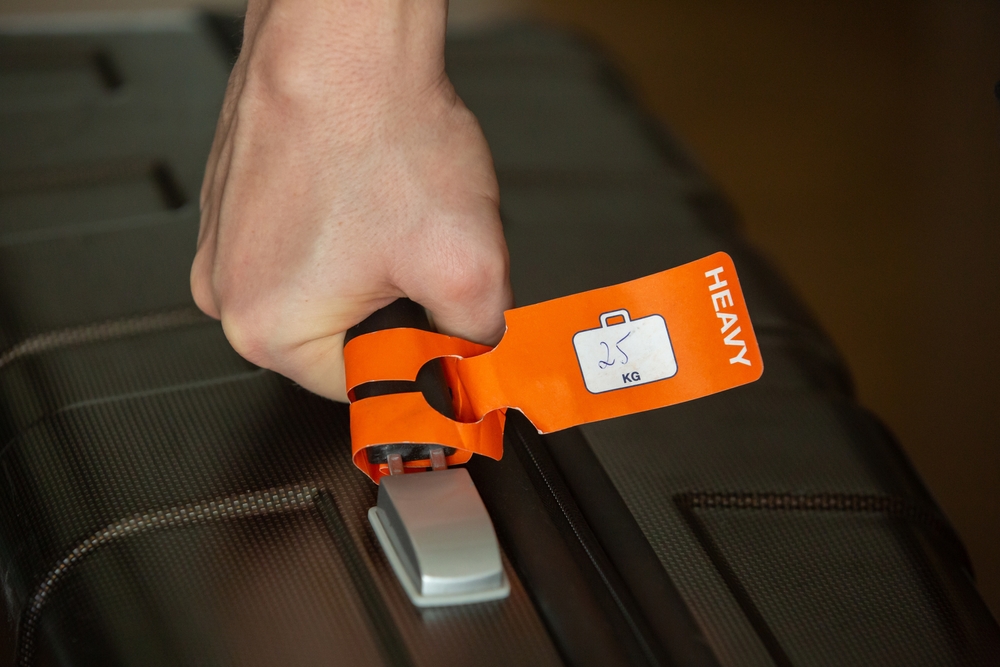
Checking a single bag on a domestic flight now costs $45 to $50 prepaid at most major airlines, after a wave of fee increases hit United, Delta, American, and Southwest within days of each other in early 2026. Southwest, which offered two free checked bags for more than 50 years, ended that policy for most passengers back in 2025.
Travelers have gotten aggressive about avoiding the charge. Carry-on-only travel has become the default for anyone taking a short trip, and packing cubes and compression bags exist almost entirely to squeeze a week’s worth of clothes into a bag that fits under the seat. Airline branded credit cards, which often waive the first checked bag fee, have seen a jump in applications from people who fly only a handful of times a year but want to dodge the fee every time.
Airlines collected close to $5.5 billion in baggage fees in 2025 alone, and industry analysts don’t expect that number to shrink even if fuel costs ease, since fees are much easier to raise quietly than a base fare that shows up in comparison searches.
The daily newspaper
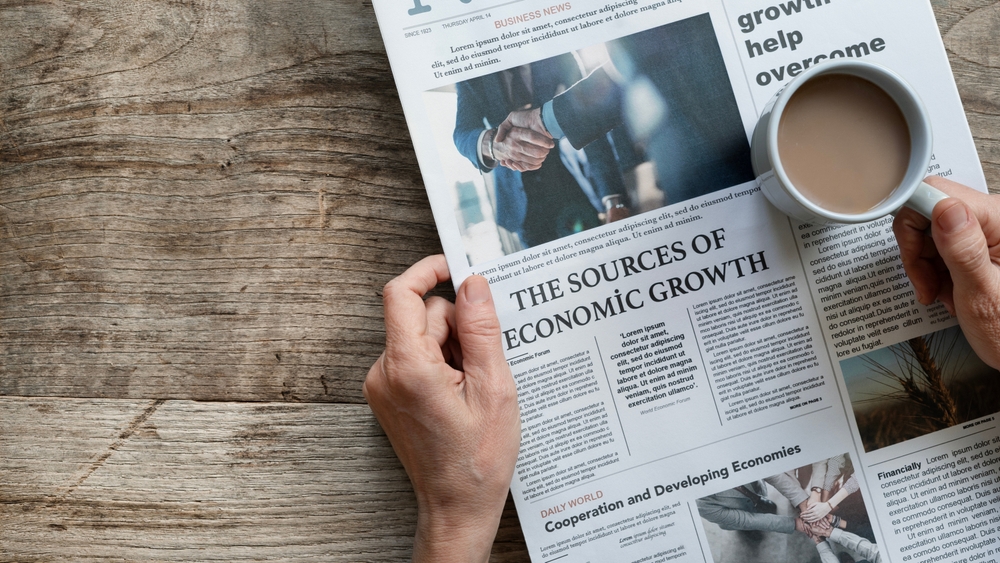
A print newspaper subscription now runs more than $1,000 a year at many major papers, with the Boston Globe charging $1,347 annually for print while its all digital package runs a fraction of that. Circulation at the country’s largest papers has responded accordingly, falling 12.5 percent in a single year across the top 25 US titles.
Longtime subscribers, many of them older readers who grew up with a paper on the doorstep every morning, are the ones canceling in the biggest numbers, priced out of a habit they’d kept for decades. Younger readers who might replace them were never really subscribers to begin with, since most of them get news through social media or a free app instead.
Publishers know exactly what’s happening and are betting on digital subscriptions to make up the difference, but a digital only plan rarely replaces the print revenue it’s meant to replace. The morning paper habit that once felt as automatic as making coffee is quietly becoming something only a shrinking, aging slice of the population still pays for.
ACA marketplace health insurance

Premiums on the ACA marketplace jumped hard in 2026 after enhanced subsidies expired at the end of 2025. Subsidized enrollees who kept the same plan saw payments rise 114 percent on average, from about $888 a year to $1,904, and some households in high cost states faced increases north of $20,000 annually.
People noticed immediately. Marketplace enrollment is expected to fall by roughly 5 million people this year as households decide the coverage simply isn’t affordable anymore, even though going without insurance leaves them exposed to a single bad diagnosis or accident wiping out their savings. Some are switching to bare bones bronze plans that cover almost nothing until a high deductible is met, just to keep some coverage on paper while paying less each month.
Others are gambling on staying uninsured entirely, particularly younger, healthier households who’ve decided the odds favor skipping coverage until something forces the issue. Insurers are also pulling back, with Cigna announcing plans to exit the marketplace next year, which will shrink the options left for whoever’s still buying.
The landline

Fewer than one in four American households still keep a working landline at home. Seventy eight percent of US adults were wireless only in 2026, up from 71 percent just a year earlier, meaning more than 200 million Americans now rely entirely on a cell phone.
It’s not really about price on its own, since a landline itself is fairly cheap, but it’s almost always bundled with a home internet or cable package that keeps getting more expensive every year. Dropping the landline is one of the easiest, most painless cuts a household can make when a bill needs trimming, since almost nobody actually uses it to make calls anymore.
Seniors remain the biggest holdouts, with 40.7 percent of Americans 65 and older still keeping one, often for the reliability during a power outage or because it’s simply the number everyone in the family has known for 30 years. Everyone under that age bracket has mostly already made the switch, and the phone hanging on the kitchen wall is turning into something that shows up mostly in nostalgic photos rather than actual homes.
Traditional funerals

A traditional funeral with a casket, viewing, and burial now averages $7,848, and that’s before a burial vault, which can push the total closer to $10,000. Costs have climbed roughly 28 percent over the past decade, well ahead of general inflation.
Families have responded by walking away from tradition entirely. Direct cremation, which skips embalming, a formal service, and a casket in favor of the simplest possible option, now costs as little as $1,000 to $3,000, and more than 63 percent of American families now choose cremation over burial. That’s a complete reversal from a generation ago, when burial was the assumed default and cremation was the exception.
Plenty of families still want a real gathering to grieve together, so they’re splitting the difference: choosing cremation to control the hard costs, then holding a separate memorial service afterward at a church, a park, or someone’s backyard instead of paying funeral home facility fees. It’s a workaround born entirely out of the price gap between what a funeral home charges and what a family can actually afford.
Professional movers

Hiring movers for a mid distance relocation isn’t cheap. A three bedroom move of 800 to 1,200 miles runs about $9,340 on average, and a cross country move can climb well past $18,000 depending on the size of the home.
Most people have simply stopped hiring anyone. Roughly 62 percent of Americans now handle their own moves, renting a truck and doing the loading, driving, and unloading themselves rather than paying a crew to do it. The savings are real, often several thousand dollars on a longer move, but so is the cost of a week off work, a sore back, and the very real risk of dropping something valuable down a flight of stairs.
A middle option has grown fast as a result: portable moving containers that get dropped off, loaded by the family, and driven by someone else. It splits the difference between full service movers and a fully DIY truck rental, and its growing popularity says a lot about how many people want professional help but simply can’t justify paying full price for it anymore.
Fast food
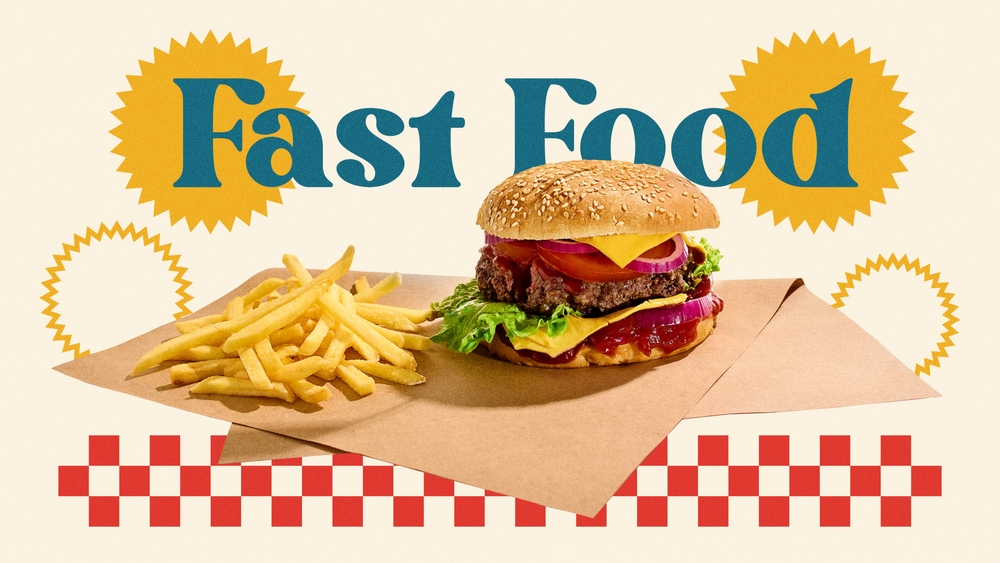
Fast food traffic fell 1.6 percent year over year in May 2026, the steepest drop since January, and the decline is concentrated among middle and lower income customers who used to treat a drive-thru run as the cheap, easy option. Menu prices climbed 3.6 percent over the same period, so the industry is technically posting higher sales even while fewer people walk through the door.
Drive-thru lanes that used to back up onto the street at dinnertime now sit noticeably empty at some locations, a shift industry executives are watching play out in real time. A combo meal creeping toward $12 has broken the basic promise fast food used to make: that it would always be cheaper and faster than cooking or a sit down restaurant.
Chains are scrambling with $4 and $5 value menus to win customers back, and some of it is working, but the core habit of grabbing fast food out of pure convenience has weakened. More people are packing a lunch, cooking a quick dinner at home, or picking up a grocery store meal deal instead, treating fast food as an occasional treat rather than the default option it used to be.
College textbooks
New textbooks still run $100 to $300 each, and the sticker shock has pushed students to a breaking point most schools don’t fully account for. Sixty three percent of college students have skipped buying a required textbook because it was too expensive, and 11 percent have skipped meals specifically to afford their course materials instead.
Students aren’t just going without. A quarter have taken on extra work hours to cover the cost of books, and the ones who can’t find extra hours are showing up to class without the material their professor assigned, hoping to get by on lecture notes and whatever they can find online for free. Rental programs and digital editions have pulled the average annual spend down over the past decade, but for students paying out of pocket for a required lab manual or access code, the individual sticker price hasn’t gotten any friendlier.
Professors adopting open educational resources, free digital textbooks with no publisher attached, have made a real dent at some schools. Where that hasn’t caught on, students are left choosing between an outdated used copy, a library reserve copy shared with 40 classmates, or simply going without.











