
Filling up a 15-gallon tank costs about $65 at the current national average of $4.33 a gallon, which is roughly $19 more than the same tank cost a year ago, when the average was $3.07. The average has stayed above $4 since late July, and drivers in only 14 states are paying less than that.
Congress has been debating ways to bring that number down since March, with proposals that would suspend the federal gas tax, tax oil company profits, or limit gasoline exports. None has passed, House Republican leaders decided in September against bringing a gas tax bill to the floor before the election, and the House is not due back until November.
The idea with bipartisan backing in Congress is a gas tax holiday, which would take 18.4 cents off a gallon, roughly 4 percent of what you are paying now.
The Democratic bill now runs through September 2027 and covers diesel
Senators Mark Kelly and Richard Blumenthal introduced the Gas Prices Relief Act in March, after the national average jumped 21 percent in a week to $3.47, and Representative Chris Pappas filed a matching House version. As written, it would have suspended the federal gasoline tax only through October 1. On September 29, Kelly and Pappas introduced a replacement called the Consumer Fuel Prices Relief Act, which would pause the gas, diesel and aviation fuel taxes until the end of September 2027 and require companies to pass the savings on to buyers. The original bill would have moved money from the general fund into the Highway Trust Fund to replace the lost revenue.
The original bill appears to have stalled after it was introduced, and the replacement came out less than three weeks ago, with the House out campaigning until November.
A holiday would not take the full 18.4 cents off the pump price. Estimates put the real drop at 10 to 16 cents a gallon, or roughly $2 to $3 on a 16-gallon fill-up, because part of the cut would likely be offset by higher prices before tax. Diesel carries a 24.4 cent federal tax, so the cut per gallon would be larger for truckers and farmers, but diesel is now averaging above $6 a gallon.
The Republican bills differ mostly on how long the tax stays off
Senator Josh Hawley’s Gas Tax Suspension Act would set the gasoline and diesel taxes to zero for at least 90 days, and the president could extend the pause for another 90 days if economic conditions called for it. The bill also tells the Treasury to move general fund money into the Highway Trust Fund to cover what the tax would have brought in. Representative Jeff Van Drew’s House bill goes much further, with an 18-month suspension that would phase the taxes back in gradually instead of bringing them all back at once.
Representative Andy Harris, who chairs the House Freedom Caucus, has a third version covering gas and diesel, and it is the one House Republicans pushed hardest to bring to a vote.
President Donald Trump has said he supports a pause, but he would need Congress to approve it, since only lawmakers can change the federal tax. Senate Majority Leader John Thune said the best way to bring gas prices down is to reopen the Strait of Hormuz, while adding that he would hear the president out.
One bill would pause the tax whenever gas stays above about $4
Representative Brendan Boyle introduced H.R. 8600 in April with a built-in trigger, which pauses the federal gas tax in any month when the national average exceeds $3.99 a gallon. Because the average has been above $4 since late July, the pause would be in effect today, and it would switch off on its own once prices fell back under the threshold.
The bill also pays for the pause differently than the others. Instead of drawing on the general fund, it would redirect about $30 billion in existing federal subsidies for oil and gas companies into the Highway Trust Fund, and it would pause two oil and gas tax credits, the enhanced oil recovery credit and the marginal well credit, during the months when the gas tax is suspended.
Like most of the other bills, it has not reached a vote, and the broader pattern this year is that similar measures have stalled.
Why House Republicans never voted on a gas tax bill before the election
On September 15, Harris and other holdouts briefly held up floor action on other bills to demand a vote on his proposal to suspend the federal gas and diesel taxes. The next day, Speaker Mike Johnson said leadership had decided against a vote because the conference could not agree, with roughly ten different ideas about what to do.
Representative Clay Higgins, a co-sponsor of the bill, said House Transportation and Infrastructure Committee Chairman Sam Graves opposed bringing it to the floor, and Graves declined to comment. The rule for debating the other bills passed 214 to 211 after two Democrats voted for it, which took away the Freedom Caucus members’ bargaining power.
Whether the bill could come up in November when the House returns remains to be seen. Harris was the latest lawmaker to propose a suspension, after four similar bills earlier in the year, and all of them appear to have stalled.
Two Democratic bills aim at oil company profits and gasoline exports instead

Senator Sheldon Whitehouse and Representative Ro Khanna’s Big Oil Windfall Profits Tax Act would charge large oil companies a per-barrel tax equal to half the difference between the current oil price and last year’s average, paid quarterly, and return the money to taxpayers as rebates. Only companies that produce or import at least 300,000 barrels a day would owe the tax, and the rebates would phase out for single filers earning more than $75,000 and joint filers earning more than $150,000. The sponsors estimate that with oil near $100 a barrel the tax would raise about $33 billion a year, which works out to $216 a year for single filers and $324 for joint filers, or about $18 a month for a single filer. Nothing in the bill lowers the price at the pump.
Khanna’s separate bill would stop U.S. refiners from shipping gasoline to other countries whenever the national average is $3.12 a gallon or higher, on the theory that keeping more fuel at home would lower prices. The United States was the world’s largest exporter of motor gasoline in 2024, which is the supply the bill would keep here. The bill is described as unlikely to pass, and Khanna has said Republicans are unlikely to back it.
Why every version runs into the Highway Trust Fund
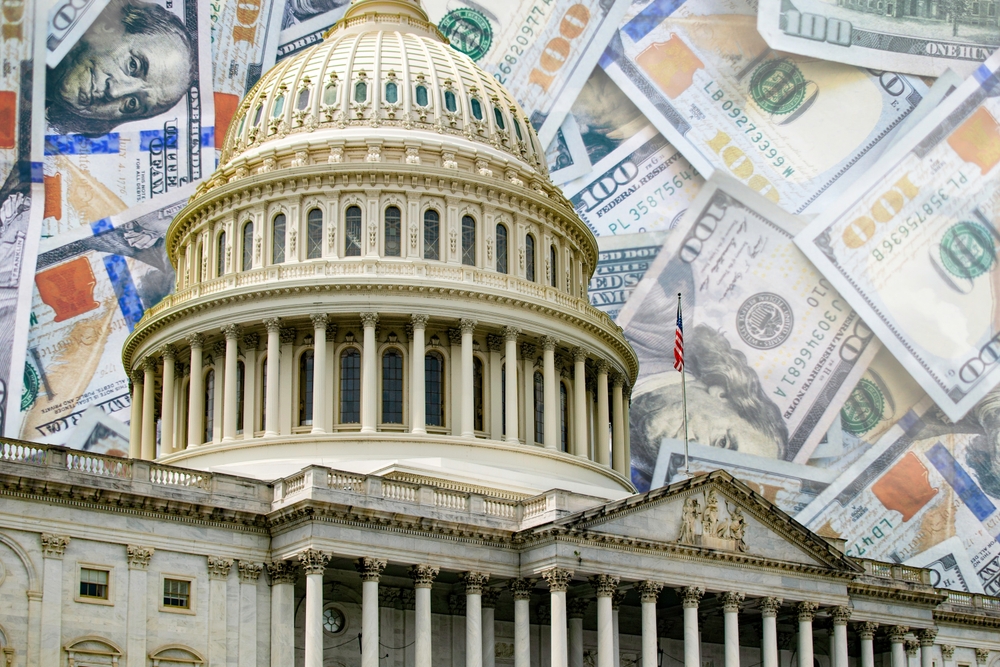
The federal gas tax supplies about 85 percent of the Highway Trust Fund’s highway account revenue, so every suspension has to answer the question of who pays for the roads. A one-month holiday would cost an estimated $3.5 billion and a six-month holiday about $21 billion, and a five-month suspension was estimated to cost the fund $17 billion. The fund is already projected to run out of money by 2028 at current spending levels, and Thune has warned that a suspension would leave a big hole in it. That is why the Kelly, Hawley and Boyle bills each include a way to replace the revenue.
Congress is also in the middle of rewriting the highway program. The five-year law that funded it expired on September 30, and Congress passed a short-term extension on September 2 that runs through December 11 but did not renew $36.8 billion in annual advance funding the old law had guaranteed. A five-year replacement has passed a House committee but has not been enacted.
What drivers can count on before Election Day
The House left in September to campaign and is due back in November, so no federal tax change can reach the pump before the election. The relief available now comes from states. Ohio Governor Mike DeWine signed a bill suspending the state gas tax for 90 days, Georgia Governor Brian Kemp suspended the state fuel tax again for 30 days in late September, and Indiana Governor Mike Braun renewed his state’s suspension around the same time. Utah has cut its gas tax by about 15 percent through the end of the year, and Kentucky and Illinois have frozen or paused scheduled increases.
Where you live changes the price by more than any bill on the table would. The cheapest gas in the country averages $3.70 a gallon in North Carolina and the most expensive averages $6.23 in California, which makes a 15-gallon fill-up about $38 more in California.
No bill can pass before the House returns in November. In the meantime, the price at the pump keeps following crude oil, which was nearing $100 a barrel this week.











