A ceramic Christmas tree with its little plastic lights still intact can sell for more than $150. A vintage artificial tree in its original box has brought nearly $200, while some 1970s Christmas village buildings are still being bought to complete collections started decades ago.
Decorations from this decade weren’t all glass baubles. Families unpacked molded-plastic Santas, handmade ceramic nativity scenes, silver keepsakes, and ornaments built from wood and plastic beads. Many were used every December, which makes surviving matching parts and original packaging particularly welcome.
The shape and maker’s marks help identify the right piece, especially where a design remained in production long after the 1970s.
Mountain King artificial Christmas trees
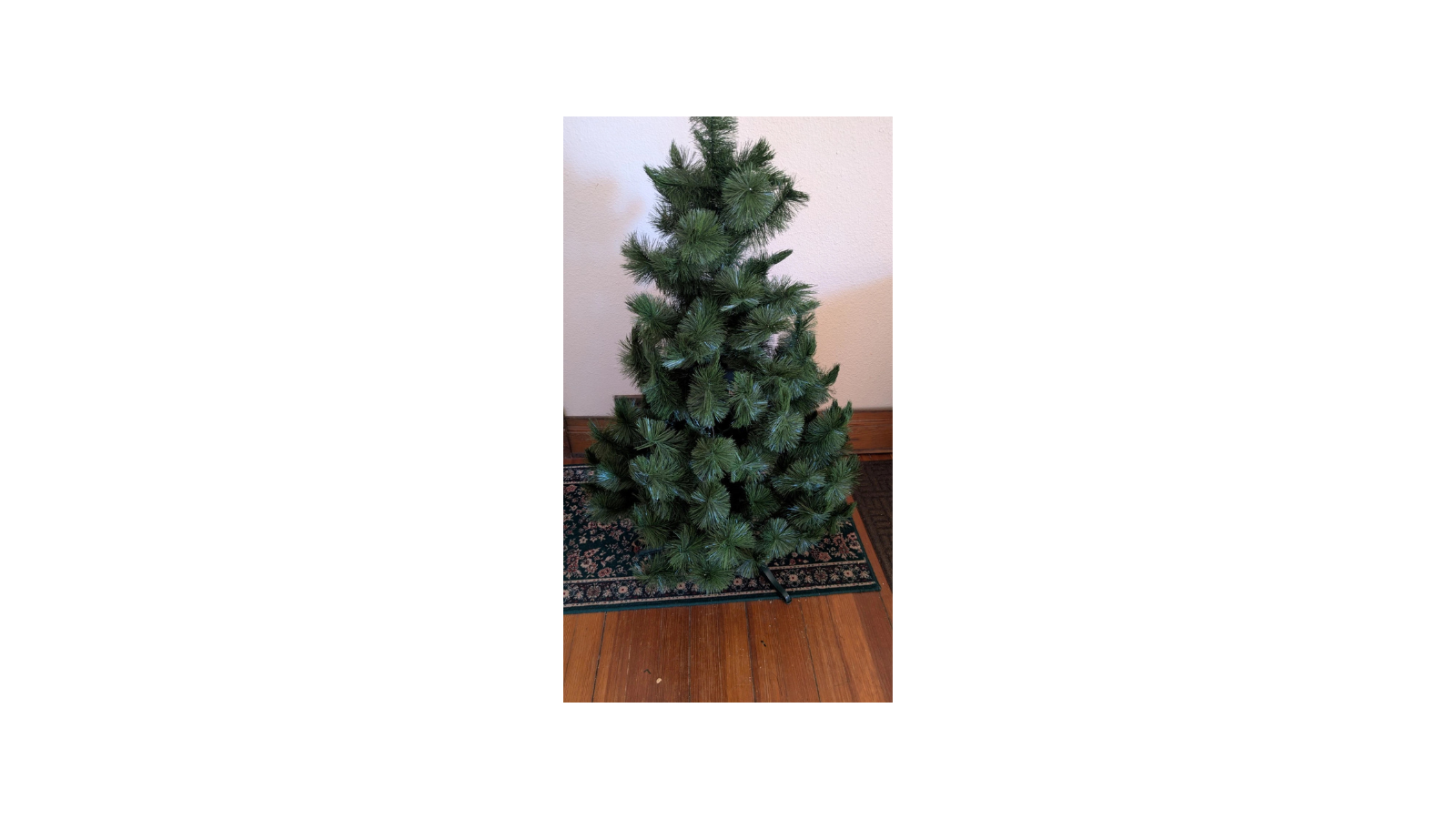
A four-and-a-half-foot Mountain King artificial tree from the 1970s, kept with its original packaging, brought $195. Its traditional green foliage and metal tripod stand look familiar, but the branch-by-branch assembly is quite different from the hinged construction of most modern artificial trees. These trees were sold as a practical alternative to bringing a fresh evergreen indoors every December.
Each branch fits into the central stem, and the box helps establish how many branches originally came with the tree. A missing stand, branches flattened by storage, or loose fittings can leave a full-sized tree looking surprisingly sparse. A surviving period carton is also useful for distinguishing a tree genuinely sold in the decade from a later version that borrowed the same traditional style.
Holland Mold illuminated ceramic Christmas trees
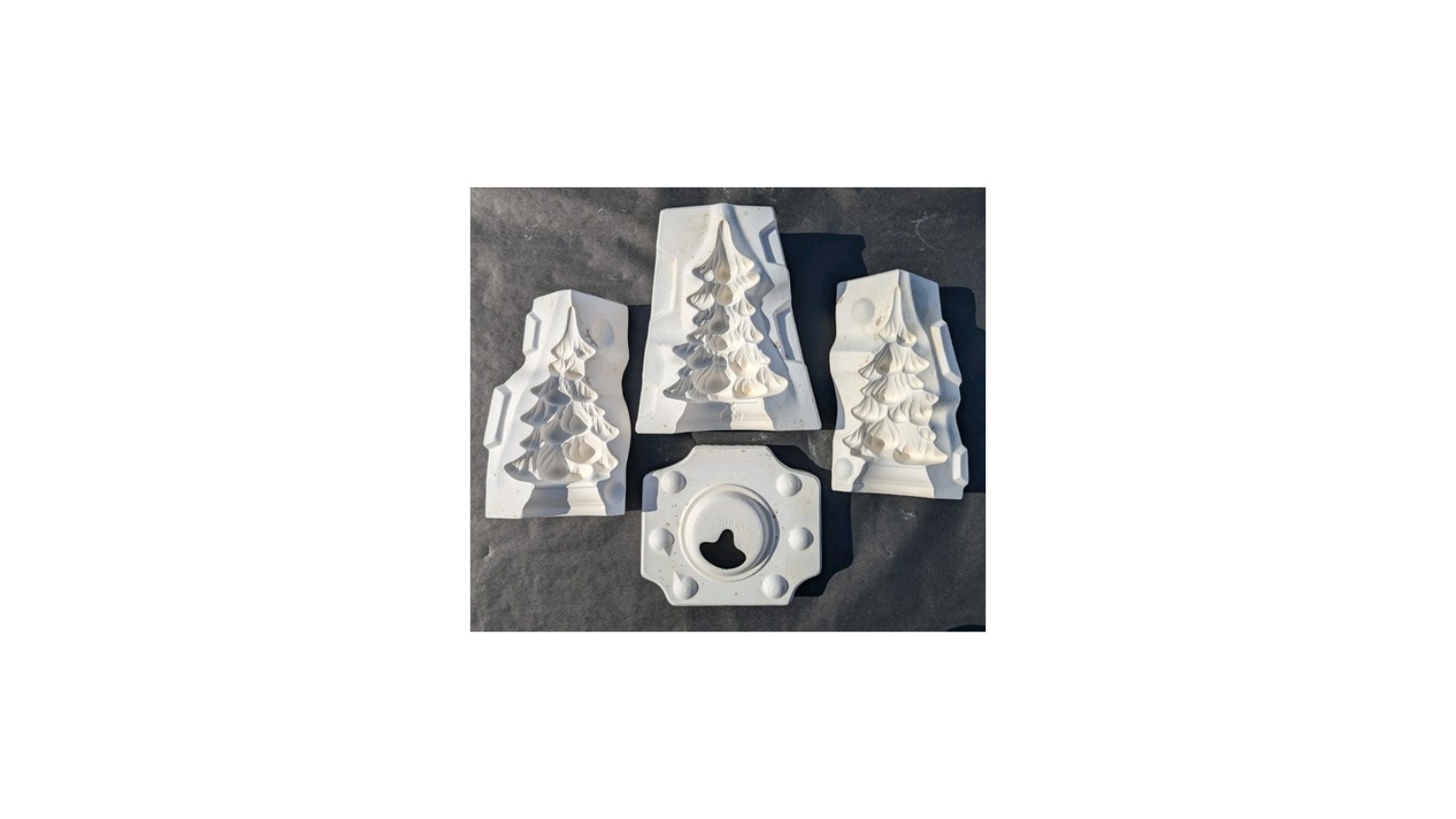
A 1970s Holland Mold ceramic tree identified as model H1610, with its original matching base, sold for $249.95. The tiered green branches, glossy glaze, and little colored light pegs are a distinctive part of the decade’s Christmas look. Many were painted and glazed by people attending ceramics classes or finishing molds at home.
That home finishing is why two trees from the same mold might have quite different colors and painted detail. Examine the tips of the branches for chips and make sure the base fits the top. Missing pegs can sometimes be replaced, but finding exactly the right shape and size is awkward. Look underneath for mold information, while remembering that a molded design date doesn’t necessarily tell you when the decoration was actually made.
Department 56 Original Snow Village Steepled Church
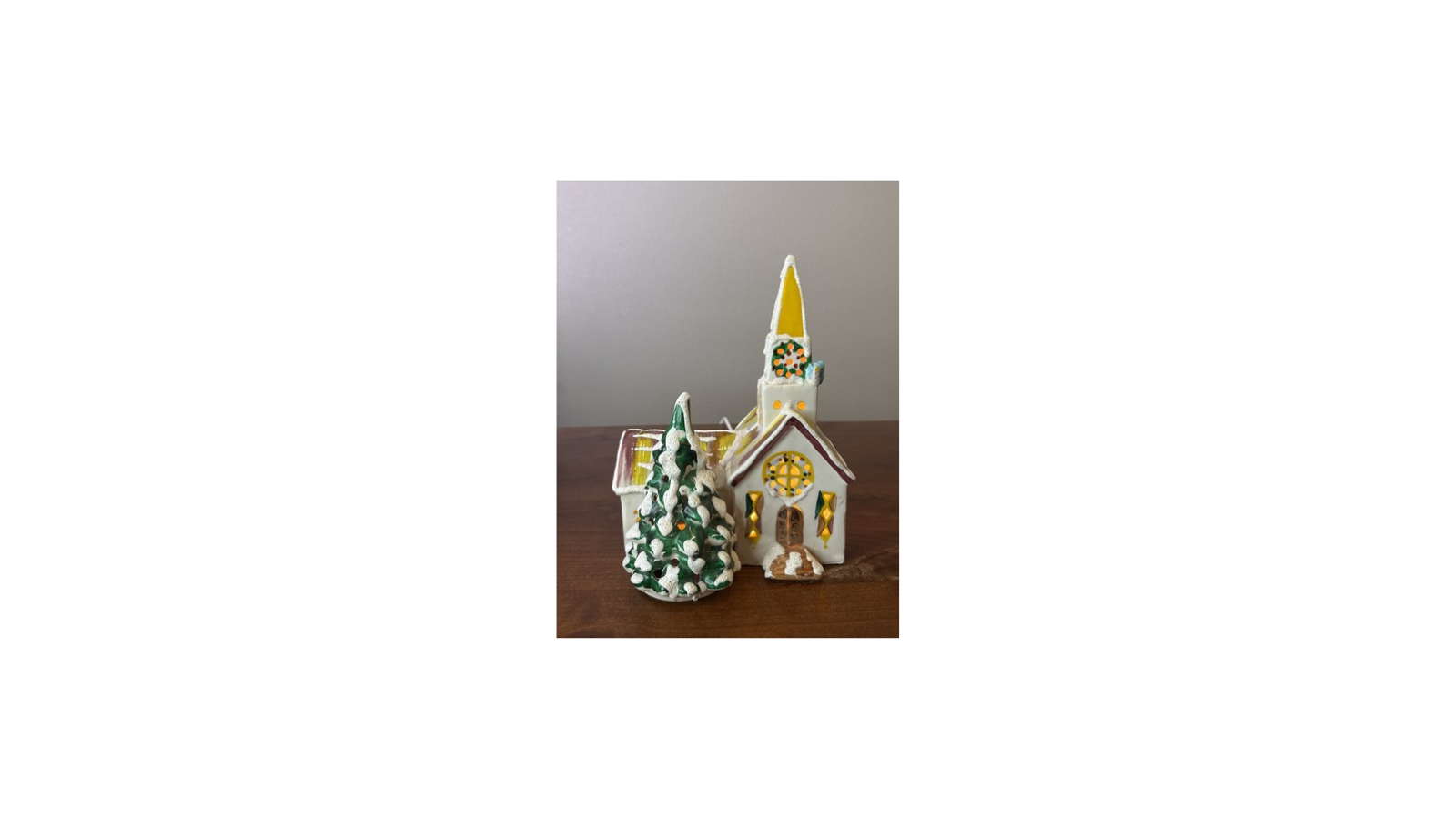
Department 56 introduced its lighted Original Snow Village buildings in 1976. An early Steepled Church, measuring about 10 inches tall, brought $149. Its high spire and snow-covered roof make it a natural centerpiece for a small ceramic village arranged on a mantel or sideboard.
The first buildings were much less elaborate than many modern Christmas village structures, with simple painted walls, tiny windows, and a space for a light cord inside. Look carefully at the steeple and roofline, where chips and repairs can be easy to miss. Original cords are useful, but old electrical fittings need to be assessed before use. The building’s shape, base, and manufacturer details help collectors identify this early church instead of a later lookalike.
Empire Santa and reindeer sleigh blow molds
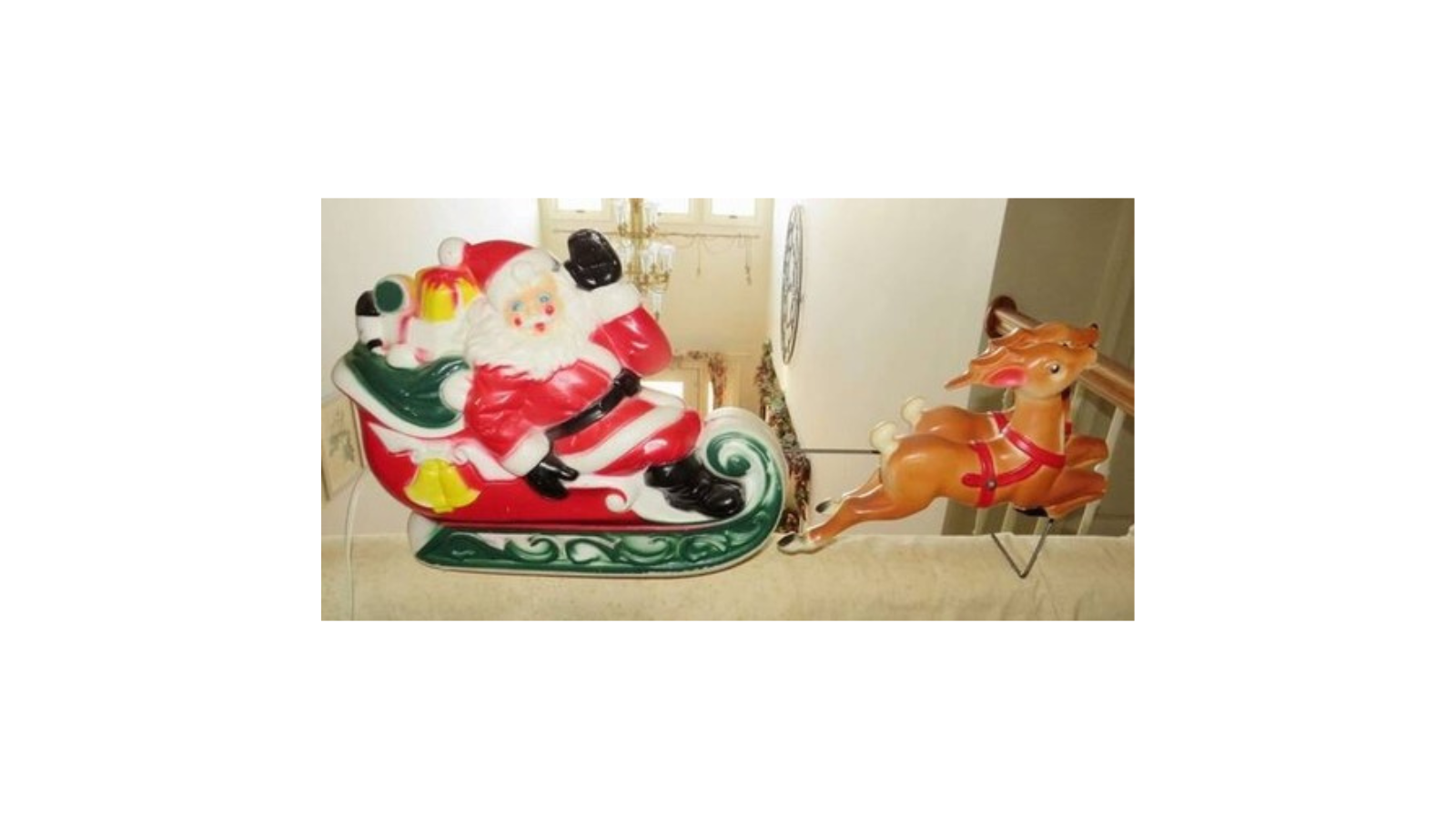
A 1970 Empire tabletop Santa sleigh with two reindeer sold for $200. The long hollow-plastic scene was designed to glow from within, with Santa dressed in red behind a pair of molded reindeer. It has the bright paintwork and chunky proportions that made plastic Christmas decorations so recognizable in the 1970s.
Small connecting pieces are easily damaged or lost, particularly the reindeer details and the fittings that hold the scene together. Check the original light cord, the joints and the painted face before assuming a piece is complete. Empire reused designs over the years, so a copyright year molded into the plastic isn’t always proof of manufacture in that exact year. A period carton or documented ownership history can help settle the date.
Gorham’s first sterling silver snowflake
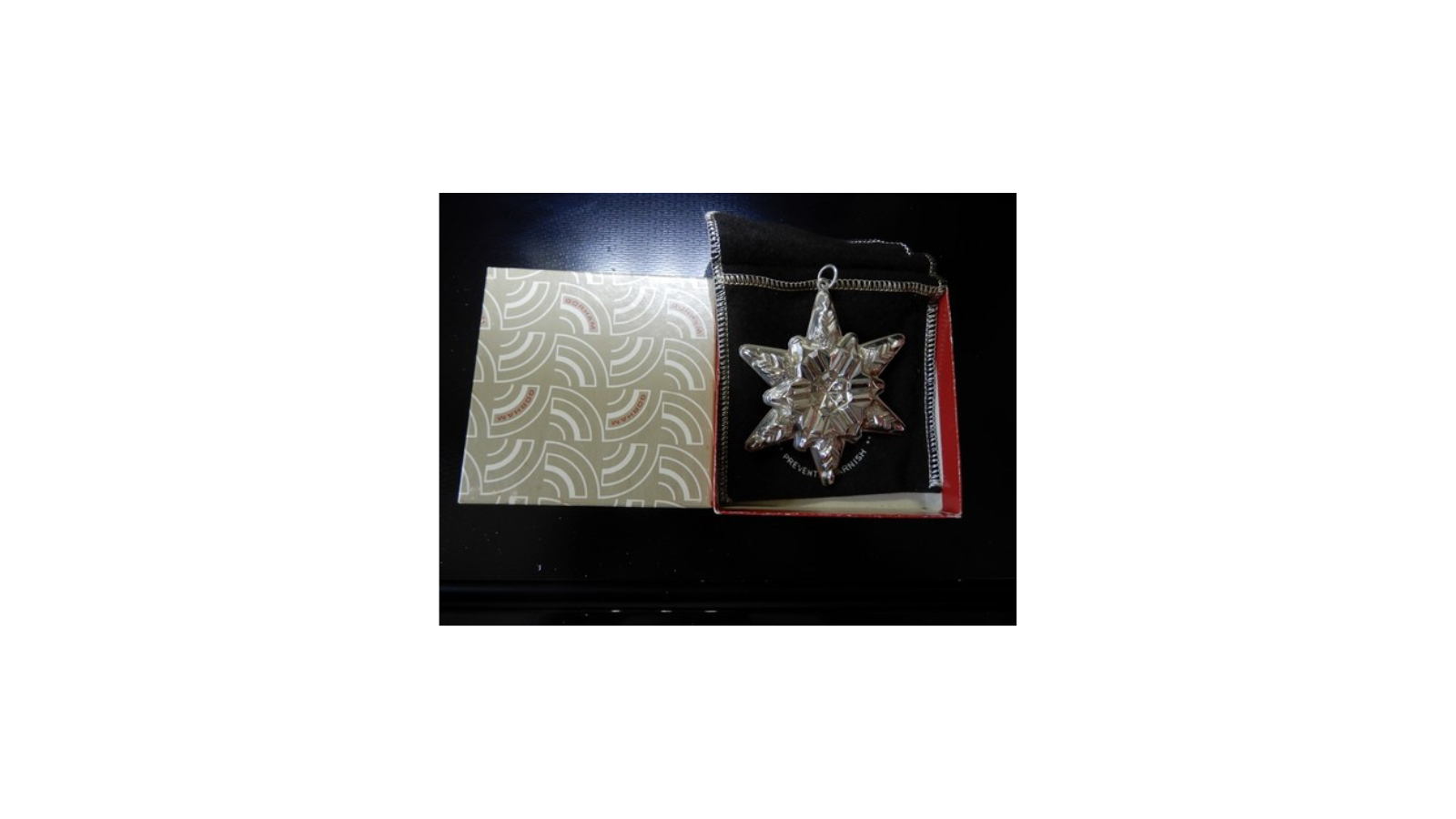
Gorham’s annual sterling-silver snowflake ornaments began in 1970, and a first-year example with the original box and pouch fetched $69.99. The shaped silver ornament has a hanging loop and a crisp raised snowflake pattern, making it quite different from the thin foil decorations that might have shared a family Christmas tree.
Gorham changed the pattern from year to year, giving buyers a reason to look for specific early pieces. Check the engraved or stamped date and sterling mark, plus the original protective pouch if it’s available. These ornaments were also sometimes worn as pendants, so a chain tucked into the box may have belonged to the owner. Scratches from storage and harsh polishing can soften the fine details, even when the silver remains shiny.
Holland Mold ceramic nativity sets
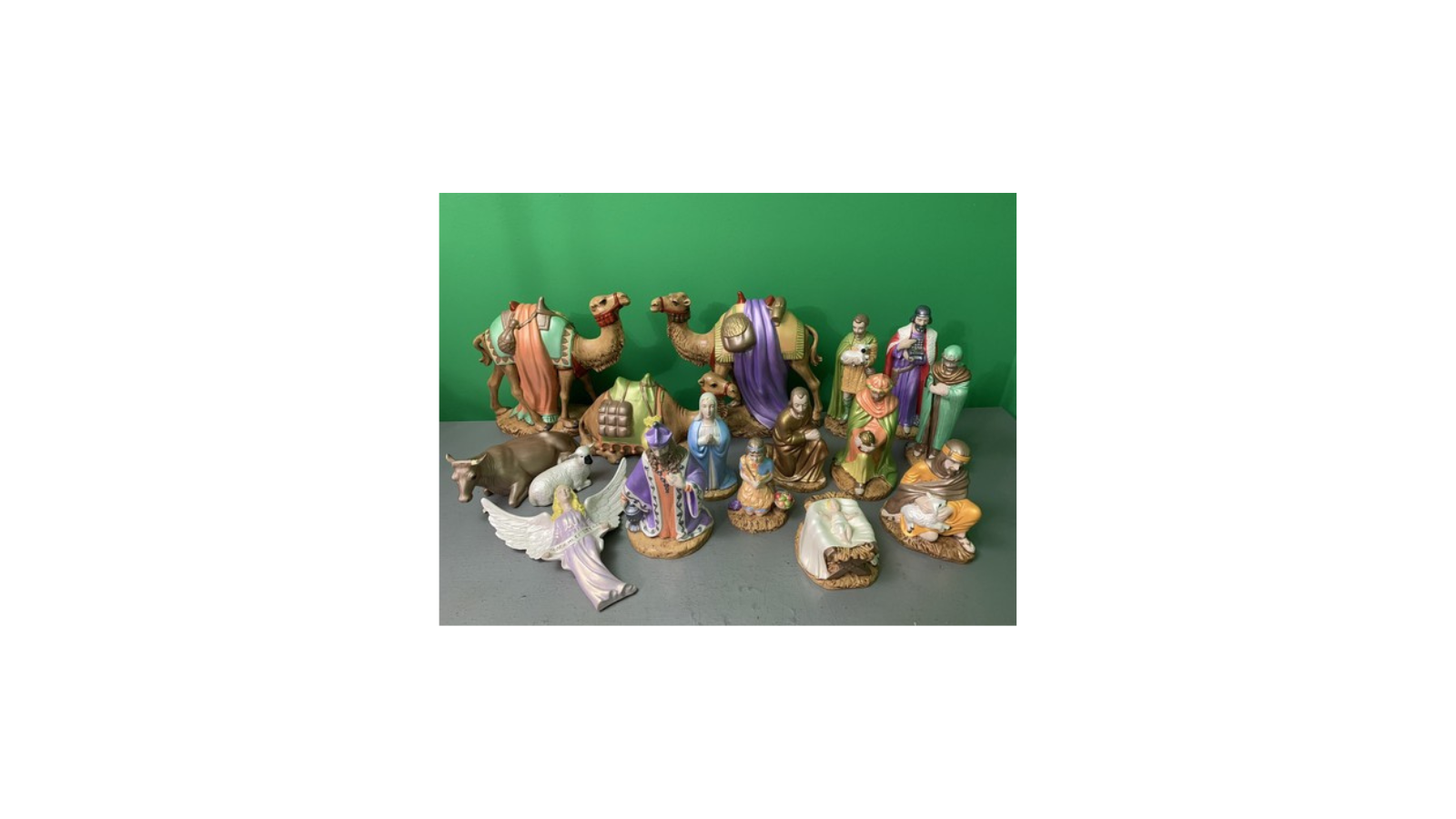
A 16-piece hand-painted Holland Mold nativity set from the 1970s brought $170. The figures included the Holy Family, wise men, shepherds, and animals, creating an entire miniature scene rather than a single tabletop ornament. Like ceramic Christmas trees, these figures were frequently painted by hobbyists, so the finishes vary from one set to another.
A matched group should have broadly consistent bases, glazing, and painted faces. A replacement figure may stand out because it was finished in different colors. Ceramic animals’ legs, the tips of a crown, and the edges of a kneeling figure are common places to find old repairs. A surviving stable and any storage materials should be kept with the figures; heavy ceramics are easily chipped when several are wrapped together in one box.
Atlantic Mold green ceramic Christmas trees
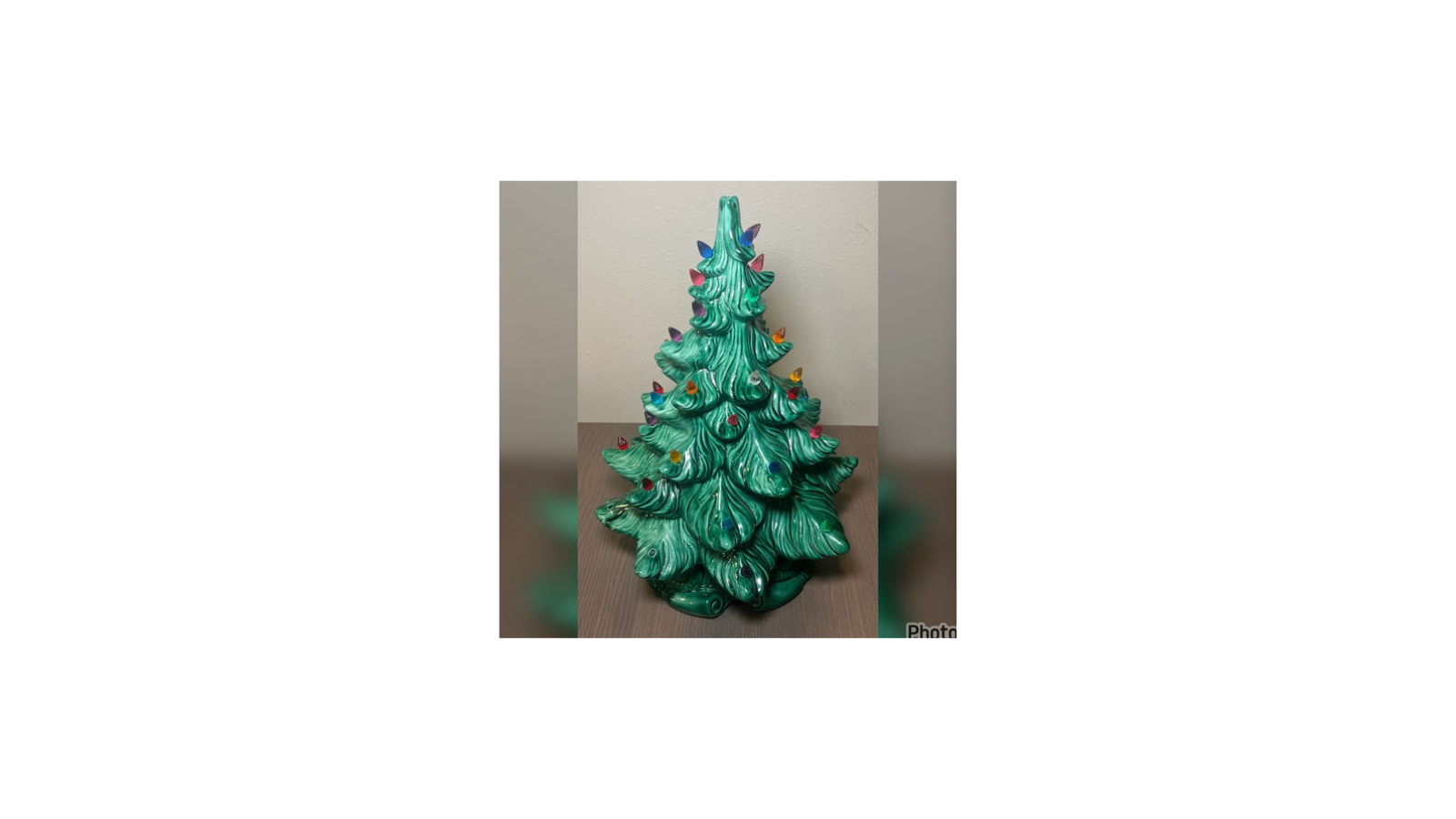
An Atlantic Mold green ceramic Christmas tree measuring about 16 inches, complete with its base, sold for $157. Its layered branches contain small holes for brightly colored plastic light pegs, with a bulb inside the hollow tree making the decorations glow. This was the sort of seasonal display that spent eleven months on a top shelf waiting for December.
Many Atlantic trees came out of local ceramics studios, where the final glazing and decorating were done by hand. The color and the plastic light fittings can therefore vary considerably. Make sure the trunk sits securely in its base and look for repaired branch tips or a cracked light opening. A maker’s mark identifies the underlying design, but it doesn’t by itself prove the date when someone finished the tree.
Empire Santa holding a blue present
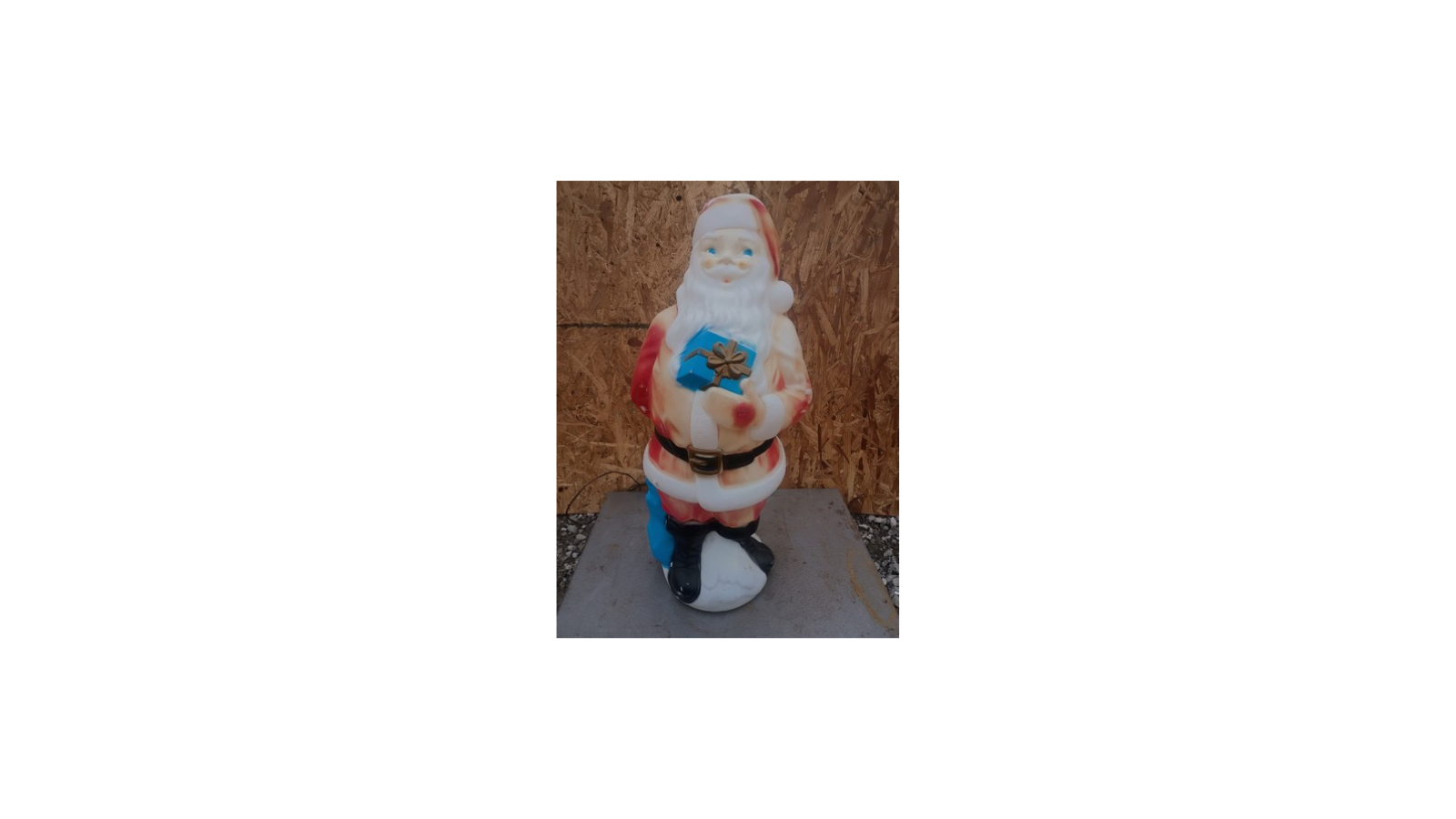
One of Empire’s tall, hollow-plastic Santa figures holds a blue present against his red-and-white suit. A roughly 33-inch example associated with a 1971 design sold for $60 despite faded paint. The distinctive blue gift helps identify this Santa among the many molded figures made for American porches and front gardens.
These lightweight figures could be brought outside every December, leaving the surface exposed to sun, moisture, and scratches. Check the plastic around the base and the opening for the light fixture, because cracks there can make a tall Santa unstable. If the original cord is missing, don’t fit a random electrical component just to make the decoration glow. Some molds stayed in use after the decade ended, so the label and construction can be more informative than the design date alone.
Empire’s tall NOEL blow-mold candles
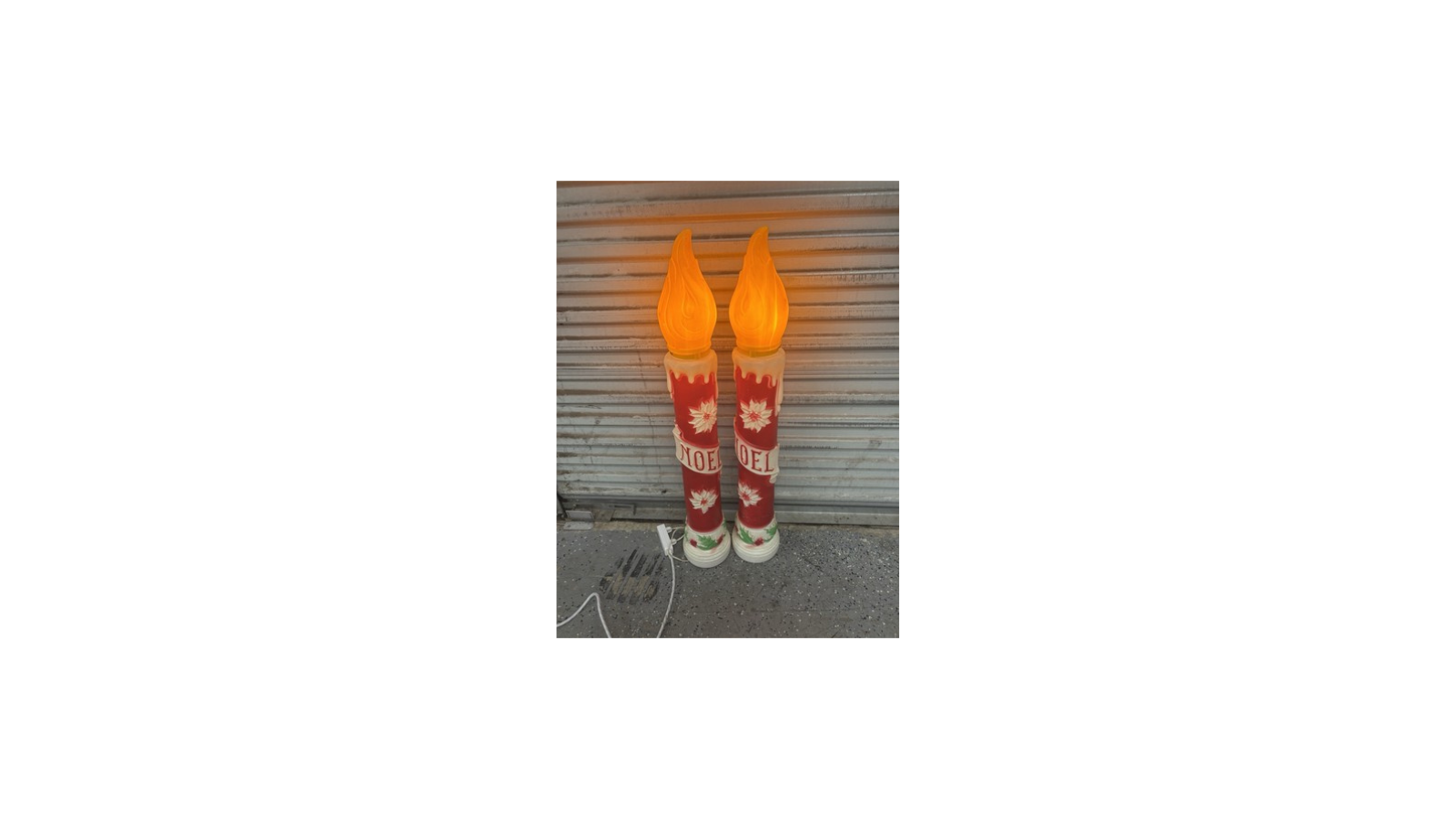
A pair of 38-inch Empire NOEL candles bearing a 1973 design sold for $75. The white bodies, large lettering, and red plastic flames were made to be seen from the road or across a yard, particularly when illuminated after dark. They are a different proposition from the short molded candles that sat on kitchen windowsills.
Matching pairs can be difficult to assemble when one candle has spent years outdoors and the other in dry storage. Compare their height, letter forms, and molded-base details. Inspect the red flame pieces and the narrow areas where they attach, then check for stress cracks at the base. Some surviving candles have replacement cords or different light assemblies, so consider the age and safety of the fittings before using them.
Wallace’s annual silver-plated sleigh bells
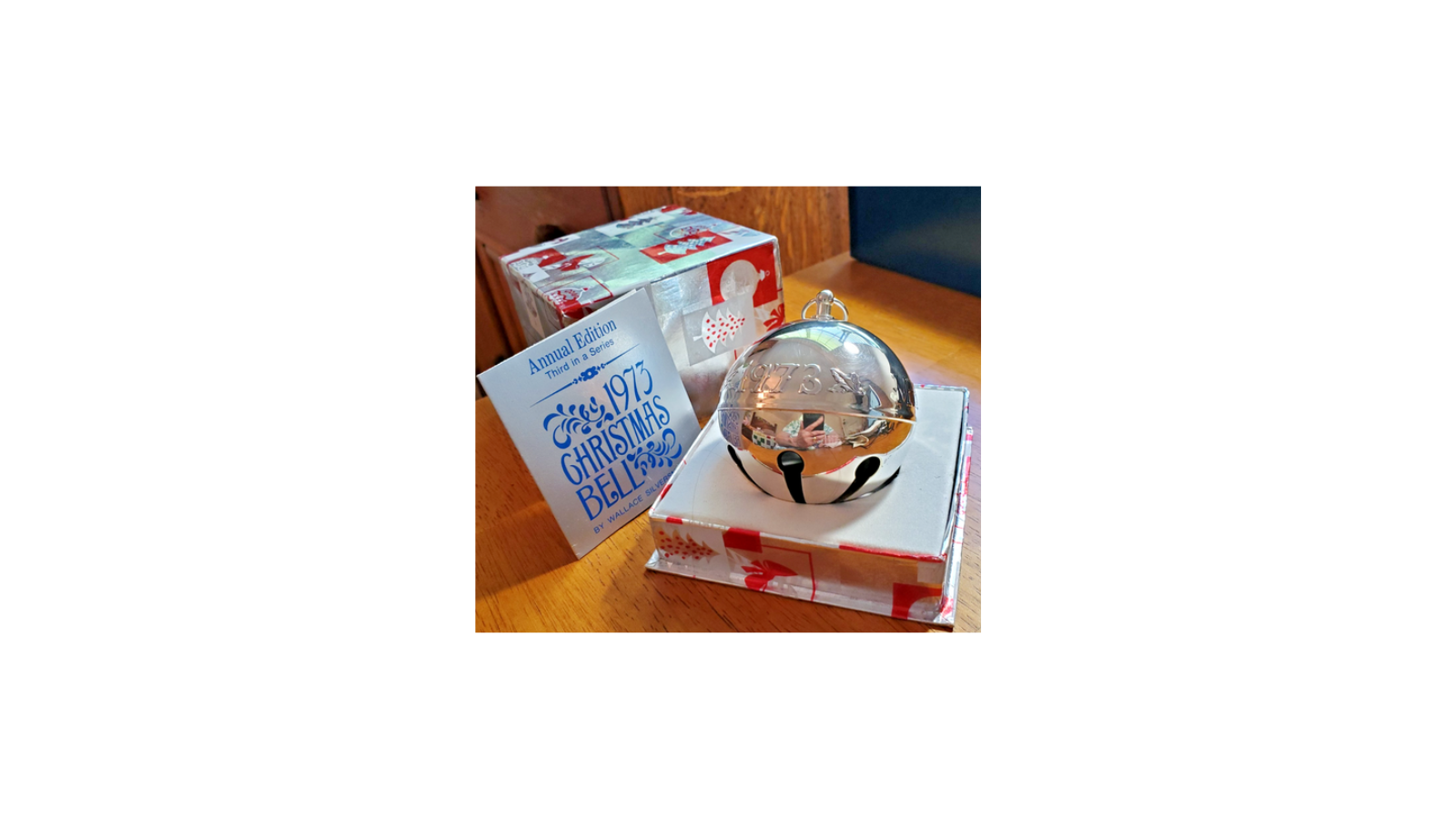
The third annual Wallace Christmas sleigh bell, issued in 1973, has a decorative silver-plated body and a loop for its hanging ribbon. One example retained its original card and box and brought $49.50. The bells made attractive Christmas gifts, and families often collected a different design for each successive year.
These aren’t sterling ornaments, although the shiny finish can easily suggest solid silver in a photograph. Look for the maker and annual markings on the actual bell. The curved surface shows dents and patches of worn plating quickly, while the ribbon is often replaced after years in storage. Keeping the small presentation box makes the bell easier to identify and protects it from being knocked against other metal decorations.
Reed & Barton sterling Christmas crosses
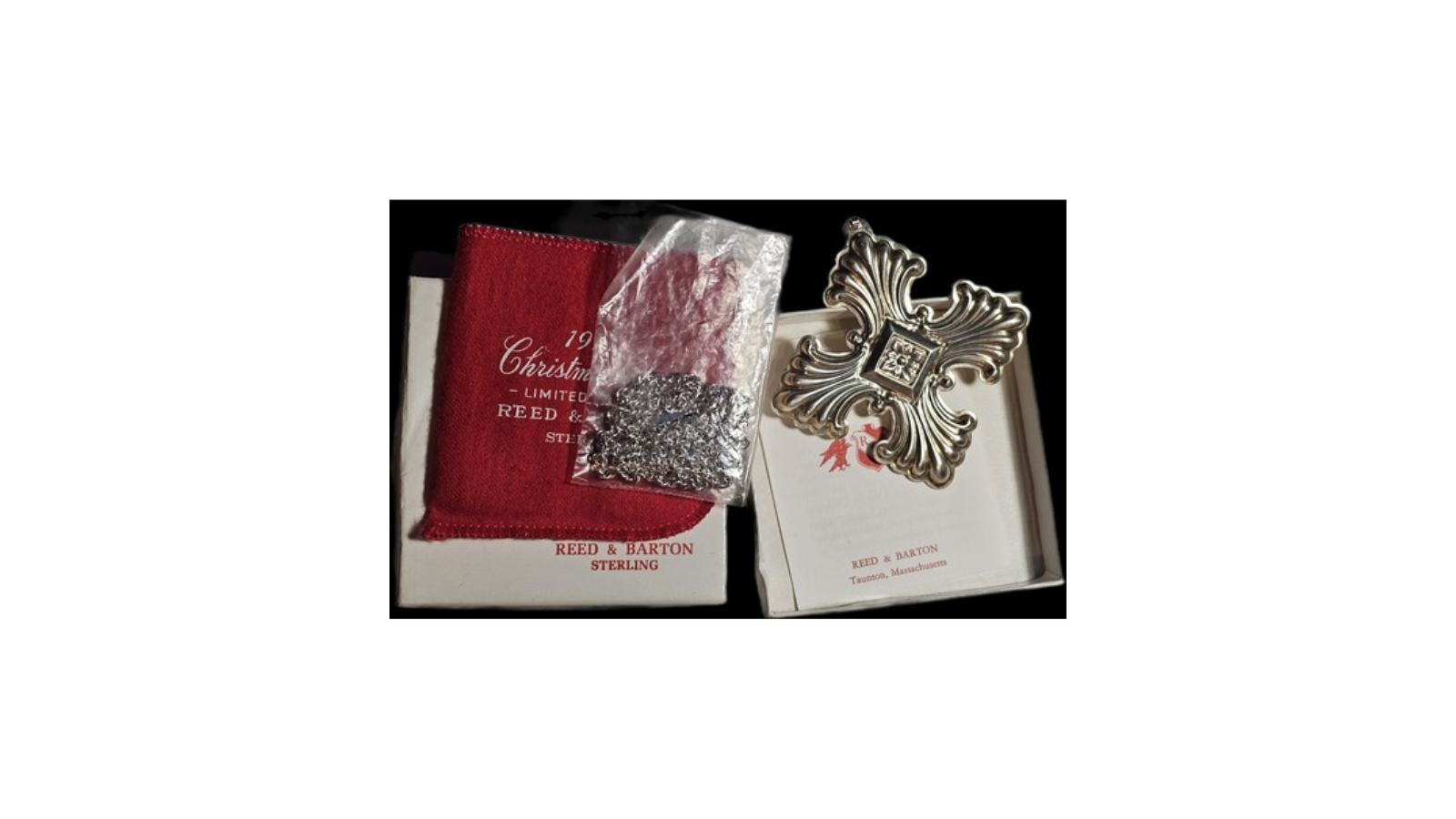
A 1973 Reed & Barton sterling Christmas Cross with its original chain, pouch, paperwork, and box fetched $57.50. The ornament’s elaborate arms and central detailing look at home on a Christmas tree, but its hanging loop also means it could be worn as a pendant. Some survive in jewelry boxes rather than among holiday decorations.
Reed & Barton changed the cross design over the annual series, so look for the actual year and sterling mark. Inspect the recessed work for polishing wear and check the delicate loop at the top. If the original chain or pouch is present, keep it with the cross. The presentation materials tell a useful part of the object’s history and can distinguish it from an unrelated silver cross of similar size.
Towle’s Two Turtle Doves silver medallion
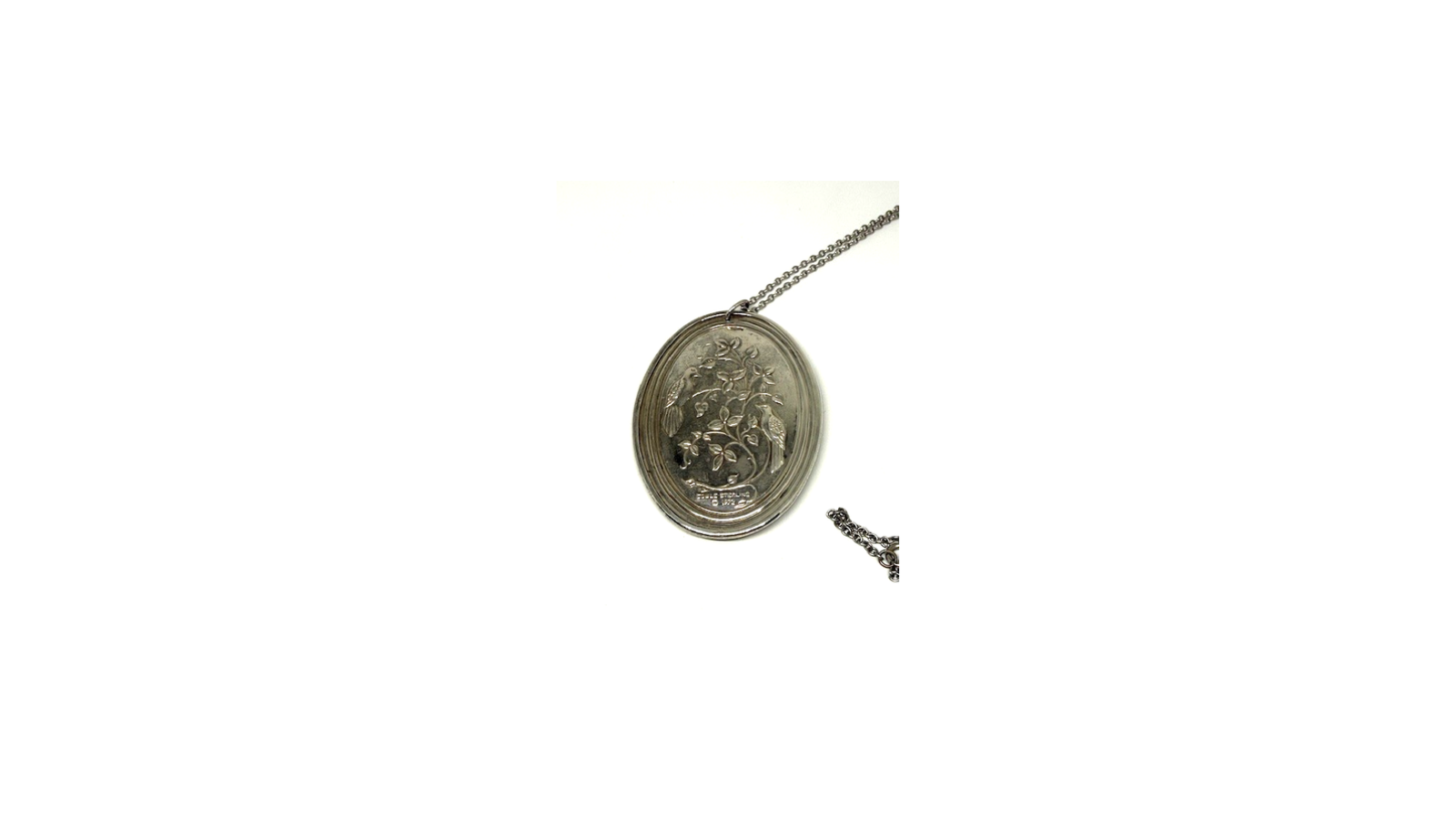
Towle issued a Twelve Days of Christmas sterling-silver medallion for each verse of the carol. The 1972 Two Turtle Doves ornament, the second design in the series, brought $42.49. Its oval form features raised birds and decorative edges rather than the rounded shape of a conventional Christmas bauble.
People who started collecting the yearly series in the 1970s sometimes ended up with a few missing pieces, which explains why individual medallions are still sought by year. The verse and date should match the design, and the sterling mark confirms the material. Some owners fitted them to chains while others kept the original hanging ribbon. A box and pouch help preserve the relief details and make the exact edition more straightforward to identify.
Department 56 Original Snow Village Small Chalet
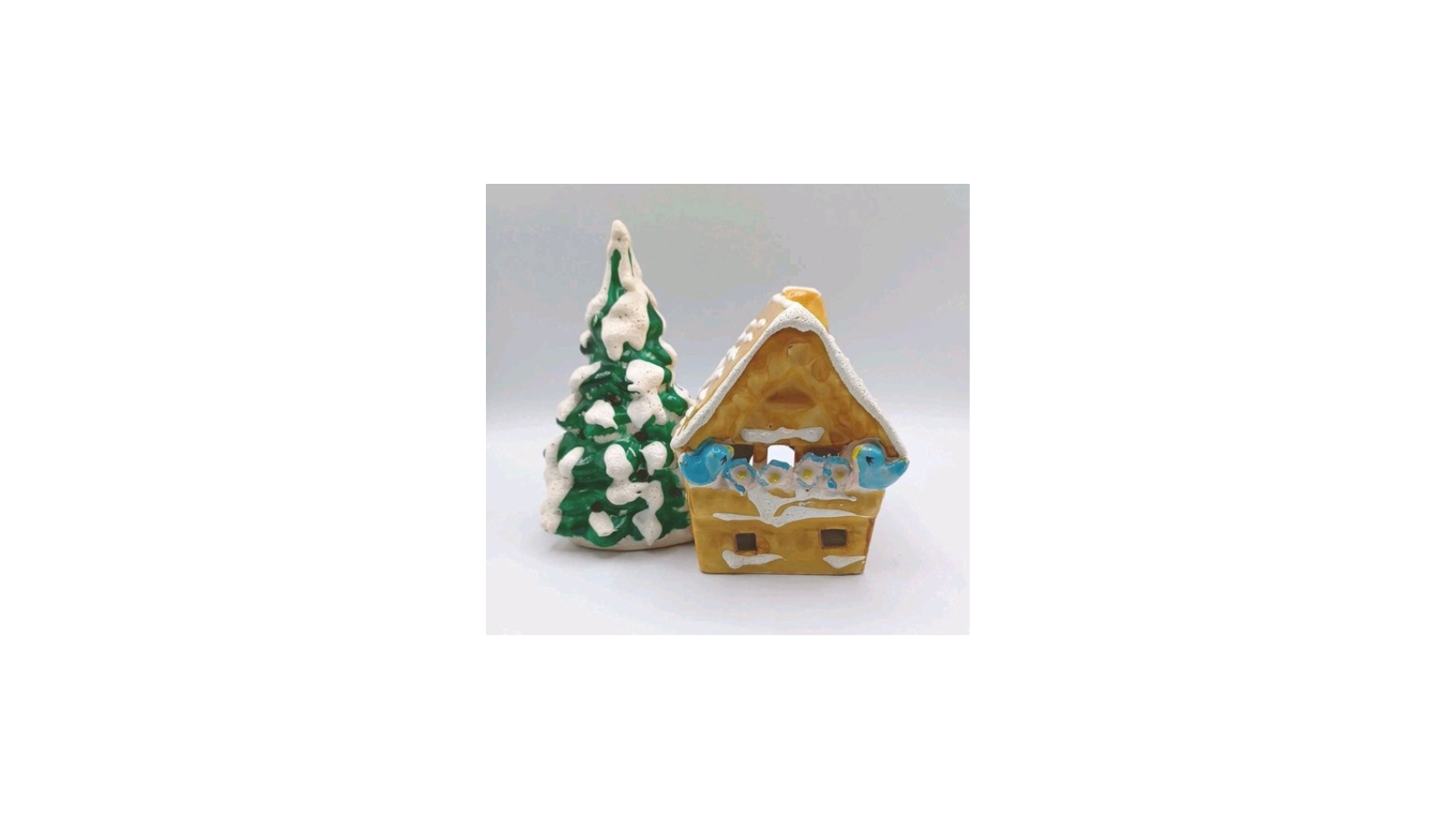
A 1976 Small Chalet from Department 56’s early Snow Village line sold for $135 with a working light cord. Its steep roof and decorative blue-bird details create a cozy mountain-cottage look. The building is one of the early lighted ceramic pieces that collectors use when recreating the original village.
Handle the small ornaments and roof edges carefully because a single chipped bird or repaired corner can alter the appearance. The buildings were made to be illuminated from inside, with painted windows that glow once the light is fitted. Inspect the base for manufacturing information and make sure the correct lighting assembly fits. An old cord that happens to light up still deserves a safety check before being used for another Christmas season.
Atlantic Mold’s oversized winking Santa
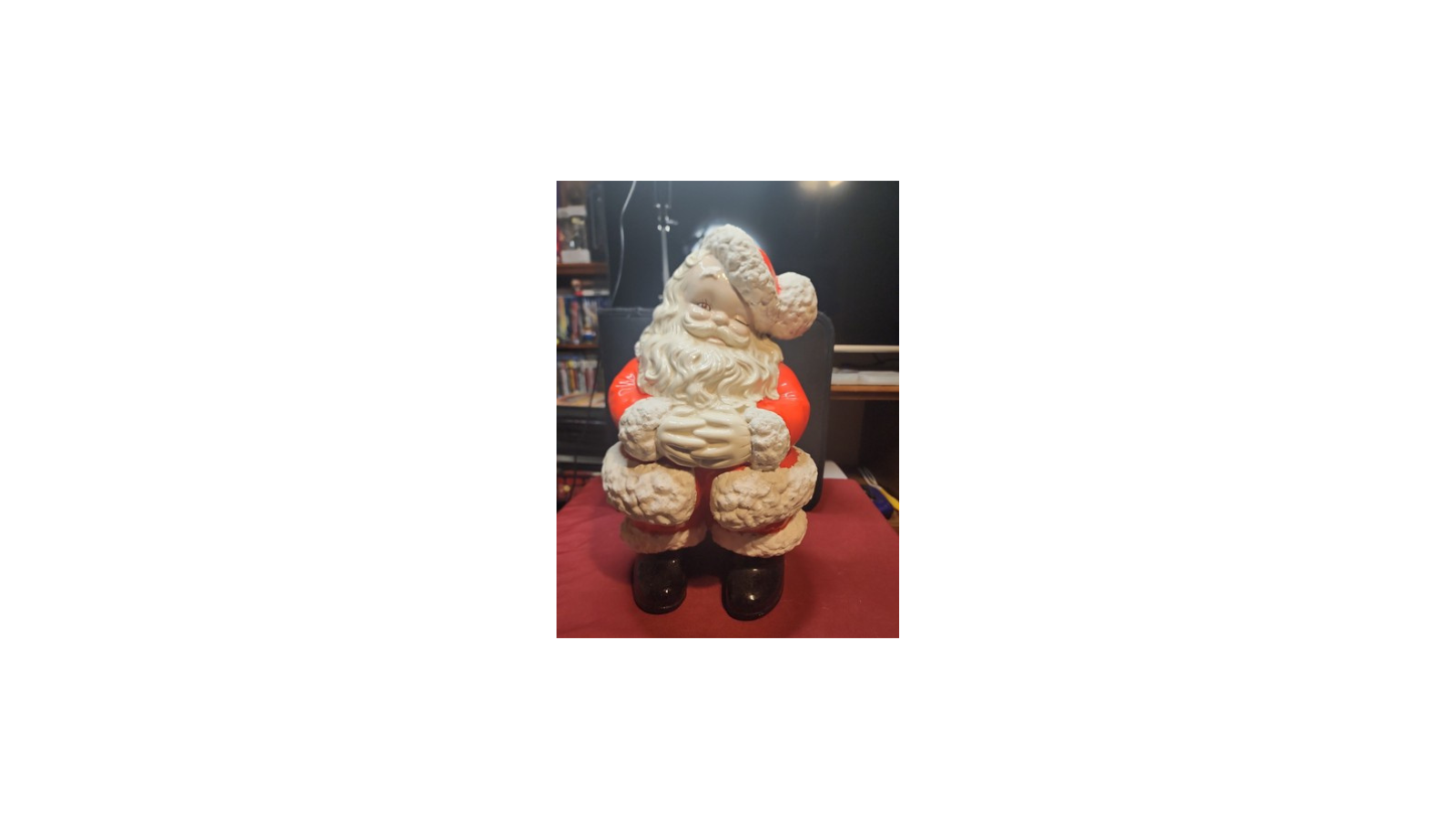
A red-suited, winking ceramic Santa from the 1970s, about 20 inches tall, brought $60. The Atlantic Mold design has a large white beard and a deliberately mischievous expression, making it an unmistakable centerpiece on a mantel, hearth, or sideboard.
Many of these large figures were made in ceramics workshops using a commercial mold, then glazed or hand-painted depending on who painted them. Bright and muted reds both appear, and the same sculpt can look surprisingly different depending on how the face was finished. Inspect the tip of the hat, nose, beard, and base for chips. The figure is substantial enough that its weight and a stable, flat display surface are practical considerations.
Reed & Barton’s 1977 Christmas Star
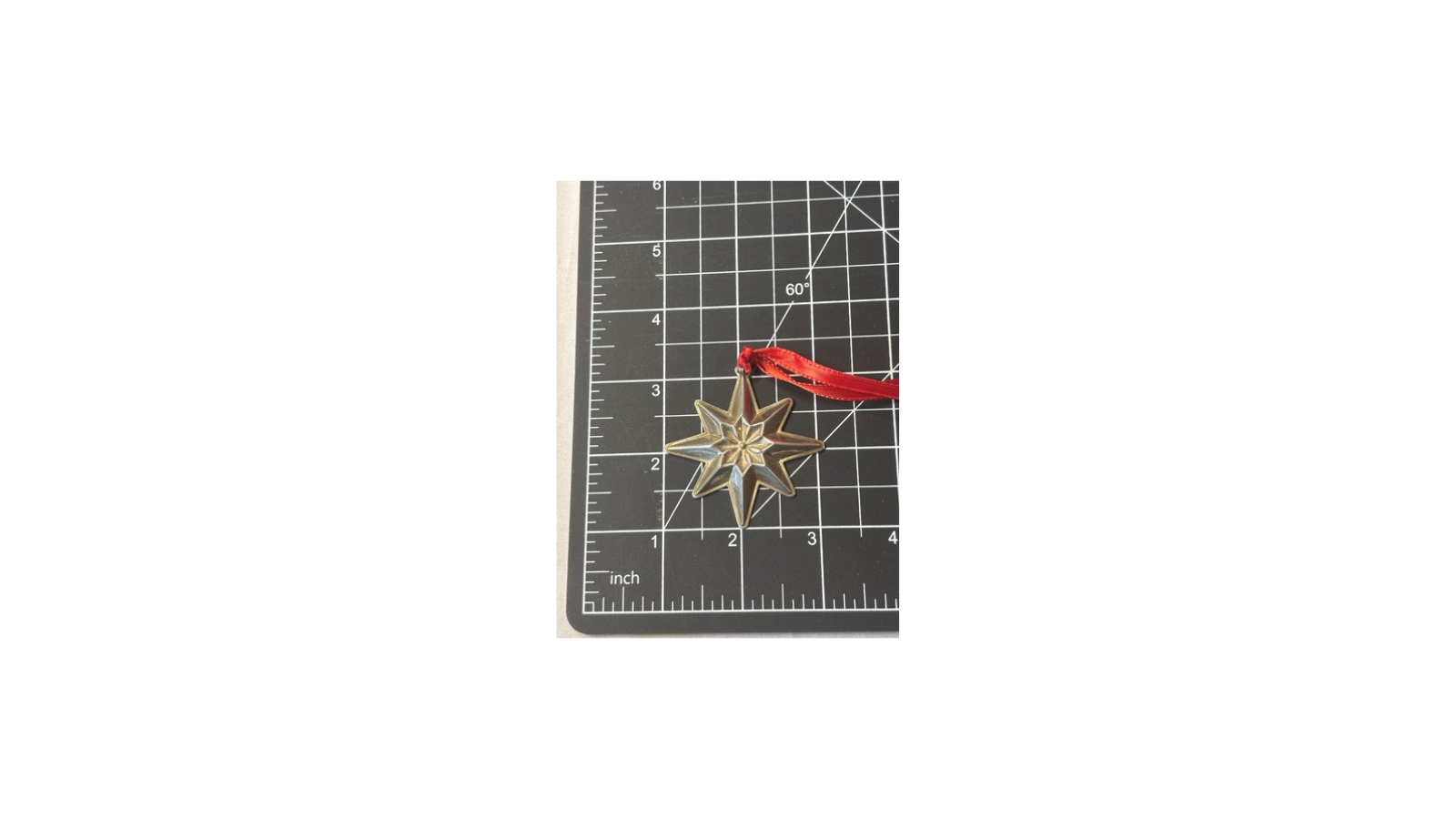
Reed & Barton also produced dated sterling-silver Christmas stars. A 1977 example with its distinctive eight-pointed design sold for $46.17. The ornament has a hanging ribbon and a bright raised pattern that reflects tree lights from several angles.
Unlike a flat cutout star, this one has sculpted details that can be worn down by careless polishing. Check the points for bends and look for the engraved maker and year on the metal itself. Original presentation pieces and ribbons sometimes disappear when the star is moved into a jewelry box for safekeeping. A similar silver-colored star may be plated, so the sterling mark is a useful identification clue.
Department 56 Original Snow Village The Inn
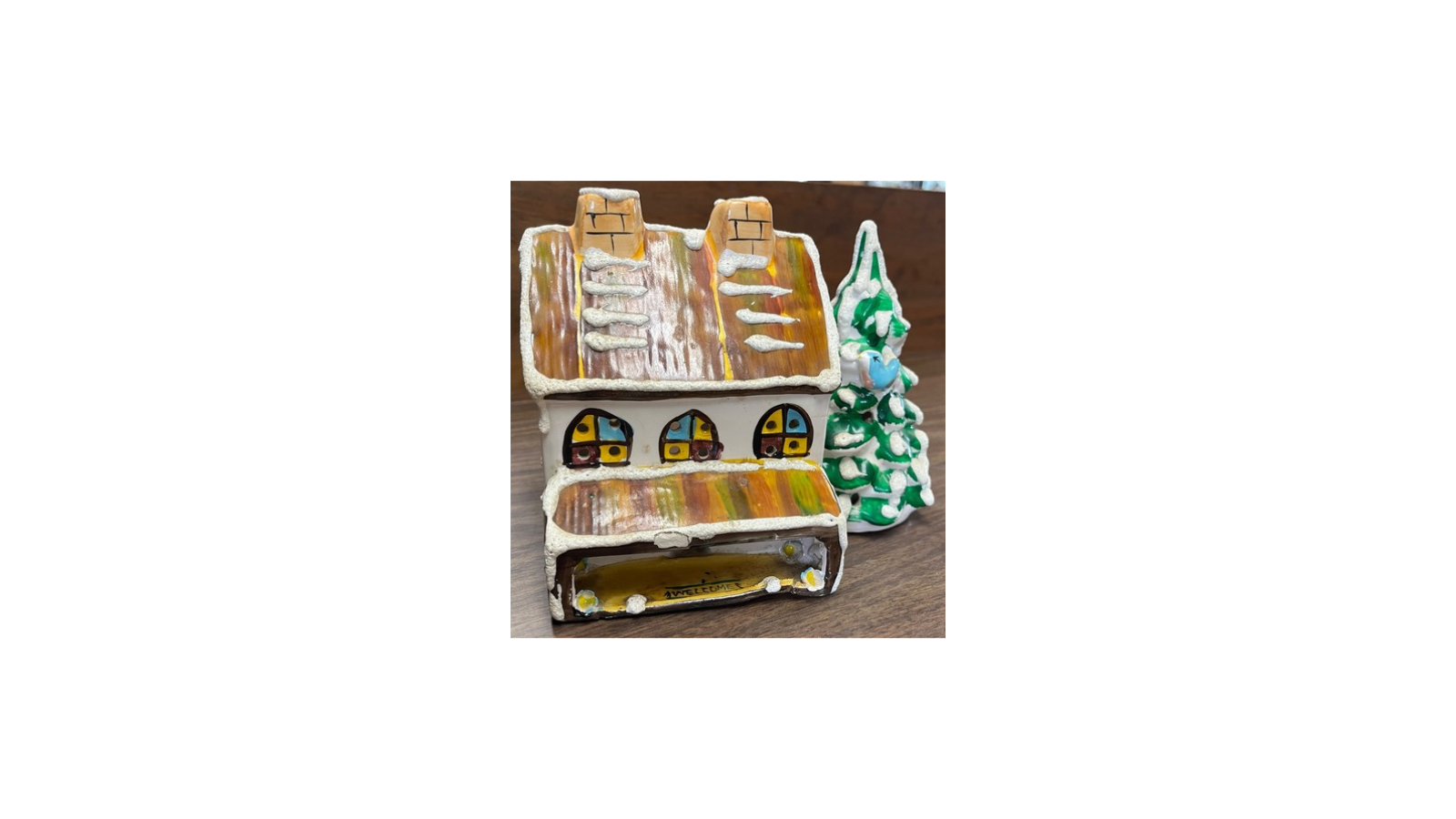
One of the early Department 56 buildings depicts a welcoming little inn with a snowy roof and painted sign. A 1976 example of The Inn brought $60. The ‘WELCOME’ wording and the small building’s roofline make it easier to pick out from other ceramic inns sold in later Christmas village ranges.
The Original Snow Village was launched as a collection of lighted buildings that could be arranged into a miniature town. The early pieces have relatively simple painted details, small windows, and openings for interior lights. Examine the sign and the roof edges for chips, and look underneath for identification marks. A period box is helpful when the building has been separated from the rest of its village for years.
1970s Shiny Brite stenciled glass ornaments
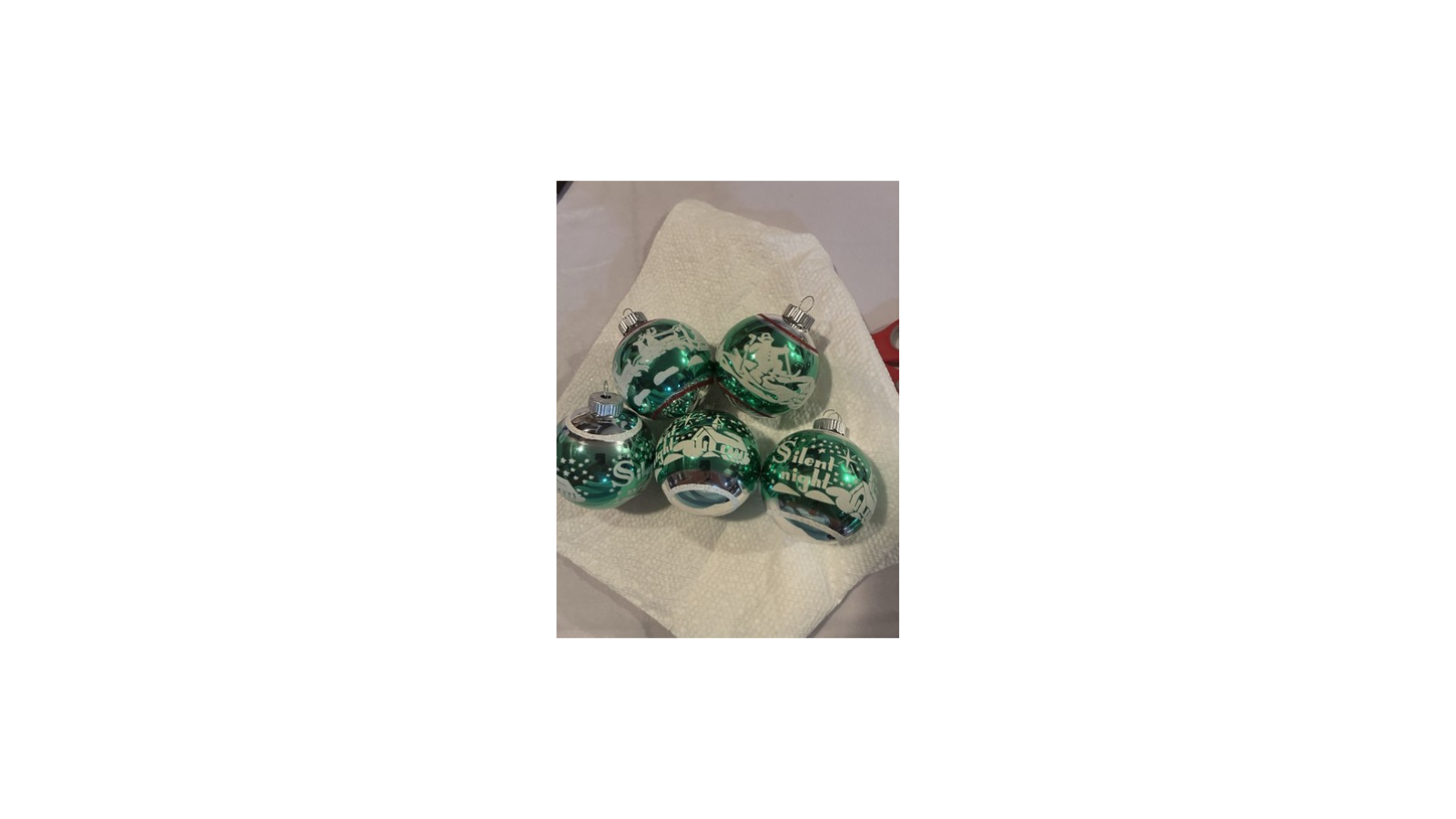
Glass Shiny Brite ornaments didn’t disappear after the 1950s. A set of five stenciled glass ornaments described as 1970s pieces, with unusual plastic Poloron-style caps, brought $25. Their printed seasonal designs stand out against the more familiar plain metallic or indented glass balls.
Families often topped up an ornament collection a few pieces at a time, so an old box can contain several decades of decorations. Check cap construction, painted patterns, and the original packaging before identifying a particular group as 1970s. Flaking paint, damaged silvering, and cracks around the neck are particularly noticeable when the ornaments are backlit. A set of matching designs with the right caps looks more deliberate than assorted loose pieces.
Melted-plastic popcorn Santa wall decorations
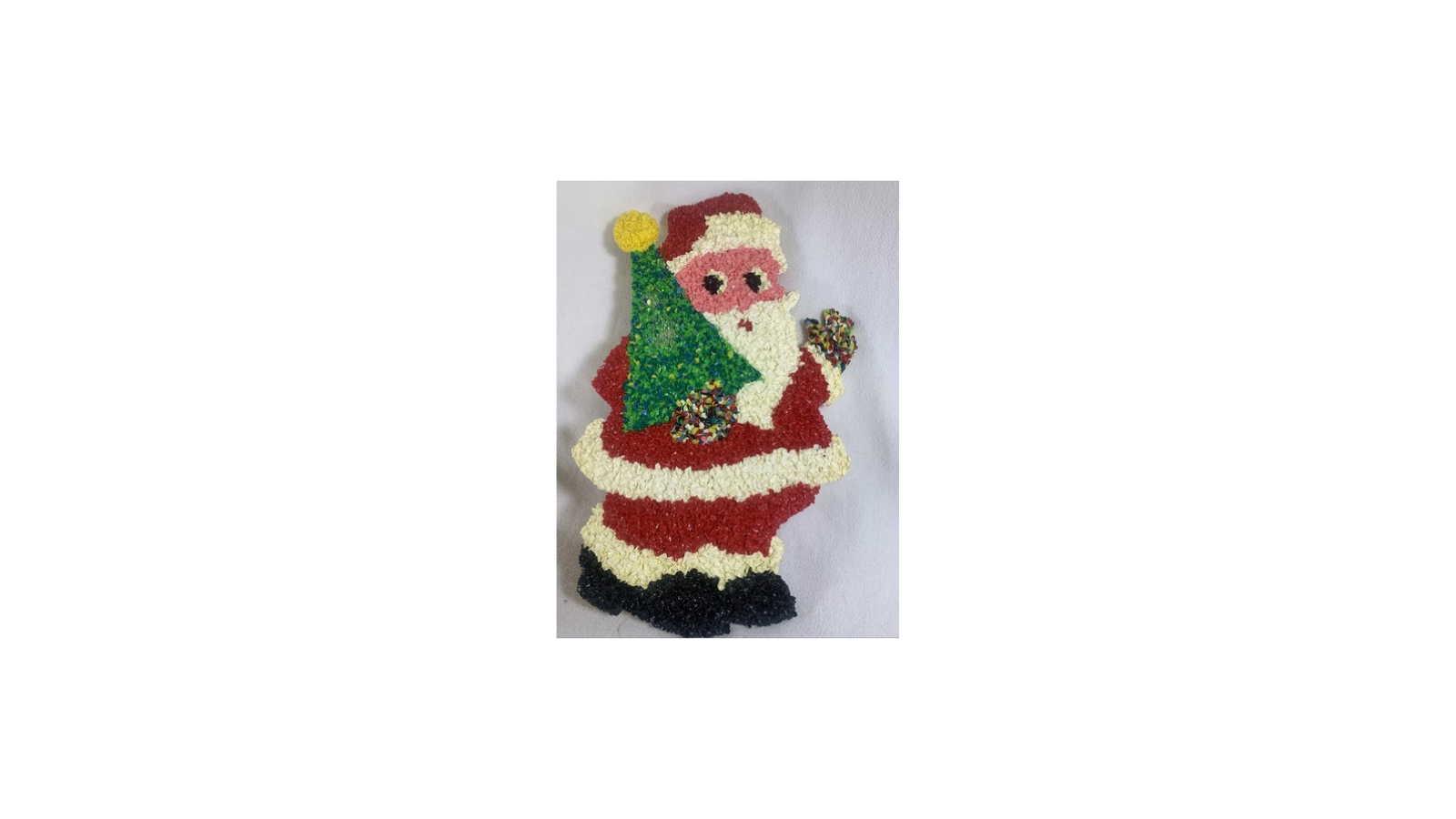
Bright red-and-white Christmas pictures made from fused plastic beads were popular in 1970s homes. A Santa-themed decoration with a little Christmas tree brought $38.99. These flat pictures were often hung on front doors, windows, or walls, where their strong colors could be spotted from the other side of the room.
The surface has a distinctive bumpy texture, almost as though the image were made from tiny pieces of popcorn. The plastic can warp when stored near heat, and small sections may break off around the hanging points. Santa’s beard, red hat, and green tree shapes are formed by the beads themselves. An example that lies flat and keeps its original hanging loop is easier to display than one with a curled or broken corner.
Kurt Adler painted wooden tree ornaments
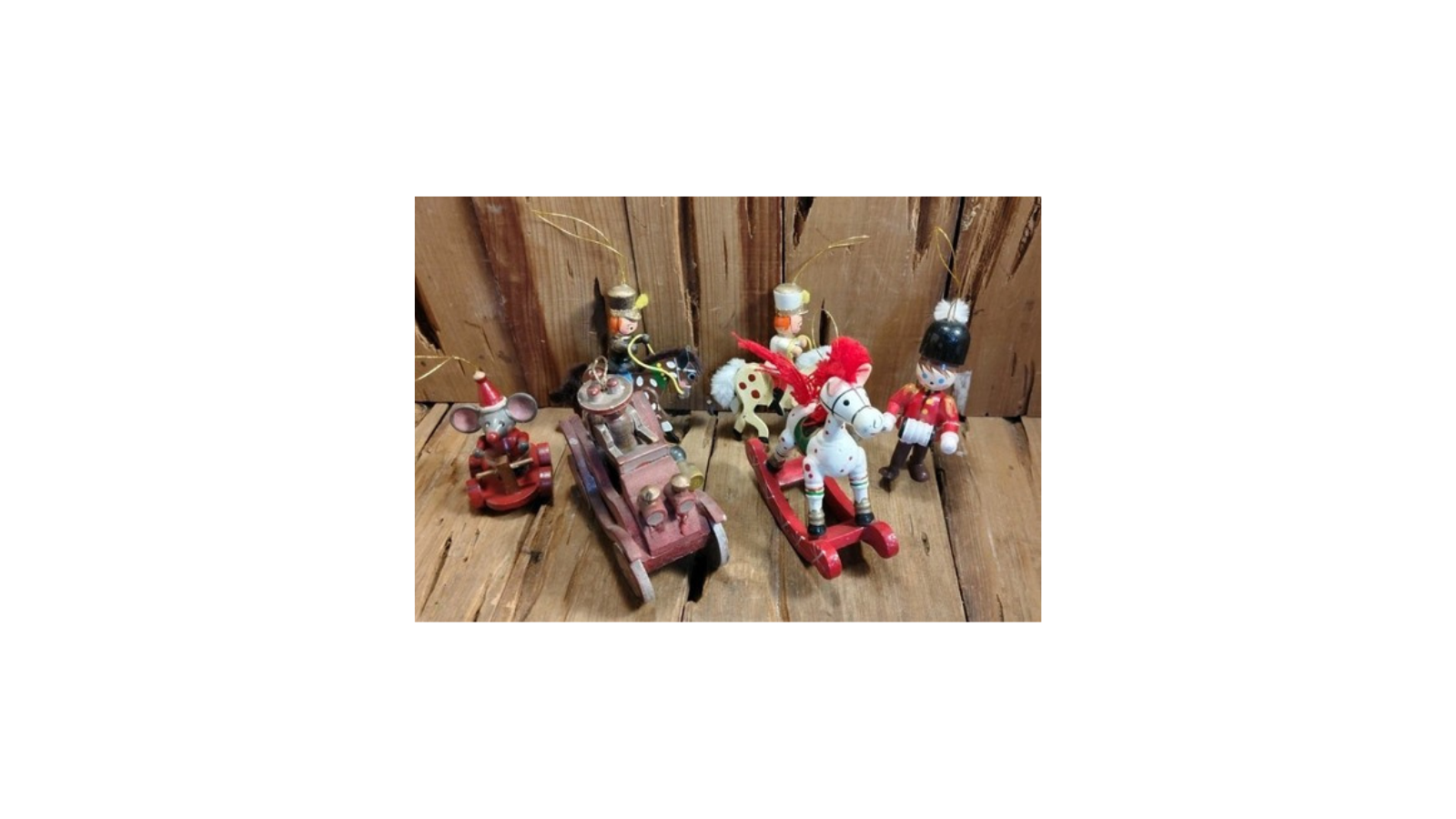
Kurt Adler’s hand-painted wooden ornaments often looked like miniature toys: horses, riders, old-fashioned cars, and little figures in brightly colored outfits. Six 1970s examples sold together for $20. Their charmingly simple forms are very different from elaborate glass figurals and the glittery plastic ornaments sold alongside them.
Each piece has a cord or loop for hanging, with tiny wooden parts joined and painted in red, green, yellow, and white. Look for matching construction and paint style when assembling a set. The small reins, wheels, and protruding details can snap, and repairs sometimes involve thick glue that changes the shape. Original packaging can identify the particular grouping, but several of these little toys can still make a lovely period display without a complete box.
Hand-quilted 1970s Christmas tree skirts
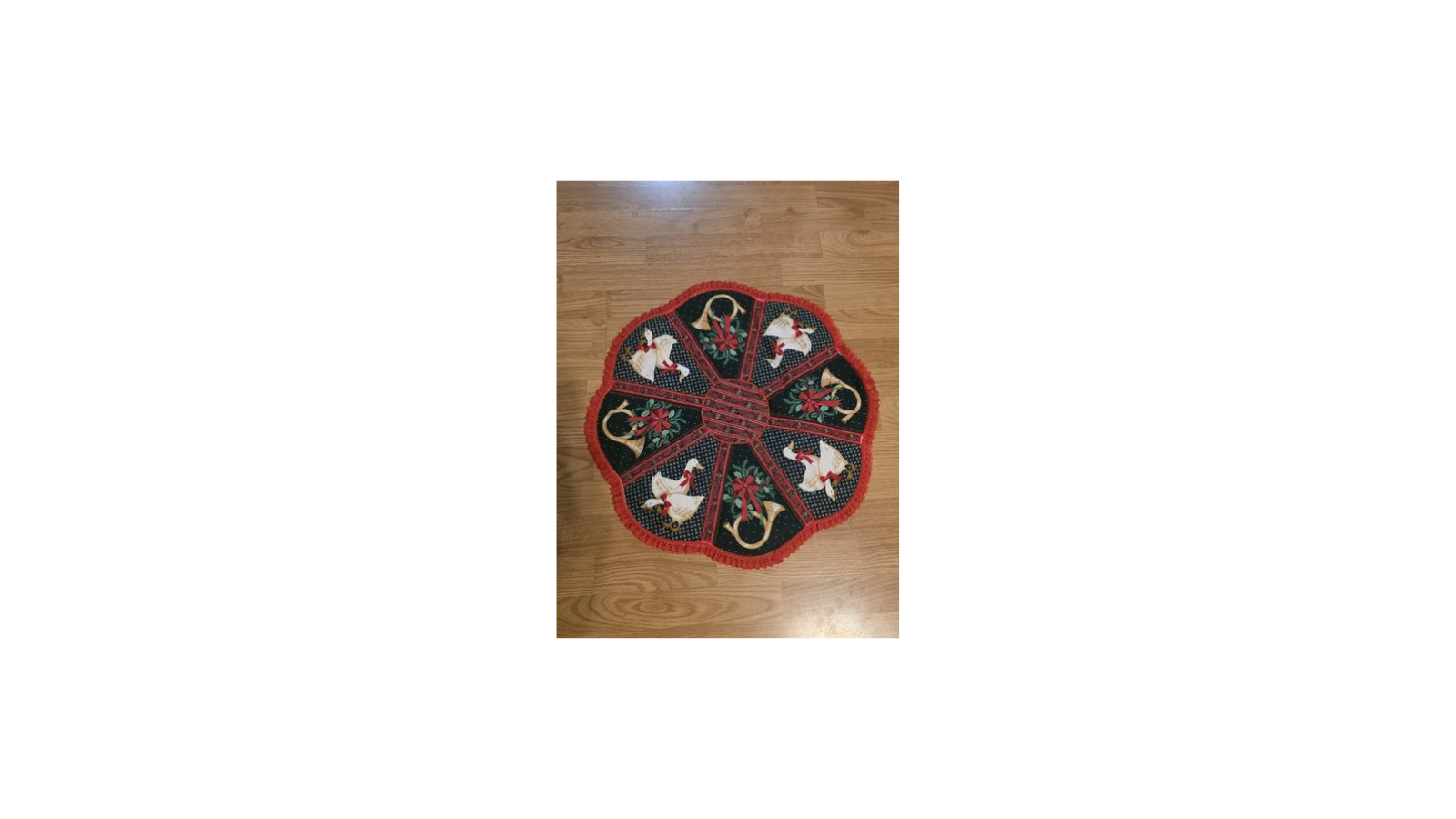
A small 1970s hand-quilted Christmas tree skirt decorated with geese and seasonal motifs sold for $28.50. It has the homespun, country-house look that became a familiar part of holiday decorating during the decade, with patterned fabrics and stitched designs instead of shiny tinsel.
Handmade skirts can have irregular seams and slightly uneven appliqué that are part of the original workmanship. The underside will often reveal how the quilting was assembled. Check for watering stains where the fabric rested near a real tree stand, fading from sunny windows, and loose threads around the center opening. Measurements are especially useful with older skirts because many were made to fit smaller artificial trees, not the broad modern trees found in big living rooms.
Clear-plastic miniature Christmas diorama ornaments
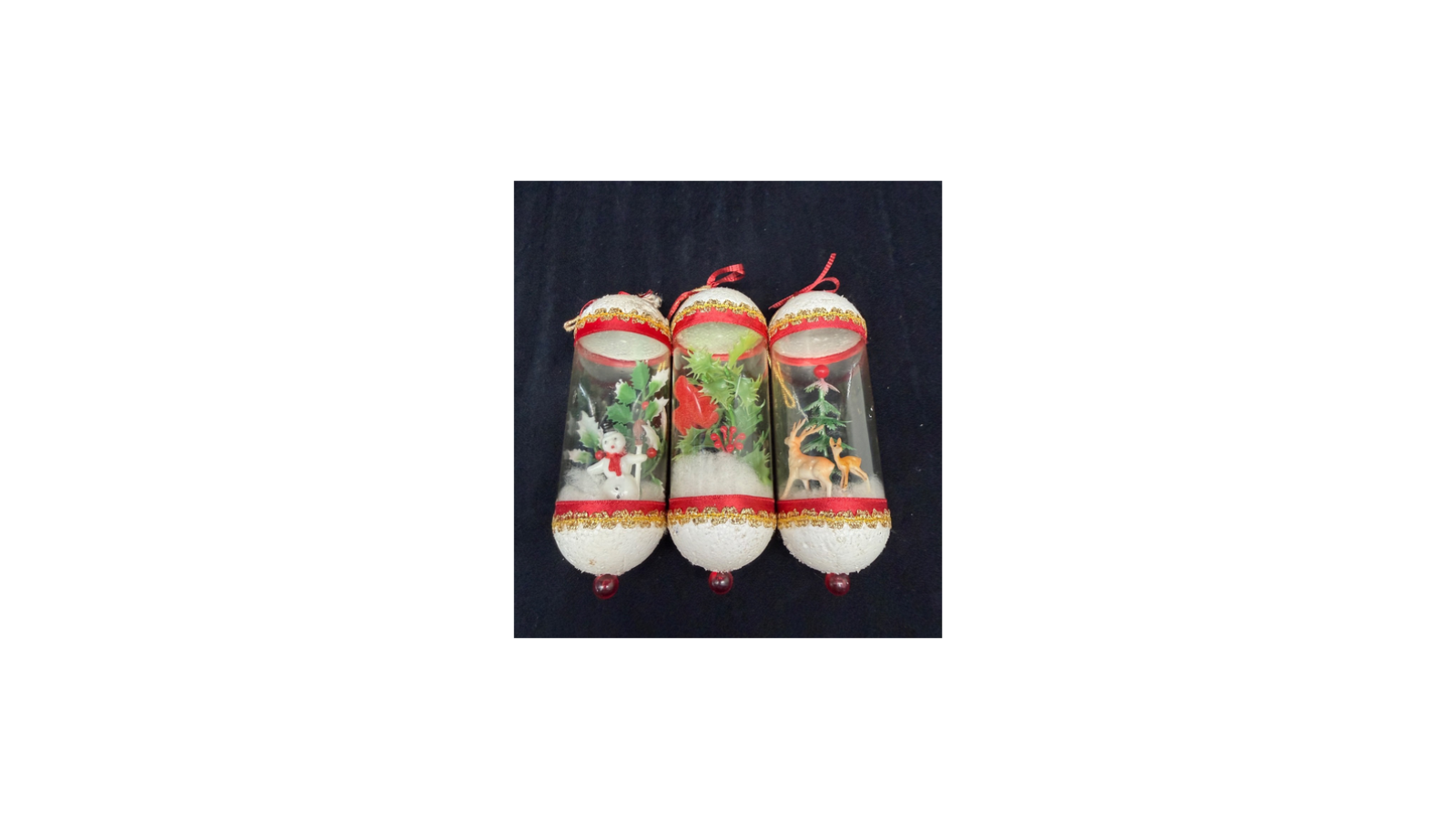
Some 1960s and 1970s ornaments contained entire Christmas scenes inside clear plastic tubes. A three-piece group with tiny figures, greenery, and decorative trim brought $26.99. They are miniature holiday stage sets, with a little Santa, snowman, or deer arranged inside the transparent casing.
These were often handmade or assembled from inexpensive craft materials, with artificial snow, foil, lace, and ribbons creating a complete scene in just a few inches. Look for cracked or yellowed plastic and loose figures inside. Old glue can fail even when the outside looks intact, leaving a tiny Santa lying on the floor of his own ornament. A matching group with similar finishes is easier to display together than unrelated tubes with different hanging cords.