
You know the drawer. The one with a hundred jewel cases stacked sideways, half of them cracked, most of them mix CDs you burned in 2004. It feels like the most obsolete clutter in the house. But CD collecting has quietly turned into real money again, and the reason has nothing to do with sound quality or nostalgia playlists. It comes down to which pressing you have, how many were made, and whether yours survived in the condition collectors want.
Most CDs really are worth next to nothing. A regular jewel case copy of an album that sold five million units isn’t scarce just because it’s old. What moves the needle is a small, specific list of things: promotional copies never meant for retail, pressings that got pulled and destroyed before most of the run reached stores, early runs in the tall cardboard “longbox” packaging that disappeared in 1993, and Japanese pressings with the paper obi strip still attached to the spine.
None of the discs below are museum pieces locked away in a vault. These are things that ended up in ordinary collections: a promo a radio DJ brought home, a longbox someone never got around to opening, an import a friend brought back from a trip. A few are genuine long shots. Most are the kind of find that’s actually plausible if you dig through a box in the garage.
Table of contents
- Tool “Aenima” original lenticular cover CD (1996)
- Oasis “(What’s the Story) Morning Glory?” UK promo CD (1995)
- Pink Floyd “Dark Side of the Moon” 24-karat gold CD (Mobile Fidelity, UDCD 517)
- Queen “Innuendo” Hollywood Records promo CD (1991)
- Guns N’ Roses “Chinese Democracy” red hand cover CD (2008)
- Smashing Pumpkins “Mellon Collie and the Infinite Sadness” original box set CD (1995)
- Nirvana “Pennyroyal Tea” German CD single (Geffen, 1994)
- Pink Floyd “Wish You Were Here” Japanese CD (Sony, catalog 35DP-4)
- Wu-Tang Clan “Enter the Wu-Tang (36 Chambers)” promotional CD (1993)
- Taylor Swift “Teardrops on My Guitar” promotional CD single
- Prince “The Black Album” promotional CD (1987)
- Slipknot “Mate. Feed. Kill. Repeat.” (1996)
Tool “Aenima” original lenticular cover CD (1996)
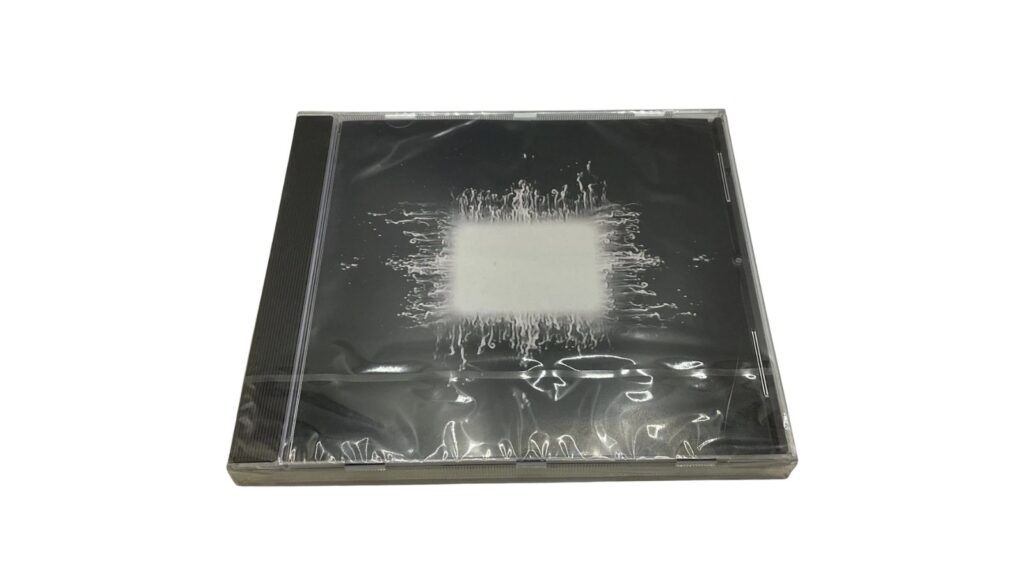
The first pressing of Tool’s “Aenima” didn’t use a printed cover. It used a lenticular image, the kind that shifts and appears to move depending on the angle you’re holding it at, showing a distorted face that seems to breathe. It was an expensive packaging choice for a mid-90s CD, and later pressings and reissues switched to a flat printed version because the lenticular process was costly to keep running.
Clean original lenticular copies typically bring $200 or more, with sealed examples pushing higher still. The tell is tactile as much as visual: run a finger over the cover and you should feel the ridged, slightly textured surface of a true lenticular print, not a smooth photograph. Reissues use a static image of the same design, which looks similar in a photo but doesn’t shift when you tilt it.
Condition matters more here than on most 90s CDs because the lenticular surface scratches and delaminates more easily than a normal printed cover. Cracked jewel cases are common and expected on a 30-year-old disc, but a scuffed or peeling lenticular front cuts the value noticeably. Check the corners first, since that’s where the coating tends to lift.
Oasis “(What’s the Story) Morning Glory?” UK promo CD (1995)
bbv1531 via eBay
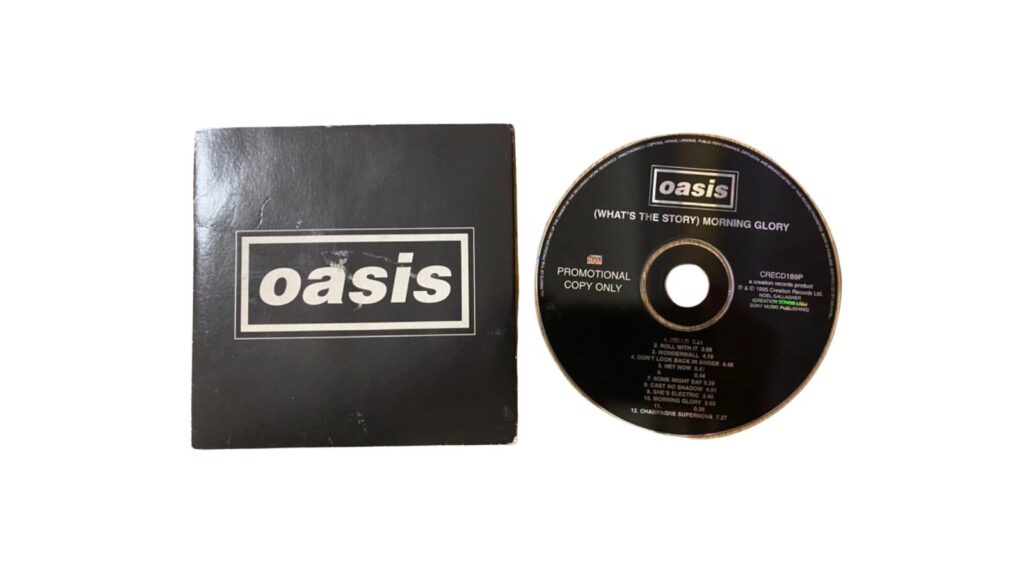
Oasis’s second album is one of the best-selling British records of all time, so the standard retail CD is worth almost nothing. The promotional copies sent to UK press and radio ahead of release are a different story. These were issued in small batches with distinctive artwork and inserts meant for industry use only, not for sale, and most were never meant to survive past a single listen by a reviewer.
Clean examples with the promo-only packaging and inserts intact typically bring $100 or more, with well-preserved copies commanding a real premium over any retail pressing. Look for “promotional copy, not for resale” language printed on the disc face or insert, along with any radio station stamps or handwritten track notes, which are common on genuine promos and don’t hurt the value.
The retail version of this album is everywhere and worth pocket change, so don’t assume any copy with the familiar sleeve is valuable. It’s specifically the promo-only issue, not a standard first pressing, that collectors are after. If your copy doesn’t say “not for sale” anywhere, it’s almost certainly a regular retail disc.
Pink Floyd “Dark Side of the Moon” 24-karat gold CD (Mobile Fidelity, UDCD 517)
Imhotep’s Emporium via eBay
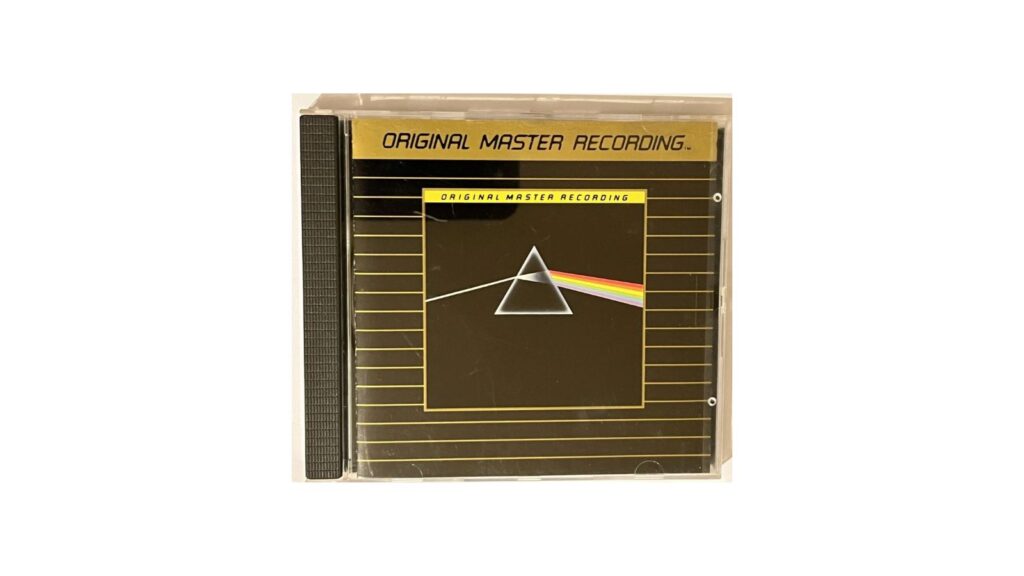
Mobile Fidelity Sound Lab spent the 1990s remastering classic albums onto 24-karat gold discs under its Original Master Recording banner, sold at a premium over standard CDs when new. The Dark Side of the Moon edition is the best known of the run, remastered from the original tapes and pressed on gold instead of standard aluminum, which was marketed at the time as a more durable, less prone-to-degrade format.
Clean used copies typically bring $40 to $150, and sealed, unopened examples have reached $300 or more. The gold disc itself, the “UDCD 517” catalog number on the spine, and the Mobile Fidelity branding on the booklet are what to check for. A regular black Warner/Capitol pressing of the same album is worth almost nothing by comparison.
Mobile Fidelity pressed gold discs for dozens of other titles too, including Rush’s “Moving Pictures” and various Bob Dylan and Steely Dan albums, and most of those carry similar premiums in the same general range. The booklets are prone to edge wear and yellowing, so a crisp, unmarked booklet adds real value on top of a clean disc.
Queen “Innuendo” Hollywood Records promo CD (1991)
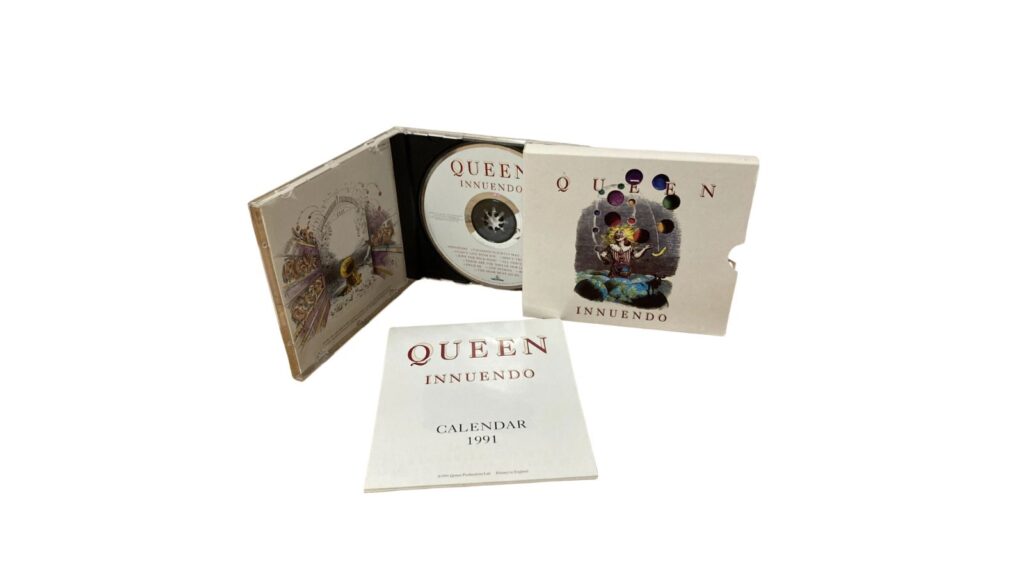
Not every Queen collectible involves a hunt through vinyl bins. This promotional pressing of “Innuendo” was distributed by Hollywood Records to radio and industry contacts around the label’s 1991 reissue push for the band’s catalog, marked as promotional stock rather than a standard retail release. The whimsical, art-directed packaging on the promo run is what separates it visually from the plain retail jewel case most fans own.
Clean sealed copies typically sell for around $200, well above what a standard used copy of “Innuendo” brings. A disc that’s been opened and played is worth a fraction of that, since it’s the sealed, unplayed, still-promotional condition that collectors are paying the premium for.
Promo pressings from this label and era are easy to confuse with ordinary reissues at a glance, so check for “promotional use only, not for sale” language on the back cover or spine before assuming a copy is the rarer version. A standard retail “Innuendo” CD, which is common and inexpensive, will lack that language entirely.
Guns N’ Roses “Chinese Democracy” red hand cover CD (2008)
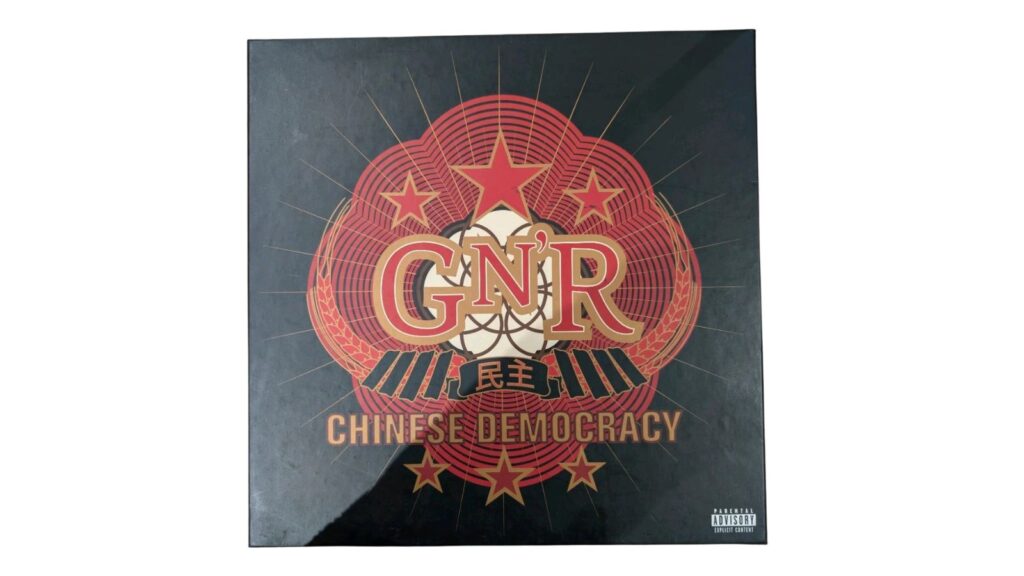
“Chinese Democracy” took over a decade to make and became one of the more famous “will it ever come out” stories in rock. The standard US retail release used black cover art, but a variant pressing circulated with red hand artwork on the cover instead, tied to a specific retail run rather than the mainstream pressing most stores carried.
Clean sealed copies of the red hand variant typically carry a value of around $350, a real premium over the standard black-cover version, which is common and worth little more than a few dollars. This is a genuinely recent release as collectible CDs go, which makes it a good reminder that scarcity, not age, is what drives value in this hobby.
Because this album came out well into the digital era, most surviving copies are still factory sealed rather than played and worn, so condition differences are usually about the shrinkwrap and spine rather than disc scratches. A torn or missing shrinkwrap on the sealed variant meaningfully reduces what a buyer will pay, since sealed status is a big part of the appeal here.
Smashing Pumpkins “Mellon Collie and the Infinite Sadness” original box set CD (1995)
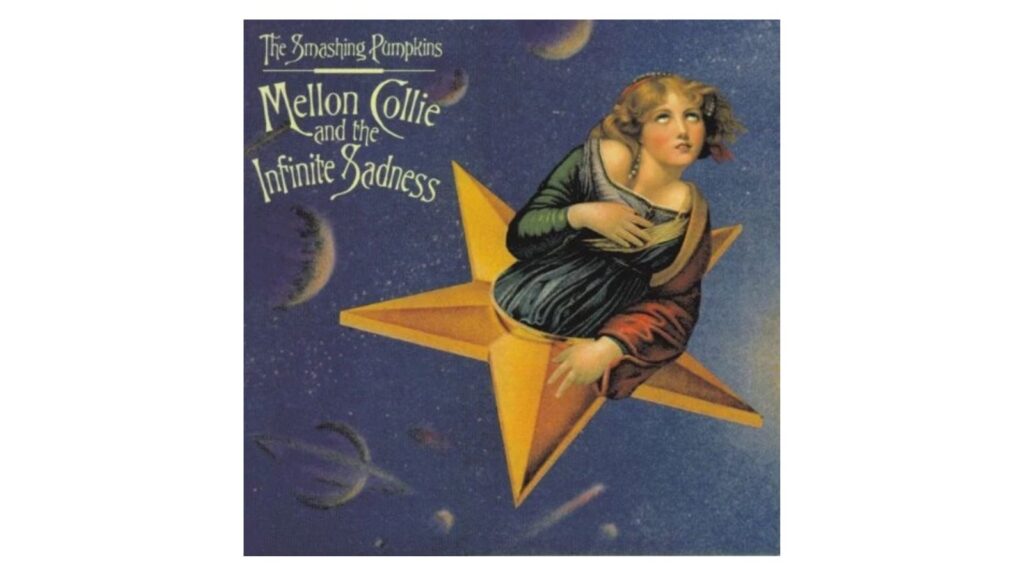
The double-disc “Mellon Collie” arrived in a deluxe box packaging with exclusive artwork, an expanded lyric booklet, and print inserts not included in the standard two-disc jewel case version most stores sold. It was a genuinely elaborate release for a mid-90s alternative rock album, closer to a small art object than a typical CD package.
Complete original box sets in clean condition sell in a range of roughly $240 to $1,700, with the middle of that range sitting around $640 for a solid, complete example. The gap between the low and high end comes down almost entirely to completeness: every insert, both discs, and the box itself in good shape versus a box missing pieces or showing heavy shelf wear.
The standard double jewel case version of this album is common and worth little, so the box packaging itself is what separates a real find from a regular used CD. Check the corners of the box for crushing, since it’s a lightweight cardboard structure that doesn’t hold up well to being stacked under other things for thirty years.
Nirvana “Pennyroyal Tea” German CD single (Geffen, 1994)
aetherial_practitioner via eBay
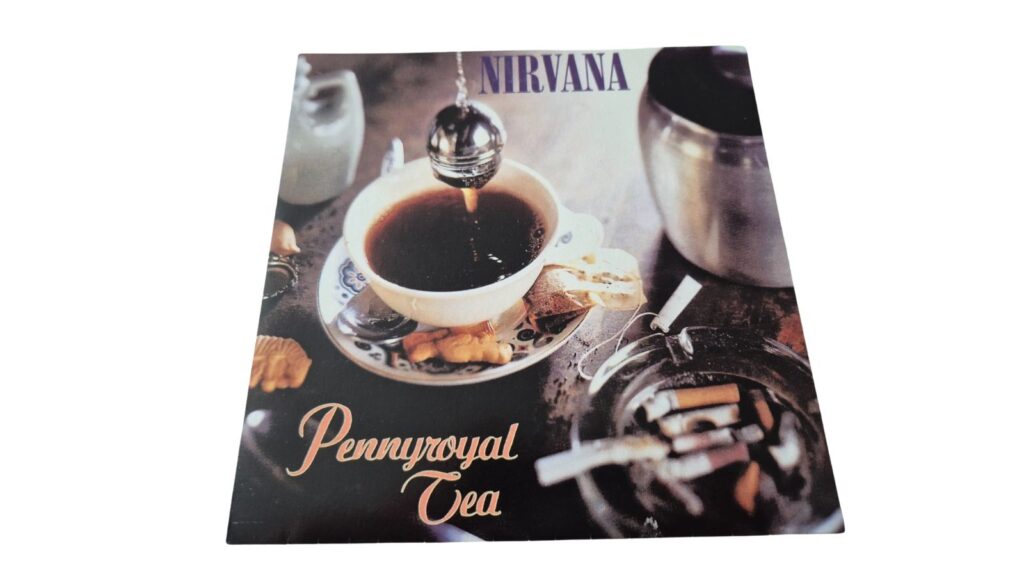
This single was scheduled for an April 1994 release to promote “In Utero,” pressed in Germany ahead of the date. Kurt Cobain died on April 5th, days before release, and Geffen pulled the single and destroyed the vast majority of the pressing out of sensitivity to the timing. A small number of copies had already left the pressing plant or reached early distribution points before the recall took effect.
Surviving German copies typically bring $600 to $1,560 depending on condition and completeness of the packaging. This is a case where the music itself was never rare. “Pennyroyal Tea” appears on “In Utero,” which sold millions of copies. It’s specifically this withdrawn single pressing that’s scarce, because almost none of them reached the public.
Given the value, counterfeits and misattributed later reissues circulate. Check the catalog details and German pressing markings carefully against a reliable identification source before assuming a copy is genuine, and be skeptical of any example lacking the correct German label information on the disc and packaging.
Pink Floyd “Wish You Were Here” Japanese CD (Sony, catalog 35DP-4)
tokyo_satoshi_japan via eBay
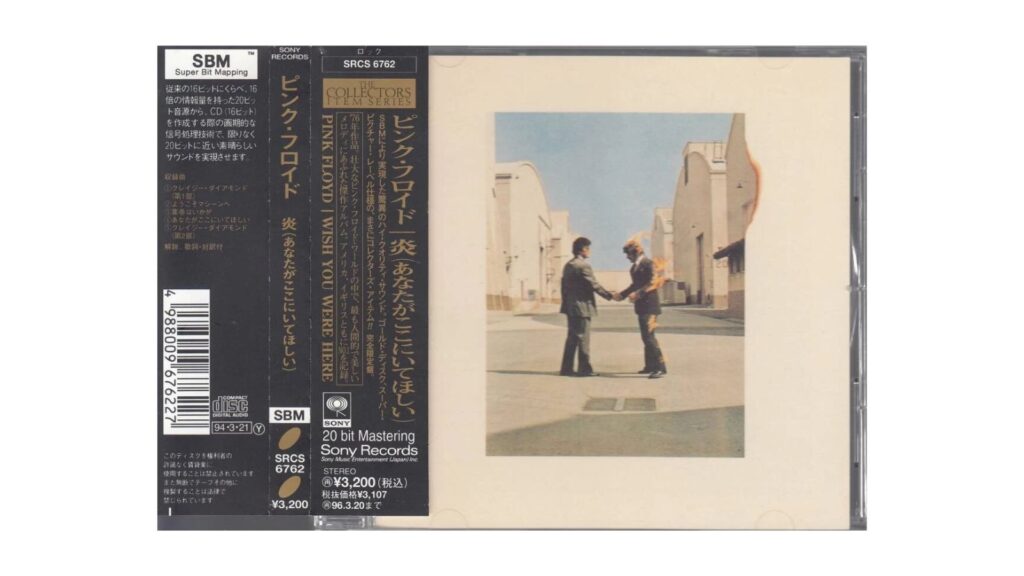
Japanese CD manufacturing in the 1980s and early 1990s had a reputation for tighter quality control and better disc materials than many Western pressing plants, and Japanese releases typically included a paper obi strip wrapped around the spine with the title and catalog information printed vertically. That strip, more than almost anything else on a Japanese CD, is what collectors are checking for.
Clean examples of this pressing with the obi strip intact typically bring $500 to $1,500. Losing the obi strip can cut the value of a Japanese pressing by roughly a third to half, since it’s a thin paper band that was easy to misplace or discard when the CD was first unwrapped decades ago and is difficult to reproduce convincingly.
If you have any Japanese-pressed CDs from this era sitting in a collection, the obi strip is the first thing worth checking, regardless of the artist. It’s a detail that’s easy to overlook because it isn’t part of the disc or the jewel case itself, just a loose paper wrap that either survived the last thirty years or didn’t.
Wu-Tang Clan “Enter the Wu-Tang (36 Chambers)” promotional CD (1993)
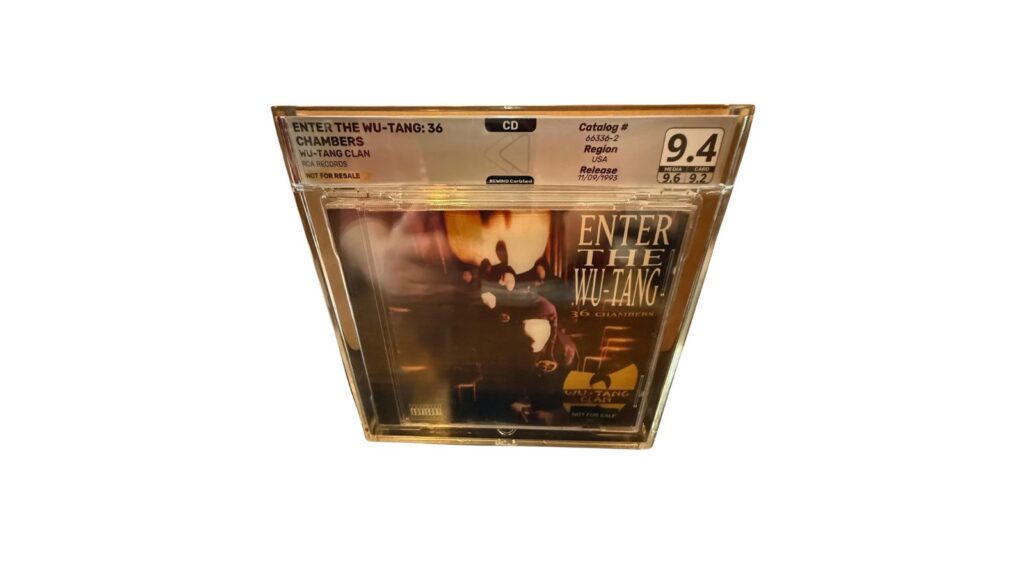
LE Collectibles Store via eBay
The Wu-Tang Clan’s debut is one of the foundational albums in hip-hop, and the standard retail CD reflects that: it sold well and isn’t scarce. The promotional copies issued to radio programmers and press ahead of release are a different matter, marked “not for sale” directly on the disc face and packaged with a sticker distinguishing them from the retail version.
Clean examples with the promotional markings intact are collectors are willing to pay over $1,000 for a piece of hip-hop history this significant. The retail version, by contrast, is genuinely common and worth a few dollars in used condition, so the promotional stamping is the entire difference in value here.
Because early 90s hip-hop promos are actively sought after, misidentified retail copies sometimes get listed as promos by sellers who either don’t know the difference or hope buyers won’t check. Look specifically for “not for sale” printed directly on the disc, not just on a removable sticker, since stickers can be transferred between discs.
Taylor Swift “Teardrops on My Guitar” promotional CD single
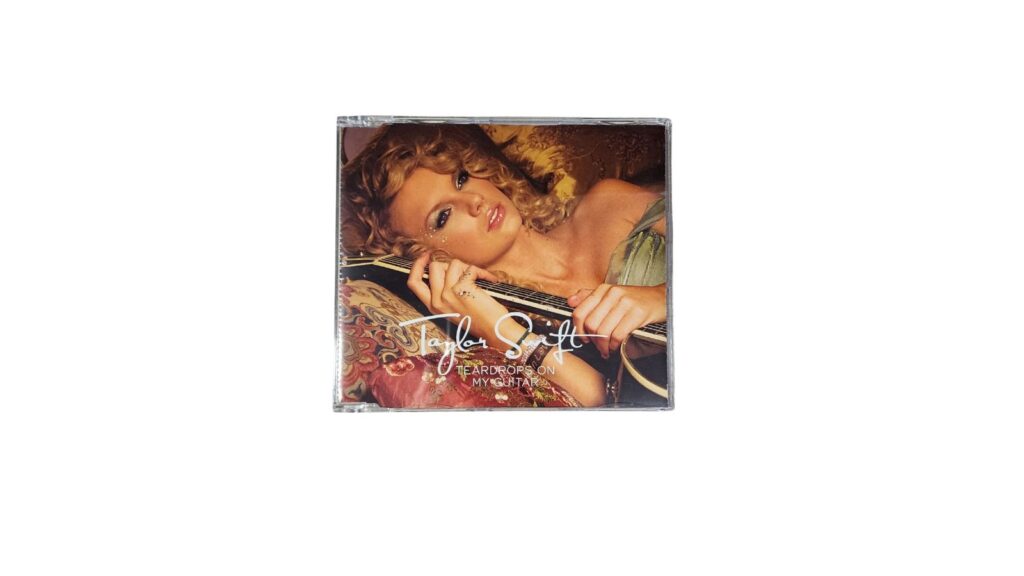
Released to promote Taylor Swift’s debut album, this radio promo single was pressed in limited numbers well before Swift became one of the best-selling artists in the world. At the time, it was a routine industry mailer sent to country radio stations, not something anyone treated as a future collectible.
Clean examples now bring more than $1,200, a reflection of how early-career promotional material from major artists tends to appreciate once their catalog and fanbase grow substantially. Fans specifically seeking out pre-fame promotional material have driven demand for this and similar early Swift releases well beyond what a typical country radio promo would normally command.
As with any promo tied to a currently massive artist, verify the pressing details carefully before paying a premium, since counterfeits and misdescribed reissues are more likely to circulate around in-demand names. Genuine promotional copies carry “promotional use only” language and typically lack standard retail barcodes and packaging, which is the quickest way to separate a real promo from a later fan-made or reissued item.
Prince “The Black Album” promotional CD (1987)
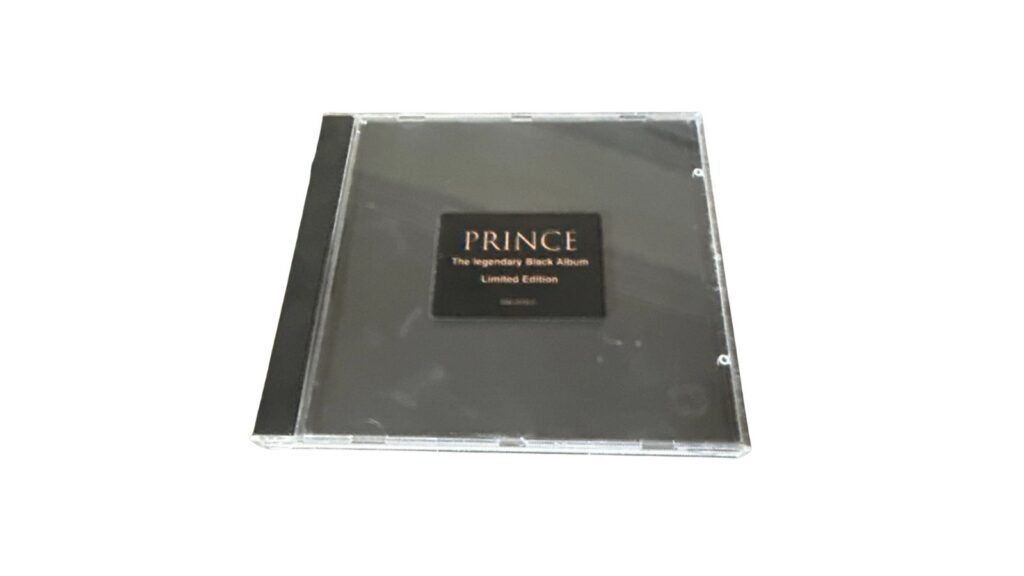
Prince recorded “The Black Album” for release in December 1987, then abruptly ordered the master tapes destroyed and pulled the album days before street date, reportedly telling associates he found its darker themes troubling. A small number of promotional copies had already gone out to industry contacts before the withdrawal, and those are what collectors chase today. The album was eventually given an official retail release in 1994, and that later version is common and inexpensive, worth only a few dollars used.
It’s specifically the surviving 1987 promotional pressings, not the 1994 reissue, that trade for $3,000 to $8,875, with one confirmed example reaching the top of that range. The gap between a worthless reissue and a five-figure promo comes down entirely to correctly identifying which pressing you’re holding.
Given the enormous price difference between the two versions, verifying pressing details before assuming you have something valuable is essential. The 1994 official release carries standard retail packaging and a barcode; the 1987 promotional pressings predate that packaging entirely and carry different, less polished markings consistent with an unfinished, pulled release.
Slipknot “Mate. Feed. Kill. Repeat.” (1996)
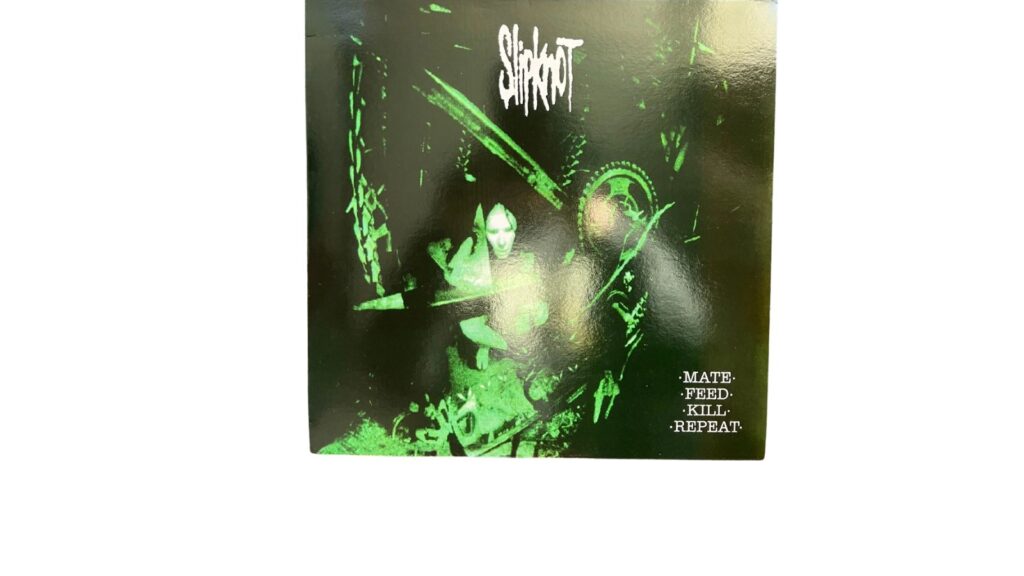
Before signing to a major label, Slipknot self-financed and self-distributed this independent debut, pressed in a run of exactly 1,000 copies with a forest green disc face. The band handed copies out to fans, radio stations, and record labels directly. Two members who later became core to the band’s lineup hadn’t joined yet when it was recorded, and none of its songs appeared in this exact form on any later official release.
Genuine original copies typically carry a value of $1,200 or more, a remarkable figure for a self-released demo from a band nobody outside Iowa had heard of yet at the time. Since Slipknot’s rise to mainstream fame in the late 90s, this original pressing has become one of the most actively sought after items in the nu-metal collector world.
Because of the price this title commands, it’s also one of the most heavily bootlegged CDs in the genre, reproduced on CD, cassette, and even vinyl over the years. Genuine copies have a forest green disc face and specific booklet details that differ from known bootlegs, and any copy should be checked carefully against documented identification points before it’s treated as authentic.
Most of what’s sitting in a CD binder really is worth a dollar or two, and that’s fine. But it only takes one longbox, one promo sticker, or one obi strip to turn a box destined for the donation pile into something worth a genuine second look.











