
You’re at checkout with a cart full of groceries, and instead of tapping your debit card, you split the total into four payments over six weeks. The bill in front of you shrinks. The one from three weeks ago is still due today, right alongside whatever you spend this week.
That’s not a rare move anymore. Nearly 3 in 10 buy now, pay later users have used the loans for groceries, more than double the share from two years ago, and that puts groceries in third place on the list of things people most commonly finance this way, behind clothing and tech.
It’s not free money, either. Nearly half of buy now, pay later users have paid late on one of these loans in the past year, and a late payment can mean a fee, an overdraft on your bank account, or interest if the loan wasn’t interest-free to begin with.
That’s not a reason to feel bad about using it. Food costs more than it did two years ago, and BNPL gets dinner on the table today. But some of the options below put money back in your pocket instead of taking a cut of it every few weeks.
Table of contents
- See if you actually qualify for food assistance
- Buy the same groceries for less through a food rescue app
- Get free groceries the same week through a food bank
- Borrow through a credit union instead of an app
- Free up grocery money by tackling your utility bill first
- Cut your real grocery total with a cash back app
- Talk to a nonprofit credit counselor if BNPL is already stacking up
- Bottom line
See if you actually qualify for food assistance

A lot of people assume they make too much money for food assistance and never check. The federal government sets the baseline gross income limit at $1,696 a month for one person and $3,483 a month for a household of four, running through September 2026. But more than 40 states raise that ceiling well above the federal floor through a policy called broad-based categorical eligibility, in some cases up to 200% of the federal poverty level.
If you already receive Supplemental Security Income or Temporary Assistance for Needy Families, you may qualify automatically without a separate income review. Households with very low income and almost no savings can get benefits within seven days instead of the usual 30.
Ten minutes with your state’s application is worth it even if you’re fairly sure you’ll be turned down. A single person working full time near minimum wage in a state that uses the higher thresholds can still land well inside the limit, and the benefit lands on an EBT card you use like a debit card at the register, no installment plan attached.
Buy the same groceries for less through a food rescue app
Grocery stores mark down items nearing their best-by date rather than toss them, and apps like Flashfood and Too Good To Go put those markdowns in front of you before someone else grabs them. Flashfood lets you pick the exact items nearing their best-by date, often at up to 50% off the shelf price, while Too Good To Go sells surprise bags of unsold food from bakeries and grocers at a steep discount.
SNAP recipients can pay for Flashfood orders directly with their benefits in the app, so this isn’t limited to people paying cash. Stop & Shop, Save Mart, and a growing list of regional chains have added pickup coolers near the entrance or dairy case, so it’s worth checking before you assume your store isn’t participating.
You still have to check what’s available that day, and coverage depends on which chains have signed on where you live, so it won’t replace a full week of shopping. But it’s real food at a real discount, picked up the same day, with no repayment schedule attached to it.
Get free groceries the same week through a food bank
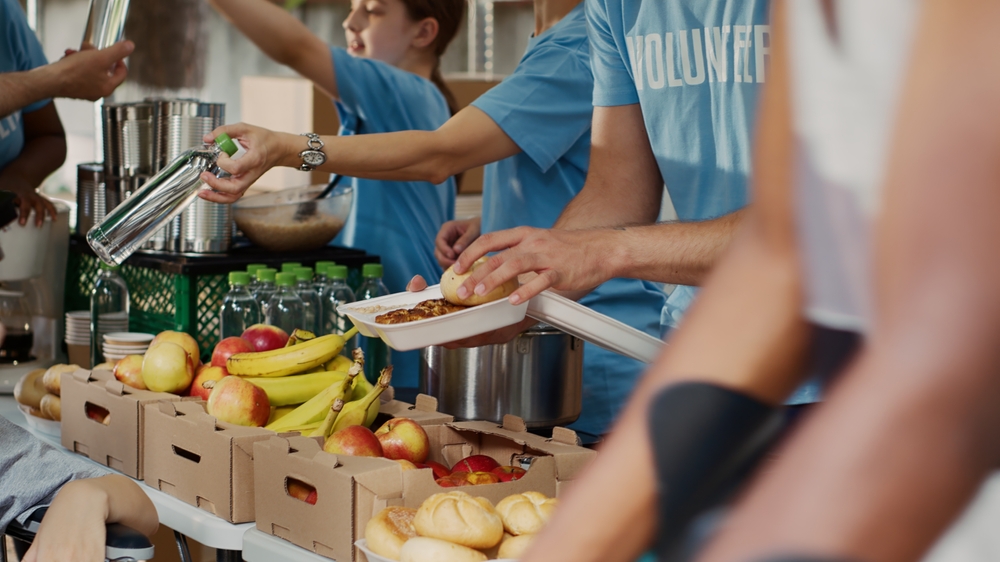
The Feeding America network connects people with free food through more than 200 member food banks, along with the pantries, mobile pantries, and soup kitchens each one supplies. You search by zip code, and most pantries don’t require proof of income or a referral. Staff might ask how many people are in your household so they can send you home with enough, but showing up is usually the only requirement.
Mobile pantries specifically target areas without a nearby grocery store, setting up in church parking lots, community centers, and schools on a rotating schedule. If the location the map shows you is too far, call anyway. Food banks usually know about a closer option that didn’t make the online list.
Plenty of people put off calling a food bank out of pride. There’s no debt attached to it, and it’s the fastest way to get groceries into your kitchen this week without owing anyone a payment plan.
Borrow through a credit union instead of an app
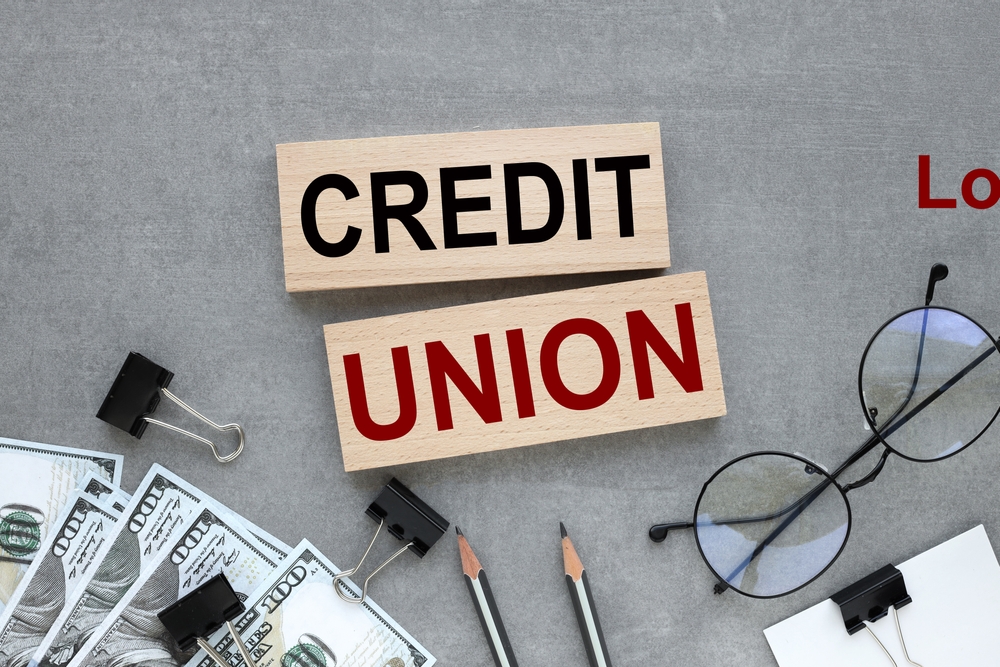
If groceries can’t wait and you need to actually borrow, a federal credit union payday alternative loan is built to undercut both payday lenders and BNPL. PAL amounts run from $200 to $1,000, with repayment terms of one to six months and an application fee capped at $20. You can take up to three within a six-month period as long as none of them overlap.
The interest rate on a PAL is capped by federal law, typically landing well under what you’d pay if a BNPL balance rolls into interest after a promotional period ends, or what adds up if you’re juggling three or four apps at once with different due dates. You do need to be a credit union member, usually for at least a month before you’re eligible, so this works better as a plan you set up ahead of time than a same-day fix.
Ask a loan officer directly whether your credit union offers PALs, since not every one does, and some online lenders borrow the name without offering the same protections.
Free up grocery money by tackling your utility bill first
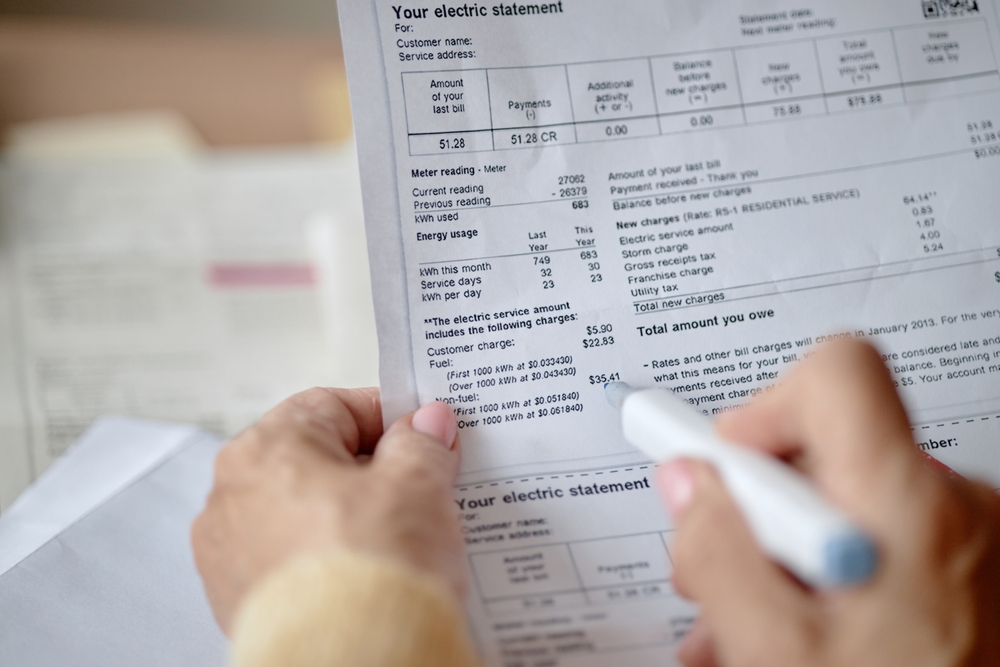
This one doesn’t put food directly in your cart, but it can matter just as much. The federal Low Income Home Energy Assistance Program helps eligible households cover heating and cooling costs, and in many states, already receiving SNAP or SSI qualifies you automatically without a separate income review.
Benefits typically get paid straight to your utility company rather than to you, and they can run into several hundred dollars depending on your household size, income, and fuel type. If your power or gas bill is what’s pushing you toward financing groceries in the first place, covering it through LIHEAP means your food budget doesn’t have to stretch as far to make up the difference.
Applications run through your state energy office or a local Community Action Agency, and timing matters, since many states process on a first-come, first-served basis with a limited pot of funds each year. Apply as soon as your state’s window opens rather than waiting for a shutoff notice to force the issue.
Cut your real grocery total with a cash back app
Ibotta and similar apps won’t cover your bill outright, but they lower what you actually spend on the groceries you’re already buying. You add offers before you shop, then scan your receipt or link a store loyalty card, and cash out once your earnings hit $20, sent to your bank account, PayPal, or a gift card.
Fetch works differently. You scan any grocery receipt with nothing to pre-select, and points build up based on the brands you bought. Running both on the same trip, one scanning items you picked in advance and the other scanning the whole receipt, adds up faster than either one alone. Neither one requires you to shop somewhere new or buy anything you weren’t already planning to buy.
It’s not a fix for a grocery bill you can’t pay this week. It’s a way to make sure the groceries you buy every week cost a little less going forward, without owing a payment plan for the privilege.
Talk to a nonprofit credit counselor if BNPL is already stacking up
Owing several of these loans at once is common, not rare. Roughly 63% of BNPL borrowers hold more than one loan at the same time, and a third have borrowed from more than one provider. If that sounds familiar and grocery installments are competing with rent and utility due dates, a free session with a certified counselor can untangle what you actually owe and when.
The National Foundation for Credit Counseling connects people with certified, nonprofit counselors for a free initial consultation to review your budget and, if it makes sense, set up a debt management plan that can lower interest rates on what you owe elsewhere. A counselor can help you map out every BNPL app you’re paying into at once, since those balances don’t show up together on one statement the way a credit card does. Sessions run over the phone or online, and there’s no cost or obligation to sign up for anything afterward.
Bottom line

The newest credit scoring models have started factoring in buy now, pay later repayment history, though the rollout is gradual and most lenders are still pulling older scores that leave it out. The days of these loans staying invisible to your credit are numbered, so a grocery installment paid late could eventually show up the same way a missed credit card payment does.











