
You switched to the generic brand. You stopped going out. You canceled the streaming service. And somehow, you’re still short every month. That experience is real, and it’s common: only 32% of adults with family income under $25,000 said their spending was less than their income last month, compared with 66% of adults earning over $100,000. The gap isn’t just about discipline. It’s partly about which financial habits actually save money and which ones quietly cost more than they save.
Some of the most popular frugality strategies were designed for households with financial cushion. On a tight budget, the same moves can accelerate the very problems they’re meant to solve. That’s not a character flaw. It’s a structural mismatch between generic advice and real financial constraints.
Here are 18 of the most common budgeting habits that tend to backfire specifically for low-income households, and what to do instead.
Table of contents
- Signing up for overdraft “protection”
- Turning to payday loans for short-term cash
- Skipping health insurance to cut the monthly bill
- Renting furniture and appliances to own
- Paying only the minimum on credit card balances
- Closing credit cards to gain control of spending
- Skipping routine car maintenance
- Cashing checks at check-cashing stores
- Not claiming government benefits you’re eligible for
- Keeping emergency savings in cash at home
- Bulk buying when cash flow is unpredictable
- Cutting food spending down to almost nothing
- Letting a bill go 30+ days past due to prioritize other expenses
- Buying the absolute cheapest version of everything
- Co-signing loans for family or friends
- Using tax refund products to get money faster
- Avoiding all credit to stay out of debt
- Never renegotiating recurring bills
Signing up for overdraft “protection”

Overdraft protection sounds like a safety net, and banks market it that way. What it actually does is charge you a fee every time you spend money you don’t have. The average overdraft fee is $26.77 in 2025, and the typical debit transaction that triggers it is $24 or less. You might be paying more in fees than you spent in the first place.
In 2024, U.S. consumers paid a combined $12.1 billion in overdraft and NSF fees. The burden falls hardest on lower-income households: among banked adults, those with lower and middle incomes are significantly more likely to pay overdraft fees than higher earners. One overdraft per week adds up to nearly $1,400 a year in fees alone.
The better move is to opt out of overdraft coverage entirely. A declined transaction is embarrassing. A cascade of $27 fees for small purchases is catastrophic. Many credit unions and online banks now offer checking accounts with no overdraft fees at all. If you’re currently at a large bank, it’s worth shopping around.
Turning to payday loans for short-term cash

When rent is due Friday and your paycheck doesn’t hit until next week, a payday loan looks like the obvious answer. It almost always makes things worse. Payday lenders drained more than $2.4 billion in fees from low-income borrowers in a single year, based on storefront lending alone. The average payday loan carries fees of $520 on an initial $375 borrowed. That’s not a typo.
The average annual percentage rate on a payday loan is close to 400%. Most borrowers end up rolling the loan over multiple times, paying more in fees than they originally received. About 80% of survey respondents said their payday loan left them in a worse financial position than before they took it out. The debt trap is the product, not a side effect.
Alternatives worth trying first: a credit union small-dollar loan (many cap rates at 28% APR), an employer payroll advance, a 211 call to local emergency assistance programs, or a negotiated payment extension directly with whoever you owe money to. Any of those options, even if imperfect, will almost certainly cost less than a payday loan.
Skipping health insurance to cut the monthly bill

Going without health insurance to save $200 a month feels logical when money is extremely tight. The problem is what happens when something actually goes wrong. The average ER visit without insurance costs approximately $2,715, not counting lab work, imaging, or follow-up care. A single hospitalization can quickly run into five figures. For the 27.1 million Americans who remained uninsured in 2024, medical debt is one of the leading causes of financial crisis.
The calculation also ignores what skipping care costs in the long run. One in three adults said they skipped or postponed needed health care in the past year because of cost. Untreated conditions get more expensive over time, not less. An unmanaged chronic condition that leads to an ER visit ends up costing far more than consistent primary care would have.
Before going uninsured, check whether you qualify for Medicaid, which covers adults up to 138% of the federal poverty level in expansion states. Marketplace plans through Healthcare.gov often carry subsidies that reduce monthly premiums significantly for lower-income households. Many people who assume they can’t afford insurance haven’t checked what they’d actually owe after subsidy.
Renting furniture and appliances to own

Rent-to-own stores advertise no credit check and low weekly payments. The math underneath those ads is brutal. Rent-to-own agreements are frequently equivalent to paying a 60% or higher interest rate on the retail value of the item. A TV that sells at a big-box store for $660 can end up costing you nearly $2,000 after a year of weekly payments, and that doesn’t include sales tax, mandatory insurance fees, or setup charges.
It gets worse if you miss payments. Miss a few weeks, and the item gets repossessed. You walk away with nothing, and whatever you’ve paid is gone. There’s no partial credit, no equity, no ownership until the final payment clears. That’s the entire structure of the arrangement.
If you need an appliance and can’t afford to buy it outright, used appliances from Facebook Marketplace, Craigslist, Habitat for Humanity ReStores, or appliance resale shops are almost always a better deal. A secondhand washing machine that costs $150 and lasts three years beats a rent-to-own arrangement that costs $1,800 and ends with repossession.
Paying only the minimum on credit card balances

The minimum payment is calculated to keep you in debt as long as possible while maximizing the interest the bank collects. With average credit card interest rates at 28.6% as of January 2025, a large share of each minimum payment goes toward interest rather than reducing what you owe. A $3,000 balance at a 17% rate, paid at the minimum, takes over 11 years to pay off and generates $3,743 in interest charges alone. You’d pay close to $7,000 total for $3,000 of purchases.
The math gets worse at higher rates. At 28.6% interest, which is close to the current national average, that same balance compounds faster than most minimum payments can keep pace with. You can spend months making payments while your balance barely moves, or even grows.
If you can’t pay the full balance, pay as much above the minimum as possible, even $20 or $30 more per month. That small difference has a real impact on how long it takes to pay off the debt and how much you pay in interest. If you’re carrying balances on multiple cards, focus extra payments on the highest-rate card first.
Closing credit cards to gain control of spending

Cutting up a credit card you can’t trust yourself with makes emotional sense. Closing the account is a different matter. When you close a card, your total available credit drops, which raises your credit utilization ratio. Closing an existing card can increase your credit utilization ratio and lower your credit score, sometimes significantly.
Credit utilization, which is how much of your available credit you’re actually using, makes up 20% to 30% of your total credit score. If you have two cards with $5,000 limits and $1,000 balances on each, your utilization is 20%. Close one card and that jumps to 40% on the same debt, which can trigger a meaningful score drop. A lower credit score costs money over time through higher interest rates on loans, higher insurance premiums, and landlords who reject your application.
If the problem is overspending on the card, put the card somewhere inconvenient rather than closing the account. Keep a small recurring charge on it and pay that automatically so the account stays active. The credit score benefit of keeping the account open is worth the friction.
Skipping routine car maintenance

Oil changes, tire rotations, and fluid checks feel like discretionary spending when money is short. They’re not. Routine maintenance and repair costs average about $1,650 per year for a driver covering 15,000 miles, or about $137 per month. Skipping that maintenance doesn’t eliminate the cost. It defers it and multiplies it. Skip $150 in routine service and you’ll often pay $1,200 for the repair it would have prevented. Delay brake work until the pads are gone, and you’ll also need new rotors, turning a $200 job into a $1,000-plus rebuild.
Car repair costs jumped 15% year-over-year in 2025, and the average trip to a repair shop now runs $838. For households where losing access to a car also means losing income, the stakes are even higher. A vehicle breakdown that costs $1,500 to fix is also a missed paycheck, or missed shifts, or a temporary job loss.
Basic maintenance done on schedule is a form of insurance against much larger costs. If you can’t afford a repair shop, many auto parts stores will do a free diagnostic read and can walk you through simple fixes like air filters or battery replacements. Keeping up with oil changes in particular is the single highest-return maintenance task for extending engine life.
Cashing checks at check-cashing stores

Check-cashing stores are convenient, but they charge for that convenience in ways that add up significantly over a year. Fees range from 1% to 10% of a check’s value, with a national average of roughly 4%. Cash a $1,500 paycheck twice a month at 4%, and you’re handing over about $120 a month in fees, which is $1,440 a year. That’s money you earned, gone before you can spend it on anything.
The trap is partly structural: once someone gets flagged by ChexSystems for unpaid overdraft fees, many banks won’t open a new account for them. That leaves check-cashing stores as the only practical option. It feels like there’s no way out. There usually is. Second-chance checking accounts, offered by many credit unions and some banks, are specifically designed for people with a troubled banking history. Many come with no overdraft fees, which prevents the cycle from repeating.
Walmart cashes payroll and government checks for a flat fee of $8 or less, which is far cheaper than a percentage-based storefront fee. If you’re regularly cashing checks, the fastest financial move you can make is getting that money deposited directly into a bank account where it costs you nothing to access.
Not claiming government benefits you’re eligible for

Millions of households that qualify for food assistance, utility help, or health coverage never apply, either because they assume they won’t qualify, because the application process is daunting, or because there’s a stigma attached. Among older adults alone, an estimated 9 million who are eligible for SNAP are not enrolled, representing only 30% participation in that age group. The average SNAP benefit is $188 per month. That’s real money left unclaimed every single month.
SNAP isn’t the only gap. The Low Income Home Energy Assistance Program (LIHEAP) helps with utility bills and is significantly underutilized. Medicaid expansion covers adults up to 138% of the federal poverty level in most states, and millions who qualify don’t enroll. Many states offer property tax relief programs for low-income homeowners that most eligible people never take advantage of.
The site BenefitsCheckUp.org lets you enter your zip code and household information to see what programs you qualify for locally. It takes about ten minutes and often surfaces assistance programs people didn’t know existed. There is no penalty for applying and being found ineligible. There is a real cost to not applying at all.
Keeping emergency savings in cash at home

Keeping a stash of cash at home feels safer than putting it in a bank, especially for people who’ve had bad banking experiences. The problem is that cash earns nothing while it sits there. High-yield savings accounts currently pay more than 4% APY, compared to the national average of 0.38% at traditional banks and 0% in a drawer. On $2,000 in savings, that’s the difference between earning $80 a year and earning nothing, plus the ongoing risk of theft, fire, or loss.
Cash at home is also not protected. Money in an FDIC-insured bank account is guaranteed up to $250,000 per depositor. Cash under a mattress has no protection at all. A burglary or a fire wipes it out completely with no recourse. The fear of banks is understandable, but keeping savings outside the banking system compounds the financial disadvantage it’s trying to avoid.
Online-only banks and credit unions typically offer the highest savings rates, often with no minimum balance and no monthly fees. Many have no overdraft programs at all, which removes the risk that led to the original banking problem. If opening a traditional account feels risky, a credit union with a second-chance program or a federally insured online bank is worth investigating.
Bulk buying when cash flow is unpredictable

Buying in bulk to save per-unit cost is sound advice for households with stable income and adequate storage. For households living paycheck to paycheck, it frequently backfires. The average American now wastes over $760 a year on uneaten food. Buying 48 yogurts because they’re on sale only saves money if all 48 get eaten before they expire. A bulk purchase that spoils halfway through isn’t a deal. It’s an expensive mistake.
There’s also a cash flow problem. Spending $120 at once on bulk supplies means $120 less available for rent, utilities, or an unexpected bill this week. For households that are frequently short mid-month, that timing mismatch can trigger overdrafts, late fees, or debt that costs more than the bulk discount saved.
Bulk buying works when it’s limited to non-perishable items you use constantly, when you have the storage space, and when the purchase doesn’t stress that month’s cash flow. For household goods like laundry detergent, dish soap, or toilet paper, it makes sense. For food, especially produce or anything refrigerated, the math usually doesn’t work out.
Cutting food spending down to almost nothing

Food is often the only truly flexible expense in a low-income budget, which is why it tends to take the hardest cuts. But there’s a floor below which cutting the food budget creates costs elsewhere. Persistent food insecurity is linked to higher rates of chronic illness, reduced work performance, and worse mental health outcomes, all of which carry their own financial consequences. A $50 cut to the monthly grocery bill that leads to one ER visit for a preventable health issue costs many times what it saved.
The false economy also shows up in quality. The cheapest available food is often the most calorie-dense and least nutritious. Diets built around ultra-processed food tend to produce health problems that become medical expenses within a few years. That’s not a moral observation about food choices. It’s a practical observation about what underfunded nutrition tends to cost downstream.
Programs like SNAP, WIC, and food bank networks exist specifically to address this gap. Using them isn’t a failure. It’s using a resource that was created to prevent the exact downstream costs that inadequate nutrition produces. If you qualify for SNAP and haven’t enrolled, that’s the highest-return action on this list.
Letting a bill go 30+ days past due to prioritize other expenses

When you can’t pay everything, you have to choose. Rent, utilities, and food usually go first. Credit cards and medical bills often end up at the bottom of the pile. That hierarchy makes sense for immediate survival. The problem is that a single 30-day late payment on a credit account shows up on your credit report and can drop your credit score by 50 to 100 points, sometimes more. Payment history is the single largest factor in your credit score, making up 35% to 40% of your total.
A significant score drop raises the cost of everything that requires a credit check: future loans, car insurance rates, security deposits, and in many states, rental applications. A lower credit score doesn’t just mean you get turned down for things. It means you pay more for the things you do get. The extra interest cost on a car loan or personal loan for someone with damaged credit can add up to thousands of dollars over the life of the loan.
If you can’t make a full payment, call the creditor before the due date and ask about hardship programs, payment plans, or deferment. Many lenders have programs that pause payments or reduce minimums without triggering a negative credit report, but they typically require you to ask proactively. The call is uncomfortable. The credit damage is worse.
Buying the absolute cheapest version of everything
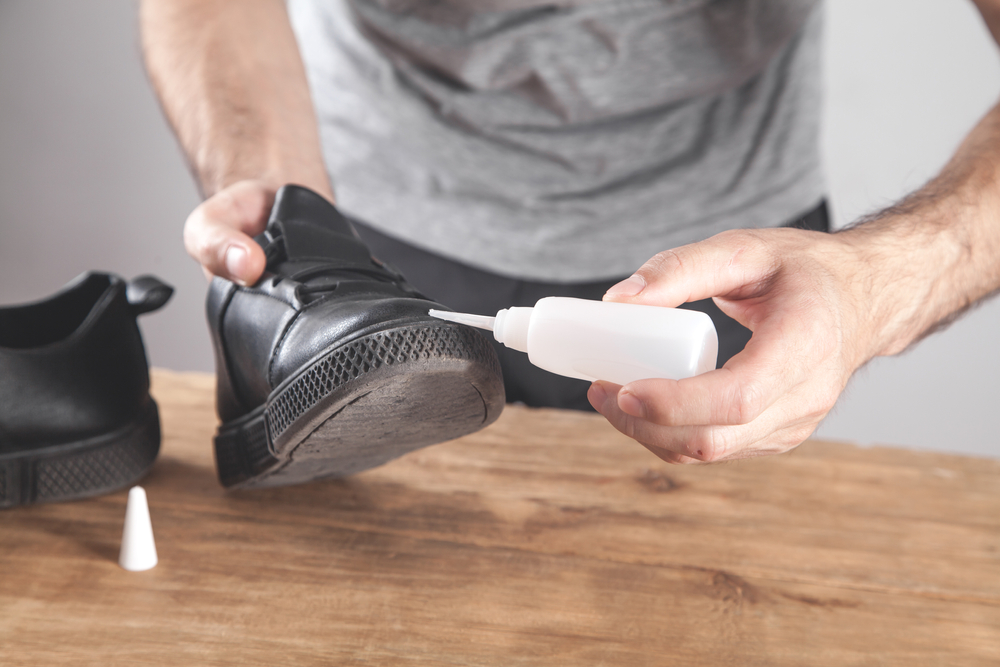
Price and cost are not the same thing. The cheapest shoes might need replacing every three months; the mid-price pair might last two years. The cheapest space heater might fail after one winter or run at low efficiency and drive up the electric bill. The cheapest phone charger might fry a $400 device. In each case, the sticker price is low and the total cost is high. Economists call this the “boots theory” of poverty. It’s a real pattern, not a platitude.
On a tight budget, the instinct to always choose the lowest upfront price is completely rational in the moment. The problem is that it tends to produce higher spending over time on the same category of item. Before buying the cheapest option on something you’ll use heavily, it’s worth checking reviews specifically for durability, not just satisfaction. A product that’s slightly more expensive but lasts twice as long is usually the better financial decision.
This doesn’t apply equally to everything. Generic medications, generic pantry staples, and store-brand cleaning products are almost always identical to name-brand versions and should be bought at the lower price. The calculus changes for items subject to heavy use: shoes, cookware, tools, phone charging cables, and anything with moving parts. On those, the cheapest version is often the most expensive choice in the long run.
Co-signing loans for family or friends

Co-signing a loan for a family member or close friend feels like helping. Legally, it makes you fully responsible for the debt. If the primary borrower misses a payment, that missed payment shows up on your credit report. If they default entirely, the lender can come after you for the full balance. This is not a technicality buried in the fine print. It’s the entire point of a co-signer from the lender’s perspective.
For a household already operating with thin margins, absorbing someone else’s loan default can be financially catastrophic. The debt gets counted toward your debt-to-income ratio, which affects your ability to qualify for your own loans or housing. The credit damage from their late payments appears on your record as if they were yours.
If you want to help someone get credit or financing, there are less risky ways. Helping them find a credit union that offers second-chance accounts, helping them understand the application process, or supporting them in building their own credit history are all forms of help that don’t put your financial stability on the line. Co-signing is a high-risk move for anyone. For a household with limited financial cushion, it can be destabilizing.
Using tax refund products to get money faster

Refund anticipation checks and refund anticipation loans marketed at tax prep storefronts promise faster access to your refund. What they actually do is charge you fees to access money you were going to receive anyway. Refund anticipation check fees ranged from $25 to $55 during the 2024 filing season, on top of whatever the tax preparer charged for preparing the return. And they don’t actually speed up the IRS. Your refund still takes the same amount of time to process.
The alternative is free and faster. Filing electronically through IRS Free File (available to households earning under a certain threshold), or through a Volunteer Income Tax Assistance (VITA) site, costs nothing. Choosing direct deposit, most e-filed returns receive refunds in 21 days or less. The refund anticipation product doesn’t change that timeline. It just takes a cut of your money before it arrives.
If you’ve been paying a storefront tax preparer $150 to $400 per year to prepare a simple return, VITA sites offer free preparation by IRS-certified volunteers. The IRS Free File program is available to filers with adjusted gross incomes below $84,000. Either option saves money that the tax prep industry is currently collecting from the households that can least afford to give it up.
Avoiding all credit to stay out of debt

Cutting up credit cards and refusing to borrow anything is a reasonable response to a painful experience with debt. The problem is that avoiding credit entirely produces a thin credit file, and a thin credit file creates its own financial penalties. When you apply for an apartment, many landlords run a credit check. When you finance a car, a thin file usually means a higher interest rate or an outright rejection. Some employers run credit checks as part of background screening. No credit history is not treated the same as good credit history.
The cost shows up concretely in interest rates. A borrower with no credit history who does eventually need a loan, for a car, an emergency, or a security deposit, will typically pay significantly more in interest than someone who built credit steadily over time. The difference between a 7% auto loan and a 20% auto loan on the same car represents thousands of dollars in extra payments over the life of the loan.
Building credit doesn’t require going into debt. A secured credit card, where you deposit money as collateral and the card draws against that deposit, builds credit history without risk of overspending beyond what you’ve already set aside. A credit-builder loan from a credit union works similarly. Used for a single recurring bill that’s paid automatically each month and paid in full, a secured card builds credit steadily while carrying no balance and charging no interest.
Never renegotiating recurring bills
Most people pay whatever the bill says, every month, without questioning it. That’s often more than necessary. Cell phone carriers, internet providers, and insurance companies routinely offer lower rates to customers who call and ask, particularly if the customer mentions that they’re considering switching. These aren’t advertised rates. They’re retention offers, and they exist because keeping an existing customer costs less than acquiring a new one.
Internet providers in particular routinely raise rates after an introductory period expires while continuing to offer new-customer pricing on their websites. Calling and asking for the new-customer rate, or asking to speak with the retention department, frequently results in a meaningful reduction. Car insurance rates also tend to creep up year after year on policies that aren’t actively shopped. Getting a competing quote and calling your current insurer with it is a reliable way to keep premiums from drifting upward unnecessarily.
Annual subscriptions, gym memberships, and any recurring charge that renews automatically are worth reviewing once a year. Services you’ve forgotten about but are still paying for are pure waste. A single afternoon spent reviewing bank and credit card statements for automatic charges, canceling what you don’t use, and calling to renegotiate two or three active bills can often recover $50 to $150 a month from a budget that feels like it has no room left.











