
Exciting jobs get most of the attention, but dull work has its advantages. Employers still need people to inspect equipment, monitor gauges, keep machinery running, check paperwork, perform routine tests, and handle the thousands of repetitive tasks that stop essential systems from grinding to a halt.
Many of these jobs are also difficult to eliminate because somebody still has to show up, inspect something physical, make an adjustment, deal with a patient, sign off on a safety issue, or take responsibility when equipment fails. If you can tolerate repetition, regulations, checklists, and work that rarely makes interesting dinner-party conversation, these careers can pay surprisingly well.
1. Calibration technician

If checking whether a pressure gauge is off by half a percent sounds thrilling, calibration work probably isn’t for you. Calibration technicians spend their days testing measuring instruments against known standards, adjusting equipment, documenting results, and doing it all again on the next device.
The occupation has a median annual wage of $67,820, and employment is projected to grow 5% through 2035. Demand isn’t disappearing as factories automate, either. More sophisticated automated equipment means more sensors, meters, test equipment, and measurement systems that need to be checked and calibrated correctly.
This is especially useful work in manufacturing, laboratories, healthcare, aerospace, and other industries where an inaccurate measurement can ruin a product or create a safety problem.
2. Control and valve repair technician
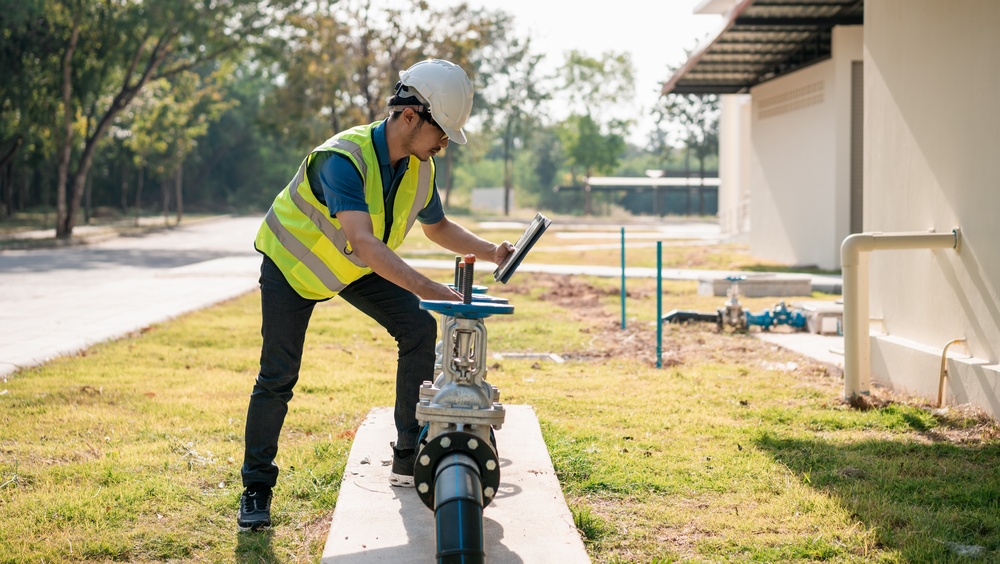
Industrial plants, pipelines, utilities, and large mechanical systems are stuffed with valves, regulators, actuators, and controls. Somebody has to inspect them, diagnose leaks and failures, replace worn components, test the repair, and put everything back into service.
Control and valve installers and repairers have a median wage of $74,340 a year. Employment is expected to remain relatively stable, with thousands of openings projected over the coming decade as existing workers leave the occupation.
It is practical, physical work, but much of it revolves around maintenance schedules, pressure readings, repetitive testing, and replacing the same kinds of seals, fittings, and components. Utilities are one of the biggest employers, which helps make this a particularly durable maintenance niche.
3. Rail-track maintenance equipment operator

Railroad tracks don’t stay perfectly aligned by themselves. Rail-track maintenance workers operate machines that tamp ballast, clean track beds, position rails, replace ties, and keep miles of track within safe operating tolerances.
Median pay is $70,070 per year, with around 1,200 openings expected annually through 2035.
The appeal is unlikely to be intellectual variety. A large part of the job involves traveling along existing rail infrastructure performing repetitive inspection and maintenance tasks. But railroads cannot simply ignore deteriorating track, and much of the work requires heavy equipment and people physically present at the worksite.
A high school diploma is typically enough to enter the occupation, followed by on-the-job training.
4. Biomedical equipment technician

Hospitals contain enormous amounts of equipment that has to work properly every time it is used. Biomedical equipment technicians spend much of their time inspecting, testing, calibrating, maintaining, and repairing devices used in patient care.
Medical equipment repairers earn a median $61,660 annually. Employment is projected to grow 13% through 2035, with thousands of openings expected each year.
Plenty of the work is routine preventive maintenance rather than dramatic emergency repair: running tests, checking components, documenting service, updating equipment records, and moving on to the next machine.
An associate degree or technical certificate is a common route into the field, although relevant technical experience can provide another entry path.
5. Occupational health and safety technician

For every workplace rule involving protective equipment, hazardous materials, noise exposure, ventilation, or accident prevention, somebody eventually has to check whether people are actually following it.
Occupational health and safety technicians have a median annual wage of $61,560, while employment for safety specialists and technicians is projected to grow 19% through 2035.
The job can involve collecting samples, measuring workplace hazards, inspecting facilities, documenting violations, reviewing procedures, helping investigate incidents, and maintaining substantial amounts of safety paperwork.
It is not glamorous, but regulations and employer liability give businesses strong reasons to keep qualified people doing the work. Technician positions may also be accessible with a high school diploma followed by substantial workplace training.
6. Neurodiagnostic technologist

Neurodiagnostic technologists perform tests such as EEGs, attaching electrodes to patients and recording electrical activity from the nervous system. Depending on the role, that can mean long periods setting up equipment, checking signal quality, watching traces, documenting events, and monitoring patients.
Experienced neurodiagnostic technologists at the II or III level average about $68,865 annually. The profession has an unusually useful hiring problem: job opportunities currently exceed the number of graduates entering the field.
Technology can make monitoring easier, but patients still need electrodes correctly placed, equipment correctly operated, abnormal events recognized, and testing performed according to clinical standards. Formal certificate and degree routes are available, with credentials becoming increasingly important as workers advance.
7. Hearing aid specialist

A hearing aid specialist spends a lot of time administering hearing tests, taking ear impressions, fitting hearing aids, programming devices, making adjustments, and explaining their operation to customers.
The occupation pays a median $65,160 a year and is projected to grow 19% through 2035.
The routine can become extremely familiar: test hearing, discuss the results, fit a device, make adjustments, troubleshoot problems, clean equipment, and repeat. Yet the work still requires someone to physically examine and fit customers, make individual adjustments, and deal with the practical realities of hearing loss.
Another advantage is the relatively low formal barrier to entry. A high school diploma is typically sufficient to begin training, although licensing requirements apply.
8. Industrial machinery mechanic

Factories increasingly rely on sophisticated machinery, but sophisticated machinery still breaks. Industrial machinery mechanics inspect machines, lubricate components, replace worn parts, realign equipment, diagnose faults, and perform scheduled maintenance.
Industrial machinery mechanics earn a median $64,520 per year, and employment is projected to grow 18% through 2035.
Ironically, greater factory automation is helping drive demand. Automated production lines contain motors, bearings, conveyors, sensors, rollers, belts, and other physical components that still need maintenance.
Much of the job is hardly riveting: preventive-maintenance schedules, lubrication, alignment checks, worn bearings, recurring faults, and machinery that needs the same attention month after month. Employers, however, have expensive reasons not to leave broken production equipment sitting idle.
9. Aircraft mechanic

Aircraft maintenance may sound exciting until you realize how much of it consists of methodically working through inspections, checking fasteners, examining components, looking for corrosion, replacing scheduled parts, documenting the work, and following maintenance procedures precisely.
Aircraft mechanics and service technicians have a median annual wage of $79,870. Employment is projected to grow 5% through 2035, with thousands of new jobs and replacement openings expected over the decade.
Passenger travel, cargo flights, increasingly complicated aircraft systems, and a growing aircraft fleet all create continuing maintenance work.
Most workers enter through specialized technical education, military experience, or another recognized training route. It is a heavily procedural career where being meticulous and comfortable with repetition matters far more than being creative.
10. Stationary engineer or boiler operator

Somebody has to keep the boilers, pumps, compressors, generators, and mechanical systems inside large buildings and industrial facilities operating safely.
Stationary engineers and boiler operators earn a median $78,620 a year, and employment is projected to grow about as fast as the overall labor market through 2035. Around 3,200 openings are expected each year.
A normal shift may involve checking gauges, recording readings, adjusting equipment, performing routine maintenance, testing water or fluids, and making regular rounds through mechanical spaces.
Facilities that operate continuously also need staff outside normal office hours. Entry commonly starts with a high school diploma followed by extensive on-the-job training or an apprenticeship, although licensing requirements can vary.
11. Fire inspector

Fire inspectors spend much less time charging into burning buildings and much more time looking at sprinkler systems, fire doors, exits, extinguishers, occupancy rules, alarms, and code paperwork.
Fire inspectors earn a median $73,680 annually, with employment projected to grow 6% through 2035.
New buildings have to be inspected, and older properties must continue complying with changing fire codes. That creates a stream of inspections that cannot simply be handled from a desk.
Much of the daily work is systematic rather than exciting: walk through a building, verify required equipment, identify deficiencies, complete reports, arrange follow-up inspections, and repeat at the next property. Previous firefighting or related experience is common before moving into inspection work.
12. Construction and building inspector

Building inspectors get paid to notice whether contractors have followed the rules. They inspect foundations, framing, plumbing, electrical installations, structural components, and other work to determine whether it meets applicable codes.
The job carries a median annual wage of $74,690. Overall employment is expected to remain broadly stable through 2035, but roughly 14,800 openings are projected every year as existing workers leave or retire.
It can be wonderfully monotonous for the right person: drive to a site, measure something, compare it with the code, photograph a problem, complete the paperwork, then move on to another property.
Previous construction experience is particularly valuable, and many jurisdictions require certification or licensing.
13. Diesel technician

Commercial trucks, buses, construction equipment, and large fleet vehicles still need actual mechanics when engines, brakes, transmissions, electrical systems, and emissions equipment go wrong.
Diesel service technicians and mechanics earn a median $61,770 per year, with employment projected to grow 4% through 2035. Around 24,400 openings are expected each year.
For fleet technicians in particular, the routine can become extremely predictable. Preventive-maintenance inspections, filters, fluids, brakes, diagnostic codes, scheduled component replacements, and the same vehicle models may fill most of the week.
Most technicians can enter without a four-year degree. Employers often prefer vocational training, but substantial portions of the occupation are still learned through hands-on work.
14. Clinical laboratory technician

Clinical laboratory workers process blood, tissue, and other biological samples using laboratory equipment to help physicians diagnose and monitor disease.
The occupation has a median annual wage of $62,930, while employment is projected to grow 3% through 2035. About 20,800 openings are expected annually.
Modern laboratories use plenty of automation, but running a laboratory still involves preparing specimens, operating equipment, checking results, performing quality-control procedures, troubleshooting instruments, and ensuring samples are handled properly.
For people who like predictable procedures, cleanliness, and detail, that repetition can be an advantage rather than a drawback. Technician jobs can sometimes be entered with an associate degree, although educational and licensing requirements vary.
15. Community association manager

Managing a condo or homeowners association is largely an exercise in dealing with maintenance schedules, contractors, budgets, rule enforcement, insurance paperwork, board meetings, resident complaints, and endless small administrative problems.
Property and community association managers earn a median $69,990 per year, and employment is projected to grow 4% through 2035. The industry is also dealing with ongoing recruitment and retention difficulties.
Software can handle things such as maintenance requests and vacancy listings, but someone still has to coordinate vendors, inspect properties, work with boards, resolve disputes, and take responsibility when the roof leaks or the elevator contractor doesn’t show up.
For anyone who can tolerate meetings, rulebooks, spreadsheets, and other people’s complaints, that persistence can translate into steady employment.











