
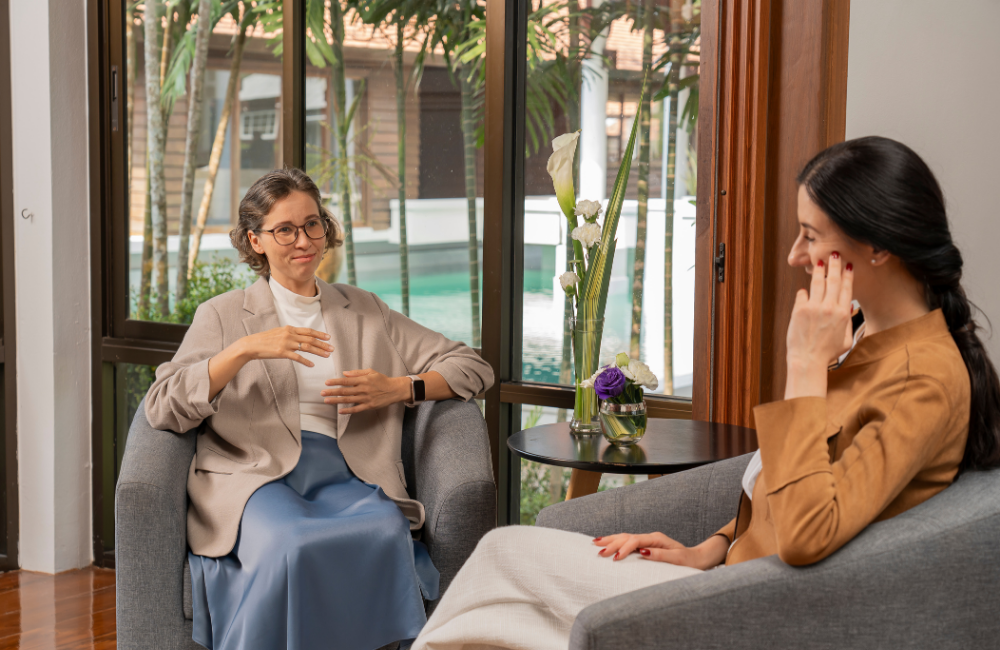
Single mothers carry a particular kind of tiredness. Every bill, school drop-off, sick day and decision rests with one person, and there is rarely another adult to help when that person is unwell. Research reflects the strain. A Brookings Institution analysis of US National Health Interview Survey data from 2016 to 2018 found moderate or severe psychological distress in 32% of single mothers, compared with 19% of married mothers.
Many single mothers live with depression, anxiety or burnout for a long time, because stopping feels impossible. Weekly therapy helps a great many people, yet real progress is difficult in a 50-minute session that has to fit between work and school pickup. A few weeks of residential treatment can achieve more, and centers in Thailand offer it for a fraction of the US price.
Table of contents
How single mothers can plan time away for treatment
Arranging childcare during residential treatment
Childcare is usually the first obstacle, and it is the reason many mothers never book. A grandparent, sibling or close friend who stays in the family home causes the least disruption. The other parent may be able to care for the children for longer if co-parenting is workable.
A one-page routine sheet with school times, activities, medication and emergency contacts makes the handover easier. The school also needs to know who will collect the children.
Protecting your job with FMLA leave
US employees may be entitled to up to 12 weeks of job-protected, unpaid leave a year for a serious health condition under the Family and Medical Leave Act. Eligibility depends on working for an employer with at least 50 employees, having been there for 12 months, and having worked at least 1,250 hours in the past year (US Department of Labor). A doctor or therapist will usually need to certify the condition.
Keeping in contact with your children from Thailand
Phone policies vary by center, and many limit devices in the first week. Thailand is between 11 and 15 hours ahead of the mainland US, depending on the time zone and the season. A morning call in Thailand reaches most American children in the evening, which suits a bedtime routine.
Four mental health treatment centers in Thailand
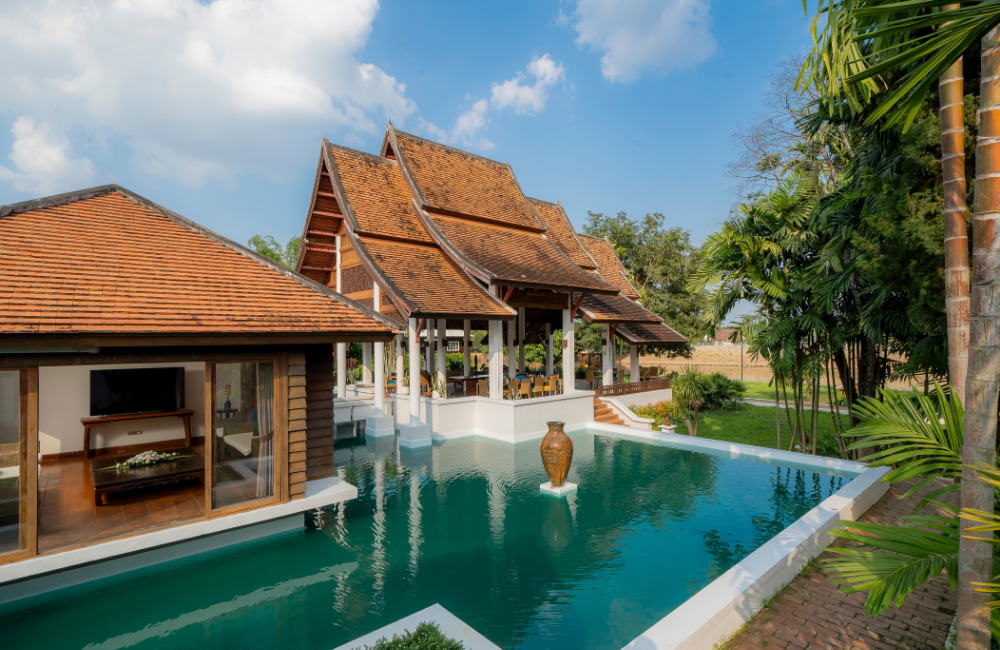
1. The Dawn Wellness Centre and Rehab, Chiang Mai
The Dawn Wellness Centre and Rehab in Chiang Mai holds CARF accreditation, which no other treatment center in Asia has, as well as a license from the Thai Ministry of Public Health. The center provides residential mental health treatment in Thailand for depression, anxiety, trauma, burnout and mood disorders. No more than 30 clients are in treatment at one time, and each has a private room.
Care at The Dawn is led by a consultant psychiatrist, who reviews medication, alongside registered nurses on duty day and night. Therapists certified in the UK, the US and Australia deliver two individual sessions and up to 15 hours of group therapy each week. TMS, a non-invasive brain stimulation treatment, can be added at extra cost for depression that has not responded to medication.
Families stay involved throughout. A weekly online support session is open to the families of prospective, current and former clients, and former clients have twice-weekly online aftercare groups for life.
The Dawn’s records show measurable improvement in depression for 91% of clients and in anxiety for 85% between 2022 and 2025.
2. The Beekeeper House, Chiang Mai
The Beekeeper House, in the hills of Mae Rim north of Chiang Mai, treats a broad range of conditions, including depression, anxiety, PTSD, OCD and eating disorders. A consultant Thai doctor oversees medical care, and clients follow a schedule of individual sessions and daily groups. Clients keep in contact with the team through the center’s app after discharge. The 35-day minimum stay is longer than many single parents can arrange.
3. The Cabin Chiang Mai
The Cabin, beside the Ping River in Chiang Mai, is known mainly for addiction treatment and runs separate programs for depression, anxiety, trauma and burnout. Up to two family members of a client in residential care can join its family program free of charge. The center’s accreditation is a Thai national hospital standard rather than an international one.
4. Holina Healing Center, Khao Yai
Holina, best known for its addiction center on Koh Phangan, also runs a healing retreat in Khao Yai National Park, about two and a half to three hours by road from Bangkok. The Khao Yai center has 20 private rooms and treats depression, anxiety, burnout, grief and trauma over a 28-day program.
The team is said to include psychiatrists, but individual credentials are not published, and extras such as IV infusions and stem cell treatments are charged separately. Family visits are possible by arrangement. A full list of staff qualifications and fees is a sensible request before booking.
How the four centers compare on care and family support
| Center | Location | Medical cover | Stay | Family support |
| The Dawn Wellness Centre and Rehab | Chiang Mai | Consultant psychiatrist; nurses 24/7 | 4 to 12 weeks | Weekly online session for families |
| The Beekeeper House | Mae Rim, Chiang Mai | Thai doctor oversees care | Minimum 35 days | Not stated |
| The Cabin Chiang Mai | Chiang Mai | Medical staff 24/7 | 4 to 12 weeks | Free for up to two family members |
| Holina Healing Center | Khao Yai | Psychiatrists mentioned; credentials not published | 28 days | Visits by arrangement |
Questions to ask a mental health treatment center in Thailand

Whether a psychiatrist is part of the resident team
Depression and anxiety often need medication reviewed or adjusted, and only a psychiatrist or doctor can make those changes. A psychiatrist who visits only at admission offers far less support than one on the resident team.
Whether the center holds a license and international accreditation
Every legitimate center in Thailand holds a license from the Ministry of Public Health. International accreditation adds an independent audit of clinical standards and safety, which offers some reassurance when choosing a center on the other side of the world.
How families take part during and after treatment
Treatment works best when the people at home understand what has changed. Family sessions that can be joined online, and aftercare groups held at hours that suit a US time zone, make the return home much smoother.
Frequently asked questions about mental health treatment in Thailand
Can I talk to my children while I am in treatment in Thailand?
Mothers in treatment in Thailand can usually talk to their children on scheduled video calls, although some centers limit phones in the first days. Setting call times before arrival helps the children know when to expect contact.
Does US health insurance cover mental health treatment in Thailand?
US health insurance covers mental health treatment in Thailand only under some plans, usually as out-of-network care that you pay for first and claim back. Your insurer can confirm whether residential treatment abroad is covered, and the answer should be in writing.
How much does residential mental health treatment in Thailand cost?
Residential mental health treatment in Thailand typically costs USD 10,000 to USD 20,000 for a month at a high-quality center, which is roughly a third of US prices. A written list of exclusions, such as flights, visa fees and some medication, prevents surprises later.










