
Your grocery receipts are sitting in the trash right now, and you probably didn’t scan a single one. Your gas tank filled up this morning at a station where you could have gotten 12 cents a gallon back. Your garage has held nothing but a defunct treadmill for three years, and someone four miles away is paying $180 a month at a storage facility for exactly that kind of space.
None of this requires side-hustle energy. These apps don’t ask you to drive strangers around, take surveys until your eyes glaze over, or sign up for services you don’t want. They pay you for things you are already doing: shopping, driving, walking, browsing, gaming, cooking, taking pictures on your phone. Most take five minutes to set up.
A few of these can add up to real money. A few add up to a small amount of real money. All of them beat zero, and several might actually surprise you.
Table of contents
Ibotta
Ibotta is a cashback app focused on groceries and everyday shopping, and it is one of the most rewarding ones you can run. The mechanics are straightforward: before you go to the store, you open the app and activate offers for products you plan to buy anyway. After you shop, you submit your receipt and Ibotta deposits the cash. It works at major grocery chains, Walmart, Target, pharmacies, and online.
The key difference from other receipt apps is that Ibotta offers actual dollar amounts per item, not just vague points. A qualifying yogurt might pay $0.50. A specific brand of paper towels might pay $1.25. Stack enough of those on a weekly grocery run and it adds up. Active users can realistically earn $20 per month or more, and the $20 minimum cashout threshold means most regular shoppers hit their first payout within a couple of weeks. Funds go to PayPal, Venmo, or gift cards.
The one habit it requires is checking the app before you shop, not after. That five-minute step is what separates people who actually cash out from people who downloaded it and forgot about it. American shoppers have earned over $2.5 billion through Ibotta since 2012.
Fetch Rewards

Where Ibotta asks you to activate offers before shopping, Fetch asks for nothing in advance. You buy whatever you normally buy, then snap a photo of the receipt afterward. Every receipt earns a baseline of 25 points, and if you happen to buy partner-brand products, you earn additional bonus points automatically, no pre-activation, no planning required.
Points redeem for gift cards, with 1,000 points equaling $1 and a $3 minimum cashout. Most regular shoppers earn $5 to $15 per month. Active users who scan every receipt from grocery runs, restaurant visits, gas stations, and online orders can push higher. Fetch has over 18 million active users and has paid out hundreds of millions in rewards since launching in 2013.
The real move is running both Fetch and Ibotta at the same time. You can stack them on the same purchase: activate an Ibotta offer for a product, buy it, then scan the receipt in both apps. The two systems don’t block each other. Add a cashback credit card on top and a single grocery trip earns from three sources simultaneously.
Upside
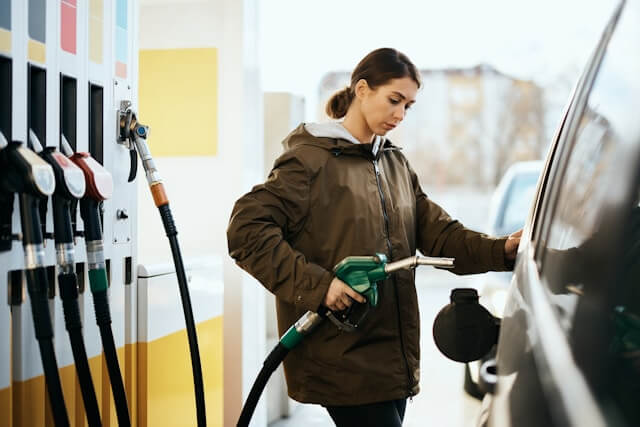
Every time you fill your gas tank, you are paying whatever the pump says. Upside changes that. The app shows you a map of nearby gas stations with cashback offers attached, typically around 10 to 15 cents per gallon at participating locations including BP, Shell, and Exxon. You claim the offer in the app before you fill up, pay as usual with your linked debit or credit card, and the cashback lands in your Upside account automatically.
For a driver filling up twice a week at 15 gallons a pop, even 10 cents a gallon works out to roughly $150 to $200 per year just on gas. Upside has since expanded well beyond gas: the app also covers groceries and restaurants, with cashback rates at participating stores sometimes reaching 15 to 20 percent. There is no minimum cashout, and you can transfer directly to your bank, PayPal, or gift cards.
One of Upside’s genuinely useful features is that it stacks on top of whatever you are already doing. Your credit card rewards still apply. Your gas station loyalty points still apply. Upside goes on top of both, which is unusual among cashback platforms. The app has over 100,000 participating locations nationwide.
Rakuten

Rakuten started in 1999 as Ebates, and it is still one of the most reliable cashback tools for online shopping. The simplest way to use it is to install the browser extension. When you navigate to a participating retailer, a small popup appears offering to activate cashback for that session. Click it once, shop normally, and Rakuten records your purchase. The extension covers over 3,500 retailers including Amazon, Walmart, Target, Nike, and Expedia.
Cashback rates range from 1 percent to 15 percent or more depending on the store and any active promotions. Rakuten also runs seasonal Double Cashback events where rates jump significantly. The average member earns around $120 per year, which tracks with what longtime users actually report after a few years of using it consistently. Payout comes as a check or PayPal deposit once per quarter, with a $5.01 minimum.
The quarterly payout schedule is the one downside. If you earn $40 in February, you won’t see it until May. That’s a longer delay than most modern cashback apps. The tradeoff is a broad retailer network and consistent tracking, which Rakuten is genuinely better at than several of its competitors. The browser extension makes activation practically automatic once you get used to the popup.
S’more

S’more is one of the most passive ways to earn on this list, and one of the least talked-about. Install the app on an Android phone and it replaces your lock screen with an ad. You don’t have to click anything. You don’t have to watch anything. You just unlock your phone as you normally would, and the app credits 10 points to your account for the day. That’s $0.10 per day, or about $36 per year for doing nothing beyond existing.
That won’t change your life. But it is completely passive, and the app does offer additional ways to earn: short videos, in-app offers, and a few other tasks you can take or leave. The minimum cashout is $1 (100 points), which is about as low as reward apps go. Redemption options include Amazon, Target, and Starbucks gift cards.
S’more is Android-only and works best as part of a stack. People who run passive income apps across multiple old phones treat S’more as a standard install because there’s essentially no effort once it’s set up. The lockscreen ads are images, not videos, which matters if you’re worried about battery drain or disruption.
Nielsen Mobile Panel

Nielsen, the same company that has measured TV audiences for decades, runs a passive data program where they pay you to install an app on your phone and use it the way you already do. The app runs quietly in the background, collecting anonymized information about your internet habits, things like which apps you use, how often you browse, and your general traffic patterns. You don’t do anything differently. You just keep using your phone.
The payout is $50 per year per enrolled device, paid as gift cards to your choice of retailer. You can enroll multiple devices, including old phones and tablets you no longer actively use. Nielsen also enters enrolled users into monthly sweepstakes with prizes up to $10,000. The data collected is aggregated and anonymous. Nielsen specifically does not collect text messages, call records, or financial information.
Enrollment is occasionally limited by ZIP code since Nielsen needs to maintain demographic balance across their panel. If your area is full, you go on a waitlist. But for most people, this is one of the cleanest passive earners available: install it once, forget it exists, and collect $50 a year from your phone sitting in your pocket.
Honeygain

Honeygain pays you to share a small portion of your unused internet bandwidth. Install the app on your phone, tablet, or computer, leave it running in the background, and it channels idle data capacity to Honeygain’s network, which businesses use for market research and content delivery tasks. You earn credits based on how much data is shared, and credits redeem for cash via PayPal or cryptocurrency once you hit the $20 minimum.
Realistic earnings for a single device run about $3 to $5 per month, depending heavily on your location and internet demand in your area. Users in major metro areas tend to earn more than users in rural areas. Running Honeygain on multiple devices with different connections increases earnings proportionally. The app has a 4.5-star Trustpilot rating and over 14,000 reviews, with regular payment confirmations posted publicly by users.
The privacy picture is worth understanding before you sign up. Honeygain says the app operates in a sandboxed environment and does not access personal data, browsing history, or files on your device. Your connection is used as a node for external data requests, similar to how business VPNs route traffic. If you’re comfortable with that trade-off, it’s about as close to truly passive income as apps get.
Turo

If you own a car and it sits parked for significant stretches of time, whether it’s a second vehicle, a car you rarely drive, or just one that spends weekends in the driveway, Turo lets you rent it out to verified drivers. You set your availability, your daily rate, and your house rules. Guests book through the app, Turo provides insurance, and you get paid.
The average U.S. Turo host earns around $545 per month, though that figure varies enormously based on car type, location, and how often the vehicle is listed. Economy cars in high-demand cities can cover a car payment. Hosts who rent out SUVs, trucks, or newer vehicles earn more. You keep 65 to 90 percent of the rental price, with the percentage tied to which insurance option you select. Turo handles the transaction, the paperwork, and 24/7 roadside assistance.
This one does involve some real-world logistics: handing over keys, cleaning the car between rentals, and occasionally dealing with renters who return it with a smudged bumper. Turo has a claims process for damage. Most hosts report the income more than covers the minor hassle, especially for a car that would otherwise sit depreciating in a parking spot. List your car on turo.com for free to get an estimated daily rental rate with their calculator.
Neighbor

Self-storage costs the average American roughly $100 to $250 per month at a commercial facility. If you have a garage, a driveway, a basement, a shed, or even an attic that isn’t being used, Neighbor connects you with people nearby who need that exact space, at half the commercial price. You list the space, set the price, approve renters, and collect monthly payments via direct deposit.
Earnings vary by space type and location. Garages bring in $50 to $500 per month. Driveways for vehicle storage run $50 to $150. A clean basement or climate-controlled space in a suburban area can command $100 to $300. If your renter stops paying, Neighbor’s rental guarantee still pays you for up to two months. The company charges hosts a 4.9 percent processing fee plus $0.30 per payment, so a $200 monthly rental nets you about $190.
The appeal here is that you are monetizing space that is sitting empty right now. The listing takes about 30 minutes: measure the space, take photos, fill in the details. After that, you do essentially nothing except ensure the renter can access it according to the rental terms. Neighbor prohibits the storage of dangerous or illegal items in its terms of service, and renters are verified before they book.
Field Agent

Field Agent is an app that pays you to do quick jobs at nearby stores and businesses. A task might ask you to check whether a particular product display is set up correctly, photograph a competitor’s pricing, complete a short mystery shopping visit, or audit an in-store promotion. The jobs appear on a map based on your location, you accept one, complete it within the allotted window, and get paid.
Most tasks pay between $3 and $15, with more complex assignments reaching $25 or more. Simple photo audits at a store you were already going to can take under five minutes and pay $4 to $8. Mystery shopping jobs that require a conversation with a store employee take longer and pay more. Payment goes to PayPal or CashApp within a few days of approval. Field Agent has paid out over $20 million to agents since launching in 2010.
The catch is task availability, which is tied to your location. Users in major metropolitan areas see consistent opportunities. Rural areas see far fewer. Pay has also drifted toward the lower end of the range in recent years, with many standard audits settling at $4 to $6. The best way to use it is opportunistically: check the app when you are heading to a store anyway and snap any available task while you are there. The approval process can take up to a week, which is slower than competing apps.
Mistplay

Mistplay is an Android app that pays you in gift cards for playing mobile games. Install it, choose a game from their catalog, and play it. Every minute of verified gameplay earns units, which you eventually redeem for Amazon, Google Play, Visa, or Target gift cards. The app has paid out over $150 million to users since launching in 2016 and has a 4.5-star rating on Google Play.
Realistic earnings run $1 to $3 per hour of play, with a ceiling of roughly $10 to $30 per month for people who game regularly. Annual earnings cap at approximately $550 per user. New games pay better than old ones since Mistplay earns a commission from game developers for bringing them new players, so the earning rate on any individual game drops as you accumulate hours. The best strategy is rotating through new titles rather than grinding one game indefinitely.
This one only makes sense if you are already going to spend that time on your phone. The hourly rate is low compared to any conventional paid work. But if you are going to play mobile games on your commute or before bed anyway, Mistplay turns those sessions into gift card value for nothing extra. Mistplay is not available on iOS.
Freecash

Freecash operates on a similar premise to Mistplay but with a broader range of earning options and, for users willing to engage with it strategically, substantially higher earning potential. You earn coins by downloading and playing featured games, testing apps, watching videos, and completing offers from advertisers. Coins redeem for PayPal cash, crypto, or gift cards.
The standout feature is the gaming offer structure. Some featured games pay out hundreds of dollars for reaching certain in-game milestones, particularly games that involve building progress over several weeks. One user reaching level 40 in a specific mobile RPG might earn $80. Another hitting a progress milestone in a casual strategy game might earn $120. The catch is that these payouts require genuine time investment: days or weeks of active play to hit the milestone. But the average payout per game offer on Freecash runs significantly higher than Mistplay, and the platform is available on both iOS and Android.
Freecash also has a strong community of users who share which current offers have the best payout-to-effort ratio, which makes it easier to target the highest-value tasks. If you are already a mobile gamer, Freecash is worth running alongside or instead of Mistplay depending on which current offers match the kinds of games you actually enjoy.
Foap

Every photo you take on your phone is worth something to someone, and Foap exists to connect your camera roll to brands and advertisers who need real, authentic images. You upload photos to the Foap marketplace, price them at $10 each, and earn $5 when one sells. The platform has over 4.5 million contributors and has been featured in CNN and The New York Times.
The higher-earning mechanism is Foap Missions: brand-sponsored challenges where a company posts a creative brief (shots of people using their product in everyday settings, outdoor lifestyle photography, food imagery) and pays prize money to winners. Mission prizes can reach $100 or more for first place. These are open contests, so winning is not guaranteed, but strong photographers consistently place. Brands on Foap have included Pepsi, Heineken, and Volvo.
Foap is best suited to people who already take a lot of photos and have a backlog of good shots sitting unused. Upload what you have, activate the Foap marketplace listing, and let it sit. Individual sales are passive once your portfolio is up. The app has had some technical issues with Android uploads that Foap’s team has acknowledged and worked on incrementally. iPhone users generally report a smoother experience.
Poshmark
Poshmark is a resale platform built specifically around fashion, accessories, and home goods, and it works because it has a large, active buyer community that actually uses the app like a social feed. Sellers list items with photos and descriptions. Buyers browse, make offers, and purchase. When something sells, Poshmark emails you a prepaid shipping label. You drop the package at the post office. Done.
Poshmark takes a flat $2.95 fee on sales under $15 and 20 percent on sales of $15 or more. That fee is higher than some competing platforms, but Poshmark’s buyer base for clothing and fashion items is unmatched in the resale space. A brand-name coat you paid $200 for and wore twice can realistically sell for $80 to $120. A pile of gently worn everyday clothing can net $5 to $20 per item. People who are already clearing out closets regularly find Poshmark more worthwhile than donating items they could sell.
The social element rewards engagement: sharing your listings to your followers, attending virtual “Posh Parties” (themed selling events), and following buyers in your niche. Sellers who actively share and engage sell faster than those who post and disappear. It is more active than most apps on this list, but the income potential on quality items is real.
Mercari

Mercari handles a broader range of merchandise than Poshmark and has positioned itself as the resale platform for essentially anything: electronics, games, toys, books, sporting goods, kitchenware, vintage collectibles, and clothing. The fees are lower than Poshmark at 10 percent of the sale price, and the platform supports both seller-arranged shipping and Mercari’s prepaid labels.
The sweet spot on Mercari is the miscellaneous household category. Poshmark buyers are specifically shopping for fashion. Mercari buyers are looking for everything, including items that have no obvious home on eBay or Facebook Marketplace. A working kitchen appliance, a set of video game controllers, old textbooks, a bread maker from the back of the cabinet: these sell on Mercari at prices that make listing worthwhile. Phone photos are fine. The listing process takes about three minutes per item once you have done a few.
Payouts go to your Mercari balance, which transfers to your bank account or PayPal. The app also has a direct selling feature that lets buyers and sellers negotiate, which is useful for moving higher-priced items faster. If you run regular household declutter sessions, keeping Mercari installed as your default selling platform means every round of clearing out has a revenue side attached to it.
InboxDollars

InboxDollars has been paying users since 2000 and has paid out over $80 million to its members. Most people think of it as a survey site, but surveys are just one earning method among several that don’t involve answering questions. You can earn from watching short video clips and TV content, playing online games, reading branded emails, shopping through their portal, and taking advantage of cashback offers. New members receive a $30 bonus after signing up, which is among the highest welcome offers in the rewards app space.
The earning rates vary. Video content pays a few cents per clip. Game sessions and completing certain app download offers can pay several dollars. Shopping cashback through the InboxDollars portal works similarly to Rakuten. The minimum cashout is $30, redeemable as a check or gift card. For most casual users who dip in during downtime rather than grinding it systematically, it takes a few weeks to hit the first payout.
InboxDollars sits in a different category from the hyper-passive apps like Nielsen and Honeygain. It asks for your active attention. The tradeoff is that it offers more earning levers, so if you are already watching videos on your phone during idle time, you can redirect some of that to InboxDollars and get paid for it instead of watching something on YouTube for free.
Evidation

Evidation, formerly known as Achievement, is a health research platform that pays users for tracked physical activity. Connect the app to your existing fitness tracker or health app, including Apple Health, Fitbit, Garmin, Strava, or MyFitnessPal, and it passively earns points based on what those apps already log. Every 10,000 points earns a $10 reward, delivered via PayPal, direct deposit, e-gift card, or charitable donation.
Active users who walk regularly, log workouts, or track health metrics can realistically earn around $60 per year. That is genuinely modest. The app also offers additional earning through optional health studies and occasional research participation, which can boost totals. The distinction Evidation makes is that the data you share contributes to actual published health research, not just advertising profiles. If you already track your fitness and are comfortable sharing anonymized data with researchers, Evidation adds a financial component to habits you have already built.
Note that points expire if your account is inactive for 12 months, meaning you need at least one qualifying activity annually to keep your balance alive. The setup is simple: download the app, connect your trackers, and do nothing differently. For people already using a Fitbit or Apple Watch daily, the passive accumulation adds up with genuinely zero extra effort.
Sweatcoin

Sweatcoin tracks your outdoor steps and converts them into a digital currency called SWEAT, which you can transfer to the Sweat Wallet app and eventually sell on a cryptocurrency exchange like Binance or Bitget. It is important to be clear about what this means in practice: Sweatcoin does not pay you in dollars or gift cards. It pays you in a cryptocurrency that fluctuates in value and requires an extra step to convert to actual money.
With that caveat stated, active walkers who consistently log outdoor steps can earn roughly $5 to $8 per month in SWEAT value at current market rates, with free users capped at 10,000 steps of rewards per day. Cashing out requires selling your SWEAT tokens on a supported exchange and withdrawing to your bank, with small network fees typically under $0.50. The process is not difficult if you are comfortable with crypto, but it is not as simple as a PayPal transfer.
Sweatcoin works best for people who already take daily outdoor walks and want to attach any kind of financial value to them. It is also genuinely motivating as a fitness tool: the app gamifies your step count in a way that keeps people moving. Just go in with accurate expectations. This is not a meaningful income source. It is a small crypto reward for an activity that has its own health payoff regardless of the dollars involved.
These apps work best in combination. Fetch and Ibotta running simultaneously on the same shopping trip costs nothing extra and earns from two separate systems. Upside stacks on top of your existing credit card rewards. Nielsen and Honeygain run entirely in the background while everything else is happening. Pick three or four that match your actual routine, run them consistently, and the total adds up without much thought required.











