
You apply for a quiet, focused job and end up spending half your week in meetings. Then you get home too drained to do much besides stare at the wall. A different job title will not fix that if the working day still revolves around constant interaction.
There is also the question of whether the job will still be worth training for in five years. Routine clerical work is among the most exposed to generative AI, so a supposedly perfect remote desk job can be a poor long-term bet. Work that involves inspecting actual equipment, handling physical materials, treating patients, or fixing something on-site offers a different kind of staying power.
The pay figures below are U.S. median annual wages for 2025, not starting salaries. Employment changes are projections for 2025 through 2035. None of these jobs is completely solitary, and none is guaranteed against automation. The appeal is having substantial work to do between the conversations, with measurable results that do not depend on being the loudest person in the room.
Sterile processing technician
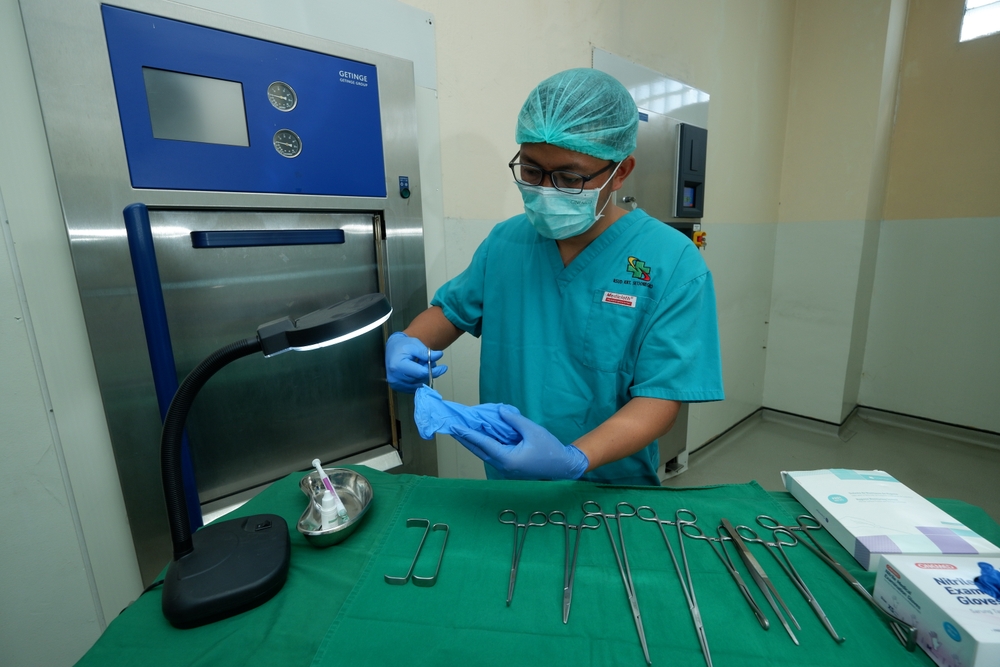
Before a surgeon can use a tray of instruments, someone has to make sure every piece is cleaned, sterilized, checked, and assembled correctly. Sterile processing technicians work behind the scenes in hospitals and surgical centers. There are procedures to follow, machines to monitor, and no room for guessing whether an instrument is safe.
The national median pay for medical equipment preparers was $47,700, with employment projected to grow 11%. A high school diploma is the usual entry-level educational requirement, although employers may want training or certification. This is a practical choice if you like exact routines and can handle a busy hospital without spending the whole shift talking to patients. The work is repetitive, and shifts may include evenings or weekends.
Calibration technician
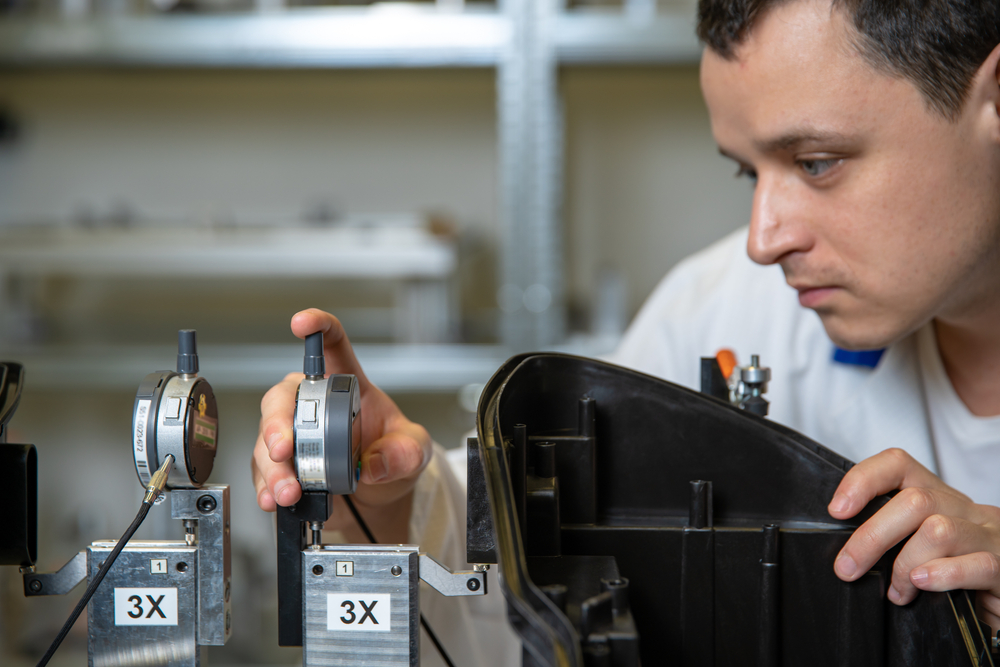
A thermometer that reads two degrees too high, or a pressure gauge that is slightly off, can ruin a batch of products. Calibration technicians test measuring equipment against known standards, adjust instruments, and document the results. Their work is common in manufacturing, laboratories, and other places where small errors become expensive.
Median pay for calibration technologists and technicians reached $67,820 in 2025, with 5% projected employment growth. An associate degree is the typical entry route. Most of the value comes from careful testing rather than selling ideas in meetings. You will still work with engineers and production staff, especially when a failed instrument stops work, but the task itself requires sustained attention and an actual device on the bench.
Tree trimmer or arborist
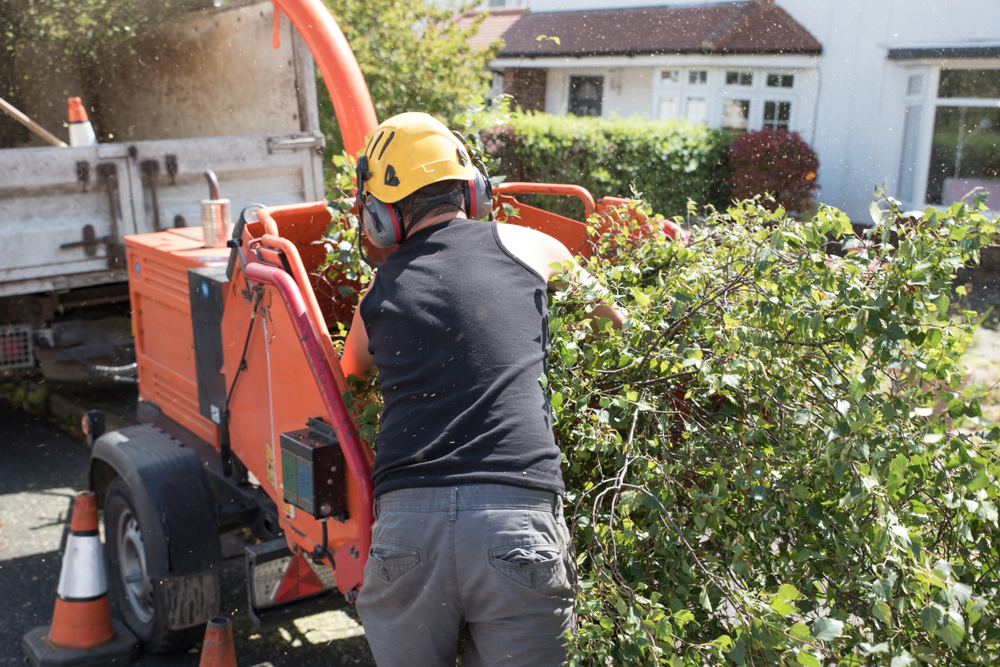
Tree care is more complicated than showing up with a chainsaw. Workers assess damaged limbs, prune around buildings and power lines, and decide how to remove dangerous growth without injuring anyone below. A careful, observant person can become extremely valuable on a crew, especially when the obvious cut is not the safe one.
Tree trimmers and pruners had a 2025 median wage of $50,960 and projected growth of 4%. Many people start with on-the-job training, though more advanced arborist credentials take time and experience. You spend much of the day outside doing practical work instead of handling office politics. This is not a quiet or solitary job, however. Teams must communicate clearly, and heights, heavy equipment, and bad weather are serious considerations.
Medical equipment repairer

Hospitals cannot simply restart every broken infusion pump, monitor, or imaging device and hope for the best. Medical equipment repairers test machines, find faults, replace parts, and verify that equipment works safely before it goes back into service. The title is sometimes advertised as biomedical equipment technician.
The 2025 median salary was $61,660, with employment projected to grow 13%. An associate degree is the typical entry requirement, with more specialized training needed for some systems. This suits people who would rather solve one difficult technical problem than field nonstop customer questions. You may have to explain faults to clinical staff and answer urgent calls, but the job still depends on a human inspecting and repairing physical equipment.
Forensic science technician

The work is less like a television crime drama and more like careful, painstaking evidence handling. Forensic science technicians collect, document, preserve, and test evidence. A poorly labeled sample or an incomplete chain-of-custody record can undermine months of investigative work, even when the science itself is sound.
Median annual pay was $72,060 in 2025, and employment is projected to grow 13%. A bachelor’s degree is the typical entry requirement, followed by substantial job-specific training. Laboratory assignments can offer long stretches of concentrated analysis, while crime-scene work involves travel, emergencies, and contact with investigators. The role suits someone who stays calm around disturbing material and can defend their findings clearly when questioned.
Food science technician

Someone has to check whether a packaged food matches its safety and quality standards before it reaches the grocery shelf. Food science technicians collect samples, perform laboratory tests, record results, and help investigate problems with ingredients or production. You may spend your day checking acidity, contamination indicators, or whether batches meet a specification.
This occupation paid a median $52,130 in 2025, with 5% projected job growth. An associate degree is a common entry point. The work can suit an introvert who enjoys instruments, repeatable methods, and clear pass-or-fail decisions. Factory environments may be loud, and some roles involve early shifts or production deadlines. Look for laboratory quality-control positions rather than assuming every food plant job offers a peaceful workspace.
Wind turbine service technician
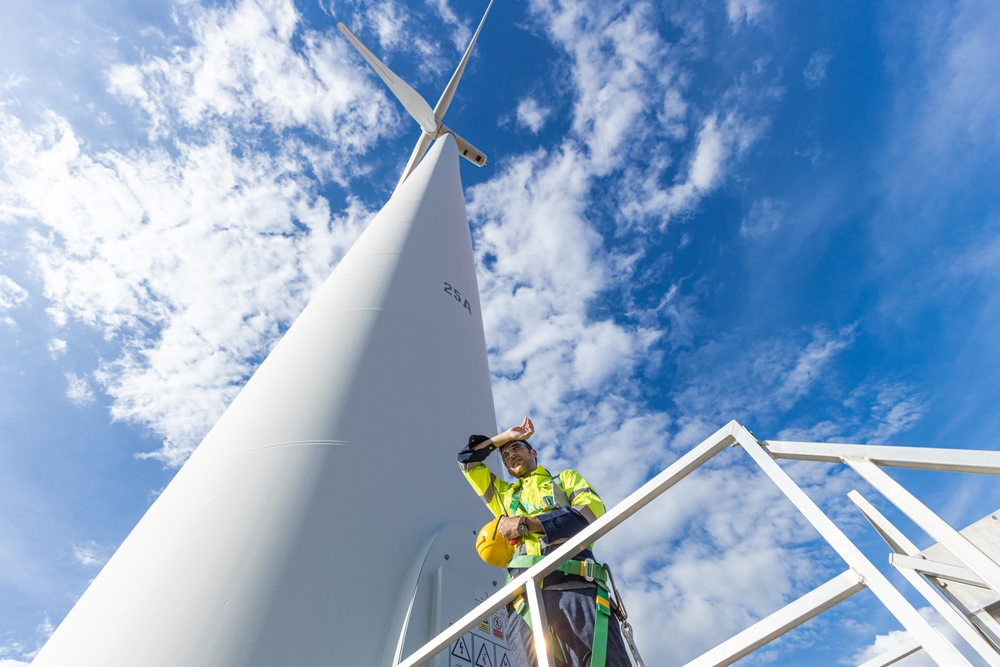
Wind turbines need technicians who can climb inside them, check mechanical and electrical systems, replace worn parts, and identify faults before they become major failures. Much of the work takes place high above the ground with a small crew. Nobody is hiring you for your ability to make small talk at a networking breakfast.
The 2025 median wage was $64,120, and employment is projected to grow 30% through 2035. The usual route is a postsecondary technical program followed by extensive on-the-job training. It is a strong fit for a mechanically minded introvert who enjoys physical problem-solving and tight teamwork. It is a terrible fit if you dislike heights, confined spaces, travel, or unpredictable weather. Clear communication is essential for safety.
Ophthalmic medical technician

Eye clinics rely on technicians to measure vision, check eye pressure, operate diagnostic instruments, and prepare patients for the ophthalmologist. An appointment often follows a set sequence of tests. You explain what to do, carry out the measurement, and move on to the next patient instead of spending the day pitching products.
Ophthalmic medical technicians earned a median $45,570 in 2025, and the field has projected growth of 21%. The typical entry route is a postsecondary nondegree program, although requirements vary by employer. Introverts who prefer structured one-on-one contact can do well here. There is plenty of patient interaction, sometimes with anxious or uncomfortable people, so this is not a job for someone seeking silence all day.
Fire alarm systems installer

The little box on the ceiling is only part of a fire alarm system. Installers run wiring, mount sensors and control panels, test circuits, and track down problems when a system gives false alarms or fails an inspection. A great deal of the working day goes into tracing real faults in real buildings.
Security and fire alarm systems installers had a 2025 median wage of $60,070 and projected employment growth of 7%. A high school diploma is the typical starting requirement, followed by job training, and some employers or jurisdictions require credentials. This can suit someone who enjoys wiring diagrams and practical troubleshooting. You will need to coordinate with contractors and explain systems to customers, but the technical work is far harder to replace with a chatbot.
Surveying and mapping technician

Property lines, road projects, and construction sites need measurements that match the ground, not just a drawing on a screen. Surveying and mapping technicians set up instruments, collect field measurements, check survey data, and help turn the results into usable maps. Much of the job involves small crews and specific assignments.
Median annual pay was $54,240 in 2025, with projected employment growth of 6%. A high school diploma plus on-the-job training is a common entry route, although technical education can help. The fieldwork will appeal to introverts who like being outdoors and working methodically. Expect travel, rough terrain, and precise communication with the surveyor in charge. The computer portion may become more automated, but someone still has to verify what is actually on-site.
Industrial machinery mechanic

A production line that stops for two hours costs money even if the machines are perfectly capable of running the rest of the week. Industrial machinery mechanics inspect equipment, replace bearings and belts, diagnose mechanical failures, and keep automated systems working. The growing number of machines on factory floors does not remove the need to repair them.
Median pay was $64,520 in 2025, and employment is projected to grow 18%. The typical route starts with a high school diploma and substantial on-the-job training. For introverts, there is satisfaction in hearing an unusual sound, tracing its cause, and getting the line moving again. The trade-off is urgency: breakdowns are rarely scheduled around a calm workday, and noisy plants or overnight shifts may come with the position.
Museum technician or conservator

Museums have thousands of objects the public never sees, and each one needs careful handling. Museum technicians prepare artifacts for storage or display, monitor conditions, photograph collections, and help preserve fragile items. Conservators take on more specialized treatment of damaged or deteriorating objects. The hands-on work is slow and methodical because a mistake may be irreversible.
The combined occupation of museum technicians and conservators had median pay of $51,440 in 2025 and projected growth of 4%. A bachelor’s degree is typical for the broader category; conservator positions often require more advanced study and experience. It is an appealing role for a patient person who loves material history, but jobs can be scarce and competition strong. This is a specialist career, not an easy way to get paid to wander around a gallery.
Environmental science and protection technician

An environmental technician might spend the morning collecting water samples from a stream and the afternoon testing them in a laboratory. Other assignments involve air measurements, soil samples, or inspections at industrial sites. The work depends on clean sampling methods and reliable records, not simply generating a polished report.
Median annual pay was $55,090 in 2025, with employment projected to grow 7%. An associate degree is the typical entry requirement. Introverts who enjoy evidence-based work and alternating field time with lab time can find a satisfying rhythm. You may encounter unpleasant sites, hazardous materials, and regulatory deadlines. Choose the employer carefully, since some roles involve frequent inspections and conversations with businesses or property owners.
Diagnostic medical sonographer

A sonographer uses ultrasound equipment to create images that clinicians use to assess organs, tissues, and blood flow. Positioning a patient, finding the correct view, and recognizing whether an image is good enough require skill with both the equipment and the person on the examination table. A machine can help process images, but it cannot put a probe in exactly the right place without hands-on care.
Diagnostic medical sonographers earned a median $96,590 in 2025, with projected employment growth of 14%. An associate degree is the typical entry credential, along with relevant clinical training. This suits an introvert who enjoys focused, one-patient-at-a-time work. It does not offer much physical solitude, and the work can be emotionally difficult when patients are worried. The best fit is someone who likes structured human contact rather than avoiding people altogether.
Pest control technician

A pest control visit involves finding the actual source of an infestation, not just spraying whatever happens to move. Technicians inspect buildings, look for entry points, identify the pest, and choose an appropriate treatment or prevention plan. Much of the day is spent traveling between sites and examining places most people would rather not enter.
Pest control workers had a 2025 median wage of $45,250, with projected growth of 6%. High school education and on-the-job training are common starting points, and licensing is often required. Introverts who prefer short, purposeful customer conversations may enjoy the independence between calls. You do need to explain treatments clearly and work safely around chemicals, pets, and people. Unpleasant odors, tight crawl spaces, and seasonal workloads are part of the deal.
Aircraft mechanic

Aircraft maintenance involves inspecting components, following service manuals, repairing faults, and documenting the work so an aircraft can safely return to service. Precision is not optional. A bolt, seal, or wiring connection that looks almost right is not good enough when people will be flying on the result.
Aircraft mechanics and service technicians earned a 2025 median of $79,870, with employment projected to grow 5%. The common entry path is an approved aviation maintenance program, followed by the required certification or supervised experience. The work rewards patient troubleshooting and close attention to procedures, but it can involve hangar noise, night shifts, and coordination with a maintenance team. You need to be comfortable speaking up when something is unsafe.
Occupational health and safety technician

Somebody needs to measure workplace hazards rather than simply tell employees to be careful. Occupational health and safety technicians inspect equipment, collect samples, document conditions, and help identify risks in factories, hospitals, and construction settings. A quiet person who notices the frayed cable everyone else walks past may be better at the job than a polished presenter.
The median annual wage was $61,560 in 2025, and employment is projected to grow 19%. A high school diploma plus on-the-job training is the typical route, though many employers value extra technical education. It is practical, methodical work with a clear purpose. It still requires conversations with workers and supervisors, especially when the findings are unwelcome. Being calm and specific is useful; being unwilling to challenge someone is not.
Farm equipment mechanic
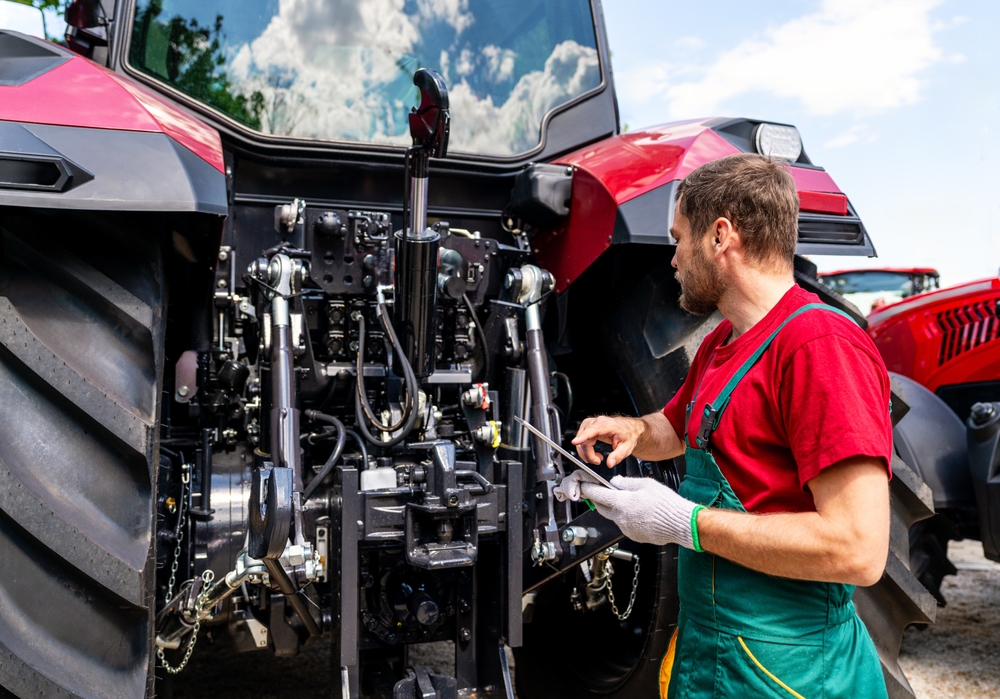
Modern tractors and harvesters have sensors, hydraulics, electronics, and machinery that can fail at exactly the wrong moment. Farm equipment mechanics diagnose faults, service engines and moving parts, and get expensive equipment working again. Some repair jobs happen in workshops, while others mean visiting farms and fixing a machine where it stopped.
The 2025 median salary was $56,550, with employment projected to grow 11%. The typical entry route involves a high school diploma and long-term on-the-job training, sometimes backed by a technical course. If you like mechanical puzzles and want an alternative to a busy retail workshop, this can be a good fit. Peak planting and harvest seasons bring long hours and urgent calls, so the work is not always predictable or peaceful.
Surgical technologist

In an operating room, surgical technologists prepare the sterile setup, arrange instruments, check supplies, and support the surgical team as the procedure unfolds. The job demands close observation and the ability to anticipate what is needed next. You are part of a team, but the interaction is tightly focused on the work.
Surgical technologists had a 2025 median wage of $64,650, with 5% projected employment growth. A postsecondary certificate or similar nondegree award is the typical entry education. This can suit an introvert who is steady under pressure and prefers purposeful communication to endless meetings. It is not a low-stress refuge. Operating rooms can be intense, shifts can run long, and your attention cannot wander when a patient is on the table.
Solar photovoltaic installer

Solar installers assemble mounting systems, place panels, make electrical connections, and test whether installations are secure and working correctly. The work is physical and often done outdoors with a crew. It offers clear progress: the equipment is installed safely, or there is more work to do.
The 2025 median pay was $53,140, and projected employment growth is 37% through 2035. The usual entry requirement is a high school diploma with on-the-job training. This is worth considering if you enjoy practical tasks and have no interest in spending your week in video calls. It requires teamwork, roof work, heat and weather exposure, and close attention to electrical safety. Introversion is no problem, but a fear of heights may be.
Fire inspector
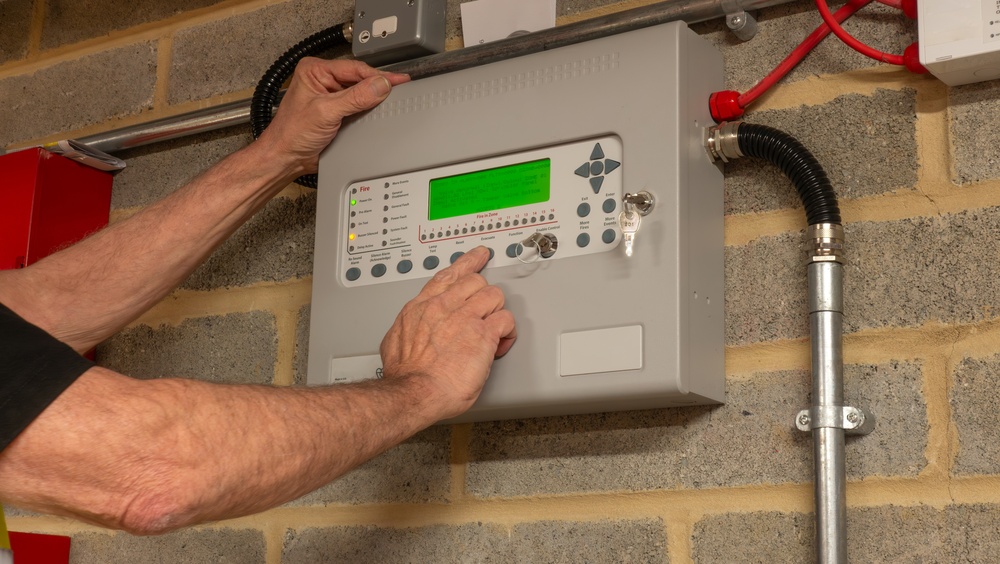
Fire inspectors examine buildings for hazards, test protection systems, and check whether fire codes are being followed. Some also investigate how a fire started. Their findings can prevent injury or force a business to correct unsafe conditions. Much of the work involves detailed observation, documentation, and evidence rather than performing for a crowd.
Fire inspectors and investigators earned a median $75,920 in 2025, with projected growth of 4%. It is usually a second-stage career requiring relevant fire-service or other experience, not a position most people enter straight from school. Inspections also mean explaining violations and sometimes facing pushback from owners or managers. It suits introverts who are comfortable standing firm on a technical judgment and keeping meticulous records.
Veterinary technician
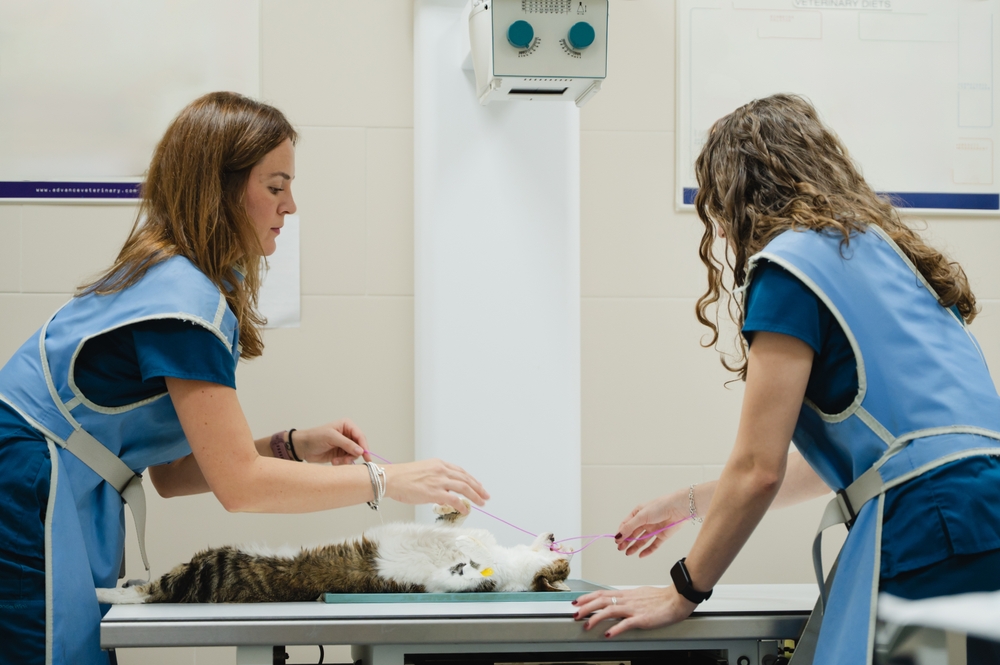
A veterinary technician may collect samples, monitor anesthesia, run lab tests, prepare equipment, and assist with animal care. Animals will not care whether you are outgoing, but they will respond to calm handling. Much of the work involves technical tasks and close observation, especially when a patient cannot explain what hurts.
Veterinary technologists and technicians earned a median $47,380 in 2025, and employment is projected to grow 9%. An associate degree is the typical entry education, with credentialing rules varying by state. The work can be rewarding for an introvert who prefers practical care and small teams, but it is far from people-free. You will speak with pet owners, handle emergencies, and sometimes face grief and difficult decisions. Pay may also be modest compared with the training required.
Elevator and escalator repairer
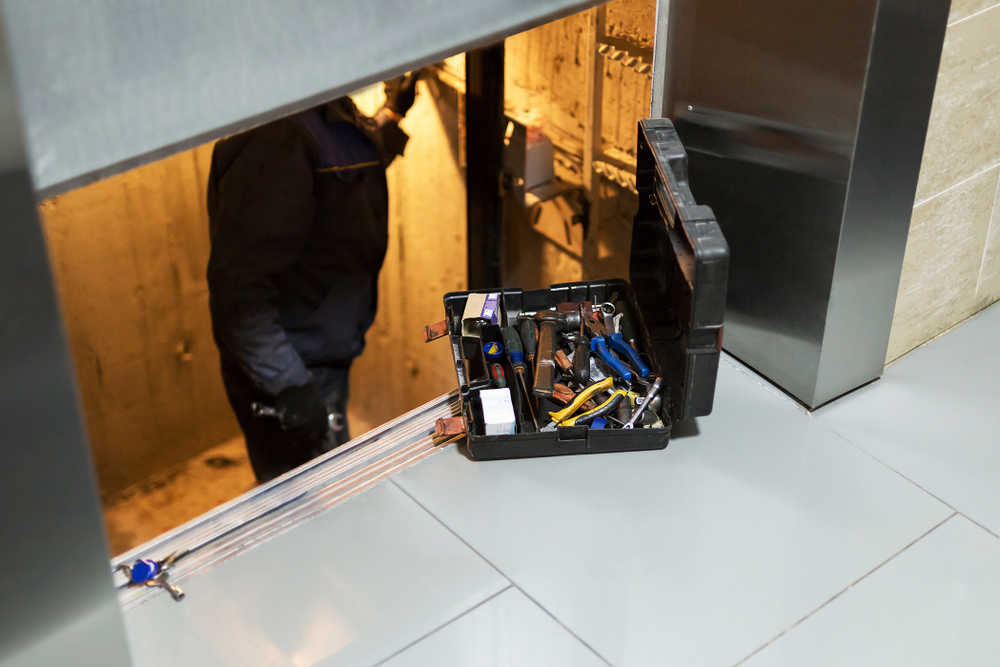
When an elevator stops working, a software alert may identify the fault, but somebody still has to open the machinery, inspect the problem, and make the repair safely. Elevator and escalator mechanics install, maintain, and fix complex mechanical and electrical equipment, often in cramped spaces or high places.
The 2025 median annual wage was $109,910, with employment projected to grow 6%. Most enter through an apprenticeship, so this is paid training rather than a quick online certificate. The work calls for concentration, practical problem-solving, and steady communication with a small team. Emergency callouts, heights, and strict safety procedures are significant trade-offs. It is well-paid because the machinery is specialized and the work carries real responsibility.
Conservation scientist
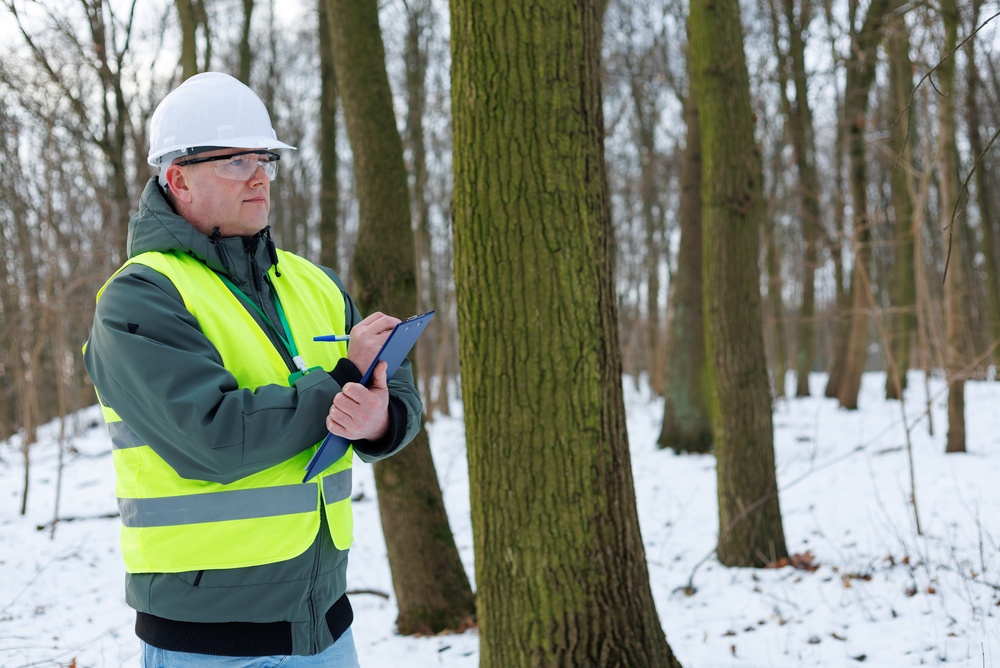
Conservation scientists help manage forests, grasslands, soil, and other natural resources. Some assess land conditions, measure erosion, monitor restoration projects, or work with landowners on better management practices. There is fieldwork, data collection, and the slow business of checking whether a plan is actually improving the land.
Median annual pay was $73,010 in 2025, with projected growth of 5%. A bachelor’s degree is the usual starting requirement. If you like independent observation, outdoor work, and thoughtful problem-solving, this may offer more breathing room than a conventional office job. However, land management also involves reports, regulations, and discussions with owners or agencies. It is a skilled science career, not an excuse to spend every afternoon hiking alone.
HVAC service technician
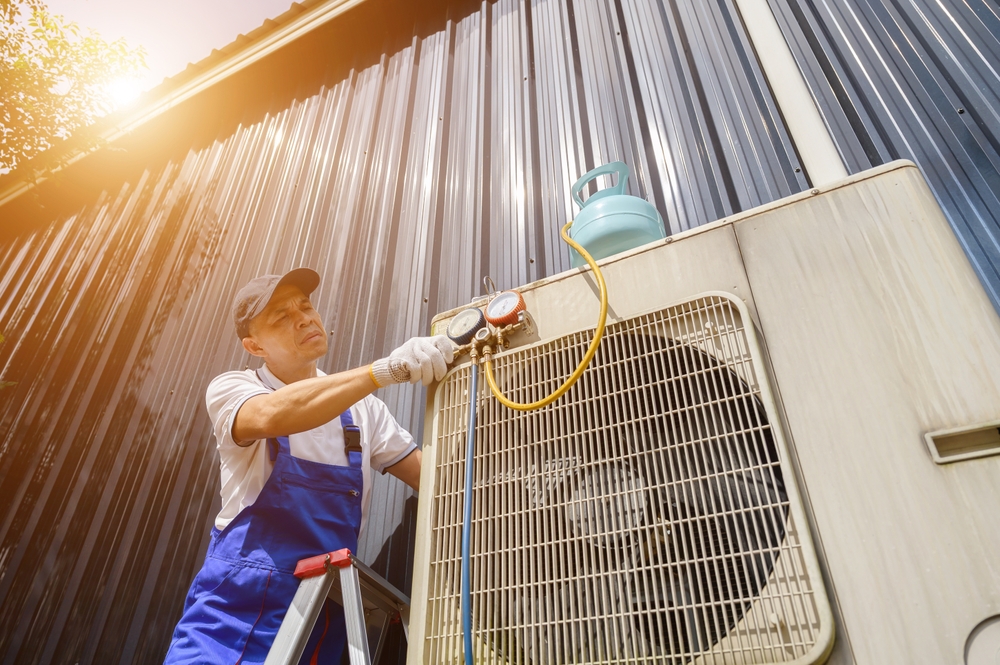
Air conditioners and heating systems need technicians who can diagnose why a unit is not cooling, replace faulty components, check refrigerant systems, and test the repair. The work combines physical access, instruments, and judgment. A remote AI assistant can suggest a fault, but a technician still has to confirm it and make the equipment safe.
Heating, air conditioning, and refrigeration mechanics and installers had median pay of $61,010 in 2025, with employment projected to grow 11%. A postsecondary technical program is a common route, followed by substantial training, and refrigerant work requires the appropriate certification. Some jobs are customer-facing residential service calls; others focus on commercial systems with less small talk. Ask which kind of work the employer actually offers before assuming the title means a quiet day.











