
For some people, the worst part of the working day isn’t the workload. It’s the phone. Every call pulls you out of what you were doing, demands an instant answer, and leaves you trying to remember where you were. If you’ve ever let a call go to voicemail and felt your shoulders drop, you already know what kind of job you’d rather have.
Those jobs exist, and plenty of them pay well. The Labor Department asks workers in more than 900 occupations how often they have telephone conversations, from every day to never. In most office jobs the answer is every day. In the 16 below, only a minority say that, and every one has median pay of at least $40 an hour.
None of them is in a shrinking field, either. Each has stable or growing employment projected over the next decade, and the work depends on hands, judgment, or lab and field skills that software can’t easily replace. Several need years of study, so the route in is spelled out for each one.
Subway and streetcar operator

You’d struggle to find a well-paid job with less phone time than this one. Nearly four in ten operators say they never have phone conversations at work, and fewer than one in five have them daily. The job is driving the train, watching signals, making announcements, and keeping to the timetable.
Median pay is $41.53 an hour, or about $86,380 a year, and employment is projected to grow about as fast as average through 2035. You don’t need a degree. Transit agencies hire with a high school diploma and put new operators through months of paid training, and many start as bus drivers or station staff and move across.
Transportation equipment electronics repairer

These are the technicians who install and maintain the electronics on trains, ships, and other vehicles, including navigation, sonar, security, and communication systems. It’s hands-on diagnostic work, usually in a rail yard, shipyard, or depot.
About three in ten say they never have phone conversations on the job. Median pay is $40.81 an hour, and this specialty is projected to grow faster than average, at 5% to 6% through 2035. It’s a small field, so openings are limited. Most people get in with a certificate or associate degree in electronics, then train on the employer’s own equipment.
Dental hygienist

Hygienists spend the day with patients, not on the phone. The front desk handles bookings and insurance, which is why more than half of hygienists say they have phone conversations once a month or less.
Median pay is $47.16 an hour, and employment is projected to grow 8% through 2035, much faster than average. You’ll need an associate degree in dental hygiene, which typically takes three years, plus a state license. Part-time and four-day schedules are common, which is a big part of the appeal.
Airline pilot

Pilots talk to air traffic control all day, but that’s radio. Ordinary phone calls are rare, and half of pilots say they have them about once a week, with most of the rest saying monthly or less.
The pay is the highest here. Median earnings for airline pilots are $232,140 a year, well beyond $40 an hour however you count the hours, and pilot employment is projected to grow 7% through 2035. The route in is long and expensive. You need a commercial pilot’s license and an airline transport pilot certificate, which requires 1,500 hours of flight time, and most major airlines prefer a bachelor’s degree.
Anesthesiologist assistant

Anesthesiologist assistants work in the operating room under a physician anesthesiologist, monitoring patients and adjusting anesthesia during surgery. It is not a job you can do with a phone at your ear, and about a third say they have phone conversations once a year or less.
Federal wage data groups them with physician assistants, where median pay is $65.33 an hour and employment is projected to grow 21% through 2035. You’ll need a master’s degree from an accredited anesthesiologist assistant program, and the role is only licensed in some states, so check yours before you commit.
Electronics engineer
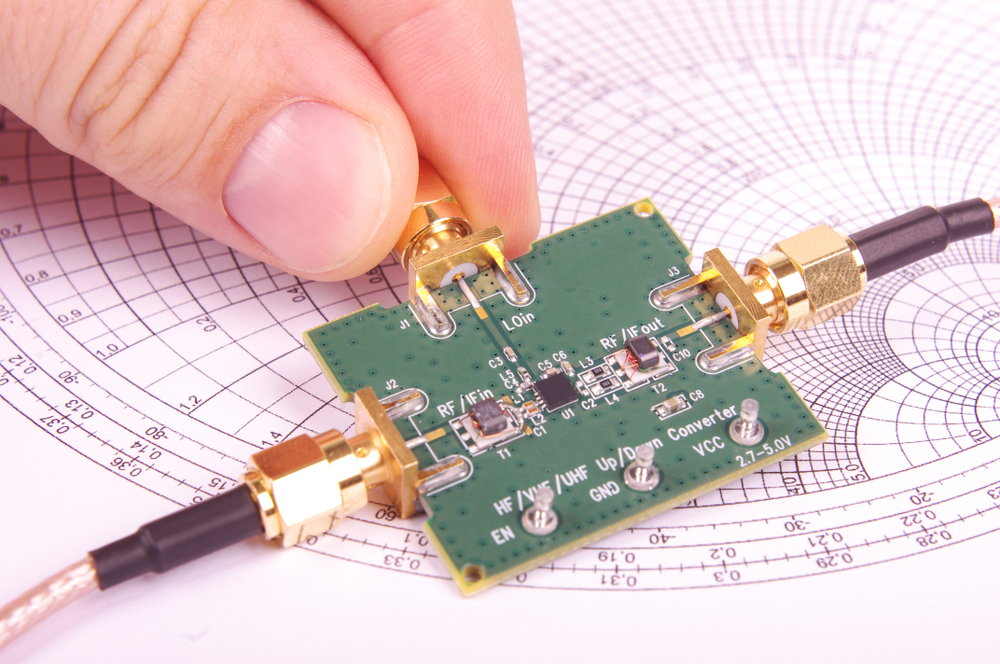
Electronics engineers design and test components and systems, from circuit boards to broadcast and navigation equipment. Much of the work happens at a bench or a screen, and only about a quarter say they have phone conversations every day.
Median pay is $130,220 a year, which works out to about $62.60 an hour, and employment in this specialty is projected to grow about as fast as average. A bachelor’s degree in electrical or electronics engineering is the standard entry point.
Biomedical engineer

Biomedical engineers design medical devices, implants, and the software that runs hospital equipment. Fewer than one in five have phone conversations daily, with most saying weekly.
Median pay is $52.58 an hour, and employment is projected to grow 8% through 2035. It’s a small profession, with about 23,800 jobs nationally, mostly with medical device makers, research labs, and hospitals. A bachelor’s degree in biomedical engineering or a related engineering field gets you in, and it’s one of the few jobs here where you can reach this pay without a graduate degree.
Geographic information systems technologist

GIS technologists build and analyze digital maps for city planners, utilities, emergency services, and environmental agencies. It’s screen-based work with long stretches of concentration, and only around one in six have phone conversations every day.
Federal data places them in a broader computer occupations group with median pay of $56.05 an hour, and growth is projected at 5% to 6% through 2035. Most have a bachelor’s degree in geography, GIS, or a related subject, though a GIS certificate on top of another degree is a common way in.
Speech-language pathologist

Speech-language pathologists help children and adults with speech, language, and swallowing problems, in schools, hospitals, and clinics. The day is built around face-to-face sessions, and fewer than one in five have phone conversations daily.
Median pay is $47.05 an hour. Demand is strong, with employment projected to grow 17% through 2035 as the population ages and more children are assessed early. You’ll need a master’s degree, supervised clinical hours, and a state license.
Geneticist

Geneticists study how traits and diseases are inherited, usually in a university, hospital, or biotech lab. Bench work and data analysis fill most of the week, and about half say they have phone conversations once a month or less.
Federal wage data counts them in a wider group of biological scientists, with median pay of $47.56 an hour and projected growth of 5% to 6% through 2035. Research posts usually need a doctorate, though a master’s degree can be enough for some lab and industry roles.
Biochemist or biophysicist

These scientists study the chemistry and physics of living things, and their work underpins new drugs, diagnostics, and crop science. Experiments can’t be paused for a call, and only about one in five have phone conversations every day.
Median pay is $61.26 an hour, and employment is projected to grow 12% through 2035. Independent research jobs need a doctorate. With a bachelor’s or master’s degree you can start as a technician or research associate, but the pay at that level is lower.
Medical scientist

Medical scientists run the studies and trials behind new treatments, working in labs, hospitals, and pharmaceutical companies. About one in five say they’re on the phone daily, and for most it’s a weekly event.
Median pay is $49.72 an hour, and this is one of the bigger fields here, with more than 180,000 jobs and 13% growth projected through 2035. Most medical scientists have a doctorate in a life science, a medical degree, or both.
Physicist

Physicists work on everything from medical imaging and semiconductors to energy and defense research. The job is modeling, experiments, and writing, and just over a quarter have phone conversations every day.
It’s the best hourly pay of any research job here. Median earnings are $172,250 a year, or about $82.81 an hour, and employment of physicists and astronomers is projected to grow 7% through 2035. A doctorate is the usual requirement for research roles, which means this is a long road.
Astronomer

Astronomers spend far more time with data than with telescopes, analyzing observations and writing up findings. Nearly half say they have phone conversations once a month or less.
Median pay is $128,820 a year, which is about $61.94 an hour. Be realistic about the numbers, though. This is a tiny profession with only around 100 openings a year, almost all of them requiring a doctorate and several years of postdoctoral research.
Biostatistician

Biostatisticians design clinical trials and analyze health data for drug companies, hospitals, and public health agencies. It’s quiet, detailed work, and fewer than three in ten have phone conversations daily.
Statisticians have median pay of $105,650 a year, about $50.79 an hour, and employment of mathematicians and statisticians is projected to grow 10% through 2035. A master’s degree in statistics or biostatistics is the typical way in.
Environmental economist

Environmental economists work out the costs and benefits of things like pollution rules, land use, and energy policy, mostly for government agencies, consultancies, and research groups. Nearly six in ten say they have phone conversations about once a week, and most of the rest say monthly.
Economists have median pay of $59.96 an hour, with employment projected to grow 5% through 2035. You’ll usually need a master’s degree in economics, and a doctorate for senior research posts.











