
Connected dashcams, maintenance logs, and strict safety protocols are transforming how investigators and insurers evaluate every commercial fleet accident.
Commercial delivery vans and corporate trucks share increasingly busy roads with your daily commute. When a collision happens, electronic logging devices, GPS telematics, and maintenance audits play a decisive role in reconstructing the crash and determining fault.
You no longer have to rely solely on conflicting eyewitness memories after a commercial wreck. Modern fleet data creates a clear digital trail that shapes how insurers and investigators review your claim from day one.
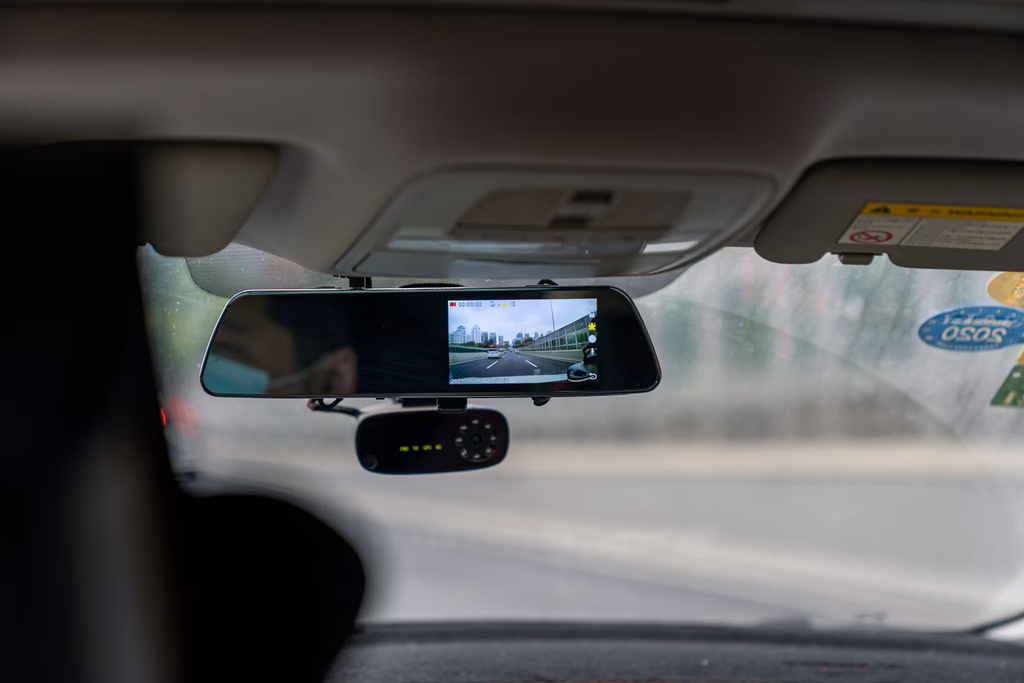
Table of contents
- How can you navigate commercial claims under strict fault rules?
- How do telematics and speed logs reconstruct a collision?
- What role do forward-facing dashcams play in claim reviews?
- Why do maintenance logs and safety compliance matter?
- Steps to preserve digital fleet evidence before overwrites occur
- How rapid data preservation protects both operators and motorists
How can you navigate commercial claims under strict fault rules?
Commercial insurers deploy rapid-response teams to protect their bottom line immediately after a serious crash. Working with an experienced car accident attorney in Richmond, or somewhere local to you, helps you level the playing field when strict state contributory negligence rules threaten to bar your recovery. Even a minor allegation that you shared fault can derail an unrepresented claim, so early legal guidance keeps the focus on verified fleet data.
Fleet carriers hold massive insurance policies, and their adjusters look for any excuse to minimize payouts. You protect your financial recovery when you let an advocate demand complete electronic records before company representatives spin the narrative.
How do telematics and speed logs reconstruct a collision?
Onboard telematics units record second-by-second vehicle behavior long before your car and a commercial truck make contact. These systems track exact GPS coordinates, throttle position, sudden steering inputs, and hard braking events to show how a driver reacted before impact.
Investigators compare those digital timestamps against physical skid marks and traffic signals to verify whether a commercial driver obeyed road rules. Because electronic logging devices track hours of service, your legal or insurance team can spot driver fatigue or schedule violations right away.
What role do forward-facing dashcams play in claim reviews?
Connected dashcams pair high-definition road footage with real-time speed and location overlays to remove guesswork during an inquiry. When an insurer reviews clear video of an unsafe lane change or a red-light violation, fault disputes settle much faster than they would with paper reports alone.
A report shared by Together for Safer Roads highlights a 2025 IDC study showing that telematics lowered crash rates by 29% on average and cut false liability claims against the city of Denver in half within 12 months. That objective video record shields honest commercial drivers from staged accidents while giving you undeniable proof when a company driver acts carelessly.
Why do maintenance logs and safety compliance matter?
A thorough crash inquiry looks beyond the person behind the wheel to examine how a company maintains its vehicles. If a commercial van fails to stop in time, worn brake pads or bald tires can shift liability straight onto the business owner.
Guidance in PestWorld Magazine notes that fleet operators should schedule, track, and record routine checks on brakes, tires, lights, and steering parts for every commercial vehicle. When a company skips those inspections to keep trucks on tight delivery routes, missing repair logs expose serious negligence during a claim audit.
Investigators routinely verify whether the employer checked the driver’s commercial license, drug testing history, and safety training before handing over the keys. Gaps in those compliance records strengthen your position when you seek full compensation for vehicle damage and medical bills.
Steps to preserve digital fleet evidence before overwrites occur
Commercial vehicles often overwrite dashcam loops and engine control module data within days or weeks of normal driving. Whether you manage a fleet or suffered injuries in a crash, fast action keeps critical electronic proof from disappearing forever:
- Send a spoliation letter: Notify the trucking company and its insurer in writing right away so they legally lock down all electronic logs and camera files.
- Download dashcam clips immediately: Save raw video files with intact metadata and GPS speed overlays onto a secure external drive before standard loop recording erases them.
- Secure maintenance and dispatch logs: Request recent inspection sheets, repair invoices, and delivery schedules to uncover pressure to speed or skip safety checks.
- Photograph the crash scene: Capture skid marks, vehicle resting positions, and camera locations on the commercial truck before tow crews clear the roadway.

How rapid data preservation protects both operators and motorists
Transparent safety records benefit everyone who shares the road after an unexpected collision. When a fleet operator maintains clean inspection logs and preserves unbiased dashcam video, investigators can quickly clear a safe driver from unfair blame.
Meanwhile, timely access to telematics and maintenance records gives injured motorists the concrete proof needed to hold negligent companies accountable. Both sides avoid prolonged courtroom battles when hard digital facts replace speculation.
Transparent safety compliance and fast preservation of electronic vehicle data protect both commercial operators and injured motorists during post-crash investigations. When you understand how telematics, dashcams, and maintenance audits work together, you can take decisive steps right after a collision to safeguard your rights and verify the truth.










