That box in your parents’ basement marked with your name in fat black marker is probably still there, along with the camera that came on every family vacation and the stereo gear nobody has plugged in since about 2003. Most of us walked away from our ’90s stuff without a second thought, because it was just stuff. It was what everybody had.
A good deal of it has turned out to be worth real money. The ’90s was the last decade before everything went digital, and the film cameras, turntables, trading cards, and gadgets from those years now have serious collectors behind them. Before the next clear-out, it’s worth knowing which of the things you grew up around carry a value of $500 or more.
1. Yashica T4 point-and-shoot camera
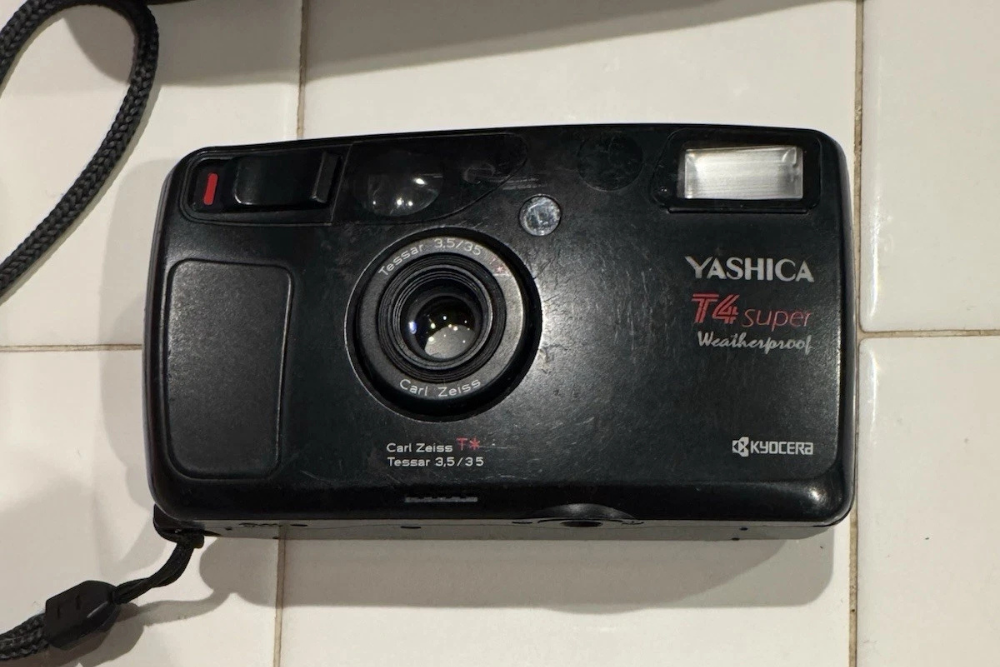
For most of the decade this was simply a nice little camera, the kind that lived in a glove box or a coat pocket and came out at birthdays. It arrived in 1990, built by Kyocera under the Yashica name, and what set it apart was the lens. That tiny 35mm f/3.5 Carl Zeiss Tessar is much sharper than anything a plastic compact has a right to carry, and film photographers have been chasing these cameras ever since.
A working T4 is typically worth around $500 to $515. The later T4 Super, which is weatherproof and has a little waist-level window on top called the Super Scope, does better, with clean, tested examples carrying a value of $700 to $800.
Look for “Carl Zeiss Tessar” printed around the lens. Put a battery in and make sure the lens extends when you slide the cover, because a lens that stays put is the most common fault and it isn’t a cheap fix. Check the battery door too. A cracked one is easy to live with, but a missing one is a nuisance to replace.
2. Technics SL-1200MK2 turntable
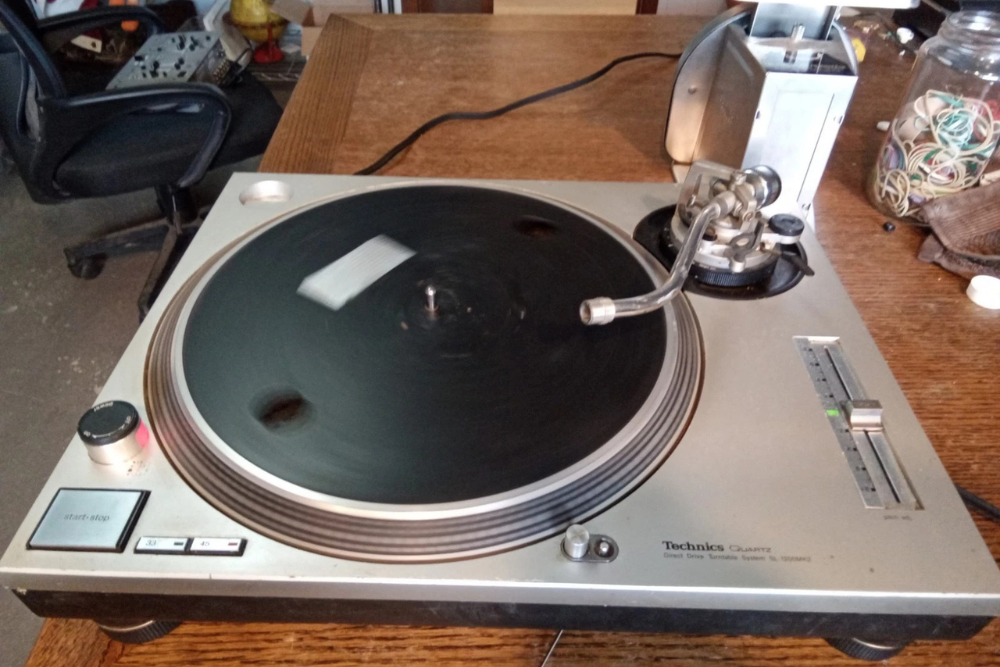
If you ever stood near a DJ booth in the ’90s, at a school dance or a wedding or a club, you were looking at a pair of these. The MK2 version came out in 1979 and stayed in production with barely a change until 2010, which tells you how right the design was. It’s a heavy, direct-drive deck with a pitch slider down the right-hand side and a little pop-up light for finding the groove in the dark.
A single SL-1200MK2 in good working order typically brings between $600 and $650. Exceptionally clean decks that have been serviced are worth far more, at around $1,750.
The silver one is the SL-1200 and the black one is the SL-1210, and they’re otherwise the same machine. Check that the platter spins up instantly and holds its speed, that the pitch slider moves smoothly, and that the tonearm isn’t loose in its bearings. A scratched or missing dust cover is no great loss. A bent tonearm is.
3. Pokémon Base Set cards
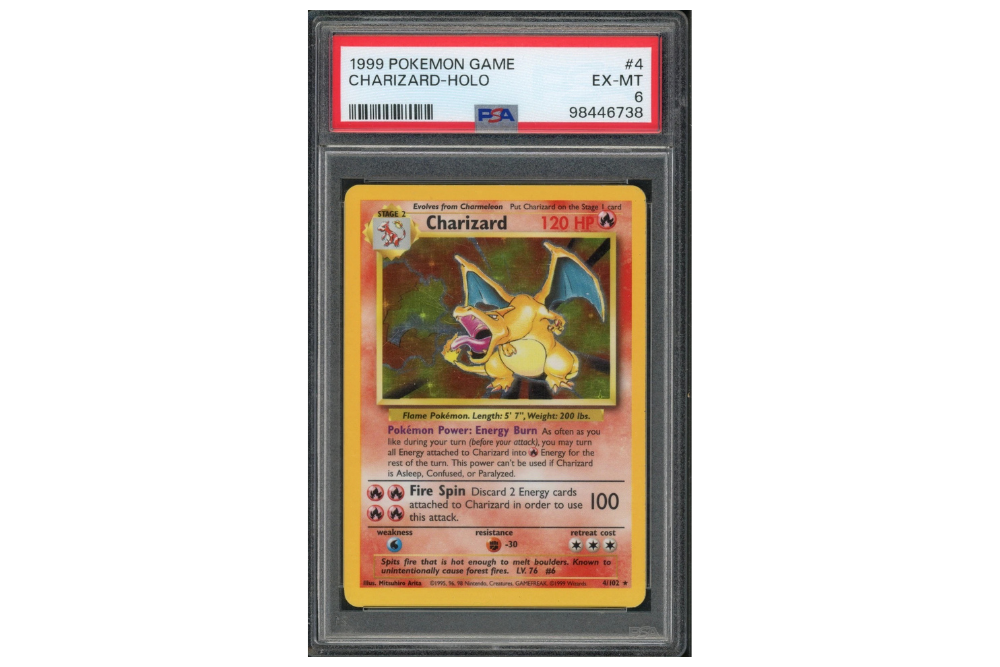
The first English Pokémon cards reached American stores at the start of 1999, and within months every playground had a trading economy of its own. Most of those cards were loved to death, shuffled bare-handed and carried around in pockets. The ones that survived in a binder are a different matter.
Charizard is the card everybody remembers, and a holographic one from the standard unlimited print run is typically worth around $355 in played condition. Once it has been professionally graded, even at a middling grade of 6, that rises to about $550, and a 9 carries a value of around $3,800. Unopened booster packs are worth serious money as well, at roughly $690 each.
Charizard is numbered 4/102 in the bottom right corner. Tilt the card under a light and look at the shiny picture area for scratches, then check the back edges for white specks, because that’s where wear appears first. If you find a sealed pack, leave it sealed. It’s worth more closed than anything likely to be inside it.
4. Oakley X-Metal sunglasses
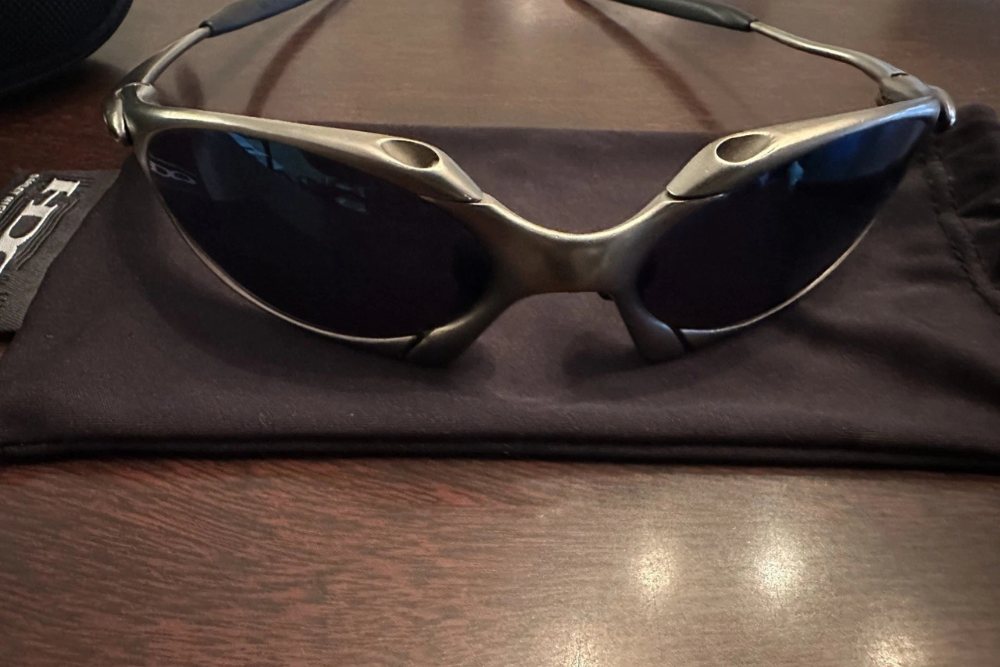
These were the sunglasses that looked as though they’d been dug out of a crashed spaceship. Oakley launched the first pair, the Romeo, in February 1997 at $250, which was an eye-watering price for sunglasses then. The frames are sculpted metal with rubber pads at the nose and temples, and they’re noticeably heavy in the hand. The slimmer Juliet followed in 1999.
An original Romeo is typically worth around $1,100, and particularly nice early pairs carry a value of $1,550 or more. The Juliet is easier to find and typically brings about $630.
Look inside the earstems for a stamped serial number, as earlier pairs have one. Wobble in the frame around the nose bridge is common and can be tightened by a specialist, and the rubber parts are replaceable. What you can’t fix is a cracked frame, so check carefully around the lens openings, where the stress collects.
5. First American edition of Harry Potter and the Sorcerer’s Stone
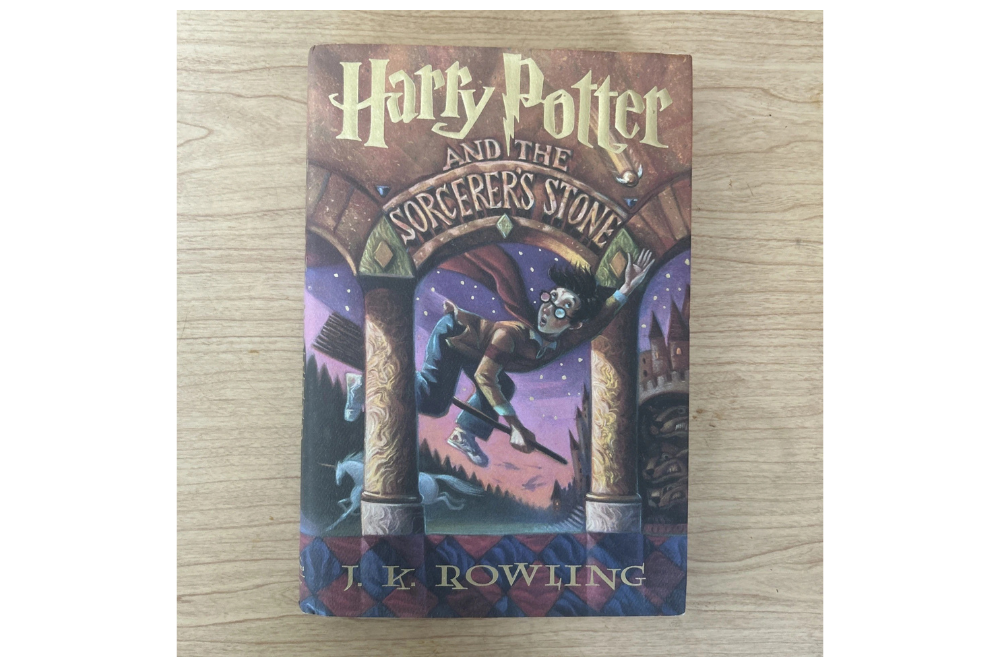
Scholastic published the first American Harry Potter in the fall of 1998, and plenty of families bought a hardcover that year without any idea what it would become. The book was reprinted dozens of times in the same binding and jacket, which is why millions of copies look valuable and aren’t. It all comes down to one page.
Open to the copyright page. A first printing reads “First American edition, October 1998” and has a row of numbers that goes all the way down to 1. If the lowest number in that row is anything else, you have a later printing, and those are worth very little.
A genuine first printing with its dust jacket is typically worth around $900, and sharper copies carry a value of $1,250 to $1,500. The very best are worth $4,000 or more. Check that the jacket hasn’t been price-clipped and that nobody has written a name inside the front cover. Book club copies can have the same number row, but their boards are smooth, without the diamond pattern pressed into the cloth.
6. Fender American Standard Stratocaster
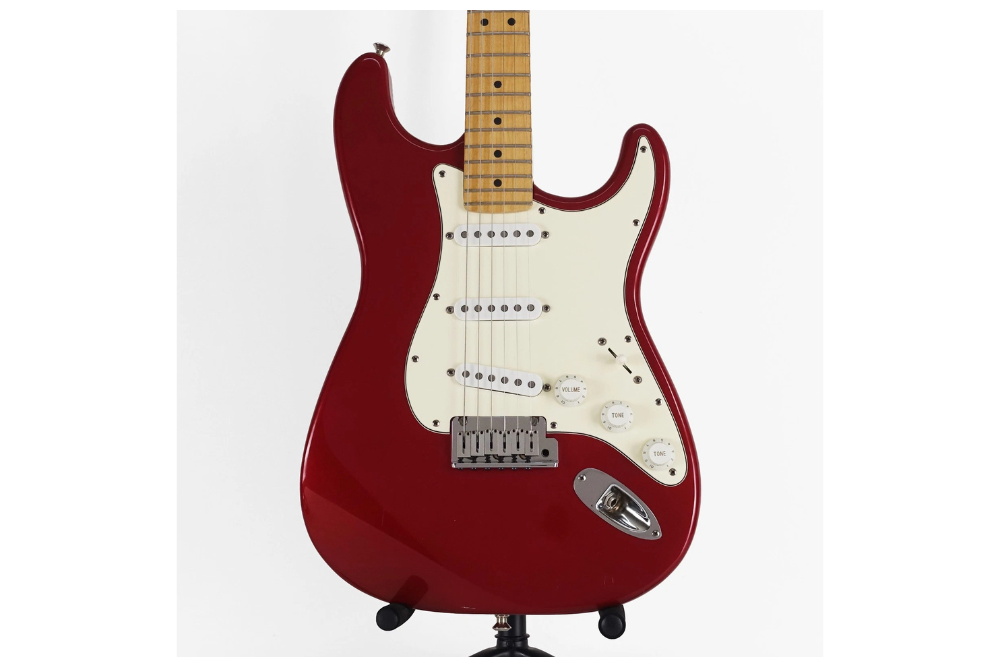
Plenty of kids talked their parents into a real Fender in the ’90s, played it hard for two years, and then left it in a closet when college came along. If that guitar was an American Standard Stratocaster, it has aged very nicely. These were the California-built Strats of the era, with three single-coil pickups, a two-point tremolo bridge, and “Made in U.S.A.” on the headstock.
One from the ’90s in good playing condition is typically worth around $950. Earlier examples from the first years of the decade tend to do a little better, at $1,100 to $1,250, especially with the original molded case.
The serial number is on the headstock. On a ’90s American Strat it usually begins with the letter N, followed by a digit for the year. Check that the neck is straight, the frets aren’t worn flat, and the electronics don’t crackle. Honest play wear is fine, and some buyers like it. Swapped pickups, a refinished body, or extra holes drilled for different hardware all reduce the value, so resist the urge to “upgrade” anything before you part with it.
7. Sony DCR-VX1000 camcorder
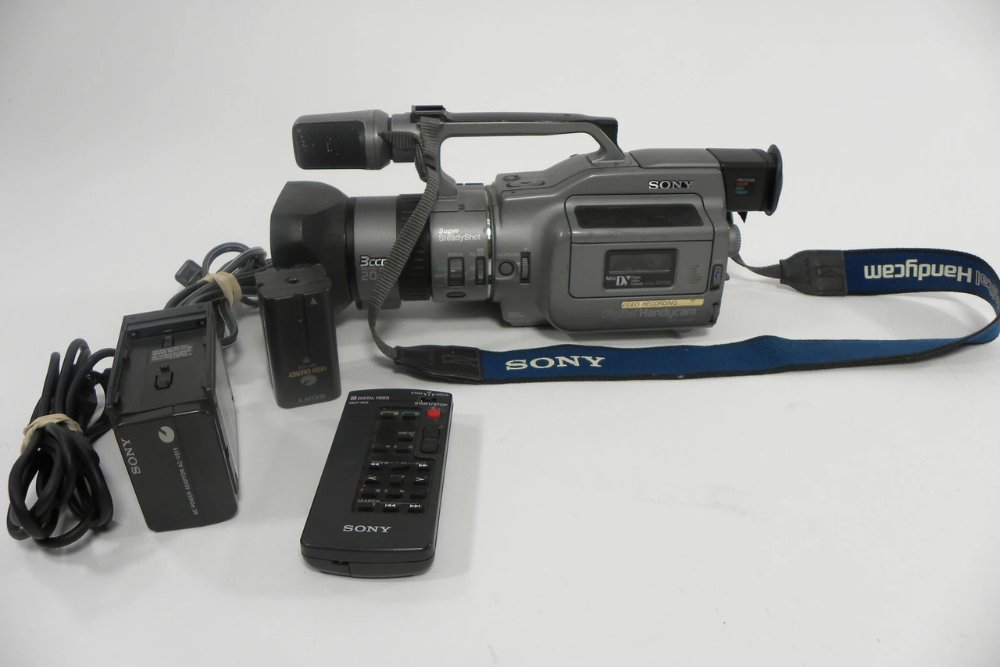
In 1995, Sony brought out a digital camcorder at $3,500 that produced a picture good enough for television. It used three image sensors where ordinary camcorders had one, and it could send footage straight to a computer. News crews and wedding videographers bought them, but it was skateboarders who made the VX1000 famous, and its slightly gritty, wide-angle look still defines what a skate video should be.
That following is why a 30-year-old tape camcorder is worth anything at all. A working VX1000 typically brings between $540 and $545, and clean, fully tested examples carry a value of $1,350 to $1,500.
It’s a chunky gray camera with a carry handle on top and a microphone on the front of that handle. Before you get excited, put a tape in. The tape mechanism is the part that fails, and a camera that won’t load, play, or eject is worth a fraction of one that does. Check the zoom rocker, the viewfinder, and the battery contacts for corrosion as well.
8. Magic: The Gathering dual lands
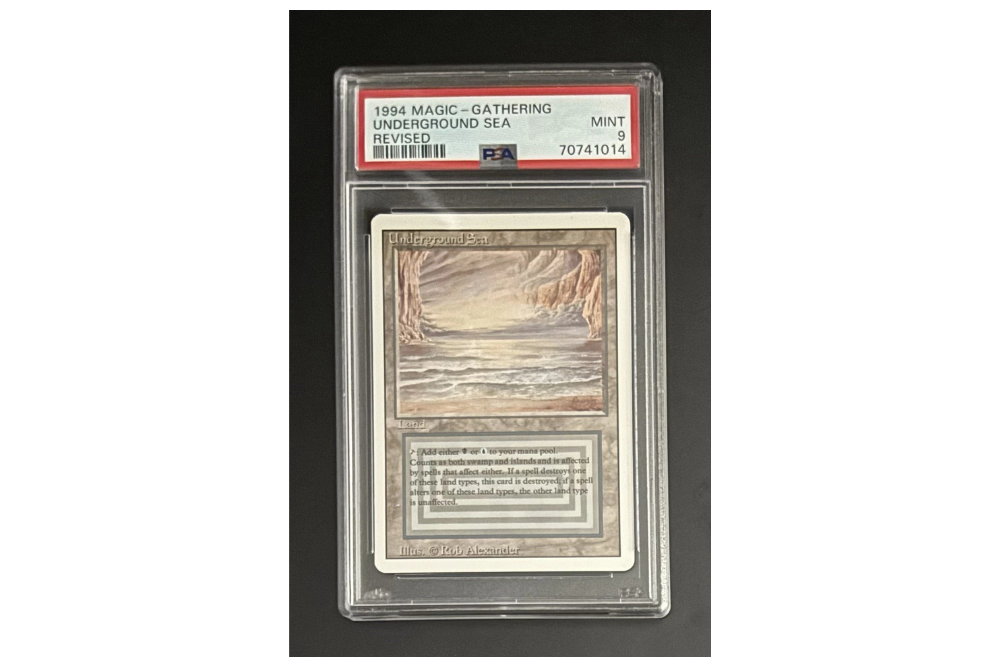
Magic cards were the other thing in everybody’s backpack. Most are worth pennies, but the Revised Edition, which came out in April 1994, included ten land cards that count as two land types at once. Players call them dual lands. The next edition dropped them for being too powerful and they’ve never been reprinted in a regular set, yet people still need them for the game’s older formats.
Underground Sea is the most valuable of the Revised dual lands and is typically worth around $850. Volcanic Island carries a value of about $750. Even Savannah, at the low end, is worth around $300, and a very clean Underground Sea can reach $1,300.
Revised cards have a white border and slightly washed-out colors, with no set symbol under the picture. Go through any old collection and pull out every land that names two types in its text box, such as “Island Swamp.” Look closely at the corners and edges for whitening. Put anything you find straight into a soft sleeve, because every bit of wear costs money on cards at this level.
9. Contax T2 camera
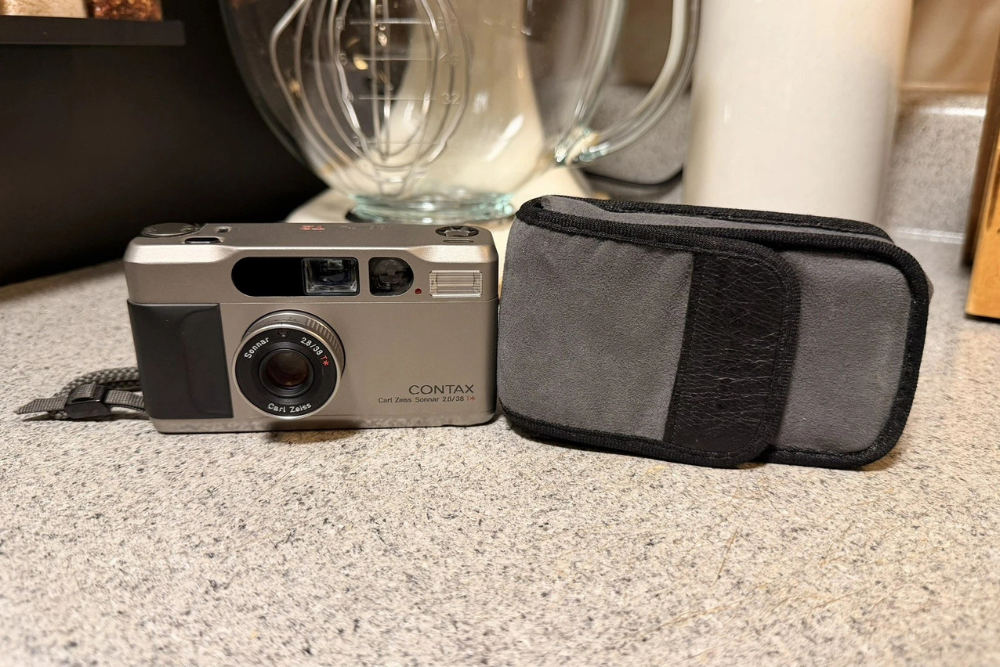
A few cameras from the ’90s were bought as a treat, and this is the best known of them. The Contax T2 arrived in 1991 with a titanium body and a Carl Zeiss Sonnar 38mm lens that slides out when you switch it on. It was expensive then, and it was the camera a keen parent or uncle carried in place of a bulky SLR. Years later, a string of celebrities started carrying them, and prices have never come back down.
A working T2 in the standard silver finish is typically worth around $1,100 to $1,200. Especially clean examples carry a value of about $2,000.
It’s small, cool to the touch, and heavier than it looks. Turn the dial around the lens and listen for the lens to extend smoothly, then look through the viewfinder for haze. These cameras rely on electronics that are hard to repair now, so one that works properly is worth several times more than one that doesn’t. Dents in the titanium don’t polish out, but light scratches won’t put a buyer off.
10. Sony PVM video monitors
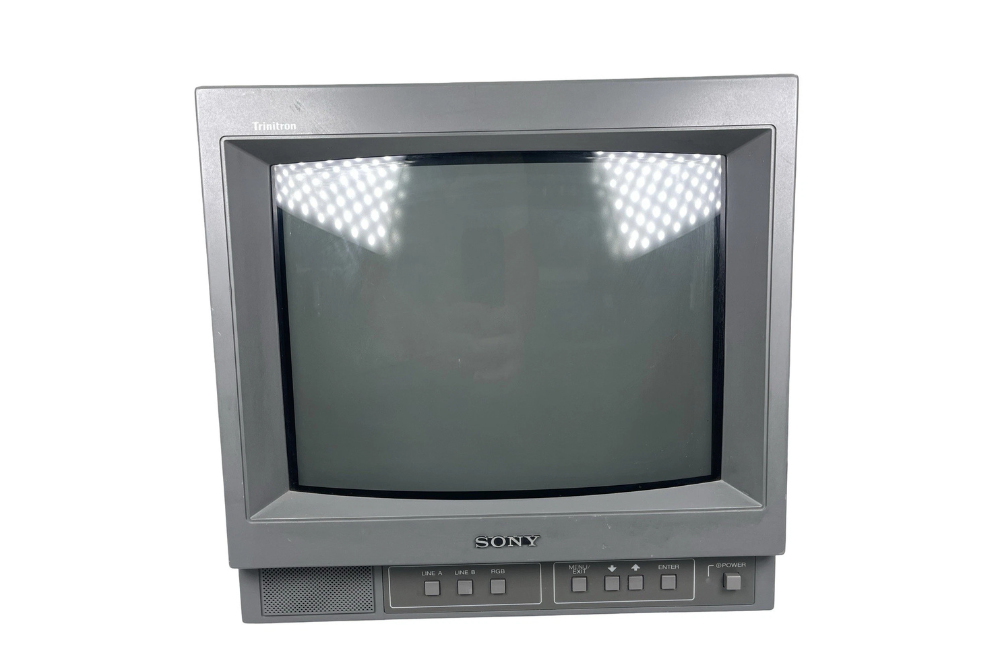
You’ll remember these from the cart the teacher wheeled into the classroom, or from the back room of anywhere that edited video. Sony’s PVM monitors were professional versions of the Trinitron television, built in a plain metal case with a row of buttons under the screen and a much sharper picture than any living room set. Schools, hospitals, and TV stations bought them by the thousand and then threw them out when flat screens arrived.
People who play old video game consoles want them badly, because those games were designed for exactly this kind of screen. A 13- or 14-inch PVM is typically worth around $525 to $540, and the higher-resolution models carry a value of about $2,500.
The model number is on the front or the back and begins with PVM. Switch it on and look for a bright, evenly colored picture with no dark patches, and check that the image isn’t burned with the ghost of whatever it displayed for years. These are heavy and fragile to ship, so a local buyer who can collect is often your best option.
11. Fendi Baguette bag
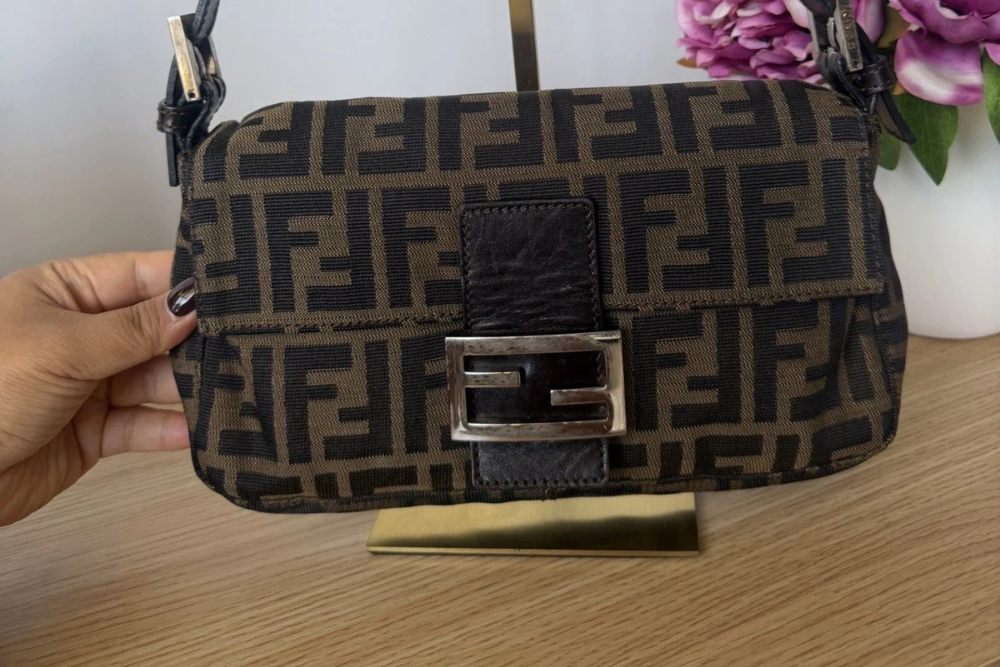
If your mom or your older sister had one good handbag at the end of the ’90s, there’s a fair chance it was this one. Silvia Venturini Fendi designed the Baguette in 1997, a small, flat bag on a short strap, made to be tucked under the arm. A starring role on Sex and the City did the rest, and it became the bag everyone wanted.
The most familiar version is the brown canvas woven with the double-F pattern, with a large FF clasp on the flap. One of those is typically worth around $800 to $850. Scarcer fabrics and colors carry a value of $3,200 and up, and the beaded, sequined, and embroidered versions are worth more again.
Look inside for a leather tag stamped “Fendi Made in Italy” and a serial number. Check the strap where it joins the bag, the corners of the flap, and the lining for stains and pen marks. Fakes were everywhere even at the time, so if you’re unsure, it’s worth paying for an authentication service before you do anything else. A bag that comes with that paperwork is much easier to part with.
12. The Batman Adventures #12
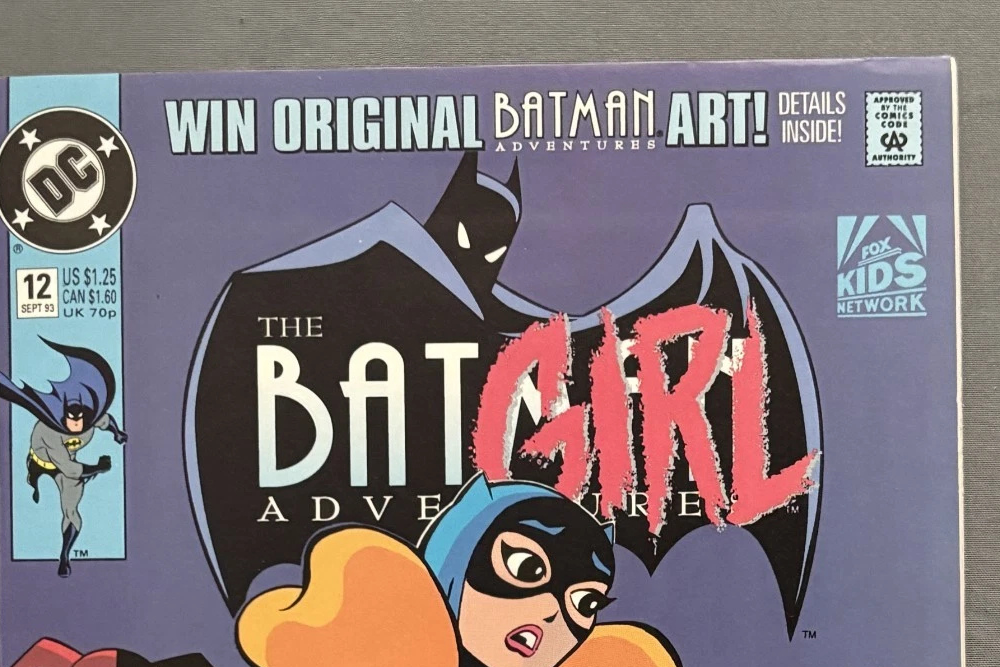
This was a comic for kids, a spin-off from the Batman cartoon that ran after school, and it cost $1.25. The September 1993 issue has Batgirl on the cover, with Harley Quinn and Poison Ivy looming behind her. Harley had been created for the TV show, and this was the first time she appeared in a comic book. Nobody saved it carefully, because nobody thought a cartoon tie-in mattered.
A raw copy in nice shape is typically worth around $340, and a really sharp one can reach $650. Professionally graded copies do better. A 9.0 carries a value of about $550 and a 9.4 is worth around $600.
Make sure you have the original series, which says “The Batman Adventures” across the top, as later series with similar names reused the numbering. Look along the spine for small creases that break the color, and check the corners. Then put it in a bag with a backing board and store it flat, away from sunlight.
13. Gibson Les Paul Standard
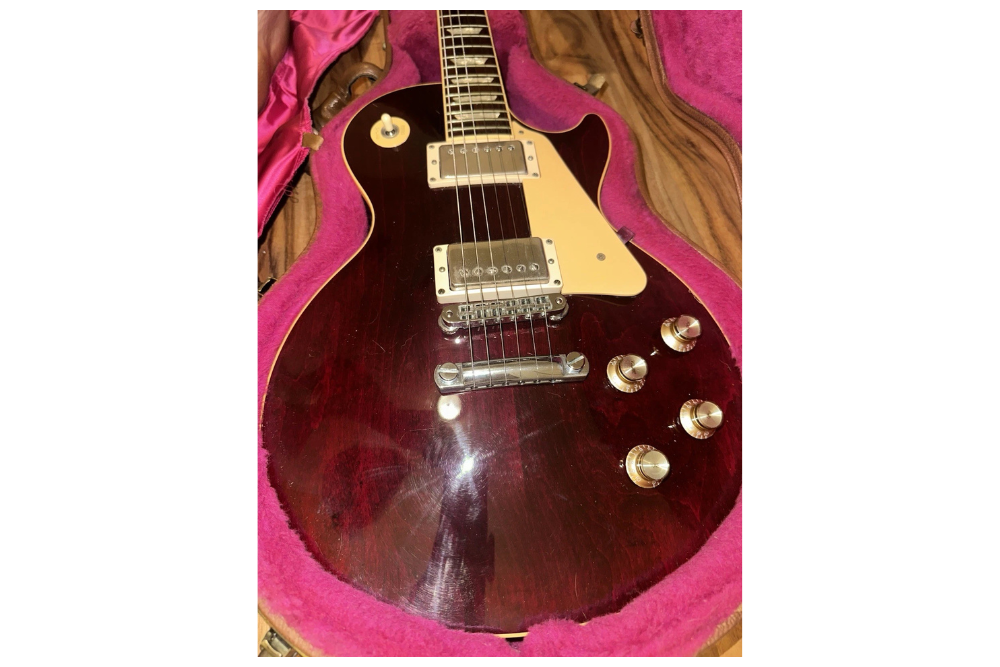
The Les Paul was the guitar of ’90s rock, slung low on half the players on MTV. A Standard from that decade is a solid slab of mahogany with a carved maple top, two humbucking pickups, and a weight you really notice after an hour with it on a strap. Many were bought by serious teenagers or generous parents and have spent the years since in a case under a bed.
A ’90s Les Paul Standard is typically worth around $1,650. Cleaner examples in popular sunburst finishes carry a value of $2,200.
The serial number is stamped into the back of the headstock. On Gibsons of this period it has eight digits, and the first and fifth give you the year, so a number starting with 9 and with a 3 in fifth place is from 1993. Look very closely at the back of the neck just below the headstock. That’s where these guitars crack if they fall over, and a repaired break there, however neat, takes a large slice off the value.
14. Akai MPC2000 sampler
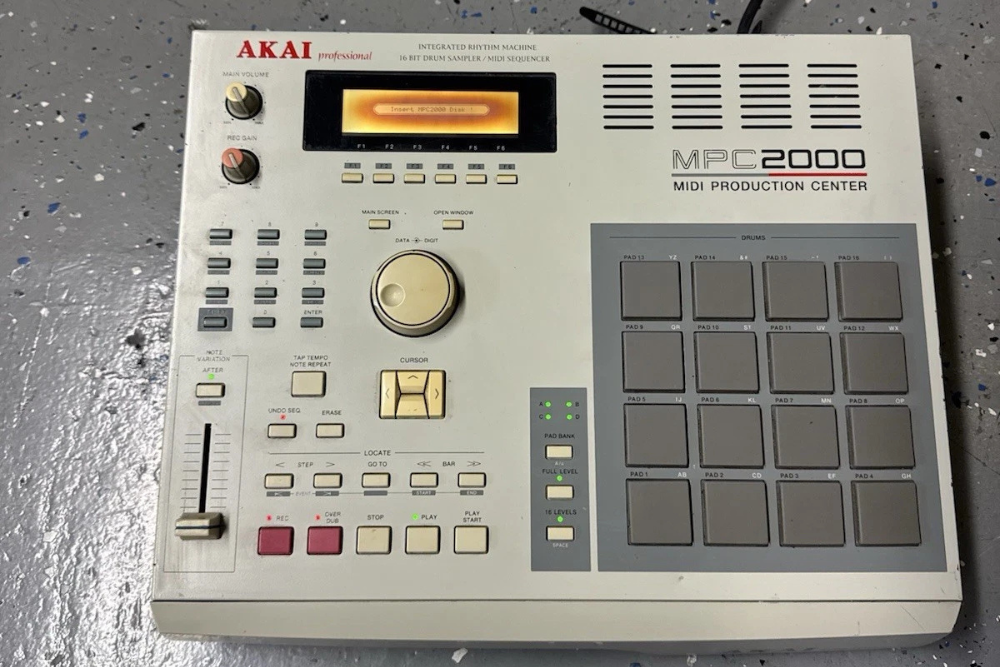
Somebody in every neighborhood had a cousin who made beats, and by the late ’90s the machine on his desk was probably this one. The MPC2000 is a pale gray box about the size of a briefcase, with a grid of 16 rubber pads on the right and a small screen above them. You load sounds into it, tap out a rhythm on the pads, and build a whole track without touching a computer. A great deal of hip-hop was made exactly this way.
The original MPC2000 is typically worth around $400 to $550. The updated MPC2000XL, which followed at the end of the decade, is the stronger of the two at $660 to $750, and one that has been fully upgraded carries a value of around $2,000.
Power it up and check the screen first, because dim or striped displays are the usual complaint. Then press every pad to make sure each one triggers. Worn pads and tired screens can be replaced, and buyers know it, so don’t write off a machine that needs a little work. One that won’t boot is another story.
15. Nikon 35Ti camera
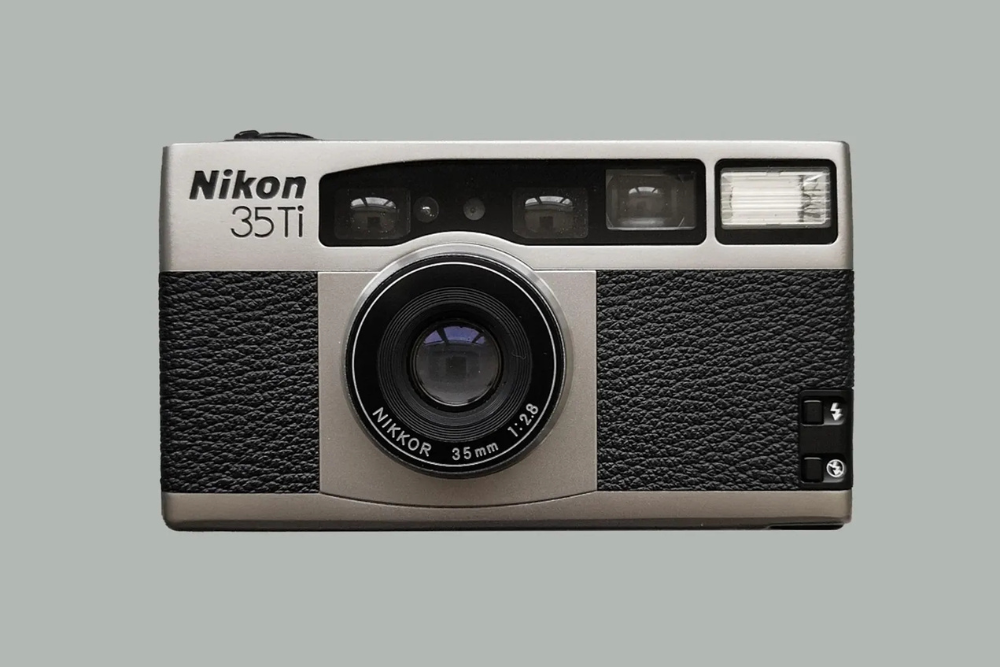
Turn this camera over in your hands and the first thing you notice is the top. Where most compacts have a little gray screen, the 35Ti has a set of tiny clock-style needles under glass, sweeping around to tell you the focus distance, the aperture, and how many frames you’ve used. Nikon introduced it in 1993 with a titanium shell and a very good 35mm f/2.8 lens, and it was a luxury item from day one.
A working 35Ti is typically worth around $990 to $1,000. An unused one that still has its box and paperwork carries a value of about $1,500.
Wake it up and watch the needles. They should all move promptly and settle without sticking. Fire the shutter, check that the flash charges, and look through the lens for fungus, which appears as fine, feathery threads on the glass. The leather case and the original strap are worth keeping with it. There’s a wider sister model called the 28Ti, in black, and that one is worth looking out for too.
16. EarthBound for the Super Nintendo
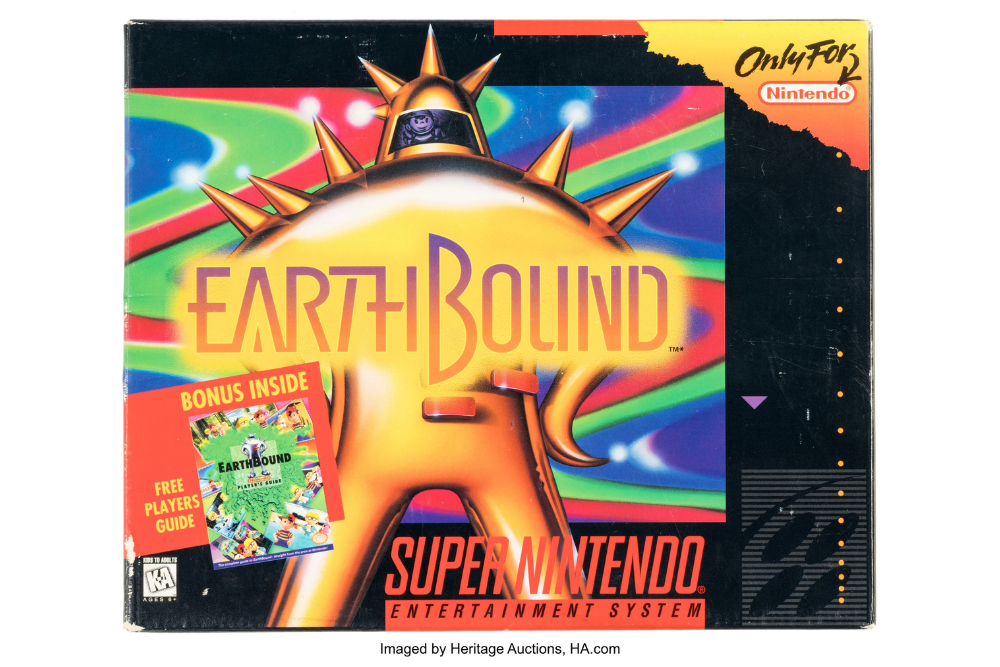
EarthBound came out in North America in June 1995 and didn’t do especially well. It was a strange, funny role-playing game set in something like suburban America, and it was packaged in an oversized box because every copy came with a thick strategy book. It found only about 140,000 buyers here. Then the kids who did play it grew up and never stopped talking about it.
The cartridge alone is typically worth around $375. The money is in a complete copy. With the big box and the book, EarthBound typically brings between $2,000 and $2,125, and the best boxed examples carry a value of about $3,000.
So if you find the cartridge, keep digging for the rest. The box is far larger than a normal Super Nintendo box and was often thrown away or flattened. Check that the book still has its cover and all of its pages, and that the box hasn’t been crushed at the corners. Reproduction cartridges are common, so look for a crisp label and the stamped number on the back label that genuine Nintendo games have.
17. Swarovski’s 1991 Christmas star

Lots of families started a little tradition in the ’90s of buying the Swarovski crystal ornament each Christmas. The very first one appeared in 1991, and it’s a six-pointed star about three inches across. A new design has followed every year since, and that first star has become the piece that most people who collect the series are missing.
The 1991 star is typically worth around $1,400 to $1,650, and an especially nice example with its packaging carries a value of about $2,000. Later ornaments from the decade are worth a small fraction of that.
Most of these ornaments carry a small metal tag with the year on it, so check for that before anything else. Then hold the star up to a window and look along each point for chips and flea bites, as the tips are the first thing to get knocked. The original box and certificate make a real difference to the price. If you have a run of ornaments from the ’90s, the star is worth valuing on its own.
18. Kobe Bryant’s Topps Chrome rookie card
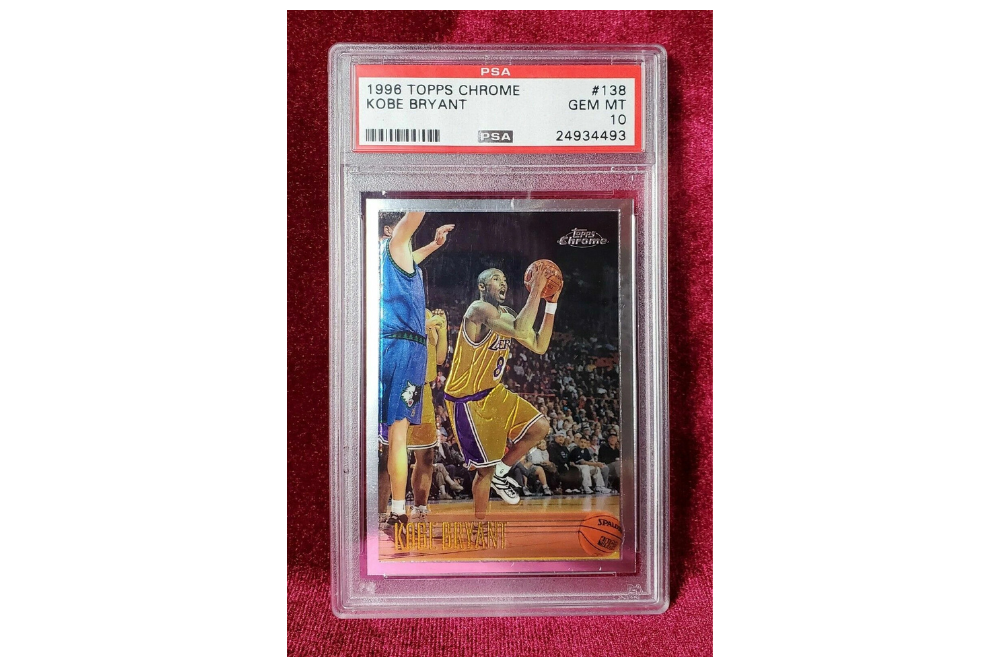
Basketball cards were at their shiniest in 1996, the year an 18-year-old Kobe Bryant joined the Lakers. His rookie card in the Topps Chrome set, number 138, has a mirrored chrome finish that made the ordinary paper cards beside it look dull. Kids pulled it from packs at the corner store and stuck it in a shoebox with everything else.
It’s now one of the most wanted basketball cards of the decade. An ungraded copy in decent condition is typically worth around $2,500, and graded examples at 7 or 8 carry a similar value of about $2,550. A perfect 10 is worth around $27,500.
Turn the card over and check the number on the back. Chrome cards from this period often develop a greenish tint and can curl slightly, and both are normal. What matters most is the surface, so tilt it under a lamp and look for scratches and print lines, then check that the picture is centered within its borders. The same set has a rarer rainbow-finish version of the card called a refractor, and it’s worth many times more.
19. Montblanc Hemingway fountain pen
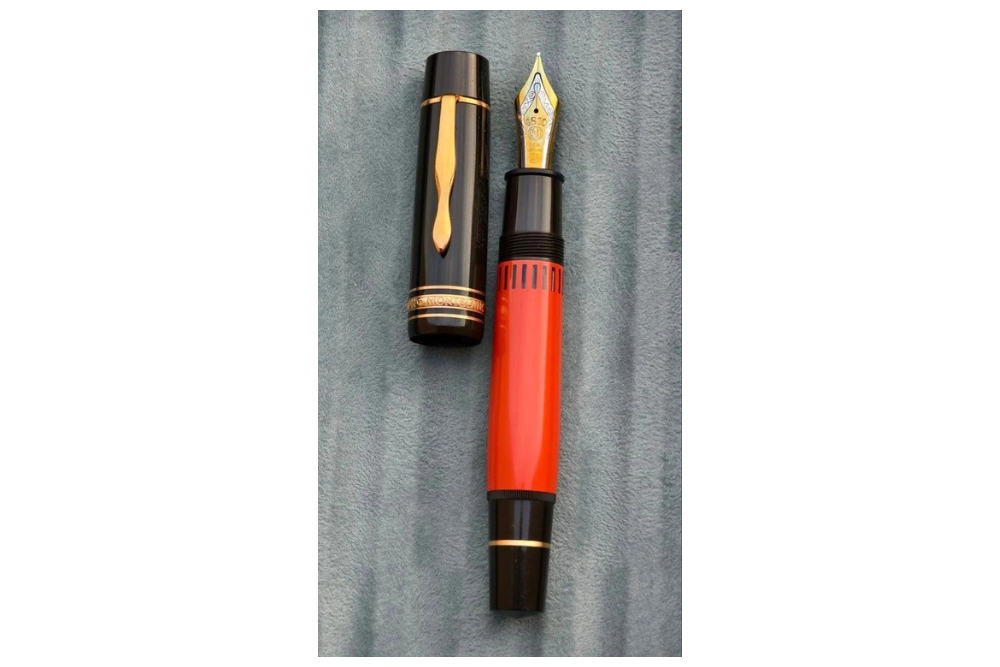
A good pen was the standard gift for a graduation, a promotion, or a retirement, and in 1992 Montblanc gave people something special to choose. The Hemingway was the first of its annual Writers Edition pens, a fat, old-fashioned fountain pen with a coral-orange barrel and a dark brown cap carrying the author’s signature. The company made 20,000 of them, which sounds like plenty until you count the collectors.
A Hemingway fountain pen is typically worth around $2,200 to $2,500. The best examples, with the box and papers, carry a value of $2,700 to $3,950.
There was a matching ballpoint as well, made in larger numbers and worth much less, so check which one you have. On the fountain pen, look for hairline cracks in the cap lip and around the clear ink window, and make sure the nib is stamped 18K. Don’t force the filling knob at the end if it feels stuck. Old ink dries hard inside these pens, and a patient soak in plain water is far safer than a firm twist.
20. Apple’s Twentieth Anniversary Macintosh
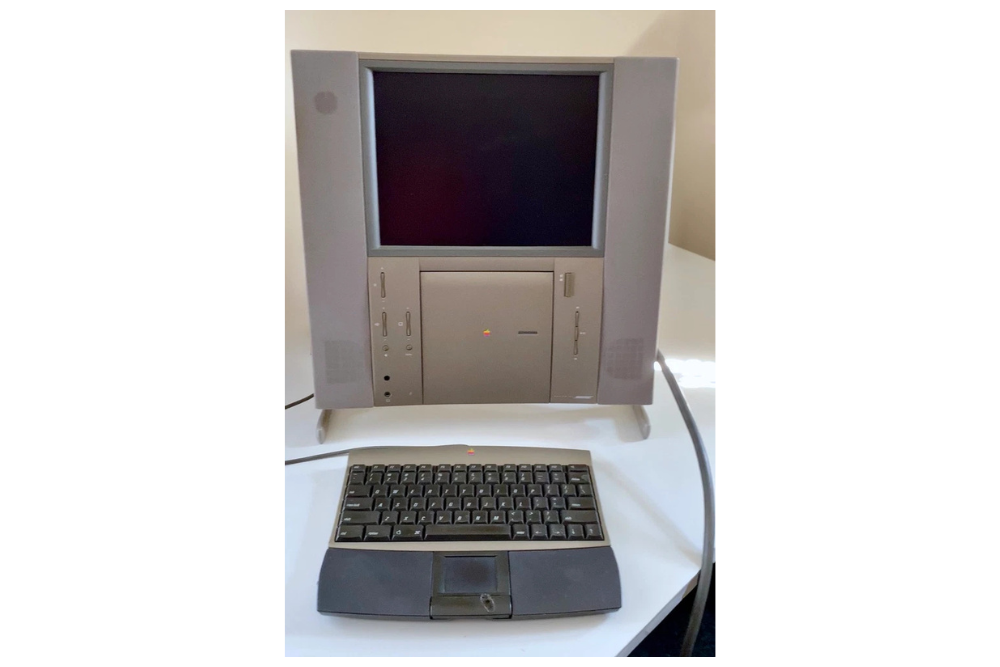
Apple marked its 20th birthday with a computer that looked like nothing else on a desk in 1997. The Twentieth Anniversary Macintosh stood upright like a picture frame, with a flat screen, a vertical CD drive, a Bose sound system, and a keyboard with leather palm rests. It launched at $7,499, and Apple built about 12,000 before clearing out the last of them at under $2,000 a year later.
Some of those went to offices and schools, and plenty went home with Apple devotees who kept them. A complete, working one is typically worth around $1,870 to $2,300, and the nicest examples carry a value of about $4,500.
The computer came in pieces, and it needs all of them. There’s the main unit, a separate base that holds the subwoofer and the power supply, the keyboard with its trackpad, and a remote control. A main unit without the base won’t even switch on. Check the casing for cracks, the leather for peeling, and the screen for dark patches. If the original boxes are in the attic, bring those down too.
21. Omega Seamaster Professional 300M
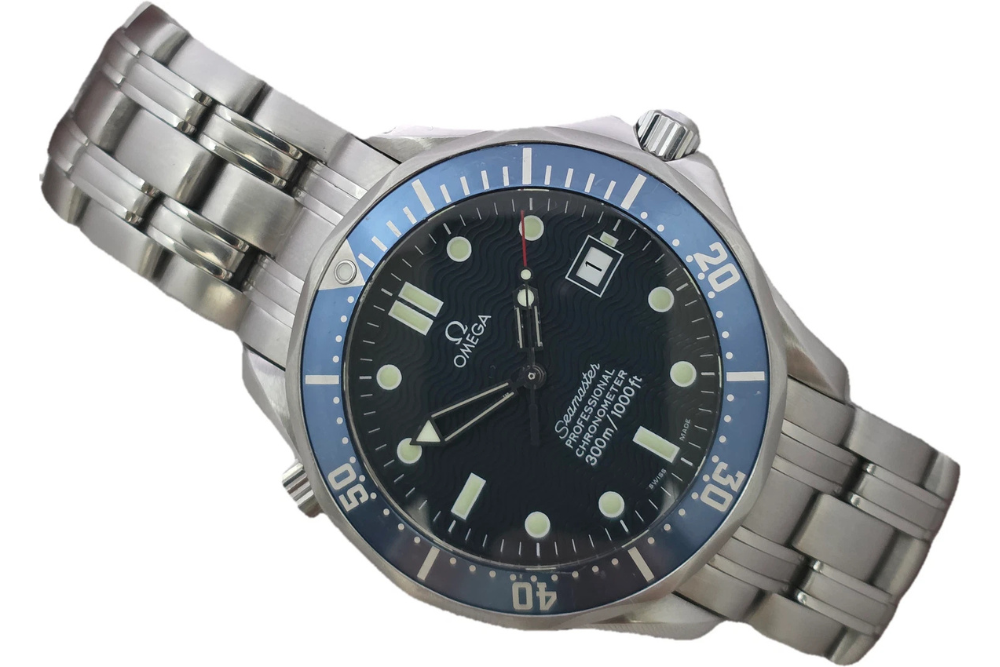
When Pierce Brosnan took over as James Bond in GoldenEye in 1995, he wore a blue Omega Seamaster, and for the next film, Tomorrow Never Dies in 1997, the watch was the automatic version with the reference number 2531.80. A lot of men bought themselves one on the strength of it, or were given one for a big birthday. It was a serious purchase, but it wasn’t out of reach.
That automatic “Bond” Seamaster is typically worth around $3,200 to $3,300, and a clean, complete example carries a value of about $4,250.
You’ll know it by the blue dial with a wave pattern, the scalloped blue bezel, and the extra crown at ten o’clock, which is a helium release valve. The reference number is on the paperwork and the serial number is engraved on the back of one of the lugs. Don’t polish the case or replace the bezel to smarten it up, because collectors want it as it left the factory. Keep the box, the cards, and any spare bracelet links together. If it hasn’t been serviced in years, say so, and let the buyer decide.