The bag of salad greens looked like a healthy purchase on Monday. By Thursday, half of it is wet and brown, and there’s nothing obvious to make for dinner. So you buy something else, and the money you spent on that salad disappears into the trash.
That’s the problem with a lot of well-meaning food advice. It assumes you have spare cash for specialty ingredients, time to cook every evening, and a household that will eat everything you buy. Grocery prices were 1.8% higher in September 2026 than a year earlier, and a tight budget doesn’t leave much room for mistakes.
Eating well on less money is possible, but it takes different decisions, not expensive health-food swaps. You need food you’ll actually eat, ways to make basic ingredients useful, and a plan for the days when cooking is the last thing you want to do.
Check the kitchen before you write the shopping list
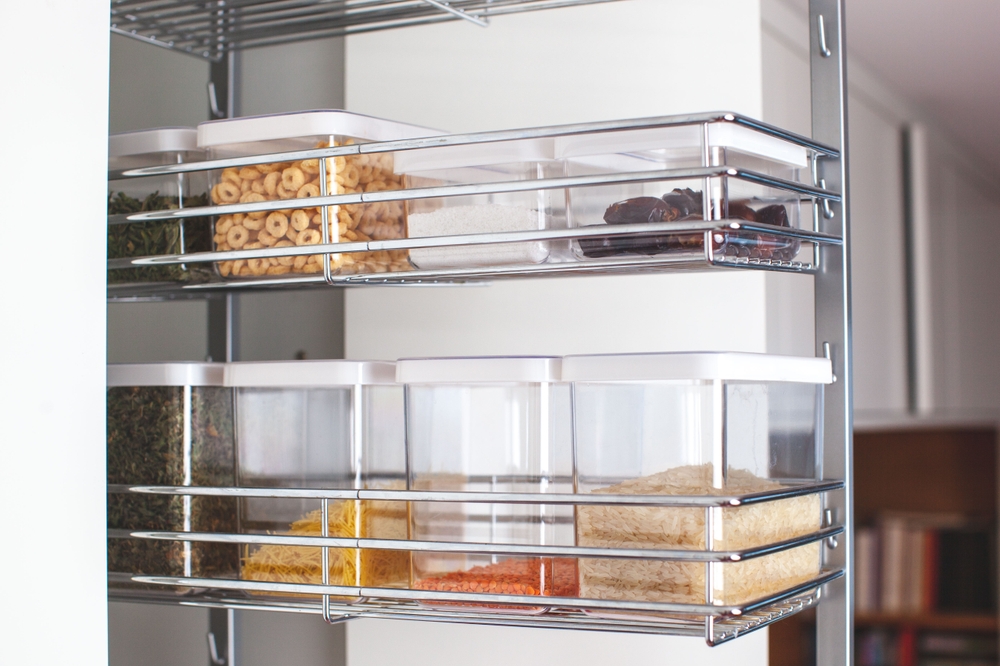
Before buying another bag of rice, open the cupboard and find out what’s already there. Do the same with the freezer and vegetable drawer. Half a box of pasta, a can of tomatoes and frozen spinach can become dinner with hardly anything else. Keeping a few useful pantry basics is a practical way to make quick healthy meals, but there’s no advantage to buying duplicates while perfectly good food sits at home.
Write down three things that need using before you leave for the store. Then work out which one or two ingredients could turn them into something you’ll eat. Black beans and rice might need salsa. Potatoes and leftover broccoli might need an egg or some cheese. You don’t need a complicated inventory system or an app. You just need to stop paying for food you’ve effectively already bought.
Plan three dinners you’ll actually cook
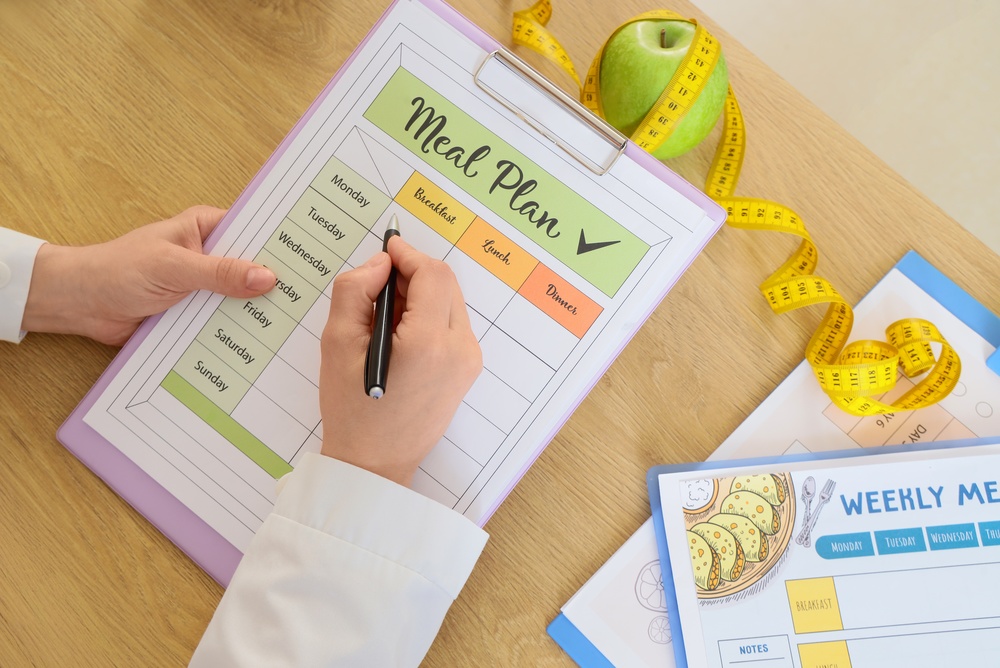
A beautiful seven-day meal plan isn’t much use if you can only face cooking on three evenings. Pick three realistic dinners and shop for them first. A pot of chili, chicken with vegetables and a simple omelet night are easier to get through than seven elaborate recipes. Planning meals before shopping helps keep the list focused, but it works only when your plans match your actual week.
Let those meals share ingredients. The onion and peppers in chili can also go into omelets. Chicken cooked one evening can be lunch in a wrap the next day. Leave room for leftovers and for a dinner that requires almost no effort. The goal isn’t to win a meal-planning competition. It’s to come home with groceries that turn into meals instead of half-used packages and an expensive takeout order.
Compare the price per ounce, not the size of the package

The small box looks cheaper until you notice how little food it contains. Imagine a 16-ounce bag of rice costs $2.40 and a 32-ounce bag costs $3.84. That’s 15 cents per ounce versus 12 cents. Those are illustrative prices, not current store quotes, but the arithmetic explains why comparing the cost per usable serving tells you more than the biggest number on a shelf label.
Check the unit-price tags when packages use the same measure. For products measured differently, calculate the cost per ounce or pound yourself. Then be realistic about how much you’ll use. The larger bag of rice can be a good deal because it stores well. A giant tub of fresh yogurt isn’t cheap if half gets thrown out. Don’t confuse a low price per ounce with a low cost for your household.
Let the weekly specials choose your protein

Deciding on steak before checking the prices is a reliable way to make dinner expensive. Look at the week’s specials first and choose among chicken, eggs, beans, tofu or fish based on what’s actually affordable where you shop. A meal you planned around ground beef might work just as well with ground turkey or lentils. Shopping sale items is more useful when you’re willing to change the meal than when you’re determined to buy one exact ingredient.
Compare how many servings you will get, not just the price per pound. Bone-in chicken includes bones; a giant package may cost less per pound but require freezer space you don’t have. If a useful protein is genuinely reduced, divide it into meal-sized portions and freeze what you won’t cook soon. If nothing is a good deal, make a bean-and-vegetable dinner and check the meat prices again next week.
Switch to store brands where it makes sense

The premium for a famous label doesn’t necessarily get you better canned tomatoes, dried pasta, frozen peas or plain oats. Store-brand versions are often cheaper and can be just as useful in the dishes you’re cooking. Those basics are the easiest places to test a switch because the final result depends more on how you prepare them than on the logo on the package.
Compare the actual package size and the Nutrition Facts panel. Some products that look equivalent contain more sodium, added sugar or a different amount of food. Try one budget brand at a time. If it tastes fine, buy it next time without turning the decision into another research project. You can keep a favorite brand for the rare item where you really notice the difference and save on the boring staples.
Stop treating frozen vegetables as second-best
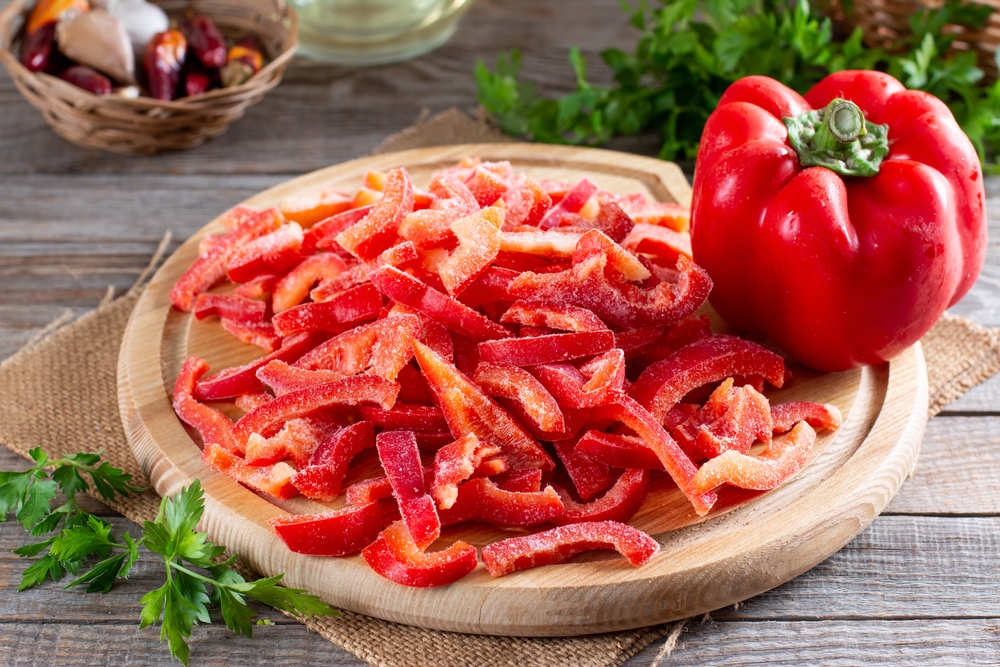
Fresh broccoli is lovely until it turns yellow while you’re working late. Plain frozen spinach, broccoli and mixed vegetables give you something nutritious to serve on nights when the fresh produce is gone. Freezing preserves nutrients, and the vegetables are already cleaned and cut. You can take out one portion instead of having to use an entire head or bunch before it spoils.
Compare the price per pound with the fresh version, allowing for any stems or trimming you’ll throw away. Frozen isn’t always cheaper when fresh vegetables are in season, but it’s often a better choice if you live alone or your plans change. Stir peas into rice, add spinach to eggs, or throw broccoli into pasta. Choose plain bags instead of ones covered in pricey creamy sauces, then season them yourself.
Use canned vegetables and beans as real dinner ingredients
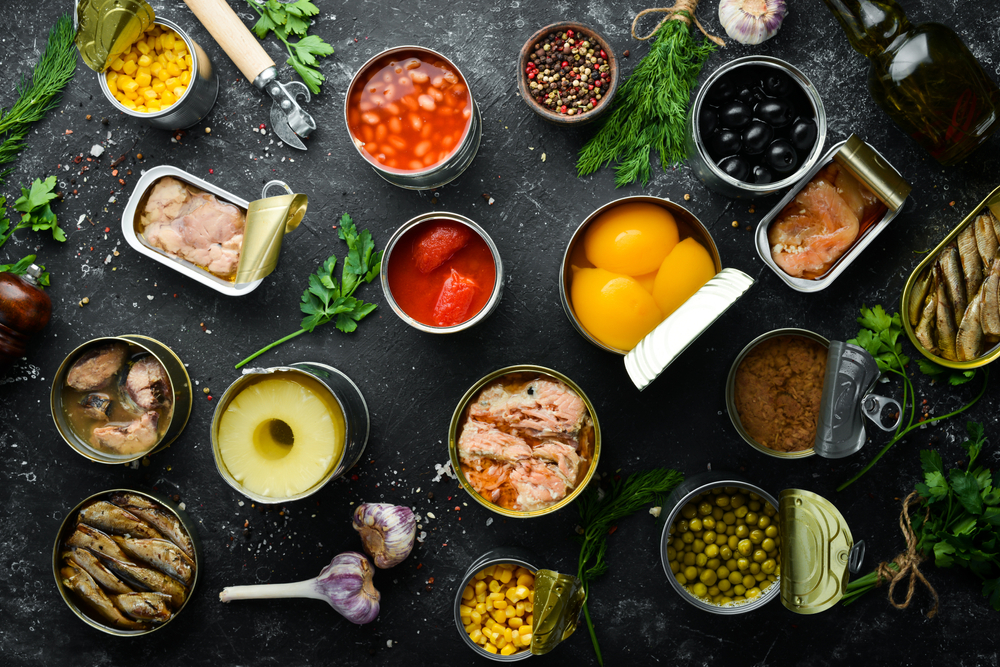
A can of tomatoes, some chickpeas and a little seasoning are most of the way to a pasta sauce. Black beans and corn can fill tacos; canned green beans can bulk out soup. Canned beans, fish and vegetables are useful pantry ingredients for quick meals, not signs that you’ve given up on healthy cooking. They also last long enough that you can keep a small reserve without rushing to eat them.
Choose no-salt-added or lower-sodium vegetables when possible and fruit canned in water or juice rather than heavy syrup. Dried beans can be cheaper per cooked serving, but canned ones save time and work. If your budget and schedule allow, keep both. A couple of cans you know you will cook with are more useful than a cupboard full of bargain food that nobody wants.
Let lentils do some of the ground meat’s work
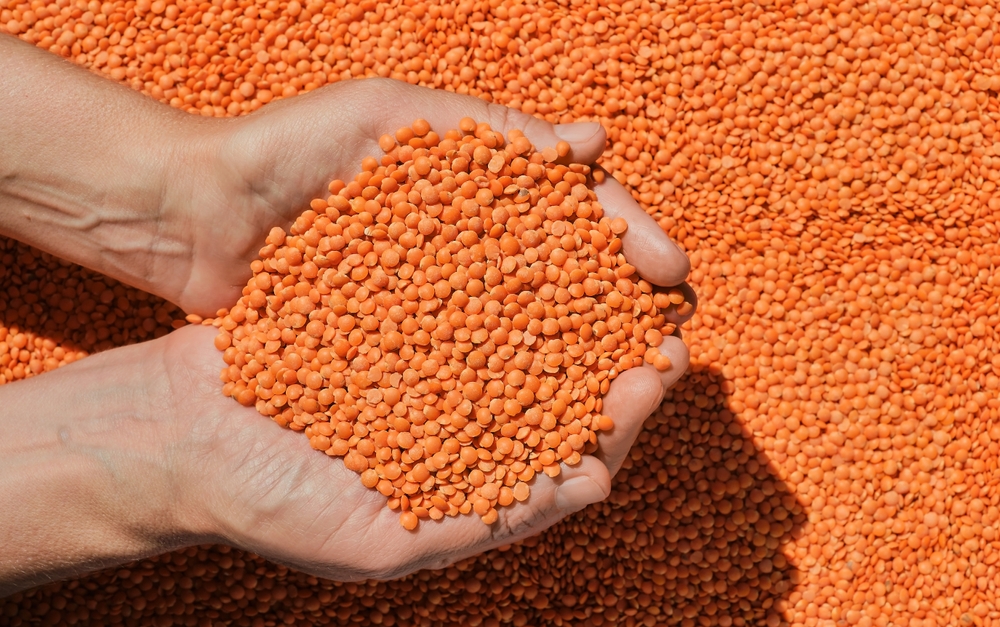
A pot of chili doesn’t need to be all ground beef. Add cooked lentils, beans and vegetables, and you can feed more people without doubling the meat. Beans are a cost-effective alternative to part of the meat in tacos, soups and pasta dishes. They also contribute fiber, which meat doesn’t provide, so the change can make a filling meal with more variety.
Brown or green lentils hold some texture in a tomato sauce. Red lentils soften and thicken it. Replace part of the ground meat at first if your family isn’t used to lentils, then adjust to taste. This doesn’t require any exotic recipe or a special meat substitute. It’s regular food doing a sensible job, and leftovers from a good chili can become a baked-potato topping or lunch the following day.
Buy some of your fish in a can
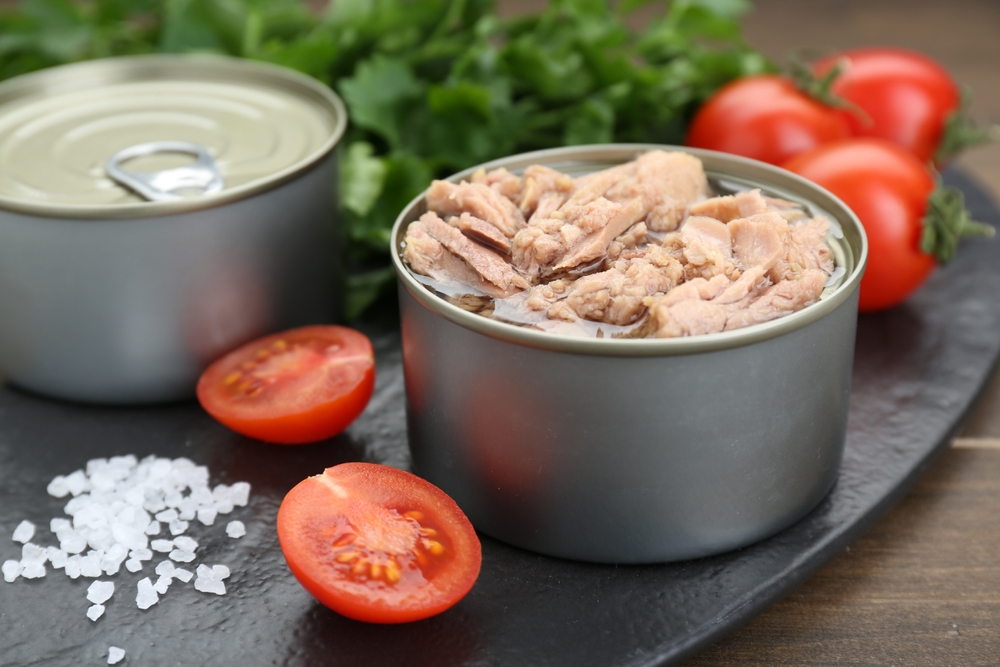
Fresh salmon isn’t the only way to put fish on the menu. Canned salmon, sardines and light tuna are convenient proteins that keep until you need them. Canned light tuna, salmon and sardines are among the lower-mercury choices, which is worth knowing if fish is becoming part of your regular routine. Compare the drained weight, not just the can price, to see how much fish you’re actually buying.
Try salmon patties with an egg and breadcrumbs, sardines on toast with tomato, or tuna stirred through whole-grain pasta with peas. Vary the types instead of eating tuna every day. Anyone who is pregnant or breastfeeding, and anyone feeding children, should follow the fish-specific advice on portions and frequency. The savings come from choosing affordable varieties, not from replacing every other source of protein with canned fish.
Let eggs earn their place beyond breakfast
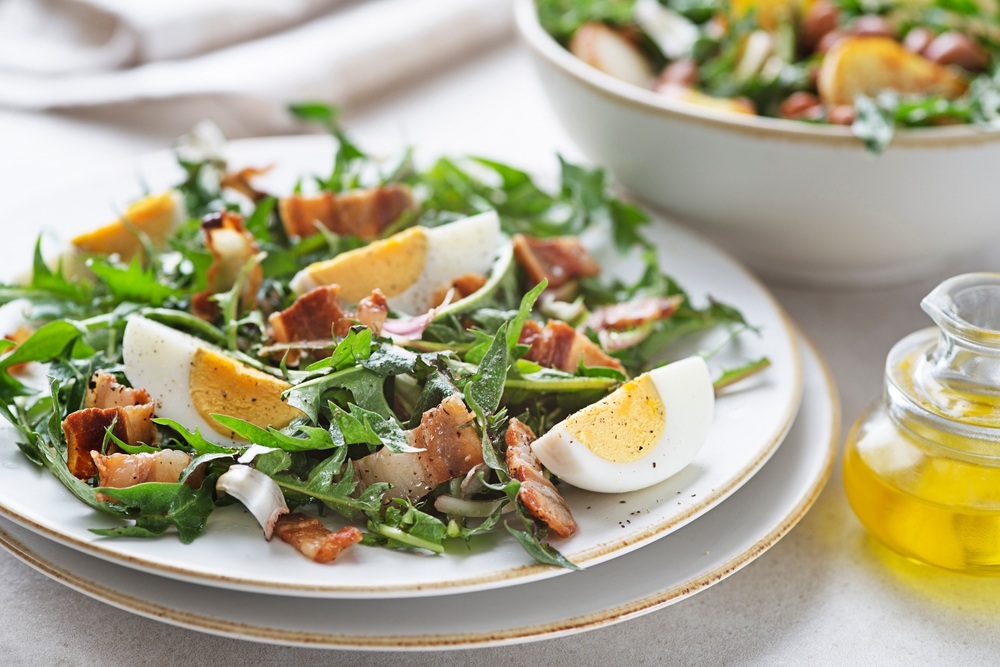
Egg prices can swing, so check the cost of a dozen against other proteins rather than assuming eggs are always a bargain. When the price is good, they’re useful for far more than scrambled eggs on toast. A frittata made with leftover vegetables, an egg-and-bean taco or a simple vegetable omelet can make dinner without needing to buy meat.
Build the meal around more than one egg. Add potatoes, whole-grain bread, beans or vegetables to make it satisfying. If you’re shopping for one, eggs also have a useful advantage: raw eggs in their shells can generally keep for three to five weeks in the refrigerator. That gives you time to use the carton across several different meals. A dozen eggs is only cheap when you have a plan for the dozen.
Make a canister of oats handle breakfast
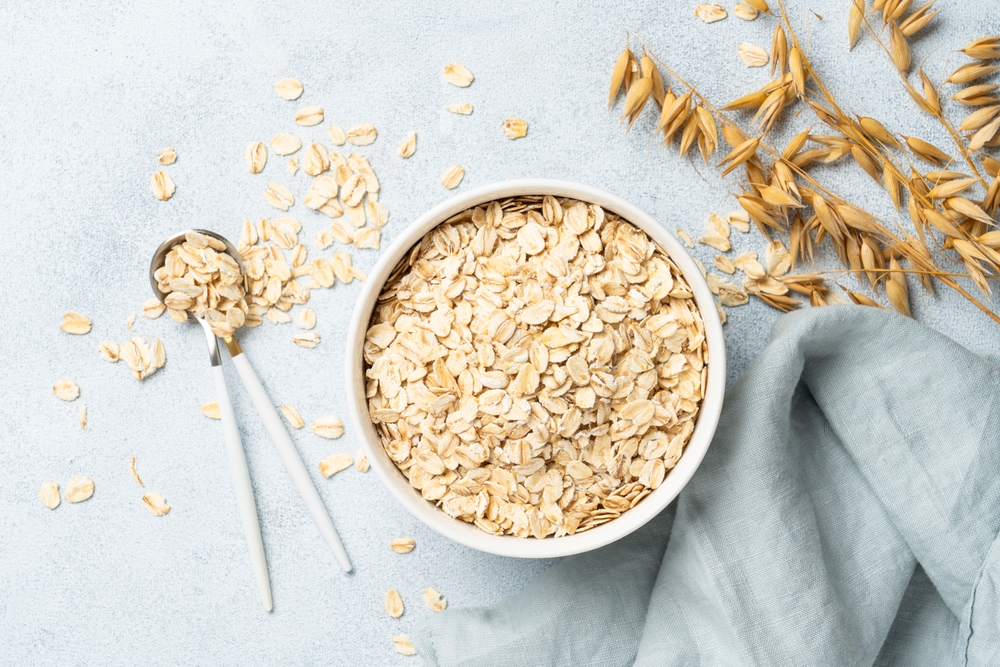
Individually flavored oatmeal packets are convenient, but the big tub of plain rolled oats is worth comparing on price per ounce. Oats are a whole grain and supply fiber, while plain oats let you decide what goes into breakfast. Cook them in water or milk and add a banana, cinnamon or a spoonful of peanut butter. There’s no need to buy expensive powders or a long list of toppings.
Use the same oats differently during the week so breakfast doesn’t become a punishment. Make overnight oats with yogurt, heat them with frozen berries, or add a little to muffins. Quick oats are fine if mornings are difficult. Check what your local store actually charges and choose the package size you’ll finish. And if nobody in the house likes oatmeal, don’t buy an enormous tub because someone told you it’s frugal.
Buy plain yogurt and use it for more than snacks
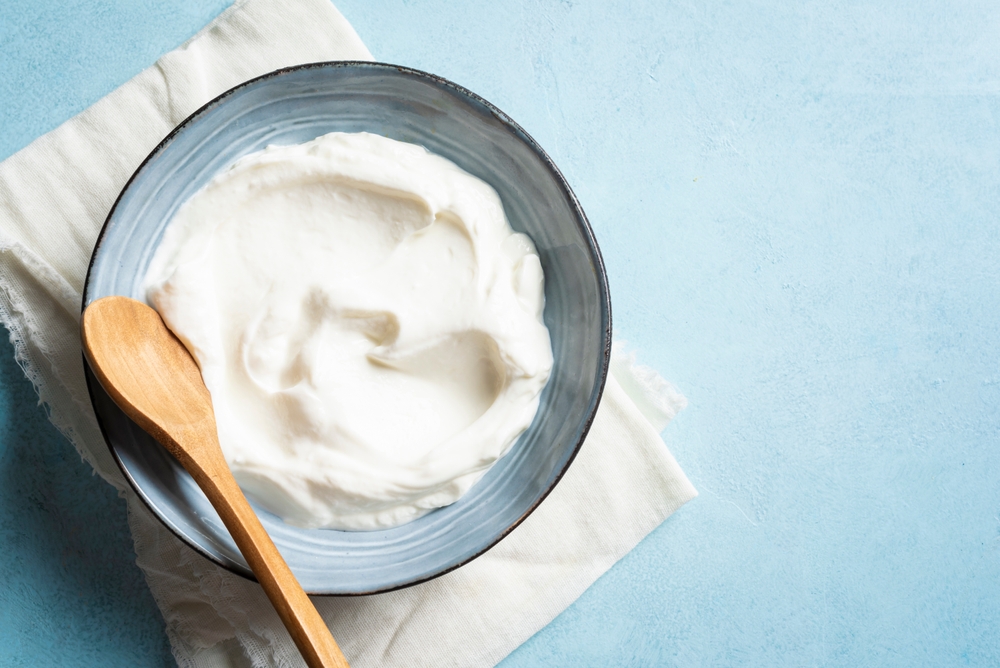
A large tub of plain yogurt can stand in for several small flavored cups, depending on the price per ounce and how fast your household eats it. It can be breakfast with fruit, a savory dip with garlic and herbs, or a topping for baked potatoes and bean chili. Plain low-fat yogurt is a useful kitchen staple, not a product that has to be eaten straight from the carton.
Mix one portion with mashed banana rather than paying for a special banana-flavored cup. Stir another with lemon and herbs for vegetables. Use a spoonful to cool a spicy soup. Buy a tub you can finish before it spoils, since the cheapest large package is a poor deal when half goes bad. Dairy-free options can be useful too, but their prices, protein and added sugar vary, so check the labels rather than assuming they’re equivalent.
Choose vegetables that will survive your schedule
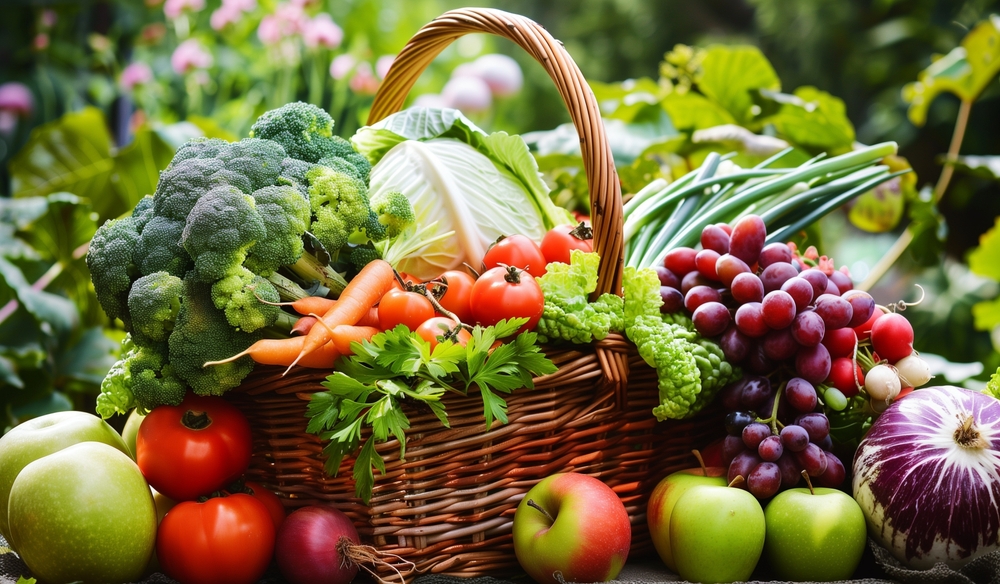
That box of delicate salad leaves can be an expensive way to buy compost. Whole cabbage, carrots and onions are useful in several meals and often keep longer than cut or bagged salad. Cabbage can be slaw, stir-fry or soup; carrots work raw, roasted or grated into sauce. The best produce bargain is food that actually reaches your plate, not whatever looked prettiest in the store.
Fresh greens and berries are still worth buying if you love them and will eat them promptly. Just buy amounts that suit the week you’re having. Switch some of your vegetables to frozen when your evenings are unpredictable. Check seasonal prices, too; the cheapest produce changes throughout the year. Eating well does not require buying a completely different selection of fresh vegetables every week.
Make a potato the starting point for dinner
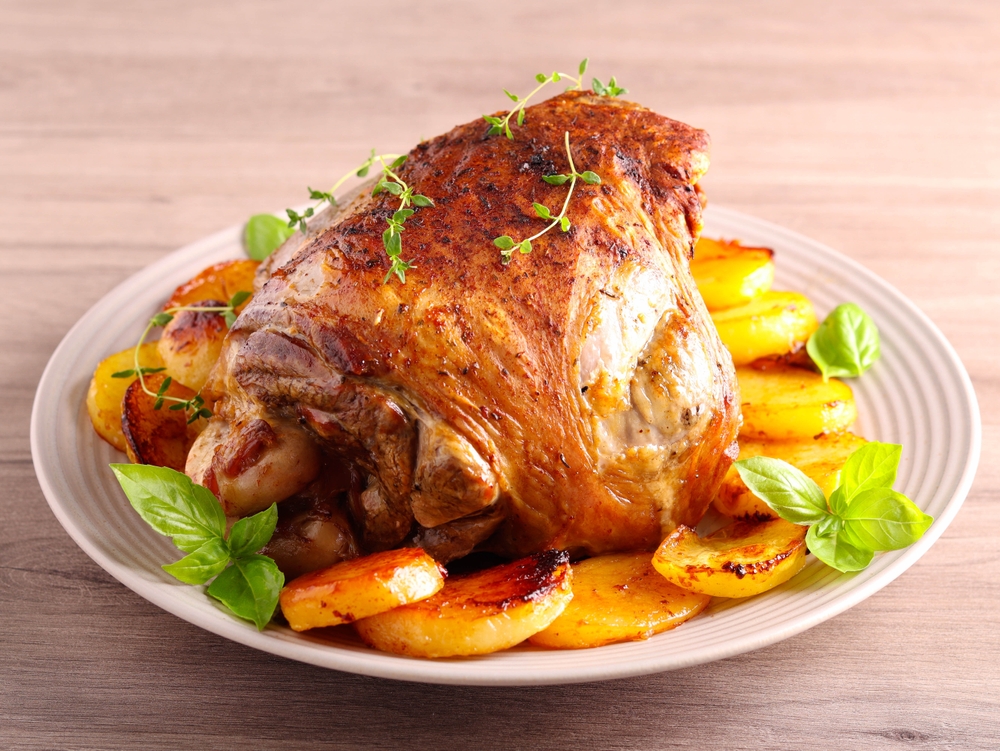
A potato doesn’t have to sit beside the expensive part of a meal. Bake or microwave one and add black beans and salsa, leftover chili, cottage cheese, tuna, or broccoli with a little shredded cheese. Add more vegetables if the topping doesn’t contain any. You have a proper dinner without buying ingredients for an entirely new recipe.
The topping is what makes this work. A plain potato won’t provide all the protein and variety you need, and a mountain of butter doesn’t solve that. Beans, eggs, fish or yogurt make it more substantial. Set out small containers of leftovers and let everyone choose a topping. It’s also a good way to stretch a little chili or cooked chicken that isn’t enough to feed the whole household on its own. You spend less because you use what’s already there.
Check what you’re paying someone else to chop
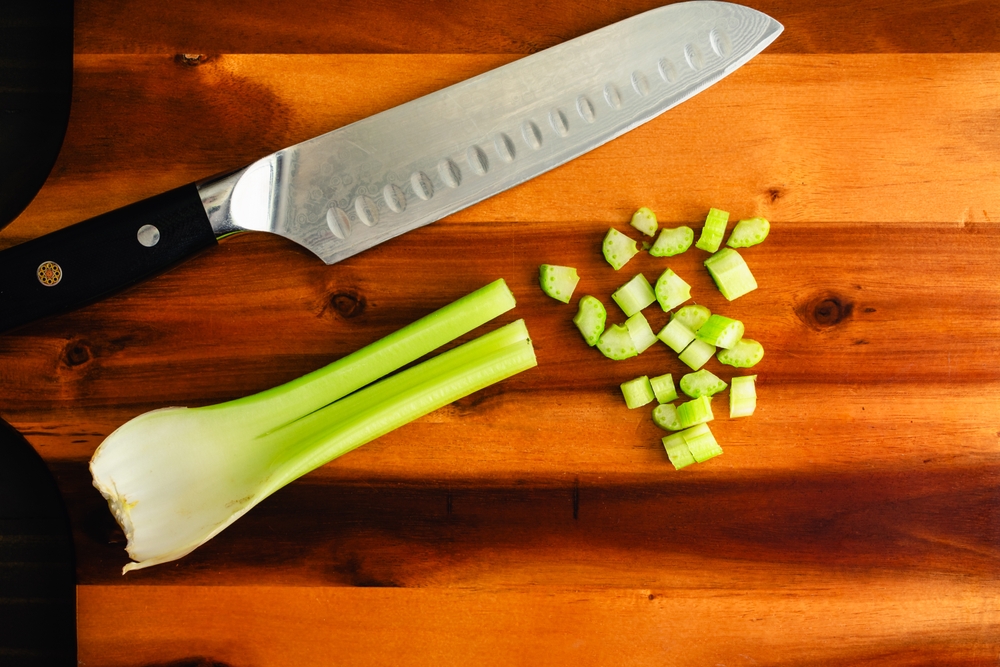
Pre-cut melon, tubs of chopped onions and single-serving snack packs can cost more than the unprepared versions. Buying whole produce instead of packaged, ready-to-eat portions can reduce the grocery bill if you have time to prepare it and can eat what you buy. Chopping a few carrots while dinner cooks isn’t a major project, and buying whole fruit can be a straightforward swap.
Convenience isn’t a moral failure, though. If you’re short on time, have trouble chopping safely or live alone, a smaller prepared pack may mean less waste and a better purchase. Compare the prices by weight and think about edible portions. A whole watermelon isn’t cheap if half ends up in the trash. You don’t need to do every job from scratch. Choose the prep work that actually saves money in your kitchen.
Give tonight’s leftovers a different job tomorrow
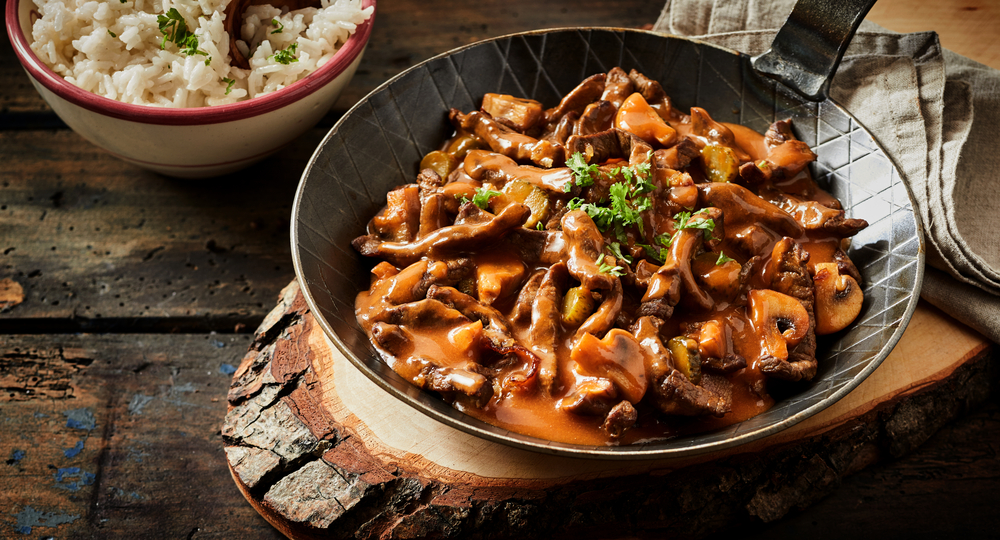
The thought of eating the same casserole for four days can make batch cooking feel grim. Cook a basic component rather than four identical finished dinners. Roast chicken can go into wraps or soup. Beans from chili can become tacos. Cooked vegetables can go into a frittata. Cooking a double portion is useful when it gives you tomorrow’s meal without another full shopping list.
Keep seasoning fairly flexible when you know you’ll reuse something. Plain cooked chicken works with different sauces; chicken drenched in a very strong sauce is less adaptable. You can also make an extra serving of rice or roasted vegetables without cooking twice as much of everything. Store leftovers promptly and plan when you’ll use them. A ready, satisfying lunch from yesterday’s dinner can prevent spending money on something less nutritious simply because it’s easy.
Freeze food before it becomes a science project
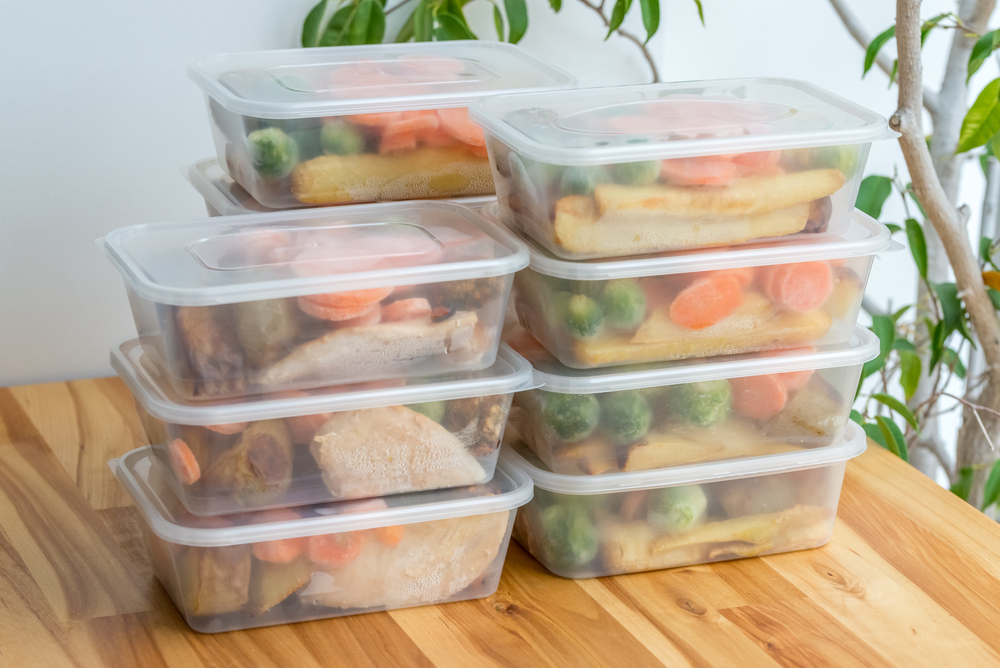
The freezer is most useful before food starts looking questionable. Freeze bread in slices, divide large meat packages into portions and put spare chili away as soon as it has been cooled and stored safely. Most cooked leftovers last three to four days in the refrigerator, so don’t leave a pot there all week and hope for the best.
Refrigerate or freeze cooked food within two hours, using shallow containers so it cools quickly. Label packages with the contents and date. If you’re cooking for one, freeze single portions rather than one enormous container you’ll have to thaw at once. And if food has been sitting at room temperature too long, throw it out rather than treating freezing as a way to make it safe. A few prepared meals in the freezer can also spare you an expensive last-minute delivery order.
Check whether SNAP can buy you more produce
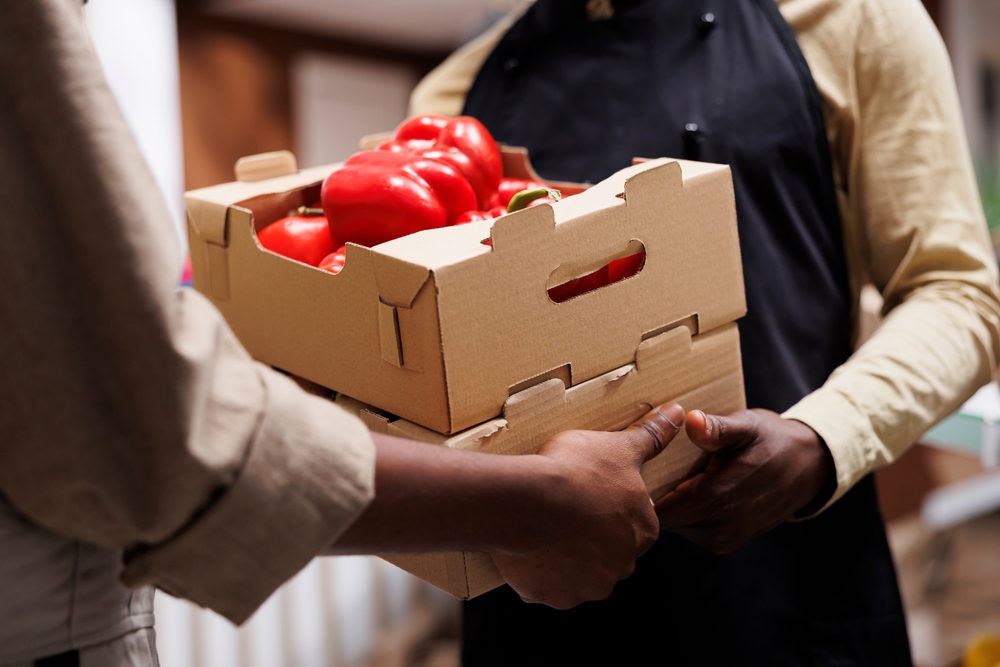
If you receive SNAP, you may be able to get extra fruits and vegetables through a local incentive program. Double Up Food Bucks is available in more than 25 states at participating stores and markets, with different rules in different places. In Iowa, for example, the program matches qualifying SNAP spending on fresh produce dollar for dollar, up to $15 per day.
Check for a participating location before making a special trip. Some places use rewards cards, others use coupons or tokens, and registration or daily limits may apply. If you don’t receive SNAP, this particular program won’t help, but local food pantries and community food programs may be worth checking when money is especially tight. Using a program you’re eligible for is a practical way to free up food dollars for the rest of the week.