
A worker climbs onto a roof, backs a truck into a loading bay, or heads out alone to repair a power line. Most shifts end without an accident. But the risk of not coming home is much higher in some parts of the country than others.
The U.S. recorded 5,070 fatal work injuries in 2024, the latest year with a complete national state-by-state comparison. That works out to 3.3 deaths for every 100,000 full-time-equivalent workers. The rate matters more than the raw death toll when comparing a state with a few hundred thousand workers against one with millions.
These rankings use the fatal occupational injury rate, not everyday accidents, illnesses, or workers’ compensation claims. Deaths are counted where the injury happened, and the figures include employees and self-employed workers. States with the same published rate are ordered by the number of deaths recorded; those states are effectively tied on the main measure. One bad year can move a small state sharply up the list.
25. Georgia

Georgia makes the list with a workplace fatality rate of 3.4 deaths per 100,000 full-time-equivalent workers. There were 170 fatal work injuries in 2024, down from 192 the previous year. That improvement is worth noting. Georgia’s rate also slipped from 4.0 in 2023, although it still finished just above the 3.3 national figure.
The details show that this isn’t simply a trucking story. Transportation incidents killed 58 workers, while 40 died in contact incidents involving equipment or objects. Construction recorded 35 deaths, including 22 among specialty trade contractors. The state’s busy freight routes matter, but so do the hazards of building sites and workplaces where workers and heavy equipment share space. A lower total than last year is not the same thing as a low-risk job.
24. New Mexico

Only 32 workers died from occupational injuries in New Mexico in 2024. That may sound modest beside the totals in Texas or Georgia, but the state recorded a rate of 3.6 per 100,000 full-time-equivalent workers. It sits alongside Alabama at the published rate, with fewer total deaths breaking the tie for this countdown.
More than half of New Mexico’s work-related fatalities, 18 of the 32, involved transportation incidents. The transportation and utilities sector had its own fatal injury rate of 18.0, five times the statewide figure. These are different measures, but together they point to the risks facing workers who spend their shifts driving, operating vehicles, or working around moving traffic. The total fell from 38 deaths in 2023, so the newest count shows improvement without taking road safety off the agenda.
23. Alabama
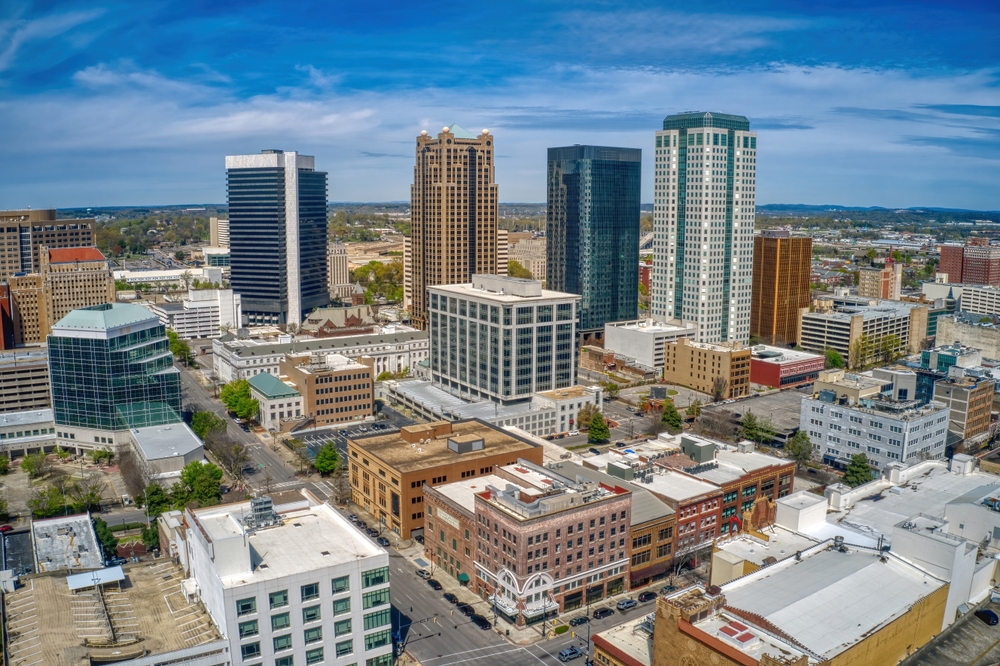
Alabama recorded 75 fatal occupational injuries in 2024, exactly the same number as in 2023. Its fatality rate was 3.6 deaths per 100,000 full-time-equivalent workers. A flat headline number can hide very different incidents, from workplace traffic to falls and dangerous contact with machinery.
The risks stand out more clearly when the numbers are broken down by industry. The rate for transportation and utilities was 16.2 per 100,000 workers, while construction was 8.2. Both are well above Alabama’s overall rate. That doesn’t mean every employee in either sector faces the same exposure. Someone working at a desk in a transport company has a different job from a truck driver or lineworker. It’s the tasks, equipment, working conditions, and training that make the difference.
22. Utah
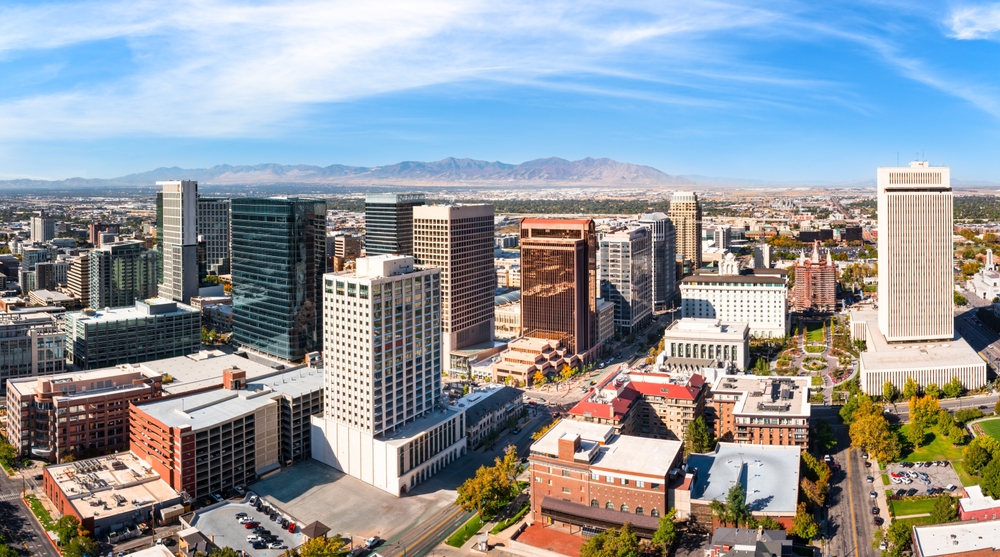
Utah’s statewide fatal injury rate came in at 3.7 deaths per 100,000 full-time-equivalent workers. There were 63 workplace fatalities in 2024, compared with 69 in 2023. Utah ties Kentucky and Wisconsin on the rounded rate, but has fewer deaths than either of them.
Traffic is the biggest part of the picture: 25 of Utah’s fatalities came from transportation incidents. Violent acts accounted for another 14, a reminder that serious workplace danger isn’t confined to roofs, machinery, and remote construction sites. The transportation and utilities industry rate was 12.8. For someone choosing between job offers, the state’s overall ranking tells you much less than whether the position involves driving, lone working, public contact, or hazardous equipment.
21. Kentucky

Kentucky’s 2024 death toll fell to 70 from 91 the previous year. Its workplace fatal injury rate dropped from 4.6 to 3.7 per 100,000 full-time-equivalent workers. That is a substantial year-over-year improvement, even though the state still makes the country’s 25 highest-rate states.
The road remains a particular problem. Transportation incidents were involved in 33 worker deaths, almost half of Kentucky’s total. The transportation and utilities industry rate was 12.3 per 100,000 workers, compared with 7.6 in construction. Kentucky’s industrial and logistics jobs bring very different hazards, and the numbers don’t establish that one employer is unsafe. But they show why good vehicle maintenance, realistic driving schedules, and safe loading areas belong in a conversation about workplace safety, not just hard hats.
20. Wisconsin

Wisconsin had 109 fatal work injuries in 2024 and a rate of 3.7 deaths per 100,000 full-time-equivalent workers. The total was only slightly below the 112 recorded in 2023. That makes this a less dramatic year than the swings elsewhere on the list, but the industries involved tell a more useful story.
Transportation incidents caused 30 deaths, while falls accounted for 22. Exposure to harmful substances or environments and contact incidents each accounted for 19. Agriculture had a fatal injury rate of 33.9, compared with 1.1 in manufacturing. Those are sector-wide figures, not odds for a particular worker, but they’re a sharp warning against assuming that familiar farm work is automatically safer than a factory floor. Working alone, driving equipment, and dealing with animals or machinery all call for precautions that can be easy to take for granted.
19. Texas

Texas had more workplace deaths than any other state in 2024: 557. Yet it ranks No. 19 by fatality rate, at 3.9 per 100,000 full-time-equivalent workers. That is why a list based purely on the number of deaths would be misleading. Texas has a huge workforce, and its count reflects that as well as the risks people face.
The sheer scale of the harm is hard to dismiss. Transportation incidents killed 242 workers, contact incidents killed 91, and falls caused 77 deaths. The state also has very different workplace exposures: the fatal injury rate reached 16.8 in mining, quarrying, and oil and gas extraction, and 29.2 in agriculture, forestry, fishing, and hunting. A state average can hide concentrated danger in a particular line of work, especially for people whose job takes them onto highways, rigs, or agricultural equipment.
18. Kansas

Kansas is one of three states tied at 4.1 fatal injuries per 100,000 full-time-equivalent workers. It recorded 56 deaths in 2024, up from 53 in 2023. That puts it below Oklahoma and North Carolina in the countdown only because the published rates are tied and those states had more fatalities.
Twenty Kansas workers died in transportation incidents, and 13 were killed in contact incidents involving equipment or objects. The state’s 29.0 fatal injury rate in agriculture is another sign that outdoor work with tractors, livestock, and large machinery deserves close attention. The published mining industry rate was 43.4, but small industry totals can produce very high and changeable rates. That is a reason to examine specific duties and employers rather than deciding a whole state is a bad place to earn a living.
17. Oklahoma

An Oklahoma worker’s overall fatal injury rate was 4.1 per 100,000 full-time-equivalent workers in 2024. The state recorded 73 deaths, down from 76 in 2023. Its total is relatively small compared with some states ranked below it, but the rate places it clearly above the national average.
Transportation incidents caused 35 worker deaths, almost half of the state’s total. Falls accounted for 13. The data also show a transportation and utilities industry fatality rate of 15.1 and a manufacturing rate of 5.1. For a worker weighing a manufacturing job against a driving job, that’s a more helpful starting point than the overall state rank. It still isn’t an employer safety score: the tasks, worksite layout, vehicle policies, and protections offered by the individual company are what a worker can actually investigate.
16. North Carolina

North Carolina moved in the wrong direction in 2024. Fatal occupational injuries rose from 177 to 196, and the rate climbed from 3.7 to 4.1 deaths per 100,000 full-time-equivalent workers. The state’s larger death toll also puts it ahead of Oklahoma and Kansas among the three states tied at 4.1.
Transportation incidents claimed 77 lives, up from 62 in 2023. The increase was not confined to the highway: violent acts rose from 17 to 35 fatalities, including 28 homicides. Construction was the private industry with the most deaths, at 36, and 14 of those involved falls, slips, or trips. Those are very different problems requiring different solutions. An effective safety program must address vehicles and heights, but workers dealing with the public or working late shifts also need violence prevention and emergency procedures.
15. Missouri

Missouri recorded 118 occupational fatalities in 2024, four more than in 2023. Its rate of 4.2 deaths per 100,000 full-time-equivalent workers puts it above the cluster of states at 4.1. The difference between these rounded rates is small, but the pattern of deaths is more revealing.
Transportation incidents caused 45 deaths, with another 22 attributed to contact incidents involving objects or equipment. There were 18 fatal falls and 18 deaths from violent acts. Missouri’s construction injury fatality rate reached 11.7, while agriculture was 29.3. That mixture matters: fatal danger can arise from a routine delivery route, a fall while doing building work, or an unexpected interaction with machinery. Treating all workplace deaths as if they happen on a construction site misses much of the state’s experience.
14. Indiana

Indiana’s fatal workplace injury rate fell from 5.1 in 2023 to 4.3 in 2024. The number of workers killed also dropped, from 157 to 135. It is a welcome change, but 135 lives lost in one year is hardly a small problem, particularly for families facing the financial consequences of a death at work.
Road and vehicle incidents accounted for 55 of those deaths. Exposure to harmful substances or environments caused 25, a category that includes hazards such as chemicals and other dangerous conditions. Indiana’s agricultural industry rate was 42.3, compared with 2.6 for manufacturing. Manufacturing employs plenty of people doing demanding physical work, but the figures underline the unusually serious risks in agricultural jobs involving mobile equipment and other hazards. What matters for an individual job is what protections actually exist on the shift.
13. South Carolina

South Carolina had 103 fatal work injuries in 2024, down from 112 a year earlier. Its fatality rate declined from 5.0 to 4.5 per 100,000 full-time-equivalent workers. That is an improvement, but the state remained well above the national rate, and not every type of workplace hazard was moving the same way.
Transportation incidents caused 40 deaths. Harmful substances or environmental exposure accounted for 24, a larger share of deaths than the national average. Construction’s fatal injury rate was 12.8, compared with 4.9 in manufacturing. These numbers don’t tell you that every construction contractor is dangerous or that industrial work is harmless. They show how much the kind of work matters: a worker installing a roof in summer has different risks from someone on a production line or driving freight across the state.
12. Idaho
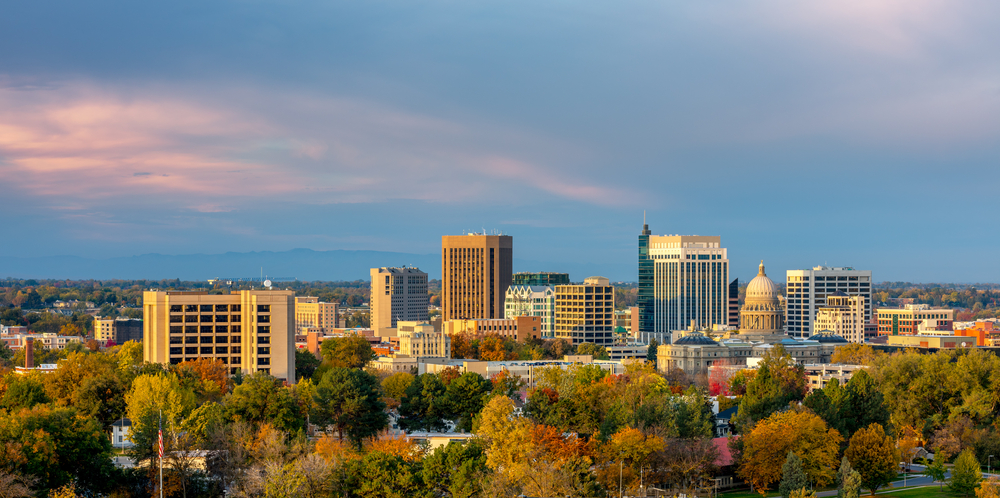
Idaho’s fatal workplace injury rate was 5.0 per 100,000 full-time-equivalent workers in 2024, with 45 people killed. That is slightly better than its 2023 rate of 5.4 and 48 deaths, but still markedly above the national average. A smaller population does not make the human cost less serious, even when the raw total appears low.
The risk is not limited to the kinds of remote outdoor jobs often associated with Idaho. Transportation incidents caused 19 deaths, and contact incidents caused another 11. Construction had a particularly high fatal injury rate of 21.5 per 100,000 workers, more than four times Idaho’s overall rate. Workers in building trades face dangers from heights, heavy materials, and moving equipment that demand more than a quick safety briefing. The worksite’s procedures matter more than whether the job happens in a city or a rural county.
11. Louisiana

Louisiana recorded 96 fatal occupational injuries in 2024, down from 104 the year before. Its fatality rate was 5.1 per 100,000 full-time-equivalent workers, tying Tennessee on the published rate. Louisiana takes the lower position here because fewer people were killed in the state that year.
Transportation incidents accounted for 32 deaths, but the danger was more spread out than in some states. There were 18 fatalities from exposure to harmful substances or environments and 17 involving violent acts. Construction had a fatal injury rate of 13.8, while transportation and utilities reached 16.7. Oil, gas, industrial maintenance, freight, and construction can all involve hazardous tasks, but the data also make room for a less visible risk: violence at work. A state can have more than one workplace safety problem at the same time.
10. Tennessee

Tennessee’s workplace fatal injury rate stood at 5.1 per 100,000 full-time-equivalent workers in 2024. The state recorded 155 deaths, down from 164 a year earlier. That was progress, but the higher raw count places Tennessee ahead of Louisiana despite their identical rounded rates.
Fifty-five of those fatalities involved transportation incidents. Contact incidents caused 30 deaths and violent acts another 29, including 25 homicides. That last figure is an especially sobering reminder that workplace safety is not simply about machine guards and fall protection. Employees may face risk while dealing with customers, working alone, carrying out security duties, or handling conflict at work. Tennessee’s construction industry fatality rate of 10.2 adds a different set of dangers, so an employer’s safety record needs to cover more than one category of harm.
9. Iowa
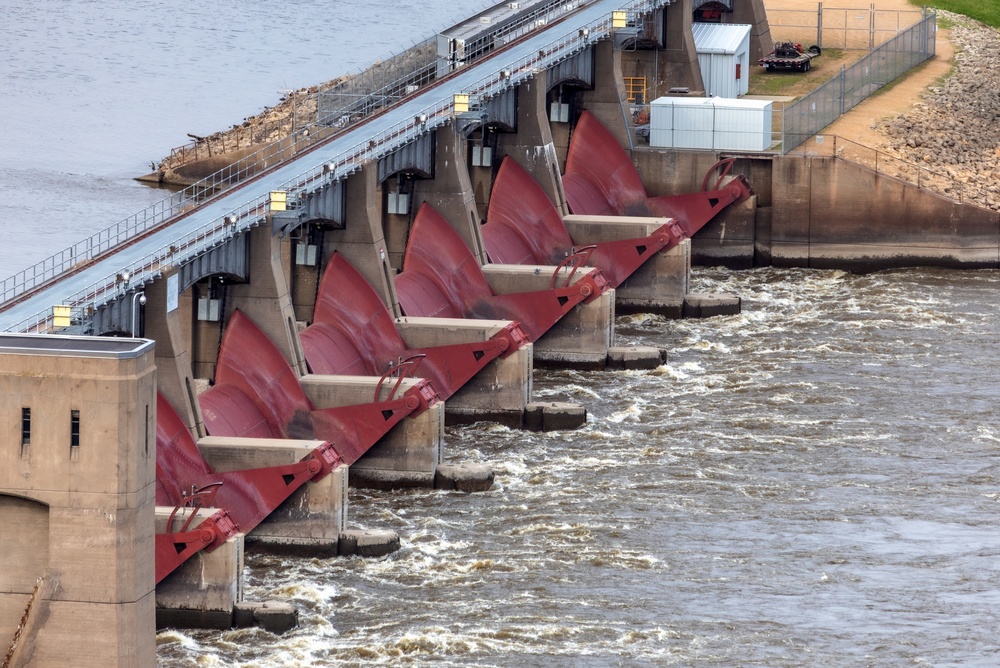
A combine, a livestock trailer, or a truck on a rural road can turn an ordinary workday into an emergency. Iowa recorded 83 fatal occupational injuries in 2024, with a statewide rate of 5.2 deaths per 100,000 full-time-equivalent workers. The total was down from 91 the year before, but the rate remained well above the national average.
Agriculture, forestry, fishing, and hunting accounted for 21 deaths, the largest private-industry group in Iowa. Crop production alone accounted for 18. Transportation incidents caused 33 workplace deaths across all industries, and 30% people who died was self-employed, rather than a wage or salary worker. That is relevant to farm owners and independent contractors who may lack the training systems and second pairs of eyes common in larger workplaces. The risks can involve vehicles and equipment as much as anything happening inside a building.
8. South Dakota

South Dakota’s numbers moved sharply in the wrong direction. The state recorded 29 fatal work injuries in 2024, up from 20 in 2023, and the fatality rate climbed from 4.3 to 5.8 per 100,000 full-time-equivalent workers. In a small workforce, a handful of deaths can produce a large change in the annual rate, which is why a single year’s ranking needs context.
Transportation incidents were involved in 17 of the 29 fatalities. The construction industry fatal injury rate was 32.2, strikingly higher than the statewide figure. The danger isn’t limited to highway travel: rural worksites, construction equipment, and large vehicles can put workers close to moving machinery with little margin for error. Anyone considering this kind of work should pay attention to practical safeguards, including traffic separation, equipment maintenance, and whether people are expected to handle risky tasks alone.
7. Montana

Montana had 31 workplace fatalities in 2024, down from 38 in 2023. Its fatal injury rate was 5.8 per 100,000 full-time-equivalent workers. The state ties West Virginia and South Dakota on the published rate, and it ranks between them here because of its number of deaths.
Sixteen of Montana’s workplace deaths involved transportation incidents, while seven involved contact with equipment or objects. Agriculture’s published fatal injury rate reached 57.3, and transportation and utilities recorded 18.4. These are high-risk sectors where the working day can involve big machines, long distances, or work far from immediate help. The statewide total may be small beside those of more populous states, but it represents individual workers who left for a shift and did not come home. The rate is a reminder that distance and lower traffic volumes do not automatically mean less job-related danger.
6. West Virginia
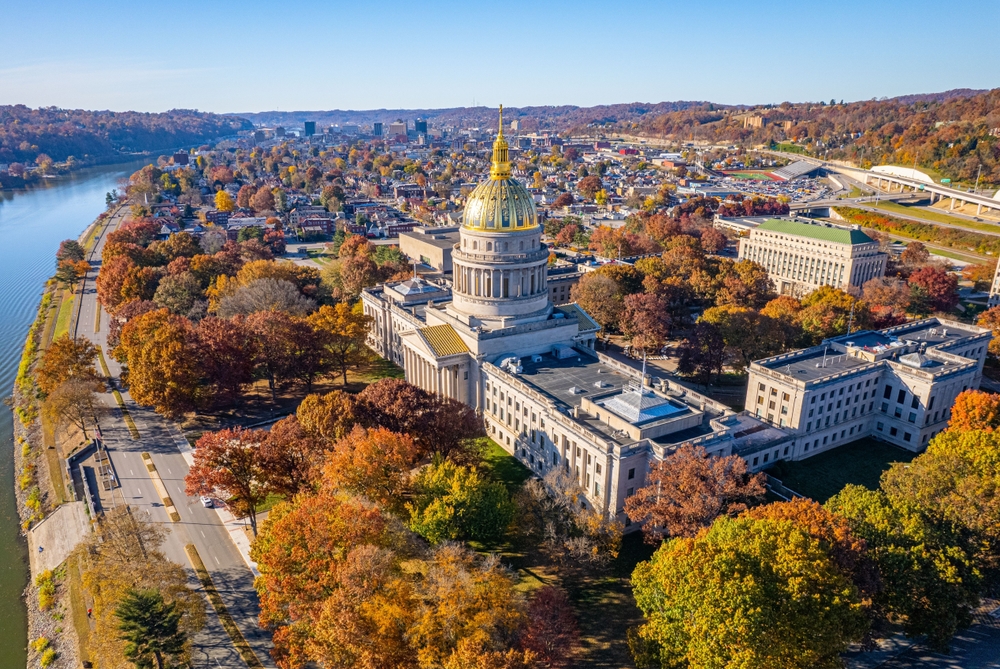
West Virginia’s 2024 results are a reminder not to confuse a dangerous ranking with a worsening trend. Fatal occupational injuries fell from 58 in 2023 to 40 in 2024. The state’s rate dropped from 8.3 to 5.8 deaths per 100,000 full-time-equivalent workers, a significant improvement, though still one of the highest rates in the country.
Transportation incidents claimed 16 lives, and contact incidents took nine. Another important change was the fall in deaths caused by exposure to harmful substances or environments, from 17 to four. West Virginia’s 2024 fatality rates still reached 24.8 in mining and 43.5 in agriculture. Mining is an obvious part of its industrial history, but focusing on mines alone would miss dangerous work in transport, logging, farming, and other sectors. The improvement is real, but the hazards are not confined to one employer or one industry.
5. Arkansas
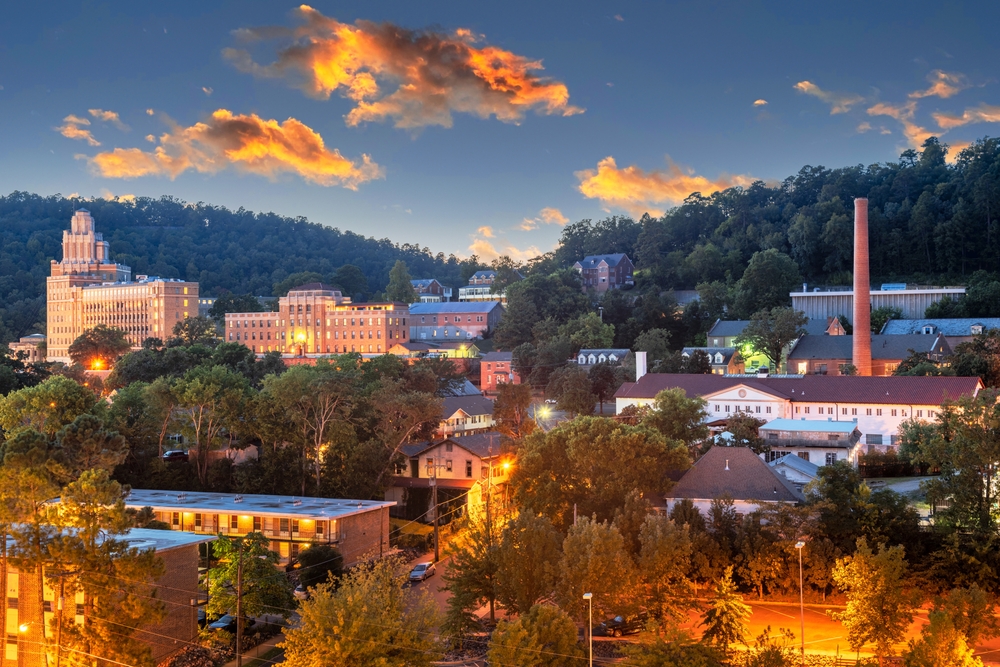
Arkansas recorded 79 fatal work injuries in 2024, down from 92 in 2023. Its overall fatality rate was 6.2 deaths per 100,000 full-time-equivalent workers. It is a major reduction from the 7.5 rate recorded the year before, but more than six deaths for every 100,000 full-time workers still puts Arkansas among the five highest-rate states.
The most striking number is 50: that many of the 79 deaths came from transportation incidents. That is nearly two-thirds of the state’s workplace fatalities, and it makes the road a much bigger part of the story than a generalized warning about hazardous industries. The transportation and utilities industry’s rate was 31.1, while agriculture stood at 31.9. These two figures measure sector risk, not how the 50 incidents are divided between them. For workers, road conditions, vehicle maintenance, delivery pressure, and safe movement around trucks can be life-or-death issues.
4. North Dakota
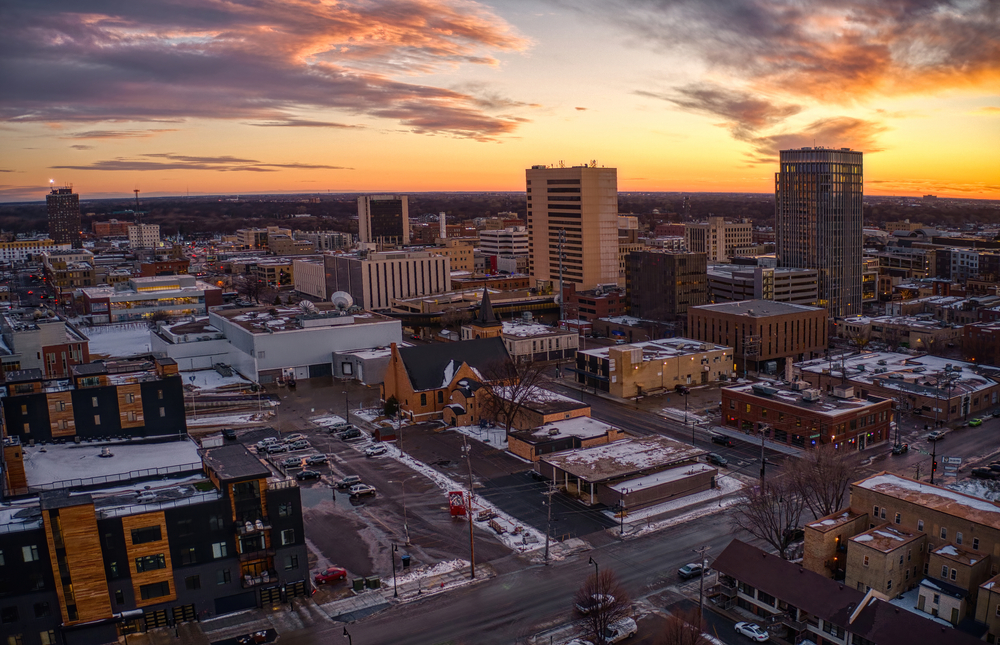
North Dakota counted just 28 workplace fatalities in 2024, compared with 26 in 2023. That is a small death toll in national terms, but its fatal injury rate was 6.8 per 100,000 full-time-equivalent workers. The rate was similar to 2023’s 6.9, so this is not simply one unusually bad year pushing an otherwise low-risk state into the top five.
Transportation incidents were involved in 13 worker deaths, and contact incidents caused seven. That includes the types of accidents involving dangerous interaction with machinery and equipment. The agricultural industry rate was 34.4, underscoring the exposure facing people working with vehicles, livestock, and large machinery. For workers in oilfield and agricultural regions, the job can involve remote locations, heavy equipment, and a delay before help arrives. The statistics cannot tell you which workplace is well run, but they make the need for reliable safety systems hard to ignore.
3. Alaska

Twenty-four workers died from occupational injuries in Alaska in 2024, down from 29 the previous year. Yet Alaska’s fatal injury rate remained 7.1 per 100,000 full-time-equivalent workers, more than double the national average. In a state with a relatively small workforce, dangerous work at sea and in remote areas carries a heavy weight in the overall numbers.
Fifteen of Alaska’s 24 workplace deaths involved transportation incidents. The fishing industry alone recorded 10 fatalities, eight of them from transportation incidents. That helps explain why ordinary assumptions about a workplace accident don’t go far here: for some workers, the workplace is a vessel in difficult conditions, not a building with a manager and an emergency exit. The state agriculture, forestry, fishing, and hunting industry rate was 198.7, an extraordinary figure that also warrants caution because small groups can have very volatile annual rates.
2. Mississippi

Mississippi had one of the worst year-over-year changes in this countdown. Fatal occupational injuries rose from 72 in 2023 to 94 in 2024, a 30.6% increase. The fatality rate rose from 6.3 to 8.0 per 100,000 full-time-equivalent workers. That is more than twice the national rate and the second-highest state figure in the latest complete data.
Transportation incidents accounted for 41 deaths, up from 28 a year earlier. Construction also had a bad year: the industry recorded 21 fatal injuries, compared with 10 in 2023. Its sector fatality rate reached 22.8, while transportation and utilities stood at 18.3. Motor vehicle operators made up a large share of transportation and material-moving deaths, so the danger is not limited to dramatic industrial accidents. It includes people spending their working days behind the wheel, as well as crews building and repairing roads and other structures.
1. Wyoming

Wyoming is in a category of its own. Its 2024 fatal workplace injury rate was 13.9 deaths per 100,000 full-time-equivalent workers. That is more than four times the U.S. average of 3.3 and far above Mississippi’s 8.0, the second-highest rate. The state recorded 37 deaths, down from 45 in 2023, so the rate reflects more than a large raw death count. It shows how heavily workplace fatalities weigh against the size of Wyoming’s workforce.
Transportation incidents accounted for 19 of those 37 deaths, more than half the total. The industry figures are even more sobering: transportation and utilities had a rate of 41.1; agriculture, forestry, fishing, and hunting reached 49.7; construction stood at 27.1; and mining, quarrying, and oil and gas extraction reached 25.5. Those are different sectors with different hazards, but each involves work where large machinery, vehicles, heights, or remote locations can make a mistake catastrophic.
Wyoming’s rate did fall from 16.0 in 2023, which is welcome. It has nevertheless stayed unusually high over many years. The practical lesson isn’t that every Wyoming employer is unsafe. It’s that a high wage for a remote driving, extraction, construction, or agricultural job deserves a serious look at the conditions attached: travel, fatigue, equipment, training, working alone, and the ability to get help when something goes wrong.











