The hotel room is already paid for, but the front desk still wants a card for incidentals. You hand over your debit card, and suddenly there’s less money available in your checking account than you expected. The hotel hasn’t necessarily overcharged you. It may have placed a temporary hold on your money.
A debit-card hold restricts the cash you have available for groceries, gas, and bills. A credit-card hold reduces your available credit instead. If your debit card is stolen or an unauthorized payment appears, federal protections do apply, but your reporting deadlines and possible liability depend on what happened. And even when you get the money back, you may have to manage without it while the problem is investigated.
Paying by credit only helps if you clear the balance before interest starts. For deposits, large deliveries, or sellers you haven’t used before, it can keep your checking balance available while you sort out a charge or refund.
Hotel check-in deposits

You’ve paid $800 for a hotel stay and walk up to the desk expecting to collect your key. Then the hotel puts a separate authorization on your card for possible room service, parking, or damage. The hold can leave you without the cash you’d set aside for meals, gas, and other expenses during the trip.
Hotels can hold money for estimated incidentals at check-in, even when the room was paid in advance. The hold isn’t necessarily a completed charge, but if you use debit it can still lower your available checking balance. The card issuer may take longer to release the money after checkout than you expect.
Use a credit card for the check-in hold where possible, and ask the desk how much it will authorize. You may be able to settle the final hotel bill with debit later. Don’t assume the room price and the amount you need available at arrival are the same thing.
Rental cars at the pickup counter

A rental reservation doesn’t always mean the desk will hand over the keys. Some companies accept debit cards only under extra conditions, and they may want a deposit on top of the rental charge. Finding that out at an airport counter is a particularly bad way to start a vacation.
One major rental company requires a ticketed return travel itinerary for debit-card rentals at airport locations. Other locations may ask for proof of address, insurance, or additional documents. Requirements vary by company and branch, and the deposit can reduce the money available in your checking account until it is released.
Read the exact pickup-location policy before booking, not just the price comparison page. A credit card in the driver’s name can make pickup simpler, but check its available limit and the required deposit. If debit is your only option, call the branch directly rather than hoping the card will work.
Gas bought at an unattended pump
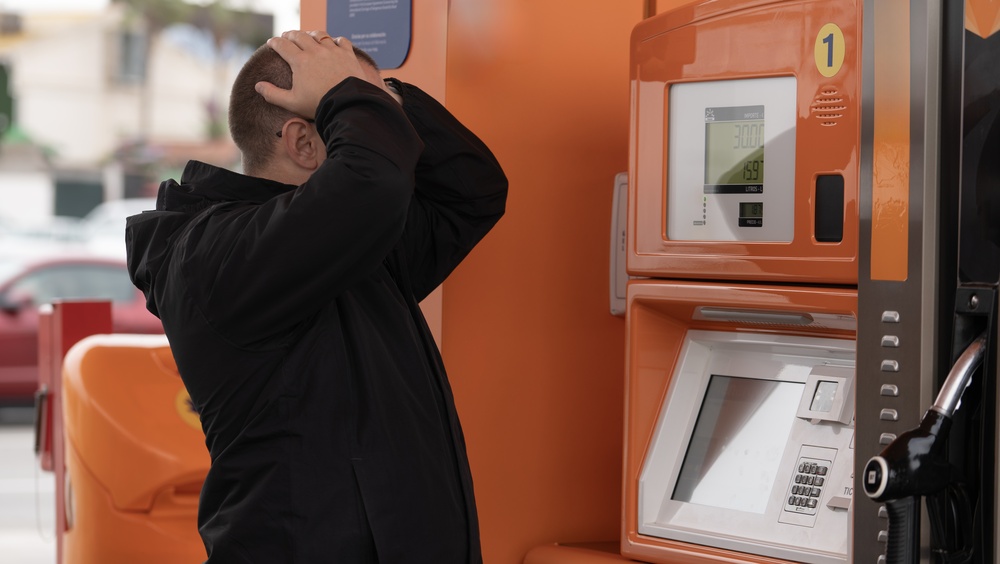
Paying at the pump is convenient. It’s also a place where two different problems meet: temporary fuel authorizations and card skimmers. Neither is great when the card is connected directly to the checking account you use for groceries and bills.
At gas stations, a temporary hold can set aside more money than the fuel you ultimately buy. Separately, criminals have installed illegal readers in pumps that capture payment-card information. A stolen debit-card number can mean unauthorized withdrawals while your bank looks into the claim.
Use a credit card or a contactless payment option where supported, and inspect the reader for obvious tampering. If you need to use debit, paying a specific amount inside can avoid some pump complications. Choosing ‘credit’ on a debit-card terminal does not turn it into a real credit card.
Cruise ship spending accounts

On many cruises, you charge drinks, tips, excursions, and shop purchases to a cabin account rather than paying separately each time. The ship then settles the total when you disembark. It makes spending easy to lose track of, especially when several people can charge to the same account.
Some cruise operators place repeated authorizations against the card on file as onboard spending builds. If that is a debit card, those authorizations can reduce your available bank balance during the trip. They may also remain for days after you get home, depending on the bank.
Check the cruise line’s specific policy before boarding. A credit card for the onboard account usually keeps those holds away from checking, provided you have enough credit available. Another option may be a cash-backed account with a defined amount set aside. The last thing you want after a vacation is several overlapping pending transactions eating into next month’s bills.
Airline tickets you might need refunded
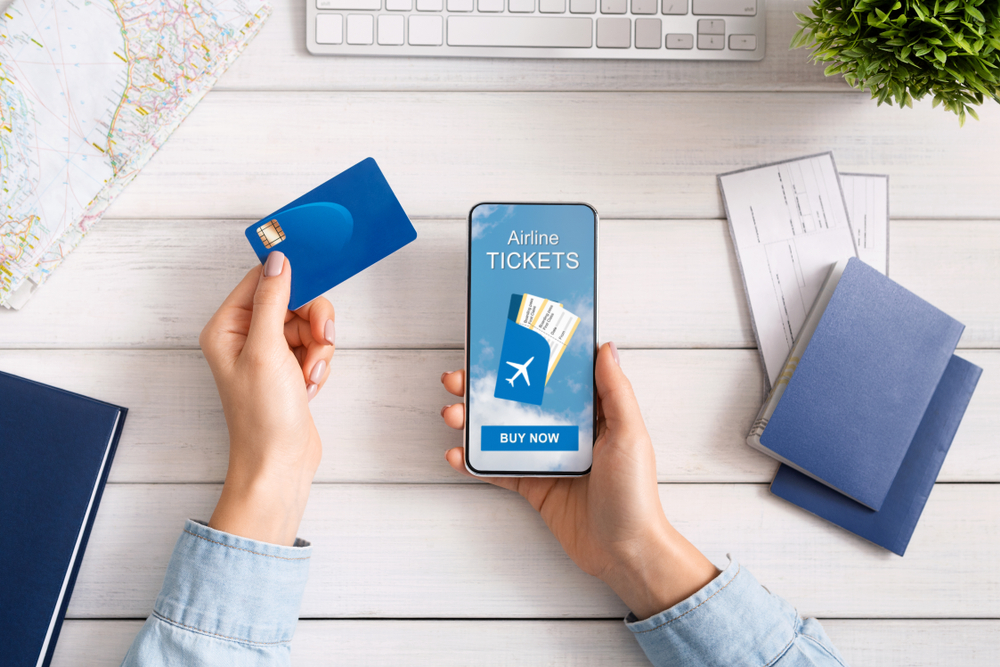
Airfare can consume a serious chunk of a vacation budget, and disruptions sometimes leave you buying a replacement ticket while you wait for a refund. If that money came out of checking, the delay can matter as much as the refund itself.
When an airline owes a refund under the applicable U.S. rules, it generally has seven business days to issue one for a credit-card purchase, compared with 20 calendar days for other payment methods. A typical debit-card purchase falls under the longer deadline. Debit-card customers still qualify for applicable refunds, but they may have to wait longer.
The rule does not make a nonrefundable ticket refundable just because you changed your mind. Read the fare conditions, buy from a reputable seller, and keep the itinerary and cancellation records. For large flight purchases, a credit card paid off in full can give your checking account more breathing room if plans go wrong.
Vacation rentals from an unfamiliar host
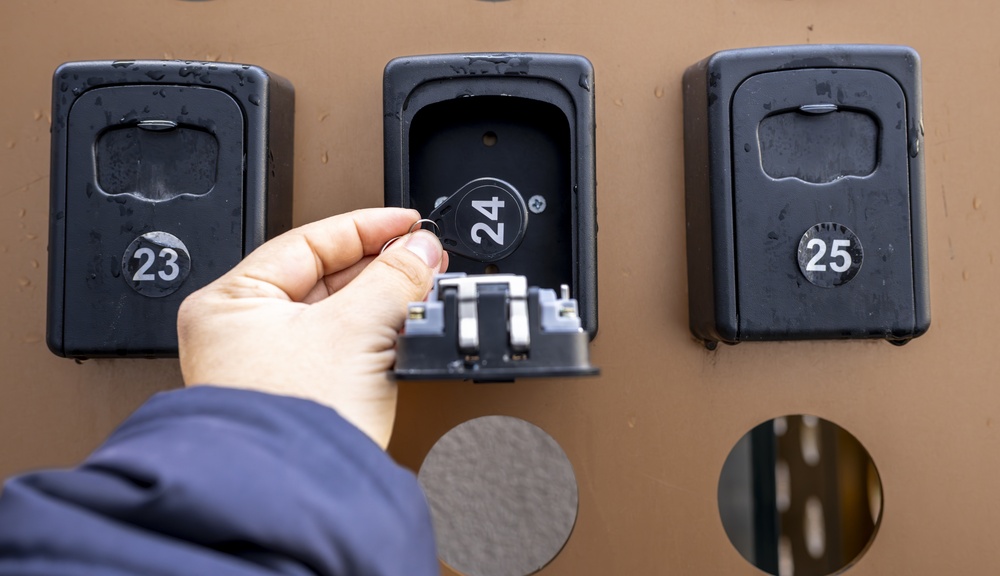
The photos show a beautiful beach house. The owner wants a deposit today, and the nightly rate looks lower than anything else nearby. A cheap listing and a push for immediate payment are reasons to verify the property before booking. Fake vacation rentals can use real photos and an address that doesn’t belong to the person collecting the money.
Travel scams may involve hijacked rental listings, nonexistent properties, and demands for hard-to-recover payments. Paying directly by debit gives the supposed host access to your money before you’ve confirmed you have somewhere to stay.
Check the property on a legitimate booking platform, verify the address and host, and keep payment inside the platform where buyer protections may apply. A credit card offers better dispute options for some problems, but it cannot make a fake house real. Never send a deposit by an off-platform transfer just because someone promises a discount.
Expensive tours booked far in advance

A sightseeing tour or guided excursion booked six months before your trip isn’t the same as buying lunch today. You’re paying now for a service that may not happen for a long time. If the operator closes, cancels without refunding, or turns out to be fictitious, you can be left chasing a refund long after the trip should have happened.
For services you paid for but didn’t receive, credit-card dispute options may be available. Those rights have deadlines and limits, so keep your booking confirmation and correspondence. With debit, the payment has already reduced your account balance while you argue with the company.
Before you pay, check the tour operator’s cancellation rules, location, contact information, and independent reviews. If possible, choose an established operator and a payment method that doesn’t put your everyday cash at risk months before the activity takes place.
Concert tickets from resellers
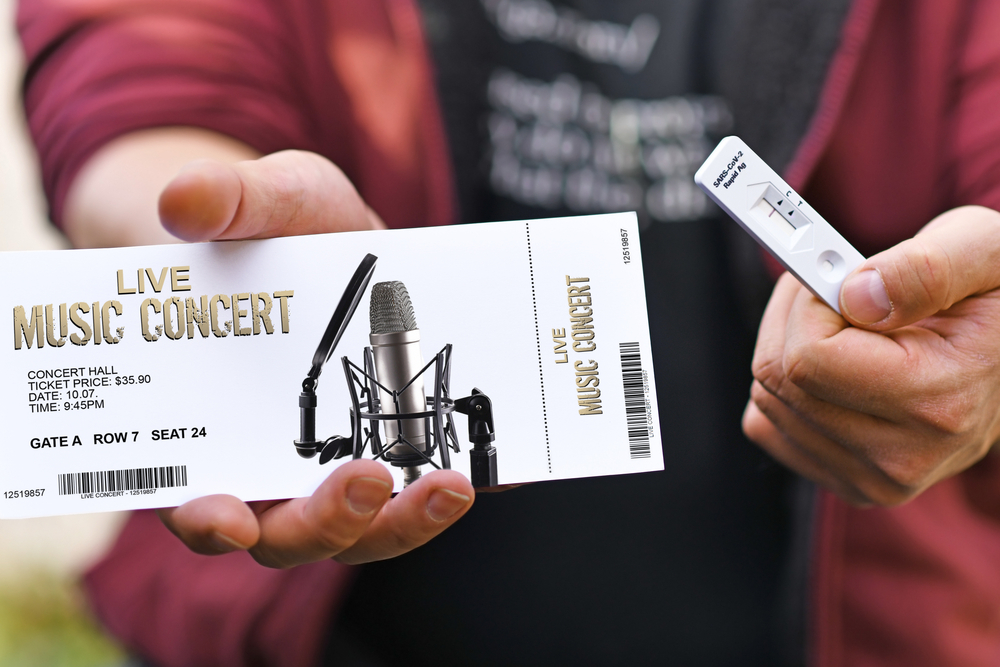
A sold-out show doesn’t mean the person offering two tickets in a local group actually has them. Screenshots can be copied, ticket-transfer promises can be broken, and an apparent bargain can disappear along with the seller after payment.
Buying from a third-party seller requires checking whether the marketplace itself has a buyer-protection process, and whether the particular transaction qualifies. A private debit-card payment, especially one arranged outside the official ticketing system, may leave you trying to chase a stranger instead of receiving valid tickets.
Use the venue’s official ticket seller or an established resale platform that offers verified transfer and a clear remedy for invalid tickets. Pay through its checkout rather than sending money directly to the seller. A credit card can add a layer of recourse, but it doesn’t excuse ignoring the platform’s rules and deadlines.
Products sold by strangers on online marketplaces
A used phone, gaming console, or designer bag looks like a bargain until the seller asks you to leave the marketplace and pay directly. That request is often more important than the price. You may be giving up the site’s protection to save the seller a fee.
Different platforms offer different rights when an item is not delivered or is not as described. Some help with refunds and some leave the problem almost entirely to the buyer and seller. Moving the payment outside the platform may leave you without its refund process.
Check photos of the actual item, seller history, and return terms. For expensive purchases shipped by a stranger, use the platform’s protected checkout and, where accepted, a credit card. If you’re meeting locally, inspect the item before paying. A debit card is not your best tool for gambling on whether a stranger will send what was advertised.
Too-good-to-be-true deals from social media ads

That half-price espresso machine in your feed looks like it came straight from the manufacturer’s website. Sometimes it didn’t. A convincing logo, professional product photos, and an ad placed on a major social platform don’t establish that the seller is real.
Scammers run paid social ads that impersonate familiar brands and direct shoppers to fake stores. Entering your debit-card details on the fake checkout can expose your checking account, and the package may never arrive or contain a cheap imitation.
Open a separate browser tab and find the company’s official site yourself. Check the address carefully and compare the price with other reputable stores. If the seller can’t be verified, don’t pay with any card. Using a credit card is a sensible added safeguard when you buy online from a genuine retailer, not permission to ignore an obvious scam.
Big appliances delivered after you’ve paid

A new refrigerator or washing machine might look fine on the order confirmation and be badly damaged when the delivery truck arrives. It might also fail to arrive at all. Those are problems you want to resolve before the purchase price leaves your household budget for good.
A credit-card billing error can include an item that was never delivered or whose delivery you did not accept. Problems with defective goods can involve a different dispute route, so don’t assume every breakdown is an automatic chargeback. Debit-card purchases may still have bank or card-network dispute options, but the money is already out of the account.
Pay attention to delivery and installation terms, take photos of damage, and document rejected deliveries. For a costly appliance that you won’t inspect until it arrives, credit can provide useful separation between your cash and the retailer’s promise.
Custom furniture that won’t arrive for months

A custom sofa or dining table sounds straightforward until the maker tells you the delivery date has slipped again. By then, the payment may have been gone from your account for months, and you may need the money to buy something else.
For most online orders, sellers must ship within the promised time or offer appropriate options when a shipment is delayed. Custom-made and specially ordered items can have different contract terms, so read the deposit, cancellation, and refund clauses instead of assuming a standard store return policy applies.
Ask how much is due now, what happens if delivery runs late, and whether the seller will bill the balance only when the item is ready. Keep dates and promises in writing. If the company wants full payment upfront for something you won’t see until next season, think carefully before funding that promise straight from checking.
Crowdfunding rewards and unfinished inventions
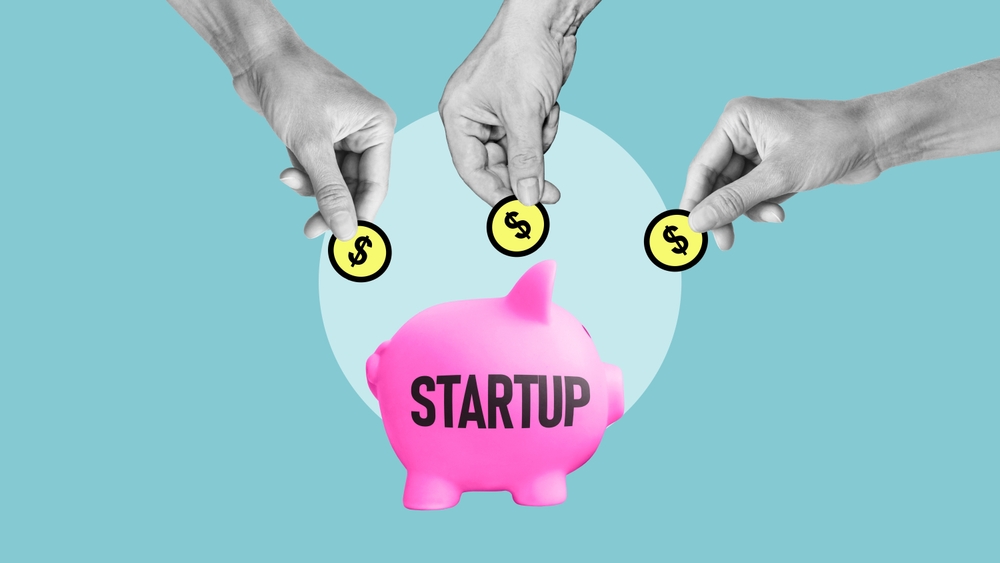
A startup promises a clever gadget if you pledge money today. There’s a prototype video, a target shipping month, and perhaps a tempting early-backer price. None of that makes it a normal retail purchase.
With product crowdfunding, a contribution may be funding the creation of a product rather than buying one that already exists. The project might run late or fail altogether. Payment-card protections don’t necessarily undo the risk you knowingly accepted when backing a project.
Read the platform’s terms and check the team’s track record. If you decide to contribute, treat the amount as money you can afford to lose, not as a guaranteed preorder. A debit card linked to your bill-paying account is the wrong place to take a speculative hit when the product isn’t even finished.
Large deposits for home improvement work

A contractor asks for most of the money before ordering materials or starting work. The roof still leaks, the kitchen is still torn apart, and your checking balance is already thousands of dollars lower. You’ve paid most of the bill without knowing whether the work will be completed.
For renovations, paying the entire project cost upfront is a major warning sign. Some states restrict down-payment amounts, and the rules depend on where you live. Put the scope, schedule, materials, payment stages, and completion conditions in a written contract before handing over a deposit.
If the contractor accepts a credit card without a steep surcharge, consider it for a reasonable deposit and pay the balance when agreed milestones are met. Credit-card disputes cannot fix shoddy workmanship automatically, but keeping money out of the contractor’s hands until it’s earned is a better protection than trusting a handshake.
Moving-company deposits before the truck arrives

Moving is expensive enough without paying a large deposit to a company that disappears on moving day. A convincing website and a friendly quote don’t tell you whether the business is properly registered or whether that quote will change when your possessions are on the truck.
Be suspicious of movers who demand a big deposit or cash before a move. For an interstate move, check the company’s federal registration, get written estimates, and ask what the charges cover. A debit-card deposit doesn’t give you much leverage if the business stops answering calls.
Don’t assume paying by credit makes any mover safe. Get the estimate and payment schedule in writing, and avoid handing over a large advance payment. If a legitimate mover requires a modest card deposit, using a credit card helps keep that amount separate from cash you need for the move itself.
Free trials that require a payment card
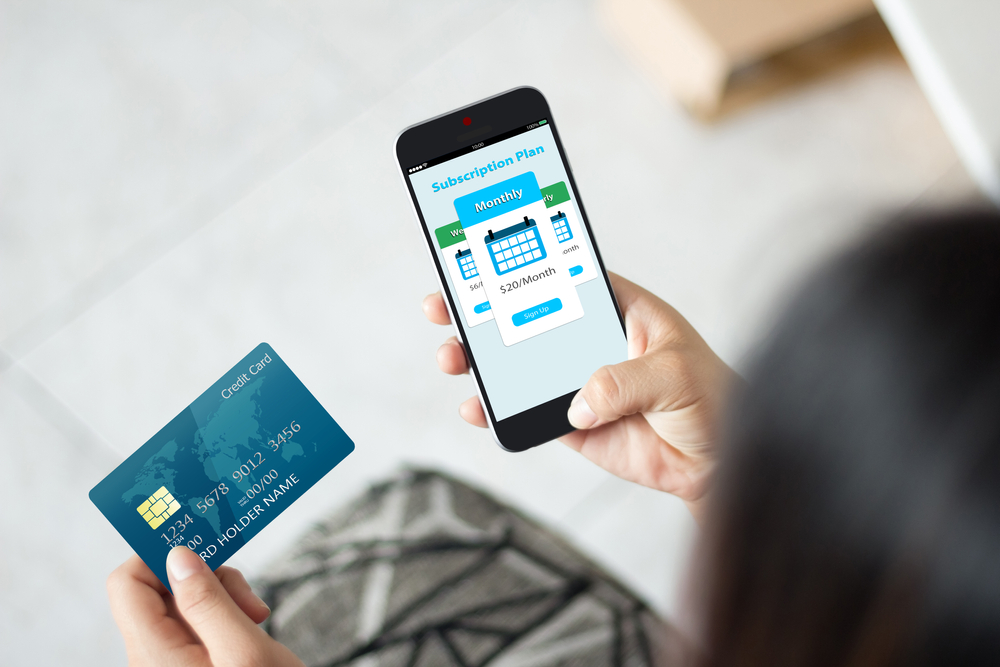
The streaming app says ‘free for 30 days,’ but asks for a card before you can watch anything. You enter your debit details, forget to cancel, and the next charge comes out of checking without another decision from you.
A free trial can turn into an automatic paid subscription when its promotional period ends. Some offers include separate shipping or add-on charges, and cancellation can be difficult. The seller may be allowed to take the agreed payment even if you never use the service again.
Before entering any card, find the renewal price and precise cancellation method. Set a reminder well before the deadline and save proof if you cancel. A credit card or a payment method that lets you control subscriptions can limit the damage to your checking account, but it won’t remove your responsibility to cancel a subscription you authorized.
Gym memberships with awkward cancellation terms

Signing up at the gym takes five minutes. Canceling may be another story. An annual commitment, notice period, enrollment fee, and recurring monthly charge can make an apparently cheap membership much more expensive than it looked on the sign.
Some gyms have been challenged over difficult membership-cancellation practices. A debit card doesn’t create the problem, but it allows disputed recurring charges to keep affecting the money you use for other expenses. Simply replacing a card may not stop legitimate recurring billing arrangements.
Ask for the complete contract, including how and when to cancel, before joining. If you are uncertain about the gym, avoid a long commitment. Pay by a method you can monitor closely, keep the cancellation confirmation, and dispute any unauthorized charges promptly rather than assuming they’ll eventually stop.
Bills that change a lot from month to month

A $90 utility bill is easy to plan around. A $280 one that automatically pulls from your account two days before payday is another matter. The payment may be legitimate, but the timing can still leave you short for rent, food, or other obligations.
Automatic payments from checking or a debit card can trigger overdraft or insufficient-funds fees when the balance isn’t high enough. The risk is greater when bills vary, as with electricity, water, and some mobile plans. Paying by credit might also carry a convenience fee or create an interest problem if you don’t pay the bill in full.
Consider keeping variable bills on manual payment, setting alerts, or using your bank’s bill-pay service so you control the date. If you do use a card on autopay, check both the amount and the account balance before the withdrawal. Convenience isn’t worth a pile of preventable fees.
Buy now, pay later installments

The first installment is small enough to fit into this week’s budget. The next three, however, might collide with groceries, car insurance, and another purchase you also split into payments. Connecting those obligations to your everyday debit card lets every due date draw from the same pot of cash.
Many buy now, pay later services can collect payments automatically from debit cards or bank accounts, with possible late or bank overdraft fees when money is short. Not all providers charge the same fees, so the specific terms matter. The initial checkout total is only part of the commitment.
Before agreeing, write down every installment date and the total of any other plans running at the same time. Don’t use a second form of borrowing just to disguise an unaffordable purchase. If the money won’t be available on the repayment dates, the useful answer is to postpone the purchase, not to find a card that lets it go through.
Medical bills you haven’t checked against insurance
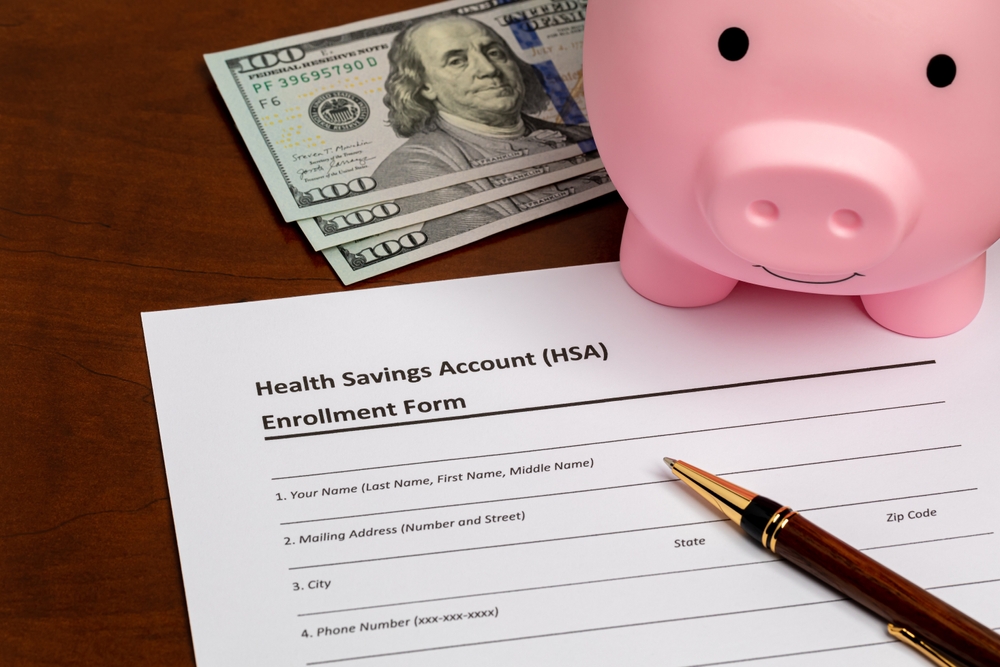
A hospital statement lands in the mail with a large balance due and a link to pay now. It’s tempting to put the charge on your debit card just to get the bill off your desk. But an amount on a medical statement isn’t necessarily the correct amount you owe.
Your health plan’s explanation of benefits is not a bill and should be compared with the provider’s charges. Look for duplicate services, incorrect dates, missing insurance payments, or an amount above your stated patient responsibility. If something doesn’t add up, ask for an itemized bill and contact the billing office before paying the disputed amount.
Debit isn’t inherently a bad way to pay a correct medical bill. Paying an incorrect bill straight from checking can leave you short while the provider investigates a correction. Once the amount is confirmed, ask about a no-interest payment plan or financial assistance if paying it at once would leave you short.
Payment links in unexpected texts and emails
Your phone buzzes with a message saying you owe an unpaid toll or a tiny fee to release a package. The amount is small, the logo looks familiar, and the link seems like the fastest way to make the problem disappear. That’s how thieves persuade people to enter card numbers on fake payment pages.
Scammers send phony toll, delivery, and account alerts that lead to sites requesting payment details. A fake $3 or $6 charge can be a way to collect card details for much larger unauthorized purchases. Giving them a debit-card number can put the checking account attached to that card at risk.
Don’t open the link and don’t substitute a credit card on the same suspicious page. Go to the carrier, toll agency, or service provider using an address you already know is genuine. If you’ve entered debit details on a fake page, contact the bank immediately to secure the card and report suspicious transactions.