
You wipe the counter with a paper towel, pull off two more to clean up a spill, and by the end of the week you’re opening another roll. None of those sheets seems expensive. Buying them over and over is the part that hurts.
Replace one $2 roll every week with cloths you already own and that’s $104 kept in your pocket over a year. Cutting one paper towel roll a week can save about $104 a year when the roll costs $2. But there’s no savings in spending $35 on a collection of trendy reusable products that sit in a drawer.
The sensible swaps replace things you already buy regularly. Some pay back immediately because you can use what you own. Others need months of steady use before you’ve recovered the purchase price.
Cut old towels into cleaning rags
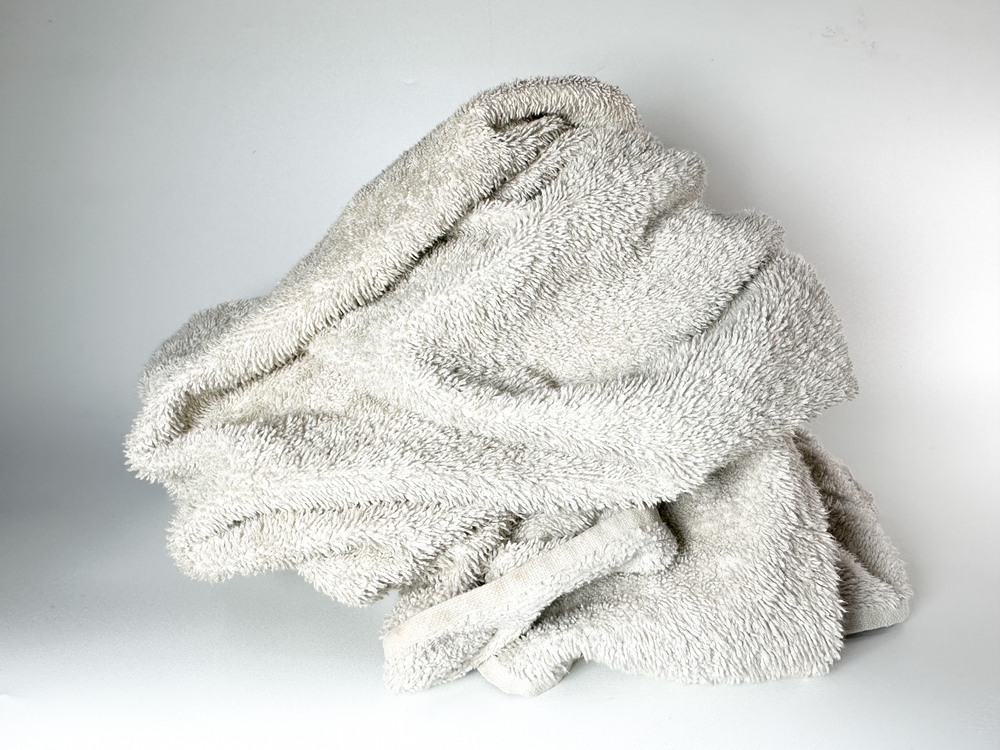
That threadbare bath towel is still perfectly capable of wiping down the stove or cleaning a window. Cut it into manageable squares and put a stack under the sink. Every time you use one instead of a paper towel, you avoid using up another disposable sheet. Reusable cloths can replace some everyday paper towel purchases, and the upfront cost is zero if the fabric was headed for the trash.
Keep separate cloths for kitchen jobs and bathroom cleaning. Wash them after dirty tasks and dry them completely. Some jobs still call for disposable paper, and that’s fine. The aim is to stop using five sheets to clean a countertop when one washable rag will do. If cutting your paper towel purchases from one $2 roll a week to one every other week sounds manageable, that’s approximately $52 a year in avoided spending. You haven’t added anything to your shopping list.
Put cloth napkins on the everyday table
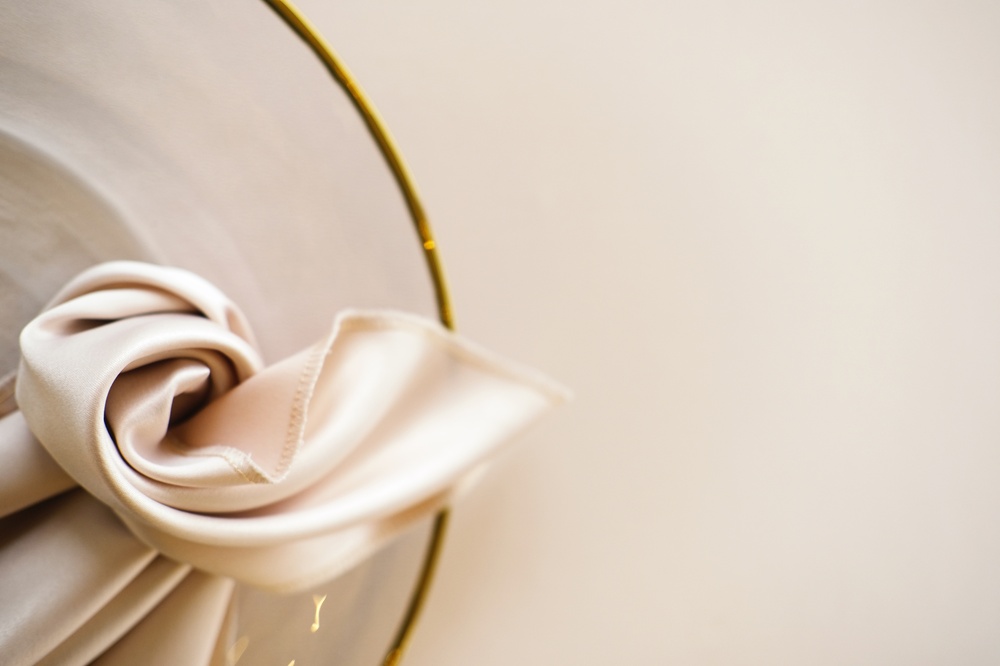
A napkin used once and tossed away is another little purchase that repeats with every meal. Plain cotton napkins can be washed with your regular laundry, and they don’t need to match the dishes. A four-pack of washable napkins may cost around $12, but old cotton fabric you already own works too.
If four people use one paper napkin at dinner every night, the household gets through about 1,460 pieces a year. Cloth only saves money when it replaces those purchases, not when it becomes an extra set of fancy table linens. Choose sturdy fabric that won’t need ironing and keep a basket nearby for used napkins. If your household never buys paper napkins, there’s nothing to save by buying cloth ones. That’s the important test with every reusable swap: what exactly are you no longer purchasing?
Replace throwaway mop pads with washable ones
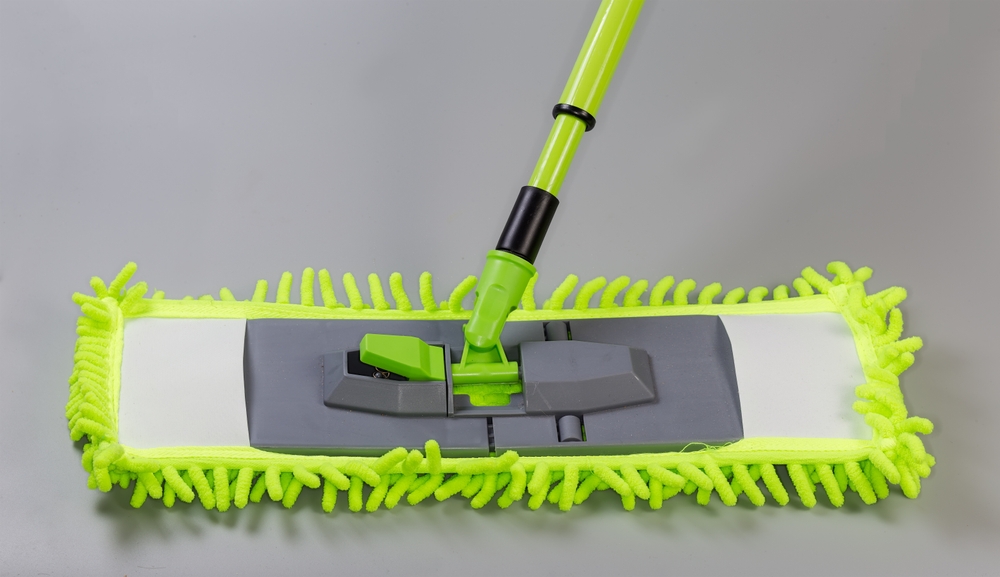
A mop that takes a disposable cleaning pad can be cheap to buy and expensive to keep using. The ongoing cost is in the refill boxes. Some flat mop heads can hold a compatible washable pad, while others will grip a suitable microfiber cloth. Swapping disposable mop pads for reusable pads cuts repeated refill purchases if the replacement actually fits your mop.
Work out your own break-even point. At an illustrative 20 cents per disposable pad and three pads a week, that’s $31.20 a year in refills. A washable replacement costing $10 has room to pay for itself over that time, even allowing for washing. Don’t assume every pad fits every mop or every floor type. Clean and dry the washable pad after use, and follow the floor manufacturer’s advice for wood or other moisture-sensitive surfaces. A pad that doesn’t attach properly is not a bargain.
Wash the duster head instead of buying refills
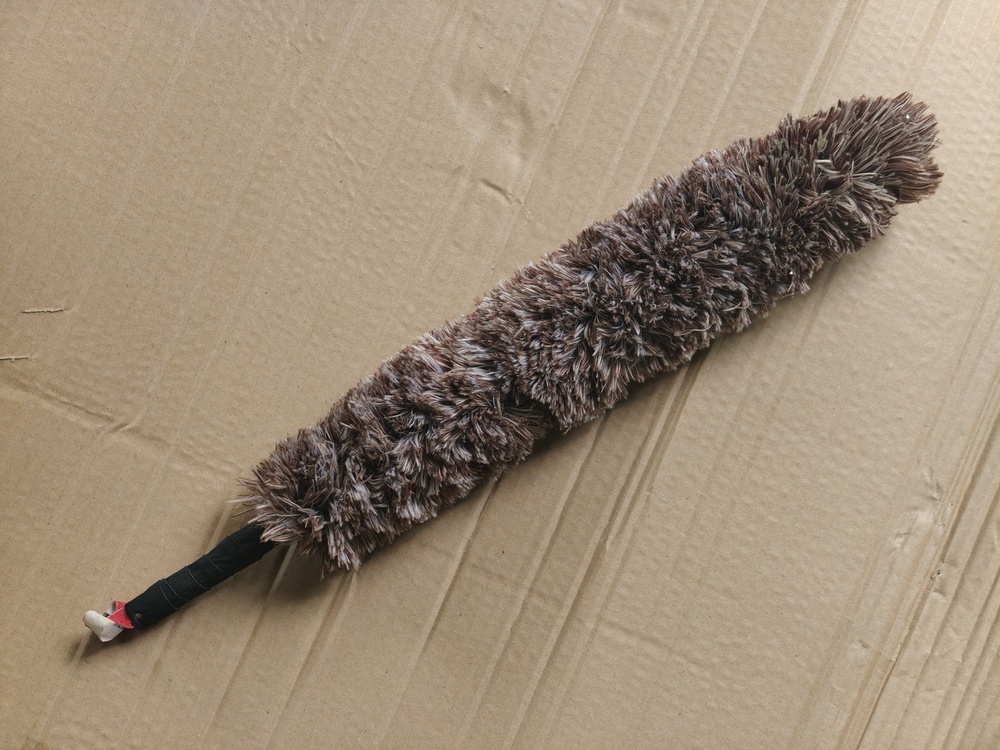
The sleeve on a disposable duster doesn’t look like much, yet it becomes another item you need to restock. A washable microfiber duster head can handle shelves, blinds and baseboards without a new disposable sleeve each week. For accessible furniture, a damp cloth you own may do just as well. Reusable cleaning tools reduce purchases of single-use cleaning supplies, provided you keep using them.
Don’t replace a sturdy telescoping handle just because someone sells a fashionable new duster. Look for a washable head that fits your existing tool. If it doesn’t exist, keep your old duster for the awkward corners and use a regular cloth elsewhere. Give dirty dusters a proper wash and allow them to dry. A household that dusts constantly will recover the cost of a washable head sooner than someone who goes through one refill pack a year. The saving depends on the refills you stop buying.
Keep the spray bottle and buy cheaper refills
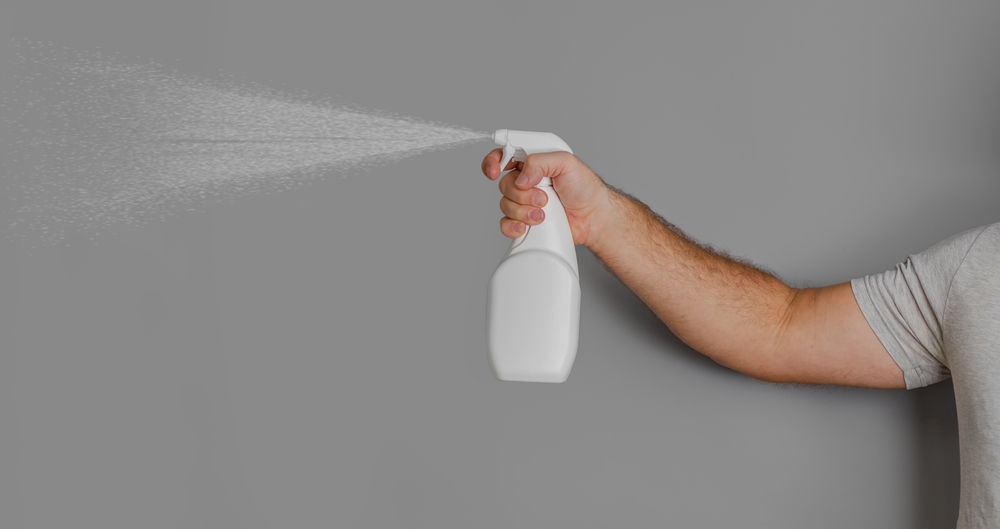
Ready-to-use cleaning sprays mean paying for another bottle and nozzle every time. With a compatible refillable bottle, a concentrated cleaner or a measured tablet can reduce that recurring cost. One example is a pack of two refill tablets for $5, each making 24 ounces of cleaner. Once you have the bottle, that works out to $2.50 for each filled bottle.
The catch is that plenty of basic store-brand ready-to-use cleaners cost little enough to compete with refills. Compare the final price per ounce instead of believing a product is economical just because its packaging looks environmentally friendly. Don’t mix cleaning chemicals or put an unfamiliar product in a bottle carrying the wrong label. Ordinary cleaning with soap or detergent is generally enough for many household surfaces unless illness or another specific hazard calls for disinfection. A bottle you refill with an appropriate cheaper product can help; a costly subscription for branded tablets may not.
Carry lunch in containers instead of plastic bags

A sandwich bag costs only a few cents, but it’s worth looking at how often your family uses one. A 100-count pack of basic lunch bags can cost $2.79. One each weekday amounts to roughly 250 bags over 50 working weeks. Add two children’s lunches, and you’re getting through them considerably faster.
A food-safe, leakproof container you already own can carry a sandwich, chopped fruit or leftovers without another bag. There’s no need to buy matching containers for every person in the house. Use ones you have, check that the lids still fit and choose sizes that can fit in a lunch bag. The savings from bags alone won’t make you wealthy, but they don’t require a new spending habit either. Taking a packed lunch rather than purchasing lunch can save considerably more, though that is a separate saving from the container itself.
Use a plate instead of buying silicone bowl covers
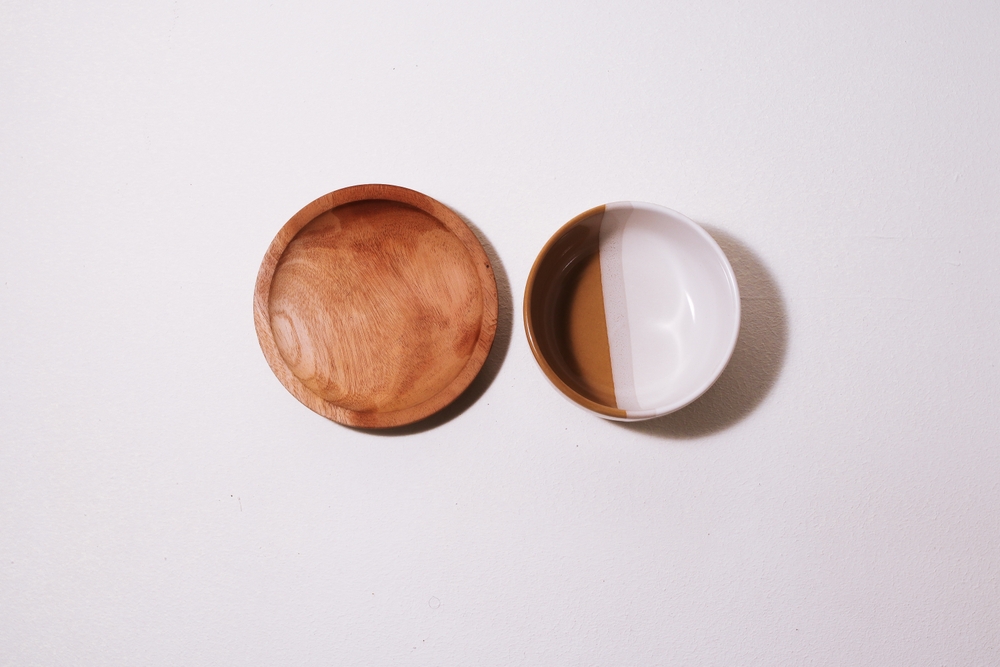
A leftover bowl of rice doesn’t necessarily need a newly purchased stretch lid. A plate that fits over the bowl may be enough for short-term refrigerator storage. A proper food-storage container is better for transport, the freezer or anything that needs an airtight seal. Either way, it avoids pulling off another strip of plastic wrap.
The cheap alternative matters here. A 200-square-foot roll of store-brand plastic wrap has been sold for $2.29, so a $20 silicone-lid set takes plenty of avoided wrap to pay for itself. If you already have bowls and plates, your upfront cost can be zero. Make sure food is stored safely, don’t balance loose plates where they could fall and use sealed containers when needed. This swap is a money-saver because it asks you to use your existing kitchenware, not because every cupboard needs a collection of new silicone gadgets.
Fill a reusable bottle instead of buying bottled water

If you routinely pay $1.50 for bottled water four times a week, you’re spending $312 a year on those purchases. That’s an example based on a specific habit, not a claim about the average household. Bringing safe tap water in a bottle you own can eliminate that expense almost completely. Refilling a bottle or thermos rather than buying disposable drinks is one of the more straightforward reuse habits.
Don’t spend $40 on a new tumbler to replace a perfectly good one. Wash and dry the bottle regularly and choose something you can comfortably carry. If the tap water is safe but tastes unpleasant, compare a filtered pitcher with what you’re spending on bottled water, including the cost of replacement filters. Follow official advice whenever drinking water is unsafe or there’s a boil-water notice. A reusable bottle cannot fix unsafe water on its own, but it can stop plenty of unnecessary convenience-store purchases.
Take coffee from home in your travel mug
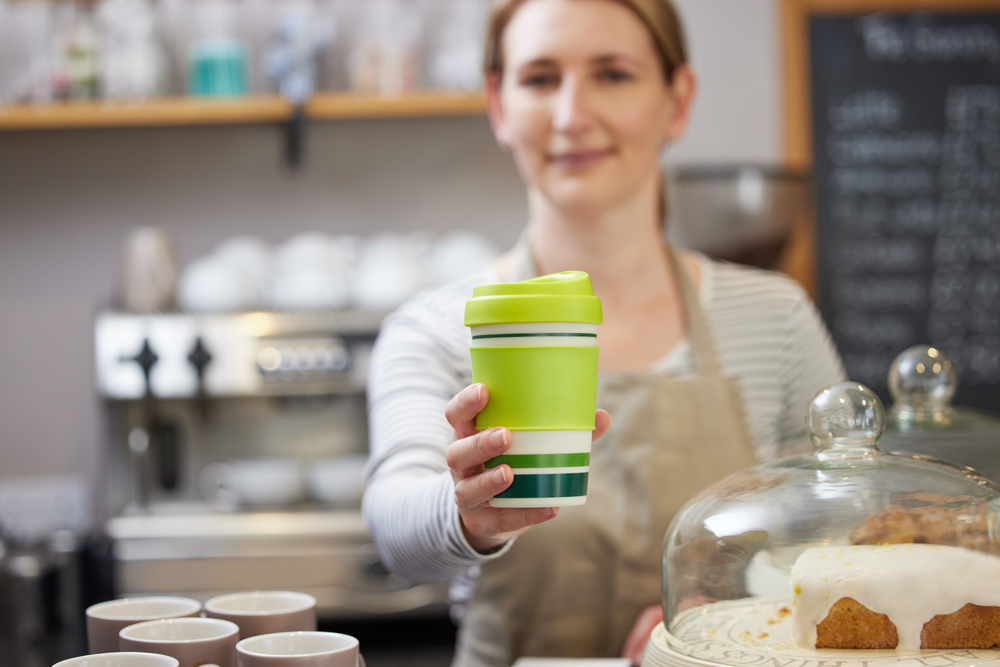
The biggest saving from a reusable coffee mug isn’t the cup itself. It’s the drink you no longer buy. If you pay $4 for coffee three mornings a week, that’s $624 over 52 weeks. Brewing at home costs money too, but typically much less than that cafe habit. The best reusable mug is one you already own and actually bring on your commute.
Carrying an empty cup to a coffee shop gives a smaller payoff. Participating coffee shops have offered a 10-cent discount for bringing a clean reusable cup, which amounts to just $5 after 50 drinks. That is worth taking if you have the cup already, but hardly justifies spending $25 on a new one. Clean the mug properly, choose a leakproof lid and use it regularly. A premium cup that stays on the kitchen counter while you keep buying coffee is the opposite of a saving.
Refill a coffee pod instead of buying a new one each time
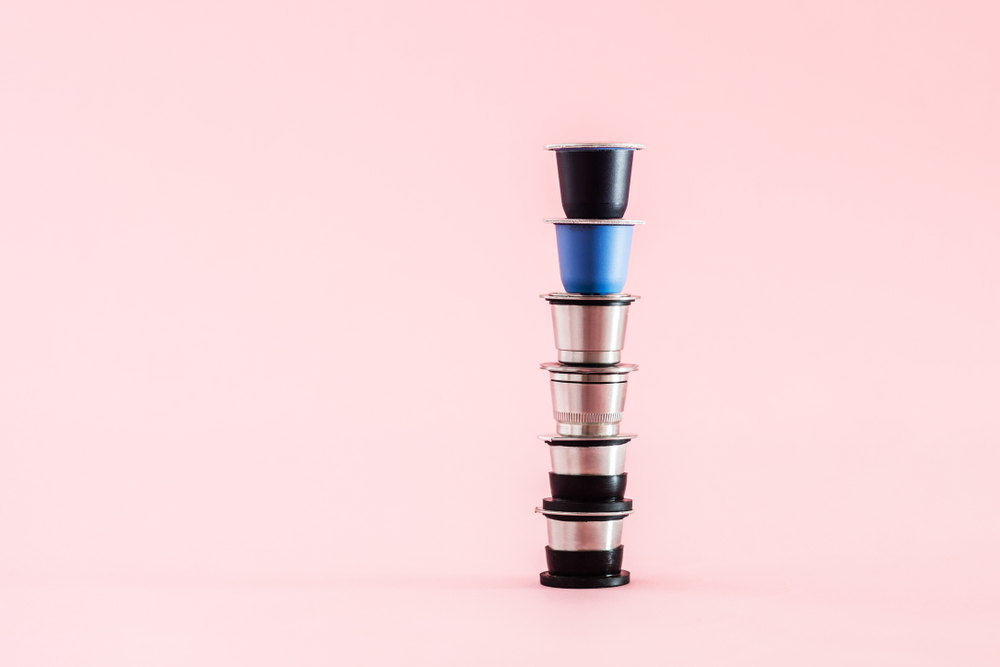
Single-serve coffee machines are convenient, but the pods can be expensive for what amounts to a single cup. A compatible reusable pod or filter lets you buy ground coffee and measure it into the machine. One My K-Cup reusable filter has been advertised at $9.99, although the price changes with promotions.
Work with your actual prices. If your usual pod costs 70 cents and the grounds for one cup cost 30 cents, that’s 40 cents saved each time. A $10 filter would break even after 25 cups at those example prices. If you make two cups every morning, it could happen fairly quickly. Before buying anything, check the specific filter’s compatibility with your coffee machine. Some models and generations are excluded, and the wrong accessory isn’t worth damaging a good brewer. Rinse and clean the filter between uses.
Try a reusable silicone mat if you bake regularly
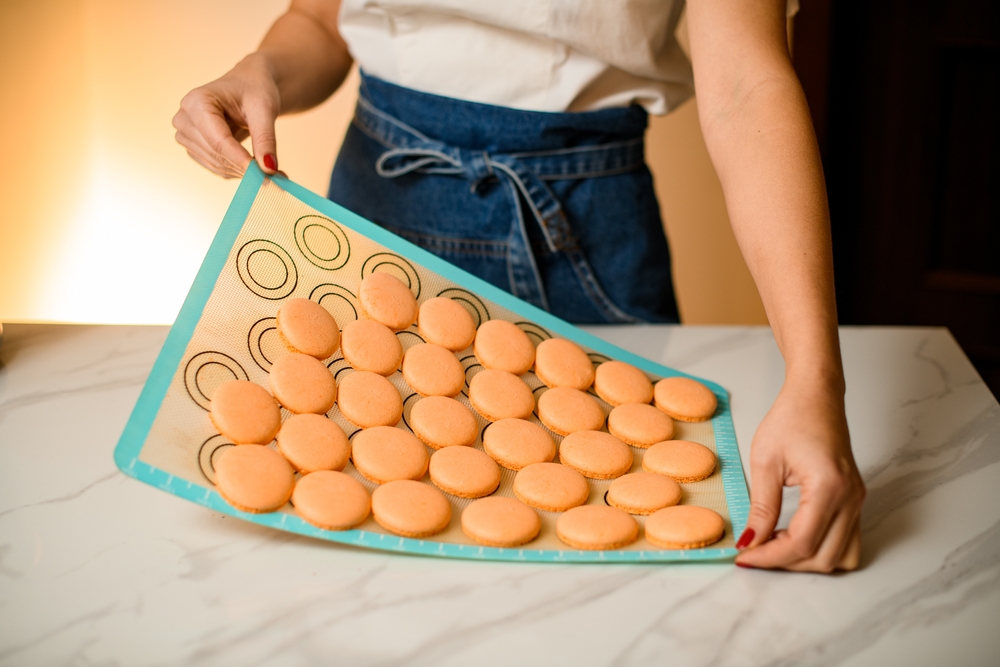
Home bakers can go through sheets of parchment paper without noticing how often they repurchase it. A reusable silicone baking mat can line an appropriately sized baking sheet for certain recipes and be washed afterward. If you use four 10-cent parchment sheets a week, that is $20.80 in paper each year. A $10 mat would need to replace 100 sheets to recover its purchase price, at those illustrative costs.
This isn’t a universal replacement. Silicone baking mats and parchment affect baked goods differently, especially where browning and texture matter. Don’t put a silicone mat under the broiler or above its stated heat rating. And before buying one, remember that some parchment sheets can be reused for several batches, which makes their per-use cost lower. Anyone who bakes twice a year can probably skip the mat altogether. The point is not to turn a cheap cookie recipe into a $30 equipment purchase.
Use rechargeable batteries for things that drain them quickly
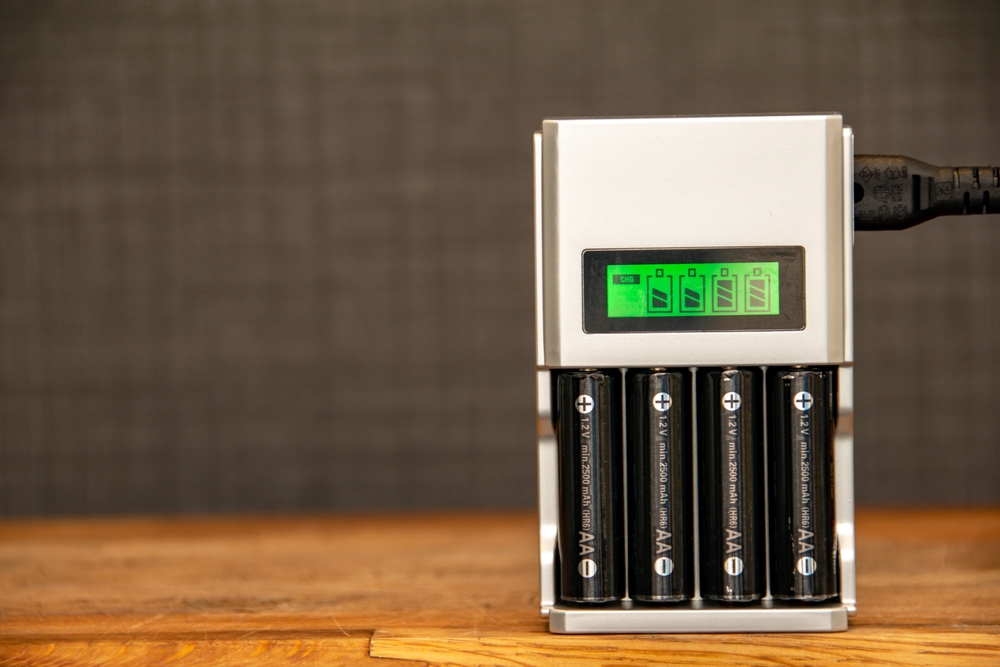
Toy cars, game controllers and battery-hungry accessories can chew through AA and AAA batteries. Rechargeables and a charger cost more upfront, but the same cells can be charged again rather than replaced after every few weeks of use. The biggest savings come from devices needing frequent battery changes, not a wall clock that runs for years on one battery.
Suppose a charger with four rechargeable batteries costs $20, and a replacement set of disposable batteries costs $5. Four avoided disposable sets would match the initial outlay, before a little electricity for charging. That’s illustrative math; your battery and charger prices may be different. Check the device’s battery requirements and use a compatible charger. Don’t make a risky substitution in a smoke alarm or other safety equipment that specifies a particular battery. A few dollars saved is not more important than reliable operation.
Trade cartridge refills for a durable safety razor
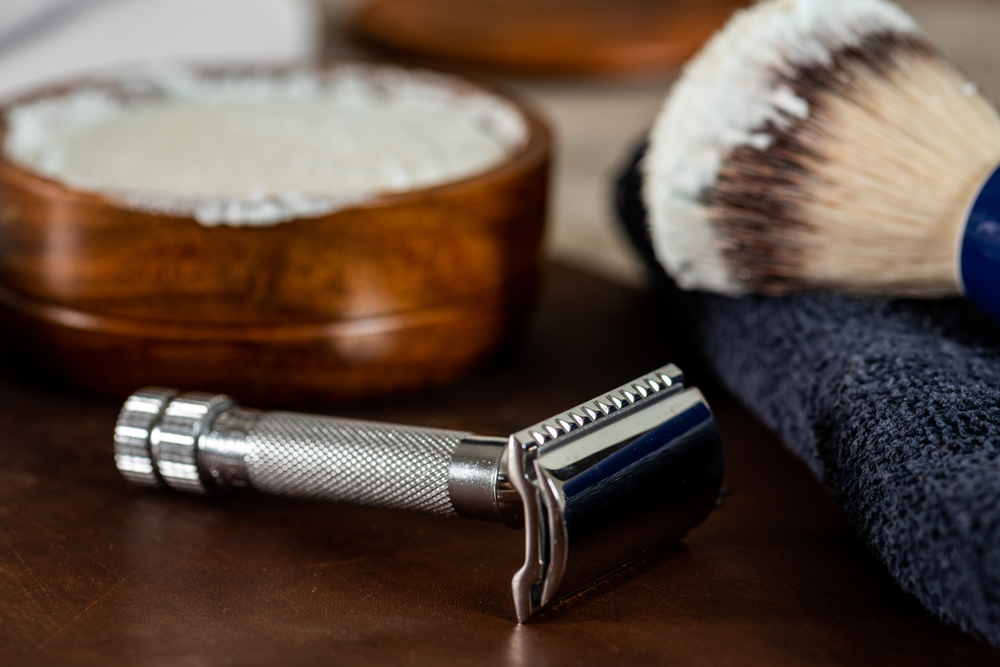
An expensive razor handle becomes a repeat expense when the replacement cartridges are costly. A metal safety razor uses individual double-edge blades. For example, 20 double-edge replacement blades have been listed for $9.99, or about 50 cents each, while four cartridge refills can cost $9.99, or $2.50 each. At those prices, each replacement is about $2 cheaper before accounting for the handle.
If a reusable metal handle costs $20, you’d recover that amount after roughly ten replacements compared with those particular cartridges. But blade longevity and shaving comfort vary. Safety razors take a lighter touch and some practice, and they won’t suit everyone or every area you shave. Keep using a perfectly good cartridge handle if you already own it. When it’s time to replace the razor, compare several months of blades rather than choosing based on the cost of the starter handle alone.
Replace sticky lint sheets with a reusable brush
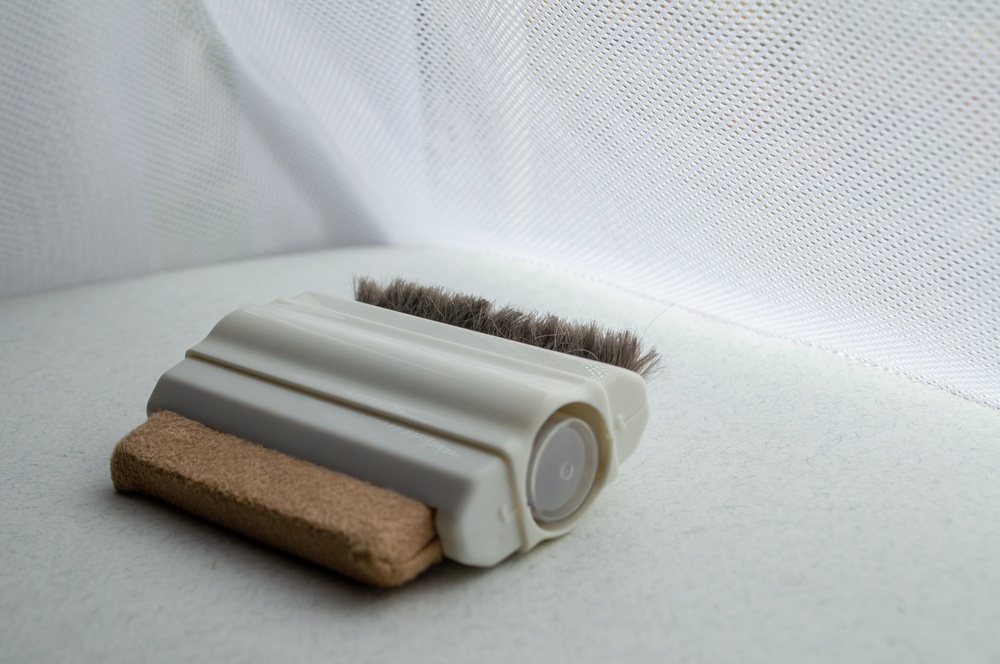
A sticky lint roller works well until the sheet is full of pet hair, and then you have to peel it off and use another one. A reusable lint brush or mechanical pet-hair roller can remove hair from coats, furniture and blankets without running through adhesive refills. This matters most in a household with pets, where one couch can use up several sticky sheets in a single cleaning session.
Say you spend $5 on lint-roller refills every two months. That’s $30 a year. A $12 reusable brush would pay back within that year if it works on your fabrics and replaces those purchases. This is an example, not a guaranteed price for every brand. Some reusable rollers work best on upholstery, while adhesive versions may still be better for fine lint on dress clothes. Choose the tool that handles the surfaces you actually clean. It’s better to own one effective brush than several gadgets that do nothing to remove the dog hair.
Compare wool dryer balls with the cost of dryer sheets
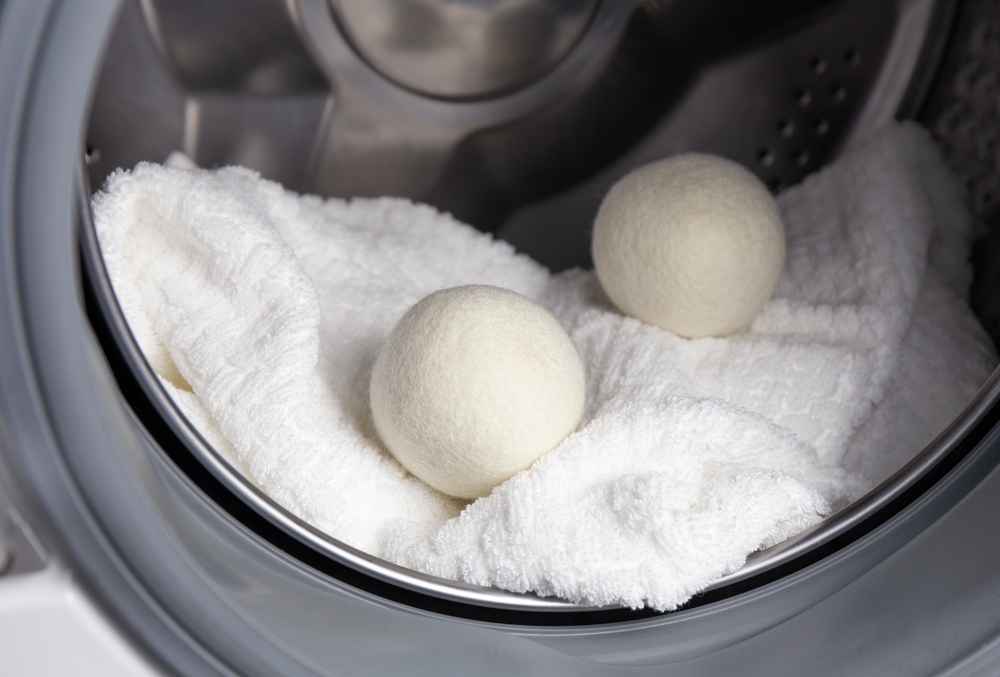
Dryer balls are often promoted as miracle energy savers, but you shouldn’t build the financial case around promises of shorter drying time. The more predictable saving is the dryer sheets you stop buying. A three-pack of wool dryer balls has been priced at $12.79, while 240 disposable dryer sheets have been priced at $9.99. At one sheet per load, the sheets cost about four cents a load.
Using those numbers, the $12.79 purchase would take about 307 loads to break even. At six loads a week, that’s around a year; at one load a week, almost six years. Dryer balls won’t necessarily give the same scent or anti-static effect as your preferred sheets, either. If you don’t currently use dryer sheets or fabric softener, buying dryer balls doesn’t avoid any expense. You could keep every cent of the purchase price by simply going without both products.
Wash makeup pads instead of replacing cotton rounds
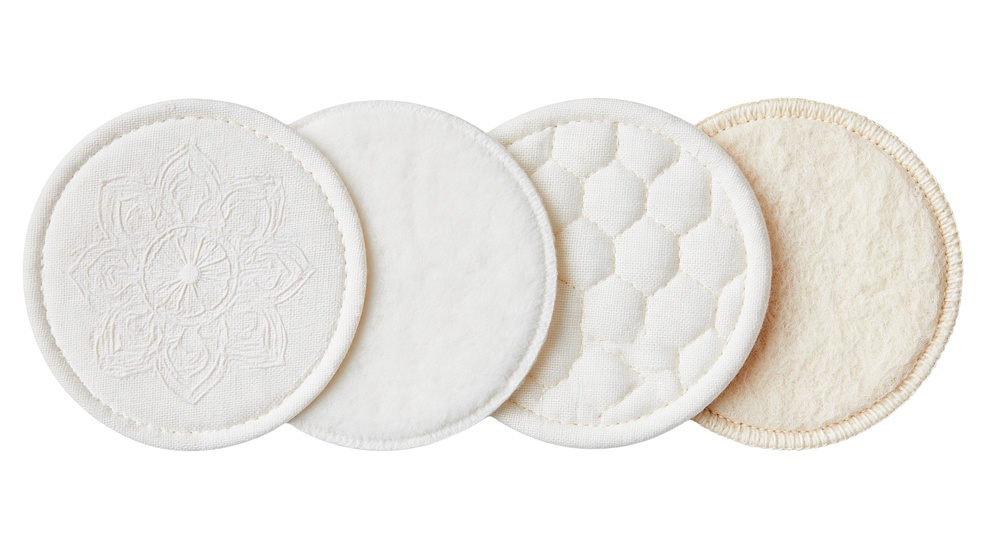
A daily skincare routine can use hundreds of cotton rounds over a year. One 16-piece pack of washable makeup-removing pads is listed at $12.99, compared with 100 disposable exfoliating rounds for $3.99. At two disposable rounds a day, you’d spend roughly $29 a year on the single-use version. The washable set could recover its purchase cost in around six months at those prices, assuming it lasts and replaces the disposables.
Put used rounds in a small mesh laundry bag and wash them as directed. A soft facecloth you already own is an even cheaper way to try the idea. This isn’t suitable for every skincare or medical situation, and you shouldn’t reuse dirty pads around the eyes. If you reach for a cotton round once a fortnight, the $12.99 kit may never be necessary. It’s a much better prospect for someone throwing away several rounds every day.
Consider a menstrual cup instead of repeat period-product purchases
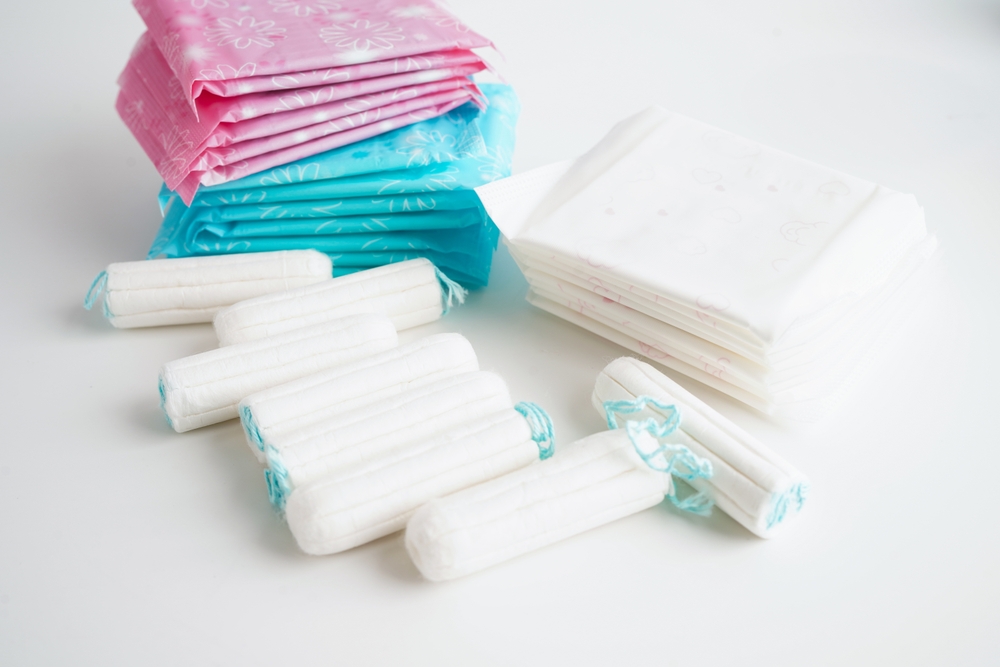
For someone who regularly buys tampons or pads, a reusable menstrual cup can reduce a recurring monthly cost. Menstrual cups collect menstrual fluid and can be used again when cleaned correctly. If disposable products normally cost you $8 a month, you’re spending $96 a year. A suitable $30 cup could recover its cost over several months, provided it works comfortably and lasts.
The fit matters more than any spreadsheet calculation. Some people need to try more than one size, some prefer disposable products, and cups aren’t right for everyone. Follow the manufacturer’s instructions and change or empty menstrual products regularly to reduce health risks. Don’t extend wear time just to avoid buying supplies. This swap is worth considering when the recurring cost is substantial, but nobody should feel obliged to use an uncomfortable product in pursuit of a headline saving.
Consider cloth diapers if you’re buying disposables constantly
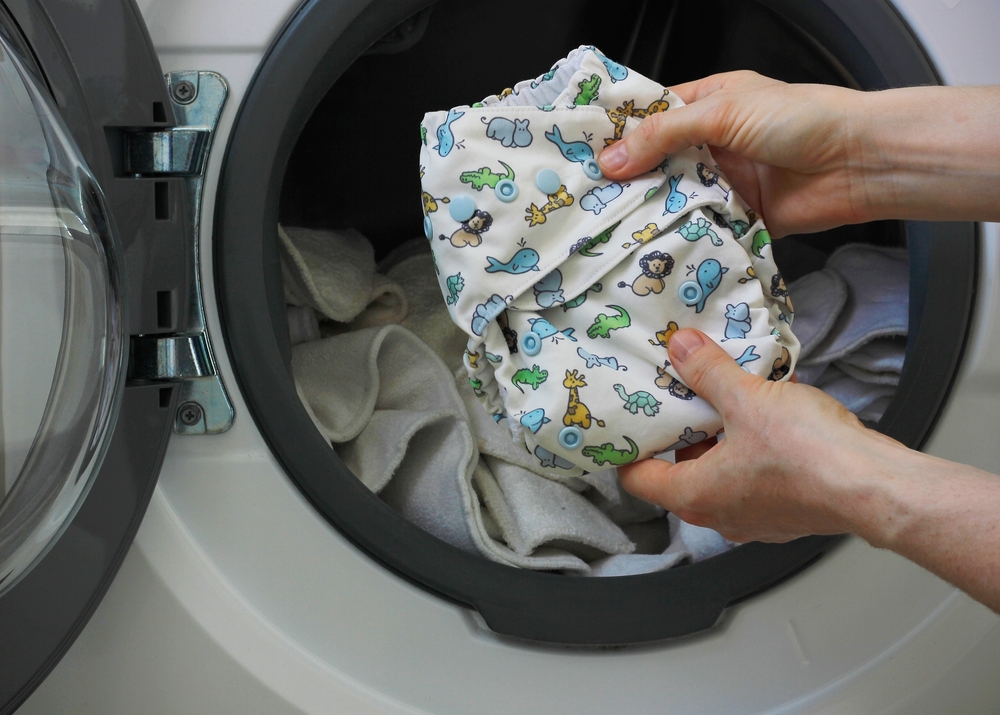
Households with a baby can spend far more on diapers than they do on most other disposable supplies. Cloth diapers require a stock of absorbent inserts and covers, plus regular washing, but they’re an established alternative to disposable diapers. They may cost less over extended use, especially if you wash them yourself and reuse them for another child. The higher upfront price makes this a bigger decision than switching napkins.
Here’s the cash test. If disposables cost $60 a month, that is $720 a year. A hypothetical $250 cloth setup leaves $470 to cover the extra water, electricity, detergent, any backup disposables and other supplies before it stops being cheaper. The real costs depend on your laundry arrangements, and a diaper service can change them considerably. Some childcare providers also have practical requirements. A mix of cloth at home and disposables while out may make more sense than an all-or-nothing switch.











